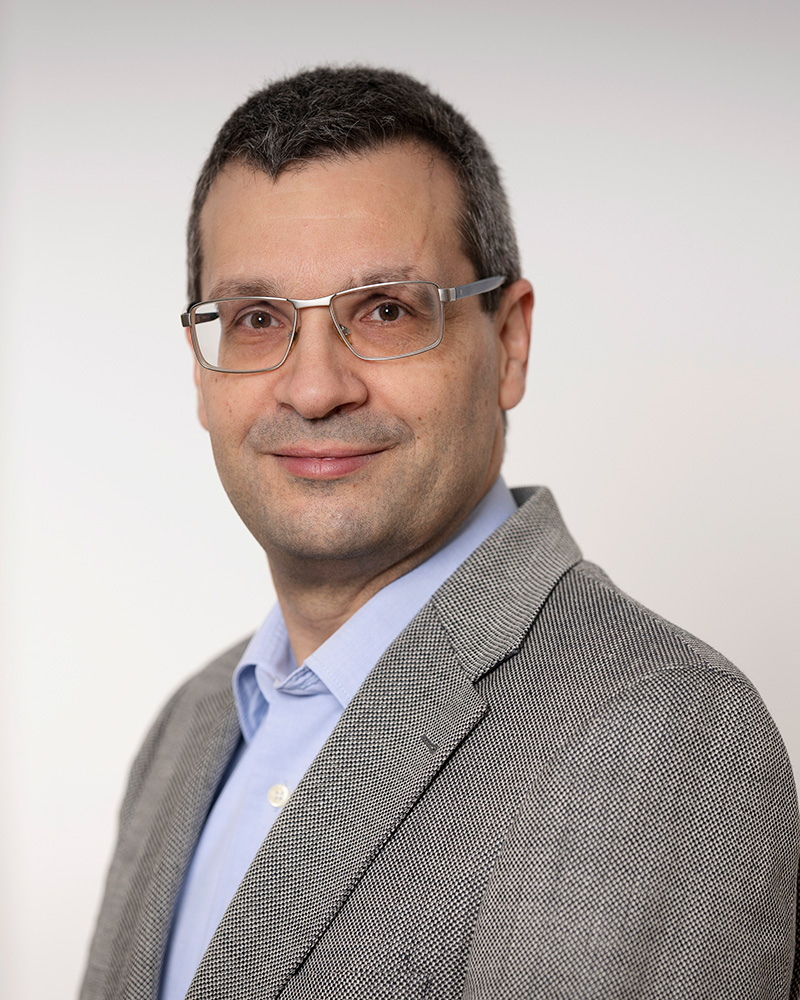
Brenda SchulmanView profile
Professor
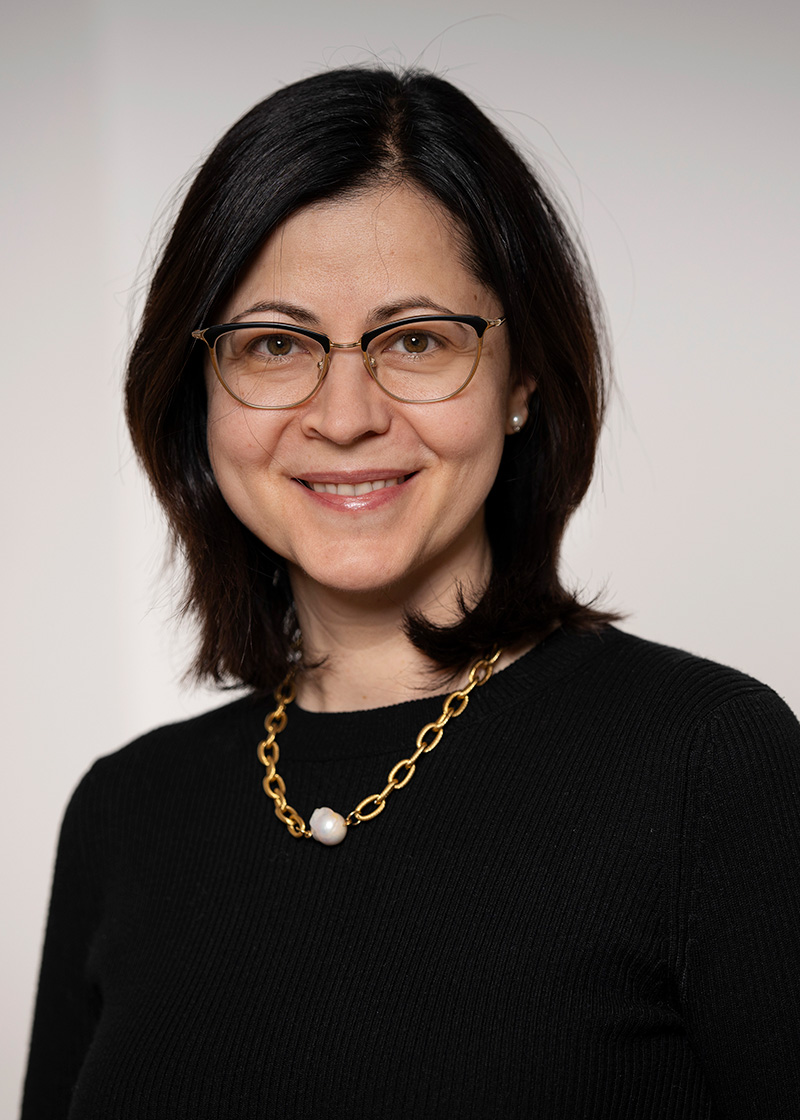
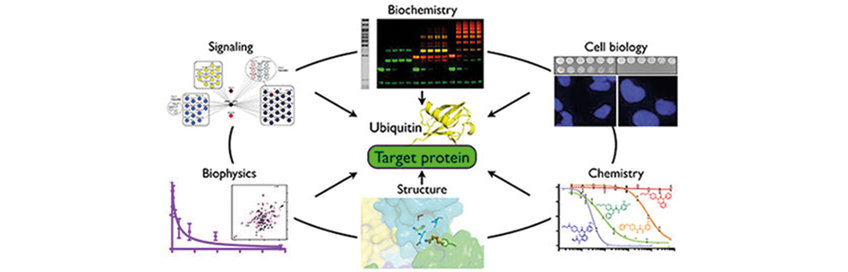
Brenda Schulman is a Professor and Director of the Molecular Machines and Signaling Pathways department at the Max Planck Institute of Biochemistry in Martinsried, Germany. She also holds an honorary professorship at the Technical University of Munich's Department of Chemistry and serves as Adjunct Faculty at St. Jude Children's Research Hospital in Memphis, TN, USA. Her research focuses on understanding how ubiquitin and ubiquitin-like proteins regulate cellular processes through protein modification. Dr. Schulman's research interests center on structural biology of the ubiquitin-proteasome system and ubiquitin-like proteins. Her work has shown that hundreds of dynamic multiprotein complexes are transiently converted into different conformations by specialized regulatory factors that control ubiquitin and ubiquitin-like proteins, thereby monitoring virtually all processes in cell biology. She combines biochemical reconstitution, structural analysis, enzymology, protein design, cell biology, and genetics to understand how these molecular machines function. Her research has significant implications for understanding diseases such as cancer, neurodegenerative disorders, and viral infections where defects in ubiquitin pathways are implicated. Her extensive publication record demonstrates expertise in ubiquitin signaling, protein degradation mechanisms, structural biology of E3 ligases, and molecular machines. Her work spans from fundamental mechanisms of ubiquitin chain formation to therapeutic applications in targeted protein degradation. Among her numerous scientific accolades are the Feldberg Prize for Anglo-German Scientific Exchange (2025), ERC Advanced Grant (2023), Louis-Jeantet Prize for Medicine (2023), Gottfried Wilhelm Leibniz Prize (2019), and election to the National Academy of Sciences (2014). She has also received the Dorothy Crowfoot Hodgkin Award from The Protein Society and has been an Investigator of the Howard Hughes Medical Institute. Dr. Schulman leads an active research group that has produced numerous high-impact publications in top journals including Nature, Cell, and Nature Structural & Molecular Biology. Her team has made significant contributions to understanding the structural mechanisms of ubiquitin transfer, E3 ligase specificity, and the role of ubiquitin in cellular quality control pathways. Current research in her lab focuses on deciphering the ubiquitin code and developing novel approaches for targeted protein degradation.