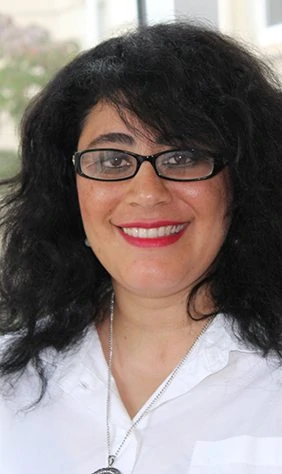
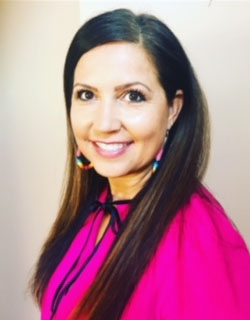
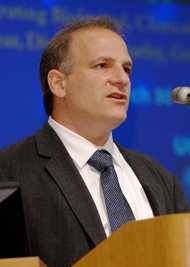
Professor Michelle McManus is a leading academic in Safeguarding and Violence Prevention at Manchester Metropolitan University's School of Nursing and Public Health, within the Faculty of Health and Education. She holds dual roles as a Professor and Co-Director of the Institute for Children’s Futures. Her research focuses on child protection, domestic/sexual abuse, and multi-agency safeguarding strategies, emphasizing cross-sector collaboration to address exploitation (e.g., CSE, CCE, County Lines) and serious youth violence. Education: PhD, MSc, BSc (Hons), AFBPsS (Associate Fellow of the British Psychological Society), CPsychol (Chartered Psychologist). Research Interests : - Development of safeguarding frameworks (e.g., 12Cs Collective Safeguarding Model) - Evaluation of law enforcement tools like the Kent Internet Risk Assessment Tool (KIRAT) - Domestic abuse responses during crises (e.g., pandemic lockdowns) - Policing strategies for vulnerable populations Key Projects : - Led thematic reviews of Child Practice Reviews in Wales - Evaluated Operation Provide (police-health co-responder model for domestic abuse) - Shaped the National Independent Safeguarding Board's Wales strategy Awards : - 2021: LJMU Vice Chancellor Award for Pandemic Research - 2013: Kent Constabulary Merit Award for KIRAT - 2018: Lancashire Constabulary Evidenced-Based Policing Certificate Grants & Grantsmanship : - Secured £338,970 for County Lines Program Evaluation (Home Office) - Led £106,744 Welsh Government project on safeguarding reforms - Co-Investigator on £336,676 UKRI domestic abuse study Labs/Teams : - Institute for Children’s Futures (co-directed) - Collaborations with Public Health Wales, police forces, and NGOs
Jeffrey S. Bedwell is a Professor in the Department of Psychology at the University of Central Florida (UCF), serving as Program Director and Director of Clinical Training for the Clinical Psychology Ph.D. Program. He holds a secondary joint appointment as Professor of Medicine in the Department of Clinical Sciences at UCF's College of Medicine. Bedwell earned his B.S. in Psychology from James Madison University, followed by a Ph.D. in Clinical Psychology from the University of Georgia, with a predoctoral clinical internship at the Medical University of South Carolina/VA Consortium. His research, conducted through the MPACT Lab, employs a transdiagnostic NIMH Research Domain Criteria (RDoC) approach to study reduced motivation (avolition/apathy), pleasure (anhedonia), and emotional expression (constricted/blunted affect) across mood disorders like depression and bipolar disorder. His work also explores links between these symptoms and psychopathy, social anxiety, and suicidal behavior using cognitive neuroscience methods (e.g., event-related potentials, pupillometry). Bedwell's research aims to improve treatments targeting specific psychiatric symptoms. He has received recognition such as the 2024 Founders’ Day Awards from UCF. His academic memberships include the American Psychological Association and the Society for Research in Psychopathology. His teaching and clinical training leadership roles reflect his commitment to shaping future clinical psychologists. Education: B.S. in Psychology, James Madison University Ph.D. in Clinical Psychology, University of Georgia (2004) Predoc Internship: Medical University of South Carolina/VA Consortium Key Research Themes: Psychopathology of mood disorders Cognitive neuroscience of anhedonia/avolition Transdiagnostic symptom mechanisms Awards: 2024 UCF Founders’ Day Award for Academic Excellence Professional Roles: Director of Clinical Training (Ph.D. Program) Member, Council of University Directors of Clinical Training Bedwell’s lab employs advanced methodologies like EEG, neuroimaging, and behavioral assays to investigate how neurophysiological processes underpin psychiatric symptoms. His translational research bridges basic science and clinical applications, particularly in refining treatment strategies for complex symptom clusters.
Kimberly Renk is a Professor in the Department of Psychology at the University of Central Florida and a Licensed Psychologist (PY6771). She directs the Understanding Children and Families Lab and founded the Young Children and Families Research Clinic. Specializing in Infant Mental Health, her research examines: Parent-child relationships in high-risk contexts (substance abuse, trauma) Intergenerational transmission of attachment patterns Evidence-based interventions for traumatized young children She implements trauma-informed therapies including: Circle of Security-Parenting Child-Parent Psychotherapy Community partnerships include collaborations with Florida Association of Infant Mental Health, Nemours Children's Hospital, and child welfare systems. Dr. Renk earned her PhD from University of South Florida and completed specialized Infant Mental Health fellowship training at LSU Health Sciences Center.
Colleen Warner is a Professor in the Department of Communication at the University of Missouri, College of Arts and Science. She holds affiliate faculty positions in the Department of Human Development and Family Studies and serves as a Faculty Fellow at the Center for Family Policy and Research. Her academic roles include serving as Associate Editor for the Journal of Social and Personal Relationships (2020-2023) and Director of the Communication in Open Adoption Relationships Project Research Lab since 2019. Warner has taught courses such as Family Communication, Children’s Communication, and Interpersonal Communication, emphasizing practical and theoretical engagement with diverse family structures. Dr. Warner earned her Ph.D. in Communication Studies from the University of Nebraska-Lincoln (2011), an M.A. from Wake Forest University (2007), and a B.A. from Cedarville University (2004). Her research focuses on how communication shapes identity and relationships in adoptive families, interfaith families, and other modern family configurations. She has developed interventions like the Tree of Life Narrative Intervention and Emotion Coaching programs to support families in navigating complex identities and challenges. Warner’s articles consistently explore themes of adoption communication, family diversity, and child-centered approaches. Her work highlights the importance of communication in managing privacy, identity gaps, and intergenerational relationships. Notable awards include the University of Missouri Graduate Faculty Mentor Award (2020) and multiple Top Paper Awards from the National Communication Association (2020, 2017, 2015). She has advised numerous graduate students, many of whom have assumed academic or professional roles in communication and family studies. Her service contributions span editorial roles, grant reviews, and leadership in departmental committees, including the Search Committee for Identity, Diversity, and Equity Hire (Co-Chair, 2019). Warner also leads community-engaged initiatives, such as the Neurosequential Model of Therapeutics and Trust-Based Relationship Interventions, to address trauma and parenting challenges in adoptive and foster families.
Dr. Allen-Handy is Professor and Chair of the Policy, Organization, and Leadership Department at Drexel University's School of Education. She earned her PhD from Texas A&M University and BA from UNC Chapel Hill. Her scholarship examines urban education, critical race theory, youth participatory action research, and Black female identity development. She co-directs community projects like youth-led heritage preservation initiatives and STEAM programs for Black girls. Publications include studies on gentrification's educational impacts, culturally relevant teacher training, and DACA student support systems. She has edited volumes on Black female teachers and global urban education solutions.
Dr. Mary O'Neill serves as Associate Head (Education) and Programme Leader for Fine Art at De Montfort University's School of Arts, Design and Architecture within the Faculty of Arts, Design and Humanities. Holding an AHRC-funded PhD in Ephemeral Art: Mourning and Loss from Loughborough University (2007), she is a Senior Fellow of the Higher Education Academy with extensive leadership in art education and research. Her academic journey includes significant professional development through prestigious awards including the AHRC Doctoral Award (2003) and Higher Education Academy Teaching Fellowship (2008). Her educational background culminated in a PhD focused on the intersection of ephemeral art and concepts of mortality, establishing the foundation for her ongoing research trajectory. Dr. O'Neill's research is fundamentally interdisciplinary, exploring how contemporary artworks engage with significant cultural issues. Initially focused on ephemeral art and concepts of mortality and immortality, her work has evolved to investigate intangible culture, particularly the lost skills embodied in museum objects. Her current project, 'Re-creative Practice: Learning from the Past,' examines how historical objects can inform contemporary artistic practice. She identifies key research areas including Ephemeral Practice, Collaborative Practice, Art and Society, Art Activism, Science Art, and Re-creative Practice. Her work bridges theoretical and practical approaches, connecting art practice with broader social, ethical, and cultural concerns through both academic texts and creative fiction. Analysis of her publication record reveals consistent engagement with themes of memory, loss, and artistic practice, with recent work showing increasing focus on art education methodologies, collaborative approaches, and the application of historical craft knowledge to contemporary practice. She has produced significant interdisciplinary work connecting art with healthcare, social policy, and cultural heritage, demonstrating the expanding scope of her research interests. Dr. O'Neill has received numerous awards and recognitions throughout her distinguished career: 2023 HEIF Award for the Artefacts Live project 2022 Academic Innovation Project Award 2015 Writer in Residence at Centre for Contemporary Art (CCA), Glasgow 2014 and 2012 Artist in Residence positions at Gray Zone and Grace Exhibition Center 2008 Higher Education Academy Teaching Fellowship 2003 AHRC Doctoral Award Her career has been marked by prestigious international residencies including at Banff Centre for Media and Visual Arts (1997), Frans Masereel Centrum, Belgium (1990), and House of Creativity, Chelyuskinskii, Moscow (1989). As an educator and mentor, Dr. O'Neill supervises PhD students including Rebecca Walker (researching 'Henry Moore: The Shape of Trauma') and Talvir Kaur. She has presented on collaborative teaching approaches internationally, notably 'A year of living dangerously: Collaborating with undergraduate students' at Temasek Polytechnic, Singapore (2010). Her leadership extends to directing the 'Artefacts Live' project (2022-2023), a HEIF-funded collaboration between DMU and The Museum of Leathercraft, Northampton, which resulted in the documentary 'The Museum of Leathercraft – Ordinary Objects: Extraordinary Stories' produced with filmmaker Nik Trzcinowicz. Dr. O'Neill leads the Practice Based Research group within the Institute of Art and Design. She actively contributes to academic discourse through international conference presentations, recently speaking at 'Psychogeography, How did we get here?' panel at Leicester Gallery (2024) and 'Flotsam, Jetsam, Lagan, Derelict. The Things We Have Lost' at the Narratives of Water conference in Torino (2024). Her teaching encompasses Fine Art Studio Practice, Critical Theory, Art History, and Professional Practice across multiple undergraduate and postgraduate courses.
Paul Cheetham serves as a Visiting Fellow at Bournemouth University, specializing in archaeological and forensic geophysics. His academic career spans over three decades since 1989, with significant contributions to both archaeological science and forensic investigations. He maintains active roles as a PhD supervisor and lecturer in archaeology-related disciplines. His research focuses on archaeological geophysics , forensic archaeology , and prehistoric/Roman archaeology , particularly examining late Iron Age and Romano-British settlements in Dorset. Key projects include the Durotriges Project (co-director), geophysical surveys at Lake Farm Roman fortress, Frampton Roman villa reinterpretation, and international mass grave investigations in Kosovo, Iraq, and Ukraine. His methodological innovations include inventing the MPET (Cheetham) array for high-resolution near-surface geophysics. Cheetham's recent publications (2025-2014) demonstrate sustained scholarly output across Archaeological Geophysics , Forensic Archaeology , and Roman/British Prehistory . His work shows strong interdisciplinary connections between archaeological science, forensic applications, and regional British studies, with recurring themes in landscape survey, burial practices, and technological innovation in prospection methods. Cheetham supervises multiple PhD students including Kayt Armstrong, Laura Evis, Ashely Green, Daniel Carter, and Rebecca Cannell. His professional impact includes creating Bournemouth University's first archaeological and forensic sciences degree program (generating £5M+ in fees) and developing the internationally recognized MSc Forensic Archaeology programme.
Amy Carroll-Scott is an Associate Professor and Chair of the Department of Community Health and Prevention at Drexel University’s Dornsife School of Public Health. Her work focuses on urban health inequities, leveraging community-based participatory research to address social and environmental determinants of health. She holds a PhD from UCLA, an MPH from UC Berkeley, and a BA from the University of Pennsylvania. Her research explores place-based interventions, data integration, and cross-sector collaborations to improve health outcomes in underserved urban communities. Current projects include the West Philly Promise Neighborhood initiative, policing reform policy surveillance, and maternal-child health collaborations. She also leads the Urban Health Collaborative’s Policy and Community Engagement Core. Dr. Carroll-Scott’s publications emphasize community engagement strategies, spatial health analysis, and translational research methodologies. Her work bridges academic research with actionable policy, focusing on marginalized populations such as low-income families, justice-involved individuals, and immigrant workers. Advising and grants highlight her role in multi-institutional partnerships addressing systemic inequities. She co-leads initiatives like the Addressing Urban Community Violence Working Group and collaborates with policymakers, hospitals, and community organizations to translate evidence into practice.
Prof. Maeve O'Brien holds a Professorship in Sociology and Human Development at DCU's Institute of Education (St Patrick's Campus). She previously served as Head of the School of Human Development and has extensive experience as a teacher and Home/School Liaison Coordinator in Dublin's inner city. Her academic journey spans roles in full-time research, teacher education, and curriculum development, particularly in human development frameworks for wellbeing education. Education: BEd (Initial Teacher Training) MEd (Boston University) MA in Education (UCD) PhD (Equality Studies, UCD) Research Interests: Social class and gender inequalities in education Caring relationality in pedagogical practices Well-being curriculum development (e.g., NCCA Human Development Framework) Teacher educator identity and professional praxis Critical community-building in teacher education Her work emphasizes dialogic methods for exploring professional identity and has led initiatives like the ESAI SIG on transformative pedagogies. She co-edited the Irish Educational Studies journal and initiated DCU's Faculty reading group on educator wellbeing. Grants & Collaborations: Current projects include a transnational wellbeing-teacher education initiative with the University of Florida Valencia and a book project on 'Community of Praxis' in ITE. Past collaborations include EU-funded research on childcare labor valuation and Freire-inspired pedagogy symposia. Her research outputs span wellbeing frameworks, care ethics in education, and gendered labor analyses, with a focus on bridging theory and practice in equitable educational systems.
Randa Elbih is an Associate Professor of Education at the University of Saint Joseph, affiliated with the School of Arts, Sciences, Business, and Education. She joined USJ in 2017 and holds a Ph.D. from the University of New Mexico, alongside an M.A. and B.A. from the University of New Mexico and Helwan University respectively. Her work focuses on critical pedagogy, teacher preparation, and addressing systemic inequities in education. Dr. Elbih is particularly noted for her research on Islamophobia in educational contexts, post-9/11 experiences of Muslim youth, and interdisciplinary approaches to STEM/social studies integration. Her educational background includes advanced degrees in education and interdisciplinary studies, reflecting her commitment to bridging theory and practice. Key research areas include curriculum critique, educator solidarity in addressing 'wicked problems,' and leveraging historical frameworks like Ibn Khaldun's 'asabiyah' to analyze educational inequality. She has also published extensively on textbook analysis, media representation of marginalized groups, and pedagogical strategies for fostering global citizenship. In recent work, Dr. Elbih explores how educators can counter cultural misrepresentations through innovative lesson design, such as using the Pyramids of Giza to teach STEM integration. Her forthcoming edited book further advances collaborative pedagogical approaches. While no formal awards are listed, her publications reflect sustained engagement with pressing educational and societal challenges. She advises no listed students but contributes to teacher training programs through curriculum development and professional development initiatives. Randa's work is characterized by a blend of scholarly rigor and practical application, addressing topics ranging from refugee integration post-pandemic to the dialectics of democratic education. Her research consistently emphasizes the role of educators in shaping equitable, inclusive learning environments that confront historical and contemporary societal fractures.
Maria Dall'Era, MD is the Jean S. Engleman Distinguished Professor of Medicine and Chief of the Division of Rheumatology at the University of California, San Francisco (UCSF). She also serves as Director of the UCSF Rheumatology Clinical Research Center and Co-director of the UCSF Lupus Clinic. Her clinical and research focus centers on systemic lupus erythematosus (SLE) and lupus nephritis, with expertise in developing novel therapies and studying epidemiology and outcomes of lupus patients. Education: BA in Immunology, University of California, Berkeley, 1993 M.D., University of California, San Francisco School of Medicine, 1997 Residency in Internal Medicine, University of California, San Francisco Fellowship in Rheumatology, University of California, San Francisco, 2004 Dr. Dall'Era's research interests span multiple dimensions of lupus care and management. She investigates treatment optimization for lupus nephritis, epidemiological patterns of disease manifestation across diverse populations, and the development of novel therapeutic approaches. Her work emphasizes health disparities, particularly examining how race, ethnicity, and socioeconomic factors influence lupus outcomes. She has pioneered research on the relationship between physical activity, stress, and disease activity in lupus patients, and has contributed significantly to understanding epigenetic and molecular mechanisms underlying disease heterogeneity. Analysis of her recent publication record reveals a strong focus on precision medicine approaches to lupus management, with particular attention to biomarker discovery, treatment response prediction, and addressing health disparities. Her work spans basic science investigations into molecular mechanisms of disease through to large-scale clinical studies and guideline development. The interdisciplinary nature of her research connects immunology, genomics, epidemiology, and patient-centered outcomes research. Scientific Awards: Evelyn V. Hess Award, Lupus Foundation of America, 2023 Edmund L. Dubois Memorial Lectureship Award, American College of Rheumatology, 2018 Purple Ribbon Award, Lupus Foundation of America, 2014 Exceptional Physician Award, UCSF, 2010 Ira M. Goldstein Award for Outstanding Teaching in Rheumatology, UCSF, 2007 Ephraim Engleman Award for Excellence in Arthritis Research, UCSF, 2006 Dr. Dall'Era serves as Principal Investigator for the CDC-funded California Lupus Epidemiology Study, a population-based longitudinal lupus cohort in the San Francisco Bay Area. She also leads multiple clinical trials focused on SLE and lupus nephritis. Her leadership extends to national organizations where she serves as Co-Chair of the Lupus Therapeutics Board of Directors, Co-Chair of the LRA's Lupus Industry Council, and member of the Lupus Accelerating Breakthroughs Consortium Research Committee. She is actively involved in developing the American College of Rheumatology's Guidelines for the Treatment of SLE and lupus nephritis. Her laboratory and research team work within the UCSF Rheumatology Clinical Research Center, collaborating with the Accelerating Medicines Partnership RA/SLE Network and other multidisciplinary teams to advance understanding of lupus pathogenesis and treatment. The team employs approaches ranging from single-cell analysis and epigenetic studies to large-scale epidemiological investigations and clinical trials.
Mandy Morrill is an Associate Professor of Psychology and Director of Graduate Programs in Clinical Mental Health Counseling at Valparaiso University. She specializes in examining the long-term consequences of abusive sibling relationships, with a focus on gender issues, male victimization, and female perpetration. Her work also explores the impact of sibling abuse on self-esteem and interpersonal competencies. Dr. Morrill has presented nationally and facilitated workshops for clinicians on addressing sibling abuse. She holds clinical experience in domestic violence shelters, court advocacy, and rape crisis counseling. Education: Ed.D. (Counseling) – University of Memphis M.A. (Counseling) – The College of New Jersey B.A. (Sociology) – State University of New York at Binghampton Her research interests span sibling abuse, family trauma, and adult survivors of abuse. Notable contributions include studies on gender disparities in sibling abuse experiences and the link between sibling maltreatment and peer bullying. Dr. Morrill teaches courses such as Counseling Theories, Family Dynamics, and Clinical Practicum. She has been featured in media including the Swedish national newspaper Svenska Dagbladet (2012) and the U.S. public radio show Radio Health Journal (2013). Recognitions include membership in the national speakers bureau for SAFE (Stop Abuse for Everyone).
Audra Foggin is an Associate Professor in the Department of Social Work at Mount Royal University. She holds an MSW and BSW from the University of Calgary and a BA from the University of Lethbridge. Her work focuses on anti-racism, Indigenous knowledges, decolonial pedagogy, and community collaboration in social work practice and education. She is a member of the Alberta College of Social Workers (ACSW) and a Registered Social Worker (RSW). Education Background: MSW, University of Calgary BSW, University of Calgary BA, University of Lethbridge Research Interests: Audra prioritizes decolonizing social work education through frameworks like Anitopisi, addressing systemic racism in child welfare, and integrating Indigenous knowledges into professional practice. She emphasizes anti-oppressive methodologies and leadership in interprofessional settings. Recent Scholarship Trends: Her publications (2020) explore truth-telling in reconciliation, allyship in Indigenous practices, and anti-racist pedagogies. Presentations include discussions on anti-racism in Alberta and community collaboration via the Changemakers Studio’s equine therapy project. Awards/Grants: No specific awards or grants are listed, but her work aligns with MRU’s Indigenization and decolonization initiatives. Advising: No formal advisee names are provided in the text. Labs/Teams: Engagement with the Changemakers Studio highlights applied community-based projects.
Dr. Maria Pampaka is a Professor at the University of Manchester, holding joint appointments in the Manchester Institute of Education and the Department of Social Statistics. Her research focuses on mathematics education, particularly learners’ attitudes and dispositions, advanced quantitative methods, and the application of complex systems theory. She has led projects on mathematics anxiety, gender equality measurement, and longitudinal survey analysis. Pampaka employs methodologies like Rasch modeling, missing data imputation, and agent-based simulations. She has collaborated internationally on studies ranging from regional gender gaps to tourist behavior analysis. Her work contributes to UN Sustainable Development Goals related to quality education and gender equality. Her research interests span mathematics education, quantitative research methods, and social statistics. Notable projects include a systematic review of mathematics anxiety and the development of the Extended Regional Gender Gaps Index (eRGGI). She has also explored applications of machine learning in tourism and healthcare, such as predicting revisit intentions and optimizing hospital resource allocation during the pandemic. Projects: Systematic review of mathematics anxiety, eRGGI development, analysis of sexual assault survivor support needs, and requirements discovery for smart driver assistive technologies. Key methodologies: Rasch modeling, multilevel modeling, thematic analysis, agent-based simulations, and machine learning. Collaborations: Cross-disciplinary work with social scientists, engineers, and healthcare professionals internationally. Pampaka’s work bridges education, statistics, and policy, aiming to inform equitable practices in learning and societal structures. She is engaged in impact initiatives like the Good Behavior Game evaluation and policy-informed gender equality research.
Robert Lemelson is an Adjunct Professor of Anthropology at the University of California, Los Angeles (UCLA) and a Research Anthropologist at the Semel Institute of Neuroscience. He holds an M.A. from the University of Chicago (1987) and a Ph.D. in Anthropology from UCLA (1999). His work focuses on transcultural psychiatry, psychological anthropology, and ethnographic filmmaking in Indonesia, particularly Bali and Java. Lemelson has produced over a dozen award-winning documentaries exploring mental illness, trauma, and cultural practices, including 40 Years of Silence: An Indonesian Tragedy and the Afflictions series. He founded Elemental Productions (2007) and serves as President of the Foundation for Psychocultural Research since 1999, promoting interdisciplinary research in neuroscience and social sciences. His research investigates the intersections of culture, history, and mental health, with a focus on topics like structural violence, gender-based violence, and the efficacy of traditional healing systems. He has conducted fieldwork in Indonesia since 1997, producing longitudinal studies on neuropsychiatric disorders such as schizophrenia, PTSD, and OCD through both academic and cinematic mediums. Lemelson’s work bridges anthropological theory with applied filmmaking, emphasizing ethical representation and participatory methodologies. Award highlights include the Distinguished Teaching Award (2003) and numerous film accolades like the Silver Screen Award (2010) and Best Asian Documentary (2013). His films have screened globally at festivals such as the Berlin International Film Festival and the Taiwan International Ethnographic Film Festival. Lemelson continues to explore innovative ways to document and analyze cultural dimensions of mental health through interdisciplinary collaboration.