Lisa D WilsbacherView profile
Associate Professor
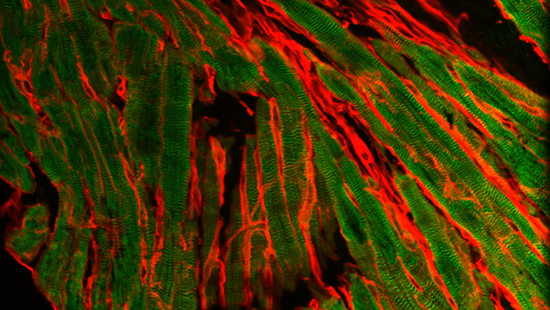
Lisa D Wilsbacher, MD, PhD is an Associate Professor in the Department of Medicine (Cardiology) and Pharmacology at Northwestern University's Feinberg School of Medicine. She serves as Medical Director of the Marfan Syndrome and Related Disorders Clinic and leads the Wilsbacher Lab at the Simpson Querrey Biomedical Research Center. Education: PhD: Northwestern University (2001) MD: Northwestern University Feinberg School of Medicine (2003) Internship/Residency: University of California-San Francisco Medical Center (2004-2007) Cardiology Fellowship: University of California-San Francisco Medical Center (2009) Dr. Wilsbacher's research spans cardiovascular genetics, cardiomyopathy mechanisms, and G protein-coupled receptor signaling. Her lab investigates S1P 1 receptor roles in cardiac development and fibrosis, using mouse models, cell culture, and molecular techniques. Clinical work focuses on genetic cardiomyopathies (dilated, hypertrophic, arrhythmogenic) and aortopathies including Marfan syndrome. Her publications reveal strong emphasis on molecular pathways in heart development and fibrosis, with recent work exploring sex differences in cardiomyopathy outcomes and PAI-1 in cardiovascular aging. Scientific Awards: Outstanding Teacher Award, Northwestern University (2020) Elected Fellow, American Heart Association (2019) Eisenberg Scholar, Feinberg School of Medicine (2017) Rising Star Award, Department of Medicine (2015) As Principal Investigator, she mentors postdoctoral fellows and research technologists while leading clinical trials including the DCM-SHaRe Registry and MYK-491-006 study. Her lab collaborates extensively with Dr. Douglas Vaughan on PAI-1 research and maintains affiliations with the Center for Genetic Medicine and NU CATS. Current projects focus on S1P 1 signaling in cardiac fibrosis and mechanosensory pathways. The Wilsbacher Lab operates within the Simpson Querrey Institute for Epigenetics, utilizing advanced imaging and molecular biology techniques to study cardiomyocyte proliferation and alignment. The team actively recruits graduate students and postdocs interested in cardiac development models.