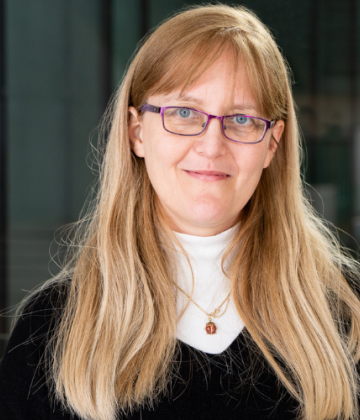
Francesca Buffa is a Full Professor at the Department of Computing Sciences, Bocconi University. She previously held the position of Full Professor of Computational Biology and Cancer Genomics at the University of Oxford. She received her Ph.D. in Physics from the University of London and a degree in Theoretical Physics from the University of Turin. Her research focuses on applying artificial intelligence and machine learning to life sciences, particularly in genomics, transcriptomics, and biomedical data analysis. She leads teams developing computational tools for translating genomic data into actionable insights for human health. Notable contributions include ERC-funded work on cancer genomics and drug response pathways. Her research bridges computational methods with clinical applications, addressing challenges in precision medicine and oncology. Affiliations: Bocconi University (Primary), University of Oxford (Lab Collaboration) Education: Ph.D. Physics (University of London), M.Sc./B.Sc. Theoretical Physics (University of Turin) Teaching focuses on AI in biomedicine, computational modeling, and bioinformatics through courses like AI Lab , Machine Learning Lab , and Bioinformatics .
Andrea Pilastro is a Full Professor in the Department of Biology at the University of Padua, Italy. His research is centered on evolutionary biology and behavioral ecology, with a strong emphasis on sexual selection, animal communication, and reproductive strategies. Research Interests: Pilastro's work investigates the evolutionary mechanisms behind male ornaments, sperm competition, cryptic female choice, and female mate preferences, primarily using the guppy (Poecilia reticulata) as a model organism. His research also extends to avian systems, including studies on plumage coloration, moult dynamics, parental care, and the impacts of environmental stressors such as climate change and pollution. The 15 most recent publications reveal a consistent focus on postcopulatory sexual selection, developmental plasticity, and the interplay between environmental factors and reproductive traits. Themes include sperm evolution, thermal stress in nestlings, effects of pollutants on reproduction, and genomic resources for conservation. His work combines experimental, molecular, and field-based approaches across fish and bird species. Scientific Contributions: Over 190 publications with significant citation impact. Extensive collaboration network with researchers across Europe. Leadership of an active research lab focused on evolutionary and behavioral ecology. Advising and Grants: While specific students and grants are not listed, his frequent co-authorship with early-career researchers suggests active mentorship. His research is likely supported by Italian and European funding bodies given the scope and output. No explicit grant details are provided in the text. Labs and Teams: Andrea Pilastro leads 'Andrea Pilastro's Lab' at the University of Padua, which focuses on experimental and evolutionary ecology. The lab investigates sexual selection dynamics, reproductive physiology, and behavioral adaptations in natural and changing environments.
Francesco Napolitano serves as Associate Professor in the Department of Science and Technology (DST) at the University of Sannio, where he leads computational research bridging artificial intelligence and biological systems. His research program integrates Bioinformatics and Artificial Intelligence to develop computational models for analyzing complex biological systems. Specializing in Systems Biology and Systems Pharmacology, he constructs predictive algorithms that process large-scale -omics data to identify biomarkers and map molecular interactions. Key research domains include computational drug discovery (using molecular interaction networks for target identification and drug repurposing), biological pathway modeling, diseasome analysis for understanding pathogenic mechanisms, and multi-omics integration (genomics, transcriptomics, proteomics, metabolomics) to model cellular dynamics under pharmacological perturbations. Machine Learning techniques form the backbone of his approach to extracting meaningful patterns from complex biological datasets. Dr. Napolitano directs research activities at BioinfoLab, where his team develops systemic representations of cellular responses to environmental and therapeutic interventions, contributing to personalized treatment strategies through advanced computational modeling.
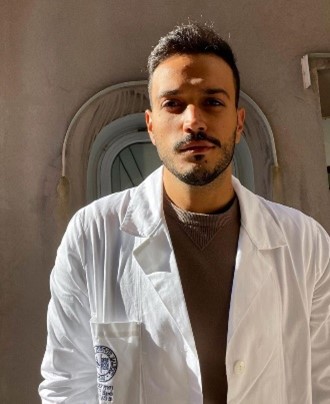
Pigozzi Fabio is a Full Professor at the University of Rome 'Foro Italico' , affiliated with the Department of Human and Health Sports Sciences . His research focuses on Sports Medicine , Sports Cardiology , and Anti-Doping , with a specialization in cardiovascular diagnostics in athletes and oxidative stress mechanisms. Principal Investigator for national/international research projects Head of Sports Medicine Laboratory and Sports Medical and First Aid Services Scientific Director of the University Center for Sports Medicine and Physical Exercise President of the 'Foro Italico' University Foundation His work spans cardiovascular risk assessment in athletes, genetic variants linked to cardiac health, and innovative anti-doping methodologies. Publications include studies on: Electrocardiographic patterns in junior soccer players Integration of transcriptomics in anti-doping frameworks Cardiac MRI analysis for ventricular arrhythmia prediction Exercise-mental health interplay Genetic risk factors for cardiovascular diseases in athletes He contributes to teaching in Internal Medicine and Endocrinology Applied to Motor Activities , and leads international collaborations in sports science.
Andrea Curioni is a Full Professor at the University of Padova , affiliated with the Department of Agronomy, Food and Animal Sciences (DAFNAE). His research focuses on enology, food chemistry, and sustainable processing of wine by-products, particularly wine lees and yeast-derived compounds. Academic Field: AGR/15 - Food Science Key research areas include: Antioxidant properties and bioactive peptides from yeast Mannoprotein extraction and wine stabilization Colloid formation and protein-phenolic interactions in red wines Valorization of winery waste through green chemistry Recent publications highlight his work on sustainable extraction methods, sensory interactions in wine, and molecular characterization of grape and wine compounds. His research employs advanced analytical techniques like asymmetrical flow field-flow fractionation and FTIR spectroscopy for wine composition analysis. While no specific awards are documented in this dataset, his extensive publication record demonstrates leadership in food and wine chemistry. He investigates multisensory interactions, allergenicity of grape products, and innovative applications of plant proteins in food systems.
Alessandro Botton is an Associate Professor at the University of Padova within the Department of Agronomy, Food, Natural Resources, Animal and Environmental Sciences . His research focuses on the molecular and physiological mechanisms underlying fruit development, particularly in apple, peach, and grapevine systems. PhD in Crop Science (University of Padova, 2008) Postdoctoral work on fruit abscission and ripening (2008-2011) Enrolled as researcher in 2011, promoted to Associate Professor Research Interests span multiple aspects of fleshy fruit biology: Apple/Peach fruitlet abscission and thinning mechanisms Comparative studies of climacteric (peach) vs. non-climacteric (grape) fruit ripening Stress physiology in grapevines under extreme weather conditions Nutraceutical quality and allergenic potential of fruits Systems biology approaches to transcriptomic/metabolomic data integration Recent Publications demonstrate his expertise in hormonal regulation of fruit development and allergen characterization, with a strong emphasis on ethylene signaling , gene expression networks , and postharvest management . Collaborative Networks include international institutions like Albert Ludwigs University (Germany), with project coordination roles in national and European research initiatives.
Tiziana Squillaro is an Associate Professor at Link Campus University - Rome , affiliated with the School of Medicine and Surgery and the Department of Pharmacy . Her primary email is t.squillaro@unilink.it . Laurea in Biological Sciences, University of Naples Federico II, 2005 PhD in Medical Genetics, University of Siena, 2009 Her research focuses on the regulation of gene expression in basic and applied biology, particularly the molecular processes governing cell proliferation, differentiation, apoptosis, and senescence in in vivo and in vitro systems. Over the past decade, she has concentrated on stem cell senescence in physiological/pathological contexts and its role in chronic and debilitating conditions such as genetic and neurodegenerative diseases. National Scientific Qualification, Band II for the competitive sector 05/E2 Molecular Biology (2022) She has participated in numerous national research projects funded by the Ministry of University and Research (MIUR). Her teaching experience includes supplementary (ADI) and elective (ADE) roles in Molecular and Cellular Biology at the University of Naples Federico II, as well as membership on examination committees for Genomics, Transcriptomics, and Proteomics courses in Pharmaceutical Biotechnology. Previously, she served as a Subject Matter Expert (BIO/11) and adjunct member on examination committees for Molecular Biology at the University of Campania "Luigi Vanvitelli". Office hours are available after class by appointment via email.
Soraya Mousavi is a Senior Researcher at the Institute of Biosciences and BioResources (IBBR) of the National Research Council of Italy (CNR) in Perugia. She holds a Ph.D. in physiology and genetic Improvement from the University of Tarbiat Modares, Department of Agricultural Sciences, Tehran, Iran, which she completed in December 2013 with a thesis on 'Study of morpho-physiological characteristics and molecular fingerprinting of olive feral forms and cultivars'. Dr. Mousavi's research focuses on olive genetics, genomics, and breeding. Her work encompasses genetic identification of olive genotypes, development of olive pan genome, characterization of olive genes involved in stress responses and oil synthesis, and development of molecular markers. She has led the genetic identification of more than 5,000 worldwide olive genotypes from 30 countries through SSR and SNP markers in the OMIBREED project. Her research also includes studying phenotypic plasticity of olives under different environments, cross-breeding for climate-resilient cultivars, and metabolomics profiling of olive genotypes. Dr. Mousavi's recent publications demonstrate a strong focus on olive genomics, stress responses, oil quality, and genetic diversity. She has made significant contributions to understanding olive self-incompatibility systems, cold stress resilience, and the genetic basis of oil quality traits. Her research combines molecular biology, genomics, and field studies to address challenges in olive cultivation under changing climatic conditions, particularly regarding Xylella fastidiosa resistance. Responsible for the CNR-IBBR Unit in PRIN 2022: XyWall project (2025-2027) Responsible for the CNR-IBBR Unit in the H2020 Europe Project: BeXyl (2022-2026) Responsible for the CNR-IBBR Unit in the REACH-XY project (2022-2027) Responsible for the CNR-IBBR Unit in the OMIBREED project (2023-2026) Responsible for the CNR-IBBR Unit in the PNRR-AGRITECH project (2022-2026) Dr. Mousavi coordinates a research group that includes several postdoctoral researchers and technicians working on olive genomics and breeding projects. She serves as a guest editor for special issues in Frontiers in Plant Science and Sustainability Journal, and is a reviewer for numerous prestigious journals including Tree Genetics & Genomes, European Journal of Horticultural Science, and Scientific Reports.
Paolo Iovieno is a CNR Researcher at the Institute of Biosciences and BioResources (IBBR-CNR) in Sesto Fiorentino, Italy. His work focuses on molecular genetics of plant stress responses and genome editing applications across diverse crops. Current affiliation: Institute of Biosciences and BioResources - IBBR-CNR Previous roles: ENEA Bioenergy Division, University of Bari, University of Naples Education : PhD in Agrochemistry and Agrobiology (2013), University of Naples Master in Plant Genomics (2008), CNR Institute of Plant Genetics MSc in Biology (2006), University of Naples Research spans plant molecular genetics and genomic technologies with emphasis on: MLO gene family analysis for powdery mildew resistance CRISPR/Cas9 applications in zucchini and tomato Abiotic stress mechanisms in Mediterranean crops Climate suitability modeling for exotic tree species Recent article trends show expertise in legume stress biology (2025), climate-driven afforestation models (2024), and tomato biofortification (2023). Notable patent work involves powdery mildew susceptibility gene identification (2018). Collaborative networks include institutions across Italy and international projects.
Francesco Paolocci is a Research Director at the Institute of Biosciences and BioResources (IBBR), National Research Council of Italy (CNR), Division of Perugia. He holds a prominent position in plant molecular biology and fungal genomics research, with particular expertise in flavonoid biosynthesis, truffle genetics, and plant-microbe interactions. His research group has made significant contributions to understanding the molecular mechanisms underlying secondary metabolism in plants and fungi. Dr. Paolocci's research focuses on multiple interconnected areas: genetic and environmental control of flavonoid biosynthesis in crops and model species; cloning and functional characterization of regulatory (bHLHs, MYBs) and structural genes involved in anthocyanin and proanthocyanidin biosynthesis; whole transcriptome analysis of genes related to oxidative stress, flavonoid and sugar biosynthesis; breeding forage legumes by transgenesis, interspecific hybridization and genome editing; and genetics and genomics of Tuber spp. and other Pezizomycetes. His work spans from fundamental molecular mechanisms to applied agricultural research, with particular emphasis on truffle biology and plant secondary metabolism. Analysis of his most recent publications (2019-2024) reveals a strong focus on plant-microbe interactions, particularly the symbiotic relationship between Azolla filiculoides and rice, as well as continued research on truffle genomics and flavonoid biosynthesis pathways. His work demonstrates a consistent integration of molecular, genetic, and physiological approaches to address fundamental questions in plant and fungal biology. Premio 2008 per il Co-finanziamento di ricerche di eccellenza nel settore Agroalimentare by CNR Agrofood Department Co-author of a study on Lotus spp. awarded by the Ministerio de Ciencia, Tecnologia e Innovacion Productiva Presedencia de la Nacion Argentina with the price Innovar 2009 Categoría Innovaciones en el Agro Dr. Paolocci serves as a scientific responsible for several national and international projects and is an Ad Hoc Reviewer for more than 30 scientific journals. He has advised numerous graduate students and PhD students from the University of Perugia and University of Urbino. His editorial roles include Co-Editor of The Open Agriculture Journal and Review Editor for Frontiers in Plant Science, Frontiers in Fungal Biology, and Plants. His research group maintains active collaborations with institutions in Spain, France, and the UK, as evidenced by his visiting scientist positions at Instituto de Biología Molecular y Celular de Plantas in Valencia, Institute for Integrative Biology of the Cell in Paris, and John Innes Centre in Norwich.
Mario Riolo is a Research Fellow at the Department of Agriculture, Food and Environment (Di3A) of the University of Catania, Italy. His work focuses on plant diseases caused by fungi and oomycetes, with an emphasis on sustainable management through biocontrol agents and molecular diagnostics. He is affiliated with the Mediterranean University of Reggio Calabria and collaborates internationally, including roles at the University of Valencia, Spain. Ph.D. in Agricultural, Food and Forestry Sciences (XXXV Cycle), Mediterranean University of Reggio Calabria (2023) Master's in Land, Environment, and Landscape Protection (LM75), University of Catania (2018) Bachelor's in Land and Landscape Planning (L21), University of Catania (2016) His research spans several disciplines: Plant Pathology: studying fungal and oomycete pathogens in olive and citrus crops. Biological Control: developing bioformulates from plant waste to combat diseases. Food Safety: analyzing mycotoxins using advanced techniques like UHPLC-Q-TOF-MS. Transcriptomics: investigating plant-pathogen-antagonist interactions. Taxonomy: identifying and characterizing pathogenic microorganisms. Sustainable Agriculture: promoting eco-friendly disease management strategies. As a member of the Young Editorial Board of the Journal of Plant Pathology and Associate Editor for Plant Disease (APS Journals), he contributes to peer review and scientific dissemination. He has also participated in international workshops and summer schools related to mycotoxin analysis and control. Premio di Dottorato (AIPP), 2023 COST-Action FP1406 PINESTRENGTH grant, 2019 SIPaV financial support for conferences, 2019 and 2022 Mario Riolo co-supervises Bachelor’s and Master’s theses at the University of Catania and the University of Insubria (LM-8 program). His involvement in projects like BiOrangePack and OCEANIDE highlights his expertise in postharvest disease management and natural polymer applications. He has also contributed to the organization of international scientific events, such as the Spanish network’s Mycotoxins Workshop and specialized summer schools.
Mario Di Guardo is an Associate Professor of General Arboriculture and Tree Crops (AGRI-03/A) at the Department of Agriculture, Food and Environment of the University of Catania since 2022. He teaches 'Fruit Product Quality' in the 'Science and Technology for the Catering and Distribution of Mediterranean Foods' degree program (L26) and 'Managing Biological Data with R: Applications for Plant and Fruit Tree Species' in doctoral schools in Agricultural, Food and Environmental Science and Biotechnology. Education: BSc in Agricultural Sciences and Technologies (L25) from University of Catania, MSc in Agricultural Biotechnology (LM7) from University of Florence, PhD in Plant Genetics from Wageningen University and Research (2017). His research focuses on bioinformatic analysis of genomic and transcriptomic data to study regulatory mechanisms of agronomic traits in Mediterranean tree species (citrus, grapevine, carob, almond) and identify molecular markers for marker-assisted selection. He leads the DEMETRA project (PRIN 2022 PNRR) on grapevine powdery mildew defense mechanisms using multi-omic approaches. Scientific awards include: Soenen Prize (2018) Prosperitati Publicae Augendae Prize (2018) Mario Bonsembiante Prize (2019) AISSA Prize (2019) He serves on the editorial boards of Frontiers in Horticulture and BMC Plant Biology , guest-edited special issues for Genes , Agricolture , and Plants , and acts as referee for journals like Plant Biotechnology Journal and Horticultural Research . He co-founded the university spin-off Agriunitech srl and participates in international conferences.
Elena Grassi serves as a Research Fellow at the Department of Oncology, University of Turin, actively contributing to research and teaching missions within the institution. Her work bridges computational methodologies with biomedical applications, focusing specifically on oncology contexts. Her research spans Artificial Intelligence for Biomedicine and Healthcare, Biotechnology for Neuroscience, and Multi-omics approaches to Precision Medicine. Dr. Grassi specializes in applying data science techniques to genomics, transcriptomics, and phenotypic screenings, with particular emphasis on cancer as a model system for population dynamics. Her interdisciplinary approach integrates systems biomedicine with epidemiological perspectives. Dr. Grassi serves on the Department Council of the Department of Oncology, contributing to academic governance and strategic planning. She teaches multiple specialized courses including Data Science (NEU0264), Multi-omics and Data Science for Precision Medicine (ONC0260), and various modules under Artificial Intelligence for Biomedicine and Healthcare (ONC0260A, ONC0260C, ONC0262B). She is also affiliated with the Scuola di Studi Superiori 'Ferdinando Rossi' (SSST), the university's advanced studies school.
Paola Sgadò is Associate Professor of Physiology (BIO/09) at the University of Trento , jointly appointed at the Department of Cellular, Computational, and Integrative Biology (CIBIO) and the Center for Mind/Brain Sciences (CIMEC) in Rovereto, Italy. Since 2017 she leads the Molecular and Cellular Cognition (mc²) group within the Animal Cognition and Neuroscience Laboratory. Education: PhD magna cum laude , University of Heidelberg, Germany (2006) – “Development and maintenance of mesencephalic dopaminergic neurons: role of the Engrailed and Pbx1 transcription factors” MSc in Biological Sciences 110/110 cum laude , University of Pisa & Scuola Normale Superiore, Italy (1999) Research Interests: Dr Sgadò’s work centres on the molecular and cellular mechanisms underlying social cognition and their disruption in neurodevelopmental disorders , particularly autism spectrum disorders (ASD) . She pioneered the use of domestic chicks exposed prenatally to valproic acid (VPA) and CRISPR gene editing to model ASD, revealing altered early social-orienting behaviours and dopaminergic signalling. Parallel studies in Engrailed-2 knockout mice uncovered deficits in GABAergic interneuron development and ASD-linked gene networks. Additional interests include cerebral lateralization , epilepsy and neurodegeneration in Parkinsonian models. Scientific Awards & Recognition: Marie Curie COFUND “People” Incoming Post-doctoral Fellowship (2010–2014) PhD magna cum laude , University of Heidelberg (2006) Best Oral Presentation – XXXIII LIMPE Annual Meeting (2006) Invited speaker at Cold Spring Harbor Laboratory “Wiring the Brain” meetings (2013, 2017) Grants & Leadership: Principal Investigator of the mc² group since 2017; former Marie Curie COFUND fellow (€149,000 EnCORT project); member of the PhD Committee in “Cognitive and Brain Sciences” (2017–2019). Laboratory & Team: Dr Sgadò heads the Molecular and Cellular Cognition (mc²) laboratory within CIMEC’s Animal Cognition and Neuroscience facility, fostering interdisciplinary projects that integrate behavioural paradigms, molecular genetics, neuroanatomy and electrophysiology to dissect the biology of social behaviour across species.
Dr. Ahmed M. Salman is a Senior Immunologist-Vaccinologist and Research Group Leader at the Jenner Institute, University of Oxford, and a Fellow at Kellogg College. He leads research in innovative vaccine development against infectious diseases such as malaria and COVID-19, and also contributes to gene therapy for retinal disorders. He works in collaboration with the Pirbright Institute and Leiden University Medical Centre, and is a Co-PI on projects funded by the Bill & Melinda Gates Foundation, European Commission, and MRC. Education: BSc in Biochemistry, Ain Shams University, Egypt (2006) MSc in Tuberculosis Immunology, Ain Shams University in collaboration with Statens Serum Institut, Denmark (2011) DPhil (PhD) in Clinical Medicine, University of Oxford (awarded 2015) Dr. Salman’s research focuses on identifying and assessing novel vaccine antigens using advanced technologies in immunology, molecular biology, and bioinformatics. His work spans viral vector vaccines, VLP platforms, and gene editing tools like CRISPR/Cas. He has made significant contributions to antigen down-selection for clinical trials, including the Oxford-AstraZeneca COVID-19 vaccine and next-generation malaria vaccines targeting both P. falciparum and P. vivax. His recent publications reveal a dual focus: (1) vaccine immunology and development, particularly in malaria and pandemic response, and (2) cutting-edge gene therapy approaches for retinal diseases. This interdisciplinary trend highlights his expertise across vaccinology and regenerative medicine. Additionally, he has published on AI applications in cybersecurity education, indicating broad scientific engagement. Scientific Awards and Recognition: Named inventor on three Plasmodium falciparum malaria vaccine patents Recipient of EVIMalaR PhD scholarship funded by the European Commission and EMBL Dr. Salman advises and leads a research group within the Jenner Institute’s Pre-erythrocytic Vaccines Programme. He has secured and contributed to major grants from global funders including the Bill & Melinda Gates Foundation and Medical Research Council. His leadership in clinical trial-related antigen selection has had significant real-world impact. He is a member of the British Society for Immunology (BSI), American Society of Tropical Medicine and Hygiene (ASTMH), and the International Veterinary Vaccinology Network (IVVN). His work is conducted within state-of-the-art facilities including the Jenner’s VLP and Insectary (SRF) units, which he manages, supporting vaccine production and preclinical testing.