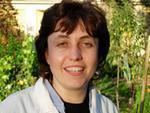
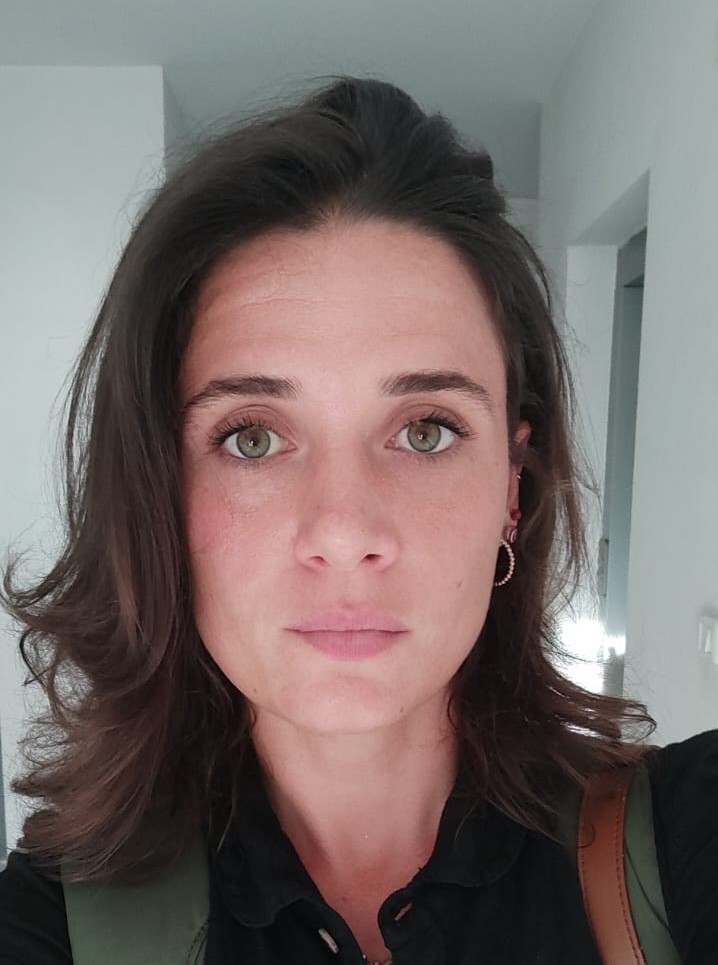
Raffaella Mariotti is an Associate Professor at the Department of Neurosciences, Biomedicine and Movement Sciences, University of Verona. Her primary academic focus lies in neuroscience and neurodegenerative disorders, particularly Amyotrophic Lateral Sclerosis (ALS). Education: Laurea in Biology (University of Genova), PhD in Neuroscience (University of Verona) Research: Pathogenic mechanisms in ALS, therapeutic applications of mesenchymal stem cells and exosomes, epigenetic approaches Her research spans Neurodegenerative Diseases and Molecular Neuroscience , with recent work on exosome-based therapies for autoimmune encephalomyelitis and ALS models. She has received funding from FFABR and other agencies for these studies. She actively teaches Histology and Embryology across multiple medical and health science degree programs, including Medicine and Surgery, Physiotherapy, Dental Hygiene, and Obstetrics. Committee Memberships: Quality Assurance Committee for Obstetrics PhD Council in Neuroscience and Psychological Sciences Teaching Board for Medicine and Surgery
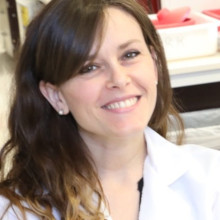
Alessandra Fiorio is an Associate Professor in the Department of Life Sciences and Systems Biology at the University of Turin, specializing in Physiology (BIOS-06/A). She leads multiple significant research projects including the AIRC Italy Post-Doc, ITACA initiative, FORum of European Universities for All (UNITA), and PRIN 2022 project focused on tumor microenvironmental acidosis and calcium channels in cancer. Dr. Fiorio's research centers on calcium signaling in cancer biology, particularly pancreatic ductal adenocarcinoma (PDAC). Her work examines how acidic tumor microenvironments affect calcium channels and signaling pathways, influencing cancer progression and treatment resistance. She develops innovative photodynamic therapy approaches using metal-organic frameworks and squaraine dyes for targeted cancer treatment. Her recent publications (2023-2025) demonstrate a strong focus on overcoming drug resistance in pancreatic cancer through novel therapeutic strategies. Key themes include metal-organic framework-based drug delivery systems, pH-responsive nanoparticles, and the role of calcium signaling in cancer cell behavior and metastasis. Dr. Fiorio actively participates in European research networks and public engagement activities, including the UNITA European Universities alliance and various science communication initiatives focused on migration and international collaboration. Her research group offers students opportunities to work with advanced techniques including single-cell RNA sequencing, nanoparticle formulation, and specialized cell culture methods that mimic tumor microenvironments. The international scope of her projects provides valuable cross-border research experiences.
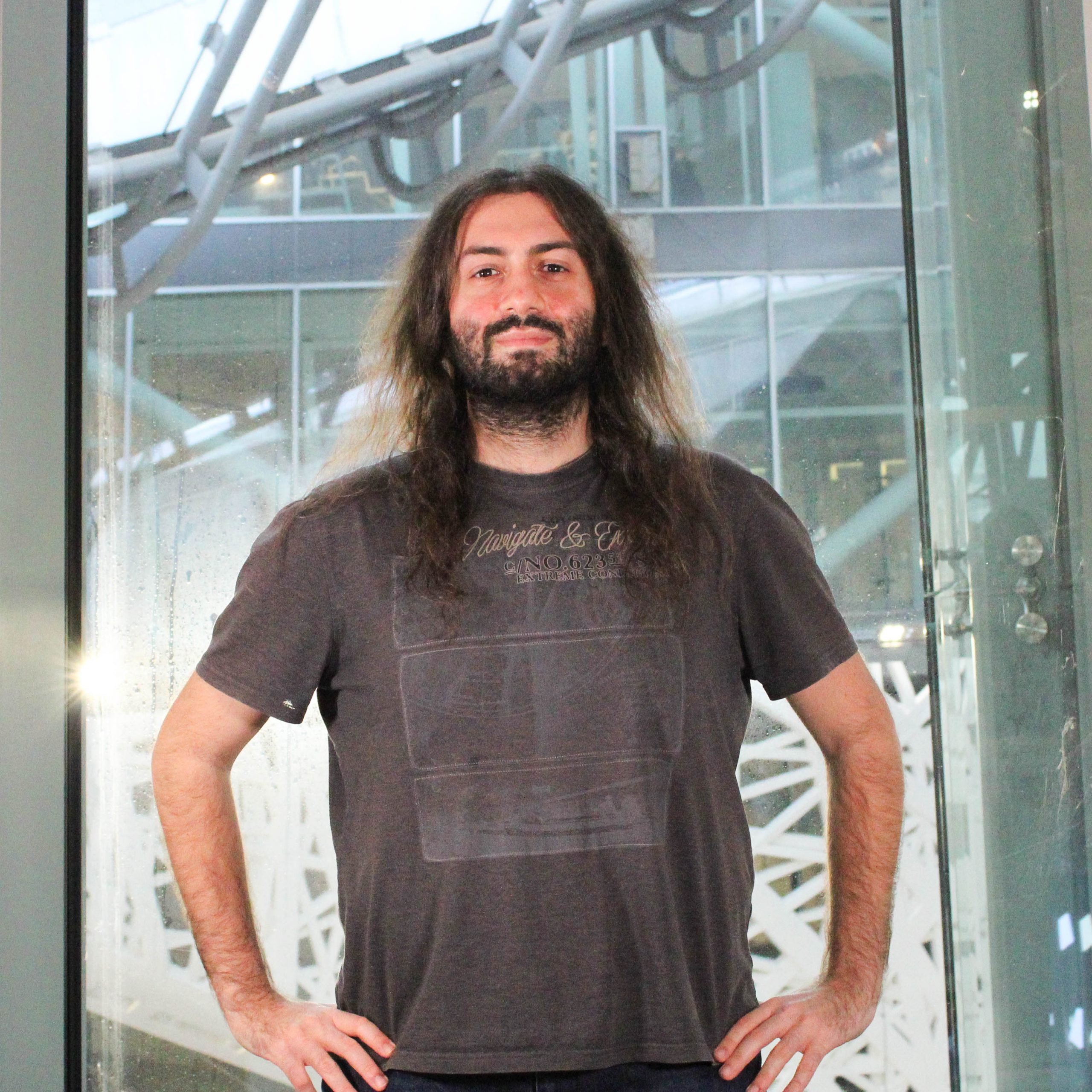
Cinzia Margherita Bertea is an Associate Professor in the Department of Life Sciences and Systems Biology at the University of Turin, specializing in plant physiology (SSD: BIO/04). Her research focuses on plant responses to environmental stresses and secondary metabolism, with particular expertise in terpenoid and phenolic compound biosynthetic pathways. Dr. Bertea's research interests encompass: Physiology, biochemistry and molecular biology of plant responses to abiotic stress (UV-radiation, pollution, mechanical damage) Plant responses to biotic stress (pathogen and herbivore attacks, allelopathy) Secondary metabolism with specific focus on terpenoid and phenolic compound biosynthetic pathways Chemical ecology of plant-insect interactions Development and application of biostimulants for enhancing plant stress tolerance Analysis of her recent publication record reveals a strong emphasis on biostimulants and their role in mitigating plant stress responses. Her work consistently examines how various biostimulant formulations (seaweed extracts, protein hydrolysates, yeast extracts, and betalain degradation products) can enhance plant tolerance to drought, heat, and salinity stress. She employs molecular, biochemical, and omics approaches to understand the mechanisms behind these protective effects, with particular attention to reactive oxygen species (ROS) signaling, antioxidant systems, and phytohormone homeostasis. Dr. Bertea is actively involved in multiple academic committees at the University of Turin, including the Master's Degree Council in Plant Biotechnology, the Departmental Didactic Commission, and the International Relations Commission. She teaches several courses related to plant biology, secondary metabolites, and food chemistry across multiple degree programs including Biological Sciences, Plant Biotechnology, and Food and Human Nutrition Sciences. Her laboratory work focuses on chemical ecology, with particular emphasis on plant stress physiology and the biochemical pathways involved in plant defense mechanisms. She collaborates extensively with researchers across various disciplines, as evidenced by her diverse publication record spanning plant science, food science, and biomedical applications of plant compounds.
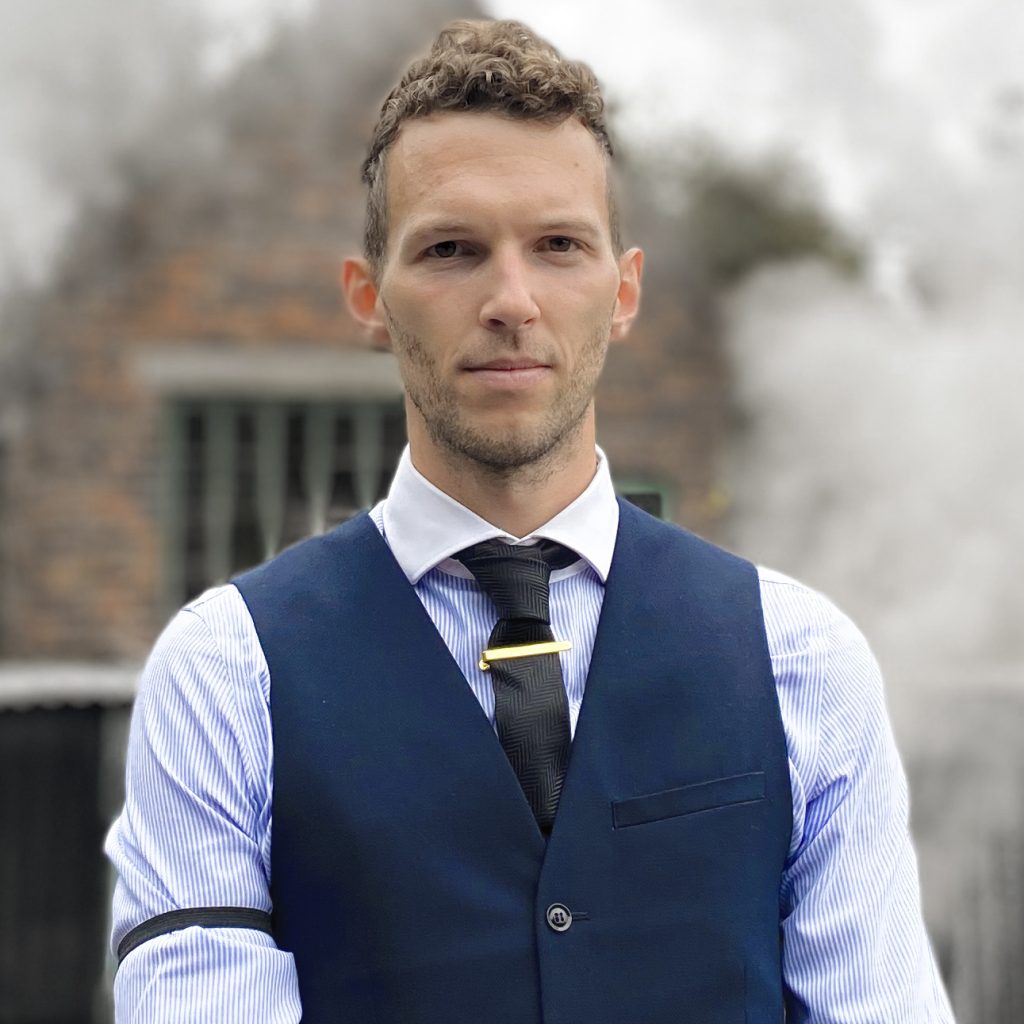
**Michele DE LUCA** is a **Full Professor** at the **University of Modena and Reggio Emilia**, affiliated with the **Department of Life Sciences (former Biomedical Sciences)**. His research focuses on **gene therapy**, **epidermal stem cell biology**, and **regenerative medicine**, particularly targeting genetic skin disorders like **epidermolysis bullosa (EB)** and **lamellar ichthyosis**. He leads clinical trials (e.g., Hologene 5) and pioneered **ex vivo gene-corrected epidermal stem cell transplantation**, enabling long-term skin regeneration in severe cases. His work integrates **CRISPR/Cas9 editing**, **transcriptomics**, and **epigenetic studies** to advance therapeutic strategies for **genodermatoses**. **Education & Research**: DE LUCA’s expertise spans **molecular biology**, **cellular models**, and **clinical translation** of stem cell therapies. His lab develops tools like **AlPaCas** (CRISPR allele-specific editing) and investigates mechanisms like **FOXM1/YAP signaling** in epidermal stem cell regulation. He collaborates internationally on **protein replacement therapies** and **cellular reprogramming**. **Publications**: Over 150 articles (2024–2009) highlight his contributions to **gene therapy efficacy**, **epithelial engineering**, and **clinical outcomes**. Notable works include *Regeneration of the entire human epidermis* (2018), *Allele-specific CRISPR editing* (2024), and *FOXM1-dependent histone regulation* (2024). **Awards & Grants**: Though no explicit awards listed, his work received EU funding for trials and **Holoclar** (first EU-approved stem cell therapy). He advocates for **regulatory compliance** in advanced therapies and critiques unproven stem cell interventions. **Labs & Teams**: Leads interdisciplinary teams at the **University of Modena**, collaborating with clinicians, engineers, and bioinformaticians. Focus areas include **next-generation sequencing for EB diagnosis** and **3D skin equivalents** for preclinical testing.
Sabrina Tamburini is an Assistant Professor in Microbiology at the Department of Molecular Sciences and Nanosystems, Ca' Foscari University of Venice. She holds a PhD in Biomolecular Sciences from the University of Trento and postdoctoral training at the Icahn School of Medicine at Mount Sinai (NY, USA). Her academic role includes teaching microbiology courses in Master’s and Doctoral programs, as well as supervising laboratory activities in nanomaterial-based therapeutics and microbiome research. Education : PhD in Biomolecular Sciences (Microbiology), University of Trento, 2013 Master’s Degree in Molecular and Cellular Biology, University of Bologna, 2007 Bachelor’s Degree in Biological Sciences, University of Bologna, 2004 Research Focus : Tamburini’s work centers on the human microbiome’s role in health and disease. Key areas include gut microbiome dynamics during fecal microbial transplantation, microbiome reshaping in infants (e.g., C-section delivery effects), microbiome contributions to cancer therapy efficacy (e.g., immunotherapy), and aging-related microbiome changes. She develops novel viability assays for bacterial community analysis in environmental and clinical samples. Publications : Her recent studies explore coffee’s impact on gut microbiota composition, microbiome-genomic associations in melanoma treatment, and microbial communities in biliary stents. These reflect her interdisciplinary approach linking microbiology to clinical and environmental applications. Awards : 2024 Science Slam Award, Ca’ Foscari 2023 FEMS Award (SIMGBM Conference) 2018 Robin Chemers Neustein Postdoctoral Fellowship Collaborations : She collaborates with Prof. Nicola Segata (CIBIO Trento), Prof. Jose Clemente (Mount Sinai), and Prof. Roberto Rusconi (Humanitas University), focusing on computational metagenomics and translational microbiome research.
Lorenzo Calviello is a Researcher and Group Leader at the Human Technopole in Milan, Italy, leading the Calviello Group within the Genomics Research Centre’s Functional Genomics Programme. His work focuses on post-transcriptional gene regulation, combining computational and experimental approaches to study translation dynamics and mRNA processing. He holds adjunct positions in the Computational Biology Research Centre. Calviello obtained his Master’s in Molecular Biology from the University of Pisa and his PhD from the Berlin Institute for Medical Systems Biology. His postdoctoral research at UCSF explored translational control in neurodevelopmental disorders. His research interests include RNP dynamics, translation across cell states, alternative RNA processing, and proteogenomics integration. The lab employs advanced -omics techniques like ribosome profiling and mass spectrometry to investigate mRNA-protein interactions and their roles in disease. Key projects involve analyzing transcript-specific translational control, RNP complex functions, and the impact of alternative splicing on protein synthesis. Collaborations with neurogenomics teams explore links between RNA processing and neurological pathologies. He has developed computational tools like ORFquant and Ribo-seQC for Ribo-seq analysis. Group members include PhD students Roberto Albanese and Francesco Dossena, and postdoc Stefano Grosso.
Roberto De Michele is a Senior Researcher at the National Research Council of Italy (CNR), affiliated with the Institute of Biosciences and BioResources (IBBR-CNR) in Palermo. His research focuses on genetically encoded fluorescent sensors for studying nutrient transport in plants, particularly ammonium transporters (AmTracs) and their roles in symbiosis. He also investigates reactive oxygen/nitrogen species (ROS/RNS) in plant stress responses, programmed cell death (PCD), and senescence mechanisms. De Michele holds a PhD in Biotechnology from the University of Padova (2005) and has extensive international experience, including postdoctoral fellowships at the Carnegie Institution for Science (Stanford, USA) and visiting scientist roles at Cambridge University and Heinrich Heine University. Professional Highlights: 2020–Present: Visiting Scientist, University of Cambridge 2019–Present: Mercator Fellow, Heinrich Heine University 2010–Present: Researcher, CNR-IBBR 2010–2012: Postdoctoral Fellow, Carnegie Institution for Science (Supervisor: Wolf Frommer) Research Interests: Development of fluorescent sensors for nutrient transport Role of ROS/RNS in plant stress and development Heavy metal-induced PCD and senescence Genetic diversity of Mediterranean crops (e.g., grapevine, caper) Selected Projects: Analysis of Sicilian grapevine genetic diversity Transcriptomic studies of detoxification systems in Chromera velia Hydrogen sulfide regulation of lignan biosynthesis Labs & Collaborations: Active in CNR-IBBR labs focusing on plant physiology, proteomics, and genetic engineering. Collaborates internationally with institutions like Cambridge University and the University of California, Berkeley.
Teresa Docimo is a Researcher at the National Research Council of Italy (CNR) within the Institute of Biosciences and BioResources (IBBR-CNR), Research Division of Portici. Her work focuses on plant biochemistry and specialized metabolites, particularly their biosynthesis, regulation, and application in improving agricultural productivity. She holds a PhD in Biochemistry and Pathology of Drug’s Action from the University of Salerno (2008) and a degree in Pharmaceutical Chemistry from the University of Naples Federico II (2003). Education: PhD: University of Salerno, 2008 Bachelor’s: University of Naples Federico II, 2003 Key Roles: Researcher, CNR-IBBR (2018–present) Postdoctoral Fellow at Max Planck Institute for Chemical Ecology (2008–2011) Research Focus: Docimo’s research emphasizes plant specialized metabolites, particularly phenylpropanoids, and their roles in environmental interactions and crop improvement. She explores how abiotic stresses (e.g., salinity, drought) and beneficial microbes modulate metabolic pathways. Her work also involves metabolic engineering in plants like cardoon and potato to enhance bio-based product yields. Publications: Over 50 peer-reviewed articles, including studies on cardoon biorefinery, licorice leaf valorization, and stress-responsive metabolite production. Her work bridges fundamental plant biology with applied biotechnology, targeting sustainable agriculture and industrial applications. Grants & Collaborations: Involved in projects like the BOBCAT initiative, focusing on cardoon-based biorefinery systems. Collaborates with institutions worldwide, including Washington State University and the Max Planck Institute. Labs & Teams: Leads projects in metabolic engineering and plant stress biology at CNR-IBBR, contributing to plant cell culture optimization and genetic modification strategies for enhanced metabolite production.
Dr. Artem Smirnov is a Principal Investigator and Researcher at the University of Rome Tor Vergata, working in Prof. Eleonora Candi's lab. His research focuses on the role of transcription factor p63 in epithelial development and bladder cancer pathogenesis, employing transcriptomic and epigenomic approaches. Research interests center on cancer biology, particularly the molecular mechanisms by which p63 regulates metabolic pathways, gene expression networks, and cellular senescence in epithelial cancers. His work bridges fundamental biology with clinical oncology. Publication analysis reveals consistent focus on: epithelial differentiation, cancer metabolism, transcriptional regulation, and biomarker discovery across bladder, breast, and head/neck cancers. Recent work increasingly incorporates AI-driven diagnostics and multi-omics approaches. Currently leads the research project 'Understanding p63 destiny in bladder cancer', analyzing fresh biopsies through single-cell techniques to map p63's role in cancer evolution. Collaborates with University Hospital for clinical translation.
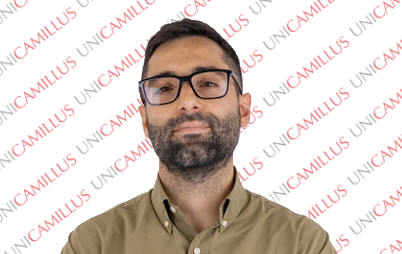
Alessio Reggio is an Associate Professor at the International University of Health and Medical Sciences UNICAMILLUS. He obtained his PhD in Cell and Molecular Biology from the University of Rome Tor Vergata in 2019. His research focuses on cellular plasticity in muscle wasting diseases, particularly muscular dystrophies, with expertise in autophagy circuits and stem cell biology. His research interests center on: Muscle regeneration mechanisms Endoplasmic reticulum dynamics Fibro/adipogenic progenitor fate determination Autophagy pathways in muscle degeneration 3D tissue engineering approaches His publications demonstrate consistent focus on muscle biology, with recent work exploring macrophage roles in dystrophy, ER-phagy regulation, and advanced biofabrication techniques. Article keywords predominantly involve cellular signaling pathways and tissue regeneration strategies. Research Collaborations & Teams: Previously worked at Telethon Institute of Genetics and Medicine and IRBM Research Institute. Maintains collaborations with European scientists studying rare diseases.
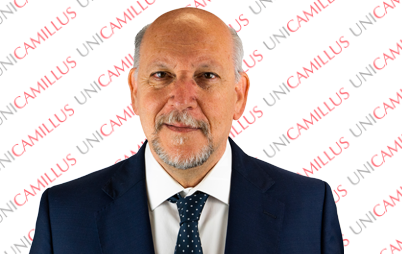
Giuseppe Sconocchia is an Associate Professor at UniCamillus University and a Full Member of the CNR Institute of Translational Pharmacology. He holds board certification in Hematology and Internal Medicine. His roles include former Acting Directorships at CNR institutes in Naples and Rome, and research affiliations at institutions like the NIH in the US and University of Basel. His research focuses on tumor immunology, immunotherapy, and autoimmune diseases, with contributions to NK cell biology and CAR-T cell engineering. He has authored/co-authored over 103 peer-reviewed publications and holds patents for immunotherapy technologies. Research Interests: Dr. Sconocchia’s work centers on T-cell engineering, NK cell function in cancer, and immune checkpoint modulation. Key areas include CD16/CD32 chimeric receptors for CAR-T therapy, HLA-matched NK cell therapies, and the role of inflammatory markers in autoimmune diseases like rheumatoid arthritis. His lab has identified novel immune cell subsets and mechanisms in colorectal and breast cancers. Recent Articles Trends: His 2024-2025 work emphasizes CAR-T cell innovation (CD64/CD3ζ receptors), genetic risk factors in breast cancer, and MRD-directed AML therapy. Earlier studies explored NK cell infiltration in tumors and CD8+ lymphocyte roles in colorectal cancer prognosis. Labs/Teams: Leads immunology projects at CNR and collaborates internationally. His patented CD32 CAR-T technology (patent TO2014A000631) targets antibody-independent cancer cell killing.
Filippo Trentini is a Lecturer in the Department of Decision Sciences at Bocconi University, with affiliations to Dondena Centre for Research on Social Dynamics and Public Policy and BIDSA. He holds a PhD in Statistics from Bocconi University and completed visiting research at MD Anderson Cancer Center. His research focuses on mathematical modeling of infectious diseases, statistical analysis of epidemiological data, respiratory infection dynamics, and economic evaluation of healthcare interventions such as vaccination programs. Current studies examine transmission patterns, healthcare resource allocation during pandemics, and vaccine efficacy assessments. Recent publications demonstrate strong focus on COVID-19 transmission dynamics, vaccine efficacy studies, healthcare system pressures during pandemics, and comparative analysis of public health interventions. Methodological approaches integrate statistical modeling with epidemiological surveillance. Dr. Trentini teaches courses in statistics and data analytics at undergraduate and graduate levels. He maintains active collaborations with research networks including MIDAS and the CovidCrisis Lab.
Elisa Bianchi is Associate Professor of Applied Cell Biology at Unimore's Centre for Regenerative Medicine. Her research deciphers molecular mechanisms in hematopoiesis, with emphasis on myeloproliferative neoplasms (MPNs), stem cell differentiation, and oxidative stress pathways. She has identified key roles for miRNAs, TGF-β signaling, and osteopontin in bone marrow fibrosis. Recent work explores chromosomal abnormalities in JAK2-mutant MPNs and regenerative applications for liver disease. Dr. Bianchi teaches cellular biology and laboratory techniques for biotechnology students. She coordinates research on genomic instability in hematologic malignancies.
Leonardo Tenori is an Associate Professor at the Department of Chemistry, University of Florence, affiliated with the Magnetic Resonance Center (CERM). He holds a master’s degree in Chemistry (2002) and a PhD in Structural Biology (2008), both from the University of Florence. His research focuses on metabolomics, particularly applying Nuclear Magnetic Resonance (NMR) spectroscopy to biomedical, pharmacological, and agricultural challenges. Education: Master’s in Chemistry, University of Florence, 2002 PhD in Structural Biology, University of Florence, 2008 Research Interests include metabolomics applications in disease diagnosis (e.g., celiac disease, breast cancer, cardiovascular disorders), development of statistical algorithms for data analysis (e.g., KODAMA), and collaborations in clinical and agricultural research. His work emphasizes metabolic biomarker discovery and integrative omics approaches. Recent research highlights include studies on stroke outcome prediction via blood biomarkers, metabolomic profiling of plant-based beverages, and lipidomic analysis of human sperm. These projects underscore his expertise in NMR-based metabolomics and its translational applications. Awards: 2015 Fellowship from the Italian Foundation Veronesi for melanoma metabolomics research He has contributed to over 100 publications and collaborates internationally. His work includes developing predictive models for disease recurrence in cancer patients and exploring metabolomic signatures in chronic diseases. He also investigates applications in agriculture, such as olive oil quality assessment and dairy cow health monitoring. Labs/Teams: Part of the Magnetic Resonance Center (CERM) at the University of Florence, contributing to interdisciplinary research in structural biology and metabolomics.
Gaia Meoni is a Research Fellow in the Department of Chemistry at the University of Florence, Italy, affiliated with the Magnetic Resonance Center (CERM). She holds a Master's Degree in Molecular Biology and Genetics from the University of Pavia (2015) and a PhD in Structural Biology from the University of Florence (2018, cum laude). Her research focuses on NMR-based metabolomics, foodomics, and multivariate statistics, with applications in biomedical diagnostics, food quality, and agro-food systems. Key projects include the COMETA initiative studying metabolic profiles of COVID-19 patients, metabolomic analysis of Parkinson’s disease, and lipidomic studies of bacterial infections. She has contributed to over 30 peer-reviewed articles, emphasizing NMR applications in disease biomarker discovery and food authentication. Awards include the 2019 Faber 2 Prize for innovation in scientific talent development in Tuscany. Her work bridges clinical and agricultural sectors: analyzing biofluids (urine, saliva) for disease pathways, optimizing dairy cow health via milk metabolite profiling, and evaluating olive oil quality through post-harvest practices. She collaborates with industry (Giotto Biotech) and academic networks (CIRMMP), advancing translational metabolomics research. Grants include Tuscany Regional funding for SARS-CoV-2 metabolic studies and postdoctoral support from the University of Florence. Current projects explore boron supplementation in calves and selenium biofortification in tomatoes, reflecting a commitment to both human and agricultural health. Lab affiliations include CERM and CIRMMP, where she applies advanced NMR spectroscopy and machine learning to metabolomic challenges. Her research narrative emphasizes interdisciplinary solutions to global health and sustainability issues.