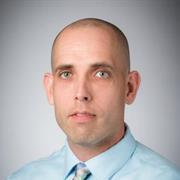
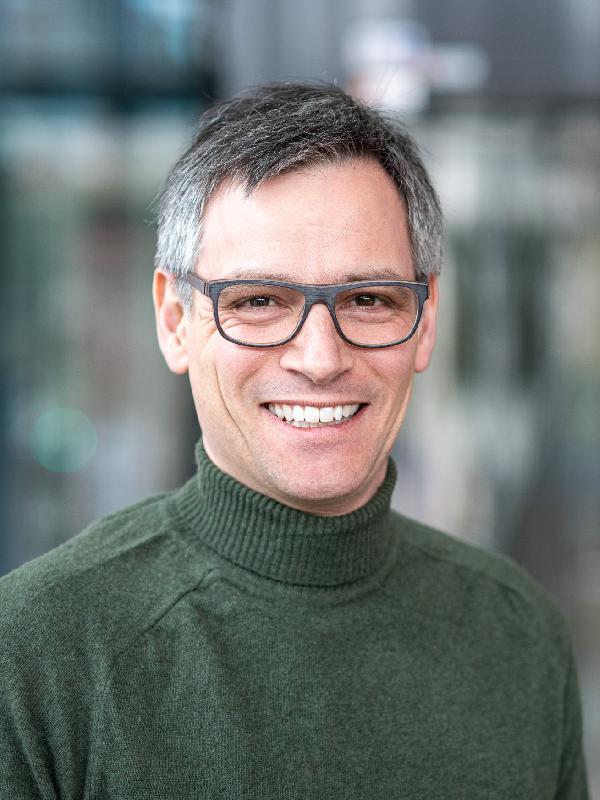
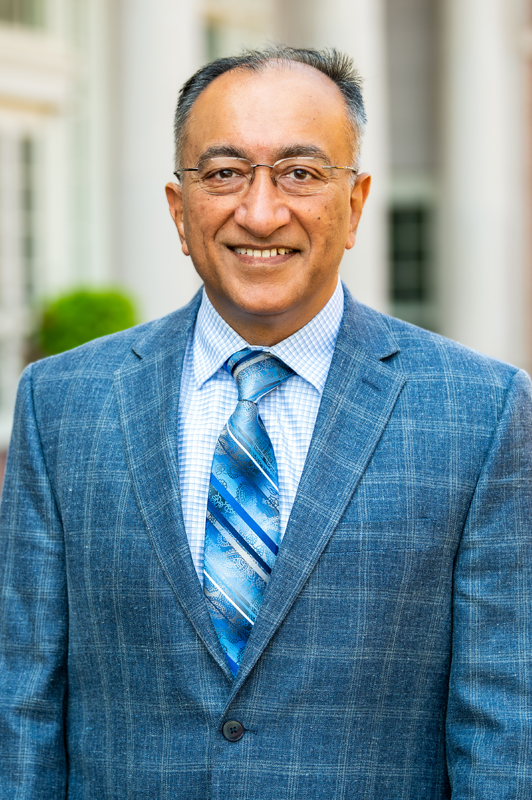
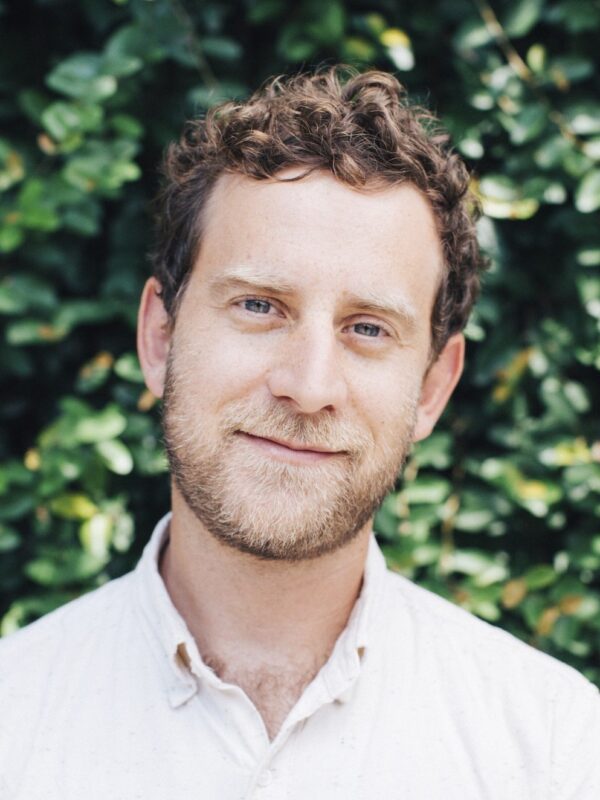
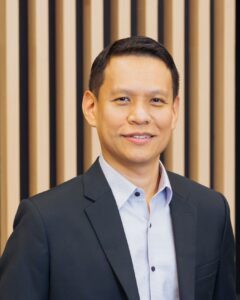
David Latulippe is a Professor in the Department of Chemical Engineering at McMaster University. He joined McMaster in 2012 after postdoctoral work at Cornell University and a PhD at Penn State University, focusing on membrane filtration for DNA purification. His industrial experience includes roles at ZENON Environmental (now GE Water) in hollow-fiber membrane design for water treatment. Research interests include Membrane science and technology Bioprocessing of therapeutic viruses Microscale systems for biological applications Environmental engineering solutions for water treatment Current projects involve collaborations with industry partners like Ceapro and Aevitas, and the development of a biomanufacturing automation lab with Sartorius. Recent publications highlight advancements in Nanofiltration and microfiltration for viral vectors Conductive membranes for electrochemical applications Microfluidic systems for DNA analysis Environmental monitoring of biocides and microplastics Scientific recognition includes the Young Membrane Scientist Award (2014). Teaching activities focus on Fluid Mechanics (CHEMENG 2O04) and Industrial Separation Processes (CHEMENG 4M03).
Dr. Paul Westerhoff is a Regents' Professor and Fulton Chair of Environmental Engineering at Arizona State University's School of Sustainable Engineering and the Built Environment. He leads major NSF-funded research centers, including the Nanosystems Engineering Research Center for Water Treatment (NEWT) and the Science and Technologies for Phosphorus Sustainability (STEPS) Center. With over 400 journal publications (H-index >100), his work focuses on emerging contaminants, water treatment technologies, and nanomaterial fate. Awards include the 2023 National Academy of Engineering membership, 2020 A.P. Black Award, and 2019 NWRI Clarke Prize. Education: Ph.D., University of Colorado-Boulder (1995); M.S., University of Massachusetts-Amherst (1991); B.S., Lehigh University (1989). Research emphasizes water quality, sustainable engineering, and nanotechnology applications. Key areas include PFAS remediation, biofilm control via UV light, and atmospheric water harvesting. He serves as Associate Editor for Environmental Science & Technology . Recent projects include lithium monitoring in drinking water, semiconductor water use, and space-based UV disinfection systems. Over 80 students have graduated under his mentorship, recognized with ASU's 2015 Outstanding Doctoral Mentor Award. Awards span innovation (Water Research Foundation, 2024), teaching (Daniel Jankowski Legacy Award, 2021), and technical excellence (EPA STAA, 2019).
Shushu Huang is an Associate Research Scientist in the Department of Genetics at Yale School of Medicine. They hold a PhD from Nanjing Medical University (2023) and an MD from the same institution (2013). Their research focuses on genetic and molecular mechanisms underlying metabolic disorders, muscular dystrophies, and cardiovascular diseases. Key areas include CRISPR-based therapeutic discovery, high-throughput functional genomics, and gene therapy safety. Huang has collaborated with researchers like Monkol Lek and Carlos Fernandez-Hernando on projects involving LXR signaling, DUX4 toxicity, and MC4R variant analysis. Publications span studies on vascular biology, gene therapy outcomes, and obesity genetics. Notable work includes investigating hypercholesterolemia’s role in vascular remodeling and analyzing MC4R variants in morbid obesity. Their lab is located in the Anlyan Center, New Haven.
Dr. Sumsun Naher is a Senior Lecturer in the Department of Engineering at City, University of London , where she has worked since 2013. Previously, she served as Lecturer and Research Development Officer at Dublin City University (2006–2013) and as Scientific Officer at Bangladesh Council of Scientific & Industrial Research (1998–2000). Her academic career includes a Post Graduate Diploma in Academic Practice from City, University of London. PhD , School of Mechanical & Manufacturing Engineering, Dublin City University MSc , Materials & Metallurgical Engineering, Bangladesh University of Engineering and Technology BSc , Materials & Metallurgical Engineering, Bangladesh University of Engineering and Technology Her research focuses on semi-solid processing , laser processing , simulation & modelling of materials technologies , and materials characterisation . Recent work explores cellulose nanofiber-based water filters for antibiotic removal and phase change materials in geothermal energy systems. Key article trends reveal expertise in: Laser Surface Modification of metals and composites Advanced Casting Methodologies and semi-solid metal forming Nanoparticle Reinforcement in metal matrix composites Thermal Modelling for energy systems Sustainable Material Solutions in water treatment and energy Computational Materials Science via finite element analysis Naher has received the DCU Invent Commercialisation Award (2011) and holds fellowships from IMechE , Institute of Materials, Minerals & Mining , and Advance Higher Education Authority . She actively reviews for funding bodies and examines PhD theses internationally. As an organiser of the ESAFORM Conference and co-organiser of its Additive Manufacturing symposium since 2017, she contributes to academic leadership. Her professional roles include Board of Directors for the European Association of Materials Forming and participation in EU COST Action projects (Thixoforming, Thixosteel, Nanostructured Materials).
Ram Samudrala is a Professor and Chief of the Division of Bioinformatics at the University at Buffalo Jacobs School of Medicine and Biomedical Sciences . His research focuses on multiscale computational biology , integrating protein structure prediction , drug discovery , and translational science to address medical challenges. He leads the development of the CANDO platform for therapeutic drug discovery and co-directs the Informatics Core at the Clinical and Translational Sciences Institute. PhD in Computational Biology (University of Maryland, 1997) BA in Computing Science and Genetics (Ohio Wesleyan University, 1993) Postdoctoral Fellowship in Protein Folding (Stanford University, 1997-2001) His work spans structural biology , genomics , and computational drug design , with applications in dentistry , infectious diseases , and cancer . He has received prestigious awards including the NIH Director's Pioneer Award (2010) and multiple Wiki Science Prizes . Samudrala's group collaborates globally, emphasizing in silico methods followed by in vitro and in vivo validation. Key grants include $1.22M NIH NCATS ASPIRE Reduction-to-Practice Award and $4.5M NIH/NLM BRIGHT Training Grant . 2023 Finalist, Clinical and Translational Sciences Institute Clinical Research Achievement Awards 2016 MacArthur Foundation 100&Change Top 50 2008 Alberta Heritage Foundation Visiting Scientist Award 2005 NSF CAREER Award He directs the BRIGHT Short-Term Training Program and serves on multiple editorial boards and review panels. Samudrala's group maintains a Protinfo web server for structural predictions and the Bioverse framework for systems-level analyses.
Prof. Dr. Jörg Hackermüller is a computational biologist with expertise in Omics data integration Toxicology Environmental risk assessment Non-coding RNA biology . He serves as Head of the Department of Computational Biology and Chemistry at the Helmholtz Centre for Environmental Research (UFZ) since 2024 and holds a Professorship at the Faculty of Mathematics and Computer Science at Leipzig University since 2021. His research focuses on Developing AI methods for chemical toxicity prediction Multi-omics integration for mechanistic toxicology Data standardization in environmental monitoring Non-coding RNAs as biomarkers in disease and toxicity and has produced 15+ recent publications spanning tools like multiGSEA and deepFPlearn+ . He collaborates with teams across UFZ Leipzig University Novartis Fraunhofer Institute and leads projects like InCeTo and SafePol , integrating exposome research with systems biology.
Dr. W.S. Winston Ho is a Distinguished Professor of Engineering at The Ohio State University, holding joint appointments in the William G. Lowrie Department of Chemical and Biomolecular Engineering and the Department of Materials Science and Engineering. With over 50 years of combined industrial and academic experience, he leads pioneering research in molecular separation technologies. His industrial tenure includes R&D leadership at Exxon, Xerox, and Commodore Separation Technologies, where he commercialized gas treating processes and membrane systems. Education: Ph.D. in Chemical Engineering, University of Illinois at Urbana-Champaign (1971) M.S. in Chemical Engineering, University of Illinois at Urbana-Champaign (1969) B.S. in Chemical Engineering, National Taiwan University (1966) His research focuses on advanced membrane systems for critical environmental and energy challenges, including: CO 2 -selective membranes for hydrogen purification and carbon capture High-flux desalination membranes with fouling resistance Proton-exchange membranes for fuel cells operating under low humidity Supported liquid membranes for pharmaceutical recovery and heavy metal removal Recent publications demonstrate a strong emphasis on scaling membrane technologies for industrial applications, particularly carbon capture from flue gas and hydrogen purification. Over 75% of his last 15 articles address CO 2 separation, membrane scalability, or material enhancements for energy systems. Major Scientific Awards: Elected to National Academy of Engineering (2002) and Academia Sinica (2014) AIChE Institute Award (2006), Gerhold Award (2007), Evans Award (2012) New Jersey Inventor of the Year (1991) with 60+ U.S. patents Global recognition including Chemcon Distinguished Speaker Awards He directs the Winston Ho Research Group, focusing on membrane process scale-up and holds advisory roles in national research panels. Current projects include field testing spiral-wound membrane modules for carbon capture and developing fluoride-containing membranes to enhance solid oxide fuel cell efficiency. His work has been funded by DOE, NSF, and industrial partners, resulting in commercial implementations of membrane technologies.
Pradeep Lall is the MacFarlane Endowed Distinguished Professor and Alumni Professor in the Department of Mechanical Engineering at Auburn University’s Samuel Ginn College of Engineering. He serves as Director of the Auburn University Electronics Packaging Research Institute (EPRI) and holds a joint courtesy appointment in the Department of Electrical and Computer Engineering. A leader in flexible hybrid electronics and harsh environment systems, Dr. Lall has built a world-renowned research program focused on additive manufacturing, electronics reliability, and sustainable materials. Ph.D. in Mechanical Engineering, University of Maryland M.B.A. in Finance and Strategy, Northwestern University M.S. in Mechanical Engineering, University of Maryland B.E. in Mechanical Engineering, Delhi College of Engineering Dr. Lall’s research centers on Flexible Hybrid Electronics (FHE) , Harsh Environment Electronics , Semiconductor Packaging , and Prognostics Health Management . His work leverages additive manufacturing techniques such as Aerosol-Jet, InkJet, and screen printing to develop conformal, robust, and sustainable electronic systems. His innovations include the Flexible Biometric Band for monitoring workers in hazardous environments and additively printed antennas for aerospace applications. His recent focus includes eliminating PFAS from electronics and developing water-based inks for eco-friendly manufacturing. The 15 most recent publications reflect a strong trend toward sustainability , additive manufacturing , and real-world applications in defense, aerospace, automotive, and healthcare. His work bridges fundamental research with industrial realization, particularly through partnerships with NextFlex and federal agencies. Themes include reliability under shock and vibration, sensor development for extreme environments, and workforce training in advanced manufacturing. Dr. Lall has received numerous scientific honors, including: SMTA Founder’s Award (2024) SEMI FlexTech R&D Achievements Award (2023) ASME Avram Bar-Cohen Memorial Medal (2022) IEEE Biedenbach Outstanding Engineering Educator Award (2020) IEEE Sustained Technical Contributions Award (2018) NSF Alex Schwarzkopf Prize (2016) Fellow of ASME, IEEE, NextFlex, and Alabama Academy of Science Dr. Lall has secured over $2 million in annual research funding from SRC, NSF, and NextFlex, leading large-scale projects on sustainable electronics and workforce development. He mentors numerous graduate and undergraduate students and leads the NSF-CAVE3 Center. As founding faculty advisor of the SMTA student chapter, he promotes student engagement in electronics manufacturing. His lab, EPRI, features a full prototyping line for additive electronics and collaborates with industry and government to advance domestic manufacturing capabilities. EPRI, under Dr. Lall’s leadership, partners with the Auburn University Research and Technology Park, the Office of Economic Development, and multiple colleges to drive technology commercialization and workforce education in electronic packaging. The institute is at the forefront of the national effort to reestablish U.S. leadership in semiconductor packaging and advanced electronics manufacturing.
Maarten Sap is an Assistant Professor at Carnegie Mellon University's Language Technologies Institute with a courtesy appointment in the Human-Computer Interaction Institute. He also holds a part-time research scientist position at the Allen Institute for AI (AI2) as an AI safety lead. Current affiliations: CMU (2022–present), AI2 (2022–present) Prior: Postdoctoral Researcher at AI2 (2021–2022), Research Intern at AI2 (2018–2019) and Microsoft (2019) His research focuses on enhancing AI systems with social intelligence and addressing social biases in language technology. Key themes include: Ethical AI and Human-Centric Design Narrative Dynamics and Social Context Analysis AI Agents and Social Intelligence Toxic Language Detection and Cultural Bias Mitigation Recent publications examine: AI safety frameworks like HAICOSYSTEM Clinical reasoning alignment (ALFA) Multilingual moderation (PolyGuard) Cultural sensitivity in non-verbal AI (Mind the Gesture) Personality shaping in LLMs (BIG5-CHAT) Scientific Recognition: 2025 Okawa Research Grant Best Paper Runner Up - NAACL 2025 Outstanding Paper - EMNLP 2023 Best Paper - FAccT 2023 Best Paper - WeCNLP 2020 He advises a diverse group of PhD students across CMU and MIT, and has served on multiple program committees including ACL, EMNLP, and FAccT. His work appears in top venues like Nature Machine Intelligence, PNAS, and ACL.
Nicholas Shapiro is an Associate Professor in the Department of Society & Genetics at the University of California, Los Angeles (UCLA), within the School of Life Sciences. His multidisciplinary research focuses on chemical contamination, climate change, and environmental justice, often collaborating with communities impacted by environmental hazards. He co-founded the Environmental Data and Governance Initiative (EDGI) in 2016 and leads a lab examining environmental health in carceral institutions. DPhil, Anthropology, University of Oxford MPhil, Medical Anthropology, University of Oxford BA, Global Public Health and Anthropology, Bard College Shapiro's research spans environmental health, carceral geography, and toxic exposures. He designs interventions like bio-phyto air remediation systems and smartphone-based formaldehyde testing apps. His work critiques environmental governance and regulatory policies, particularly during the Trump administration, and explores intersections between settler-colonialism, climate change, and the concept of "toxic homes." His recent publications highlight environmental justice in prisons, smartphone-based pollution monitoring, and the sociopolitical impacts of data governance. These works emphasize interdisciplinary approaches, blending technology, anthropology, and public health to address systemic environmental inequities. Scientific Awards 2017 Outstanding Contribution to Making and Doing, Society for the Social Studies of Science 2017 J. Franklin Jameson Archival Advocacy Award, Society of American Archivists 2015 Cultural Horizons Prize, Society for Cultural Anthropology Shapiro co-founded EDGI and collaborates with communities on grassroots environmental monitoring. His lab develops tools for air quality assessment and investigates health disparities in carceral settings, merging activism with scientific rigor to advocate for policy reforms.
Jennifer Golden is an Associate Professor in the Department of Pharmaceutical Sciences at the School of Pharmacy , University of Wisconsin-Madison . Her research focuses on synthetic medicinal chemistry to develop novel antiviral and anti-parasitic agents for diseases like alphavirus infections and kinetoplastid parasites. The Golden Lab emphasizes chemical methodology development and structure-activity relationship analysis through collaborations assessing compound efficacy in cell and animal models . Research Projects Quinazolinone Rearrangement: Developing synthetic transformations for amidine formation and ring-fused scaffolds. Anti-Alphaviral Agents: Creating FDA-approved therapeutic candidates for mosquito-borne RNA viruses. Broad-Spectrum Antiparasitics: Optimizing compounds for malaria, African sleeping sickness, and leishmaniasis. Publications highlight her work on ML336 (anti-VEEV), quinazolinone derivatives , and collaborations with experts in high-throughput screening and structural biology . Her lab trains students in hit-to-lead optimization , regioselective synthesis , and medicinal chemistry tactics . Education: B.S. (1996) – Eastern Illinois University Ph.D. (2002) – University of Kansas Postdoctoral Research (2004) – Stanford University
Kimberly Keil Stietz is an Assistant Professor in the Department of Comparative Biosciences at the University of Wisconsin-Madison School of Veterinary Medicine. Her research focuses on environmental toxicology, neurotoxicology, and urology, particularly examining how developmental exposure to polychlorinated biphenyls (PCBs) affects urinary function. Education: B.S. in Biology, St. Norbert College (2010) Ph.D. in Comparative Biosciences, University of Wisconsin-Madison (2014) Postdoctoral research in neurotoxicology, University of California-Davis (2015-2019) Stietz's lab investigates the effects of environmental contaminants on the lower urinary tract, emphasizing PCB exposure during development. Using in vitro and in vivo mouse models, the lab studies disruptions in bladder epithelium organization, nerve fiber patterning, inflammation, and peripheral-central nervous system crosstalk. Key projects include analyzing PCB impacts on bladder barrier function, innervation patterns, inflammatory responses, and dorsal root ganglia signaling. Recent publications highlight her work on PCB effects across multiple domains: adult female bladder contractility (2023), prostatic collagen changes (2023), machine learning-aided metabolite analysis (2023, 2022), and developmental PCB exposure links to voiding physiology (2022). Her 2021 studies explored behavioral phenotypes in PCB-exposed mice, dendritic effects, and bladder inflammation, while 2019 work included host-microbe interactions and open-source uroflowmetry tools.
A/Prof HO Han Kiat is an Associate Professor in the Department of Pharmacy and Pharmaceutical Sciences at the National University of Singapore. His research focuses on chronic liver disease progression (from fatty liver to cancer) and drug-induced liver injury mechanisms. He explores nanomaterial applications in disease modification and drug delivery, using techniques like high-throughput sequencing and preclinical collaborations with clinicians. His work bridges cancer biology and toxicology, emphasizing clinical relevance through patient sample correlations. He teaches courses such as PR4207 Applied Pharmacokinetics & Toxicokinetics and FSC4203 Forensic Toxicology & Poisons. His lab’s vision involves developing molecular interventions for liver disorders through in vitro/vivo models. Notable interests include nanomaterial toxicity, hepatoprotective strategies, and cytokine profiles in cognitive impairment post-chemotherapy. Recent articles highlight studies on BDNF biomarkers, gold nanoparticle vascular targeting, and therapeutic hypothermia for hepatotoxicity. His research integrates genetic polymorphism analysis (e.g., CYP7A1) with drug metabolism studies, emphasizing personalized medicine approaches. HO’s work also addresses educational innovations in pharmacy curricula and assessment design, reflecting his dual focus on clinical research and pedagogy.
Angela Kashuba, Ph.D., is the John A. and Margaret P. McNeill, Sr. Distinguished Professor and Chair of the Division of Pharmacotherapy and Experimental Therapeutics at the UNC Eshelman School of Pharmacy. She serves as Director of the Clinical Pharmacology and Analytical Chemistry Core at the UNC Center for AIDS Research. Her research focuses on optimizing HIV treatment, prevention, and cure strategies through clinical pharmacology and analytical chemistry, with an emphasis on antiretroviral drug distribution in tissues and adherence monitoring. Education: Bachelor of Science in Pharmacy, University of Toronto (Canada) General Practice Residency, Women’s College Hospital (Toronto) Critical Care Pharmacy Practice, Mount Sinai Hospital (Toronto) Pharm.D., State University of New York at Buffalo Postdoctoral Pharmacology Training, Bassett Healthcare Clinical Pharmacology Research Center Research Interests: HIV drug pharmacokinetics and tissue distribution Development of novel adherence monitoring techniques (e.g., mass spectrometry imaging of hair) Optimizing dosing strategies for HIV prevention and cure interventions Impact of sex, gender, and comorbidities on drug efficacy Long-acting drug delivery systems (e.g., implants, biodegradable formulations) Grants & Projects: NIH P30-AI50410: UNC Center for AIDS Research Core NIH R01AI111891: Multi-Species Mechanisms of Drug Bio-distribution in HIV Tissue Reservoirs NIH/NIAID UM1AI126619: Collaboratory of AIDS Researchers for Eradication (CARE) Industry partnerships (e.g., Chimerix, TaiMed Biologics) Awards: Rawls-Palmer Progress in Medicine Award (ASCPT, 2023) John A. and Margaret P. McNeill, Sr. Distinguished Professorship (UNC, 2013) Labs & Collaborations: Director of the Clinical Pharmacology & Analytical Chemistry Laboratory, pioneering mass spectrometry imaging and drug reservoir analysis. Future Work: Advancing ultra-long-acting HIV PrEP implants Exploring sex-specific pharmacology in transgender populations Global HIV prevention initiatives via data sharing (HIV Pharmacology Data Repository)
Professor Donald Wlodkowic is a faculty member at RMIT University's School of Science (Biosciences), leading the Neurotox Laboratory. His research focuses on aquatic ecotoxicology, behavioral ecotoxicology, and eco-neurotoxicology, with expertise in neurotoxins, industrial pollutants, and neuroactive drugs' effects on central nervous systems. He innovates biomicrofluidic technologies and digital video-based analysis for high-throughput behavioral studies in toxicology. Research Interests: Aquatic toxicology, neurotoxicology, water quality, and eco-neurotoxicology. His lab develops real-time biomonitoring systems and early-warning tools for water quality assessment. Current projects include neurotoxicity studies of pollutants, high-throughput behavioral assays, and embryo-based risk assessment. Teaching: Coordinates courses in cell biology, biochemistry (BIOL2146/2333/2420, PROC2048) and supervises honors projects (ONPS2313). He integrates digital tools into bioscience curricula for innovative teaching. Advising & Leadership: Supervises Masters and PhD students in projects such as 'Emerging Pollutants on Aquatic Animal Behavior' and 'Nanotoxicology.' He has led international academic-industry collaborations in Australia, New Zealand, and Europe, fostering motivated research teams. Labs & Teams: NeuroTox Lab pioneers interdisciplinary research in ecotoxicology and neurotoxicology, combining microfluidics, digital analytics, and behavioral assays to address environmental and health challenges.