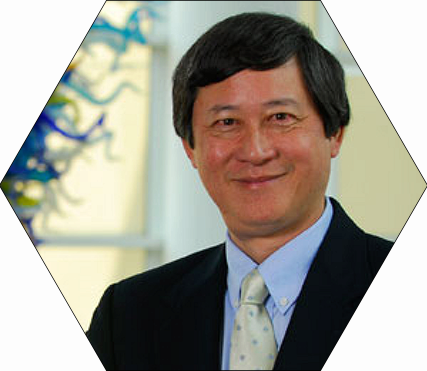
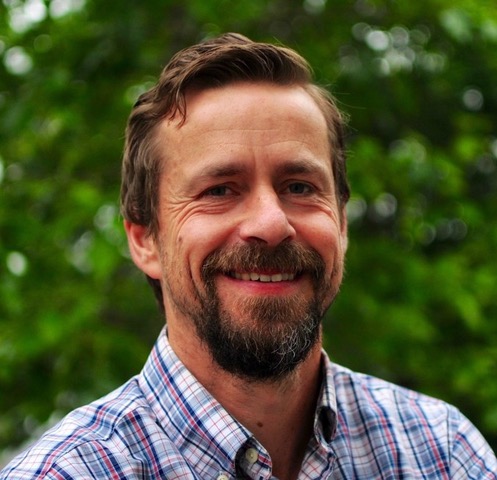
David N. Ku is the Lawrence P. Huang Endowed Chair for Engineering Entrepreneurship and Regents' Professor at Georgia Institute of Technology. He holds appointments in the School of Mechanical Engineering (Woodruff School) within the College of Engineering. His research focuses on biofluid mechanics, medical device innovation, and translational technology, with emphasis on thrombosis mechanisms and vascular diseases. Education: M.D. from Emory University (1984); Ph.D. and M.S. from Georgia Tech (1983, 1982); B.A. from Harvard University (1978). Research interests include unsteady fluid dynamics in vascular systems, nanoparticle medical devices for thrombosis prevention, and porous thrombus applications for hemostasis. His work bridges bioengineering with entrepreneurship, teaching product development at the Business School and collaborating with Emory University, Paris Tech-Mines, and ETH Zurich. Key awards include the American Institute for Medical and Biological Engineering Fellowship, DLA Piper Inventor of the Year, and NSF Presidential Young Investigator Award. His research is funded by NIH, NSF, and industry partners. Labs/Teams: Leads a lab using microfluidics and computational mechanics for vascular disease solutions. Collaborates on technologies to address post-partum hemorrhage and traumatic bleeding.
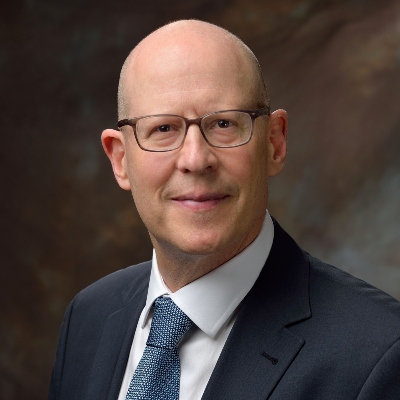
Scott L. Diamond is the Arthur E. Humphrey Professor of Chemical and Biomolecular Engineering and Bioengineering at the University of Pennsylvania's School of Engineering and Applied Sciences. He serves as Director of the Penn Center for Molecular Discovery, Director of the Penn Biotechnology Masters Program (one of the largest in the country with over 130 students), and Associate Director of the Institute for Medicine and Engineering (IME). His laboratory is located in the Roy and Diana Vagelos Laboratories at 3340 Smith Walk, 1020 Vagelos Research Laboratories, Philadelphia, PA. Diamond's research spans multiple interconnected fields in blood biology and biotechnology. His work focuses on mechanobiology, thrombolysis, coagulation, bioadhesion, gene therapy, drug/device development, proteomics, drug discovery, systems biology, and microfluidics. His laboratory has developed numerous specialized microfluidic devices for studying blood clotting under various flow conditions, including 8-channel devices for high-throughput clotting assays, side-view devices for clot structure analysis, stenosis devices for high shear clotting assays, and impingement-post devices for studying von Willebrand factor fibers. Diamond's research group has pioneered approaches to model and predict blood function using systems biology principles. His team has developed computational models that integrate reaction-transport phenomena with platelet signaling networks to predict thrombus formation under flow. These models have enabled the development of 'virtual blood' computer simulations that can predict the effectiveness of anticoagulation drugs for individual patients, contributing significantly to personalized medicine approaches in hemostasis and thrombosis. His extensive publication record demonstrates a consistent focus on understanding the fundamental mechanisms of blood clot formation and dissolution. Recent work has emphasized microfluidic approaches for point-of-care diagnostics, patient-specific modeling of platelet function, and the development of novel therapeutic strategies for thrombotic disorders. His research bridges engineering principles with clinical hematology to address significant challenges in cardiovascular medicine. NSF National Young Investigator Award NIH FIRST Award American Heart Association Established Investigator Award AIChE Allan P. Colburn Award George Heilmeier Excellence in Research Award Elected Fellow of the Biomedical Engineering Society (BMES) Diamond has secured significant research funding, including a $2.8 million NIH grant for 'Blood Systems Biology' and a $9.5 million NIH grant for the Penn Center for Molecular Discovery. His laboratory has developed numerous microfluidic devices for blood analysis and has collaborated extensively with clinicians and industry partners. Diamond has served on advisory committees for NSF, NIH, AHA, and NASA, and has consulted extensively for industry and government. With over 180 publications and patents, his work has significantly advanced the understanding of blood clotting mechanisms and the development of diagnostic and therapeutic approaches for thrombotic disorders.
University of Texas Southwestern Medical CenterUnited States
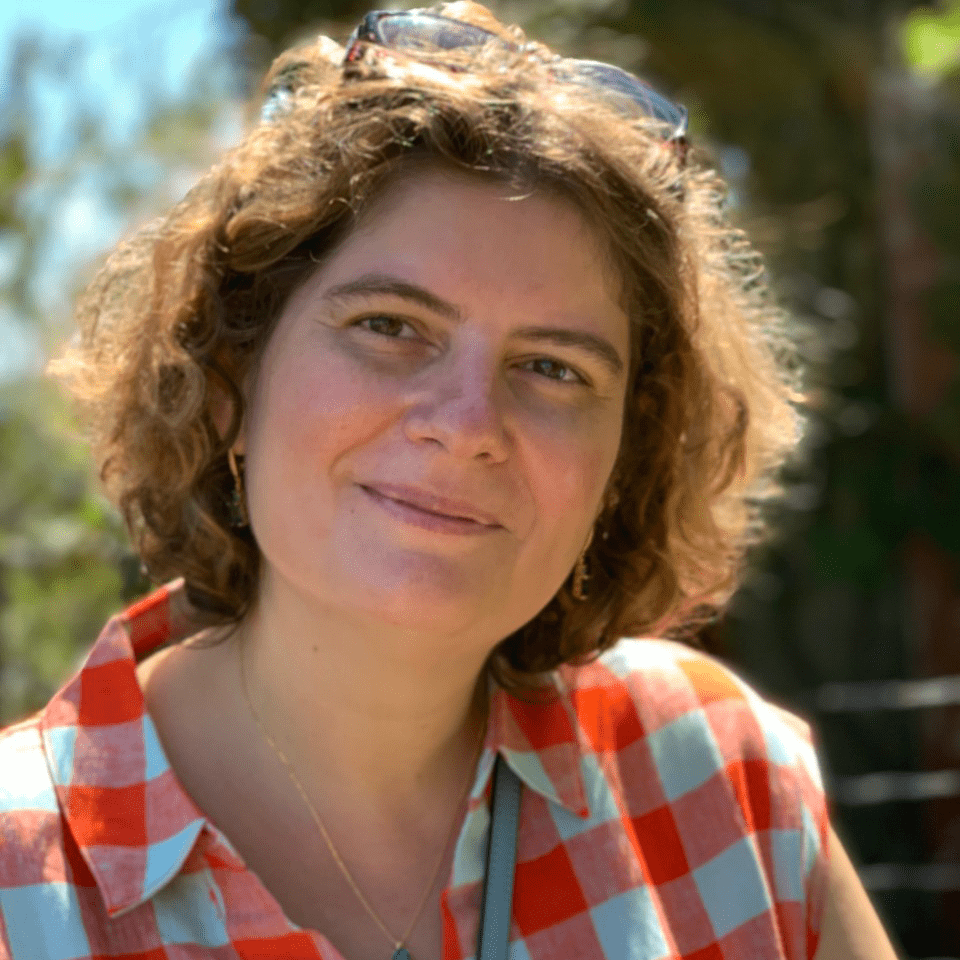
Vanessa Nomellini, MD, PhD is an Associate Professor in the Division of Burn, Trauma, Acute and Critical Care Surgery at UT Southwestern Medical Center. She joined UT Southwestern in 2023 as the director of research for her division and leader in the Critical Care Outcomes Research Translation (CORT) group. Education: Dr. Nomellini earned her MD and PhD in Cellular and Molecular Biochemistry from Loyola University. She completed her general surgery residency at the University of Wisconsin and Surgical Critical Care fellowship at the University of Pennsylvania. Research Interests: Her work focuses on immune dysfunction in critically ill patients, particularly sepsis and trauma-induced immunosuppression. She leads studies on immune recovery mechanisms and develops the ICU Recovery Program for long-term patient management. Her NIH-funded research (R35 NIGMS) investigates immune suppression through both animal models and human observational studies. Publications Trends: Her recent work emphasizes sepsis pathophysiology, coagulopathy management, and clinical improvements in critical care. Key areas include immunomodulatory therapies, biomarker utility, and optimizing ICU protocols. Scientific Awards: Recipient of NIGMS R35 grant (2019-current) Advising & Grants: Leads a multi-institutional research team and holds leadership roles in CORT. Her grants focus on translational immunology and critical care outcomes. Labs & Teams: Directs research at UT Southwestern's Critical Care Division, collaborating with Drs. Levi and Carlson in CORT initiatives.
Catherine E. Costello is the William Fairfield Warren Distinguished Professor and Director of the Center for Biomedical Mass Spectrometry Education at Boston University School of Medicine. She holds a PhD and MS from Georgetown University. Her research focuses on biopolymer structural studies and mass spectrometry method development, particularly in glycobiology. Her lab is an NIH-funded Resource Center advancing glycan characterization and structural analysis. Key research interests include carbohydrate conjugate analysis, glycoproteomics, and applications in disease mechanisms like cancer, infection, and immune response. Collaborations span institutions globally, addressing complex biomolecules and their roles in health and disease. Recent publications highlight advancements in glycoproteomic characterization, ion mobility spectrometry, and glycan identification. Awards include the distinguished professor title. Lab members include postdoctoral associates, research staff, and visiting scientists from institutions like MGH and Nutricia Research.
Sapun Parekh is an Associate Professor in the Department of Biomedical Engineering at the University of Texas at Austin, supported by the Cockrell Family Fellowship. His research focuses on developing label-free imaging and analytical tools using nonlinear chemical microscopy to diagnose pathologies such as type 2 diabetes. The Parekh Lab, operating at UT Austin and the Max Planck Institute, investigates molecular basis of pathology, microscopy instrumentation, and mechano-chemical coupling in cancer. Key research areas include chemical and nonlinear microscopy, molecular physics of biomaterials, and imaging molecular structure under mechanical deformation. Recent work emphasizes biomolecular condensates, blood clot mechanics, and metabolic defense mechanisms in cancer cells. The lab actively recruits graduate students and postdoctoral researchers in topics like nonlinear microscopy and neurodegeneration imaging. Notable students include Jacob, Sam, Nick, and Advika, who have passed exams or defended theses. Collaborations with institutions like Brown University and EMBL advance interdisciplinary projects. The lab’s innovations bridge fundamental biophysics with clinical applications, emphasizing inclusion and innovation. Education Background: Not explicitly stated in provided texts. Affiliations: UT Austin Biomedical Engineering, Max Planck Institute. Research interests span imaging technologies, biomaterials, and disease mechanisms, with recent articles addressing biomolecular condensates, clot mechanics, and nanotechnology. The lab’s work is published in high-impact journals, reflecting its commitment to advancing biomedical diagnostics and therapies.
Craig Morrell is a Professor at the University of Rochester School of Medicine and Dentistry , with joint appointments in the Departments of Medicine , Microbiology and Immunology , and Pathology and Laboratory Medicine . He serves as Associate Director of the Aab Cardiovascular Research Institute . Education: Sc.B. in Biology, Brown University (1995) D.V.M. , Tufts University School of Veterinary Medicine (2000) Ph.D. in Pathobiology, Johns Hopkins University (2005) His research examines the interface between platelets, vascular biology, and immune cells , focusing on platelet roles in thrombosis, inflammation, and immune regulation. Using advanced mouse models , his lab investigates platelet-derived mediators like β2M and PF4 in diseases such as malaria, stroke, and myocardial infarction. Article trends highlight platelets' dual roles in thrombosis and immune modulation , with recurring themes in vascular inflammation , ERK5 signaling , and age-related immune dysfunction . Scientific Awards: Kenneth M. Brinkous Young Investigators Prize (2008) Deans Gift research award (2006) Multiple travel scholarships and fellowships (2003-2005) Pathology Award-Excellence in Pathology (2000) Mentoring and Teaching : He has mentored 8 doctoral students , 7 undergraduates , and 6 postdoctoral fellows , with a focus on diversity. He serves on thesis committees and the URMC MSTP (MD/PhD) admissions committee . Labs and Collaborations : Leads the Morrell Lab at the Aab Cardiovascular Research Institute, collaborating with institutions like Johns Hopkins and Medical College of Wisconsin.
Dr. Andreia Marina Ionescu serves as Associate Professor of Biology and Principal Investigator at Northeastern University since July 2020, leading research in skeletal development and regenerative medicine. Education: PhD, University of Rochester (NY) Postdoctoral Fellowship, Harvard Medical School Research Interests: Her lab pioneers investigations into growth plate stem cell hierarchies, FoxA2+ long-term skeletal stem cells (LTSSCs), and osteoarthritis mechanisms. Key focuses include: Transcriptional regulation of chondrocyte differentiation Cartilage regeneration via stem cell populations Nanoparticle-based gene delivery for OA treatment PTHrP signaling in skeletal growth Publication Trends: Recent work (2022-2024) demonstrates integration of single-cell transcriptomics with functional studies to map skeletal stem cell lineages, revealing FoxA2+ LTSSCs as critical regeneration mediators. Parallel efforts develop charge-reversed exosomes for targeted cartilage therapy, bridging developmental biology and translational orthopedics. Scientific Awards: NSF CAREER Award (2024) Advising and Grants: Mentors four graduate students, twelve undergraduate researchers, and two senior scientists. Lab operations are supported by NSF CAREER funding and institutional resources for skeletal biology research. Lab and Team: The Ionescu lab integrates wet-lab biologists (Dr. Muruganandan Shanmugam, Dr. Yu Zhou) with computational expertise (bioinformatician Dr. Yu Zhou) to address skeletal regeneration challenges through molecular, cellular, and tissue-level approaches.
Deeksha Katoch is a Clinical Fellow in Pediatric Hematology-Oncology at Yale School of Medicine, specializing in benign hematology and bleeding disorders with a focus on improving patient care in resource-limited settings. She is actively engaged in research and clinical practice within Yale's Department of Pediatric Hematology & Oncology. Her educational background includes: MHS in Clinical Informatics and Data Science from Yale School of Medicine (2026) Chief Residency at SUNY Downstate Health Science University (2023) Residency at SUNY Downstate Health Science University (2022) MBBS from Government Medical College, Jammu Board Certified in General Pediatrics by the American Board of Pediatrics (2022) Dr. Katoch's research spans pediatric hematology-oncology, retinal disorders, and bleeding disorders, with particular interest in sickle cell disease, hematopoietic cell transplantation, and diabetic retinopathy. Her work combines clinical practice with innovative research approaches, including the application of GIS to assess healthcare access impacts on bleeding disorder outcomes. Her publications demonstrate expertise in both clinical research and the intersection of ophthalmology with hematology. Her significant scientific recognitions include: Dataset Research Engagement and ATHN Mentorship (DREAM) award from Hemostasis & Thrombosis Research Society/American Thrombosis and Hemostasis Network Member of American Society of Pediatric Hematology-Oncology Travel Grant Award from American Society of Transplantation and Cellular Therapies Abstract Achievement Award from American Society of Hematology Patient Care Trust Fund (PCTF) Award from Committee of Interns and Residents/NYC Health & Hospitals Dr. Katoch is actively involved in professional organizations including the American Academy of Pediatrics, American Society of Hematology, American Society of Pediatrics Hematology-Oncology, and American Society of Transplantation and Cellular Therapies. Her clinical fellowship combines her previous military medical experience as a Medical Officer in the Indian Air Force with advanced pediatric hematology-oncology training. She maintains active research collaborations with Yale colleagues including Dr. Lakshmanan Krishnamurti, Dr. Nitya Bakshi, and Jingchen Liang.
State University of New York at BuffaloUnited States
Sriram Neelamegham is the UB Distinguished Professor of Chemical & Biological Engineering, Biomedical Engineering, and Medicine at the University at Buffalo, SUNY. His research focuses on applying engineering principles to study molecular mechanisms of blood cell interactions in diseases such as inflammation, thrombosis, and cancer. He leads the Bioengineering Laboratory within the School of Engineering and Applied Sciences. Education: PhD in Chemical/Biomedical Engineering, Rice University, 1996 B.Tech in Chemical Engineering, Indian Institute of Technology Delhi, 1991 Research Interests: Systems Glycobiology: Investigating glycan biosynthesis and its role in disease Leukocyte and Platelet Adhesion Dynamics under Fluid Flow Von Willebrand Factor (VWF) Structure-Function Relationships Engineering Glycoengineered Therapeutics and Diagnostic Tools Key Contributions: Developed computational models and experimental tools for glycosylation pathway analysis Discovered mechanisms of VWF conformational changes under shear stress Pioneered glycoengineering strategies for stem cell targeting Awards & Recognition: NIH Independent Scientist Award (2015) SUNY Chancellor's Award for Excellence (2015) AIMBE Fellow (2012) and BMES Fellow (2019) 2018 Schoellkopf Medal (ACS) Lab Activities: Recruitment of postdocs, full-time, and part-time research technicians Development of glycan-engineered technologies for drug delivery and diagnostics Collaborations with biomedical industries and academic institutions
Dr. Kevin Schuster is a Professor of Surgery and Section Chief of General Surgery, Trauma & Surgical Critical Care at Yale School of Medicine. He specializes in acute care surgery, trauma, and surgical critical care, with expertise in emergency general surgery, abdominal wall defects, and trauma outcomes. His clinical interests include general surgery, trauma care, sepsis, and resuscitation. He holds certifications from the American Board of Surgery in General Surgery and Surgical Critical Care. Dr. Schuster completed his undergraduate degree in Electrical Engineering at Drexel University and earned his MD from Temple University School of Medicine. He trained in General Surgery residency at Cooper University Hospital and completed fellowships in Surgical Critical Care and Trauma Surgery at the University of Miami/Jackson Memorial Hospital. He also holds an MPH from Yale School of Public Health (2015). His research focuses on improving outcomes for critically ill and emergency surgery patients through prospective and retrospective studies. He leads national collaborative studies on trauma care, surgical outcomes, and emergency procedures. Notable collaborations include work with the Eastern Association for the Surgery of Trauma (EAST) and the Society of Critical Care Medicine. Dr. Schuster has received awards including the Edward H. Storer Award for Excellence in Surgical Teaching (2020) and an EAST Leadership Workshop Scholarship (2009). He holds leadership roles in professional organizations such as the American College of Surgeons and the Connecticut Surgical Quality Collaborative. His clinical expertise includes minimally invasive surgery for benign colorectal, gallbladder, and hernia conditions, alongside trauma care at Yale New Haven Hospital’s Level 1 Trauma Center. He emphasizes patient-centered care and has published extensively on surgical guidelines, trauma management, and emergency care optimization.
University of North Carolina at Chapel HillUnited States
Wolfgang Bergmeier, PhD, is a Professor in the Department of Biochemistry and Biophysics at the University of North Carolina at Chapel Hill. He is a member of the UNC Lineberger Comprehensive Cancer Center and the UNC Blood Research Center, where he leads research on the signaling mechanisms regulating megakaryocyte and platelet function in health and disease. His laboratory employs a multidisciplinary approach including biochemistry, cell and molecular biology, immunology, cutting-edge microscopy, and animal models to investigate platelet biology and its implications for human disease. Dr. Bergmeier's research focuses on understanding small GTPase signaling in platelets, particularly Rap1, and its role in hemostasis, thrombosis, and cancer. His work has made significant contributions to our understanding of how platelets secure vascular integrity, how they contribute to cancer progression and treatment complications, and how platelet function can be optimized for therapeutic purposes. His laboratory has developed novel mouse models and intravital imaging platforms to study platelet function in real-time. Analysis of Dr. Bergmeier's recent publications reveals a strong focus on platelet signaling mechanisms, particularly Rap1 and other small GTPases, and their implications for hemostasis, thrombosis, and cancer. His research spans from fundamental molecular mechanisms to translational applications, including development of novel antithrombotic strategies, optimization of platelet transfusion therapy, and understanding the complex relationship between platelets and cancer progression. Dr. Bergmeier has received numerous awards including the Outstanding Investigator Award from the National Heart, Lung and Blood Institute (NIH) in 2019, the American Heart Association ATVB Special Recognition Award in Thrombosis in 2016, and the Established Investigator Award from the American Heart Association in 2014. He has served as Chair of the 9th Symposium of Hemostasis in Chapel Hill (2018) and Vice Chair of the Gordon Research Conference on the Cell Biology of Platelets and Megakaryocytes (2017). He is also an Associate Editor for the Journal of Thrombosis and Hemostasis. His laboratory actively collaborates with clinical researchers at UNC, particularly with Dr. Nigel Mackman on cancer-related platelet research and with Drs. Flick and Wolberg on the interplay of platelets and the coagulation system. The Bergmeier Lab is part of the UNC BCBP Green Lab initiative, demonstrating a commitment to sustainability in research practices.
Changyong Feng, PhD, is a Professor of Biostatistics and Computational Biology, Anesthesiology, and Dentistry at the University of Rochester Medical Center. He serves as Co-Director of the Department of Dentistry and holds a faculty position in the Department of Biostatistics and Computational Biology. He earned his PhD in Statistics from the University of Rochester in 2002. Dr. Feng’s research focuses on multivariate survival analysis, empirical processes theory, longitudinal data analysis, and statistical methods in epidemiology and clinical trials. His work spans interdisciplinary collaborations, including studies on anticoagulant efficacy in cardiovascular surgery, microbiome data analysis, and behavioral predictors of oral health. He has contributed to clinical trials, anesthesiology practices, and veterinary pharmacology. His expertise includes developing statistical models for complex biomedical data. Dr. Feng is affiliated with multiple departments at URMC, reflecting his role in bridging statistical methodologies with clinical and translational research. His publications address diverse topics from drug dosing optimization to influenza antibody dynamics. His research underscores the application of advanced statistical techniques to real-world medical challenges.
Mayo Clinic College of Medicine and ScienceUnited States
Dr. Michael E. Nemergut is a dual-board certified physician at Mayo Clinic in Rochester, Minnesota, specializing in Pediatric Critical Care Medicine and Pediatric Anesthesiology. He holds academic appointments in the Department of Anesthesiology and Perioperative Medicine within the Mayo Clinic Children's Center. Education: University of Virginia (MD, Ph.D.), Johns Hopkins (Fellowship, Residencies) His research focuses on anesthetic neurotoxicity in pediatric populations, pain management protocols, and anticoagulation strategies in critical care. Notable recent publications span topics from NanoLuc luciferase mechanisms to pediatric ECMO hemostasis. Scientific Awards: Multiple Top Doctors recognitions (2021-2023), Excellence Through Teamwork (2019), Howard Hughes Fellowship (1996) Dr. Nemergut maintains extensive professional memberships in anesthesiology and pediatric medical societies, contributing to clinical practice committees and education initiatives at Mayo Clinic.
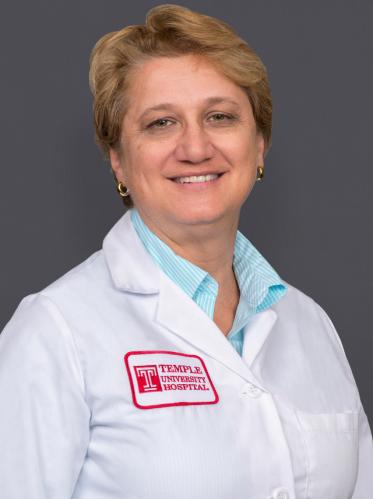
Nina Gentile, MD is a Professor of Emergency Medicine and serves as Research Director in the Department of Emergency Medicine at Lewis Katz School of Medicine, Temple University. She maintains clinical practice at Temple University Hospital's Main Campus and Jeanes Campus locations in Philadelphia. Dr. Gentile's research interests focus on critical areas within emergency medicine, particularly stroke care and treatment. Her work spans cerebrovascular disease, anticoagulant therapy, and emergency neurological interventions. She has developed significant expertise in hyperbaric medicine through her fellowship training and maintains active research in this specialized field. Her recent publications demonstrate a clear trajectory toward innovative stroke treatments and emergency care protocols. The research shows strong emphasis on both ischemic and hemorrhagic stroke management, with particular focus on anticoagulant therapies and novel approaches to reduce secondary stroke risks. Her work bridges clinical emergency medicine with neurological research, creating impactful translational applications for acute stroke care. Dr. Gentile has received notable recognition for her contributions to biomedical research: Women in Biomedical Research: Best Practices for Sustaining Career Success (Bethesda, MD) Association of American Medical Colleges Mid-Career Faculty Professional Development Seminar (Phoenix, AZ) Guest Researcher appointment at the Stroke Branch, National Institute for Neurological Diseases and Stroke (Bethesda, MD) As Research Director of the Department of Emergency Medicine, Dr. Gentile oversees multiple significant research initiatives including Temple University's participation in the NIH SIREN Clinical Trials Network. Her leadership has secured Temple University's position as a clinical hub for national emergency medicine research. Current studies under her direction include investigations into Librexia STROKE and experimental treatments using recombinant Factor VIIa for intracranial hemorrhage. Dr. Gentile maintains active professional engagement through memberships in the American Academy of Emergency Medicine, American College of Emergency Physicians, Society for Academic Emergency Medicine, American Stroke Association, and American Heart Association, reflecting her comprehensive expertise across emergency medicine and stroke care specialties.
Dr. Shenna M. Shearin serves as an Assistant Professor of Chemistry in the Department of Science, Technology, Engineering and Math at Bennett College. She is affiliated with the Division of Arts and Sciences and holds a Ph.D. in Computational Science and Engineering from North Carolina Agricultural and Technical State University. Her work focuses on STEM education innovation, particularly retention strategies for underrepresented minority female STEM students at Historically Black Colleges and Universities (HBCUs). Education: Ph.D. in Computational Science and Engineering, NC A&T State University M.S. in Chemistry, NC A&T State University B.S. in Chemistry, NC A&T State University Research Interests: Dr. Shearin investigates the efficacy of STEM interventions such as tutoring, faculty mentoring, and supplemental instruction. Her current project as a 2021 Faculty Research Fellow (HBCU STEM US Research Center) explores the relationship between achievement motivation and academic performance in STEM courses. This mixed-methods study aims to inform institutional strategies for improving student success. Professional Contributions: Her 2017 publication in Journal of Molecular Graphics and Modelling demonstrated computational analysis of protein mutations' binding affinities. She actively participates in Bennett College's retention initiatives and collaborates with institutions like Morehouse College and Spelman College through the HBCU STEM Analytic Hub.