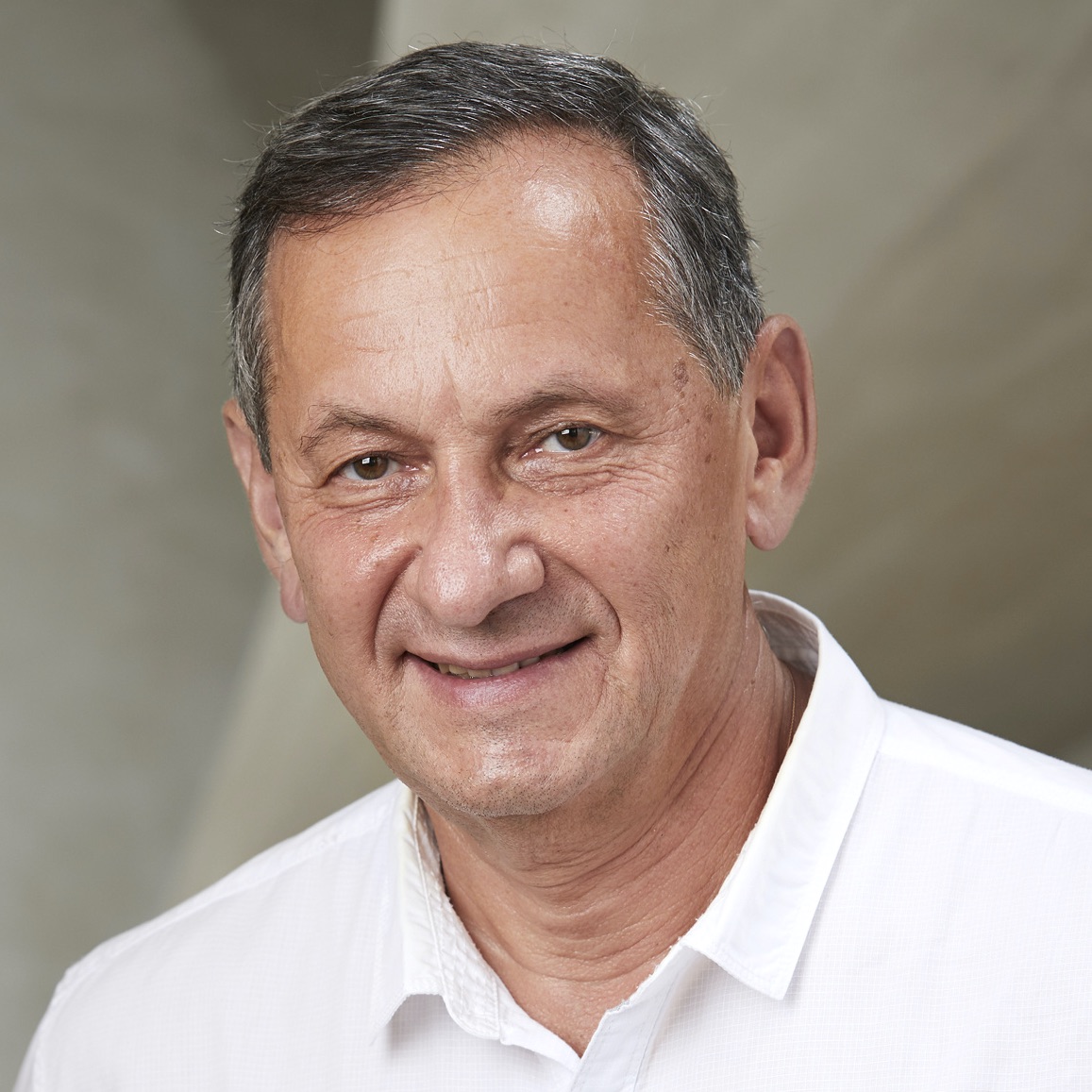
Dr. Vladimir Vlassov is a full Professor in Computer Systems at the Division of Software and Computer Systems (SCS) , Department of Computer Science (CS) , School of Electrical Engineering and Computer Science (EECS) , KTH Royal Institute of Technology , Stockholm, Sweden. He leads the AVA project in ALEC2, an AI-powered system for mental health care. He is a member of the Distributed Computing research group (DC@KTH) . Education & Roles: Holds a PhD and is a member of ACM and IEEE. Previously visited MIT (1998) and UMass Amherst (2004). Teaches courses on Data Mining , Distributed Systems , and Concurrent Programming . Research Interests: Focus on scalable AI, Cloud computing, distributed systems, and NLP for mental health. Projects include ExtremeEarth (Copernicus data analytics) and EMJD-DC (distributed computing PhD program). Grants & Projects: Principal Investigator in ALEC2 (adaptive mental health care) and ExtremeEarth (EU H2020). Led EU projects like ENCORE (manycore systems) and PaPP (embedded systems). Labs & Teams: Directs the Distributed Computing group, contributing to Hopsworks (machine learning feature store) and Maggy (hyperparameter optimization).
Carmen Catala is an Assistant Professor in the School of Integrative Plant Science , Department of Plant Biology , at Cornell University , with a concurrent appointment at the Boyce Thompson Institute (BTI) . Her research focuses on the molecular regulation of fruit development in tomatoes, particularly the role of auxin in growth, cell wall modification, and drought stress response. Education Doctorate, University of Valencia (1991) Master of Science, Instituto de Agroquímica y Tecnología de Alimentos (1986) Bachelor of Arts, University of Valencia (1985) Research Interests Carmen’s work investigates auxin synthesis, transport, and signaling networks during tomato fruit development. She combines genetic, molecular, and transcriptomic approaches to study how auxin gradients regulate cell division and expansion, with recent projects examining drought stress impacts on fruit set and the use of wild tomato species to identify adaptive traits. Publications & Research Trends Her publications span auxin transporter gene family analysis (PIN/AUX-LAX), transcriptomic studies of drought-stressed fruits, and proteomic characterizations of cell wall modifications. Key trends include hormonal regulation of development, stress adaptation genomics, and leveraging wild genetic diversity for crop improvement. Contact Information Email: cc283@cornell.edu Phone: (607) 254-8694 Lab: 315/316 Tower Rd., Ithaca, NY 14853
Yuri Rzhanov is a Research Professor at the Center for Coastal and Ocean Mapping at the University of New Hampshire , where he focuses on numerical modeling and image processing for marine applications. His work bridges semiconductor physics foundations with modern underwater 3D scene reconstruction and habitat classification. Education : Ph.D. in Semiconductor Physics, Academy of Science of Russia M.S. in Semiconductor Physics, Novosibirsk State University Research Interests center on 3D modeling/visualization , underwater image processing , refractive effect compensation , and benthic habitat classification using conventional/multispectral imagery. His career evolved from semiconductor quantum effects to solid-state nonlinear phenomena, then to marine signal/image processing. Key Collaborators : Co-investigators: Larry Mayer, Brian Calder, Jennifer Dijkstra, May-Win Thein Co-authors: John Hughes Clarke, Kim Lowell, Thomas Butkiewicz Grants include projects funded by the US Geological Survey , NOAA , and US Navy (2004–2024) related to seafloor mosaicing, unmanned underwater vehicle coordination, and marine acoustic/image data processing.
Ben Ward-Cherrier is a Senior Lecturer in Robotics at the University of Bristol's School of Engineering Mathematics and Technology. His research focuses on biomimetic tactile sensing, neuromorphic systems for robotics, and haptic interfaces. He develops artificial tactile systems inspired by biological sensory mechanisms for applications in prosthetics, robotic manipulation, and human-robot interaction. Key research areas include neuromorphic tactile sensors that mimic biological afferents, real-time texture and edge classification algorithms, incipient slip detection for stable grasping, and vibrotactile feedback systems. Recent work integrates spiking neural networks with tactile hardware for efficient sensory processing. Publications demonstrate advancement in tactile sensing capabilities, including braille recognition in noisy environments, psychophysics-inspired benchmarking, multi-modal texture/velocity classification, and industrial applications like composite defect detection. Research bridges computational neuroscience with practical robotic systems.
Farshid Hajati is a Lecturer in Data Science at the University of New England's School of Science and Technology. He holds a PhD from Western Sydney University and has industry experience as a Senior Data Scientist at Australian government health agencies. His expertise spans machine learning, medical AI, and computer vision. Dr. Hajati's research develops deep learning solutions for medical applications including retinal disease detection, cardiac arrhythmia classification, and fungal infection diagnosis. He has secured significant funding including $433,000 for an intracranial pressure assessment device and $100,000 from Google Research. His publications demonstrate consistent innovation in multimodal medical AI, with recent advances in interpretable graph networks for biomedical data and handheld retinal imaging. Earlier foundational work established methods for 3D face recognition and dynamic texture analysis.
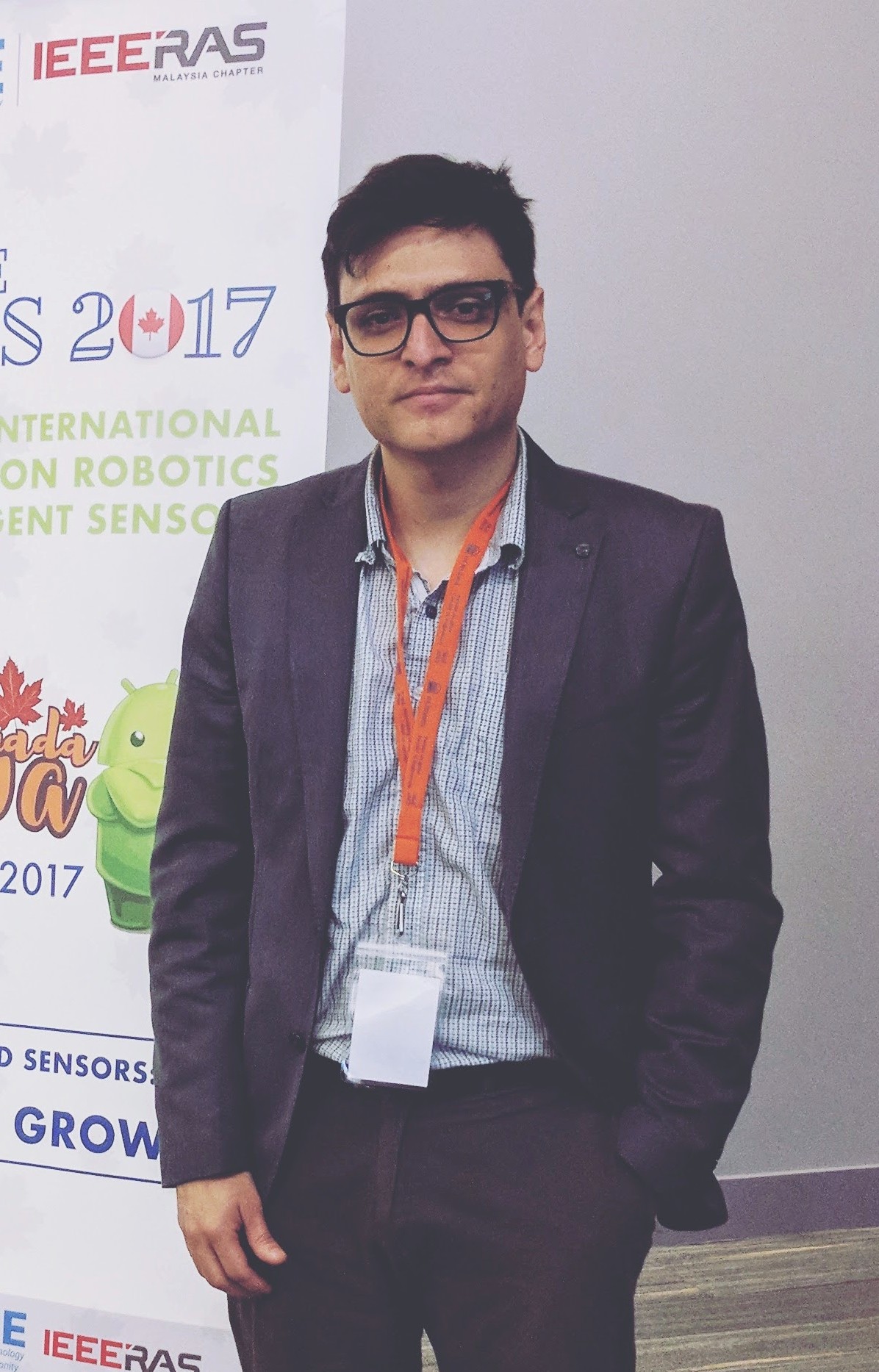
Vinicius Prado da Fonseca is an Assistant Professor in the Department of Computer Science at Memorial University of Newfoundland. His research focuses on advanced robotics, tactile sensing technologies, and human-robot interaction. His work integrates machine learning and artificial intelligence to improve robotic manipulation, prosthetic control, and haptic interfaces. Education background includes: Ph.D. in Electrical and Computer Engineering from University of Ottawa (2020) M.Sc. in Systems and Computing from Military Institute of Engineering, Brazil (2013) B.Sc. in Computer Science from Federal University of Tocantins, Brazil (2010) Research interests emphasize tactile perception systems, compliant robotic grippers, and bio-inspired sensor modules. Notable contributions include the BioIn-Tacto tactile sensing framework and studies on myoelectric control for upper-limb prosthetics. His work bridges theoretical machine learning with practical robotics applications in manufacturing, healthcare, and assistive technologies. Publications span over 30 peer-reviewed articles focusing on tactile datasets, sensor design, and robotic control algorithms. Recent trends show increasing emphasis on multimodal data fusion, active learning for sensor optimization, and human-centric robotics applications. Currently no listed scientific awards or grants, but maintains active collaborations in prosthetic development and industrial automation projects.
Sarah A. Gleeson is a Professor of Mineral Resources at the Freie Universität Berlin and Head of the Inorganic and Isotope Geochemistry Section at the GFZ German Research Centre for Geosciences. She also serves as Director of 'Topic 8 – Georesources' in the Helmholtz programme 'Changing Earth – Sustaining our Future'. Her career includes roles at the University of Alberta (2001–2015), where she advanced from Assistant to Full Professor, and postdoctoral research at the University of Leeds and the Natural History Museum London. Her research focuses on hydrothermal ore deposits, fluid-rock interactions, and sediment-hosted metals. Notable contributions include studies on the Kupferschiefer district, Ni-laterites, and clastic-dominated Zn deposits. Gleeson has been honored with the Waldemar Lindgren Award, H.S. Robinson Medal, and the European Association of Geochemistry Distinguished Lectureship. She is recognized for both research and teaching excellence, including awards for student engagement at the University of Alberta.
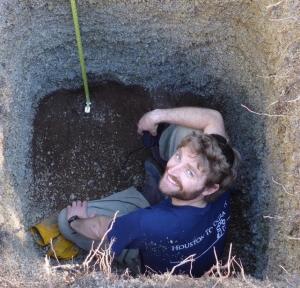
Ekaterina Bazilevskaya serves as an Assistant Research Professor in the Department of Ecosystem Science and Management at Pennsylvania State University, where her research integrates soil science, geochemistry, and environmental systems. Based in University Park's Agricultural Sciences and Industries Building, she contributes to the Soil Research Cluster Lab and Water Sustainability initiatives through field investigations across Pennsylvania, Puerto Rico, and Kazakhstan. Her research program examines mineral weathering dynamics, organic carbon cycling, and porosity evolution in critical zone environments. Specializing in techniques like differential scanning calorimetry and laser diffraction soil analysis, she investigates how environmental factors influence regolith formation, clay mineral behavior, and carbon sequestration processes. Key projects include studying nested chemical reaction fronts in shale systems and colloidal mediation of carbon accumulation in forest soils. Analysis of her 15 most recent publications (2011-2024) reveals consistent focus on weathering mechanisms across diverse geological settings, with significant contributions to understanding porosity controls in diabase/granite systems, carbon trapping in shale formations, and soil geochemistry under varying environmental conditions. Her collaborative work spans environmental engineering, biogeochemistry, and hydrogeology disciplines. No scientific awards were documented in the source materials. While student mentorship and grant activities aren't explicitly detailed in the provided text, her extensive multi-institutional collaborations—including work with the Shale Hills and Luquillo Experimental Forest Critical Zone Observatories—suggest active research supervision and funding engagement. Dr. Bazilevskaya's laboratory affiliations center on Penn State's Soil Research Cluster Lab, highlighted in 2023 for advancing soil analysis capabilities. Her fieldwork connects with national critical zone networks, particularly through investigations of Marcellus Formation weathering and deep critical zone processes in tropical environments.
Natasa Sladoje is a Professor in Computerized Image Analysis at the Department of Information Technology, Uppsala University. She is affiliated with the Vi3 and Image Analysis research group and leads the MIDA research group. Her work spans artificial intelligence, biomedical image analysis, deep learning, and algorithm development, with applications in medical imaging and life sciences. Her research focuses on developing advanced image analysis methods, particularly using machine and deep learning, to enable automated analysis of image data in science and everyday life. Key areas include medical image analysis, image registration, segmentation, pattern recognition, and discrete geometry. She applies these techniques to critical domains such as oral cancer detection, cytology, and multimodal imaging. The recent publications highlight a strong trend in AI-driven medical diagnostics, particularly in cancer detection using whole slide images, self-supervised learning for sparse instance detection, and contrastive learning for multimodal image registration. Her work also emphasizes reproducibility and benchmarking in bioimage analysis through frameworks like BIAFLOWS and public datasets like HISTOBREAST. She has no listed scientific awards in the provided text. Natasa Sladoje supervises research within the MIDA group and collaborates extensively on projects involving bioimage analysis, deep learning, and medical applications. While specific grant details are not mentioned, her leadership in collaborative frameworks and publication output suggests active involvement in funded research initiatives. She leads the MIDA (Medical Image Analysis) research group, which focuses on developing and applying novel image analysis tools for biomedical applications, particularly in cancer diagnostics and multimodal imaging.
Thomas Giachetti is an Associate Professor in the Department of Earth Sciences at the University of Oregon, within the College of Arts and Sciences. His research focuses on volcanology and geochemical processes in volcanic systems, particularly investigating bubble nucleation, magma fragmentation, and eruption dynamics. He has conducted extensive studies on explosive rhyolite eruptions, volcanic ash behavior, and the implications of submarine eruptions for tsunamis and deep-sea ecosystems. Email: tgiachet@uoregon.edu Office: 224 Volcanology, University of Oregon Office Hours: Friday 2-3 pm Website: http://pages.uoregon.edu/tgiachet/ His recent publications (2020-2025) highlight his expertise in volcanic processes, including magnetic properties of pumice, hydration of pyroclasts, and the use of X-ray tomography in analyzing eruption deposits. While no formal awards or advisees are listed in the provided materials, his work on volcanic hazards and magma dynamics remains influential in the field.
Sune Darkner is a Professor at the Department of Computer Science (DIKU) at the University of Copenhagen, specializing in the Image Analysis, Computational Modelling, and Geometry research section. His work focuses on medical image processing with particular emphasis on neuro-imaging data including MRI and PET scans. His primary research interests include Image Registration, Segmentation and Classification of Medical Image Data , with a specific focus on estimation of image similarity as his main research interest. Darkner strongly believes that the implementation of image processing algorithms should be thoroughly tested and reflect the theoretical properties as accurately as possible. His work primarily centers on neuro-imaging data such as MRI and PET. His recent publications (2024-2025) reveal a strong focus on medical image analysis, with particular emphasis on tumor volume delineation, deformable image registration with physics constraints, and applications of deep learning in medical imaging. His work spans both theoretical foundations of image processing and practical clinical applications. Darkner previously held a Post Doc position at the Technical University of Denmark from February 2009 to January 2010, demonstrating his longstanding engagement with image analysis research in the Danish academic community.
Lyndon Estes is an Associate Professor in the Graduate School of Geography at Clark University. His research focuses on the drivers and impacts of agricultural change, utilizing Earth Observation technologies and modeling techniques such as neural networks. He has contributed to interdisciplinary studies in conservation biology, agricultural economics, and geospatial analysis, with a particular emphasis on African ecosystems and smallholder farming systems. Dr. Estes' work spans multiple domains, including landscape connectivity for wildlife conservation, transportation infrastructure impacts on agricultural supply chains, and the application of advanced machine learning methods to remote sensing data. He has authored over 19 publications, with recent contributions appearing in journals like Remote Sensing , Field Crops Research , and Agricultural Systems . In editorial roles, he serves as Specialty Chief Editor for 'AI in Food, Agriculture and Water' at Frontiers in Artificial Intelligence . His research integrates technical innovation with practical applications, addressing global challenges in sustainability and food security.
Susan L. Ustin is a Professor in the Department of Land, Air, and Water Resources at the University of California Davis, where she has been a faculty member since 1999. She is also the Associate Director of the John Muir Institute of the Environment and Head of the Center for Spatial Technologies and Remote Sensing (CSTARS). Her academic journey began with a Ph.D. in Botany from UC Davis in 1983, followed by a postdoctoral fellowship working with NASA's Jet Propulsion Laboratory on imaging spectroscopy. Ph.D. in Botany, University of California Davis, 1983 M.A. in Biology, California State University, Hayward, 1978 B.S. in Biology, California State University, Hayward, 1974 Dr. Ustin is a leading expert in remote sensing, with over 30 years of experience applying imaging spectroscopy, LiDAR, thermal, and multispectral data to ecological and environmental problems. Her research spans landscape and ecosystem ecology, focusing on vegetation mapping, invasive species detection, canopy water content estimation, wildfire risk modeling, and climate change impacts. She has developed novel methods for quantifying biophysical and biochemical properties of vegetation using remote sensing technologies. Her recent publications demonstrate a strong trend in integrating multiple remote sensing platforms (LiDAR, hyperspectral, thermal, satellite) to study complex ecological systems. Key research areas include fuel type and canopy structure mapping for wildfire risk, biochemical analysis of plant species, and monitoring environmental disturbances such as oil spills and hurricanes. She has been a key member of NASA's MODIS Science Team and the HyspIRI Preparatory Science Team, contributing to major Earth observation missions. Elected Fellow, American Geophysical Union (AGU), 2017 Honorary Doctorate, University of Zurich, Switzerland, 2010 Outstanding Service Award, American Society of Photogrammetry and Remote Sensing, 2004 Elected Senior Member, IEEE, 2004 SERDP Conservation Project of the Year Award, 2004 Elected Fellow, The Remote Sensing and Photogrammetry Society, 2002 Dr. Ustin has advised numerous graduate students and postdoctoral scholars and has led major research initiatives including the Center for Spatial Technologies and Remote Sensing. She has secured significant research funding from NASA, DOE, and other agencies to support her work on global environmental change and remote sensing applications. Her collaborations span across institutions and disciplines, including work with the National Research Council and Battelle on NEON. She leads the Center for Spatial Technologies and Remote Sensing (CSTARS), which focuses on developing and applying advanced remote sensing technologies for environmental monitoring. The center works on projects ranging from agricultural productivity to wildfire risk assessment and ecosystem health monitoring using airborne and satellite platforms.
Prof. Yu Kang is a Professor of Precision Agriculture at the TUM School of Life Sciences, Technische Universität München (TUM). His research focuses on integrating imaging, sensing, and computational methods to study plant-environment interactions. He aims to enhance resource efficiency and reduce environmental impact through precision crop management. Prior to TUM, he held positions at China Agricultural University (CAU) and conducted postdoctoral research at ETH Zurich and KU Leuven. Prof. Yu's career includes roles such as Associate Professor of Crop Science at CAU and postdoctoral fellowships in physical geography. His educational background includes a doctoral degree from the University of Cologne (2014) and undergraduate studies at China Agricultural University. Key research areas include remote sensing for crop health monitoring, hyperspectral imaging for disease detection, and machine learning applications in agriculture. His work has led to innovations in crop nitrogen management and precision phenotyping. Awards include the Innovation Team Award (2019) from the Crop Science Society of China and the GSGS Fellowship (2014) from the University of Cologne.
Dr. Ilker Hacihaliloglu is an Associate Professor in the Department of Radiology and Medicine at the University of British Columbia's Faculty of Medicine. He holds a PhD from UBC (2010) and has held faculty positions at Rutgers University (2014-2021). His research focuses on applying machine learning to medical imaging, aiming to bridge clinical and engineering research for practical healthcare solutions. Key areas include AI-driven diagnostics, ultrasound imaging, and personalized medicine. Education: B.Sc. and M.Sc., Istanbul Technical University (2001, 2004) Ph.D., University of British Columbia (2010) Postdoctoral Fellow, Vancouver General Hospital (2010-2013) Research Interests: Artificial Intelligence in Medical Imaging Ultrasound-Based Diagnostics Image-Guided Surgery Computer-Aided Diagnostics for Orthopedics and Neurosurgery His work emphasizes explainable AI, standardization in machine learning metrics, and clinical translation of technologies. Scientific Contributions: Over 35 peer-reviewed articles (2019-2025) highlight innovations in medical image segmentation, AI-driven radiomics, and cross-modality imaging. Recent trends focus on synthetic data augmentation, diffusion models for medical imaging, and curriculum development in AI for healthcare. Grants and Advising: No explicit grants mentioned, but active mentorship in interdisciplinary research teams. Collaborations span clinicians, engineers, and computer scientists to address real-world healthcare challenges. Labs/Teams: Engaged in computational ultrasound and AI-driven diagnostics initiatives, though specific lab names are not provided in the text.