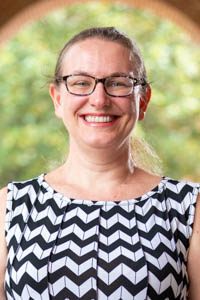
Dr. Frances Smith is an Associate Professor in Film Studies at the University of Sussex's School of Media, Arts and Humanities. She holds a PhD in Film and Television Studies from the University of Warwick (2013), an MA in Management from Durham University (2008), and a Master of Modern Languages in French/Italian from Manchester University (2007). Her research focuses on teen cinema, female authorship, Hollywood and European cinema, and gender studies, with current work on Céline Sciamma's Girlhood. She authored Rethinking the Hollywood Teen Movie (2017) and co-edited Refocus: The Films of John Hughes (2021). Teaching includes convening Analysing Film, American Teen Cinema, and Working with Film modules. She has taught Gender and Representation, British Cinema, and Study Skills. Her awards include Fellowship of the Higher Education Academy (2016). Active in PhD supervision focusing on teen cinema, female authorship, and gender in cinema. Publications span over 25 articles/chapters addressing topics like queer youth representation, transatlantic media comparisons, and directorial authorship in John Hughes and Amy Heckerling films. Research explores intersections of gender, space, and cultural identity in global popular cinema.
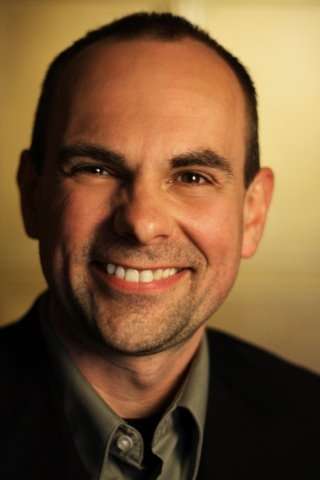
Michaela D.E. Meyer is a Professor in the Department of Communication Studies at Christopher Newport University (CNU), specializing in critical media studies, LGBTQ+ issues, and television/film analysis. Her research bridges interpersonal communication, gender and sexuality studies, and emerging adulthood narratives. Ph.D. in Communication, Ohio University M.S. in Journalism, Ohio University Ph.B. in International Studies, Miami University Her research focuses on intersectional representation in media , LGBTQ+ narratives , and relational aggression in film . She employs narrative and autoethnographic methods to critique political ideologies in popular culture, such as neoliberalism in Fixer Upper and feminist critiques in Glee and Shondaland . Michaela’s recent articles explore themes like disability discourses in Korean television , feminist film auteur theory , and nostalgia in streaming reboots . These works highlight identity politics , gender representation , and media’s role in social discourse . Paul Boaze Prize, Ohio University (2025) Outstanding Panel Award in Sexuality and Gender Identity, Central States Communication Association (2025) Faculty Excellence Award in Undergraduate Research Mentorship, CNU (2025) James W. Chesebro Award for Scholarly Distinction, Sexual Orientation and Gender Identity Caucus of CSCA (2021) She has mentored undergraduate research and contributed to critical media pedagogy , with grants and service awards reflecting her commitment to diversity and inclusion in academia. Her full scholarship and honors are detailed in the scientific_awards section.
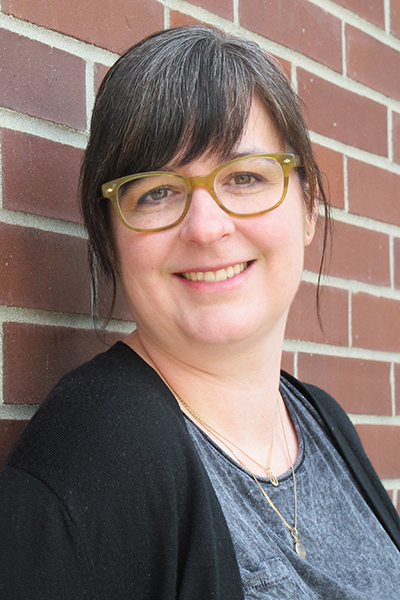
Ciara Gorman is a Teaching Fellow in the School of Languages, Cultures and Linguistics at University College Dublin, where she joined in September 2024. She holds a PhD from Queen's University Belfast and has previously taught at Maynooth University and Queen's University Belfast in roles including Senior Tutor, Occasional Lecturer, and Teaching Assistant. Her educational background includes a BCL and MA from Maynooth University and a PhD from Queen's University Belfast. Dr Gorman’s research centers on French crime fiction, gender, and feminist theory, with a focus on representations of female criminals and empowerment in contemporary literature and film. She explores intersections between law and literature, motherhood, and popular culture, particularly in Francophone contexts. Her work critically engages with feminist ethics, patriarchal structures, and subversive narratives in media. Her recent publications analyze gendered violence in French crime fiction and teenage pregnancy as both empowerment and entrapment in French cinema. The articles demonstrate a strong thematic focus on feminist discourse, female agency, and the critique of institutional norms in literature and film. Co-editor, Disruptive Discourses by Francophone Women (Liverpool University Press, 2025) Author of upcoming monograph Criminal Women in Contemporary French Crime Fiction: Gender, Genre and the Polar Féministe (Bloomsbury, 2026) Active peer reviewer in French Studies and Crime Fiction Studies Communications Officer, Women in French UK-Ireland Former PGR/ECR Officer, International Crime Fiction Association Dr Gorman has contributed to academic conferences and is building a research profile at the intersection of literature, gender, and cultural politics. She is currently based in office A320, Newman Building, University College Dublin.
Ernest Mathijs is a Professor in Cinema and Media Studies at the University of British Columbia (UBC), affiliated with the Faculty of Arts and Department of Theatre and Film. His research focuses on cult cinema, genre analysis, European horror films, and the reception of alternative cinema. He has authored monographs on David Cronenberg and Ginger Snaps , co-edited The Routledge Companion to Cult Cinema , and produced/co-wrote the documentary The Quiet Revolution (2019). He chairs the editorial board of Participations and is an associate member of UBC’s Peter Wall Institute for Advanced Studies. Research interests include: Cult film theory and global audiences Genre evolution (e.g., horror, fantasy, reality TV) Canadian film history Authorship and auteur studies Media industries and digital cinema Selected works highlight his exploration of The Lord of the Rings ’ reception, Belgian cinema, and the activism of Delphine Seyrig. His teaching spans undergraduate and graduate courses on cult cinema, media audiences, and film theory.
Susan Hopkins is a Senior Lecturer in Education (Curriculum and Pedagogy) and Associate Dean (Learning and Teaching) at the School of Education and Tertiary Access , University of the Sunshine Coast , Queensland, Australia. She earned her PhD from Queensland University of Technology and has also served as a Lecturer in Communication at the University of Southern Queensland. Institution: University of the Sunshine Coast School: School of Education and Tertiary Access Rank: Senior Lecturer Leadership Role: Associate Dean (Learning and Teaching) Her research centers on curriculum and pedagogy , with strong interdisciplinary interests in gender studies, media, cultural studies, and feminist theory . She critically examines representations of women, motherhood, sexuality, and power in film and television, often linking popular narratives to broader social and ethical issues such as animal welfare, digital abuse, and environmentalism. Her work frequently appears in public-facing platforms like The Conversation , where she bridges academic insight with accessible commentary. The trends in her recent articles reflect a consistent focus on popular culture as a site of ideological struggle , particularly how gender, power, and identity are constructed and challenged in media. She analyzes genres ranging from horror and documentary to romantic comedy and animated features, often highlighting feminist and postfeminist themes. Her writing reveals a deep engagement with cinematic history, celebrity culture, and the emotional dimensions of storytelling. Susan Hopkins has not been publicly recognized with scientific awards based on available information. She is actively involved in research supervision, consulting, speaking engagements, and media collaborations . Her institutional roles suggest leadership in academic program development and pedagogical innovation. Though no formal lab or research team is mentioned, her public scholarship indicates an influential voice in education and cultural critique.
Dr. Heather Latimer is an Assistant Professor in the Gender, Women and Sexuality Studies department at the University of British Columbia's Irving K. Barber Faculty of Arts and Social Sciences. She teaches courses including Politics of Reproduction, Critical Sexuality Studies, Feminist Epistemologies, Gender and Popular Culture, and Gender, Race, Sexuality and Power. Her academic work focuses on feminist theories, sexuality studies, and reproductive politics across various cultural texts. Dr. Latimer earned her PhD in English from Simon Fraser University and her MA in Gender and Women's Studies from the University of British Columbia. Her educational background has shaped her interdisciplinary approach to examining reproductive politics through literary and cultural analysis. Her research primarily explores feminist theories and epistemologies, sexuality studies, science and technology studies, cultural studies, literature and film, with a particular focus on reproduction and pregnancy, reproductive technologies and politics, and reproductive governance and abortion. She is currently investigating the role of reproductive politics in contemporary dystopian fiction through an SSHRC Insight Development Grant-funded project that examines how fourteen core texts portray dystopian societies fixated on reproductive control. This research suggests these narratives reveal 'the political unconscious' of public and private discourses about reproduction. Dr. Latimer's publications demonstrate a consistent thematic focus on reproductive politics across literature, film, and political discourse. Her work connects feminist theory with contemporary political debates, particularly around abortion rights and reproductive justice. The articles show increasing engagement with intersectional approaches, examining how reproductive politics intersect with race, migration, and environmental concerns. SSHRC Insight Development Grant (2019-22) UBC Teaching and Learning Enhancement Fund Grant (2017-19) UBC Killam Teaching Prize (2017) Women's and Gender Studies and Recherches Féministes Outstanding Scholarship Award (2015) As a graduate student supervisor, Dr. Latimer mentors students interested in feminist theory, reproductive politics, and cultural studies. Her teaching philosophy emphasizes critical engagement with contemporary issues of power, conflict, and ideas as they relate to gender, sexuality, and reproduction. She maintains an active research agenda that bridges academic scholarship with current political debates around reproductive rights and justice.
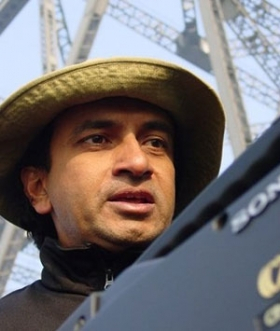
Sanjeev Chatterjee is a Professor at the University of Miami's School of Communication with primary appointments in the Department of Cinema and Interactive Media and secondary appointments in the Department of Journalism. He also serves on the faculties of the Salzburg Academy on Media and Global Change (since 2006) and the Young India Fellowship (since 2011). Chatterjee has been at the University of Miami since 1994, after previously teaching at Emerson College, Boston as an assistant professor starting in 1989. He earned his M.F.A. in Radio and Television from Brooklyn College in 1989 and an M.A. in English Literature from Delhi University in 1985. Chatterjee's research focuses on Documentary Media Making, Sustainability, Environment, and the Indian Diaspora. His work bridges academic scholarship with practical media production, creating documentaries that address global issues while serving educational purposes. He has developed numerous media projects that combine storytelling with social impact, particularly in the areas of water sustainability and cross-cultural understanding. His filmography demonstrates consistent engagement with environmental issues, particularly water resources, as seen in his acclaimed 'One Water' series and related projects. Chatterjee's work also explores urban environments, cultural identity, and diaspora communities, reflecting his interdisciplinary approach to media production. His documentaries have reached global audiences through film festivals, television distribution, and educational screenings worldwide. Fulbright Scholar (India) 2011 AMAP Prize at EcoVision film festival Best Environmental Feature Award at Artivist Film Festival Multiple Best Documentary awards at international film festivals King Award, Best of Festival at Broadcast Education Association Numerous technical merit awards for documentary production As an educator, Chatterjee has directed the University of Miami's semester abroad program in India (UIndia) since 2013 and founded the non-profit Media for Change in 2015. His administrative roles have included Vice Dean of the School of Communication (2006-2010) and founding Executive Director of the Knight Center for International Media (2007-2011). He has secured significant funding from organizations including the Knight Foundation, Florida Humanities Council, UNDP, UN Water, and the United States Institute for Peace to support his media projects. Chatterjee directs the University of Miami's semester abroad program in India and founded Media for Change, a Florida-based non-profit creating a global network of media changemakers. His work demonstrates a commitment to using media as a tool for social change, environmental awareness, and cross-cultural understanding.
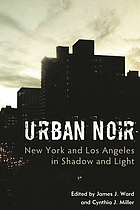
Dr. Eloise Ross is a Lecturer in Film and Television at Swinburne University of Technology, affiliated with the School of Social Sciences, Media, Film and Education. Her academic work spans research, teaching, and supervision in screen and digital media, cultural studies, and music, with a particular focus on gender, diversity, and pedagogy in film education. PhD in Film and Screen Studies (assumed from academic level and publications) Her research interests include film noir, sound design, urban representation in cinema, and inclusivity in screen industries. She has explored the metaphorical dimensions of adolescence in Buffy the Vampire Slayer , the role of silence in Warwick Thornton’s films, and the sonic landscapes of Los Angeles in noir. Her recent work emphasizes creative practice in higher education, particularly through curriculum design that fosters diversity in film programs. Dr. Ross’s publications reveal a strong engagement with both academic and public-facing discourse. Her recent articles examine HyFlex teaching in film education, diversity in Honours programs, and the cultural significance of film commentaries. She frequently contributes to Senses of Cinema and has authored chapters in edited collections such as Urban Noir . Her creative outputs include audio commentaries on classic films, demonstrating her commitment to bridging scholarly analysis with accessible film culture. Diversity and Inclusivity in Creative Practice Research (2025) HyFlex Pedagogy in Film Education (2025) Sound and Silence in Australian Cinema (2023) Gender and Archetypes in Australian Film (2022) Urban Noir and Soundscapes (2017) Dr. Ross is involved in grant-funded research, including the internal Swinburne grant Screen Cultures and Screen Industries Ecosystems , which explores intersections of diversity, AI, and distribution networks. She supervises higher degree research students, including at the Master’s level, with a project on women music video directors. She is available to supervise PhD candidates. She contributes to public film culture through her involvement with the Melbourne Cinémathèque and as a co-host of The Senses of Cinema Podcast , reinforcing her role as a bridge between academic scholarship and public engagement in film.
Dr Rebecca Feasey is a Reader in Feminist Media Studies and Subject Leader in Media and Critical Studies at Bath School of Art, Film and Media, Bath Spa University. Her work focuses on gender representation in popular media, particularly motherhood, infertility, and non-traditional family building narratives. Academic qualifications: BA, MA, PhD Professional memberships: Senior Fellow of the Higher Education Academy, Trustee at Learning on Screen Her research explores feminist analyses of television, celebrity culture, and media representations of gendered experiences. She has authored monographs on Masculinity and Popular Television (2008), Motherhood and Popular Television (2012), and Infertility and Non-Traditional Family Building (2019). Recent articles examine maternal ageism in royal pregnancy narratives, chromosomal disorder representation, and digital feminist activism. She has reviewed for journals including Feminist Media Studies and Men and Masculinities , and served as external examiner for PhD projects on topics like postfeminist nostalgia and toxic celebrity. Her 2020 Open Access Maternal Readings was recognized for its cultural impact. Scientific awards: Senior Fellow of the Higher Education Academy
Dr Lauren Stephenson is a Senior Lecturer in Film and Media and Communications at York St John University, where she has served since 2019. She holds a PhD (completed 2018) focusing on British 'hoodie horror' films and co-founded the Cinema and Social Justice Project. Her research explores Horror cinema (with emphases on British, American, and New Zealand contexts), gender representation in Horror, and women’s friendships on screen. She teaches across undergraduate Film and Media programs, leading modules such as Cinema and Society and Gender and Sexualities . Her work interrogates intersections of class, gender, and socio-political issues in Horror, notably analyzing the 'hoodie' figure in British cinema post-2008 financial crisis. This research has been published in Palgrave Handbook of the Gothic , The Conversation , and contributed to documentaries like Hellmouth Pictures' Teen Screams . Her broader contributions include editing Horrifying Children: Hauntology and the Legacy of Children's Fiction (under consideration) and writing for platforms like Bloody Women . She actively engages in academic symposia and collaborates on projects like the Cinema and Social Justice initiative, exploring film’s role in shaping social justice discourse.
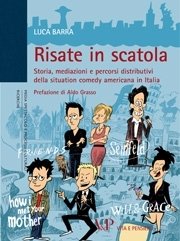
Luca Barra is Full Professor of Television and Digital Media at the Department of Arts, University of Bologna. His research focuses on media studies, particularly television history and contemporary evolution, transnational circulation of content, serialization, and comic/humorous genres. He has coordinated the Master's Degree in Information, Cultures and Media Organization since 2021 and serves as editor-in-chief of VIEW. Journal of European TV History and Culture. University of Bologna, Department of Arts Research areas: Television History, Transnational Media, Digital Transformation, Italian TV Production Barra's work examines the international mediation of ready-made TV formats, Italian streaming partnerships, and the cultural implications of digital television. His recent articles analyze dystopian narratives, sitcom reception in Italy, and the redefinition of celebrity during the pandemic. He contributes to academic discourse through editorial roles in journals like SERIES and Comunicazioni Sociali. His publications include monographs on Italian television programming, sitcoms, and co-edited volumes exploring European premium TV fiction and digital media frameworks. Barra has led research projects such as ATLas and F-ACTOR, and collaborates with international institutions including Brown University and NECS.
Ariane Hudelet is a Researcher in the Department of Teacher Researchers at the University of Paris. Her work focuses on visual studies, the history and aesthetics of television series, American cinema, intermedial relationships between cinema and literature, and intermediality. She explores how narrative forms across media intersect, particularly in adaptations and serial storytelling. Her research interests emphasize the evolving nature of cinematic and televisual disciplines, with a focus on contemporary TV series as transformative cultural artifacts. She analyzes how genres like teen dramas (e.g., sexual health discourses in VOD content) and crime narratives (e.g., Fargo ) reinterpret historical and literary material through new media frameworks. Her recent articles (2020–2024) highlight themes such as mediated identity in The Good Wife , musical metaphors in Mad Men , and the philosophical undertones of The Good Place . She also examines the structural innovations of TV series like Treme and The Wire in post-cinematic contexts. No scientific awards are explicitly mentioned. Her work contributes to interdisciplinary discussions in academic journals like Interfaces , exploring topics like re-scaling media studies and global-local dynamics in audiovisual essays.
Ma. Marilou Ibita is an Assistant Professor at the Faculty of Social Sciences and Humanities, Vrije Universiteit Amsterdam. Her research focuses on biblical interpretation, social justice, and decolonial theology. She explores topics like maternal health, anti-empire discourse, and Philippine religious history through interdisciplinary lenses. Her work bridges biblical studies with contemporary societal challenges. Research interests include the intersection of biblical texts with modern crises, such as teen pregnancy and the Philippine drug war. She emphasizes decolonizing methodologies to address systemic inequalities. Collaborations span global networks, with recent projects analyzing religious responses to ecological and health crises. Publications span peer-reviewed journals and edited volumes, addressing themes in New Testament studies, postcolonial hermeneutics, and ecumenical dialogue. No scientific awards are explicitly mentioned, though her contributions highlight innovative approaches to religious studies. Advising and grants: No specific advisees or grant details provided in the text. She contributes to academic networks and community-based research initiatives.
Morten Feldtfos Thomsen is a Senior Lecturer at Karlstad University, affiliated with KuFo (the culture studies research group), one of the university's prioritized research groups. His academic focus lies in comparative literature, intermediality, and horror studies, with a particular emphasis on transmedia storytelling and authors like Don DeLillo and Claus Beck-Nielsen. He holds a PhD in Comparative Literature, awarded in 2016 for his dissertation Scenes of Writing, Scenes of Looking: Don DeLillo, Claus Beck-Nielsen, and the Politics of the Novel . Current research projects include 'Scandinavian Serial Killer Narratives' and 'Intermediality in the Teen Slasher.' Thomsen's work spans film analysis, cultural critique, and genre studies, with notable publications on horror cinema, including Body, Telephone, Voice - Black Christmas (1974) and Monstrous Cinema (2021) and 'Evil never dies, right?' Monstrous mediation in the A Nightmare on Elm Street Film Series (2024). His research frequently intersects with gender studies, media studies, and the intersection of text and visual culture. No scientific awards are explicitly mentioned in the provided text. His advising record and grants are not detailed here, though his involvement in KuFo suggests active participation in collaborative research projects. He is based at Karlstad University's campus in room 12B 451.
Egor Isaev is a Visiting Lecturer in the Academic Department of Social Sciences at the European Humanities University (EHU). He holds an AFA in Film Directing from Moscow Film School (2019) and an M.A. in Public History from the University of Manchester, UK (2013). His teaching focuses on Digital Cinema, History of Cinema, Screenwriting, and Documentary Filmmaking. His research interests center on the Politics of Memory, Public History, History in Media, and Digital Cinema. He has published extensively on topics like Russian historical films, cultural trauma, and the intersection of cinema with political and social issues. Notable works include Cinematography (2021), The Militarization of the Past (2020), and analyses of post-Yugoslav cinema. Isaev is an active documentary filmmaker, producing works such as The Fronier (2021), Teens and Kittens (2021), and Zinc (2021). His films address contemporary social issues, human rights, and pandemic crises. He has collaborated with organizations like Mediazona and Radio Free Europe/Radio Liberty. His academic contributions span interdisciplinary public history, museum studies, and the politics of affect. He has participated in international conferences and co-authored influential papers on cultural heritage and institutional crises.