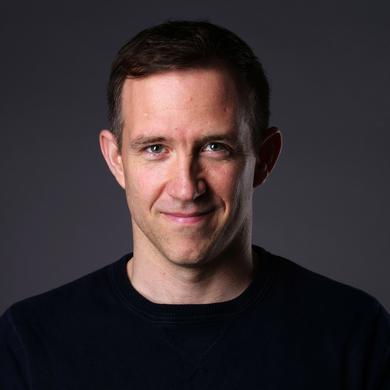
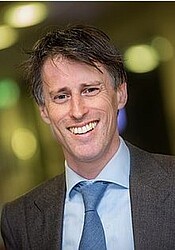
Dr. Mohamed Khalifa is a Visiting Fellow at the Centre for Health Informatics, Australian Institute of Health Innovation, Macquarie University, Sydney. He holds a PhD in Health Innovation from Macquarie University (2020) and an MSc in Health Informatics from the University of Edinburgh (2012). His expertise spans health informatics, AI-driven healthcare solutions, and strategic healthcare management. He has led multidisciplinary teams in developing evidence-based frameworks like GRASP for clinical predictive tools. Affiliations: Visiting Fellow, Macquarie University Director of Studies, College of Health Sciences (Education Centre of Australia) Former Digital Health Officer, Australian Digital Health Agency (2020–2021) His research focuses on AI applications in healthcare, clinical decision support systems, and health analytics. Over 20 years, he has published 60+ peer-reviewed papers and holds an innovation patent (2018). He has received awards including the IMIA Best Paper (2020) and ICIMTH Best Paper (2015). Dr. Khalifa’s work emphasizes improving healthcare efficiency through technology, including projects on predictive tools, emergency room performance, and diabetes management. He is a Fellow of the Australasian Institute of Digital Health and certified in healthcare information systems (CPHIMS).
Hans Bouwmeester is a Full Professor in Toxicology at Wageningen University & Research, specializing in chemical risk assessment, nanomaterial toxicity, and in vitro modeling. His work focuses on integrating artificial intelligence and physiologically based kinetic (PBK) models to predict toxic effects of contaminants like organophosphate pesticides, microplastics, and mycotoxins. He leads projects exploring the health impacts of foodborne contaminants in inflammatory bowel disease and developing animal-free testing methods. Key collaborations include EU initiatives like the ONTOX project and the GUTTEST program, which utilize advanced in vitro models such as gut-on-a-chip systems. Research interests span toxicokinetics, nanoplastics exposure, and the application of Bayesian networks for nanomaterial hazard ranking. His team addresses translational challenges in linking in vitro data to in vivo outcomes, with a focus on bile acid metabolism and cardiotoxicity prediction. Bouwmeester has supervised over 10 PhD candidates, including studies on microplastic hazard assessment, nanomaterial gastrointestinal fate, and AI-driven data extraction for risk assessment. Notable contributions include datasets on nanoplastics' protein corona effects and transcriptomic analyses of intestinal cell responses. His work is published in journals like Ecotoxicology and Environmental Safety , Toxicology , and Environmental Science & Technology , emphasizing open-access research and interdisciplinary approaches to chemical safety.
Professor Kylie Peppler is a dual Professor of Informatics and Education at the University of California, Irvine, leading the Creativity Labs and the Connected Learning Lab. Her research focuses on leveraging hands-on creativity—such as e-textiles, robotics, and traditional fiber crafts—to enhance STEM education, particularly for marginalized populations. She emphasizes the role of materiality in fostering systems thinking and equity in learning environments. Education: PhD in Education (UCLA), Postdoctoral training at UC Irvine, and prior roles at Indiana University. Her academic journey bridges psychology, art, and technology. Research Interests: Maker culture, computational thinking, STEAM integration, workforce development, and the impact of arts in education. She explores how tools like e-textiles and looms democratize access to STEM while addressing gender disparities. Key Projects: NSF-funded work on computational construction kits, Re-Crafting STEM initiatives, and Future of Work research using AR/VR for manufacturing training. Collaborations include Boeing, Inner-City Arts, and NYSCI. Awards: NSF Early CAREER Award, Mira Tech Educator of the Year, and Indiana Governor's Award. Her work is supported by NSF, Wallace Foundation, and industry partners. Grants & Labs: Over $10M in grants; directs labs advancing connected learning and equity through technology. Recent studies include virtual reality welding simulators and culturally sustaining arts practices. Labs/Teams: Creativity Labs (designing maker tools), Connected Learning Lab (digital equity), and partnerships with museums and industry to scale inclusive learning.
Taskin Padir is a Professor in the Department of Electrical and Computer Engineering at Northeastern University and concurrently serves as an Amazon Scholar. He holds a PhD and MS from Purdue University and a BS from Middle East Technical University. His research focuses on experiential robotics, human-robot teaming, and embodied AI, with leadership roles in the Robotics and Intelligent Vehicles Research Laboratory (RIVeR Lab) and the Institute for Experiential Robotics. Padir has led projects for DARPA, NASA, and industry partners, advancing autonomous systems for extreme environments and human-robot collaboration. Education: PhD, Electrical and Computer Engineering, Purdue University (2004) MS, Electrical and Computer Engineering, Purdue University (1997) BS, Electrical and Electronic Engineering, Middle East Technical University (1993) Research Interests: Shared autonomy and human-in-the-loop robotics Embodied artificial intelligence Human-robot teaming in extreme environments (e.g., space, disaster zones) Collaborative robotics for industrial applications His work bridges robotics, AI, and real-world challenges, with recent projects addressing seafood processing automation, robotic navigation in unstructured terrains, and spectroscopy-based environmental monitoring. Awards: Recipient of the 2024 Faculty Research Team Award, 2023 Impact Award, and 2022 Amazon Scholar distinction. His research has been funded by NSF, DARPA, NASA, and industry collaborators like Amazon Robotics and Intel. Labs: Director of the RIVeR Lab and Institute for Experiential Robotics, fostering interdisciplinary research in autonomous systems and intelligent vehicles. Current projects include CRISP (Co-worker Robots for Seafood Processing) and PROSPECT (robotic spectroscopy tools).
Joe Paton is a Professor and Principal Investigator at the Champalimaud Neuroscience Programme, Champalimaud Foundation in Lisbon, Portugal. He leads the Paton Lab which focuses on understanding how animals determine which environmental cues are predictive of behaviorally relevant events, known as the credit assignment problem. His research combines behavioral experiments with neurophysiological recordings in rodents to investigate neural mechanisms of time perception and decision making. Dr. Paton's research interests center on interval timing, temporal processing in the brain, and the neural basis of learning. His work particularly examines how the striatum and dopamine systems contribute to time perception and how animals solve the credit assignment problem through statistical inference in the time domain. His lab employs advanced techniques including optogenetics, neural recordings, and computational modeling to address these questions. Analysis of Dr. Paton's recent publications reveals a strong focus on striatal function in timing processes, with particular attention to how neural populations encode temporal information. His work bridges behavioral neuroscience with computational approaches, demonstrating how timing mechanisms influence decision making and learning processes. The research spans multiple levels from cellular mechanisms to behavioral outputs. Midbrain dopamine neurons control judgment of time (2016) Striatal dynamics explain duration judgments (2015) A Scalable Population Code for Time in the Striatum (2015) The Neural Basis of Timing: Distributed Mechanisms for Diverse Functions (2018) Dr. Paton has mentored numerous PhD students and postdoctoral researchers through the INDP (International Neuroscience Doctoral Program) and supervises a diverse team including research technicians, postdocs, and students. His lab has contributed significantly to understanding the neural basis of time perception and its role in learning and decision making. The Paton Lab also develops experimental tools and frameworks like Bonsai for behavioral neuroscience research.
Alex Shestopaloff is a Lecturer in Statistics at Queen Mary University of London (QMUL), affiliated with the School of Mathematical Sciences. Previously, he was a Research Fellow at the Alan Turing Institute (2017–2020) and a Junior Research Fellow at Campion Hall, Oxford. He holds a PhD in Statistics from the University of Toronto (2016), supervised by Radford M. Neal. His research focuses on developing efficient MCMC methods, high-dimensional time series analysis, network science, and applications in financial market microstructure. Education: PhD in Statistics, University of Toronto (2016) Supervisor: Radford M. Neal Research Interests: Bayesian online learning in non-stationary environments Limit order book modeling and trading strategies Graph clustering and network analysis Statistical methods for high-dimensional data Algorithmic trading and cryptocurrency markets His recent work spans financial engineering, machine learning, and statistical methodologies. Notable contributions include cluster-based trading strategies (ClusterLOB), generalized Bayesian filtering frameworks, and scalable graph analysis techniques. Collaborations with industry partners (e.g., Wise Plc) highlight applied research in financial systems. Advising & Alumni: Current advisees include Yichi Zhang (Oxford), Maria Fernanda Pintado (QMUL), and Dave Lui (Oxford) Alumni: Gerardo Duran-Martin (Postdoc at Oxford-Man Institute), Claudio Bellani (Citadel Securities) Labs/Teams: Leads interdisciplinary projects at QMUL and collaborates with the Alan Turing Institute on financial and network science initiatives.
Thomas Lippmann is a Professor and Director of the Center of Ocean Engineering within the Department of Earth Sciences at the University of New Hampshire (UNH), part of the College of Engineering and Physical Sciences. He holds dual affiliations with the Ocean Engineering program and retains a research associate position at Scripps Institution of Oceanography’s Integrated Oceanography Division. His career includes roles as a Research Oceanographer at Scripps (1995–1999), Research Scientist at Ohio State University (1999–2008), and a Postdoctoral scholar at the Naval Postgraduate School (1992–1995). Dr. Lippmann earned a BA in Mathematics and Biology from Linfield College (1985), followed by an MS (1989) and PhD (1992) in Bio Oceanography from Oregon State University. His research focuses on shallow water oceanography, hydrography, and bathymetric evolution in coastal waters, combining experimental fieldwork, theoretical analysis, and numerical modeling. Key areas include nearshore processes, inlet dynamics, sediment transport pathways, and effects of sea level rise on estuaries. He has conducted 14 field experiments and accumulated over 18 months of fieldwork experience. His teaching portfolio includes advanced courses such as Beaches and Coasts , Ocean Measurements Lab , and Spectral Analysis of Geophysical Data , reflecting his expertise in nearshore hydrodynamics and coastal engineering. He also advises doctoral research and oversees special programs like Advanced Research Experience . Advising and grants: While no specific grant details are provided, his extensive fieldwork and collaborative projects suggest significant grant-funded research. His academic leadership includes directing UNH’s Ocean Engineering Center and organizing interdisciplinary programs like CLOSES-GAP. No scientific awards are explicitly mentioned in the texts. Labs and teams: Active in the Integrated Oceanography Division (SIO) and the Byrd Polar Research Center. Collaborates with institutions like Ohio State University, Naval Postgraduate School, and the University of New Hampshire’s Center for Coastal and Ocean Mapping. His work integrates with the Great Bay Estuary’s tidal energy test site and remote sensing projects.
Dr. Kelley Gabriel is a Professor and Associate Dean in the School of Public Health at the University of Alabama at Birmingham (UAB), with a primary appointment in the Department of Epidemiology. She holds additional roles as a Senior Scientist in multiple UAB research centers, including the Nutrition Obesity Research Center (NORC) and the Integrative Center for Aging Research. Her research focuses on optimizing physical activity and sedentary behavior measurement in large epidemiological studies, with a particular emphasis on cardiorespiratory fitness, chronic disease prevention, and life-course health trajectories. Dr. Gabriel earned her PhD in Public Health (Epidemiology) from the University of Pittsburgh, an MS in Exercise Physiology from Northeastern University, and a BS in Athletic Training and Sports Medicine from Ithaca College. Her research interests include developing methodological strategies for precise physical activity measurement, examining the timing of physical fitness and disease risk, and leveraging cohort studies like CARDIA and SWAN. She has secured grants from NIH, NHLBI, and other agencies to support studies on the 24-hour movement paradigm, cognitive health, and cardiovascular outcomes. Key collaborations involve large-scale epidemiological cohorts such as the Coronary Artery Risk Development in Young Adults (CARDIA) and the Multi-Ethnic Study of Atherosclerosis (MESA). Her over 200 peer-reviewed publications and four book chapters reflect expertise in physical activity epidemiology and translational research. Grants include NIH-funded projects on cognitive resilience to Alzheimer’s disease, cardiovascular health trajectories, and the role of activity patterns in aging populations. Her work emphasizes translational strategies to improve public health through evidence-based lifestyle interventions. Dr. Gabriel leads multidisciplinary teams at UAB, contributing to initiatives like the Osteoporosis in Men (MrOS) Study and the Cooper Center Longitudinal Study. Her research integrates wearable technologies, biomarker analysis, and advanced statistical methods to address global health challenges related to physical activity and chronic disease.
Taco Reus is a Professor in Global Strategy at the Department of Strategic Management and Entrepreneurship , Rotterdam School of Management (RSM) , Erasmus University Rotterdam. He is also a Fellow of ERIM (Erasmus Research Institute of Management) since 2009. His research focuses on how firms are influenced by their environment, particularly in the context of mergers and acquisitions , examining cultural/institutional differences, procedural justice, and integration capabilities. Education: Master's degree in Psychology, University of Amsterdam Ph.D. in Strategic Management, Florida State University His research explores contextual factors in post-merger integration , including cultural distance , institutional environment , and emotional capabilities . He has published in top journals like Academy of Management Journal , Strategic Management Journal , and Journal of International Business Studies . Current work emphasizes behavioral aspects of acquisitions, such as CEO personality traits and procedural qualities . Taco Reus has been recognized with Outstanding Reviewer Awards by Academy of Management Review (2009, 2011) and Strategic Organization . His dissertation was a finalist in the Organisation Science 2003 Dissertation Proposal Competition and the Gunnar-Hedlund Competition (2004). He has supervised numerous PhD candidates across topics like institutional theory , corporate sustainability , and strategic management , including Michael Juergen Mueller and Yannick Tristan Wiessner . As an educator, he teaches courses on institutional context of firms (BA and IBA programs) and international firm strategies (Global Business & Stakeholder Management Master's program). He was nominated Professor of the Year by BA students in 2010, 2011, and 2012. His editorial roles include the Academy of Management Review and Strategic Organization editorial boards.
Claude DELPHA is a Full Professor at Université Paris Saclay, affiliated with CentraleSupélec’s Laboratoire des Signaux et Systèmes (L2S). He holds an IEEE Senior Member status and has been with L2S since 2001. His expertise spans signal processing, fault diagnosis, electrical engineering systems, and machine learning. He leads the Modelling and Estimation team (GME) at L2S and oversees engineering admissions at Polytech Paris Saclay. Education: PhD in Instrumentation & Measurements and Signal Processing from Université de Metz, with a focus on intelligent sensor systems. Graduate degree in Electrical and Signal Processing Engineering. Research Interests: Multidimensional/statistical signal processing, fault diagnosis/prognosis (modeling, detection, estimation), electrical systems (drives, converters, PV), data hiding (watermarking), and pattern recognition (machine/deep learning). Active in energy systems, industry 4.0, and health/biology applications. Professional Roles: Director of GME research team, Polytech admissions lead, member of Polytech’s executive and academic boards, and IUT department council member. Engaged in labs like SYCOMORE and ILOCOS. Publications: Over 200 works since 2015, focusing on fault diagnosis in electrical systems, photovoltaic modules, bearings, and tidal turbines. Key methods include Kullback-Leibler divergence, Jensen-Shannon divergence, Mahalanobis distance, and PCA-based approaches. Awards: Not explicitly listed in provided texts.
Professor Hakan Ali Çırpan is a distinguished faculty member at Istanbul Technical University's Faculty of Electrical and Electronics Engineering, where he serves as Professor in the Department of Electronics and Communication Engineering. He also holds the position of Vice Dean at Istanbul Technical University since 2021. With over three decades of academic experience, Professor Çırpan has established himself as a leading researcher in signal processing and communications. His educational background includes: PhD from Stevens Institute of Technology (1993-1997) Master's degree in Electrical-Electronic Engineering (with thesis) from Istanbul University (1989-1992) Bachelor's degree in Electrical and Electronic Engineering from Uludağ University (1985-1989) Professor Çırpan's research spans multiple domains within signal processing and communications. His primary interests include wireless communications, radar systems, machine learning applications in communications, and electronic warfare. His work on channel estimation, orthogonal frequency division multiplexing, and maximum likelihood methods has been particularly influential. He has pioneered research in areas such as source localization, spectrum sensing, and physical layer security. His recent work focuses on 5G/6G networks, AI-enhanced communications, and integrated sensing and communication systems. Analysis of his recent publications (2023-2025) reveals a strong focus on next-generation wireless technologies, particularly 5G/6G networks, AI integration in communications, and electronic warfare applications. His research demonstrates a consistent pattern of addressing fundamental challenges in signal processing while adapting to emerging technological needs. A significant portion of his recent work involves machine learning applications for spectrum management, optimization techniques for radar systems, and novel approaches to network slicing and resource allocation. His notable scientific achievements include: ASELSAN ACADEMY THESIS COMPETITION WINNER (2020) Professor Çırpan has supervised 59 theses throughout his career, mentoring numerous graduate students in the fields of signal processing and communications. He has secured significant research funding, including the "AI-Enhanced 5G/6G Networks with Integrated Camera and ISAC Systems" project (2023-2024) and the "Railway Vehicle Infrastructure New Generation Secure Communication Systems" TÜBİTAK project with a budget of ₺955,000. His research has practical applications in defense systems, railway communications, and next-generation wireless networks. His laboratory work focuses on wireless communications systems, radar signal processing, and AI-enhanced communication technologies. Professor Çırpan leads research teams working on projects related to 5G/6G networks, electronic warfare countermeasures, and secure communication systems. His group collaborates with industry partners like ASELSAN and conducts research with practical applications in national defense and critical infrastructure.
Kerstin Nilsson is a Professor of Public Health Sciences at Kristianstad University , Faculty of Health Sciences, and holds associate professorships in Public Health Epidemiology at Lund University and Work Science at the Swedish University of Agricultural Sciences (SLU). Her research focuses on creating healthy workplaces , sustainable working lives , and person-centered healthcare practices . Key Research Areas: Aging workforce, salutogenesis, nature-assisted rehabilitation, pandemic response in healthcare, and sustainable work environments. Leadership: Developer of the SwAge model for sustainable working life across ages. Scientific Contributions: Over 188 publications, with recent projects analyzing nurses' mental health during the pandemic, workplace relationships in healthcare, and nature-based interventions. Collaborates with international networks like the EU COST Action 'DIGI-net' and the Pufendorf Advanced Study Group. Awards: No explicit awards listed, but recognized through leadership roles and interdisciplinary research. Students: Supervises doctoral candidates like Cicilia Nagel and Sophie Schön Persson, focusing on person-centered care and staff well-being. External Affiliation: Associate Professor at Lund University (2007–present) and SLU (until 2007).
Dr. Gary Glover is a Professor of Radiology (Radiological Sciences Lab) at Stanford University , with courtesy appointments in Psychology and Electrical Engineering. His work focuses on the physics and mathematics of MRI, particularly rapid scanning methods using spiral k-space trajectories for functional brain imaging and multimodal neuroimaging (fMRI/EEG/fPET/fNIRS) combined with neuromodulation techniques like TMS and transcranial ultrasound. Academic Appointments: Radiology, Psychology, Electrical Engineering Professional Affiliations: Bio-X, Stanford Cancer Institute, Wu Tsai Neurosciences Institute Research Interests include: Development of blood oxygen level-dependent (BOLD) and viscoelastic contrast in MRI Functional MR Elastography for brain activation mapping Optimization of MR-ARFI for transcranial ultrasound guidance Automated spinal cord segmentation (EPISeg) using machine learning Scientific Awards : National Academy of Engineering (2013) Gold Medal, ISMRM (2000) Steinmetz Award, General Electric (1985) Lauterbur Lecture, ISMRM (2018) Recent Publications analyze: Fast fMRI sampling and spurious signal correction Dissociated patterns in default mode network anti-correlations Neural correlates of collaborative behavior in triadic fMRI Salience network contributions to depression pathophysiology
Pierre Maechler is a Professor at the University of Geneva's Faculty of Medicine in the Department of Cell Physiology and Metabolism. His research focuses on mitochondrial metabolism in pancreatic beta cells and its critical role in diabetes pathogenesis, with particular emphasis on glutamate dehydrogenase function and regulation. His laboratory investigates the molecular mechanisms of insulin secretion and beta-cell failure in Type 2 diabetes. Maechler's research interests span mitochondrial metabolism, energy homeostasis, and the molecular pathways linking nutrient sensing to insulin secretion. His work has established crucial connections between glutamate metabolism, beta-cell function, and diabetes development. He investigates how metabolic stressors like glucotoxicity and lipotoxicity impair beta-cell function through mitochondrial dysfunction. His research has expanded to include the role of glutamate dehydrogenase in multiple organs including brain, liver, and muscle, revealing systemic metabolic implications. Analysis of Maechler's publication record shows a sustained focus on beta-cell metabolism with evolving scope. Early work established fundamental mechanisms of glutamate signaling in insulin secretion, while recent publications demonstrate expansion into multi-organ metabolic regulation. His research has identified novel biomarkers for beta-cell mass, explored therapeutic targets for diabetes, and revealed unexpected roles for glutamate dehydrogenase in diverse physiological processes from muscle regeneration to brain function. The consistent thread through his work is understanding how mitochondrial metabolism governs cellular and systemic energy homeostasis. Professor Maechler has mentored numerous PhD students and postdoctoral fellows who have gone on to publish significant work in diabetes research. His laboratory collaborates extensively with clinical researchers to translate basic findings into potential therapeutic approaches for diabetes. Funding for his work likely comes from Swiss National Science Foundation and other European research agencies, supporting investigations into metabolic diseases. Maechler leads the Mitochondria and Energy Metabolism research group at the University of Geneva. His team employs a multidisciplinary approach combining molecular biology, metabolomics, and physiology to investigate metabolic regulation in health and disease. The laboratory maintains strong connections with clinical diabetes researchers, facilitating translational applications of their findings. Current work focuses on identifying novel therapeutic targets for preserving beta-cell function in diabetes.
Karen Mundy is a Professor of Educational Leadership and Policy at the University of Toronto's Ontario Institute for Studies in Education (OISE), cross-appointed to the Munk School of Global and Public Affairs. She holds the distinction of being a former Canada Research Chair (2002-2012) and has served as Associate Dean of Research and Innovation (2012-2014) and Director of the Comparative, International and Development Education Centre (CIDEC) at OISE (2002-2011). Dr. Mundy's research interests focus on education in the developing world , the global politics of 'education for all', educational policy and reform in Sub-Saharan Africa, and the role of civil society organizations in educational change. Her scholarly work bridges academic research with practical policy implementation, making significant contributions to both theoretical understanding and real-world educational challenges globally. Her recent publications demonstrate a strong focus on foundational learning challenges, particularly literacy and numeracy in low-income countries, as well as responses to educational disruptions like the COVID-19 pandemic. Her influential 2021 article 'Why Do We Keep Failing to Universalize Literacy?' critically examines global education architecture and challenges prominent actors like the Gates Foundation to rethink their approaches to educational reform. Two-time winner of the Bereday award for best article in the Comparative Education Review (1998, 2015) Named among Canada's 10 best educators by Time Magazine (2002) President of the Comparative and International Education Society (2014-2015) Dr. Mundy has supervised more than two dozen PhD students to completion and has received research funding from major organizations including the Gates Foundation. Her practical policy work includes serving as Chief Technical Officer at the Global Partnership for Education (2018-2022), where she led the development of strategic frameworks and built the Education Policy and Performance Team from one person to a group of 25 technical experts. She has advised numerous international organizations including the World Bank, UNESCO, UNICEF, and the Mastercard Foundation.