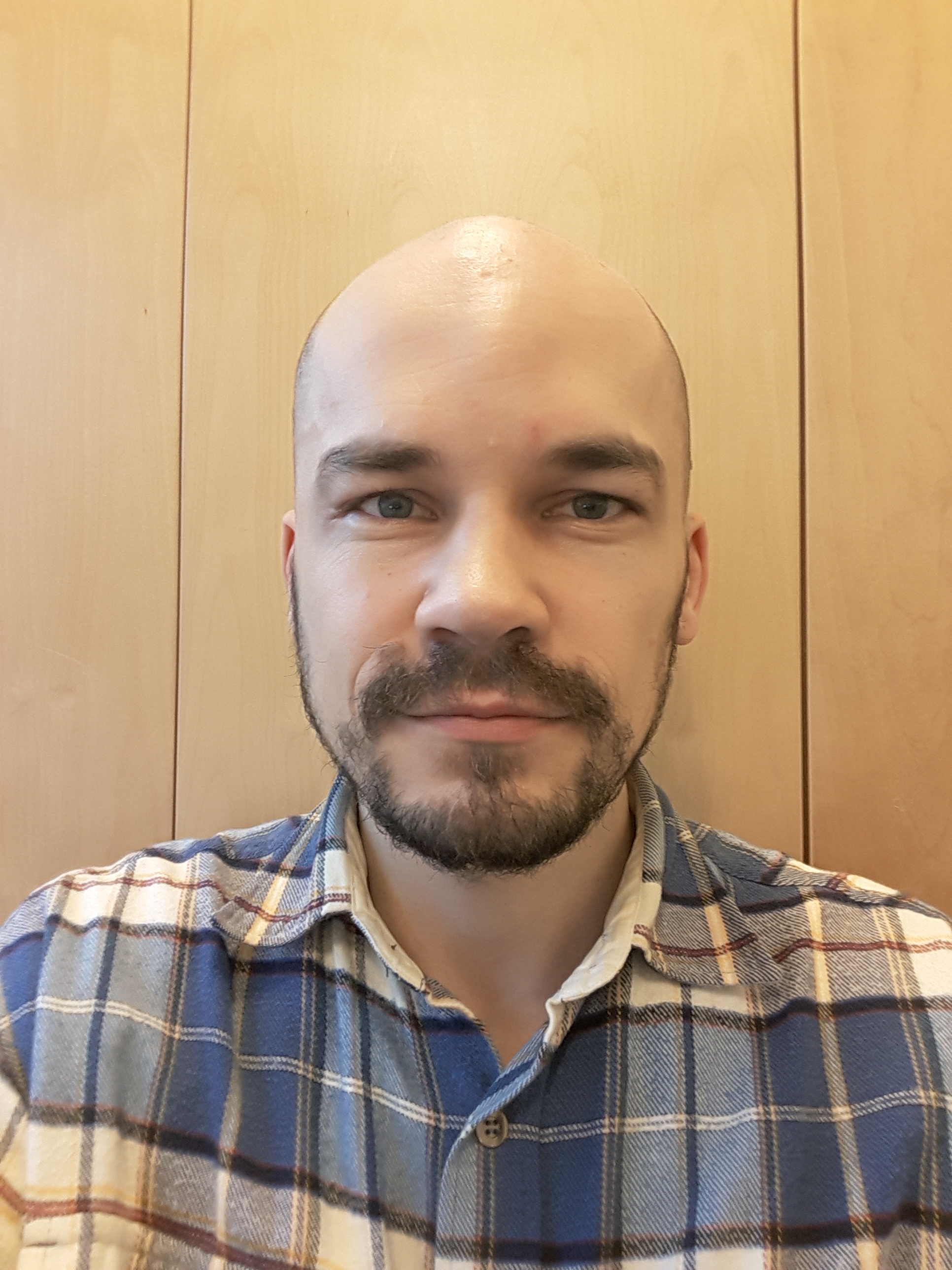
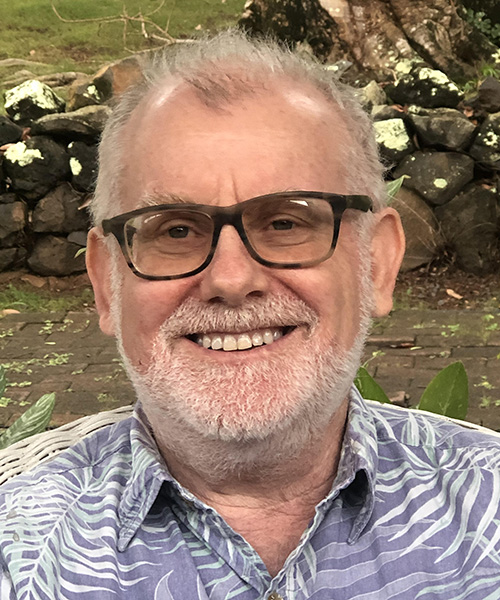
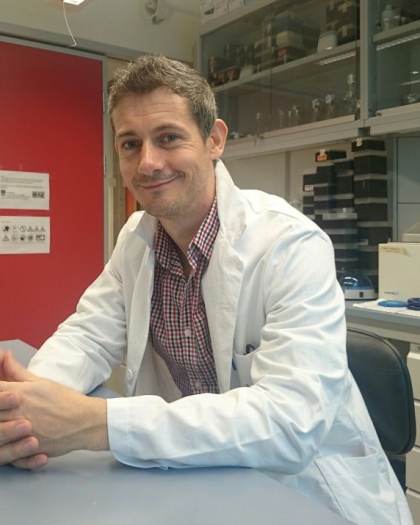
Lars Hoff is a Professor at the University of Southeast Norway within the Department of Microsystems , Faculty of Technology, Natural Sciences and Maritime Studies . He leads research in ultrasound technology , focusing on transducer and electronics as part of the Centre for Innovative Ultrasound Solutions (CIUS) . Research : Develops advanced ultrasound transducers for medical imaging, underwater sonar, and NDT. Collaborates with NTNU, University of Oslo, and industry partners. Teaching : Coordinates courses in Measurement Engineering , Acoustics and Ultrasound Technology , and Elastic Waves in Solids at PhD level. Software : Developed Bubblesim , a MATLAB-based tool for simulating contrast agent bubbles for medical ultrasound. Industry Impact : Co-founded Cardiaccs AS to commercialize microsensors for cardiac monitoring developed in collaboration with Rikshospitalet. Publications : Authored a foundational book on contrast agent acoustics and key papers on microbubble dynamics. His work underpins widely used clinical agents like Optison and Sonazoid .
Ubaldo Martinez-Outshoorn, MD, serves as an Associate Professor in the Department of Medical Oncology at Thomas Jefferson University. His clinical and research office is located at 1015 Walnut Street, 1024 Curtis Building, Philadelphia, PA 19107, with direct contact via phone (215-955-8874) and fax (215-955-2340). His primary research domains include: Medical Oncology Bone Marrow Transplantation Hematologic Malignancies Leukemia Lymphoma His work extends into head and neck squamous cell carcinoma therapeutics, with emphasis on metabolic targeting (monocarboxylate transporters, oxidative phosphorylation) and immunotherapy optimization. He employs computational modeling to analyze tumor microenvironment dynamics and investigates novel delivery systems like microbubble-encapsulated inhibitors for precision oncology. Publication trends reveal a translational research trajectory bridging laboratory discoveries with clinical applications, particularly in CDK7 inhibition for sarcomas, response-adaptive surgical timing, and overcoming apoptosis resistance through mitochondrial targets like TOMM20. No documented scientific awards, student mentorship records, or grant funding details are available in the source material. Similarly, laboratory affiliations or collaborative teams are not specified.
Rico Tabor is a Professor (Research) in the School of Chemistry at Monash University. He holds a PhD from the University of Bristol (UK) and has been a lecturer at Monash since 2012. His research focuses on soft and colloidal systems, including self-assembly of nanoscale materials, surface forces in emulsions/foams, and stimuli-responsive stabilizers. Key tools include small-angle neutron scattering (SANS) and collaborations at global facilities like ISIS (UK) and the Bragg Institute (Australia). Education: BSc (Undergraduate) in Chemistry, University of Bristol (UK) PhD in Physical Chemistry, University of Bristol Research Interests: His work spans soft matter systems, including micelles, liquid crystals, and microemulsions. He investigates structural forces in colloidal systems and develops light-responsive materials (e.g., azobenzene-based systems). Applications include drug delivery, pollutant capture, and sustainable materials. Projects: He leads 46 projects, including ARC-funded research on 2D materials (AM2D Hub), compostable packaging, and graphene oxide composites. Recent projects focus on thermal energy storage and nanomaterial coatings. Publications: Over 180 outputs since 2006, with recent work on stimulus-responsive polymers, carbon-based catalysts, and neutron scattering analysis of emulsions. Grants & Collaborations: Funding from ARC, industry partners (e.g., Varden Process Pty Ltd), and international networks. His work aligns with UN SDGs related to sustainable industry (SDG 9) and responsible consumption (SDG 12).
Gregory Beaune is a Research Fellow at Aalto University's Department of Applied Physics within the College of Science. His work spans interdisciplinary areas of Materials Science, Biophysics, and Chemical Biology, focusing on bioinspired materials engineering and active matter systems. Research highlights: Developed hydrophobin-coated microbubbles for tumor cell targeting (2025) Investigated protein condensates and silk-based biomaterials Explored ferrofluid-based bioinks for 3D muscle tissue printing Studied vesicle dynamics and droplet splitting mechanisms Key collaborations include researchers like Jaakko V.I. Timonen, Françoise Brochard-Wyart, and Robin H.A. Ras. His work integrates synthetic biology with materials design, emphasizing functional nanosystems and soft matter physics.
Paul Loadman is Professor at the Institute of Cancer Therapeutics within the Faculty of Life Sciences at the University of Bradford, specializing in pharmacokinetics and tumor drug metabolism of anti-cancer drugs. With over 40 years of experience, his research spans drug delivery systems, prodrug design, and analytical techniques including HPLC and LC/MS/MS. His research focuses on: Pharmacokinetics and tumor-selective drug activation Matrix metalloproteinase-targeted therapeutics Novel analytical methods for drug interaction studies Preclinical-to-clinical translation of anticancer agents Recent publications demonstrate strong focus on tumor microenvironment-targeted therapies including FAP-activated prodrugs, hypoxia-responsive agents, and fatty acid interventions for cancer prevention. Article themes show increasing emphasis on precision drug delivery and biomarker-driven clinical trials. Active collaborations include the seAFOod Polyp Prevention Trial analyzing bioactive lipid mediators, and consultancy for pharmaceutical companies on pharmacokinetic study design.
John S. Allen III is a Professor of Mechanical Engineering and Graduate Chair at the University of Hawaii at Manoa's College of Engineering. He holds a PhD from the University of Washington (1997). His research focuses on acoustics, cavitation, fluid-structure interactions, biomedical engineering, biomaterials, and rheology. Allen has made significant contributions to understanding ultrasound contrast agents, bubble dynamics, and their applications in medical imaging and therapy. Selected honors include being named an Acoustical Society of America Fellow (2017), and fellowships from the Office of Naval Research, DAAD (Germany), and the Japanese Society for the Promotion of Science. He has presented at major conferences like the European Symposium on Ultrasound Contrast Agents and the Acoustical Society of America meetings. Allen teaches ME 311 Thermodynamics and ME 626 Viscous Flows. His work integrates theoretical modeling with experimental validation, particularly in biomedical acoustics and microbubble behavior. Recent research explores noise reduction in underwater acoustics and echolocation analysis in marine mammals.
Ralph Shohet, M.D., is a Professor of Medicine and Director of the Center for Cardiovascular Research at the John A. Burns School of Medicine, University of Hawaii at Manoa. His research focuses on understanding the cardiac response to hypoxia, methamphetamine toxicity, and novel gene delivery methods using ultrasound-targeted microbubbles (UTMD). Dr. Shohet’s work integrates molecular biology, genetics, and clinical insights to address cardiovascular diseases, particularly myocardial ischemia, cardiomyopathy, and sex-based differences in disease susceptibility. Research Interests Hypoxia and HIF-1 Signaling: Investigates how hypoxia-inducible factor-1 (HIF-1) regulates gene expression, microRNA, and chromatin accessibility in the stressed heart. His lab uses transgenic models to study HIF-1’s role in ventricular dilation and angiogenesis. Ultrasound-Mediated Gene Delivery (UTMD): Develops non-invasive methods for targeted delivery of therapeutic genes to organs like the heart, liver, and kidneys. Recent studies include UTMD for hemophilia treatment and immune modulation. Methamphetamine Cardiomyopathy: Discovers sex-based differences in cardiotoxicity, finding male mice are more susceptible due to genomic or hormonal factors. This work has implications for human patient outcomes. Research Trends: Dr. Shohet’s articles highlight advancements in understanding metabolic shifts post-infarction, the role of chromatin factors in cardiac identity, and the translational potential of UTMD for gene therapy. His work bridges basic science and clinical applications, emphasizing personalized medicine and novel therapeutic strategies. Advising and Grants: While no formal advisees are listed, his lab’s research is supported by grants focusing on cardiovascular innovation. Collaborations include studies on aortopathy (GenTAC registry) and epigenetic regulation in heart disease. Labs and Teams: The Shohet Laboratory and Center for Cardiovascular Research collaborate across disciplines to address cardiovascular challenges, integrating molecular, genetic, and translational approaches.
Emmet Mc Cormack is a Professor in the Department of Clinical Science at the University of Bergen, specializing in Translational Molecular Imaging in Cancer. His research focuses on preclinical model development, multimodal imaging, and pharmaceutical drug development for cancers including leukemia, ovarian cancer, and pancreatic adenocarcinoma. Research interests span cancer biology, molecular imaging, and targeted drug delivery systems. Key areas include developing bioluminescent orthotopic models, ultrasound-enhanced chemotherapy, nanoparticle-based therapies, and leukemia stem cell mechanisms. Publications demonstrate strong focus on oncology therapeutics, with recent work emphasizing imaging-guided treatments, xenograft models, and molecular mechanisms of drug resistance. Research consistently integrates multimodal imaging techniques with pharmacological interventions. Key projects include SonoCURE (sonoporation-enhanced therapy for pancreatic cancer) and AML-VACCiN (dendritic-cell vaccine therapy for acute myeloid leukemia), funded by Research Council of Norway and EU H2020 programs. Leads the Translational Molecular Imaging in Cancer research group developing advanced preclinical models.
Alan Packard is an Associate Professor of Radiology at Harvard Medical School and Senior Research Associate in Nuclear Medicine and Molecular Imaging. He serves as Director of the Radiopharmaceutical Research Laboratory at Boston Children's Hospital (BCH), focusing on developing radiometal-based PET imaging agents, 18F-labeled compounds for heart/brain imaging, and therapeutic approaches for neuroblastoma and inflammatory bowel disease. His research emphasizes elucidating radiometal-chelator interactions and advancing non-invasive diagnostic tools. Education: PhD in Inorganic Chemistry from Colorado State University, followed by a postdoctoral fellowship in Technetium Chemistry at the University of Cincinnati. He actively leads the Society of Nuclear Medicine and Molecular Imaging as President-Elect. Research interests include radiopharmaceutical development for pediatric cancers, cardiac perfusion imaging, and D2 receptor agonist-based neuroimaging to assess schizophrenia-related receptor functionality. Collaborations include managing the 'Imogen' imaging core at BCH, supporting probe development and preclinical imaging for external/institutional researchers. Publications highlight innovations in PET agents, oxygen microbubble therapies, and nanoparticle drug delivery. His work bridges chemistry, radiology, and clinical applications to address unmet medical needs in diagnostics and therapy.
Dr. Meghan M. Newcomer is an Assistant Professor in the Department of Anatomy at Case Western Reserve University School of Medicine, with joint appointments in the School of Dental Medicine and College of Arts and Sciences. She teaches anatomy and embryology to medical, dental, and graduate students, serving as course director for Head & Neck anatomy courses. Her research explores early human evolution through paleontological fieldwork in Ethiopia's Afar region, where she directs the Galili Paleobiology Project. Notable publications include analyses of hominin fossils and functional interpretations of evolutionary adaptations in primates. Research articles focus on both paleoanthropology and clinical oncology, with recent work examining ovarian cancer diagnostics using ultrasound microbubbles and exosome protein profiling.
Dr. Scott Tsai is a Professor in the Department of Mechanical, Industrial, and Mechatronics Engineering at Toronto Metropolitan University, where he conducts cutting-edge research in microfluidics and biomedical engineering. He is affiliated with the Laboratory of Fields, Flows, and Interfaces (LoFFI) and the Institute for Biomedical Engineering Science and Technology (iBEST), a joint initiative with St. Michael’s Hospital. PhD, Harvard University (2012) SM, Harvard University (2009) BASc, University of Toronto (2007) Dr. Tsai's research focuses on microfluidics , lab-on-a-chip systems , and biomedical applications such as drug delivery and diagnostics. His work explores the physics of microbubbles and droplet formation, aiming to enhance ultrasound imaging and targeted therapies. He develops novel microfluidic platforms for cell encapsulation, non-spherical particle generation, and label-free analysis. His recent publications highlight advancements in microbubble shrinking, water-in-water emulsions, and electrospray techniques. These works span disciplines including biomedical engineering, soft matter physics, and microsystem design, emphasizing precision control at micro- and nanoscales. Dr. Tsai has received several prestigious awards: United States Fulbright Visiting Research Chair Award (2018) Ryerson University Early Research Career Excellence Award (2017) Government of Ontario Early Researcher Award (2016) Canadian Society for Mechanical Engineering I.W. Smith Award (2015) He is actively involved in mentoring students and securing research grants. His lab, LoFFI, fosters interdisciplinary collaboration between engineers, physicists, and medical researchers. Dr. Tsai is also a member of several professional societies including BMES, PEO, CSME, APS, and ASME, reflecting his broad impact across engineering and physical sciences. The Laboratory of Fields, Flows, and Interfaces (LoFFI) serves as the hub for his research, where innovative microfluidic systems are designed and tested for real-world biomedical applications. The lab emphasizes fundamental fluid dynamics and interfacial phenomena to create next-generation diagnostic and therapeutic tools.
Nadia Abdrabou Abdelkhalik Samak is an Assistant Professor at the Egyptian Petroleum Research Institute and a Humboldt Fellow Postdoctoral Researcher at the Faculty of Chemistry, University of Duisburg-Essen. Her work bridges environmental biochemistry and biochemical engineering, focusing on microbial solutions for hydrocarbon and plastic pollution. Education: PhD in Biochemical Engineering (2017, University of Chinese Academy of Sciences), Master of Biochemistry (2013, Cairo University), Analytical Biochemistry Diploma (2008, Menoufia University), BSc in Chemistry & Biology (2006, Menoufia University). Her research explores microbial enzyme applications for bioremediation, including laccase immobilization for heavy oil recovery, biodesulfurization under extreme conditions, and PETase-based plastic degradation. She has pioneered studies on thiol-induced inhibition mechanisms and microbubble-enhanced bioreactors. Recent publications highlight her expertise in anaerobic PAH degradation, haloalkaline sulfur oxidation, and nanotechnology-driven biocatalyst design. Her work also addresses global sustainability through net-zero emission policies in China and Pakistan. Scientific Awards: Humboldt Fellowship Current affiliations include the Egyptian Petroleum Research Institute and the University of Duisburg-Essen. Contact: nadia.samak@uni-due.de .
Prof. Dr. Ulviye Bunyatova is a Distinguished Professor at Başkent Üniversitesi , Department of Biomedical Engineering, with a career spanning 30+ years in nanotechnology, biomedical engineering, and materials science. Her work bridges nanocomposite development, smart drug delivery systems, and biomedical device innovation. PhD in Physics, Baku State University (1997) PhD in Chemistry, Middle East Technical University (1997) Postdoctoral Research, Duke University (2020) and University at Buffalo (2017) Her research focuses on silver nanoparticle-based drug delivery systems , ultra-stable micro/nanobubbles , and biocompatible nanocomposites . Recent work demonstrates 7+ day bubble stability through CW laser excitation of functionalized AgNPs - a breakthrough in controlled drug release environments. Key article trends show interdisciplinary work across: Photonic activation of nanomaterials Biomechanical muscle modeling Antimicrobial nanocomposites Zeolite microstructure applications Scientific recognition includes TEKNOFEST Innovation Awards (2024, 2022) Innovation Week Award (2022) She supervises research in biomedical engineering and nanomedicine , with recent theses on topics including Hill muscle model optimization Visible light biosensor design 3D bioprinting applications
Professor Ashok Handa is Professor of Vascular Surgery and Director of Teaching in Surgery at the University of Oxford's Nuffield Department of Surgical Sciences. He serves as Honorary Consultant Vascular Surgeon at Oxford University Hospitals NHS Foundation Trust and holds multiple leadership positions including Co-Director of Graduate Studies, Director of the Collaborating Centre for Values-based Practice, and Co-PI of the Oxford Global Surgery Research Group. He is also Fellow in Clinical Medicine and Tutor for Graduates at St Catherine’s College. His research focuses on: Vascular surgery innovations including abdominal aortic aneurysm (AAA) pathophysiology and treatment Patient safety frameworks and surgical outcome optimization Biomedical engineering applications in cardiovascular imaging Values-based practice in clinical decision-making Global surgery initiatives and medical education reform Recent publications demonstrate strong emphasis on vascular biology, AI-enhanced medical imaging, and educational methodologies. His work frequently integrates computational approaches (deep learning for vascular segmentation) with clinical applications (contrast-free aneurysm visualization). Education-focused research explores active learning strategies and peer-assessment models in medical training. Professor Handa leads significant research consortia including the OxAAA study and Oxford Global Surgery Group. He oversees surgical curriculum development for Oxford medical students and directs graduate studies programs.
Zhouqi Meng is an Associate Research Scientist at the Yale School of Medicine , affiliated with the Department of Neurosurgery . His research focuses on developing advanced nanomaterials for cancer therapy and biomedical imaging. Primary Affiliation: Yale School of Medicine - Neurosurgery Research Interests : Zhouqi Meng's work centers on Nanomedicine , Cancer Immunotherapy , and Drug Delivery Systems . He specializes in: Designing biomimetic nanoparticles for tumor targeting Developing light-responsive hydrogels for controlled therapy release Creating multifunctional nanocarriers for imaging-guided interventions Engineering ultrasound-responsive delivery platforms Scientific Trends : His recent publications demonstrate expertise in photoacoustic imaging (2019-2022), nanovaccine delivery (2020-2022), and thermo-responsive hydrogels (2016-2018), with a focus on brain tumor treatment (2025) and acute kidney injury mitigation (2021). Contact : zhouqi.meng@yale.edu