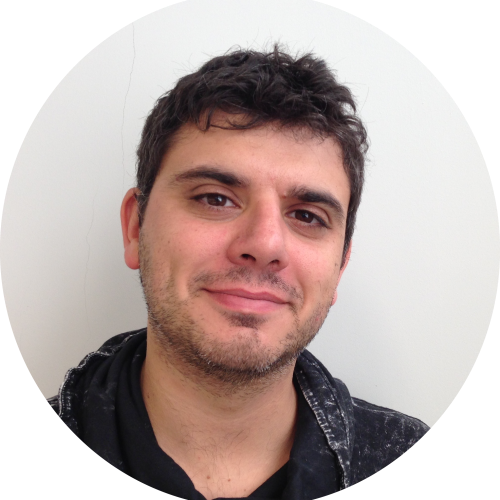
David R. Liu is the Thomas Dudley Cabot Professor of the Natural Sciences at Harvard University and the Richard Merkin Professor at the Broad Institute. He serves as a principal investigator at the Howard Hughes Medical Institute and director of the Merkin Institute of Transformative Technologies in Healthcare. His laboratory pioneers revolutionary genome editing technologies with profound implications for basic research and therapeutic development. Liu's research spans multiple disciplines at the intersection of chemistry and biology: Organic Chemistry Chemical Biology Biochemistry Genetic Engineering Genome Editing Technologies He pioneered base editing and prime editing techniques that enable precise DNA modifications without creating double-stranded breaks, overcoming key limitations of traditional CRISPR-Cas9 systems. His work on DNA-templated synthesis and phage-assisted continuous evolution (PACE) has transformed protein engineering and drug discovery approaches. Liu's contributions have been recognized with numerous prestigious awards: ACS Award in Pure Chemistry (2006) Election to National Academy of Medicine (2020) Election to National Academy of Sciences (2021) King Faisal Prize (2022) Breakthrough Prize in Life Sciences (2025) As an entrepreneur, Liu has co-founded multiple biotechnology companies including Editas Medicine, Beam Therapeutics, and Prime Medicine to translate his discoveries into therapeutic applications. His laboratory continues to advance genome editing technologies while developing novel approaches to treat genetic diseases through precise DNA modifications.
Olivier Tougait is a Professor at the Chemistry, materials and processes for sustainable nuclear power (CIMEND) department within the Unité de Catalyse et Chimie du Solide (UCCS) at Université Lille . He specializes in solid-state chemistry, nuclear materials, and actinide-based compounds, with a focus on understanding fuel cycle processes for nuclear energy. Academic Background: PhD in Chemistry (1998, Université de Rennes1), Postdoctoral Fellow at Northwestern University (1998-2000). Career: Lecturer at Rennes1 (2000-2014), now Professor at UCCS since 2014. Collaborations include the French Alternative Energies and Atomic Energy Commission (CEA) , Orano , and Framatome . Research Interests: Actinide-based intermetallic compounds Phase diagrams of nuclear materials Magnetocaloric properties Fuel cycle process optimization Synthesis and thermodynamic behavior of uranium alloys Collaborative industrial nuclear R&D Publications since 2012 focus on: Uranium-molybdenum fuel characterization Germanium/Aluminum substitution in actinide systems Thermal stability of uranyl peroxide nanoclusters Crystallographic analysis of heavy-fermion materials Labs: Directs the joint research laboratories LR4CU and LRC PUMA, which collaborate with Orano and Framatome on nuclear fuel cycle innovations.
Alessandra Luchini serves as Professor in George Mason University's School of Systems Biology and the Center for Applied Proteomics and Molecular Medicine (CAPMM), where she pioneers nanotechnology solutions for cancer and infectious disease diagnostics. Her work bridges biomolecular interface engineering with clinical translation through advanced proteomic platforms. Education Ph.D. from University of Padova, Italy Research Focus : Dr. Luchini's program centers on nanoproteomics for biomarker discovery, specifically developing hydrogel-based affinity capture systems to detect urinary biomarkers of Lyme disease, Chagas disease, and tuberculosis. Her lab innovates in biomimetic membrane models using neutron reflectometry to study pathogen-host interactions, while translating findings into point-of-care diagnostic devices through CAPMM's clinical partnerships. Publication Trends : Recent work (2024-2025) reveals three converging trajectories: (1) urinary peptide diagnostics for tick-borne illnesses validated against clinical symptom scores, (2) engineered nanoparticle networks for pathogen sequestration in blood/plasma, and (3) membrane biophysics studies enabling targeted drug delivery. This integration of basic membrane science with clinical proteomics defines her translational approach. Awards 2023 SCHEV Outstanding Faculty Award for Virginia higher education Research Leadership : As CAPMM principal investigator, Dr. Luchini directs NIH-funded projects developing FDA-cleared diagnostic platforms. Her team collaborates with CDC on Babesia diagnostics and with oncology centers on field cancerization proteomics, while mentoring postdocs in nanoparticle engineering and mass spectrometry techniques. Infrastructure : The CAPMM core facility houses state-of-the-art mass spectrometers, neutron reflectometers, and GMP-compliant nanoparticle synthesis equipment, supporting her lab's work on urinary biomarker validation and affinity capture technology development.
Jessica Fish is an Associate Professor in Family Science and Behavioral and Community Health at the University of Maryland School of Public Health. She co-directs the UMD Prevention Research Center and serves as Faculty Affiliate at the Maryland Population Research Center. Her research examines LGBTQ+ health equity with focus on substance use, mental health, and family systems. Dr. Fish's work identifies modifiable factors contributing to health disparities to inform prevention strategies and policies. She holds a Ph.D. in Family and Child Sciences from Florida State University and will accept PhD advisees starting 2025-2026.
Dr. Nandika Bandara serves as Associate Professor and Tier 2 Canada Research Chair in Food Proteins and Bioproducts at the University of Manitoba's Department of Food and Human Nutritional Sciences within the Faculty of Agricultural and Food Sciences. Her research program focuses on advancing sustainable protein technologies for food, materials, and bioproduct applications through integration of material science and nanotechnology. Education: CFS (Certified Food Scientist), Institute of Food Technologists / International Food Science Certification Council PhD (Food Science & Bioresource Technology), University of Alberta, Canada MSc (Food Science & Technology), University of Alberta, Canada BSc (Agriculture), University of Peradeniya, Sri Lanka Dr. Bandara's research explores protein and biopolymer-based nanostructures for bioactive delivery, sustainable protein extraction from Canadian crops and byproducts, and renewable biopolymers for food packaging and biomedical materials. Her lab investigates novel processing technologies' effects on protein structure-function relationships using advanced characterization techniques. Current projects include protein-lipid conjugation for nanodelivery systems, feather keratin-based wound-healing materials, and deep eutectic solvents for protein extraction. Her publication record demonstrates strong focus on plant protein valorization, nanodelivery systems, and functional materials. Key trends include development of electrospun nanofibers, protein-based packaging films reinforced with nanocellulose, and metabolomics approaches for bioactive compound analysis in Canadian berries. The research bridges fundamental protein chemistry with industrial applications in sustainable food systems. Awards and Honors: Outstanding Volunteer Service Award of the Food Chemistry Division at Institute of Food Technologists (IFT) - 2019/2020 Institute of Food Technologists (IFT) Emerging Leaders Network (ELN) Program finalist - 2019 Natural Science and Engineering Research Council (NSERC) of Canada Postdoctoral Fellowship - 2018 Agricultural Institute of Canada Foundations' (AICF) Karl C Iverson Agricultural Scholarship - 2016 MITACS Accelerate Graduate Scholarship - 2015 Queen Elizabeth II Doctoral Graduate Scholarship - 2015 American Oil Chemist Society Honored Student Award - 2015 Graduate Student Teaching Award of the Faculty of Graduate Studies and Research/ Faculty of Agricultural, Life and Environmental Sciences, University of Alberta - 2015 Alberta Innovates Technology Futures Graduate Student Doctoral Scholarship Dr. Bandara actively supervises graduate students through the University of Manitoba's Food and Human Nutritional Sciences program and holds an adjunct professorship at Dalhousie University. She serves as Associate Editor for Food Chemistry Journal and on the editorial board of Food Research International. Her research is supported by her Canada Research Chair position and industry partnerships focused on Canadian agricultural innovation. She directs the Food Proteins and Bioproducts Lab at the Richardson Centre for Food Technology and Research, which specializes in protein characterization, nanomaterial development, and sustainable extraction technologies. The lab collaborates with researchers across Canada and internationally to translate fundamental discoveries into industrial applications for food, packaging, and biomedical sectors.
Kristy M. Ainslie, PhD, is a Professor in the Department of Pharmacoengineering and Molecular Pharmaceutics at the University of North Carolina at Chapel Hill's Eshelman School of Pharmacy and a member of the UNC Lineberger Comprehensive Cancer Center. Her research develops immune-modulatory therapies using biomaterials to treat infectious and autoimmune diseases as well as cancer, with explicit focus on scalable production for resource-limited settings globally. Dr. Ainslie's work integrates biomaterials science and immunology to engineer practical drug delivery systems, particularly using acetalated dextran (Ac-DEX) platforms. Her lab specializes in creating microparticles and nanofibers for antigen/vaccine delivery, cancer immunotherapy, and autoimmune disease treatment, prioritizing formulations adaptable to developing nations. Recent advancements include electrospray techniques for non-denaturing protein encapsulation and machine learning models for predicting drug release kinetics. Her publication trajectory reveals consistent innovation in nanomedicine, with increasing emphasis on translational applications. Key trends include acid-responsive polymer systems for controlled therapeutic release, scalable manufacturing methods for global vaccine access, and immune-modulation strategies targeting T-regulatory cells for autoimmune conditions like multiple sclerosis. Dr. Ainslie's accolades include: Sato Memorial International Award (2023) Controlled Release Society Fellow (2022) American Institute for Medical and Biological Engineering Fellow (2021) OSU Council of Graduate Students Distinguished Faculty Advising Award (2012) She actively mentors PhD and Master's students, with recent advisees including Nicole Rose Lukesh, Sophie Mendell, and Ryan Woodring. Her lab comprises postdoctoral researchers like Pamela Tiet and Monica Johnson, supported by collaborative projects with institutions including Ohio State University. While specific grants aren't detailed, her high-impact publications and lab operations indicate substantial external funding. The Ainslie Lab, headquartered at 4012 Marsico Hall, drives translational nanomedicine through interdisciplinary teams. It maintains active outreach initiatives like school science demonstrations and hosts international collaborators, reflecting its commitment to education and global health impact.
Per Bruheim is a Professor at the Department of Biotechnology and Food Science, Norwegian University of Science and Technology (NTNU). He leads the Bruheim research group, focusing on Deep Phenotyping of prokaryotic and eukaryotic systems using advanced metabolomics, fluxomics, and lipidomics techniques. He is the scientific leader of the NV faculty Mass Spectrometry lab and has developed targeted/non-targeted MS methods applied to diverse biological systems. Teaching roles include leading the 2-year and 5-year Biotechnology programs (MSBIOTECH and MBIOT5). He teaches courses such as TBT4140 Biochemical Engineering, TBT4110 Microbiology, and TKP4170 Process Design. Current research projects include targeting antibiotic resistance via bacterial stress responses (Trond Mohn Foundation), chemically defined cell culture media development, and peptide drug inhibition of translesion synthesis mechanisms. Research interests center on metabolomics and systems biology approaches to study microbial physiology and antibiotic resistance, with applications in bioprocessing and sustainable protein production. His lab employs mass spectrometry for precise metabolic profiling and collaborates internationally on projects involving lipidomics and flux analysis. Advising and grants involve mentoring over a dozen master’s theses on topics like microbial fermentation optimization, single-cell protein production, and recombinant protein expression. He actively pursues funding for projects addressing AMR mechanisms and bioprocess innovation. The Bruheim group also collaborates with industry on sustainable raw material utilization for microbial cultures. Labs/Teams: Leads the Mass Spectrometry facility at NTNU and directs the Bruheim research group within the Institute of Biotechnology (IBT). Collaborates with national/international partners in microbiology, metabolomics, and bioprocessing.
Michael Rosenzweig, M.D., M.S., serves as Associate Professor and Chief of the Division of Multiple Myeloma in the Department of Hematology & Hematopoietic Cell Transplantation at City of Hope. A board-certified hematologist-oncologist, he directs the amyloidosis program and specializes in plasma cell disorders including multiple myeloma, AL amyloidosis, Waldenstrom macroglobulinemia, and POEMS syndrome. His educational background includes: B.A. in Psychology from Emory University (1989-1993) M.S. in Physiology and Biophysics (1993-1994) M.D. from University of Arizona College of Medicine (1997-2001) Internal Medicine Residency and Hematology/Oncology Fellowship at Boston Medical Center (2001-2009) Bone Marrow Transplantation Fellowship at Memorial Sloan Kettering Cancer Center (2009-2011) Dr. Rosenzweig's research focuses on novel therapeutic strategies for plasma cell disorders, with particular emphasis on smoldering myeloma intervention and amyloidosis treatment optimization. He actively investigates drug repurposing (leflunomide), monoclonal antibodies (daratumumab), and CAR-T therapies targeting CS1 for light chain amyloidosis. His clinical work involves multidisciplinary collaboration with cardiology, nephrology, and neurology for comprehensive amyloidosis management. His publication record demonstrates consistent focus on translational and clinical research in plasma cell malignancies, with recent work spanning from preclinical CAR-T studies to phase I/II trials of novel combinations for relapsed/refractory disease. Key themes include treatment sequencing, biomarker development, and addressing rare amyloid subtypes. Scientific recognition includes: 2021 IDEA Grant for AL amyloidosis detection 2020 Pfizer grant for TTR amyloidosis management (Co-PI) 2018 Steven Gordon Innovation Grant 2015 David Seldin Research Grant 2013 ASBMT Clinical Research Scholar As an educator, Dr. Rosenzweig mentors hematology-oncology fellows and leads clinical trials through industry partnerships and investigator-initiated grants. His current research portfolio emphasizes diagnostic pathway optimization and therapeutic strategies for precursor conditions. He practices at Duarte Cancer Center with active involvement in the plasma cell disease team and hematopoietic cell transplantation program.
Grethe Myklebust is a Professor at the Department of Sports Medicine, Norwegian School of Sport Sciences, where she serves as Program Coordinator for the Master in Sports Physiotherapy and teaches courses including Injury Prevention and Clinical Sports Physiotherapy. She holds a PhD (2003) focused on ACL injury prevention in handball and has 20+ years of experience as a physiotherapist for national teams in handball, football, and beach volleyball, including Olympic health teams in Seoul and Sydney. Her research centers on sports injury mechanisms, risk factors, and prevention strategies—particularly for shoulder, knee, and ankle injuries in handball and football. She investigates how to disseminate prevention knowledge to athletes, coaches, and parents, with projects like Prep to be PRO and Safeplay targeting youth athlete development. Her work emphasizes neuromuscular training, injury epidemiology, and implementation science in sports contexts. Analysis of her 15 most recent publications (2021–2025) reveals dominant themes: ACL injury rehabilitation/return-to-sport decisions (6 studies), youth athlete injury prevention (5 studies), sport-specific biomechanical risks (3 studies), and translational research frameworks (1 study). Her cohort studies and RCTs consistently address gender differences, training load effects, and barriers to implementing prevention programs. She leads multiple projects including Injury Prevention in Youth Sports and collaborates with the Oslo Sports Trauma Research Centre (OSTRC), focusing on practical interventions for athlete resilience. As a board member of the Sports Physiotherapy group (FIA) and former IHF Medical Commission member, she bridges clinical practice with academic research.
Matthew Libera is a Professor of Material Science and Engineering at Stevens Institute of Technology, affiliated with the Charles V. Schaefer, Jr. School of Engineering and Science. He leads the Laboratory for Multiscale Imaging (LMSI), a shared facility for advanced imaging and analysis. His work focuses on biomaterials, hydrogels, infection-resistant surfaces, and electron microscopy techniques. Libera has held roles including Associate Dean of Engineering and Science (2013–2018) and has been a visiting professor at institutions like the University of Rhode Island (2021–2022). He chairs the Stevens Conference on Bacteria-Material Interactions and has authored numerous publications on antimicrobial surfaces and material characterization. His research interests span biomaterials-associated infections, directed self-assembly of polymers, and cryo-electron microscopy applications. He pioneered microgel-based antimicrobial coatings and developed molecular beacon technologies for diagnostics. Libera’s awards include the Morton Professorship for Teaching Excellence (2010–2011) and the Jess N. Davis Award for Research (1998). His work integrates nanotechnology, material science, and biomedicine to address challenges in infection prevention and biomaterial design. Libera’s publications highlight advancements in microgel functionality, surface patterning via electron-beam lithography, and antimicrobial delivery systems. His lab’s capabilities in multiscale imaging enable detailed studies of biomaterial-bacteria interactions. Ongoing efforts aim to optimize self-defensive materials for medical implants and diagnostic tools.
Shadi Dalili is an Associate Professor, Teaching Stream at the University of Toronto's Scarborough (UTSC) campus. He specializes in Chemistry Education and Organic Chemistry research. His roles include teaching undergraduate courses like Organic Chemistry I and mentoring students in directed research projects. Education: BSc, University of Tehran, Iran (1999) MSc, University of Toronto (2001) PhD, University of Toronto (2005) Research Interests: His work focuses on synthesizing biologically active isatin derivatives, developing hole transport materials (HTMs) for Perovskite solar cells, and advancing chemistry education through technologies like augmented reality (AR). Collaborations with Dr. Kagan Kerman and Dr. Meissam Norouzifar address renewable energy materials, while his work with Dr. Maryam Abdinejad led to the ARchemy app, supported by grants from the Centre for Teaching and Learning and ITIF. Publications: Key contributions span AR-based educational tools, organic synthesis methodologies, and drug discovery. Recent work highlights include studies on student perceptions of AR in chemistry and lab skills seminars. Grants & Collaboration: Received $20,000 in grants for ARchemy development and partnered with UofT’s MADlab. Research emphasizes bridging technology and education, with applications in molecular visualization and renewable energy materials. Labs/Teams: Lead the ARchemy project team and collaborates on Perovskite solar cell research, fostering interdisciplinary innovation.
Matthias Feige is an Associate Professor of Cellular Protein Biochemistry at the Technical University of Munich (TUM). He leads the Focus Group for Cellular Protein Biochemistry, previously serving as a Rudolf Mößbauer Tenure Track Assistant Professor. His research focuses on understanding cellular proteome integrity, particularly in the secretory pathway, combining protein biochemistry and cell biology. Key interests include protein folding, quality control mechanisms, and their biomedical applications. Education & Career: PhD in Biochemistry (2009), TUM under Johannes Buchner Postdoctoral Fellowship at St. Jude Children’s Research Hospital (Memphis, USA) with Linda Hendershot Head of the Cellular Protein Biochemistry Lab at TUM since 2015 Research Interests: Feige’s work explores molecular mechanisms governing protein biogenesis, secretory pathway proteins, and their roles in immunity. His interdisciplinary approach targets fundamental biology and translational applications like protein engineering and therapy development. Scientific Contributions: His publications highlight advancements in cytokine assembly, ER quality control, and protein aggregation mechanisms. Notable recent work includes studies on KDELR3 signaling, helminth immune modulation, and engineered cytokines. Awards & Recognition: Leopoldina Fellowship (2011–2014) Fellow of the Daimler and Benz Foundation (2016) Rainer Rudolph Award (2012) Multiple honors from TUM and international institutions Labs & Teams: He directs a lab investigating protein biogenesis and proteostasis. Collaborations span biochemistry, immunology, and structural biology, with a focus on translational research.
Carolyn Mills is an Assistant Professor in the Department of Bioengineering at the University of California, Santa Barbara, specializing in molecular engineering of proteins for spatial organization in biological systems with applications in plastic remediation and oral vaccine delivery. Education: PhD, Chemical Engineering, Massachusetts Institute of Technology (MIT) BS, Chemical Engineering, UC Santa Barbara Her research integrates protein engineering, synthetic biology, and polymer science to manipulate spatial organization. Key focus areas include bacterial microcompartments for PET waste remediation, liquid-liquid phase separation characterization using cell-free systems, anaerobic platforms for lignin breakdown, and probiotic-based oral vaccine delivery using virus-like particles. The Mills Lab employs high-throughput screening and cell-free protein synthesis to develop closed-loop plastic degradation systems and low-cost vaccine scaffolds. Recent publications (2022-2025) demonstrate consistent innovation in protein self-assembly mechanisms, bacterial organelle engineering, and environmental/medical applications, with strong emphasis on scalable solutions for plastic pollution and global vaccine access. Scientific awards: Distinguished Postdoctoral Service Award, Northwestern University Dr. Mills leads collaborative projects with Prof. Michelle O'Malley and ExFAB (UCSB's NSF Biofoundry), focusing on anaerobic fungal pathways. Her lab bridges fundamental protein dynamics with real-world applications in environmental sustainability and biomedical engineering through engineered spatial organization strategies.
Mattias Brunström serves as Assistant Professor of Cardiology and Associate Professor of Epidemiology at Umeå University's Faculty of Medicine within the Department of Public Health and Clinical Medicine, Section of Cardiology. He is concurrently a resident physician at Norrlands University Hospital and holds leadership roles as chairman of Sweden's national hypertension working group and scientific secretary of the Swedish Society for Hypertension, Stroke and Vascular Medicine, with active participation in the European and International Societies of Hypertension. His academic foundation includes a 2018 PhD thesis examining blood pressure-lowering treatment effects across different blood pressure levels through systematic reviews and meta-analyses of randomized clinical trials. This doctoral work established his expertise in evidence-based cardiovascular therapeutics and epidemiological methodology. Dr. Brunström's research program centers on cardiovascular disease risk factors, with specialized focus on hypertension pathophysiology and aortic diseases. His group investigates how adolescent blood pressure levels predict future cardiovascular events, examining interactions with obesity, physical fitness, and diabetes to improve risk stratification. They also analyze differential effects of antihypertensive drug classes on cardiovascular outcomes and study risk factors for aortic dissection/rupture to optimize preventive surgical interventions. This work addresses critical gaps in managing the world's leading cause of death, where uncontrolled hypertension contributes to 10 million annual fatalities despite effective treatments. Analysis of his 2024-2025 publications reveals dominant themes in hypertension guideline development, treatment threshold controversies, and cardiovascular risk assessment. His work frequently challenges conventional approaches (e.g., questioning excessive treatment of 'elevated' blood pressure in elderly patients) while advancing evidence for lifestyle interventions and beta-blocker utility. Methodologically, his research leverages large cohort studies (including 1.4 million enlistee data), systematic reviews, and international collaborations through societies like ESH and ISH to translate epidemiological findings into clinical practice. Dr. Brunström leads multiple funded research initiatives including 'Remission of type 2 diabetes through eHealth' (2022-2028) and 'VIPviza' (2013-2027), directing a multidisciplinary team that bridges clinical cardiology, epidemiology, and public health. His advisory role extends to national guideline committees and international hypertension societies where he shapes clinical practice through evidence synthesis and position papers. Based at Norrlands University Hospital's Cardiology Section, his research group operates within Umeå University's strong cardiovascular research ecosystem, maintaining active collaborations with the Swedish National Diabetes Register and international consortia. Their work emphasizes real-world applicability, examining topics like bedtime dosing of antihypertensives and self-report diagnostic tools to overcome barriers in hypertension control where only 25% of affected individuals achieve target blood pressure levels.
Marcos García Fuentes is a Professor at the Department of Pharmacology, Pharmacy and Pharmaceutical Technology, University of Santiago de Compostela (USC), Spain. He leads the NANOBIOFAR research group focused on nanotechnologies for drug delivery systems and is affiliated with the Center for Research in Molecular Medicine and Chronic Diseases (CIMUS). His expertise includes pharmaceutical biomaterials, cancer therapy, and gene delivery. He earned his PhD in 2004 from USC with a thesis on lipid nanoparticles for peptide transport, supervised by Dr. María José Alonso Fernández and Dr. Dolores Torres López. His research interests revolve around nanomedicine, particularly in designing drug delivery systems using polyphosphazenes, viral protein nanoparticles, and mRNA-activated matrices. He explores applications in glioblastoma treatment, cancer immunotherapy, and regenerative medicine. His work bridges biomaterials science with pharmaceutical innovation, addressing challenges in targeted drug delivery and controlled release systems. Recent publications highlight advancements in gene therapy via polyphosphazene derivatives, protamine-based nanotherapeutics, and self-assembled peptide-polymer hybrids. His contributions span oncology, immunology, and tissue engineering, with a focus on translating nanotechnologies into clinical applications. No scientific awards are explicitly mentioned, but his prolific publication record underscores his impact in the field. He advises research in biomaterials and drug delivery systems through CIMUS and the NANOBIOFAR group. His lab develops platforms for cancer treatment, stem cell differentiation, and chronic disease management. Collaborations include multidisciplinary projects in biomaterial design, pharmaceutical formulation, and nanomedicine.