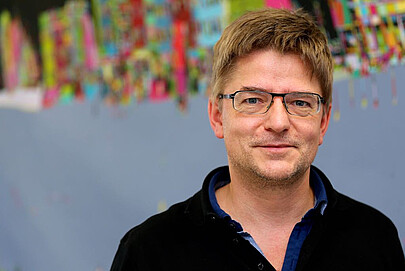
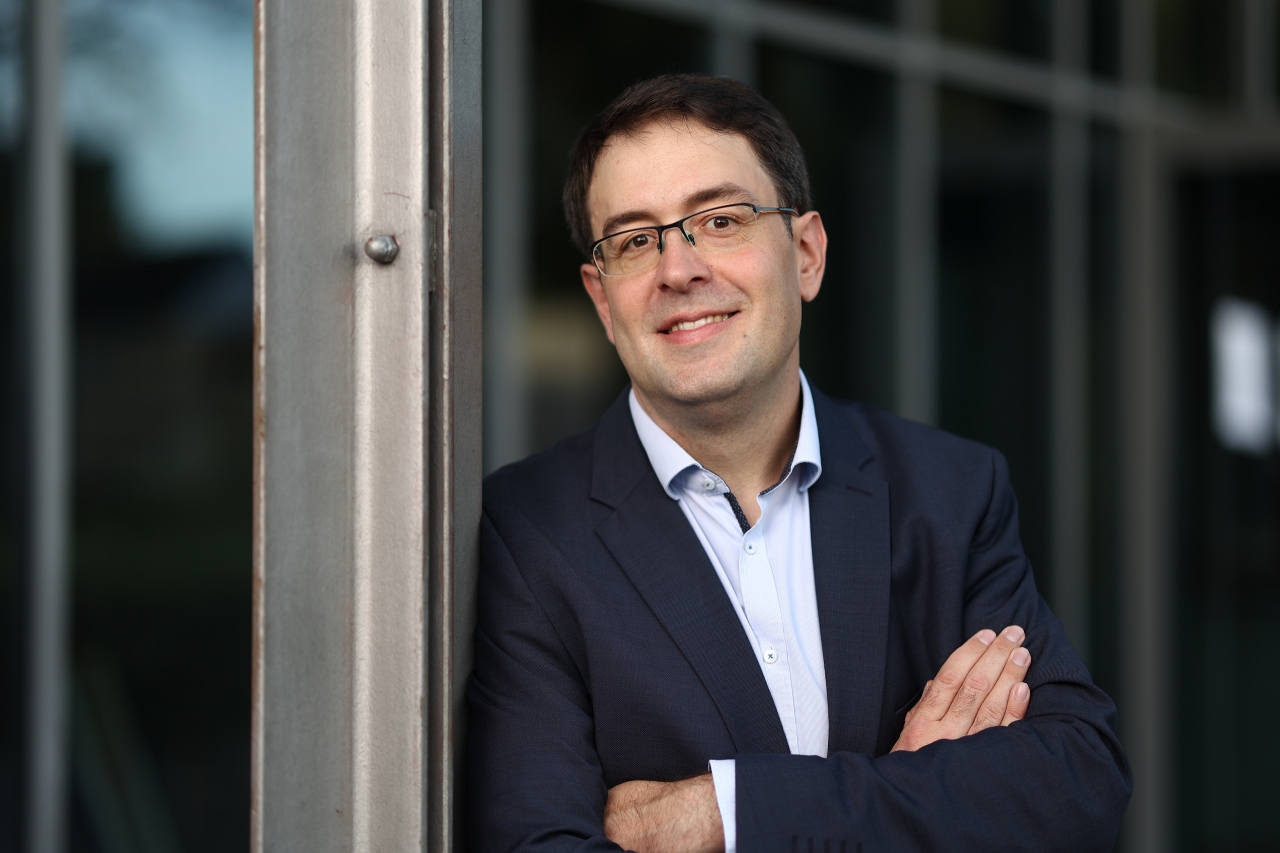
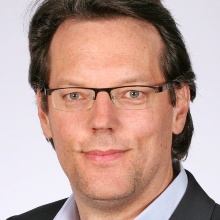
Dr. Rupert Legg is a Postdoctoral Researcher at the Department of Physical Geography and Landscape Ecology, Leibniz University Hannover. His work focuses on interdisciplinary research in landscape ecology, health geography, and environmental psychology. He investigates human-nature interactions in contexts like climate change and urbanization, using both quantitative and qualitative methods to assess urban landscapes' impact on health and well-being. Education: PhD in Sustainable Futures (2023), University of Technology Sydney BSc (Honours I) in Geosciences (2017), University of Sydney Research Interests: Environmental justice in the Anthropocene Urban microclimate regulation via blue/green infrastructure Allergenic pollen impacts on mental health Legal frameworks for environmental contamination Recent Projects: Strategies for urban heat resilience using nature-based solutions (EU-funded) Monitoring allergenic pollen in urban parks Key Awards: Green Talents Award (2022) for Sustainable Development Grants & Teams: Member of Digital Landscape Ecology Group Co-lead on EU-funded climate adaptation projects Labs/Teams: Active in the Digital Landscape Ecology Group, focusing on integrating spatial data with human health metrics.
Sven Opitz is a Professor at the Department of Sociology, Philipps University of Marburg, specializing in political sociology and social analysis. He leads subproject C12 on pandemic situations and has held visiting positions at institutions like VU Amsterdam and the University of Edinburgh. His work bridges sociology, legal theory, and biopolitics. PhD in Sociology (summa cum laude), University of Basel (2010) M.A. in Political Science, Sociology, and Modern German Literature, University of Hamburg (2003) Research focuses on biopolitics, epidemic space, temporal governance, and symbiosis in biosocial contexts. He examines how security dispositifs and technological infrastructures mediate social and ecological relationships, particularly during pandemics. His recent publications analyze epidemic ecologies, pandemic preparedness, and the spatial politics of disease control. Articles explore topics like digital pandemic modeling, health security infrastructures, and temporal politics in law and economy. Scholarship from Evangelisches Studienwerk Villigst (2005) Scholarship from Landesstiftung der Hansestadt Hamburg (2004) Opitz is co-editor of Soziale Systeme and collaborates with institutions like SYNMIKRO. He has organized international conferences on topics such as security dispositifs, epidemic ecologies, and Bruno Latour’s theories.
Christian Pölitz is a researcher specializing in artificial intelligence and machine learning with current affiliation at Microsoft Research. Previously associated with Dortmund University of Technology where he completed his PhD in 2016, his research bridges theoretical machine learning with practical applications in programming assistance and data manipulation. His publication record demonstrates sustained contributions to the field spanning over 15 years. Dr. Pölitz's research focuses on the intersection of AI systems and human workflows, particularly examining how large language models can effectively assist with data-centric tasks and programming activities. His recent work (2022-2025) investigates critical aspects of LLM evaluation, human-AI collaboration in programming contexts, and the development of benchmarks for natural language interfaces to data tools like Excel. This represents an evolution from his earlier work (2010-2017) which centered on domain adaptation, topic modeling, and semantic relatedness. Analysis of his publication trends reveals a strategic shift toward contemporary AI challenges, with significant contributions to understanding how generative AI transforms knowledge work. His collaborations with Microsoft researchers including Advait Sarkar, Ben Zorn, and Andrew Gordon indicate his integration into teams exploring the practical implications of AI 'copilots' in professional environments. His work often features in top-tier venues including AAAI, NAACL, EMNLP, and IEEE/ACM conferences. While specific awards aren't documented in the provided information, his consistent publication record in prestigious venues demonstrates recognition within the AI research community. His collaborative approach is evident through numerous co-authorships across academic and industrial research settings, suggesting an active role in interdisciplinary research teams focused on advancing practical AI applications.
Leberecht Funk is a Researcher affiliated with the Institute of Social and Cultural Anthropology at Freie Universität Berlin, part of the Department of Political and Social Sciences. He holds a PhD in Social and Cultural Anthropology (2019) and an M.A. from the same university. His work focuses on the anthropology of emotion, childhood socialization, and cultural cosmologies, particularly among the Tao people of Taiwan. Funk has conducted extensive fieldwork since 2009, exploring themes like animism, human-environment relationships, and interdisciplinary methodologies. His academic qualifications include a PhD dissertation on 'Society, Cosmology, and Socialization of Emotions among the Tao in Taiwan,' examining how cultural models of personhood and cosmology shape emotional development. His research integrates social anthropology and developmental psychology, addressing questions of emotion expression, socialization practices, and intercultural comparisons. Key research interests include East Asian studies (especially Taiwan), Southeast Asia, animism, and object-based research. Funk has contributed to debates on fieldwork ethics, particularly through his reflections on accompanied fieldwork with family. His publications span topics from Tao cosmology to comparative kinship systems in China and India. Teaching engagements include courses on childhood studies, cultural anthropology, and interdisciplinary research methods at both BA and MA levels. He actively participates in academic networks such as the Deutsche Gesellschaft für Sozial- und Kulturanthropologie (DGSKA) and the European Association of Social Anthropologists (EASA).
Dr. Lars Harbaum is a Clinical Professor and senior physician specialized in Internal Medicine and Pneumology at the Faculty of Medicine, University of Hamburg. He is affiliated with the Center for Oncology and II. Medical Clinic and Polyclinic at the University Medical Center Hamburg-Eppendorf (UKE). His expertise focuses on pulmonary hypertension, right ventricular function, and translational research in cardiovascular medicine. Specializes in internistic intensive care medicine and pulmonary hypertension treatment Active in clinical and translational research involving proteomics, genetics, and omics approaches Conducts studies on biomarker discovery, risk stratification, and therapeutic targeting in pulmonary arterial hypertension (PAH) His research spans over 25 peer-reviewed articles since 2013, with recent work emphasizing plasma proteome analysis and genetic determinants of cardiovascular outcomes. He collaborates with international teams in Europe and North America on PAH subtyping and patient stratification.
Sergios Gatidis is a prominent researcher in the Department of Diagnostic and Interventional Radiology at the Faculty of Medicine, Eberhard Karls University of Tübingen. His work bridges medical imaging and artificial intelligence, with a particular focus on MRI and PET/CT applications. He has established himself as a key collaborator in numerous multi-institutional research projects, frequently working with Thomas Küstner, Bin Yang, and Konstantin Nikolaou. Dr. Gatidis's research centers on applying deep learning techniques to solve critical challenges in medical imaging. His work spans biological age estimation from MRI scans, motion correction in MRI, lesion segmentation in PET/CT imaging, and the application of large language models to radiology reports and hospital course documentation. He has made significant contributions to the autoPET challenge for automated lesion segmentation and has developed novel approaches for attention-aware image registration and reconstruction. His publication record shows a clear evolution from foundational work in motion correction and image reconstruction (2016-2018) to increasingly sophisticated AI applications, with a recent strong focus on large language models for medical text processing (2023-2025). The breadth of his work demonstrates expertise spanning technical aspects of medical imaging physics to clinical applications of AI. His recent publications indicate active research in several key areas: (1) development of foundation models for medical imaging interpretation, (2) robust evaluation frameworks for medical AI systems, and (3) practical clinical integration of AI tools for radiology workflow enhancement. These trends reflect the broader field's movement toward more comprehensive, clinically validated AI solutions. Though no specific awards are listed in the available publications, his consistent presence as a key contributor to high-impact medical imaging research suggests recognition within the field. His work appears regularly in top journals including IEEE Transactions on Medical Imaging, Nature Machine Intelligence, and Medical Image Analysis. Dr. Gatidis actively collaborates across disciplines, working with computer scientists developing novel AI architectures and clinicians implementing these tools in real-world settings. His recent work on MedHELM and CheXagent demonstrates commitment to creating evaluation frameworks and practical tools that address real clinical needs while maintaining scientific rigor.
apl. Prof. Dr.-Ing. Claus Brenner is an Adjunct Professor at the Institute of Cartography and Geoinformatics within the Faculty of Civil Engineering and Geodetic Science at Leibniz University Hannover. His research focuses on LiDAR mapping, point cloud processing, and robust estimation, with applications in autonomous systems, urban mapping, and disaster risk assessment. He leads the Graduiertenkolleg 2159 research group on integrity and collaboration in dynamic sensor networks. Key research areas include 3D reconstruction, SLAM (Simultaneous Localization and Mapping), semantic segmentation of mobile mapping data, and cooperative perception systems. His work integrates advanced machine learning techniques with geospatial data analysis, addressing challenges in sensor fusion, uncertainty modeling, and real-time localization. Recent publications span topics like voxel-based point cloud localization for smart spaces, flood risk mapping using LiDAR, and adversarial shape completion. Brenner has contributed to benchmark datasets such as LuCoop and LUMPI, advancing research in cooperative perception and urban navigation. His methods emphasize robustness and scalability, often leveraging generative models and statistical frameworks for urban environment analysis. Notable projects include the development of high-definition mapping using LiDAR, trajectory-based road network reconstruction, and semantic annotation from user trajectories. His work bridges theoretical advancements in computer vision with practical applications in autonomous systems and smart infrastructure.
Dr. Andreas Kuebart is a Research Associate in the Research Area 'Economy and Civil Society' at the Leibniz Institute for Spatial Social Research (IRS) and a Post-Doc Fellow at the Chair for Socio-Spatial Transformation at Brandenburg University of Technology (BTU). His interdisciplinary work bridges human and economic geography, focusing on entrepreneurial ecosystems, digital economy, and socio-spatial dynamics of health crises like the COVID-19 pandemic. Leibniz Institute for Spatial Social Research (IRS), Research Area Economy and Civil Society Chair for Socio-Spatial Transformation, Brandenburg University of Technology (BTU) He earned his Dr. rer. nat. in Geography from Freie Universität Berlin in 2020, with prior studies at Humboldt University of Berlin, University of Florida, Stockholm University, and Bonn University. PhD (Dr. rer. nat.), Geography, Freie Universität Berlin (2020) Studies in Geography, Humboldt University of Berlin, University of Florida, Stockholm University, Bonn University His research centers on the geographies of socio-spatial processes in the digital economy, particularly examining entrepreneurial ecosystems, financial geographies, regional development, and health geography. Methodologically, he combines qualitative case studies with spatial data science and sequence analysis to understand temporal and spatial dynamics in innovation and pandemic spread. The recent publications highlight a strong trend in analyzing trans-local entrepreneurial networks, startup trajectories, and the spatial-temporal evolution of both innovation ecosystems and public health crises. His work increasingly integrates advanced spatial analytics and sequence-based modeling, especially in the context of Berlin and European-wide systems. Dr. Kuebart has contributed to major policy-oriented outputs for the European Commission through the StepUP Startups project, including influential reports on Europe’s startup landscape and spin-off innovation. He is actively involved in third-party funded research such as 'Disruption and Spatial Development' and 'CoDiff' (Socio-Spatial Diffusion of COVID-19 in Germany), indicating sustained engagement with impactful, interdisciplinary research. He has advised on or led projects analyzing the role of open creative labs, seed accelerators, and spatial infrastructure in entrepreneurial ecosystems. His collaborative work spans multiple institutions and disciplines, often involving teams from IRS, BTU, and international partners. Dr. Kuebart is a key contributor to the 'CODIFF' project on the spatial diffusion of COVID-19 in Germany and has developed phase models and severity indicators for pandemic dynamics. He also leads analytical components in the 'StepUP Startups' project, which maps Europe’s entrepreneurial ecosystem using data-driven methods.
Daniel Höller is a researcher in the Foundations of Artificial Intelligence (FAI) Group at the Department of Computer Science, Saarland University, Germany. He joined the group in January 2020, having previously worked at the Institute of Artificial Intelligence at Ulm University from November 2013 to December 2019. He holds an M.Sc. in Computer Science from Bonn-Rhein-Sieg University, where he studied from 2007 to 2013. Ph.D., Computer Science, Ulm University M.Sc., Computer Science, Bonn-Rhein-Sieg University (2013) Daniel Höller's research lies at the intersection of theoretical and practical aspects of AI planning. His primary focus is on Hierarchical Task Network (HTN) planning, where he has made significant contributions to expressivity analysis, solver development, and the use of classical planning heuristics to guide HTN search. He also works on lifted planning, plan repair, plan recognition, and the integration of planning with deep reinforcement learning. His work often involves formal analysis, heuristic development, and the creation of practical planning systems. He is particularly interested in how planning can be made more efficient, reliable, and applicable to real-world problems, including human-aware applications. His recent publications demonstrate a consistent trend in advancing HTN planning through novel formalisms (e.g., HDDL), sophisticated solving techniques (e.g., progression search, SAT-based approaches), and the development of robust software frameworks (e.g., PANDA, TOAD, LiSAT). His work increasingly bridges planning with learning, exploring how learned models can inform planning and how planning can provide structure for learning. The subfields span formal methods, search algorithms, knowledge representation, and system building. ICAPS 2024 Best Dissertation Award for his thesis on hierarchical planning SoCS 2024 Best Student Paper Award (co-authored) Winner in 4 out of 6 tracks in the 2023 IPC HTN competition ICAPS 2018 Best Student Paper Award ICTAI 2018 Best Paper Award TCTS 2018 Best Paper Award Shortlisted for Best Paper at KI 2020 Daniel Höller has been actively involved in teaching and mentoring, having taught courses on Artificial Intelligence and AI Planning at Saarland University, and previously served as a teaching assistant for a wide range of AI and computer science courses at Ulm and Bonn-Rhein-Sieg Universities. He has received funding through his involvement in the Transregional Collaborative Research Center SFB/Transregio 62 at Ulm University. He has organized and contributed to numerous workshops and conferences, demonstrating strong service to the academic community. Daniel Höller is a core developer of the PANDA planning framework, the TOAD HTN solver, and the LiSAT system for lifted planning. These systems are state-of-the-art tools that implement his research on heuristic search, model transformation, and SAT-based compilation. His work is conducted within the FAI group at Saarland University, a leading research group in automated planning.
Dr. Wendy Liermann is a researcher at the Research Institute for Farm Animal Biology (FBN), focusing on metabolic health in farm animals. Her work primarily investigates gastrointestinal physiology, immune system development, and nutritional programming effects in neonatal calves and poultry. Key affiliations: Research Institute for Farm Animal Biology (FBN), Leibniz Association Research areas: Maternal nutrition, intestinal mucosa transcriptomics, fatty acid supplementation, microbiome-immune interactions Recent research highlights include studies on Cryptosporidium parvum infections in calves, colostrum quality, and feed processing techniques in broilers. She frequently collaborates with Harald Michael Hammon and other veterinary scientists. Publications span 2017-2024 Active in experimental animal facilities Her work contributes to neonatal calf nutrition, antimicrobial resistance research, and optimized feeding strategies for poultry.
Egon Sohmen (1930-1977) was an influential economist known for his work on international monetary systems and allocation theory. He held positions as Assistant Professor at Yale University (1958-1961) and became a Professor at Saar University after being granted a waiver of the Habilitation requirement. His research focused on exchange rate flexibility, monetary policy, and international economic relations. He contributed to pivotal debates, including Germany's shift to flexible exchange rates in the 1960s, collaborating with Herbert Giersch on influential memorandums. Sohmen’s academic journey included studies at Vienna’s Wirtschaftsuniversität, a Fulbright scholarship at MIT (1953-1958), and a PhD under Charles Kindleberger. His legacy is perpetuated via the Egon Sohmen Graduate Center (ESGC) at Ludwig Maximilian University of Munich, which awards fellowships to young economists. Research interests included monetary arrangements, international trade dynamics, and the interplay between economic policy and resource allocation. His publications addressed forward exchange markets, balance of payments challenges, and the theoretical underpinnings of flexible exchange rate systems. Colleagues noted his ability to bridge academic rigor with policy relevance, particularly in controversies over exchange rate regimes. The Bernhard Harms Prize at the Kiel Institute was posthumously acknowledged as a fitting tribute to his contributions. His influence extended beyond academia through mentorship of prominent economists and policymakers, including collaborators in founding Germany’s Economic Expert Council. The Egon-Sohmen-Foundation, established by his brother Helmut, supports economic research, reflecting the family’s enduring commitment to the field.
Ahmet Cürebal is an External Doctoral Researcher at the Institute of Information Systems, part of the Business School at the University of Hamburg. He holds B.S. and M.S. degrees in Industrial Engineering from Kirikkale University, Turkey, and is currently pursuing his Ph.D. His research focuses on Operations Research with specializations in Linear Programming (LP), Mixed-Integer Programming (MIP), Combinatorial Optimization, Scheduling, Assignment, and Routing problems within Supply Chain contexts. Key research interests include solving real-world optimization challenges such as staff scheduling in retail sectors, driver workload balancing in logistics firms, and pandemic-era security personnel allocation. His work often involves applying metaheuristic methods like Variable Neighborhood Search (VNS) and Fixed Set Search (FSS) to complex operational problems. Notable publications explore applications such as straddle carrier routing in container terminals, bus route optimization for high-speed rail integration, and competency-based scheduling during crises. His methodologies frequently integrate Goal Programming and Analytical Network Process (ANP) for multi-criteria decision-making scenarios. Cürebal’s research demonstrates a strong emphasis on practical implementations across diverse industries, including healthcare, logistics, and retail, with a focus on balancing efficiency and real-world constraints through advanced mathematical modeling and algorithmic approaches.
Chiara Lisciandra is an Assistant Professor at the Faculty of Arts and Humanities , Department of Philosophy , Heinrich Heine University Düsseldorf . Her research bridges Philosophy of Economics , Game Theory , and Interdisciplinary Science . Board Member, International Network for Economic Method (INEM) Associate Editor, Phil-Sci Archive & Journal of Economic Methodology External Member, Munich Centre for Mathematical Philosophy (LMU Munich) Associate Member, Centre for the Philosophy of Social Science (Helsinki University) Her work focuses on explanatory norms , model transfer in interdisciplinary research, and citation metrics as tools for evaluating scientific impact. She explores how game theory illuminates economic behavior and norm formation in societies. Recent publications highlight interdisciplinary collaboration , inequality measurement , and open access policy . She co-edits the INEM 2023 Special Issue and is organizing the Lake Como Summer School in Philosophy of Economics . 2023: Peregrinus Prize (Bavarian Academy of Science) 2021: Alexander von Humboldt Foundation Fellowship Her book project with Cambridge University Press, "Coordination and Cooperation in Game Theory," examines philosophical foundations of economic behavior. She frequently presents at international conferences and workshops, including Hannover University (2026) and Vienna (2025).
Dr. Alina Schmitz is a Researcher at the Chair for Social Structure and Sociology of Ageing Societies within the Faculty of Social Sciences at Technische Universität Dortmund . She serves as Scientific Coordinator of the HBS doctoral program New Challenges in Aging Societies (funded by Hans Böckler Foundation) and has held visiting researcher positions at King’s College London and Boston University. Education: PhD in Sociology (2020, TU Dortmund), MA in Rehabilitation Sciences (2015, University of Cologne) Key Research Areas: Health sociology, life course analysis, social inequality, gender disparity, quantitative aging research Recent Projects: DFG-Project AGE-WELL on material conditions and older wellbeing in Germany/Poland; German-Israeli Minerva School collaboration on social networks Her research demonstrates significant focus on health inequalities across Europe, particularly examining gender differences and regional disparities through multilevel analyses. Recent publications investigate pandemic impacts, caregiving strain, and fundamental cause theory through quasi-experimental approaches. Scientific Leadership: Speaker of Medical & Health Sociology Section (DGS 2024), PhD Committee Member (TU Dortmund 2022) Major Awards: Daimler & Benz Fellowship (2024), Young Scientist Award (ASI 2021), Minerva School funding (2021) She actively contributes to doctoral education through course instruction in health and life-course sociology, while maintaining memberships in six major academic societies including the German Sociological Association and European Population Studies.
Jörn Birkmann is a Professor for Spatial Development and Environmental Planning and Director of the Institute of Spatial and Regional Planning (IREUS) at the University of Stuttgart. Previously, he served as Head of the Section 'Vulnerability Assessment, Risk Management and Adaptive Planning' at the United Nations University Institute for Environment and Human Security (UNU-EHS) from 2007-2014, and as Assistant Professor at the University of Bonn from 2010-2014. He received his PhD in Engineering from the University of Dortmund in 2003 with distinction and completed his habilitation in Geography at the University of Bonn in 2009. His research focuses on vulnerability and risk assessment, climate change adaptation, disaster risk reduction, and adaptive urban governance. He has developed conceptual frameworks for examining vulnerability and risk profiles in the context of natural hazards and climate change, with particular interest in coupled social-ecological systems under climate change conditions. His work spans both quantitative and qualitative assessment methods for measuring vulnerability, resilience, and adaptive capacities of societal groups, critical infrastructures, and regions. His publication record shows a strong focus on empirical studies of vulnerability dynamics, particularly regarding rural-urban linkages in flood-prone areas, heat stress vulnerability in urban settings, and transboundary vulnerability clusters requiring regional cooperation. His research often employs interdisciplinary approaches combining spatial analysis with social science methods to understand complex vulnerability patterns. IPCC Lead Author for Special Report on Managing Extreme Events Member of IRDR Science Committee since 2013 Full member of the Academy of Spatial Research and Planning Editorial Board Member of International Journal of Disaster Risk Reduction Recipient of University of Dortmund Dissertation Prize in 2004 Professor Birkmann leads a research team at IREUS that includes several academic staff members who frequently collaborate on publications, particularly focusing on vulnerability assessment in different geographical contexts. His work demonstrates strong international collaboration, with research projects spanning Germany, Pakistan, Greece, Indonesia, and other countries affected by climate-related hazards.

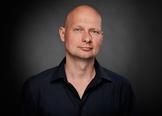
/bilder/personen/harbaum_lars_20210922_3_2_kontaktbild.jpg)