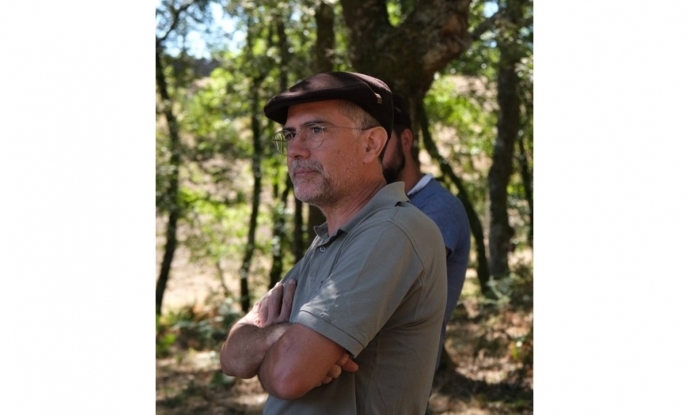
Abderrahim Ouarghidi is a Teaching Professor in the Department of Anthropology at Pennsylvania State University, specializing in African Studies and Anthropology. His research focuses on Moroccan socio-ecological systems, traditional knowledge, and cultural heritage conservation. He investigates rural livelihoods, ethnobotanical practices, and environmental change in Morocco's High Atlas Mountains and oases. While specific educational details are not provided in the text, his work demonstrates expertise in anthropology, botany, and environmental studies. Research interests include crop diversity, medicinal plant conservation, and the intersection of traditional practices with modern challenges such as market integration and climate change. His publications analyze topics like arbuscular mycorrhizal fungi in endemic plants, pesticide use in pome fruit cultivation, and the ethics of archaeological remote sensing in sacred spaces. He emphasizes interdisciplinary approaches, combining ethnography with molecular methods like DNA barcoding to address biodiversity and health concerns. No scientific awards or grants are explicitly mentioned, though his active research portfolio suggests involvement in relevant funding networks. He advises no listed students but contributes to teaching and mentoring in anthropology and African studies programs. Ouarghidi's work often highlights community-based conservation strategies and the vulnerability of traditional knowledge systems to globalization. His research has implications for policy-making in sustainable agriculture, cultural heritage management, and public health.
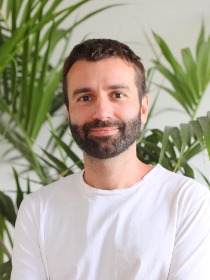
Michael S. Barker is an Associate Professor and Associate Department Head in the Department of Ecology and Evolutionary Biology at the University of Arizona. He leads the Bioinformatics Degree Program and has held academic roles since 2011. His research focuses on the origins of biodiversity through genomic events like polyploidy and hybridization, integrating computational tools with molecular and phylogenetic approaches. Education: Ph.D., Evolutionary Biology, Indiana University (2009) M.S., Botany, Miami University (2003) B.S., Biology, Denison University (2001) Research interests include genomic evolution, with studies on Brassica crops, Selaginella lycophytes, and macroevolutionary patterns across eukaryotes. His work bridges micro- and macroevolutionary scales to understand genome-driven diversity. Awards include the Botanical Society of America’s Emerging Leader Award (2016) and the NSERC-BRITE Postdoctoral Fellowship (2009–2010). He contributes to editorial roles, including editing a Special Issue on polyploidy in the American Journal of Botany . His lab collaborates widely, generating genomic data to explore evolutionary processes. While no specific grants or advising details are listed, his leadership roles highlight active mentorship and program development.
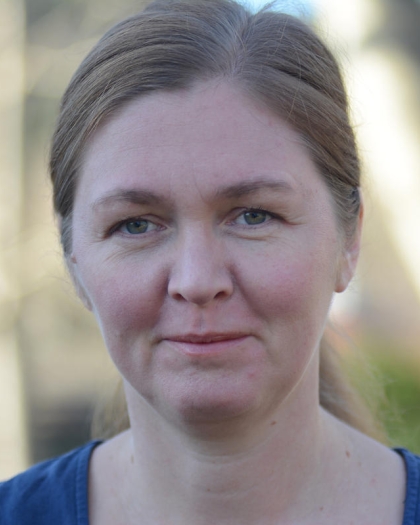
Daniel Janzen is a Professor of Biology and holder of the Thomas G. and Louise E. DiMaura Term Chair at the University of Pennsylvania's School of Arts & Sciences. His primary affiliation is with the Department of Biology. He holds a Ph.D. from the University of California, Berkeley (1965). His research focuses on tropical ecology, biodiversity conservation, and the intricate relationships between plants, insects, and parasitoids in Costa Rica's ecosystems. Key research areas include understanding caterpillar-plant interactions, parasitoid behaviors, and biodiversity development in conserved tropical wildlands like Area de Conservación Guanacaste (ACG). Janzen pioneered the use of DNA barcoding for biodiversity inventory and integrates taxonomy, ecology, and conservation policy to promote sustainable land use. His work emphasizes non-destructive utilization of tropical biodiversity for ecotourism, biotechnology, and environmental monitoring. Publications highlight discoveries in cryptic species identification, parasitoid wasp systematics, and microbiome studies in caterpillars. Janzen’s long-term fieldwork in Costa Rica has produced foundational insights into tropical ecosystem management and conservation engineering. Despite an extensive publication record, no specific scientific awards are explicitly mentioned in the text. His research involves collaborations with institutions like the Smithsonian Institution and the Barcode of Life initiative. While no advising details are provided, his work engages with global biodiversity databases and participatory conservation frameworks involving local communities. The ACG serves as a key field site for his integrative approach to linking basic ecology with applied conservation strategies.
Agostino Tomasello is an Associate Professor in the Department of Earth and Marine Sciences at the University of Palermo. His academic position (BIOS-01/C classification) reflects his specialization in marine biological systems, with particular focus on Mediterranean seagrass ecosystems. He maintains regular office hours both at the main campus (Viale delle Scienze building 16) and at the Trapani teaching center for Biotechnology students. Dr. Tomasello's research interests center on marine ecology, particularly the biology and conservation of Posidonia oceanica seagrass meadows. His work spans environmental monitoring, coastal management, and the impacts of human activities on marine ecosystems. He has extensively studied seagrass transplantation, habitat mapping using acoustic technologies, and the effects of environmental stressors including climate change and ocean acidification. His publication record demonstrates expertise in both field research and advanced statistical modeling of marine ecological data. The 15 most recent articles show consistent focus on Posidonia oceanica ecosystems, with methodologies ranging from morphological analysis to geospatial modeling. His research has important implications for marine conservation and management of Mediterranean coastal environments. Dr. Tomasello actively supervises graduate students, with recent theses focused on marine biology topics including seagrass mapping, environmental monitoring, and restoration ecology. His work with students demonstrates practical application of research to real-world conservation challenges.
Susanne S. Renner is an Honorary Professor of Biology at Washington University in St. Louis, where she pursues integrative research that merges plant systematics, phylogenetics, ecology, and evolutionary biology. Her work explores the deep-time evolution of plants and their interactions with animals, especially mutualisms involving ants, bees, moths, and hummingbirds. Research Interests Plant systematics and molecular phylogenetics Evolution of plant–animal mutualisms (ants, bees, moths, hummingbirds) Biogeography and long-distance dispersal Plant sexual systems and sex-chromosome evolution Domestication genomics of crops such as watermelon, cucurbits, and walnuts Phenological responses to climate change History of biological collecting and biodiversity informatics Her recent publications (2023–2025) reveal a strong emphasis on genomics-enabled insights into crop domestication, the genomic architecture of plant sex chromosomes, co-evolutionary dynamics between plants and insects, and the application of AI and large-scale databases to biodiversity research. These studies collectively advance understanding of how plants adapt, diversify, and interact with their biotic environments across evolutionary timescales. Scientific Awards & Honors No specific awards are listed in the provided material. Advising & Grants While the text does not enumerate current students or funded projects, her extensive publication record with numerous international collaborators suggests active mentoring and sustained grant support. Laboratories & Teams She is associated with the Department of Biology at Washington University in St. Louis, but no dedicated laboratory name is provided in the supplied text.
Paul Shipley is an Associate Professor in the Department of Chemistry within the Irving K. Barber Faculty of Science at the University of British Columbia Okanagan. He also serves as Associate Dean of the College of Graduate Studies. His research focuses on natural products chemistry, metabolomics, and NMR-based analysis of medicinal plants and bacteria to investigate chemical differences between species and samples. His work has applications in discovering biological activities, optimizing natural health product formulation, identifying adulterated products, and classifying species by their chemistry. Dr. Shipley's educational background includes: PhD from the University of Washington Dr. Shipley's research centers on organic chemistry and natural products biosynthesis, with particular emphasis on the biochemistry of secondary metabolism in plants and bacteria. His laboratory develops and applies nuclear magnetic resonance (NMR) metabolomics approaches to define the complex chemistry of medicinal plants, which traditionally has been challenging due to the estimated 30,000 distinct phytochemicals present in an average plant tissue. His work bridges analytical chemistry, plant biochemistry, and statistical analysis to create robust methods for species differentiation and chemical profiling. Specifically, his lab investigates NMR-based chemical approaches for medicinal plant analysis across various species, comparing results with LC/MS metabolomic analysis and chromatographic separation methods. They develop statistical tools to discriminate between true and false positives in significance analysis and optimize NMR experiments for best discrimination between sample types, with applications in hawthorn chemotaxonomy, cranberry analysis, and other medicinal plant studies. Dr. Shipley's recent publications demonstrate a strong focus on NMR-based metabolomics applied to plant chemistry, particularly for species identification and quality control of natural health products. His work spans multiple plant genera including Crataegus (hawthorn), Vaccinium (cranberry), and Artemisia (sagebrush), with consistent methodological development in statistical analysis and NMR techniques. A notable trend is the application of machine learning algorithms to refine metabolomic data interpretation and the development of robust models for distinguishing between closely related plant species and varieties. His research program has contributed significantly to: Development of new NMR-based approaches for plant metabolome analysis Creation of statistical tools for metabolomic data refinement Chemotaxonomic studies of medicinal plants with pharmacological relevance Identification of cardioprotective compounds in hawthorn species As a graduate student supervisor in the Department of Chemistry, Dr. Shipley mentors students in organic chemistry, natural products biosynthesis, and analytical methodology development. His research program involves multiple funding sources supporting NMR metabolomics instrumentation, plant collection and analysis fieldwork, statistical methodology development, and collaborative studies with pharmacology and botanical researchers. Dr. Shipley leads a research laboratory focused on NMR-based metabolomics of medicinal plants and bacteria. His team develops advanced statistical and methodological tools for model improvement in metabolomic analysis, with particular expertise in distinguishing between closely related plant species and varieties. The lab collaborates across disciplines, integrating chemical analysis with biological activity studies to connect phytochemical profiles with potential pharmacological relevance, particularly in cardioprotective compounds found in hawthorn and urinary tract health applications of cranberry compounds.
Norbert Kilian serves as Group leader of the Asterales research group at the Botanic Garden and Botanical Museum, Freie Universität Berlin, focusing on plant systematics and evolutionary relationships within the Asterales order. His research specializes in taxonomic classification of Asteraceae (daisies) and Campanulaceae (bellflowers), utilizing morphological and molecular approaches to resolve evolutionary patterns in this diverse plant group. Work occurs within the university's botanical infrastructure, emphasizing specimen-based studies and biodiversity documentation. As leader of the Asterales research group, he directs systematic investigations at the Botanic Garden and Botanical Museum, contributing to the institution's role in plant science research and conservation.
Dr. Jonathan Davies is an Associate Professor at the University of British Columbia's Faculty of Forestry, with dual affiliations in the Department of Botany and Department of Forest and Conservation Sciences. His research focuses on phylogenetic ecology, integrating evolutionary biology with ecological systems to address biodiversity conservation and climate change challenges. Academic Rank: Associate Professor Departments: Botany; Forest and Conservation Sciences Research Center: Biodiversity Research Center Email: j.davies@ubc.ca Research Interests : At the intersection of ecology and evolution, Davies' work explores phylogenetic approaches to conservation science, climate change biology, and disease ecology. His lab investigates: Climate change impacts on biodiversity and disease emergence Phylogenetic dilution effects in forest pest dynamics Evolutionary patterns in plant-herbivore interactions Statistical methods for phylogenetic analysis Global biodiversity patterns and diversification rates Eco-phylogenetics of protected area effectiveness
Jay Mackinnon is a Lecturer in Applied Sciences at Edinburgh Napier University, where he has been teaching since 2008. He is affiliated with the School of Applied Sciences and participates in the Animal and Plant Science Research Group and the Centre for Conservation and Restoration Science. His academic recognition includes being a Fellow of the Higher Education Academy (FHEA). Dr. Mackinnon specializes in botany with wide-ranging interests in biodiversity, ecology and conservation including environmental management; impacts of tourism and recreation; environmental education and ecotourism. His research demonstrates a strong interdisciplinary approach, connecting ecological science with human dimensions of environmental management. He has supervised numerous MSc students on projects examining diverse topics from plant biodiversity in sand dune systems to the effectiveness of conservation education programs in Zimbabwe. His publications reflect expertise in both pure ecological research and human dimensions of conservation. The 2025 systematic literature review for the Forestry Commission demonstrates methodological rigor, while his 2018 publication on Barbary macaques shows interest in human-wildlife interactions in tourism contexts. His earlier work on educational approaches indicates commitment to pedagogical innovation across diverse geographical settings from Scotland to Morocco and Costa Rica. County Recorder for Botanical Society of Britain and Ireland (VC84, West Lothian) Dr. Mackinnon actively supervises postgraduate students, currently serving as an Additional Supervisor for Ashley Napier's PhD on protected natural area volunteering in Scotland and as a supervisor for Janki Hodar's PhD on anti-adhesive properties of biosurfactants. He has previously supervised over 20 MSc projects examining ecological and conservation topics across various geographical contexts with collaborations including East Lothian Council, Cairngorm National Park Authority, and Community of Arran Seabed Trust. His current research includes a CPD Introduction to Sedge Identification (2025) and studying the incidence of hybrid hogweed (2017-2019), demonstrating ongoing commitment to both academic research and professional development in ecological fields.
Nico Cellinese is a Professor of Biology and Curator of the Herbarium & Informatics at the Florida Museum of Natural History, University of Florida. He holds joint appointments in the School of Natural Resources and Environment and the Genetics Institute. His research focuses on plant systematics, evolution, biogeography, and informatics, with expertise in phylogenomics and biodiversity data integration. Education : Ph.D. in Natural History Museum and University of Reading, UK. Affiliations : Cellinese Lab, Florida Museum Herbarium (FLAS), and collaborations with global institutions. Research interests include the evolutionary history of plant groups like Campanulaceae, Melastomataceae, and Ledebouria. Key projects involve NSF-funded studies on plant coexistence mechanisms, Melastomataceae phylogenomics, and biodiversity informatics. He develops tools like RegNum and Phyloref.org to enhance phyloinformatics and taxonomic data accessibility. Notable grants include a $1.5M study on Lobelia species coexistence and a $3.6M project digitizing lichen and bryophyte collections. Teaching includes courses on phylogenetic systematics, evolutionary biogeography, and plant taxonomy. Cellinese has conducted fieldwork across Asia, Australasia, South America, and Europe, emphasizing global biodiversity conservation and the impacts of climate change. His work bridges systematics, informatics, and conservation to address pressing ecological and evolutionary questions.
Carlos Aguiar is a Professor at the Escola Superior Agrária de Bragança, Instituto Politécnico de Bragança, and an external collaborator at CIBIO-InBIO, Universidade do Porto. He holds a PhD and has over 35 years of experience studying the flora and vegetation of mainland and island Portugal. His research focuses on plant ecology, pasture agronomy, fire-herbivory-pasture interactions, extensive animal production systems, and the history of agronomy. He has contributed significantly to botanical education through publications in the Botânica em Português collection, including co-editing Vegetação de Portugal . He earned his degree in agronomic engineering from the Instituto Superior de Agronomia and has participated in agricultural development projects in Guinea-Bissau. His work bridges academic research and practical application in sustainable land use and biodiversity conservation. Carlos Aguiar has recently contributed to science communication and education through textbook authorship and editorial work. While no specific awards or research grants are listed, his long-standing research and publications reflect a sustained scholarly impact in agronomy and vegetation science. He is affiliated with CIBIO-InBIO as an external collaborator, contributing to biodiversity and evolution research. His work supports broader initiatives in ecological sustainability, including involvement in the Lisbon-European Green Capital 2020 program.
Luís Lima Valente is an Associate Professor at the University of Groningen and Senior Researcher at Naturalis Biodiversity Center. His work focuses on island biogeography, phylogenetics, and biodiversity dynamics. He leads the Biodiversity Hotspots group at Naturalis and co-leads the Theoretical & Evolutionary Community Ecology group at GELIFES. His research combines fieldwork, genomic data, and computational modeling to study evolutionary processes in island and continental ecosystems. Education: PhD in Evolutionary Biology (2010, Royal Botanic Gardens Madrid), MSc in Ecology, Evolution & Conservation (2006, Imperial College London), BSc in Biology (2005, University College London). Research Interests: Island biodiversity patterns, historical biogeography, phylogenetic methods, and the interplay between climate and evolutionary processes. Key projects include the DAISIE software package for island biogeography analysis and studies on radiations of island birds/plants. He has advised over 30 PhD/MSc students and postdocs, focusing on island systems like the Canaries, Mascarenes, and Caribbean. Awards: Marie Curie Fellowship (2011-2013), Humboldt Fellowship (2013-2016), Martin Temminck Fellowship (current). His lab actively collaborates globally, with fieldwork in Bioko, Mauritius, and the Azores. Current focuses include mountain plant radiations and the impact of climate oscillations on biodiversity.
Mike Thiv is a Researcher and Head of the Botany Department at the State Museum of Natural History Stuttgart . His work focuses on plant systematics, biogeography , and floristic mapping , with a particular emphasis on the Eritrean-Arabian region, the Mediterranean, and Macaronesia. He has contributed to understanding evolutionary patterns in laurel forests, island endemism, and glacial refugia dynamics. His academic journey includes a Habilitation at Heidelberg University (2015), a PhD on Gentianaceae phylogeny (2000), and a Diploma in Biology (1995). He has led third-party funded projects with grants totaling ~€800,000 and served as an associate editor for journals like Plant Systematics and Evolution . Research projects span molecular phytogeography of the Socotra Archipelago, decline of clubmoss in Baden-Württemberg, and floristic dynamics under global change. His publications address adaptive radiation, vicariant speciation, and taxonomic revisions across diverse plant families. Notable collaborations include work with M. Koch on Macaronesian Gesnouinia and Mediterranean Soleirolia woodiness evolution (2019), and with R. Linder on molecular phytogeography of Socotra plants (2001–2003). He has mentored no explicit advisees but contributes to interdisciplinary teams. Key trends in his publications include integrating molecular and morphological data for taxonomy, exploring biogeographic disjunctions, and analyzing conservation genetics. His work bridges historical botany with modern phylogenetic methods, emphasizing biodiversity in Mediterranean and island ecosystems.
R. Toby Pennington is a Professor of Plant Systematics and Biogeography at the University of Exeter's College of Life and Environmental Sciences, Department of Geography, a position he has held since September 2017. He also maintains a long-standing research position at the Royal Botanic Garden Edinburgh, where he has been employed since January 1994. His work bridges academic research with practical botanical applications through this dual affiliation. Pennington's research focuses on the systematics, evolution, and biogeography of tropical plants, particularly legumes (Fabaceae family) in Neotropical regions. His work spans multiple dimensions of plant science: Evolutionary patterns and processes in Amazonian and Neotropical forest ecosystems Biogeographic history of dry forest species across South America Phylogenetic relationships within legume lineages, especially Inga and related genera Conservation implications of evolutionary diversity patterns in tropical forests Genomic approaches to understanding plant diversification in the tropics His recent research has increasingly incorporated genomic techniques to address fundamental questions about plant evolution and diversification. The analysis of Inga species genomes represents a cutting-edge approach to understanding the evolutionary history of one of the most diverse Neotropical plant genera. His work demonstrates how historical climate changes have shaped current biodiversity patterns, particularly in seasonally dry tropical forests. Pennington's research portfolio reveals a consistent focus on understanding the processes that generate and maintain tropical plant diversity. His publications demonstrate expertise in both traditional taxonomic approaches and modern genomic techniques, reflecting an evolving research program that has adapted to methodological advances in the field. Among his notable scientific contributions are insights into: The role of Quaternary climate fluctuations in shaping current species distributions The biogeographic barriers in the Andes that influence plant dispersal The relationship between evolutionary diversity and ecosystem function in tropical forests The taxonomic complexity within challenging plant groups like Ziziphus and Aldina Throughout his career, Pennington has maintained productive collaborations with researchers across multiple continents, reflecting the international nature of tropical botanical research. His work often involves large collaborative teams that combine field, laboratory, and analytical expertise to address complex questions about plant diversity.
Heidi Lie Andersen is an Associate Professor at the University of Bergen , affiliated with the University Museum of Bergen and its Arboretum and Botanical Gardens . Her research spans lichen taxonomy, plant natural products, and botanical conservation. Education : PhD in Lichen Systematics (2004, University of Bergen), focusing on the phylogeny of Micarea and related genera. Her work explores evolutionary relationships in Rosaceae and lichen families like Fuscideaceae, integrating molecular techniques with traditional taxonomy. She investigates bioactive compounds from ancient and medicinal plants, including their potential in pharmacology . Her projects often combine conservation biology with public engagement, such as citizen science initiatives and botanical exhibitions. Key publications include studies on cytotoxic natural products from Jurassic and conifer species, lichen nomenclature, and hybridization dynamics in Rosa species. She has led educational programs on garden-based learning and sustainable cultivation. Andersen contributes to science communication through radio programs, public lectures, and exhibitions like "Harry Potter Day" in the Botanical Garden. Her collaborations span institutions in Norway and internationally, including work on global plant collection trends via platforms like iNaturalist.