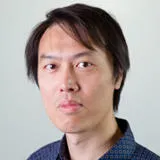
Dr. Hak-Keung Lam is a Reader in the Department of Engineering at King's College London, part of the Faculty of Natural, Mathematical & Engineering Sciences. He holds an IEEE Fellowship and has been a Clarivate Web of Science Highly Cited Researcher since 2018. His research focuses on fuzzy control systems, neural networks, stability analysis, and their applications in biomedical and engineering domains. Education: Dr. Eng. (2000), B. Eng. (1995), both from Hong Kong Polytechnic University. Research Interests: Fuzzy modeling, neural network-based control, computational intelligence, machine learning, and biomedical applications such as ECG/EEG signal classification. His work bridges theoretical advancements with practical implementations in robotics, autonomous systems, and healthcare technology. Publications: Over 480 publications (as of 2023) in top-tier journals and conferences, with a focus on control systems, fuzzy logic, and intelligent systems. Recent work includes fault-tolerant control, cyber-physical systems, and explainable AI. Awards: IEEE Fellow (2019), 1st Place in PhysioNet Computing in Cardiology Challenge (2022). Grants/Projects: Active projects include fuzzy control system stabilization, autonomous robots in healthcare environments, and networked control of robotic systems. Labs/Teams: Center for Robotics Research, contributing to solutions for societal challenges through robot-centric approaches.
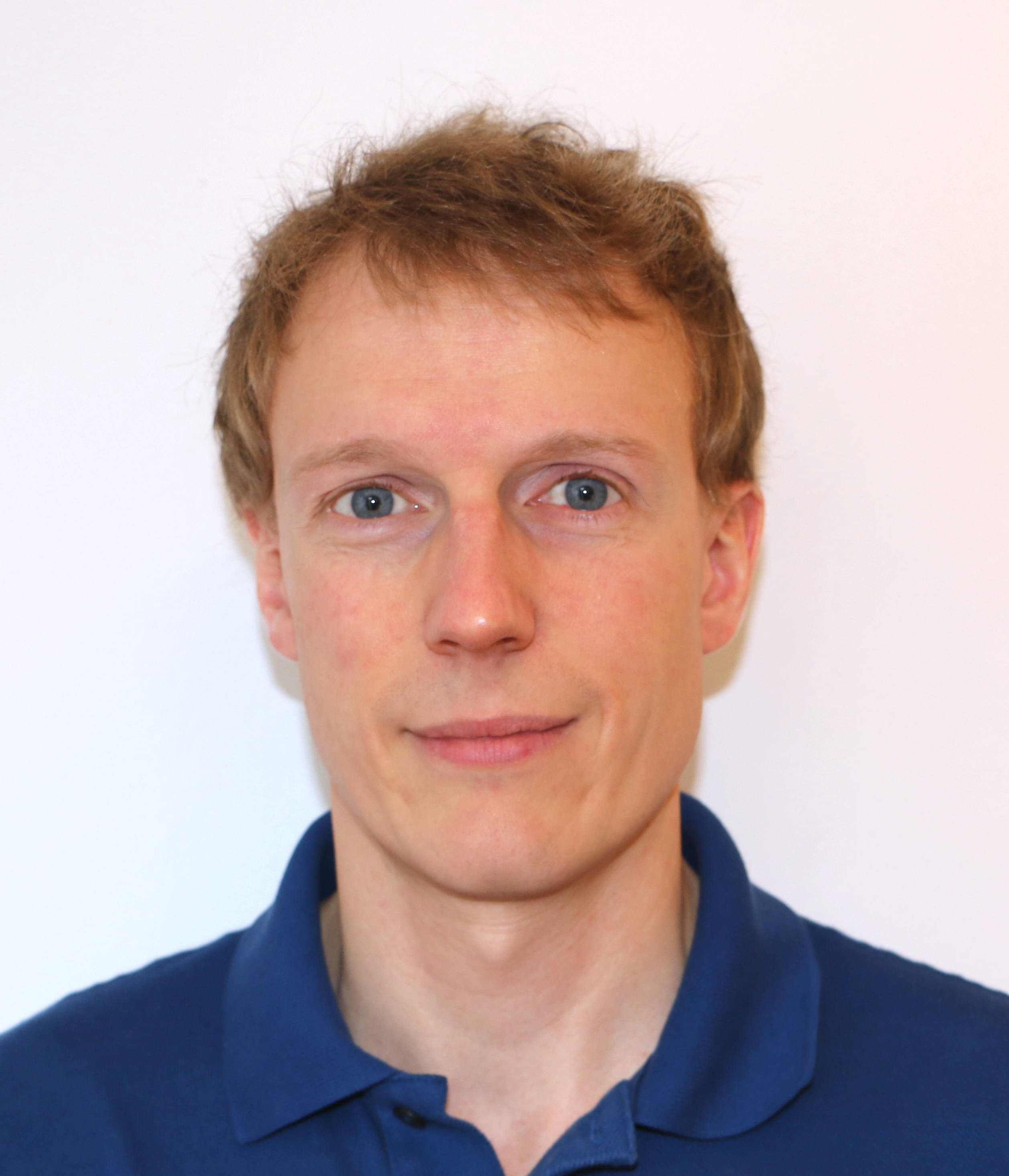
Dr. Andrea Bastoni is a Postdoctoral Researcher and Research Fellow at the Chair of Cyber-Physical Systems in Production Engineering at Technical University of Munich (TUM), Faculty of Mechanical Engineering. He is also the CTO and co-founder of Minerva Systems , developing operating system solutions for AI-ready embedded applications. His expertise spans real-time operating systems, cyber-physical systems, and predictable system design for heterogeneous platforms. His research focuses on enhancing predictability of memory hierarchies in complex SoCs through techniques like memory bandwidth regulation and cache partitioning. This work has industrial applications in safety-critical domains such as avionics and railways, where he contributes to certifiable hypervisors and operating systems. As former Software Architect of the PikeOS hypervisor at SYSGO GmbH (2012-2020), he specialized in DO-178C, IEC 61508, and EN 50128 standards. His academic background includes a Ph.D. in Computer Engineering from the University of Rome Tor Vergata (2007-2011), where he developed LITMUS^RT as part of UNC's Real-Time Systems Group during a visiting researcher period (2009-2010). His publications reflect ongoing work on Multicore Real-Time Scheduling , Mixed-Criticality Task Isolation, and Arm DynamIQ shared unit analysis. He actively participates in program committees for conferences like RTSS, DSN, and DATE.
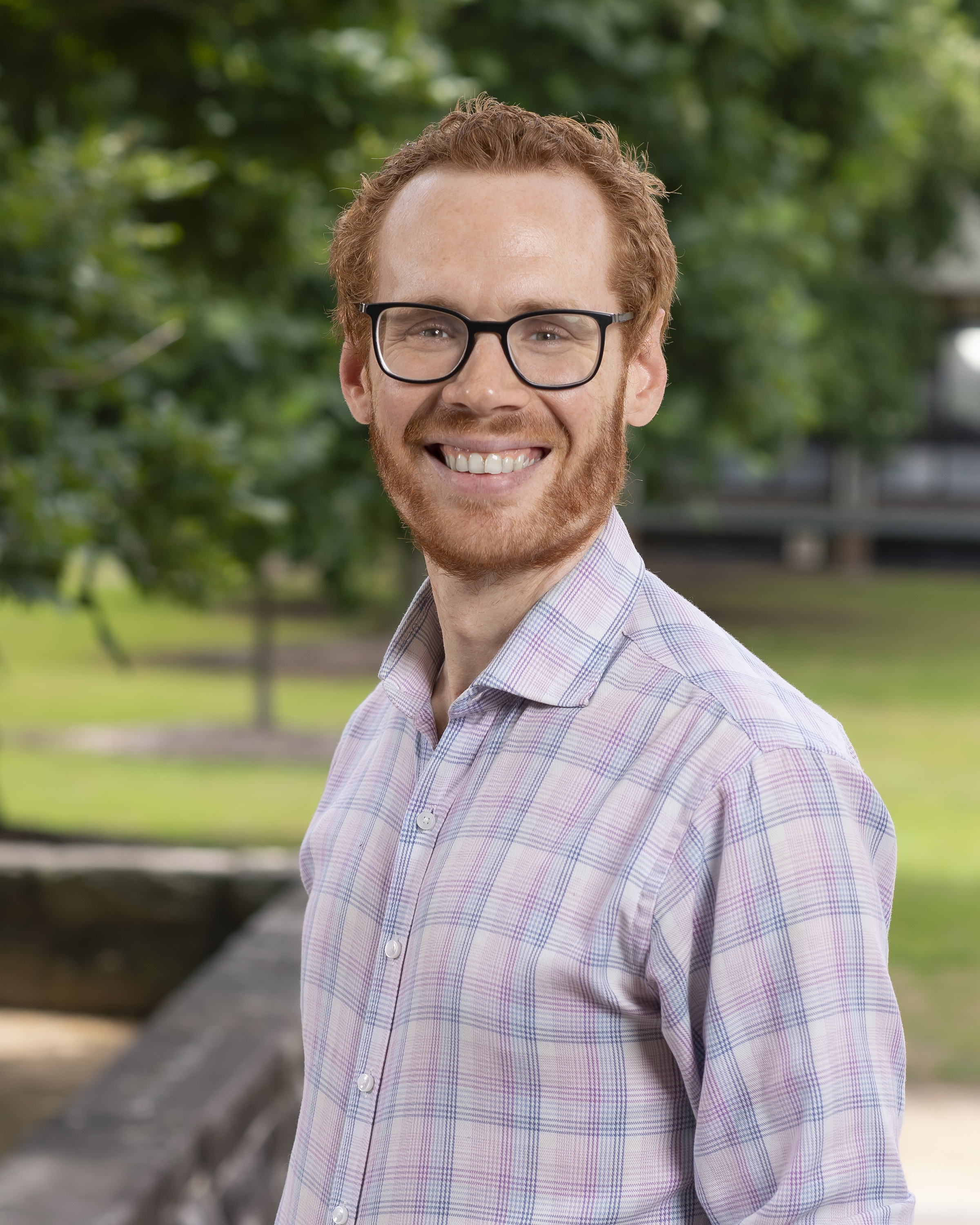
Jens Krause is a Professor and Head of Department at the Leibniz Institute of Freshwater Ecology and Inland Fisheries (IGB) in Berlin, leading the Research Group on Mechanisms and Functions of Group-Living. He holds a full professorship in Fish Ecology at Humboldt-Universität zu Berlin, Faculty of Life Sciences, Thaer-Institute, and since 2018 has been an Adjunct Professor at Technical University Berlin within the Excellence Cluster 'Science of Intelligence'. His research is centered on collective intelligence, social networks, decision-making, and behavioural ecology in fish and other animals. Full Professor in Fish Ecology, Humboldt-Universität zu Berlin Adjunct Professor at Technical University Berlin (since 2018) Head of Department, IGB Berlin PhD, University of Cambridge Diploma, Free University Berlin His work integrates experimental biology, network analysis, and biomimetic robotics to understand how animals make collective decisions. His expertise spans animal behaviour, evolution, and ecological physiology, with a strong focus on group-living dynamics. Recent research explores group hunting, predator evasion, social foraging, and the impact of environmental stressors on collective behaviour. The analysis of his recent publications reveals a strong trend in understanding collective behaviour in fish, including escape waves, social foraging, group hunting in marlins and sailfish, and the use of robotic agents to study social integration. His interdisciplinary approach combines marine biology, physics, robotics, and data science to uncover the mechanisms behind collective intelligence in both animal and human systems. Editorial Board, Behavioral Ecology Editorial Board, Fish and Fisheries Executive Board, Excellence Cluster 'Science of Intelligence' Advisory Board, Bimini Biological Field Station Foundation He advises numerous PhD students and postdoctoral researchers, and leads major research projects, including 'Developing exploration behaviour' funded by the Excellence Cluster. His work has been supported by extensive collaborations across Europe and North America, and he frequently publishes in top-tier journals such as Nature , Science Advances , Proceedings of the Royal Society , and Current Biology . His lab employs cutting-edge methods including automated tracking, social network analysis, and interactive robotics to study animal groups. His research group, 'Mechanisms and Functions of Group-Living', is embedded within the Excellence Cluster 'Science of Intelligence', where they investigate collective cognition, social information use, and the role of individual differences in group performance. The team combines field studies with laboratory experiments and computational modelling to understand the evolution and function of collective behaviour across species.
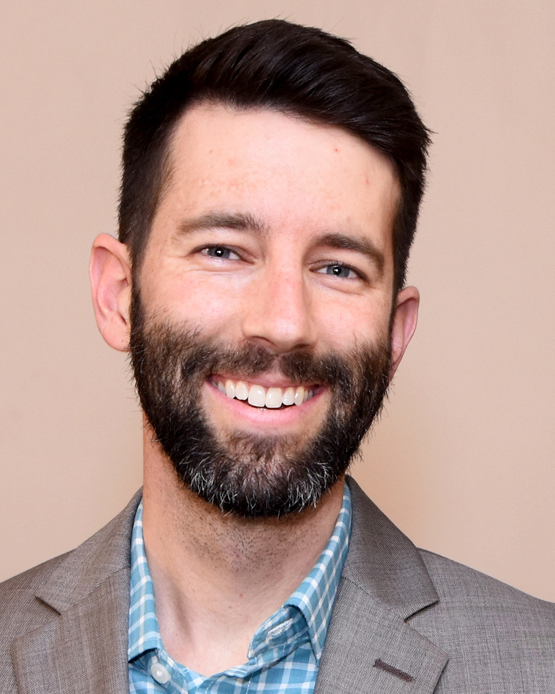
Peter A. Tass is a Professor of Neurosurgery at Stanford University's School of Medicine, where he leads the Tass Lab within the Department of Neurosurgery. His research focuses on developing groundbreaking neuromodulation techniques designed to impact the course of neurological diseases including Parkinson's disease, stroke, epilepsy, and tinnitus. The Tass Lab is part of several prestigious Stanford initiatives including Bio-X, the Wu Tsai Human Performance Alliance, the Maternal & Child Health Research Institute (MCHRI), and the Wu Tsai Neurosciences Institute. MD from Universities of Ulm and Heidelberg, Germany (1989) PhD in Physics from University of Stuttgart, Germany (1993) Diploma (master's degree) in Mathematics from University of Stuttgart, Germany (1993) Habilitation thesis in Physiology from RWTH Aachen University, Aachen, Germany (2001) Dr. Tass's primary research interests center around computational neuroscience approaches to understanding and treating neurological disorders. His lab pioneers neuromodulation techniques based on thorough computational modeling that employs dynamic self-organization, plasticity, and other neuromodulation principles to produce sustained therapeutic effects after stimulation. He specifically focuses on developing stimulation methods that cause sustained neural desynchronization by unlearning abnormal synaptic interactions. His work spans both invasive techniques like deep brain stimulation and non-invasive approaches such as vibrotactile and acoustic stimulation. Current projects involve developing novel therapies for Parkinson's disease, epilepsy, tinnitus, and other neurological conditions using comprehensive computational neuroscience methods derived from non-linear dynamics, statistical physics, and numerics. Analysis of Dr. Tass's recent publications reveals a strong focus on coordinated reset stimulation techniques, neural network modeling with plasticity mechanisms, and computational approaches to brain stimulation. His work consistently bridges theoretical computational neuroscience with clinical applications, particularly for Parkinson's disease treatment. A significant portion of his recent research examines how stimulation parameters, sequences, and timing affect long-lasting desynchronization effects in neural networks. His publications demonstrate an interdisciplinary approach combining physics, mathematics, neuroscience, and clinical medicine to develop novel therapeutic interventions. Member of the European Academy of Sciences and Arts (2012) Nicolaus August Otto Innovation Prize (2011) German Innovation Award in Medicine (2011) Rapid Response Innovation Awards from The Michael J. Fox Foundation (2009, 2010) Runner-up for the German future prize (2006) Erwin Schrödinger prize (2005) Fritz Winter prize (2000) Dr. Tass actively mentors a diverse team of researchers including staff scientists, postdoctoral fellows, clinician-scientists, and students. His lab currently includes researchers with backgrounds in physics, computational neuroscience, biomedical engineering, and clinical neurology. The lab is involved in multiple clinical trials, including studies on coordinated reset spinal cord stimulation and vibrotactile coordinated reset stimulation for Parkinson's disease. His research is supported by various funding sources including foundations focused on neurological disorders and innovation in medical technology. Dr. Tass collaborates extensively with both internal Stanford researchers and external collaborators worldwide. The Tass Lab at Stanford is a multidisciplinary research group comprising physicists, neuroscientists, engineers, and clinicians working together to develop novel neuromodulation therapies. The lab team includes staff scientists like Justus Kromer (theoretical physicist), postdocs like Daniel Ehrens and Kanishk Chauhan, clinician-scientists like Tina Munjal, and clinical research coordinators. The lab maintains active collaborations with Stanford colleagues across departments including Kwabena Boahen, Vivek P. Buch, and Jaimie Henderson, as well as external collaborators like Alexander Neiman and Kęstutis Pyragas. Current research directions include developing non-invasive vibrotactile treatments for Parkinson's disease, acoustic coordinated reset therapy for tinnitus, and responsive deep brain stimulation for conditions like loss-of-control eating.
Dr. Michael Stevens is a Senior Lecturer at University of New South Wales (UNSW) Canberra , where he focuses on advanced manufacturing and biomedical device control systems . His work bridges digital manufacturing for SMEs with smart artificial heart technologies , emphasizing industry collaboration and translational research. Specializes in physiological control systems for rotary blood pumps Develops unobtrusive fall detection systems for dementia patients Leads international projects on total artificial heart development Education : B.Eng (Medical - First Class Honours), Queensland University of Technology (2010) PhD in Physiological Control for Biventricular Assist Devices, University of Queensland (2014) Research Trends show consistent focus on: Machine learning for biomedical diagnostics (2018–2025) mmWave radar and thermal sensors in patient monitoring (2021–2024) Computational fluid dynamics in artificial heart modeling (2016–2024) Physiological control algorithms for rotary blood pumps (2011–2025) Scientific Awards : UNSW Scientia Education Award (2021) for contextual teaching Heart Foundation Runner-up for "Smart Artificial Hearts" pitch (2021) ARC PGC Supervisor Award (2017) for mentoring Grants & Supervision : Holds over $6 million in competitive funding including MRFF and ARC grants. Currently supervises 4 PhD students while maintaining industry partnerships with VitalCare and BiVACOR. Labs & Facilities : Works across UNSW Engineering labs and Graduate School of Biomedical Engineering platforms, including mock circulation loops and high-performance computing clusters for CFD simulations.
Chris Bryan is an Assistant Professor in the School of Computing and Augmented Intelligence (SCAI) at Arizona State University (ASU), part of the Ira A. Fulton Schools of Engineering. He leads the Sonoran Visualization Laboratory (SVL @ ASU), focusing on data visualization, human-computer interaction, and advanced interfaces for data science. His research includes explainable AI, augmented/virtual reality, and privacy-preserving visualization techniques. Educations: Ph.D. Computer Science, University of California, Davis (2018) B.S. Computer Science, University of Arkansas (2008) Research Interests: Bryan’s work spans data visualization, human-computer interaction, explainable AI, and immersive visualization. He develops tools for collaborative analysis, privacy-aware systems, and visual analytics for complex data. Current projects involve VR/AR interfaces, bias reduction in NLP tasks, and educational visualization tools. Recent Achievements: Recipient of the 2024 and 2023 Top Five Percent Faculty Award at ASU’s Ira A. Fulton Schools of Engineering. NSF grants for privacy-preserving visualization (SaTC #2224066) and visualization education (IUSE #2216452). Multiple publications in top venues like IEEE VIS, CHI, and EuroVis, including work on differential privacy, mind wandering in visualization, and LLM prompt exploration. Advising & Grants: Advises Ph.D., MS, and undergraduate students on visualization and HCI research. Collaborates with institutions like Los Alamos National Laboratory, Phoenix Children’s Hospital, and Nankai University. Lab focuses on mentoring and preparing students for academic and industry roles in visualization and AI. Labs & Teams: Leads the SVL @ ASU, which uses advanced hardware (HTC Vive, HoloLens 2) and tools like D3.js, React, and LaTeX. The lab emphasizes interdisciplinary projects with domain experts in medicine, engineering, and security.
Timothee Lionnet is an Associate Professor in the Department of Cell Biology at NYU Grossman School of Medicine. He holds a PhD from the University of Paris and completed postdoctoral training at Albert Einstein College of Medicine in Robert H Singer's lab. His research focuses on understanding how cells regulate gene expression through single-molecule imaging, bridging molecular-scale observations with cellular and tissue-level processes. Education: PhD in Paris, Postdoc at Einstein College of Medicine His work integrates live-cell imaging technologies, computational modeling, and systems genetics to investigate transcriptional dynamics, epigenetic regulation, and cellular responses to environmental cues. The Lionnet Lab develops novel tools to visualize gene activity in real time, aiming to uncover principles of robust gene expression programs and their role in diseases like cancer and viral reactivation. Recent research highlights include studies on chromatin landscape evolution in acute lymphoblastic leukemia, transcriptional stochasticity, and therapeutic resistance mechanisms in cancer cells. The lab collaborates on projects involving zinc finger design for genome editing and systems-level analysis of melanoma genetics. Lab activities emphasize interdisciplinary approaches, combining quantitative biology with clinical insights to advance regenerative medicine and cancer therapy strategies.
Thorsten Schumm - Academic Overview Thorsten Schumm is an Associate Professor at Vienna University of Technology (TU Wien), leading the Quantum Metrology research group within the Atomic Institute. He is a key member of the Erwin Schrödinger Center for Quantum Science & Technology (ESQ) and the Vienna Center for Quantum Science and Technology (VCQ). His research focuses on developing novel quantum measurement techniques, particularly nuclear clocks using thorium-229 isotopes and matter-wave interferometry with collective many-body states. Key Affiliations & Roles Associate Professor, TU Wien (since 201X) ERC Synergy Grant recipient (2019) for the 'Thorium Nuclear Clock' project Principal Investigator for EU-funded MoSaiQC network (2019) and AQUclock project (2022) Research Interests His work bridges quantum metrology with nuclear physics , precision spectroscopy , and many-body quantum systems . He pioneers the development of nuclear clocks—next-generation timekeeping devices using nuclear transitions instead of electronic transitions for unprecedented accuracy. Recent breakthroughs include direct measurement of the thorium-229 isomer energy and advances in laser-driven nuclear excitation techniques. Notable Achievements 2019 ERC Synergy Grant: Enabled global collaboration toward the world's most precise atomic clock 2022 AQUclock project: TU Wien collaboration with Austrian authorities to build state-of-the-art atomic infrastructure 2019: First experimental determination of thorium-229 isomer energy published in Nature Academic Leadership He has mentored 5 PhD students and hosted 5 postdoctoral researchers. His group actively participates in the Vienna Graduate Program on Complex Quantum Systems (COQUS), training the next generation of quantum scientists.
Rachid Guerraoui is a Full Professor at the École polytechnique fédérale de Lausanne (EPFL) where he leads the Distributed Computing Laboratory (DCL) within the School of Computer and Communication Sciences. He holds appointments in multiple departments including IC-SSC and IC-SIN for teaching, and serves on the IC Academic Evaluation Committee. A Moroccan/Swiss/French researcher, Guerraoui has previously been affiliated with Commissariat à l'Energie Atomique in Saclay, Hewlett-Packard Labs in Palo Alto, the Massachusetts Institute of Technology in Boston, and Collège de France in Paris. Guerraoui's research focuses on distributed and concurrent computing across various scales, from multiprocessors to wide-area networks. His work spans Byzantine fault tolerance, distributed machine learning, blockchain technologies, transactional memory, and consensus algorithms. His recent publications reveal a strong emphasis on Byzantine-resistant machine learning, decentralized learning systems, and the theoretical foundations of distributed consensus. The research demonstrates significant contributions to making distributed systems more robust, efficient, and secure against adversarial conditions. Guerraoui has received numerous prestigious awards including ACM Fellow (2012), Professor at College de France (2018), Nygaard-Dahl Award (2024), and Barroso Award (2025). His work has earned multiple best paper awards at top conferences including DISC, ICDCS, IPDPS, and ACM Middleware. He serves as Associate Editor of the Journal of the ACM (2010-2025) and has chaired program committees for major conferences such as PODC, DISC, and Middleware. As an educator, Guerraoui supervises numerous doctoral students and has mentored many successful researchers who now work at leading institutions and companies including Meta, Oracle Labs, Chainlink Labs, and Protocol Labs. He teaches courses on Distributed Algorithms and Concurrent Algorithms at EPFL, emphasizing both theoretical foundations and practical implementations. His educational initiatives include Wandida, a library of scientific e-synopses, and Zettabytes, projects aimed at making computer science accessible to broader audiences.
Mauro Maggioni is a Professor in the Departments of Mathematics and Applied Mathematics and Statistics at Johns Hopkins University. His research focuses on the mathematical foundations of Data Science, with applications in molecular dynamics, hyperspectral imaging, and reinforcement learning. He employs techniques from Harmonic Analysis, Approximation Theory, and Probability to develop scalable algorithms, particularly multiscale methods for analyzing high-dimensional data. Maggioni’s work bridges theoretical mathematics and practical applications, including cardiac electrophysiology modeling, unsupervised segmentation of hyperspectral images, and reduced-order modeling of complex systems. Education: B.S. in Mathematics from Università degli Studi in Milan, Italy; Ph.D. in Mathematics from Washington University in St. Louis. He held a Gibbs Assistant Professorship at Yale before moving to Duke University and later becoming a Bloomberg Distinguished Professor at JHU. Research Interests: Mathematical foundations of Data Science, Machine Learning, Partial Differential Equations, and their applications in physical and biological systems. Notable contributions include diffusion wavelets, interaction kernel learning, and multiscale geometric analysis of molecular dynamics data. Scientific Awards: Popov Prize in Approximation Theory (2007), NSF CAREER Award and Sloan Fellowship (2008), Fellow of the American Mathematical Society (2013), Simons Fellowship (2020). Advising & Grants: Maggioni mentors postdocs and students in areas like stochastic systems and signal processing. His group’s work is supported by Simons Foundation grants, NSF funding, and collaborations with institutions like MINDS and CIS at JHU. Labs/Teams: Leads a research group focused on data-driven discovery in mathematics and applied sciences, emphasizing interdisciplinary collaboration across computational methods, statistics, and domain-specific applications.
Dr. Steve Renette is an Assistant Professor in Mesopotamian Archaeology at the University of Cambridge's Department of Archaeology. His research focuses on material culture, art and iconography, and the interplay between Mesopotamian and Zagros societies during the Chalcolithic and Early Bronze Age (c. 6000–2000 BCE). University of Cambridge, Department of Archaeology Research Interests: Specializing in environmental archaeology, geoarchaeology, and landscape studies, Dr. Renette investigates cultural evolution and field methods across Mesopotamia and the Near East. His work emphasizes local community practices in adopting external influences and reconstructs historical geography. Publications: His recent articles analyze Kani Shaie's 2024 Early Bronze Age excavations, seal impression analysis, and regional ceramic chronologies. His studies span from prehistoric land use (2019) to Hellenistic-Parthian occupations (2024), with a focus on stratigraphic continuity and cross-border interactions. Professional Activities: Involved in the Kani Shaie Archaeological Project (2012–2016) and the Mahidasht Survey Project, Dr. Renette contributes to cultural heritage preservation and regional absolute chronology development.
Mikael Johansson is a Professor at Kungliga Tekniska Högskolan (KTH), specializing in Control Technology . He teaches and coordinates courses such as Distributed Optimization (FEL3311) and various advanced-level degree projects in computer science, electrical engineering, and systems engineering. His research spans Control Systems , Machine Learning , and Optimization , with a focus on asynchronous algorithms, federated learning, and applications in energy systems and construction. His work includes 15 recent publications on topics like neural networks, distributed optimization, and battery technology. Notable areas of contribution are in asynchronous learning, federated learning with privacy constraints, and quasi-Newton methods for optimization. His research bridges theoretical advancements with practical applications in urban design, healthcare, and autonomous systems.
Mengsen Zhang is an Assistant Professor at Michigan State University (MSU) in the Department of Computational Mathematics, Science and Engineering and the Neuroscience Program. She bridges complex systems science, neuroscience, computational mathematics, and topological data analysis (TDA) to study brain dynamics and coordination mechanisms across scales. Education: B.S. in Psychology and Pharmaceutical Sciences (Peking University); M.S. in Criminology (University of Pennsylvania); Ph.D. in Complex Systems and Brain Sciences (Florida Atlantic University, with Drs. Emmanuelle Tognoli and J. A. Scott Kelso). Postdoctoral Training: Stanford University (with Dr. Manish Saggar) and University of North Carolina at Chapel Hill (with Dr. Flavio Frohlich). Her research focuses on the intersection of topological data analysis and dynamical systems, particularly in understanding brain oscillations, neural networks, and social coordination dynamics. She explores how third-party interventions can stabilize or disrupt coordination in biological and social systems, using both empirical and theoretical approaches. Her recent publications (2022–2025) highlight applications of transcranial alternating current stimulation (tACS) in psychiatric disorders, metastability in brain dynamics, and novel computational methods for analyzing neural and behavioral data. These works span neuroscience, psychiatry, and computational modeling. She teaches courses such as CMSE 381: Fundamentals of Data Science Methods (MSU) and STT 381: Fundamentals of Data Science Methods, integrating computational tools into academic training.
Naranker Dulay is a Professor in the Department of Computing at Imperial College London, part of the Faculty of Engineering. He holds affiliations with the Centre for Cryptocurrency Research and Engineering, Centre for Smart Connected Futures, and the Distributed Software Engineering group. His research focuses on Distributed Computing, Applied Economics, Policy and Administration Law, Computer Software, and Information Systems. His work explores blockchain technologies, smart contracts, consensus algorithms, and distributed systems. Recent research includes optimizing post-trade processing using distributed ledgers and developing adaptive protocols for dispute resolution in smart contracts. He is also involved in cybersecurity and privacy-preserving technologies for data management. Key contributions include frameworks like Chainlog for logic-based smart contracts and FADE for self-destructing data. His articles span over a decade, emphasizing blockchain scalability, energy-efficient neural networks, and decentralized macro-programming in wireless sensor networks. Dr. Dulay collaborates across interdisciplinary domains, blending technical innovation with socio-technical challenges. His affiliations reflect a commitment to advancing smart connected futures through cutting-edge research.
Geoffrey Nelissen is an Assistant Professor in the Department of Mathematics and Computer Science at Eindhoven University of Technology. He holds additional roles as a Research Scientist and Investigador Auxiliar at INESC TEC (Portugal), contributing to interdisciplinary research in real-time systems. His work focuses on schedulability analysis, parallel task execution, and real-time communication protocols, with applications in embedded systems and multicore architectures. Research Interests: Real-Time Scheduling Response Time Analysis Multi-core and Parallel Systems Time-Sensitive Networking (TSN) Formal Verification Recent work emphasizes schedule abstraction frameworks, memory contention analysis, and deterministic communication protocols. His research has received recognition through multiple best paper awards including ICESS 2021 and RTAS 2022. He actively contributes to conferences like RTSS and ECRTS while teaching courses on Real-Time Systems and Operating Systems. Collaborations span European institutions with focus on embedded systems, autonomous driving, and safety-critical applications. Current projects explore holistic approaches to WCRT analysis and resilient real-time communication architectures.