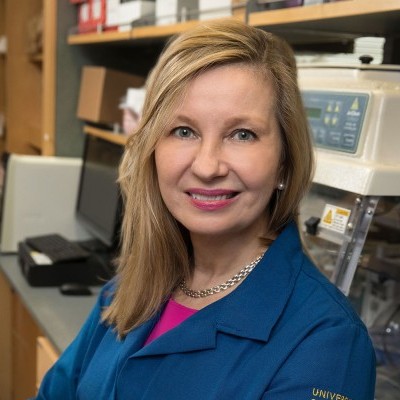
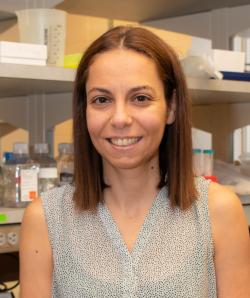
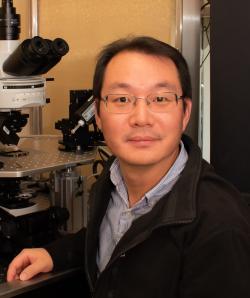
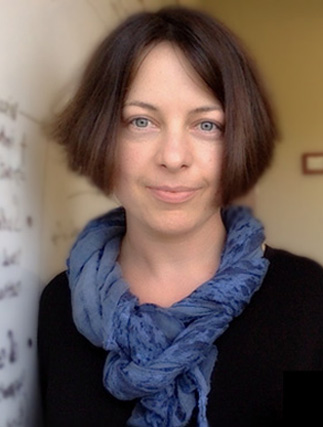
Professor Anne Andrews holds joint appointments in Chemistry & Biochemistry and Psychiatry & Biobehavioral Sciences at UCLA. She leads research in neurochemical sensing, developing implantable biosensors for real-time neurotransmitter monitoring. Her innovations include aptamer-based field-effect transistors for serotonin/dopamine detection and wearable cortisol trackers. Her laboratory advances flexible electronics for neurological applications, combining nanotechnology with machine learning to optimize neurochemical detection. Recent work establishes serotonin's role in stress response circuitry and examines pharmacological interventions during pregnancy. Honors include NSF's PECASE Award and fellowships in biomedical engineering. She currently advises six doctoral candidates and maintains NIH-funded projects on molecular sensing platforms and neuropharmacology.
Associate Professor Markus Hofer is a researcher at the University of Sydney with over 15 years of experience in clinical neuropathology. His primary affiliations include the School of Life and Environmental Sciences within the Faculty of Science, with additional memberships at The Centre for Drug Discovery Innovation, the Brain and Mind Centre, and the Charles Perkins Centre. Research focuses on neuroinflammation mechanisms in neurological diseases, immunobiology, and interferon-mediated pathologies. Key themes include brain-immune system interactions, cytokine signaling, and therapeutic interventions for cerebral interferonopathies. Publication analysis reveals dominant themes in neuroimmunology (70%), viral pathogenesis (20%), and neurodevelopmental disorders (10%), with emerging work on therapeutic oligonucleotides and microvascular pathology. Selected Grants: Defining microglia roles in autism spectrum disorder models (2023) Aicardi-Goutieres syndrome vascular research (2022) The Hofer Lab combines neuropathology techniques with molecular immunology to investigate neuroinflammatory processes and mentor graduate researchers.
Professor David I Hughes is a Professor of Neuroanatomy at the School of Psychology and Neuroscience, University of Glasgow. His research focuses on spinal dorsal horn neurocircuitry, particularly mechanisms underlying pain perception and chronic pain states. Collaborations include Dr Brett Graham (University of Newcastle, Australia) and international partners such as Prof Robert Callister (Australia) and Prof Masahiko Watanabe (Japan). His work combines anatomical and electrophysiological approaches to identify cell populations influencing touch and pain sensation. Funding sources include BBSRC, NHMRC (Australia), and NC3Rs. Notable research areas include spinal interneuron function, synaptic connectivity, and developing treatments for neuropathic pain. Key findings involve calretinin and parvalbumin-expressing neurons' roles in tactile allodynia and mechanical hyperalgesia. Teaching roles include coordinating undergraduate anatomy programs and leading advanced courses on neuroanatomy and bioimaging. He supervises BSc, MSc, and PhD students, mentoring over 10 researchers annually. Professional activities include editorial roles at Frontiers in Neural Circuits and international conference presentations. Laboratory activities are centered at the Spinal Cord Group, with lab details at davehugheslab.org . Recent grants (2023–2025) explore spinal modulation of nociceptor input and osteoarthritis pain mechanisms.
Dr. Hazem Toutounji is a Lecturer in Psychology at the University of Sheffield's School of Psychology. His research focuses on computational neuroscience, reinforcement learning, and avoidance behavior, with a particular interest in how these processes underpin cognitive flexibility and psychiatric disorders. He leads the Neural Dynamics and Computation Lab and collaborates with institutions such as the University of Nottingham. Education: Dr. rer. nat. in Cognitive Science M.Sc. in Computational Science B.Sc. in Electronic Engineering His research interests include modeling avoidance behavior using reinforcement learning frameworks, abstract rule learning, and species-conserved neural mechanisms. He integrates computational models with experimental data to explore how neural dynamics support adaptive cognition. Recent work examines the computational underpinnings of avoidance in humans and its implications for anxiety disorders. Dr. Toutounji supervises PhD students in projects such as 'Modelling avoidance using reinforcement learning,' which explores avoidance behavior across health and disease. He is affiliated with the Neuroscience Institute and contributes to interdisciplinary initiatives in cognitive neuroscience. His collaborative approach spans experimental psychology, computational modeling, and clinical applications.
Dr. Martin K. Schwarz is a Research Professor and Principal Investigator (PI) at the Institute for Experimental Epileptology and Cognition Research, University of Bonn. His research focuses on structural and functional characterization of neuronal networks in the mammalian brain, particularly in the context of epilepsy and olfactory-driven behaviors. He holds a PhD from the Max-Planck Institute and has held academic positions since 1998, including leadership in the Viral Vector Core Facility and editorial roles in prominent journals. Education: 1989–1995: Diploma/Mag. Rer. Nat., University of Vienna and Institute of Molecular Pathology (IMP), Austria 1995–1998: Doctoral thesis (Dr. Rer. Nat.), Max-Planck Institute for Biophysical Chemistry, Germany Research Interests: His group develops novel techniques like recombinant rabies virus tools and light-sheet microscopy to map neuronal circuits. Key areas include synaptic architecture, optogenetic modulation, and behavioral paradigms linked to epilepsy and olfaction. They also investigate circuit alterations in epilepsy and functional specializations of neuroglia. Awards: 1999 OTTO-HAHN-MEDAILLE (Max-Planck Society) 2000–2002 EMBO Long-term Fellowship Grants & Leadership: Notable grants include NIH R01 (2016) and DFG Priority programs (2016–2017). He co-leads the Viral Vector Core Facility and serves on microscopy and nanobody steering committees. His lab collaborates with the Bonn Technology Campus for advanced resources like transgenic mice and viral vectors. Lab & Teams: The Schwarz Group (Functional Neuroconnectomics) includes PhD students (e.g., Joyce Jayakumar), MSc students (Sharon Innocent Gnanasekar), and postdocs. They utilize cutting-edge facilities for 3D circuit analysis, behavioral experiments, and optogenetic tools.
Dr. Lino Teichmann is a Researcher at the University of Bonn's University Hospital, leading a research group focused on innate immunity and immune signaling in autoimmune diseases and cancer. His team studies mechanisms of innate immune sensor activation in chronic diseases like systemic lupus erythematosus and myeloproliferative neoplasms. Research integrates computational and experimental approaches to understand how myeloid cells contribute to inflammation and tissue damage. Current projects examine monocyte and neutrophil contributions to organ inflammation in lupus models and immune evasion mechanisms in lung tumors using CRISPR/Cas9 technology.
Michael Wenzel is Professor at the University of Bonn's Department of Epileptology and Principal Investigator at the Institute for Experimental Epileptology and Cognition Research. As a Hertie Network of Excellence scholar, he leads translational neuroscience research bridging clinical epileptology and systems neurobiology. His lab investigates fundamental mechanisms of seizure formation and propagation using cellular-resolution in vivo two-photon imaging, field electrophysiology, and nanopipette technology in chronic epilepsy models. Research combines murine and human studies to identify shared circuit elements in epileptic networks. Collaborative work spans medicinal chemistry (photopharmacology) and biomedical engineering (implantable neurodevices). Publications demonstrate expertise in seizure microprogression mapping, neural ensemble dynamics, and advanced neuroimaging methodologies. Recent work emphasizes multi-scale recording techniques, anesthesia effects on synaptic architecture, and minimally invasive electrophysiology.
Dr. Ullrich Bartsch is a Lecturer in Sleep and Neurodegeneration at the University of Surrey's School of Biosciences, affiliated with the Surrey Sleep Research Centre. He holds a Dipl.Biochem. from Ruhr-Universität Bochum and a PhD from the University of Plymouth. His research focuses on sleep neurophysiology, neurodegeneration, and psychiatric disorders, particularly using electrophysiological techniques like polysomnography and EEG to study sleep dynamics in healthy and patient populations. He explores interventions such as electrical brain stimulation to modulate sleep-related brain activity. As a Surrey AI Fellow, he integrates machine learning and wearable devices for sleep monitoring in conditions like dementia. Dr. Bartsch contributes to teaching modules including Neuroscience (BMS2048), Integration of Physiological Systems (BMS2038), and Cellular and Molecular Pathology (BMSM028). His research interests emphasize electrophysiological signatures of sleep in neuropsychiatric disorders, leveraging advanced analytical approaches to link sleep patterns to symptom dimensions. Recent work includes phase-locked auditory stimulation during REM sleep and closed-loop interventions targeting alpha/theta oscillations. He also investigates applications of L-DOPA in enhancing slow-wave sleep for Alzheimer's prevention. Collaborations include the Sleep and Circadian Group at the Dementia Research Institute and the Institute for People-Centred AI. Dr. Bartsch's grants include a £1.7m award for improving sleep in dementia patients. His work spans neurodevelopmental models (e.g., schizophrenia, 22q11.2 deletion syndrome) and translational studies (e.g., Batten disease in sheep). He advocates for non-invasive sleep monitoring technologies to address aging-related cognitive decline and neuroinflammatory conditions like atopic dermatitis.
Heather Broihier is a Professor in the Department of Neurosciences at the School of Medicine, Case Western Reserve University. She serves as Director of the Neurosciences PhD Program and Deputy Director of the Medical Scientist Training Program. Her research focuses on understanding how neural circuits form and remodel during development, with particular emphasis on synaptic organization and critical period plasticity using Drosophila and mammalian models. Key areas of study include neuron-glia interactions, innate immune signaling in circuit refinement, and the molecular mechanisms underlying neurodevelopmental disorders like autism-spectrum disorders. Her work combines CRISPR-based genome engineering, high-resolution imaging, and behavioral assays to explore topics such as α2δ proteins’ roles in synaptogenesis, Crimpy’s dual functions in TGFβ and IGF signaling, and the role of FoxO in neuronal plasticity. The Broihier Lab investigates how disruptions in these processes lead to neurological diseases, contributing to translational research in neurodevelopmental and neurodegenerative conditions. Recent publications highlight discoveries in glial-mediated synaptic pruning during critical periods, autocrine BMP signaling in synapse organization, and the interplay between immune signaling and developmental plasticity. Her research has been published in high-impact journals including Developmental Cell, Nature Communications, and PLOS Genetics. Broihier’s contributions to academic leadership include shaping interdisciplinary training programs and mentoring students through the Neurosciences PhD Program. Her lab collaborates extensively, working with institutions like the Tabuchi and Philippidou labs on projects involving circadian behavior and mammalian motor neuron development.
Polyxeni (Pola) Philippidou, PhD is an Associate Professor in the Department of Neurosciences at Case Western Reserve University's School of Medicine. She holds the Weidenthal Family Designated Professorship in Career Development and directs the Neurosciences PhD Program. Her research focuses on molecular mechanisms governing neural circuit assembly, particularly respiratory motor neuron development and Hox gene functions. Education: PhD in Neurobiology & Behavior from Stony Brook University (2009), Postdoctoral Fellowship at New York University Medical Center (2015). Research Interests: Investigates how Hox5 genes regulate phrenic motor neuron identity, synaptic specificity in respiratory circuits, and environmental influences on circuit formation. Combines molecular genetics, viral tracing, electrophysiology, and physiological assays to study neuronal identity and connectivity. Lab Activities: Actively recruiting graduate students and researchers. Current projects explore transcriptional control of respiratory circuits, environmental signal integration with genetic programs, and therapeutic potential for respiratory disorders like ALS and Rett Syndrome. Labs/Teams: Leads the Philippidou Lab at CWRU, focusing on neural circuit assembly and respiratory dysfunction mechanisms.
Qian Sun, PhD, is an Assistant Professor in the Department of Neurosciences at Case Western Reserve University School of Medicine. Her lab focuses on understanding the hippocampal circuit’s role in memory formation and its implications for neuropsychiatric disorders such as PTSD, schizophrenia, and Alzheimer’s disease. Using electrophysiology, optogenetics, and mouse behavior models, her research explores cellular and circuit mechanisms underlying hippocampal information processing. Education: PhD in Neuroscience, Brandeis University (2011) Lab Website: www.qiansunlab.org Research Interests: Long-term goals include elucidating CA3 circuit mechanisms in memory storage and pattern completion, and identifying strategies to address hippocampus-related behavioral deficits. Current studies emphasize CA3’s understudied role in memory processing and its dysfunction in neuropsychiatric disorders. Publications highlight her work on hippocampal synaptic dynamics, CA3 pyramidal neuron properties, and serotonin’s role in memory formation. Recruitment for postdocs, graduate students, and technicians is ongoing.
Professor Kevin Fox leads research in synaptic plasticity at Cardiff University's School of Biosciences. His laboratory investigates mechanisms controlling synaptic plasticity in the cerebral cortex, focusing on tactile information processing, neuronal activity modification through experience, and cortical circuit formation. Research employs advanced microscopy to visualize synaptic changes during learning and sensory discrimination. Current projects examine sensory processing modification, experience-dependent synaptic reorganization, and neural rehabilitation approaches. The laboratory studies molecular mechanisms underlying plasticity including NMDA receptors, CaMKII, AMPA receptors, and nitric oxide synthase, with recent emphasis on neuronal circuits controlling memory formation. Recent publications focus on cortical plasticity mechanisms, sensory discrimination learning, and astrocyte-neuron signaling interactions. The research program integrates molecular, cellular, and systems neuroscience approaches to understand learning and memory.
Erdem Varol is an Assistant Professor at the Department of Computer Science & Engineering, Tandon School of Engineering, NYU. He leads the Neuroinformatics Lab, focusing on computational tools for neuroscience data analysis, and is part of the Visualization, Imaging and Data Analysis (VIDA) Center. Previously, he was a postdoc at Columbia University's Zuckerman Institute and earned his Ph.D. in Electrical & Systems Engineering from the University of Pennsylvania, alongside an A.M. in Statistics from Wharton. His research integrates computer science, neuroscience, and genomics to model neural connectivity via genetic signatures. Notable contributions include ConnectionMiner, a tool linking gene expression and connectome data in fruit fly motor systems. Varol's work bridges transcriptomics and connectomics, addressing how neurons establish functional circuits during development. Education: Ph.D., Electrical & Systems Engineering, University of Pennsylvania A.M., Statistics, Wharton School, University of Pennsylvania Research interests span computational neuroscience, computer vision, and deep learning applications in understanding neural networks. His NIH/NIMH K99/R00 Award (2022) supports this work. Awards: NIH/NIMH K99/R00 Award (2022) Labs/Teams: Neuroinformatics Lab (NYU), VIDA Center Publications emphasize neuroanatomical subtyping, AI-driven neuroimaging analysis, and C. elegans molecular neuroscience. Ongoing projects aim to expand these methods to human and vertebrate systems, with implications for neurological disorder diagnosis and treatment.
Alexander Kozlov is a Researcher at KTH Royal Institute of Technology's Division of Computational Science and Technology. His work focuses on computational neuroscience, particularly modeling neural networks and locomotor control systems. He has contributed to understanding spinal cord networks, striatal connectivity, and neuromodulation mechanisms through in silico studies. Kozlov teaches courses in machine learning, artificial neural networks, and mathematical modeling of biological systems. His research integrates AI frameworks with biological data, emphasizing GPU-accelerated simulations and large-scale microcircuit analysis. Key contributions include studies on Parkinson's disease impact on neural connectivity and the role of sensory feedback in locomotion. He collaborates with the Science for Life Laboratory in Stockholm and maintains active roles in both peer-reviewed and conference publications. Education background and affiliations are not explicitly detailed in the provided text, but his extensive publication record reflects a deep engagement with interdisciplinary neuroscience and computational biology. Awards or grants are not listed here.
Olga Dudko is a Professor of Physics at the University of California, San Diego (UCSD), specializing in the intersection of physics and biology. Her research focuses on theoretical and computational biophysics, particularly the application of statistical mechanics to study biological systems. She holds a Ph.D. from the Institute for Low Temperature Physics and Engineering in Kharkiv, Ukraine (2001). Her work explores fundamental principles governing biological processes such as single-molecule mechanics, chromosome dynamics, and viral entry mechanisms. Affiliations: Department of Physics, UCSD; Director of the Dudko Lab. Education: Ph.D., Institute for Low Temperature Physics and Engineering, Kharkiv, Ukraine (2001). Her research interests include: single-molecule force spectroscopy, genomic interactions, and the statistical mechanics of biological systems. She has developed theoretical frameworks to interpret experiments involving mechanical manipulation of biomolecules, such as DNA and proteins, and investigates how cellular processes like viral entry are influenced by physical principles. In her recent work, she has explored the role of phase transitions in chromosome organization, synaptic transmission mechanisms, and overcoming kinetic barriers in biological fusion processes. Her lab employs methods like first-passage theory and stochastic modeling to predict experimental outcomes. Awards: NSF CAREER Award (2009) UCSD Hellman Faculty Fellowship (2009) National Institutes of Health Postdoctoral Fellowship (2003) Dr. Dudko has mentored multiple graduate students and postdoctoral researchers, including Yaojun Zhang, Bin Wang, and Christopher Pierse. She currently leads a research group at UCSD, focusing on advancing theoretical models for understanding complex biological systems. Her lab's work bridges disciplines, combining biophysics, statistical mechanics, and computational methods to address questions in molecular and cellular biology.