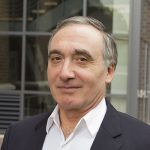
Pierre Baldi is a Distinguished Professor of Computer Science and Director of the Institute for Genomics and Bioinformatics at the University of California, Irvine (UCI). He is affiliated with the Donald Bren School of Information and Computer Sciences. His research spans artificial intelligence, machine learning, bioinformatics, and communication networks, with notable projects in protein structure prediction, gene expression modeling, and neutrino physics collaborations like DUNE. Baldi’s work bridges theoretical foundations (e.g., neural network theory) and applied domains, including medical imaging and fusion technology. Key research interests include AI-driven biomedical applications, neural network theory, and interdisciplinary projects such as the DUNE neutrino experiment. His contributions to neural network engineering were recognized with the 2023 INNS Dennis Gabor Award, highlighting his paradigm-changing impact on computational neuroscience and physics. Baldi’s academic leadership includes directing UCI’s Institute for Genomics and Bioinformatics, fostering collaborations in computational biology and AI. His recent work explores AI’s role in healthcare, climate modeling (e.g., ClimSim-Online), and fundamental physics challenges like neutrino oscillation studies.
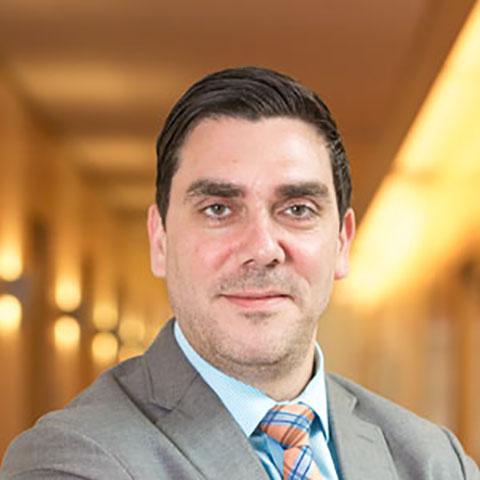
Gabriel A. Silva is a Professor in the Shu Chien-Gene Lay Department of Bioengineering at UC San Diego’s Jacobs School of Engineering, with a joint appointment as Assistant Professor in Ophthalmology. His research bridges neuroscience, theoretical physics, and applied mathematics to explore how the brain encodes and processes information, leveraging quantum logic and algorithms for advanced neural modeling. University: University of California, San Diego School: Jacobs School of Engineering Department: Shu Chien-Gene Lay Department of Bioengineering Academic Rank: Professor Joint Appointment: Assistant Professor in Ophthalmology Research Interests: Silva focuses on neural computation at cellular and network scales, aiming to abstract biological mechanisms into mathematical models that emulate brain-like processing. His work has implications for understanding neurological disorders, developing neural engineering nanotechnologies, and advancing AI systems through emergent complexity. Recent Article Trends: His publications span quantum-enhanced neural modeling, EEG-based disease detection, nonlinear dynamics in brain networks, and interdisciplinary applications of graph theory. Emerging themes include the integration of category theory for network analysis and AI optimization via emergence-promoting schemes. Labs & Teams: Affiliated with UC San Diego’s Institute of Engineering in Medicine, Silva leads research at the intersection of bioengineering, ophthalmology, and neural systems, fostering collaborations with neuroscience and quantum computing domains.
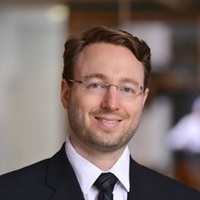
Dr. Philippe Campeau is an Associate Clinical Professor in the Department of Pediatrics at the Faculty of Medicine, Université de Montréal. He is affiliated with CHU Sainte-Justine, a major pediatric hospital in Montreal, Quebec, where he works in the Medical Genetics Service. His clinical and research work focuses on genetic disorders affecting children, particularly in the areas of skeletal development and neurogenetics. Dr. Campeau obtained his Doctorate in Medicine from Laval University in Quebec (1998-2003) followed by specialty training in medical genetics at McGill University (2003-2008). He completed postdoctoral training at Baylor College of Medicine (2008-2013), which further developed his expertise in genetic research methodologies. His primary research interests include bone dysplasias , skeletal dysplasias , epilepsy , and epigenetic diseases . Dr. Campeau's laboratory identifies disease-causing genes, deciphers disease pathophysiology, and works to improve the management of children affected by these conditions. His work encompasses exome analysis , functional studies with cell lines and mouse models , and investigations into urea cycle abnormalities . He has made significant contributions to understanding genetic causes of conditions such as Genitopatellar syndrome (KAT6B), osteopetrosis, dysosteosclerosis (SLC29A3), osteogenesis imperfecta, early-onset osteoporosis (WNT1), Yunis-Varón syndrome (FIG4), and DOORS syndrome (TBC1D24). Dr. Campeau's publication record demonstrates a strong trajectory in medical genetics research, with numerous high-impact publications spanning from fundamental genetic discovery to translational research. His work spans skeletal disorders, neurodevelopmental conditions, and epigenetic mechanisms. Recent publications indicate an expanding focus on chromatin modifiers, DNA methylation patterns, and spliceosome function in neurodevelopmental conditions, reflecting the evolution of his research interests toward more complex molecular mechanisms. Dr. Campeau has received several research grants in recent years (6 starting in 2014) from organizations including the Fonds de la recherche en santé du Québec, Canadian Institutes of Health Research, and Fondation Grand Défi Pierre Lavoie. While specific students are not mentioned in the available information, as a clinical professor, he mentors medical students, residents, and research trainees in the Department of Pediatrics. His research is conducted as part of the 'Musculoskeletal Diseases and Rehabilitation' axis at CHU Sainte-Justine Research Center, where he collaborates with international research teams to identify disease-causing genes and develop better management strategies for children with genetic disorders.
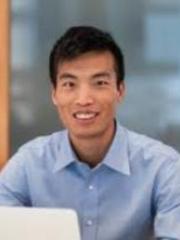
Dr. Miaoqiang Lyu is a Research Fellow at the School of Chemical Engineering , The University of Queensland . His work focuses on lead-free perovskites , flexible energy storage , and optoelectronic devices . Research Interests : Designing low-toxicity and stable semiconducting lead-free perovskites for solar energy conversion Developing flexible energy storage devices for Internet-of-Things (IoT) sensors Advancing zinc batteries and aqueous electrolyte systems Photocatalytic hydrogen production and CO2 reduction Recent Article Trends : Focus on 2D/3D heterostructures, interstitial metal doping, and solvent-engineered interfaces Applications in indoor photovoltaics, artificial synaptic functions, and wearable electronics Lead-free perovskites for resistive memory and energy storage Scientific Awards : ARC DECRA Fellow Advance Queensland Industry Research Fellow CRC for Polymers grant Supervision & Funding : Principal advisor for two PhD projects on lead-free perovskites and flexible batteries Current grants: Enabling low-toxicity perovskites for indoor photovoltaics (2026-2030), Printable zinc ion batteries (2025-2026) Labs & Collaborations : Affiliated with the Nanomaterials Centre at UQ Collaborations with Professor Lianzhou Wang , Professor Ian Gentle , and Associate Professor Ruth Knibbe
Alicia Che is an Assistant Professor of Psychiatry at Yale University School of Medicine and serves as Director of Graduate Admissions for the Interdepartmental Neuroscience Program. She joined the Yale Department of Psychiatry in 2021 after completing her postdoctoral fellowship with Dr. Natalia De Marco García at Weill Cornell Medical College and Dr. Gord Fishell at NYU. Her research is conducted through the Che Lab at Yale, where she investigates how early life experiences impact brain circuit assembly and mature function in models of psychiatric illness. Yale School of Medicine, Department of Psychiatry Interdepartmental Neuroscience Program Center for Brain & Mind Health Division of Molecular Psychiatry Wu Tsai Institute Yale Center for the Science of Cannabis and Cannabinoids Dr. Che earned her Ph.D. in Physiology and Neurobiology from the University of Connecticut in 2014, where she worked in the laboratory of Dr. Joseph LoTurco. She received her B.S. with triple majors in Biology, Physics, and Physical Chemistry from Pacific Lutheran University in Washington state in 2009. Her research focuses on understanding developmental trajectories following early life experiences to develop diagnostics and early interventions for psychiatric illnesses. Dr. Che's research examines how sensory inputs, social bonding, stress, and substance exposure impact brain development. She employs a multi-dimensional approach to assess transcriptional, circuit, neuronal activity, and behavioral changes across the entire developmental timeline. Her lab currently focuses on four specific areas: the role of oxytocin in social behavior development, circuit dysfunction in PTSD, early-life cannabinoid exposure effects, and the impact of early life stress on development and adulthood. She utilizes advanced techniques including mouse genetics, slice electrophysiology, and longitudinal in vivo 2-photon imaging on behaving animals. Her most recent publications demonstrate significant contributions to understanding neural circuit development, PTSD mechanisms, and the effects of early life experiences on brain function. Her work spans from molecular neuroscience to behavioral outcomes, with publications in top journals including Nature, Neuron, and Nature Communications. Her research has revealed important insights into how translaminar neuronal activity strengthens cortical columns, how oxytocin facilitates social touch development, and how PTSD affects brain transcriptomics. NARSAD Young Investigator Award (2020) K99/R00 Pathway to Independence Award from NINDS (2019) Dr. Che's work has significant implications for understanding and treating neurodevelopmental disorders, PTSD, and the consequences of early life experiences on mental health. She collaborates extensively with researchers across Yale and beyond, with frequent co-authorship with colleagues including Lin Lin, Alex Kwan, and Christopher Pittenger. Her research program bridges basic neuroscience with clinical applications, aiming to translate findings into potential interventions for psychiatric conditions.
Dr. Teresa Puthussery is an Associate Professor in the School of Optometry & Vision Science at the University of California, Berkeley. Her research focuses on retinal neurobiology and neurophysiology, investigating how visual signals are encoded in healthy retinas and disrupted during degeneration. She uses advanced techniques like patch-clamp electrophysiology, immunohistochemistry, and microscopy to study retinal circuits, neurotransmitter receptors, and ion channels. Dr. Puthussery teaches courses on vision science anatomy, physiology, and problem-based learning, including VISION SCIENCE 206B/C and 260C. Her research explores questions such as how retinal neurons extract motion/spatial details, how photoreceptor mutations cause degeneration, and how inner retinal circuits adapt post-photoreceptor loss. Recent work includes studies on ON-type direction-selective ganglion cells, optogenetic therapy for vision restoration, and calcium dynamics in foveal ganglion cells post-degeneration. She collaborates on projects involving primate and rodent models, contributing to understanding retinal disease mechanisms and therapeutic targets. Dr. Puthussery’s lab (retinalab.berkeley.edu) emphasizes translational research, bridging basic science and clinical applications. Her work has been published in journals like Nature and Cell Reports , with a focus on retinal degeneration, synaptic plasticity, and optogenetic interventions. She actively participates in training future vision scientists through Berkeley’s Optometry program and oversees GSI affairs as a faculty advisor.
Simon Hanslmayr is a Professor in the School of Psychology & Neuroscience at the University of Glasgow. His research investigates neural oscillations' role in attention and memory processes, employing EEG, fMRI, and transcranial stimulation techniques. He focuses on healthy populations and clinical conditions like Schizophrenia and PTSD. His lab develops tools like the Brain Time Toolbox for electrophysiological data analysis. Education: Ph.D. in Cognitive Neuroscience (not explicitly detailed in text) Research interests include understanding how precise neural timing via oscillations underpins cognitive functions. Key areas: hippocampal memory coding, theta phase synchronization in associative memory, and causal effects of rhythmic stimulation on memory plasticity. Recent articles highlight mechanisms linking theta oscillations to memory formation, thalamocortical interactions in perception, and hippocampal-neocortical coupling. His work bridges experimental and computational approaches to model memory dynamics. Grants: Sensory stimulation for memory impairment (BIAL Foundation, 2025-2026) EU-funded studies on neural oscillations and memory (2020-2021) Awards: None explicitly listed, but active grant recipient. Supervised students include Kiera Capstick, Eleonora Marcantoni, and others. Collaborates with researchers worldwide through lab affiliates and visiting scholars. Current work emphasizes scalable neurotechnologies for cognitive enhancement and memory rehabilitation. Labs/Teams: Leads the Memory & Oscillations Lab at the University of Glasgow, collaborating with institutions like the University of Zurich and Maastricht University on neuroimaging and clinical studies.
Dr. Qin Li is an Assistant Professor of Genetics at the University of Pennsylvania Perelman School of Medicine, affiliated with the Penn Institute for Immunology & Immune Health (I3H), the Penn Institute for RNA Innovation, and the Penn Center for Genomic Integrity. He earned his BS and PhD in Biological Science and Biochemistry & Molecular Biology from Peking University, followed by postdoctoral training at Stanford University. Education : BS (Peking University, 2009), PhD (Peking University, 2014) Dr. Li’s research focuses on the ADAR1-dsRNA-MDA5 axis, exploring how RNA editing mediates self/non-self discrimination in the immune system. His work connects RNA editing quantitative trait loci (edQTLs) to inflammatory disease heritability and develops computational/experimental tools for RNA editing and sensing. Recent publications highlight his contributions to understanding RNA editing’s role in autoimmune diseases, CRISPR-based regulatory principles, and novel RNA ligand engineering. He mentors PhD and Master’s students in Bioengineering, Cell and Molecular Biology, and related programs.
Nabeel Nabulsi is a Senior Research Scientist in the Department of Radiology & Biomedical Imaging at Yale School of Medicine. He serves as Associate Director of the Yale PET Center, Deputy Director of the PET Center Chemistry Section, and Director of Regulatory Affairs and Quality Control at the Yale PET Center. His research focuses on developing radiopharmaceuticals for PET imaging in CNS disorders and oncology, particularly targeting Alzheimer's disease, pancreatic cancer, and FAAH inhibition. BA in Chemistry (pre-Medicine), University of Texas at Arlington (1980) MS in Organic Chemistry, Texas Tech University (1984) PhD in Organic/Bioorganic Chemistry, Louisiana State University (1991) Dr. Nabulsi specializes in synthetic methodologies for radiopharmaceuticals with short half-life radionuclides (C-11, F-18). His work explores: Synaptic density imaging via SV2A radioligands in Alzheimer's and schizophrenia Neuroimmune mechanisms in PTSD and alcohol use disorder Pancreatic cancer detection through PepT1 transporter-targeted radiotracers Endocannabinoid system analysis in psychiatric disorders HDAC6 imaging for neurodegenerative research Key collaborations include Richard Carson, Jean-Dominique Gallezot, and Yiyun Huang. He contributes to clinical trials on synaptic density in Alzheimer's disease and cortisol metabolism imaging.
Dr. Jason Yi is an Assistant Professor of Neuroscience at Washington University School of Medicine (WashU Medicine). His research focuses on understanding the molecular pathways that shape nervous system development and function, with particular emphasis on autism spectrum disorders (ASD). He leads the Yi Lab, which investigates the role of the ubiquitin ligase UBE3A in the brain and its implications for neurodevelopmental disorders. Dr. Yi received his BS in Biochemistry and Molecular Biology from Dickinson College in 2001 and his PhD in Pharmacology from Duke University in 2009. His laboratory is broadly interested in the molecular pathways that shape nervous system development and function, with the ultimate goal of understanding how dysfunction in these pathways contributes to disease. The current focus is on autism spectrum disorders (ASD), using genetic information from human patients to guide in vitro and in vivo experiments employing biochemical, genetic manipulation, cell biological, and microscopy techniques. Dr. Yi's research has significant clinical implications, particularly in understanding how UBE3A dysfunction relates to both Angelman syndrome (caused by lack of UBE3A activity) and autism (caused by excessive UBE3A activity). His lab discovered that a single phosphorylation event in UBE3A turns off its ubiquitin ligase activity, and that mutations in this site are linked to autism. This work bridges disease genetics with a mechanistic understanding of ASD neurobiology and aims to define developmental timepoints for ASD onset. Dr. Yi's research has been recognized with numerous prestigious awards: Ruth K. Broad Biomedical Research Foundation Predoctoral Fellowship (2006) F32 Kirschstein National Research Service Award (2011) Christina Castellana Postdoctoral Fellowship (2011-2014) The University of North Carolina Postdoctoral Award for Research Excellence (2015) Bridge to Independence Award, The Simons Foundation (2017) NARSAD Young Investigator Award, Brain and Behavior Research Foundation (2018) Whitehall Foundation Research Grant (2018) Alfred P. Sloan Foundation Research Fellowship (2019) Dr. Yi's research program is supported by significant grant funding from organizations including The Simons Foundation, Brain and Behavior Research Foundation, and the Whitehall Foundation. His work bridges basic molecular neuroscience with clinical implications for neurodevelopmental disorders, particularly autism spectrum disorders. Through his research, Dr. Yi is contributing to a deeper understanding of the molecular mechanisms underlying ASD, which may ultimately lead to new therapeutic approaches and interventions. The Yi Lab maintains a collaborative research environment focused on cutting-edge neuroscience techniques. The lab combines molecular, cellular, and genetic approaches to study UBE3A function and its role in neurodevelopment. Their work utilizes patient-derived genetic information to guide experimental approaches, ensuring clinical relevance to autism spectrum disorders. Dr. Yi is also actively involved in mentoring graduate students and postdoctoral fellows, contributing to the training of the next generation of neuroscientists.
Prof. Dr. med. Franz Lennard Ricklefs is a Senior Physician and Head of the Working Group at the Department of Neurosurgery, University of Hamburg Faculty of Medicine. He is a Medical Specialist in Neurosurgery with cross-disciplinary expertise in neuro-oncology, molecular pathology, and extracellular vesicle research. Affiliations: University Medical Center Hamburg-Eppendorf (UKE), European Liquid Biopsy Society (ELBS), International Consortium on Meningiomas (ICOM) Research Interests: His work focuses on neurosurgical oncology, particularly glioblastoma and meningioma pathobiology. He investigates DNA methylation patterns, extracellular vesicle biomarkers, and liquid biopsy implementation in clinical neuro-oncology. Additional interests include surgical outcomes for epilepsy and aneurysm management. Article Trends: Over the last decade, Dr. Ricklefs has published extensively on: Extracellular vesicle applications as liquid biopsy markers DNA methylation subclasses for glioblastoma and meningioma Multicenter surgical outcome benchmarking Immune evasion mechanisms in neuro-oncology Technological innovations in neurosurgical visualization Molecular characterization of rare CNS tumors Professional Contributions: He co-authored the MISEV2023 guidelines for extracellular vesicle studies and participates in international consensus reviews for meningioma classification. His collaborations span institutions across Europe and North America.
Dr. Timothy H. Murphy is a Professor in the Department of Psychiatry at the University of British Columbia's Faculty of Medicine. He is also an Associate Member of the School for Biomedical Engineering and a Member of the Djavad Mowafaghian Centre for Brain Health. Dr. Murphy leads the Dynamic Brain Circuits in Health and Disease initiative and the Division of Neuroscience and Translational Psychiatry at UBC. Dr. Murphy received his Ph.D. from Johns Hopkins University in 1989 and his B.Sc. from Saint Mary's College Maryland in 1984. His research focuses on understanding brain circuit structure-function relationships in relation to stroke recovery, psychiatric disorders, and neurological diseases. He specializes in mesoscale imaging techniques to study cortical activity patterns and develop automated approaches for brain imaging and stimulation. His laboratory develops innovative tools including open-source hardware for automated mouse brain imaging, synthetic data generation for behavioral analysis, and chronic recording systems that enable simultaneous mesoscale cortical imaging with subcortical or peripheral nerve activity monitoring. Research from the Murphy Lab has significantly advanced our understanding of how brain circuits reorganize after stroke and in models of psychiatric disorders. Dr. Murphy's recent publications reveal trends in mesoscale cortical imaging, development of synthetic data for behavioral analysis, and exploration of circuit-level changes in neurological and psychiatric disease models. His work bridges basic neuroscience with potential clinical applications for stroke recovery and mental health treatments. Dr. Murphy has mentored numerous students and postdoctoral fellows who have gone on to successful careers in neuroscience and related fields. His laboratory has received funding to support innovative approaches to understanding brain circuit function and recovery mechanisms. The Murphy Lab maintains strong collaborative ties across UBC and develops open-source tools that are widely adopted by the neuroscience community. Their work on automated home-cage imaging systems, synthetic behavioral data generation, and chronic recording technologies represents significant methodological advances in the field.
Jessica J. Walsh, PhD is an Assistant Professor in the Department of Pharmacology at the University of North Carolina at Chapel Hill School of Medicine and a member of the UNC Neuroscience Center. She leads the Walsh Lab, which focuses on understanding neural circuit mechanisms underlying motivated social behavior using a multi-level approach to elucidate the molecular and circuit mechanisms that govern social interactions and their alterations in disease states. Dr. Walsh earned her B.A. in Neuroscience & Behavior from Columbia University, where she began her research journey volunteering in Dr. Gerald Fischbach's laboratory. During her graduate work, she explored neural circuit mechanisms underlying social stress susceptibility at the Icahn School of Medicine at Mount Sinai under Dr. Ming-Hu Han. Prior to joining UNC, she completed her postdoctoral fellowship at Stanford University with Dr. Robert Malenka, investigating neural circuit mechanisms in genetic mouse models with social deficits. Her research focuses on neural circuit mechanisms underlying motivated behavior, neurodevelopmental and psychiatric disorders, and functional/anatomical brain mapping. The Walsh Lab specifically uses genetic mouse models to investigate how genetic mutations and experience lead to circuit adaptations that govern impaired behavior seen in autism spectrum disorders. They combine whole brain optical clearing methods, light sheet microscopy, in vivo imaging, and machine learning based behavioral analysis to elucidate neural adaptations responsible for motivated behavior. Her publication record demonstrates a strong focus on neural circuits related to social behavior, with particular emphasis on autism spectrum disorders, serotonin and dopamine signaling, and the neural basis of prosocial behaviors. She has published extensively in high-impact journals including Nature, Nature Neuroscience, PNAS, and Neuropsychopharmacology, with research spanning from molecular mechanisms to circuit-level analyses of behavior. Dr. Walsh mentors several trainees in her lab, including a postdoctoral fellow, multiple graduate students, and numerous undergraduate researchers. Her lab team includes researchers with diverse interests spanning from molecular biology to machine learning applications in neuroscience. The lab actively recruits postdocs and graduate students interested in joining their research on motivated behavior and psychiatric disorders. The Walsh Lab employs a comprehensive research approach including genetic manipulation, whole brain activity mapping, viral tracing, slice physiology, optogenetics, chemogenetics, fiber photometry, and machine learning based behavioral classification to gain a nuanced understanding of neural circuits involved in motivated social behavior.
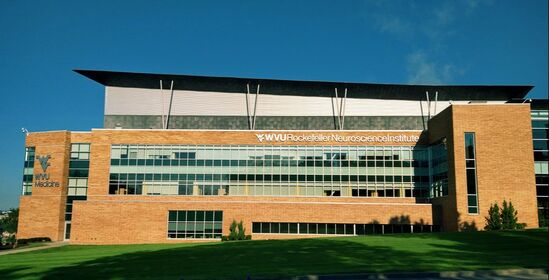
Michelle CD Bridi is an Assistant Professor in the Department of Neuroscience at West Virginia University School of Medicine , with a joint affiliation at the Rockefeller Neuroscience Institute . Her research integrates synaptic plasticity , sleep physiology , and neurological conditions to investigate dynamic synaptic regulation under typical and atypical states. Education: BS , McGill University, 2006 PhD , University of Pennsylvania, 2013 Research Focus: The Bridi Lab explores how daily oscillations in excitation/inhibition (E/I) balance are disrupted in Autism Spectrum Disorder (ASD) , aging , and post-stroke states . Current projects address: 1) synaptic adaptation to sleep/wake cycles, 2) E/I imbalance in neurodevelopmental disorders, and 3) molecular mechanisms maintaining neuronal firing rate homeostasis. Publication Trends: Recent work spans REM sleep plasticity , autism models , and neurodegenerative interventions , emphasizing synaptic oscillations , NMDA receptor pathways , and gene therapy applications. Collaborative efforts with Morgan Bridi's lab extend findings to stress and stroke contexts. Grants & Collaborations: Research is funded by NIH/NIGMS , BBRF , and NSF . The lab actively collaborates with cross-institutional teams and is recruiting postdocs and students for ongoing studies.
Sonia Mayoral is the Robert J. and Nancy D. Carney Assistant Professor of Neuroscience at Brown University. Her research focuses on studying cell-cell interactions in the brain, particularly the development and function of oligodendrocytes – glial cells critical for myelin formation. She explores how these cells contribute to myelination, remyelination processes, and their roles in neurological disorders like multiple sclerosis. Her work integrates cellular neuroscience, immunology, and drug screening methodologies. Research interests include glial cell biology, neuron-glial interactions, and the molecular mechanisms governing myelin repair. She investigates how environmental cues and signaling pathways regulate oligodendrocyte differentiation and function. Notable projects involve developing high-throughput screening platforms for MS therapeutics and studying sex-specific responses to neurodegenerative challenges. Her lab’s recent work includes clinical trials (Re-WRAP) evaluating Bazedoxifene for remyelination in women, and fundamental studies on regulatory T cell roles in myelin regeneration. She also examines how mechanical stimulation and epigenetic changes influence oligodendrocyte behavior. Her research bridges basic science and translational efforts, aiming to advance treatments for myelin-related disorders. Dr. Mayoral’s lab is active at Brown University, with a dedicated website detailing ongoing projects and collaborations. While no specific grants or students are listed here, her work reflects a strong focus on interdisciplinary approaches to neurodegenerative disease mechanisms.