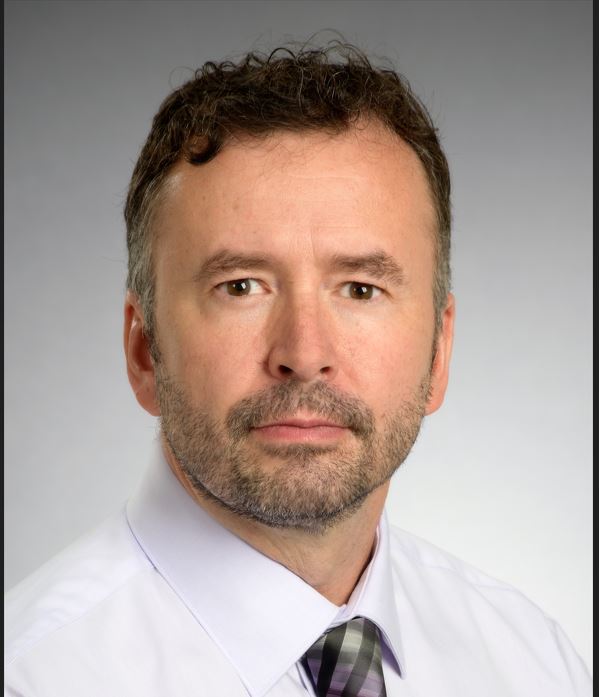
Robin KranendonkView profile
Researcher
Robin Kranendonk MSc is a Postdoctoral Researcher at the Netherlands Institute for the Study of Crime and Law Enforcement (NSCR), holding a concurrent affiliation with the Free University of Amsterdam where she served as Lecturer in Forensic Psychology in 2018. Her academic career spans police interrogation research, victimology, and forensic evidence communication since 2009, with current work focused on the NSCR-Police Academy collaboration developing the Strategic Police Research Agenda 2023-2026. Her research expertise centers on vulnerable populations within criminal justice systems, particularly suspects with mild intellectual disabilities. Key investigation areas include: Police interrogation techniques adaptation for cognitively vulnerable suspects DNA evidence report comprehensibility for legal professionals Victim needs assessment in criminal proceedings Official police report accuracy and bias analysis Impact of recording media (audio/video/text) on evidence interpretation Her doctoral research demonstrated how interrogation training improves outcomes for suspects with intellectual disabilities, directly influencing policy implementation. Analysis of her publication history reveals consistent focus on evidentiary reliability across three interconnected domains: suspect vulnerability (60% of works), victim procedural needs (25%), and forensic documentation standards (15%). Recent work emphasizes technological solutions for interrogation quality improvement and specialized knowledge application in diverse interview contexts. Award recognition: Master's Thesis Prize in Criminology (Vrije Universiteit Amsterdam, 2012) Kranendonk actively bridges academic research and police practice through her NSCR-Police Academy partnership, collaborating with experts like Nicolien Kop (Criminaliteitsbeheersing) and Christianne de Poot (Forensic Research). Her secondary roles include Board Membership for the Study & Work Customised Foundation, focusing on quality management for vulnerable job seekers. Current projects examine memory-enhancing techniques in witness interviews and waiver of legal rights by intellectually disabled suspects. She operates within NSCR's Evidence-based Policing research group, strengthening scientific-practical integration for evidence-based police methodology through the Kenniscentrum Opsporing en Criminaliteitsbeheersing knowledge center.