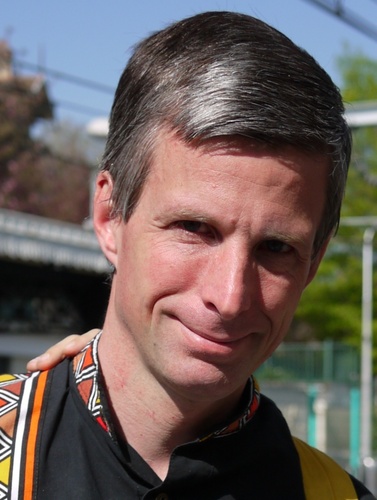
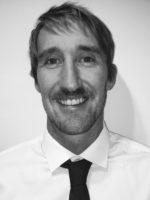
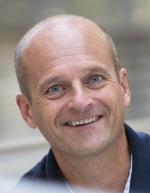
Nicolas Holzschuch is a Senior Research Scientist (DR2) at INRIA Grenoble-Rhône-Alpes, leading the Maverick research team. He has held academic positions at institutions including École Polytechnique (France), University of Cape Town, and LORIA/INRIA Lorraine. Research Focus: Illumination simulation, frequency analysis of light transport, advanced rendering techniques (subsurface scattering, real-time ray-tracing), and material modeling. Teaching: Courses on computer graphics, rendering, and virtual image creation at ENSIMAG, MOSIG, École Polytechnique, and Polytech Grenoble. Funding: Research supported by the French National Research Agency (ANR) through the ALTA project.
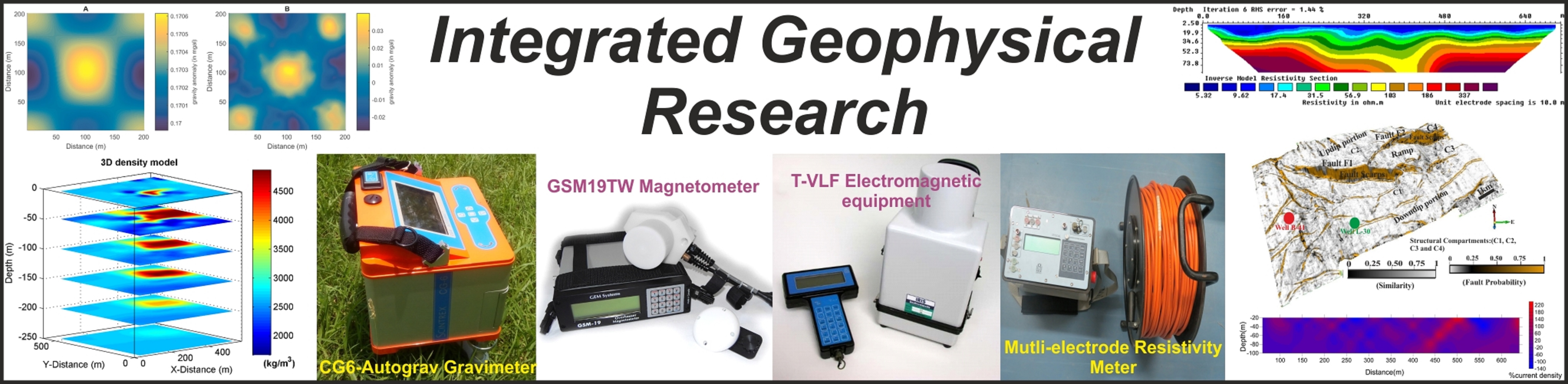
Animesh Mandal serves as an Associate Professor in the Department of Earth Sciences at Indian Institute of Technology Kanpur (IITK) , where he has been a faculty member since April 2015. His academic journey includes a B.Sc. in Physics from University of Calcutta (2005), M.Sc. in Physics from IIT Delhi (2007), and Ph.D. in Geophysics from IIT Kharagpur (2013). Prior to joining IITK, he worked as a Project Scientist at the National Geophysical Research Institute (NGRI). Research Interests : Dr. Mandal specializes in near-surface geophysical studies , geophysical data enhancement , and subsurface modeling . His work focuses on integrated geophysical approaches to understand shallow crustal configuration and delineate natural resources, utilizing gravimeter, magnetometer, electrical, and EM equipment. He has pioneered research in machine learning-assisted interpretation of geophysical data, particularly in seismic impedance inversion, reservoir characterization, and geothermal system analysis. His recent publications demonstrate expertise in applying deep learning techniques to solve complex geophysical problems. Research Trends : Analysis of his recent publications reveals a strong focus on geothermal energy systems , particularly non-volcanic hot springs in the Eastern Ghats Mobile Belt. His work combines gravity-magnetic studies with advanced computational methods to understand crustal configuration and thermal structure. Another major trend involves machine learning applications in seismic data processing, where he develops novel deep learning architectures for impedance inversion and reservoir characterization. His research bridges traditional geophysical methods with cutting-edge AI techniques, creating innovative approaches to subsurface imaging. Scientific Awards : Supervised students who received Prime Minister's Research Fellowship (PMRF) Advisees awarded FARE Fellowship, ONGC-IGU Best Poster Presentation Award, and EAGE PACE grants Students received FULL sponsorship to attend major international conferences like IMAGE 2024 Mentored students who secured postdoctoral positions at prestigious institutions including KAUST and University College Dublin Academic Leadership : Dr. Mandal has successfully supervised multiple Ph.D. and M.Tech. students to completion, with recent graduates securing positions at institutions like University College Dublin, Queen's University, and industry roles at companies including Verisk Analytics and ONGC. His research group maintains active collaborations with international institutions and regularly presents at major geoscience conferences including EAGE, SEG, and AOGS. The group has secured competitive research funding that supports field studies, laboratory work, and student training in advanced geophysical techniques.
Marco Piras is a Full Professor at the Department of Environmental, Land and Infrastructure Engineering (DIATI) at the Polytechnic University of Turin. He serves as Deputy Director of DIATI and a member of the Interdepartmental Center PIC4SeR for Service Robotics. His research focuses on geomatics, GIS, GNSS, photogrammetry, and UAV applications for environmental monitoring and infrastructure assessment. Research Interests: Geomatics and GIS for environmental applications Remote sensing and Earth observation Infrastructure monitoring using BIM and UAVs Climate change adaptation in flood-prone regions Machine learning in geospatial data analysis Scientific Awards: Licinio Ferretti Award (ASITA, 2009) Best ASITA Poster 2008 Grants & Collaborations: Coordinator of Framework Agreement with FAI (2022-2025) Member of Agreement with AGROINNOVA Competence Center (2021-2026) Lead in EU Horizon projects (AGRITech, ROCKtheAlps) Teaching: Courses in Geomatics, Statistical Data Processing, and Open Geospatial Data for Civil Engineering and Urban Development doctoral programs.
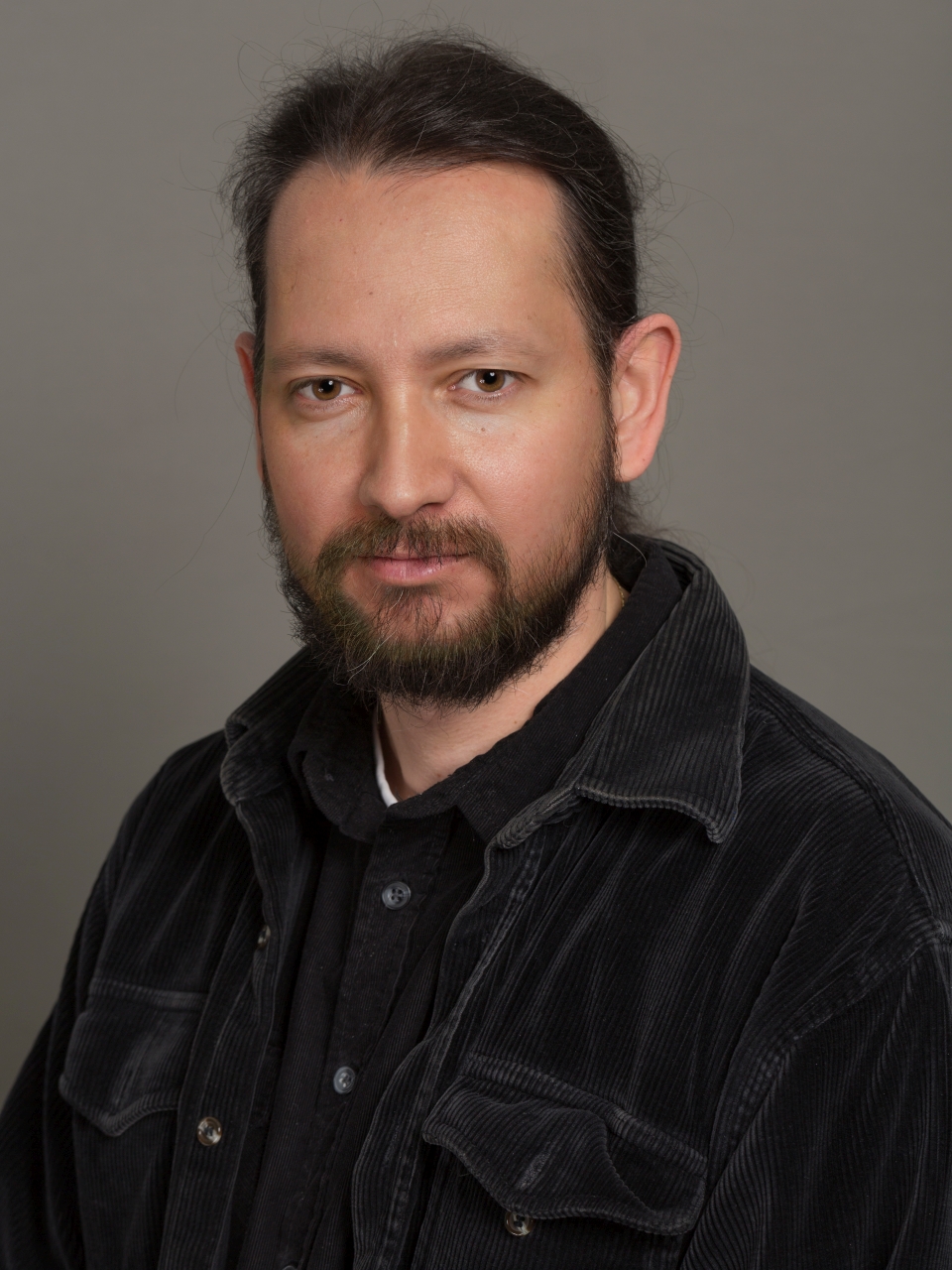
Attila Galsa is a Habilitated Associate Professor at the Institute of Geography and Earth Sciences , Department of Geophysics , and Center of Earth Sciences within the Faculty of Science at Eötvös Loránd University , Budapest, Hungary. Email: attila.galsa@ttk.elte.hu His research focuses on hydrogeology , geophysics , and mantle convection , with particular emphasis on groundwater flow modeling , thermal-haline convection , and geothermal system dynamics . He employs numerical simulations and stochastic modeling to study complex fluid interactions in subsurface environments. Recent publications highlight his work on asymmetric basin hydrodynamics , CO2 saturation estimation , and magnetotelluric array methodologies . His studies often integrate climate change impacts , renewable energy applications , and multi-disciplinary geophysical approaches . Attila Galsa's contributions span both theoretical investigations (e.g., mantle convection patterns ) and applied research (e.g., wellhead protection zones , geothermal reinjection ), with a strong emphasis on numerical modeling and field validation in Hungarian and Central European geological contexts.
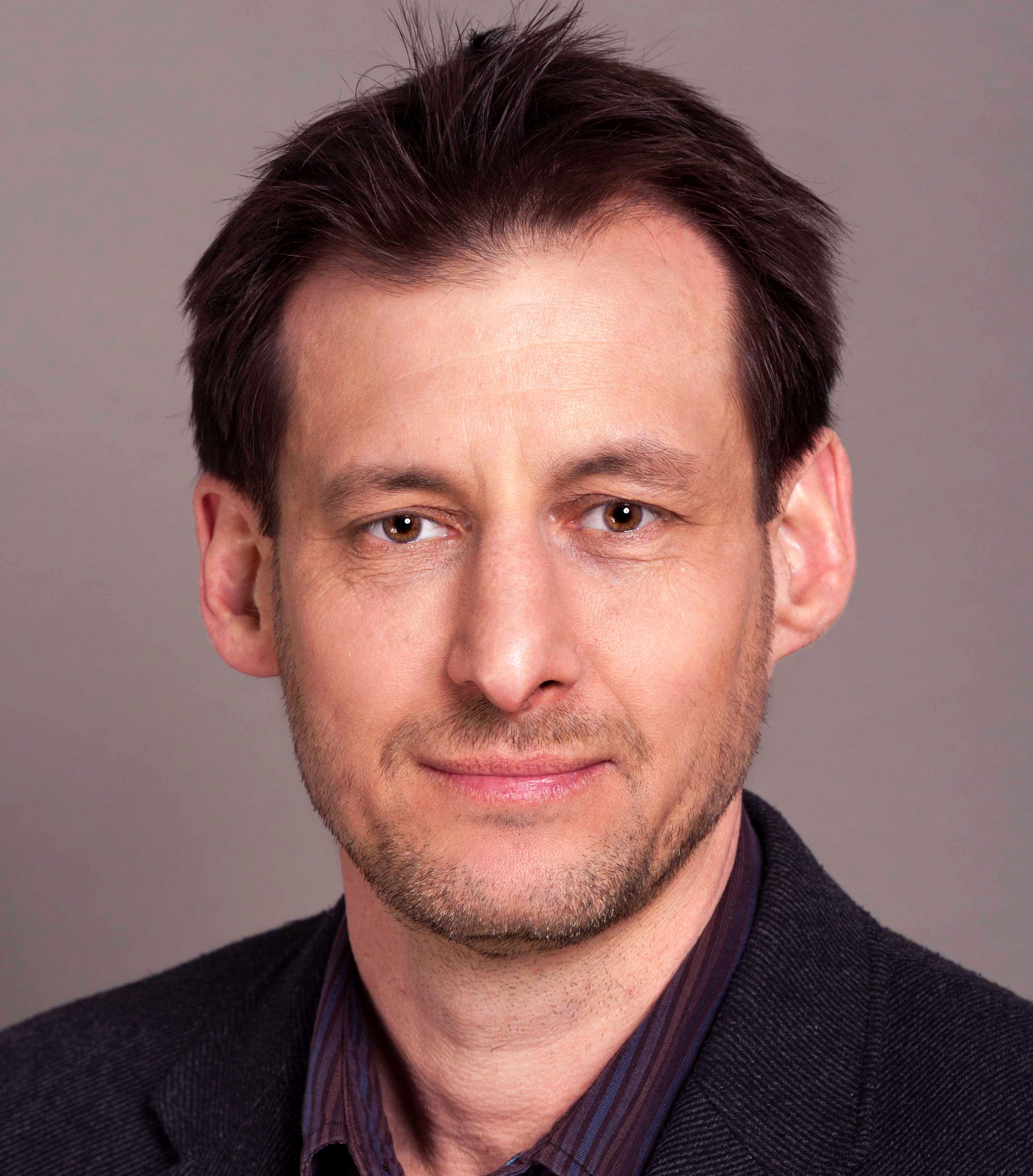
Dávid Karátson is a Professor at the Institute of Geography and Earth Sciences , Eötvös Loránd University (ELTE), Budapest, affiliated with the Department of Physical Geography and the Center of Geography . His career focuses on volcanology, geomorphology, and geoheritage, with a particular emphasis on volcanic landforms, hazards, and tectonic-climatic interactions. Doctor of Science (DSc) recipient Specializes in volcanic geomorphology, ignimbrite stratigraphy, and hazard assessment Research spans Late Quaternary volcanoes in the East Carpathians and Central Paratethys His recent work explores the interplay between magma composition, eruption styles, and post-depositional processes, including tephra dispersal and inverted volcanic relief. He employs advanced geomorphometric techniques (e.g., DTM-based analyses) and integrates paleomagnetic/radiometric dating to reconstruct volcanic histories. Scientific contributions include: Key Awards : Doctor of Science (DSc) Email : karatson.david@ttk.elte.hu
Kaspar Jansen is a Professor at the College of Industrial Design Engineering, Delft University of Technology, specializing in Emerging Materials. His research bridges smart materials with applications in health, sports, and aerospace technologies. Core research areas: Smart Textiles, Soft Sensors, and Lunar Habitat Materials Key collaborations: TU Delft, 4TU.ResearchData Recent publications focus on: Medical Engineering: Patient-specific aorta replicas for hemodynamic analysis Space Systems: Rigidizable inflatable structures for lunar habitats Textile Electronics: Ladder-type heater current distribution models His work combines experimental validation with computational modeling across disciplines, including geomechanics and reservoir engineering. Activities include presentations on polymer film characterization, fault slip simulation, and seismicity mitigation.
Jessica Maria Chicco is an Assistant Professor and Researcher at the Interuniversity Department of Regional and Urban Studies and Planning (DIST) of the University of Turin. Her research focuses on geothermal energy applications, underground thermal storage systems, and sustainable urban district heating/cooling networks. She holds a PhD in low-enthalpy geothermal energy from the University of Turin (2016) and has held research grants and teaching roles since then. Research Highlights: Specializes in geothermal energy integration for urban sustainability, with expertise in borehole heat exchangers, thermal conductivity analysis, and fault zone characterization. Her work addresses SDG Goals 7 (Affordable Energy) and 11 (Sustainable Cities). Scientific Awards & Roles: Deputy coordinator of Geothermal DHC Cost Action (CA18219) Horizon Europe SAPHEA project participant Licensed geologist and counselor at Piedmont Region Register Recent Article Trends: Focus on optimizing geothermal systems through 3D modeling, material testing, and heterogeneous rock characterization. Keywords span geothermal engineering, urban sustainability, and hydrogeology with subfields like borehole design, thermal storage, and volcanic monitoring.
Prof. Thomas Bohlen is a Professor at the Karlsruhe Institute of Technology (KIT), affiliated with the Geophysical Institute (GPI). He leads the GPI research group and is based at Campus West 06.36. His work focuses on advanced seismic imaging techniques, including Full-Waveform Inversion (FWI) and its applications in environmental geophysics, CO₂ sequestration, and glacial sediment characterization. He has contributed to developing numerical methods for seismic wave modeling and boundary conditions like perfectly matched layers (PML). Research Interests: His primary areas include seismic inversion methodologies, viscoelastic and poroelastic modeling, crosshole and surface seismic imaging, and integrating multi-source geophysical data (e.g., GPR and seismic) for subsurface characterization. Applications span CO₂ storage monitoring, glacial geology, and infrastructure safety assessments. Key Achievements: Over 100 peer-reviewed articles since 2013, focusing on FWI advancements, anisotropy detection in glacial sediments, and innovative numerical techniques. He collaborates on projects like the ICDP DOVE site and the Sleipner CO₂ reservoir. His work bridges computational geophysics with field applications, emphasizing high-resolution subsurface imaging. Labs/Teams: Active in the GPI, leading research on FWI and seismic tomography. Involved in the Toolbox for Applied Seismic Tomography (TOAST) and underground lab experiments at Freiberg Reiche Zeche.
Anbo Wang is the Clayton Ayre Professor in the Bradley Department of Electrical and Computer Engineering at Virginia Tech. His research focuses on fiber optics, waveguide theory, and advanced sensor systems for harsh environments. He leads the Center for Photonics Technology (460 Turner Street, Suite 303) and has pioneered innovations in distributed sensing, acoustic waveguides, and high-temperature sensor designs. With a PhD from Dalian University of Technology (1990), his work bridges photonics with applications in energy, aerospace, and biomedical engineering. Research interests include optical sensor development, electromagnetic field analysis, and material characterization for extreme conditions. Key contributions involve sapphire-based sensors, magnetostrictive sensing fibers, and machine learning-enhanced thermal measurement in additive manufacturing. His multidisciplinary approach integrates photonics with robotics, environmental monitoring, and structural health assessment. Publications from 2023–2025 highlight advancements in fiber-optic magnetic sensing, miniature strain sensors, and ferromagnetic fiber robots. Collaborations span industries and academic institutions, addressing challenges in carbon storage monitoring, subsurface imaging, and biomedical interfaces. His lab develops scalable sensor systems using thermal drawing processes and adaptive mode control in multimode fibers. Professional service includes editorial roles in optics journals and leadership in photonics research networks. Ongoing projects focus on ultra-high-temperature sensing networks, triboelectric energy-generating fibers, and multiplexed sensor arrays for industrial and environmental applications.
Sahila Beegum is a Courtesy Research Assistant Professor at the University of Nebraska-Lincoln's Biological Systems Engineering Department and affiliated with the Nebraska Water Center. Her research focuses on crop modeling, water resource management, and climate change impacts in agricultural systems. Key areas include developing simulation models for cotton, maize, and wheat, integrating environmental factors like drought, temperature, and CO2 levels. Her work emphasizes improving crop models such as GOSSYM and MAIZSIM to address genotype-environment interactions, water use efficiency, and soil carbon dynamics. She also explores precision agriculture techniques like hyperspectral imaging and machine learning for phenotyping and decision support systems. Key Research Themes: Crop simulation models (GOSSYM, MAIZSIM) Climate adaptation strategies in agriculture Water and nutrient management optimization Soil carbon sequestration mechanisms High-throughput phenotyping applications Recent publications (2023-2025) highlight advancements in fiber quality simulations, drought-stress modeling for soybean yields, and coupling hydrological models for watershed-scale analysis. No scientific awards are listed. Her research bridges computational methods with field applications, aiming to enhance agricultural sustainability through data-driven strategies. Collaborations focus on integrating sensor technologies and crop models for precision agriculture solutions.
Dr. Jasmine E. Saros serves as Professor of Paleolimnology and Lake Ecology at the School of Biology and Ecology and the Climate Change Institute at the University of Maine. Her research combines paleolimnology and phytoplankton ecology to reconstruct environmental changes using diatom fossil records in lake sediments. Her approach integrates field observations and bioassays to develop testable hypotheses about ecosystem changes. Dr. Saros earned her Ph.D. from Lehigh University in 1999. Her research program focuses on lake ecosystem responses to global change across diverse environments including alpine, saline, and boreal lakes. Her research interests center on: Paleoenvironmental reconstructions using diatom fossils Phytoplankton community dynamics under climate change Nitrogen enrichment from glacial meltwater UV radiation effects on alpine phytoplankton Productivity patterns in saline lakes Integration of neo- and paleolimnological approaches Dr. Saros's recent publications demonstrate a focus on advanced imaging techniques applied to geological samples and environmental processes. Her work spans shale characterization, hydrogen generation, nanoscale fluid dynamics, and geochemical reactions in subsurface systems. The publications show consistent themes in energy geosciences, nanoporous material analysis, and computational geosciences. While no specific scientific awards are listed in the source material, her research has been published in high-impact journals including Nature, Environmental Science & Technology, and Limnology & Oceanography. Information about specific advisees, grants, laboratories, or teams was not provided in the source materials.
W. Steven Holbrook is a Professor and Head of the Department of Geosciences at Virginia Tech. His research focuses on critical zone geophysics, using seismic and geophysical techniques to study Earth's 'breathing skin' where water, life, and rock interact. He leads interdisciplinary projects across seven Critical Zone Observatory sites, combining seismology, geomorphology, and geochemistry to address subsurface structure and water dynamics. Education: Ph.D. (Geophysics, Stanford University, 1989), M.S. (Geophysics, Stanford, 1985), B.S. (Geoscience, Penn State, 1982). Professional experience includes roles at the Woods Hole Oceanographic Institution and University of Wyoming. Awards include the Walter Munk Award (2013), AGU Fellow (2012), and multiple teaching/research honors. He mentors ~30 students (12 Ph.D., 16 M.S., 2 undergraduates) in 'Team Holbrook,' with current advisees Kira Dickey (M.S.) and postdoc Sylvain Pasquet. Research includes airborne EM surveys in Yellowstone and inversion of surface-wave data for critical zone structure. Teaching specialties: oceanography, reflection seismology, and introductory geophysics. Active in grants and collaborations, including NSF-GeoPRISMS and CZNet (Critical Zone Collaborative Network).
Paul Connolly is a Researcher at the University of Western Australia (UWA), affiliated with the Fluid Science and Resources group. He joined UWA in 2015 as a PhD student, following professional experience as a geologist with BHP. His research focuses on reservoir characterization, with expertise in nuclear magnetic resonance (NMR), ultrasonics, and special core analysis. Since 2018, he has held a Research Associate position and collaborates with King Fahd University of Petroleum and Minerals (KFUPM) on enhancing oil and gas recovery in carbonate and tight rock formations. His PhD thesis explored capillary trapping of CO2 in porous rocks, a critical aspect of carbon sequestration. Connolly’s work bridges geology, material science, and petroleum engineering, emphasizing cutting-edge experimental techniques. Education: PhD in Reservoir Characterization (UWA, 2015–2018) Professional experience at BHP prior to academia Research Interests: Reservoir characterization, capillary trapping mechanisms, NMR spectroscopy applications in geology, and enhanced oil recovery in unconventional reservoirs. His publications span topics like NMR-based analysis of shale cores, CO2 sequestration dynamics, and fluid displacement in porous media. Despite no explicit mention of awards or grants, his contributions reflect dedication to advancing analytical methods for subsurface resource management. Connolly’s lab work involves developing novel instruments for coupled NMR-ultrasonic measurements under reservoir conditions.
Alvar Braathen is a Professor of structural geology at the Department of Geosciences, University of Oslo (UiO), since 2013. His academic background includes a Master's and PhD from the University of Tromsø, followed by roles at the Geological Survey of Norway (NGU), the University of Bergen’s UNI CIPR Center of Excellence, and the University Centre in Svalbard (UNIS). His research focuses on tectonic studies and fluid flow dynamics in sedimentary basins and basement rocks, with an emphasis on CO₂ storage integrity, fault seal analysis, and geological risk assessment. Key academic contributions include projects like the Longyearbyen CO₂ Lab and involvement in initiatives such as the Norwegian CCS Research Centre (NCCS) and the VISTA Centre for CO₂ Storage in Volcanic-Sedimentary Systems (VICCO). He teaches courses including GEL2130 (Structural Geology) and GEO4230 (Basin Formation and Sequence Stratigraphy). His work integrates field-based studies, seismic analysis, and experimental methods to address challenges in carbon sequestration and subsurface fluid dynamics. Research interests span structural geology, sedimentary basin evolution, and the geomechanical behavior of fault zones. Recent projects emphasize Arctic geoscience and the application of tectono-sedimentary analysis to CO₂ storage site evaluation in the North Sea and Barents regions. Collaborative efforts include international studies on fault displacement analysis, basin fill dynamics, and the geologic storage potential of carbonate-siliciclastic systems.
Professor Stephen Hobbs is a Professor of Space Sensing and Systems at Cranfield University's Centre for Autonomous and Cyberphysical Systems. He holds fellowships from the Royal Meteorological Society (FRMetS) and the Higher Education Academy (FHEA), and is a Chartered Physicist (CPhys). His academic and research career spans over 30 years in space engineering, focusing on space systems, radar Earth observation, and sustainable space technologies. Education: First-class honors in Mathematics and Experimental Physics (University of Cambridge), followed by postgraduate studies in Ecological Physics at Cranfield Institute of Technology. Research interests include geosynchronous radar missions (e.g., Hydroterra), space debris mitigation (drag-augmentation devices), and environmental applications of remote sensing. Notable projects include leading ESA's Hydroterra study and developing deorbit systems deployed on TechDemoSat-1 and ESA's ESEO missions. Publications span over 100 peer-reviewed articles in journals like Acta Astronautica , IEEE Transactions , and Remote Sensing of Environment . Key themes include space surveillance systems, SAR technology, and orbital dynamics. Teaching: Led the MSc in Astronautics and Space Engineering, supervising doctoral students. Professional roles include Chair of the Space Academic Network's Space Engineering & Technology Working Group and UK representative for ISO TC20/SC14 (Space Systems Operations). Grants and collaborations: Funded by ESA, EU, UK Space Agency, and US Department of Agriculture. Industry partnerships include Airbus and SSTL.