Carlo CimaView profile
Assistant Professor
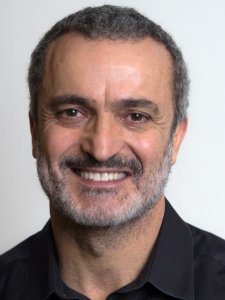
Carlo Cima is a Tenured Assistant Professor in the Department of Energy (DENERG) at the Polytechnic University of Turin, Italy. He is actively engaged in teaching and research within the fields of thermal engineering and energy systems. He serves as a member of the College of Biomedical Engineering and the College of Electrical and Energy Engineering, contributing to academic governance and curriculum development. His teaching responsibilities include Experimentation and Design of Energy Technologies and Applied Thermodynamics and Heat Transfer across multiple degree programs, particularly in Energy Engineering and Biomedical Engineering, where he has consistently held roles as course lecturer and collaborator over several academic years. Carlo Cima's research focuses on thermal performance in energy systems, heat transfer phenomena, fluid mechanics, and fire safety engineering. His work spans applications in building energy efficiency, cryogenic systems, and tunnel safety. The publications indicate a strong emphasis on experimental and numerical analysis of thermal systems, with recurring themes in entropy optimization, heat transfer in extreme conditions, and innovative energy technologies. The most recent research outputs, published between 2006 and 2012, highlight his expertise in thermal evaluation of double glazing, entropy-based control of numerical solutions, heat transfer in liquid nitrogen flows, and full-scale testing of tunnel fire mitigation systems. These works reflect a multidisciplinary approach bridging mechanical, energy, and safety engineering. While no scientific awards are listed in the provided text, his sustained academic activity and contributions to high-level conferences such as the International Heat Transfer Conference and specialized journals demonstrate recognition in his field. Carlo Cima has advised or collaborated on research involving topics such as energy-efficient building components and fire safety systems, though specific names of students are not mentioned. There is no indication of external grants or funded projects in the available data. His research appears to be conducted within institutional frameworks at Politecnico di Torino, potentially in collaboration with other researchers in the department, but no specific lab or research group is named.