Konstantinos Anastassiadis is a Professor at the Center for Molecular and Cellular Bioengineering (CMCB) of Dresden University of Technology , leading the Stem Cell Engineering group at the Biotechnology Center (BIOTEC) . His research focuses on unraveling molecular pathways regulating stem cell self-renewal and lineage commitment, with a strong emphasis on genetic engineering tool development and epigenetic mechanisms during cellular reprogramming. The lab utilizes mouse and human embryonic stem cells, neural stem cells, mesenchymal stromal cells, and induced pluripotent stem cells (iPSCs) in their investigations. Core Research Areas: Molecular regulation of stem cell fate Epigenetic mechanisms (e.g., UTX/UTY histone demethylases) Genetic engineering tool development (Flp, Dre, Vika recombinases, CRISPR protocols) Conditional immortalization systems for rare cell expansion Publications highlight his contributions to understanding: Role of histone methyltransferases (MLL1, MLL2, Setd1b) in hematopoiesis and cancer Epigenetic regulation during mouse development and spermatogenesis Genetic tools for protein tagging, transposon-mediated BAC transgenesis Interactions between stem cells and niche microenvironments Transcriptional and mechanical markers during reprogramming Collaborations span immunology , developmental biology , and bioinformatics . The lab actively participates in teaching activities at CMCB and maintains a focus on translational applications of stem cell research.
Ying Lu is an Associate Professor at the Department of Applied Statistics, Social Science, and Humanities within the Steinhardt School of Culture, Education, and Human Development at New York University. She holds dual PhDs in Public Policy and Demography from Princeton University (2005) and in Statistics from the University of North Carolina at Chapel Hill (2009). Before joining NYU, she was an Assistant Professor at the University of Colorado Boulder, affiliated with the Institute of Behavioral Science. Her research focuses on quantitative methodology in social and behavioral sciences, including applications in demography, health, and political behavior, as well as statistical methods like model selection and hypothesis testing for high-dimensional data. Her interdisciplinary work bridges statistical rigor with real-world societal challenges. Recent articles highlight her contributions to areas such as employee outcomes in HRM, gut microbiota-cardiometabolic disease links, and innovative clinical trial designs. She has also explored topics in food science, environmental catalysis, and sustainable development policy. Ying Lu’s academic journey reflects a commitment to advancing statistical methodologies while addressing pressing issues in health, policy, and environmental science. She has advised numerous projects but no specific students are listed in the provided texts.
Dr. Nhiem Tran is a Senior Lecturer in the Department of Applied Chemistry and Environmental Science at RMIT University's School of Science, part of the STEM College. He joined RMIT in 2015 as a Vice Chancellor's Research Fellow after completing his PhD in Physics at Brown University (USA, 2012) and postdoctoral research at Rhode Island Hospital (USA), CSIRO, and the Australian Synchrotron. His research focuses on developing biomaterials for drug delivery, gene therapy, and medical implants, particularly lipid nanoparticles and 3D-printed metallic implants. He leads the Biomaterial Interfaces group, investigating self-assembled lipid nanoparticles for cancer and autoimmune disease treatments. His work has resulted in over 65 high-impact publications and numerous awards, including the RMIT Vice Chancellor's Research Fellowship and the Stein/Bellet Foundation Fellowship. Tran's funding comes from grants such as the ARC Discovery Project, mRNA Victoria, and the CASS Foundation. His research interests span nanomedicine, biomedical engineering, and materials science, with a focus on applications in drug delivery, bacterial infection control, and orthopaedic implants. Education: PhD in Physics (Brown University, 2012) Key Projects: 3D-printed diamond-titanium implants, lipid nanoparticle drug carriers, and antimicrobial coatings. He actively supervises postgraduate research in areas like nanomaterials for drug delivery and biomedical applications.
Professor Hala Zreiqat AM is a leading biomedical engineer at The University of Sydney , serving as the Director of the ARC Training Centre for Innovative BioEngineering . A Fellow of all major Australian academies (AAS, ATSE, FAHMS, FRSN), she develops 3D printed bioceramics for bone regeneration while championing diversity through initiatives like the IDEAL Society and BIOTech Futures mentorship program. Her work bridges academia, clinical practice, and industry in musculoskeletal research . Research Focus: Her lab creates synthetic bone scaffolds that mimic natural bone architecture, strength, and porosity, enabling non-rejected bone regeneration via patient-matched implants. Key applications include orthopaedic, dental, and maxillofacial repair , with over $18M in competitive funding and multiple patents. Current projects explore AI-driven scaffold performance prediction and anti-senescence strategies for aging-related bone loss. Scientific Trends: Recent publications highlight 3D printed nanovoxelated ceramics , antisenescence biomaterials , and multifunctional theranostic platforms . Her team integrates machine learning for scaffold design, atom probe tomography for interface analysis, and two-photon imaging for cellular monitoring in 3D environments. 2021-2022 Fulbright Senior Scholar 2018 NSW Premier's Woman of the Year 2019 Eureka Prize for Innovative Use of Technology Fellow of Australian Academy of Science (2021) Over $18M in research funding Teaching & Leadership: She designed core courses like Tissue Engineering and Nanomaterials in Medicine , mentoring 158 students in 2020 alone. As Chair of CAAR (2020-2023), she strengthens Australia-Arab collaborations. Her lab trains early-career researchers , with alumni now in academia and industry.
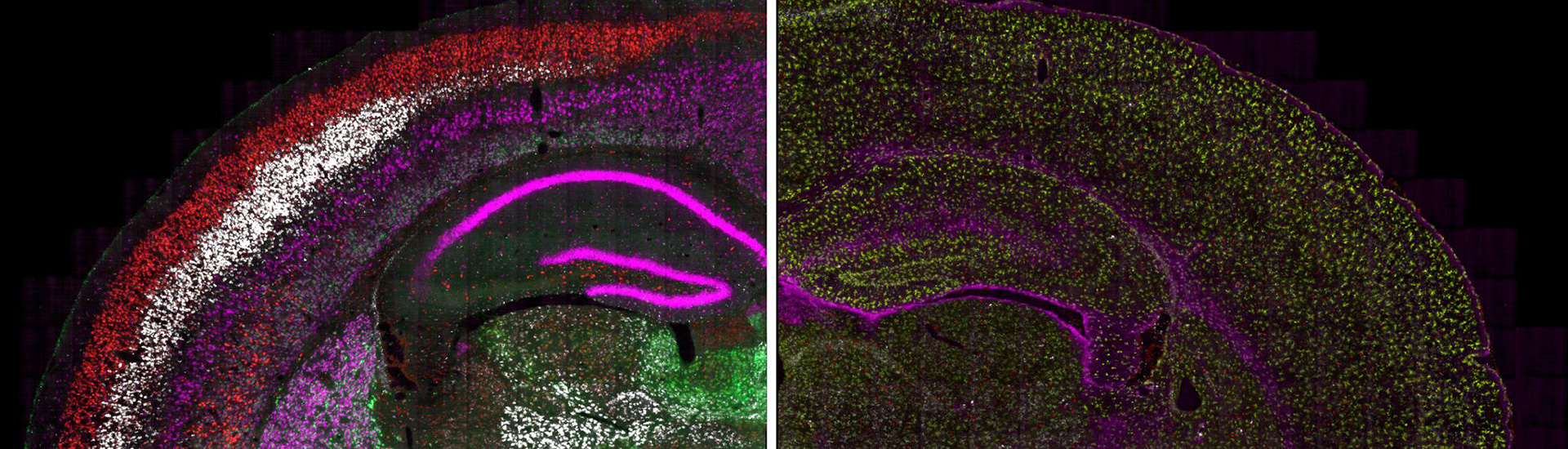
Omer Bayraktar is a Group Leader at the Wellcome Sanger Institute , leading research in the Cellular Genomics Programme. His work focuses on decoding human brain cellular diversity using spatial transcriptomics , imaging , and functional screening to study neural complexity in health and disease. Bayraktar's educational background includes a PhD from HHMI under Chris Doe, investigating neural diversity development in Drosophila , followed by postdoctoral work at University of California, San Francisco and University of Cambridge as a Life Sciences Research Foundation Fellow. He developed a spatial transcriptomic pipeline during his postdoc to analyze astrocyte heterogeneity in the cerebral cortex. His research explores neural cell type mapping , glial-neuronal interactions , and cellular pathways in neurodevelopmental disorders . Recent publications emphasize 3D tissue mapping , multi-omic integration , and computational tools like Cell2fate and WebAtlas. His work bridges neurogenetics and computational biology to advance understanding of human tissue ecosystems. Bayraktar's lab collaborates with the Human Cell Atlas initiative and develops technologies such as automated histology pipelines and highly-multiplexed smFISH for molecular cell typing. His team also investigates glia-based therapies and astrocyte functional heterogeneity in neurodevelopmental contexts. Key scientific contributions include: Discovering astrocyte layer patterns independent of neuronal laminae Developing cell2location for spatial cell mapping Characterizing Drosophila neural stem cell models with human relevance Notable awards include the Life Sciences Research Foundation Fellowship during his postdoctoral training. His current group includes a PhD student , Senior Data Scientists , and Bioinformaticians .
Matthew Lakin is an Associate Professor with tenure in the Department of Computer Science at the University of New Mexico, with a courtesy appointment in the Department of Chemical & Biological Engineering. He is affiliated with the UNM Center for Biomedical Engineering and the School of Engineering, and collaborates extensively with the UNM Health Sciences Center and external institutions. Education: Ph.D., Computer Science, University of Cambridge, 2010 M.A. (Cantab), University of Cambridge, 2009 B.A. (Hons), Computer Science, University of Cambridge, 2005 Dr. Lakin's research focuses on molecular computing, DNA nanotechnology, synthetic biology, and formal verification of biomolecular circuits. He develops computational models and experimental systems for programmable biological devices, especially using heterochiral DNA to enhance stability in living cells. His work spans software tools for biodesign and experimental validation in mammalian systems, with applications in nanomedicine and biosensing. The recent publications highlight a strong trend in engineering robust, intelligent biomolecular systems. His work integrates machine learning concepts into chemical reaction networks, advances geometric modeling of DNA systems, and pioneers L-DNA-based circuits for intracellular applications. The research spans theoretical foundations, software tools, and wet-lab experimentation, emphasizing interdisciplinary innovation. Scientific Awards: Presidential Early Career Award for Scientists and Engineers (PECASE), 2025 NSF CAREER Award, 2021 UNM School of Engineering Junior Faculty Research Excellence Award, 2021 Multiple student awards under his mentorship, including the Outstanding Graduate Student Award and DNA28 Best Student Presentation recognition Dr. Lakin has advised numerous graduate and undergraduate students, including Ph.D. graduates in Biomedical Engineering and Computer Science. He leads major funded projects such as the NSF CAREER grant on heterochiral molecular computing, an EPSCoR Research Fellowship, and a $3M NSF grant on heavy metal biosensing in collaboration with Native American communities. He is also PI on multiple NSF grants related to synthetic cells and nucleic acid technologies. He directs the Lakin Lab for Programmable Biology, which operates within the Department of Computer Science and collaborates with Chemical & Biological Engineering and the Center for Biomedical Engineering. The lab emphasizes both computational modeling and experimental molecular biology, and runs an NSF-funded biotechnology summer camp in partnership with ¡Explora! science museum to strengthen STEM education in New Mexico.
Dr. Daniel Roxbury is an Associate Professor and Graduate Director at the Department of Chemical, Biomolecular and Materials Engineering within the University of Rhode Island's College of Engineering. With expertise in nanoscience and carbon nanomaterials, his research focuses on nano-bio interactions, developing functionalized nanotubes for biomedical applications and environmental monitoring through his NanoBio Engineering Laboratory. His work spans multiple disciplines including: Biomedical nanosensors Smart wearable biomaterials Targeted drug delivery systems Environmental nanotechnology Single-molecule imaging Nanotoxicology Recent publications emphasize machine learning-enhanced spectral analysis, coral reef conservation nanotechnology, and wearable stress monitoring textiles. His 2024 ACS Nano study introduces AI-driven macrophage phenotyping, while 2023 Nature Nanotechnology work explores coral reef restoration strategies using nanomaterials. Awarded the 2019 NSF CAREER grant for cellular nanometrology, he leads multiple NIH-funded projects including: $820,000 NSF CAREER: Spectral Imaging for Sub-Cellular Nanometrology $140,000 Miriam Hospital COBRE: Cortisol Detection Textiles $700,000 NSF EAGER: Multiplexed Wound Biomarker Detection His laboratory houses state-of-the-art equipment including: Near Infrared Hyperspectral Microscope Custom NIR Fluorescence Spectrometer Jasco UV/VIS/NIR Spectrophotometer Biosafety Cabinet Cell Culture Incubator Cryo-Storage System
Kenneth Hoehn is an Assistant Professor in the Department of Biomedical Data Science at the Geisel School of Medicine, Dartmouth College. As a computational immunologist with expertise in evolutionary biology, he develops computational evolutionary approaches to trace cellular lineages, particularly B cells, in contexts such as infection, vaccination, cancer, and autoimmune diseases. His research focuses on understanding adaptive immunity in conditions like COVID-19 Food allergies Myasthenia gravis through collaborations with experimental teams. Key projects include: Phylogenetic modeling of B cell responses Evolutionary signatures in immune repertoires Tracking B cell dissemination in autoimmune diseases Epigenetic regulation of memory B cells Recent publications highlight trends in single-cell immunology , phylogenetic inference , and computational tools for analyzing B cell dynamics. His lab at Dartmouth integrates evolutionary genetics with high-resolution immune profiling.
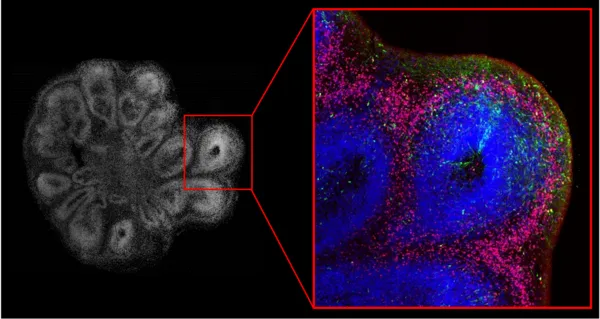
Prof. Dr. Simon Schäfer leads the Schäfer Lab at the Technische Universität München , focusing on engineering advanced organoid systems to study human brain development, disease modeling, and repair mechanisms. His work bridges stem cell biology, gene editing, and bioengineering to develop personalized therapies for brain disorders. Stem Cell & Organoid Technology Neurodevelopmental Mechanisms Neurodegenerative Disease Models Gene Editing & Neuroimmune Interactions Translational Neuroscience Recent research emphasizes brain organoid development, microglia phenotypes, and neurodevelopmental timing anomalies in autism. His team’s work also explores zika virus interactions with glioblastoma stem cells and neuronal plasticity in psychiatric disorders. Scientific awards and funding include support from the Deutsche Forschungsgemeinschaft (DFG), Brain & Behavior Research Foundation (BBRF), and Munich Cluster for Systems Neurology (SyNergy). Collaborations span institutions like the TUM Center for Organoid Systems. Advises 6 students (2 PhD, 1 MSc, 3 associated) Labs include Schäfer Lab, COS@TranslaTUM Contact: simon.schafer@tum.de
Dr. John A. Copland III is a Professor of Cancer Biology and Biochemistry & Molecular Biology at Mayo Clinic in Jacksonville, Florida. He leads the Cancer Biology and Translational Research Laboratory, focusing on molecular mechanisms of carcinogenesis, tumor progression, and development of targeted cancer therapies. Education: PhD in Physiology & Endocrinology (Medical College of Georgia), MS in Endocrinology (Medical College of Georgia), BS in Chemistry (Columbus College), with postdoctoral training at University of Texas Medical Branch. Research interests center on: Identifying tumor suppressor genes (e.g., RhoB, TBR3, GATA3) and oncogenes (e.g., FOXO3a, SCD1, NPTX2). Developing patient-derived xenografts and live cell models for personalized medicine. Designing SCD1 inhibitors via in silico modeling for clinical trials. Recent publications highlight his work on SCD1 inhibition in leukemia and thyroid cancer ImmunoPET imaging of thyroid tumors CRISPR-identified drug synergies in cholangiocarcinoma Patient-specific combination therapies using xenograft models
Christopher E. Nelson is an Assistant Professor in the Department of Biomedical Engineering at the University of Arkansas, College of Engineering. His lab focuses on developing biologically inspired strategies for controlled drug and gene delivery, particularly in the context of gene therapy and regenerative medicine. He is actively supported by the NIH, DoD, and Arkansas Bioscience Institute. Education: Postdoctoral Fellow – Duke University Ph.D. – Vanderbilt University B.S. – University of Arkansas Research Focus: Dr. Nelson’s lab integrates genome editing technologies with targeted delivery systems to address challenges in treating genetic diseases and promoting tissue regeneration. Major themes include CRISPR/Cas9 delivery , gene regulation in wound healing , and safe-harbor genome integration in skeletal muscle. His work spans viral and non-viral delivery vehicles , including lipid nanoparticles and AAV vectors, with a strong emphasis on preclinical validation in models of Duchenne muscular dystrophy and inflammatory disease. Scientific Awards: Controlled Release Society Postdoctoral Fellowship The Hartwell Foundation Postdoctoral Fellowship NIH Pathway to Independence Award (K99/R00) Funding & Support: The Nelson Lab is currently funded by: NIH NIGMS R35 DoD CDMRP DMD IDEA Award Arkansas Bioscience Institute University of Arkansas Engineering & Honors Colleges Lab & Team: The Nelson Lab is a dynamic, interdisciplinary team working at the intersection of gene editing, biomaterials, and regenerative medicine. They regularly present at national conferences such as ASGCT and NCUR, and mentor undergraduate researchers through SURF and Honors College grants.
Silvia Santos is a Group Leader at the Francis Crick Institute, leading the Quantitative Stem Cell Biology Lab since January 2018. Her research focuses on understanding cell decision-making during transitions, specifically cell division and differentiation in early development using human embryonic stem cells. She combines experimental techniques with theoretical approaches, including advanced microscopy, genomics, and computational modeling. Education and Career: PhD in Molecular and Cell Biology from EMBL-Heidelberg (2008), followed by postdoctoral training at Stanford University (2009-2014). She held an MRC Career Development Award at Imperial College London (2014-2017) before joining the Crick. Her work emphasizes interdisciplinary methods to study cellular processes in health and disease. Research Interests: Spatial-temporal control in cell decisions, stem cell differentiation, cell cycle regulation, and modeling embryonic development. She advocates for women in science and mentorship programs for early-career researchers. Key Achievements: Recipient of Marie Curie E-Star, EMBO, and HFSP fellowships. Recognized with the BioModels’ Model of the Year 2023 for contributions to systems biology. Her lab develops models like gastruloids to study embryonic development. Grants and Mentorship: Supported by MRC and other grants. Committed to fostering excellence in training and mentorship, previously chairing mentorship initiatives at Imperial College London. Labs and Teams: Quantitative Stem Cell Biology Lab at the Crick, collaborating with interdisciplinary teams on projects involving proteomics, genomics, and high-throughput screening.
Michael Kjær is a Clinical Professor at the Department of Clinical Medicine, University of Copenhagen, Faculty of Health and Medical Sciences. He specializes in Internal Medicine: Rheumatology and leads research groups focused on exercise physiology, sports injuries, and aging. His work addresses the impact of physical activity on the human organism, with particular emphasis on tissue damage and repair mechanisms. Dr. Kjær's primary research interests center around sports medicine, physiology, and exercise science. His work investigates tendon pathology, muscle physiology, sports injuries, and the effects of exercise on aging populations. He has made significant contributions to understanding sports-related injuries, particularly tendon overuse conditions, and the physiological responses to physical activity across different age groups. His recent publications (2025) demonstrate a strong focus on tendon research, sports injury treatment dilemmas, effects of anabolic steroid abuse, muscle physiology, and bone health in athletes and older adults. The research spans from basic science investigations of cellular mechanisms to clinical studies addressing practical sports medicine challenges. His work shows particular strength in connecting molecular and tissue-level changes with clinical outcomes in sports medicine. With 415 research outputs including 369 journal articles, 15 book chapters, and 15 reviews, Dr. Kjær maintains an active research program with substantial impact. His work has been referenced in Wikipedia pages, cited by Bluesky users, and picked up by news outlets, demonstrating its relevance to both academic and public discourse. Dr. Kjær leads multiple research groups within the Center for Healthy Aging Damage and Repair at the Department of Clinical Medicine. His laboratory work focuses on tissue response to injury and exercise, particularly examining tendon and muscle physiology using both in vivo and in vitro approaches. His research bridges basic science with clinical applications in sports medicine and rehabilitation.
Tengyao Wang is a Professor in the Department of Statistics at the London School of Economics and Political Science (LSE), serving as the MSc Statistics (Financial Statistics) Programme Director. Prior to LSE, he held positions as a Lecturer at University College London and a Research Fellow at the Cantab Capital Institute for the Mathematics of Information, University of Cambridge. His research focuses on high-dimensional statistics, computational efficiency, and statistical limitations imposed by computational constraints. Education: PhD in Statistics under Prof Richard Samworth at the University of Cambridge, with earlier studies including a Part III Essay in Empirical Process Theory. Research interests include sparse signal detection, change-point analysis, dimension reduction, robust statistics, and applications in medical statistics, financial data analysis, and material discovery. Key contributions include methodologies for handling missing data, high-dimensional change-point detection algorithms, and statistical learning techniques. Publications span theoretical advancements and applied innovations, with recent work emphasizing deep learning with missing data, residual permutation tests, and semi-supervised learning via random projections. His work has been recognized with awards such as the Royal Statistical Society Research Prize (2019) and the Guy Medal in Bronze (2023). He is an Associate Editor of the Journal of the Royal Statistical Society, Series B (JRSS B), and actively contributes to open-source tools like the 'ocd' and 'MissInspect' R packages for changepoint detection and missing data analysis.
Dana Pe'er is a Professor and Chair of the Computational and Systems Biology Program at the Sloan Kettering Institute (SKI) of Memorial Sloan Kettering Cancer Center. She is also an Investigator of the Howard Hughes Medical Institute and holds the Alan and Sandra Gerry Endowed Chair. Dr. Pe'er leads an interdisciplinary research group that combines advanced genomics approaches with machine learning to address fundamental questions in biomedical science, with particular focus on cancer biology, developmental biology, and immunology. Dr. Pe'er earned her PhD from Hebrew University in Jerusalem, Israel. Her academic journey includes a postdoctoral fellowship with George Church at Harvard Medical School. Before joining Memorial Sloan Kettering Cancer Center in 2016, she held faculty positions at Columbia University. Dr. Pe'er's research focuses on understanding cellular plasticity, the consequences of intra-tumor heterogeneity, cancer evolution and metastasis, and the mechanisms by which regulatory circuits go awry in disease. Her lab combines single-cell and spatial profiling technologies with machine learning approaches to investigate gene regulation, cellular plasticity, and cell-cell communication in the contexts of cancer, immunity, and development. They are particularly interested in how organisms develop from a single cell to generate diverse cell types, how epigenetic control rewires during development, and how cells communicate to execute multicellular responses. Analysis of Dr. Pe'er's recent publications reveals a strong focus on developing computational methods for single-cell and spatial genomics data analysis. Her work spans cancer types including pancreatic, prostate, colorectal, and breast cancer, with emphasis on tumor heterogeneity, metastasis mechanisms, and cellular plasticity. A significant portion of her research involves creating novel algorithms and tools like CellRank, REUNION, and SEACells that enable researchers to extract meaningful biological insights from complex genomic datasets. 2023 Class of 2023 Inductee - American Academy of Cancer Research (AACR) Academy 2023 Innovator Award - International Society for Computational Biology (ISCB) 2021 Fellow - International Society for Computational Biology (ISCB) Howard Hughes Medical Institute Investigator (2021) 2019 Ernst W. Bertner Memorial Award - University of Texas MD Anderson Cancer Center 2016 Lenfest Distinguished Faculty Award - Columbia University 2014 Director's Pioneer Award - National Institutes of Health 2014 Overton Prize - International Society for Computational Biology (ISCB) Dr. Pe'er is known for her dedicated mentorship approach, describing herself as "a mama bear" who cares deeply about her trainees while expecting independence, innovation, and hard work. She mentors numerous PhD students and postdocs in her lab. Her HHMI Investigator award provides approximately $9 million over seven years, enabling ambitious research directions. She also collaborates extensively with the Single-cell Analytics and Innovation Lab (SAIL) at MSK to generate new data from emerging technologies, working closely with wet-lab collaborators at MSK and beyond to apply computational methods to cutting-edge datasets across multiple disease areas. The Pe'er Lab is an interdisciplinary group of computational biologists with diverse backgrounds ranging from pure mathematics to clinical medicine. They work closely with wet-lab collaborators to apply their computational methods to cutting-edge datasets across cancer, immunology, and developmental biology. The lab is described as open, supportive, collaborative, and fun, with access to world-class facilities at the Sloan Kettering Institute. Dr. Pe'er's work continues to push the boundaries of computational biology and cancer research, with the ultimate goal of developing more effective, personalized therapies for cancer patients.