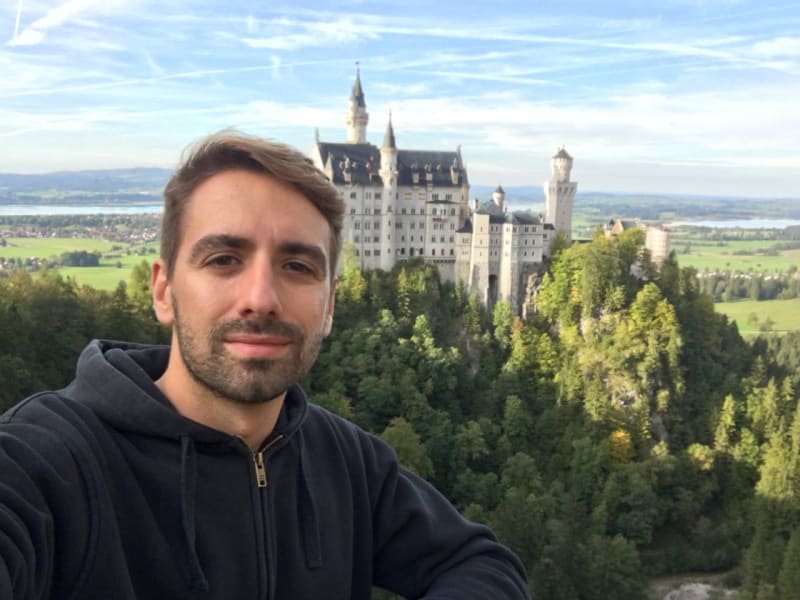
Diogo Baltazar is a Lecturer and Course Leader for the MSc Cosmetic Science program at the London College of Fashion (LCF), part of the University of the Arts London. Originally from Lisbon, he holds a MSc in Pharmaceutical Sciences and transitioned into cosmetic science through a project with a startup, where he developed formulations and managed regulatory compliance. His role at LCF combines teaching, administrative leadership, and research, emphasizing creativity alongside scientific rigor. He studied Pharmaceutical Sciences in Lisbon before shifting focus to cosmetics, driven by a desire to merge technical expertise with creative freedom. His teaching philosophy prioritizes practical learning and student autonomy, fostering a holistic understanding of product development that industry partners value. As a Course Leader, he aims to enhance the MSc program’s reputation for preparing students with both scientific and creative skills, unique to LCF’s interdisciplinary environment. Diogo’s work bridges science and artistry, leveraging LCF’s fashion-centric context to cultivate innovative cosmetic scientists. While he misses Lisbon’s lifestyle and sun, he views his role at LCF as a lifelong commitment, appreciating its support for continuous growth and diverse responsibilities.
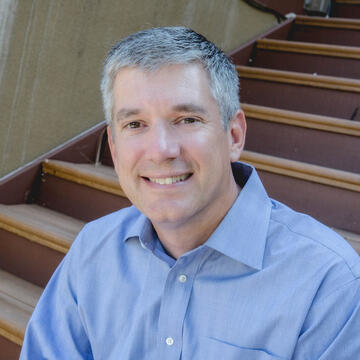
Phil Peterson is a Term Instructor and Full-Time Faculty member at the University of San Francisco. He has extensive industry experience in Silicon Valley, working at Borland, Netscape, Motorola, Apple, and startups, with roles spanning software engineering, management, and board positions across packaged software, web browsers, mobile devices, and internet services. At USF, he teaches in the Systems track. Education: Boston College, BA in Computer Science, 1989 Research Interests: Phil's professional background emphasizes applied technology innovation, systems design, and industry-academia collaboration. His teaching and expertise reflect practical applications in software development lifecycle, systems architecture, and startup ecosystems. Grants & Advising: No specific grants or student advising details are listed. Labs/Teams: No affiliated labs or research teams are mentioned.
John Paulin Hansen is a Professor at the Technical University of Denmark (DTU), affiliated with the Department of Technology, Management and Economics under the Technology and Business Studies school. His research focuses on human factors, human-computer interaction, and assistive technologies, particularly in gaze interaction and rehabilitation robotics. He holds a Ph.D. from Aarhus University (1992) and has led research groups at institutions like Risø National Laboratory and the IT University of Copenhagen. His work emphasizes improving quality of life for individuals with motor disabilities through innovations like The Eye Tribe and GazeIT lab initiatives. Research Interests include: Eye-tracking technology and gaze interaction systems Exoskeletons and AR interfaces for stroke rehabilitation Human digital twins in healthcare Telepresence robotics accessibility Brain-computer interfaces (BCI) Key Achievements: Founded EU’s COGAIN network, co-created The Eye Tribe startup (acquired by Facebook/Oculus), and leads the GazeIT lab supported by the Bevica Foundation. His projects address sustainable development goals through inclusive technology solutions. Awards: Vanførefondens Forskerpris 2018 Multiple Best Paper Awards (2019–2022) Reviewers' Favourite Best Paper Award at DESIGN2022 Advising & Grants: Mentor to startups like The Eye Tribe and Orbital (acquired by GN Audio). Current projects include EU Horizon 2020 Rehyb initiative for AR exoskeleton interfaces and Human Digital Twin applications in rehabilitation. Labs/Teams: GazeIT lab pioneers assistive tech innovations, collaborating with LEGO and Serious Games Interactive. Active in developing inclusive design pedagogy and digital twin methodologies for healthcare.
Dr. Damien Brady is a Lecturer in the Department of Applied Sciences at South East Technological University (enviroCORE). He holds a PhD in Biotechnology from the University of Ulster (1997) and has extensive postdoctoral experience, including work with Trinity College Dublin and a biotechnology startup. His research focuses on microbial pathogens in medical and veterinary contexts, with applied emphasis on antimicrobial agents and biomedical materials. Key areas include Cronobacter sakazakii, biofilm inhibition, and hydrogel-based therapies for wound healing and tissue regeneration. Brady has authored over 45 publications and 50 conference presentations. His work spans biotechnology applications, such as ethanol production using thermotolerant yeasts and antimicrobial composites for medical devices. He has supervised 11 PhD and 4 MSc students, reflecting his commitment to training the next generation of researchers. Research trends in his articles highlight advancements in CAR-T cell therapy, biopharmaceutical production in E. coli systems, and the development of novel materials for medical applications. Brady also contributes to editorial roles, including the Editorial Board of Biotechnology Letters . His lab explores interdisciplinary challenges, such as biofilm control in food safety, antimicrobial resistance mechanisms, and innovative solutions for chronic conditions like anal fistulae. Collaborations extend to material science, dentistry, and surgical innovations, underscoring the applied nature of his work.
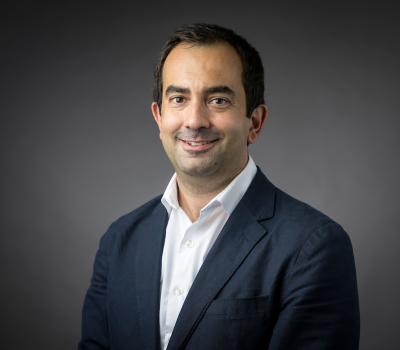
Dr. Zenon Michaelides is Reader in Business Analytics (equivalent to Associate Professor) at Manchester Metropolitan University Business School. With extensive industry experience, he bridges academic research with applied digital transformation in enterprise contexts. His research examines digital transformation, business analytics, supply chain optimization, and Industry 4.0 technologies. Michaelides leads knowledge transfer partnerships worth over £1.2M, collaborating with aerospace, retail, and public sector organizations. As Deputy Head of Research Ethics and Governance, he oversees compliance frameworks. He represents the university in SAP/AWS/Celonis academic partnerships. His publications emphasize practical applications: sustainability reporting, lean management in developing economies, big data in SCM, and RFID/e-business systems. Recent work analyzes organizational drivers for sustainable manufacturing and social value in procurement. He teaches postgraduate/executive courses on analytics, Industry 4.0, and digital leadership. His TEDx talk on cloud computing/ERP reflects commitment to translating technical concepts for broader audiences.
Konstantinos Goulas is an Assistant Professor in the Department of Chemical, Biological, and Environmental Engineering at Oregon State University's College of Engineering. His research focuses on catalytic materials, particularly investigating structure-reactivity relationships through operando spectroscopy and kinetic analysis to develop sustainable catalysts for applications like biofuel production, plastic upcycling, and automotive emissions control. He leads the Goulas Research Lab, which collaborates on projects such as PVC-to-wax conversion and low-temperature CO oxidation. His research groups include Materials and Catalysis, Computation and Simulation, and Water and Environment. Notable advisees include Dr. Scott Svadlenak (startup Renewcat, Inc.), Dr. Tanmayi Bathena (PNNL), and Dr. Stephen Kristy (Idaho National Lab). His work has been featured in Nature Catalysis and media outlets like KATU News. He also engages in outreach, leading sessions at the Migrant Engineering Summer Camp. Key projects include PVC upcycling via hydrodechlorination, bismuth molybdate catalysts for propylene oxidation, and PdCu alloy catalysts for CO oxidation. His lab emphasizes interdisciplinary approaches to sustainability challenges, with funding from agencies like VentureWell and the Vinyl Institute.
Michael Shur is the Patricia W. and C. Sheldon Roberts Professor of Solid State Electronics at Rensselaer Polytechnic Institute (RPI), with affiliations in Physics, Applied Physics, and Astronomy. He holds a MSEE from St. Petersburg Electrotechnical Institute and PhD/Dr.Sc. from the A.F. Ioffe Institute. His research focuses on solid-state electronics, terahertz technology, plasmonics, and UV LEDs, with notable contributions to deep ultraviolet LED commercialization through co-founded startups like Sensor Electronics Technology, Inc. and Electronics of the Future, Inc. His work spans interdisciplinary areas, including pandemic modeling and biomedical applications of terahertz technology. Shur is a Life Fellow of multiple institutions (IEEE, APS, ECS, SPIE) and recipient of prestigious awards such as the IET Achievement Award, IEEE Sensors Council Technical Achievement Award, and Senior Humboldt Award. His h-index of 111 underscores his prolific research impact, and he was elected a Foreign Member of the Lithuanian Academy of Sciences. Shur’s research group explores terahertz plasma wave electronics, graphene-based devices, and diamond semiconductors. Recent efforts include developing terahertz sensors for cancer detection and automated surface disinfection systems using UV LEDs. His compact SPICE models and TeraFET designs advance high-frequency electronics, while his pandemic equation models disease spread dynamics. Awards: IET Achievement Award, IEEE Fellowships, Honorary Doctorates from St. Petersburg Tech and Vilnius University. Labs/Teams: Co-founder of Electronics of the Future, Inc., leading research in UV LEDs and terahertz technologies.
Dr. M. Abu Naser is an Associate Professor at London Metropolitan University's Guildhall School of Business and Law, specializing in corporate governance, behavioral finance, and developmental economics. He has over 20 years of academic and commercial experience, including roles at multinational firms like Ford and Tesco. His research focuses on AI's impact on education and finance, ESG investments, and microfinance-driven poverty reduction. He actively supervises PhD candidates and chairs international conferences like the Organisation Governance Conference and CSR conferences. Education: Holds a Ph.D., MBA, PGCertEd, PG Dip, AAA, and certifications as a Chartered Management Banker (CMBE). His professional recognitions include Fellowship of the Higher Education Academy (FHEA) and Royal Society of Arts (FRSA). Research Interests: Combines interdisciplinary approaches to address real-world problems through the Centre for Applied Research in Empowering Society and Developing Economics. Key themes include digital technology's role in corporate sustainability, generative AI in academia, and stakeholder governance frameworks. Publications Trends: Recent work emphasizes AI applications in finance, ESG investing, and cryptocurrency's role in microfinance. His 2024 studies explore generative AI's dual-edged impact on higher education and ESG's role in corporate valuation. Earlier research established foundational work on microfinance's gender empowerment and post-Brexit investment dynamics. Grants & Awards: Secured multi-institutional grants through international collaborations. Notable achievements include transforming a struggling enterprise into a profitable venture and advising Japanese investors via German Chamber of Commerce. His leadership in organizing global conferences (e.g., IConGFESR) highlights strategic event management skills. Labs/Teams: Leads the Small Business Clinic supporting startups and SMEs. Collaborates globally with institutions like the University of London and Kirklareli University, Turkey, fostering innovation and cultural exchange.
Eduardo Luís Cardoso serves as Assistant Professor at the Faculty of Biotechnology and Researcher at the Centre for Biotechnology and Fine Chemistry (CBQF), Universidade Católica Portuguesa (UCP Porto). He additionally holds leadership positions as Executive Director of the EBRI Center for Knowledge Valorization and Transfer and Coordinator of Services to Companies at the Faculty of Biotechnology. His educational background includes a PhD in Innovation from the School of Engineering of Minho University (awarded January 1, 2005), a Master's in Industrial Management from the Faculty of Engineering of Porto University (1992), and a Bachelor's in Chemical Engineering from the same institution (1986). PhD in Innovation, School of Engineering of Minho University Master in Industrial Management, Faculty of Engineering of Porto University (1992) Bachelor in Chemical Engineering, Faculty of Engineering of Porto University (1986) Dr. Cardoso's research spans Innovation, Individual and Organizational Learning, Knowledge Management, and Entrepreneurship. His work bridges academic theory with practical applications across multiple sectors. His fingerprint analysis reveals significant contributions to Entrepreneurship (100%), Electronic Learning (54%), Knowledge Transfer (51%), Technology (51%), and Technology Transfer (47%). His recent publications demonstrate a strong focus on technology transfer in agri-food systems, knowledge sharing in bioproducts communities, e-learning assessment methodologies, and sustainable agricultural solutions. His research often integrates educational technology with business innovation, creating practical frameworks for knowledge valorization. Technology transfer frameworks for agri-food sector innovation Knowledge sharing mechanisms in bioproduct communities E-learning assessment tools for educational technology Sustainable agricultural solutions through soil microbial diversity Phytomanagement strategies for contaminated land rehabilitation Dr. Cardoso has coordinated numerous R&D+I projects funded by programs including RTD FP, PRIMA, and ERASMUS+. His portfolio includes T-GREEN (Transforming Graduate Education), SFT-EDIH (Smart Sustainable Farms), DIP4Agri, YouARIn, and 3Boost projects, demonstrating his commitment to sustainable innovation and knowledge transfer. He serves on boards at the Faculty, CBQF Research Center, and AESBUC University-Industry Association. Previously, he consulted for Portugal's Education Ministry Evaluation Office and coordinated a Competence Center for ICT in Education for 10 years as part of the National Network supporting ICT in Schools. He was also part of a spinoff team established in 2009 that now operates internationally in Laboratory Technologies.
Prof. Dr. Andrea Back leads the Institute of Business Information Systems (IWI-HSG) at the University of St. Gallen. Her research explores digital transformation, AI literacy, and business-IT integration. Back develops frameworks for organizational ambidexterity, digital intrapreneurship, and IoT ecosystems. Recent projects include AI competency taxonomies, fintech education tools, and robotics in construction. Publications address innovation culture, platform reputation mechanisms, and data-driven sports analytics. She advocates for ethical AI deployment and digital maturity benchmarking through real-time data mining.
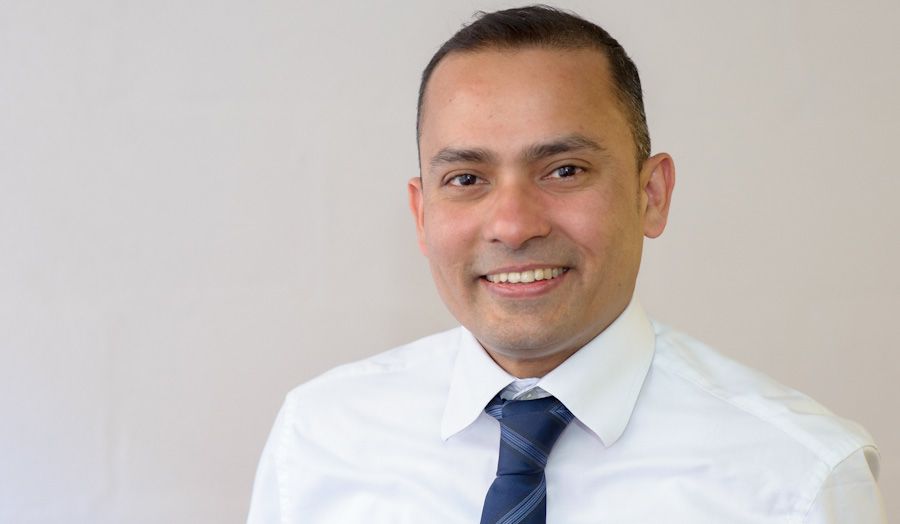
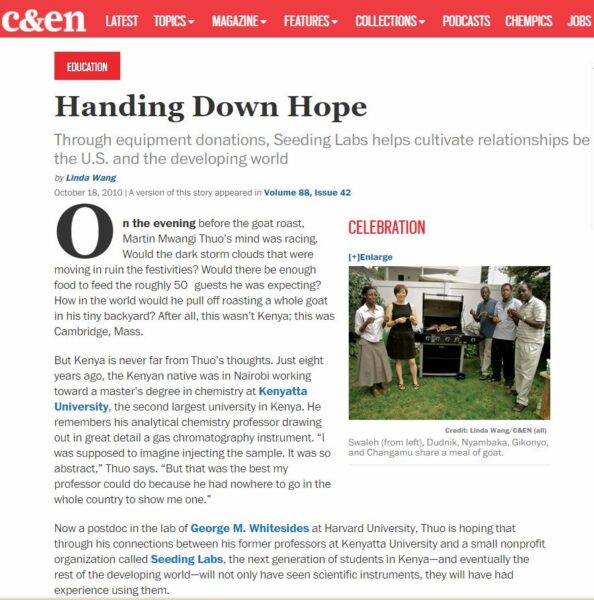
Martin Thuo is a Professor in the Department of Materials Science and Engineering at NC State University's College of Engineering. His research focuses on frugal innovation, functional soft matter, surfaces/interfaces, and metastable materials. His group develops self-assembly techniques for creating functional devices and explores low-cost solutions for healthcare and sustainability. Key projects include low-temperature solders commercialized via a startup, microelectronics, and recycling technologies. Thuo advocates for cognitively diverse teams and collaborates globally through initiatives like the NSF-STC Center for Complex Particle Systems (COMPASS). He engages in outreach to build scientific capacity, particularly in Africa through CERA programs. His work spans interdisciplinary areas such as nanotechnology, sustainable manufacturing, and material synthesis. Notable collaborations include industry partnerships and global academic networks. Thuo's lab emphasizes translating research into practical applications, with a focus on undercooled metals, smart materials, and environmental solutions. His group actively recruits motivated graduate students and postdoctoral researchers.
Hendrik Hansmeier is a Researcher at the Fraunhofer Institute for Systems and Innovation Research ISI, Department of Policy and Society. He joined in 2019, focusing on regional innovation dynamics, sustainability transitions, and structural change. His work analyzes the impact of innovations and startups through a geographical lens. He holds a PhD from Leibniz Universität Hannover (2023) on eco-innovation in regional contexts, with prior studies in economic geography (Universities of Hannover/Krakow) and geography (University of Marburg). Education: PhD in Economic Geography (2023), University of Hannover; MSc in Economic Geography (Hannover/Krakow); BSc in Geography (Marburg). Research Interests: Regional innovation strategies Eco-innovation policies Sustainability transitions in lagging regions Geographical analysis of innovation systems Key Projects: Study on knowledge transfer in Saxony Evaluation of Austrian sustainability funding criteria New impulses for structurally weak regions (IMPER) Smart Specialisation (TetRRIS) Publications focus on regional eco-innovation trajectories, policy evaluation, and structural change dynamics. His work bridges geography and innovation studies to address societal challenges like climate change and regional disparities.
Dr. Mahendra Singh is a Researcher and Data Scientist in the Department of Energy Technologies and Energy Systems , currently affiliated with Fraunhofer ISI . He holds a joint doctorate from the Grenoble Institute of Technology, France, and the European Institute of Innovation & Technology (EIT). His research focuses on energy management, smart buildings, innovation clusters, and data-driven business models in the energy sector. Key projects include the Thai-German Cooperation on Energy, Mobility and Climate (TGC EMC) ; ENTEC Energy Transition Expert Network ; and Common European Energy Data Space . He has contributed to studies on energy transition policies, digitalization of energy flexibility, and cleantech startup ecosystems. His work integrates data analysis and diagnostic tools for building systems, with notable contributions to fault detection in smart buildings and energy consumption analysis of consumer electronics. Over 20+ peer-reviewed publications reflect his expertise in energy systems, sustainability, and innovation strategies. Mahendra’s academic trajectory includes a postdoc at the Maersk Mc-Kinney Moller Institute (Denmark) and collaborations across Europe and Asia. He advises on EU-funded initiatives and industry partnerships, emphasizing actionable insights for energy transition challenges.
Quintin Williams is a Professor at the Savannah College of Art and Design , specializing in sneaker and accessory design since 2022. He is also a co-founder and Chief Global Designer of Q4 Sports , a performance footwear company established in 2016, and founder of Creative Astronaut Ventures LLC , operating since 2009. His career spans leadership roles in footwear design at PEAK Sports USA (2013–2016), Power Force Apparel (2012–2013), and collaborations with brands like Disney, Native Shoes, and Bata. Education: B.F.A. in Industrial Design, Savannah College of Art and Design Research and Design Focus: Williams specializes in sneaker design , footwear technology , and branding strategies . His work emphasizes performance footwear innovation , seasonal material storytelling , and global production oversight . Publications highlight trends in sneaker industry analysis and design pedagogy , while his entrepreneurial ventures address both market-driven product development and corporate social responsibility . Scientific and Creative Awards: Global Footwear Awards Winner (2021) Coroflot’s Designer of the Week nomination (2011) First Place, Design the "You" Shoe Contest (2012) Featured in Product Sketchbook: Idea, Process and Refinement (global publication)
Dr. Mark Meehan is an Associate Professor of Business at Rivier University with 25+ years of international experience. His teaching centers on entrepreneurship, global strategy, and leadership development. Meehan created the university's multi-internship program and leads the entrepreneurship course that awards $20,000 startup packages to student ventures. His research examines Islamic philosophy's application to business ethics and global education models. Meehan has consulted worldwide and developed curricula for international institutions.