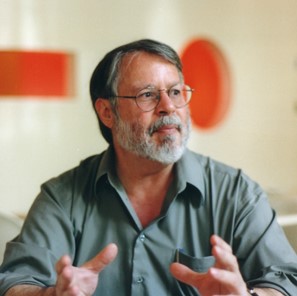
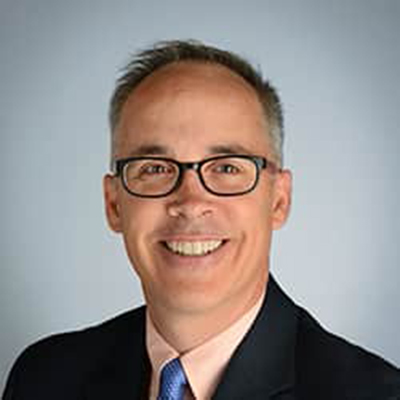
Mark Liberman is a Trustee Professor at the University of Pennsylvania , holding appointments in the Department of Linguistics and Department of Computer and Information Science . He serves as Director of the Linguistic Data Consortium and Faculty Director of Ware College House . His career spans linguistics, speech technology, and computational methods. Education: Harvard University (1965-1969), MIT (M.S. 1972, Ph.D. 1975) Professional Experience: AT&T Bell Laboratories (1975-1990), University of Pennsylvania (1990-present) His research interests include: Corpus-based Phonetics : Analyzing speech patterns via large-scale datasets. Clinical Applications : Developing speech biomarkers for neurodegenerative diseases. Tonal Phonology : Studying lexical tone and intonation in languages like Yoruba and Mandarin. Formal Annotation Models : Creating frameworks for linguistic data standardization. Recent publications highlight automated speech analysis, cross-linguistic prosody, and digital biomarkers for conditions like ALS-FTD and Alzheimer’s. His collaborations span computational linguistics , neurology , and cognitive science . Scientific awards include the IEEE James L. Flanagan Award (2017), Antonio Zampolli Prize (2010), and fellowships from the AAAS and Linguistic Society of America . He advises PhD students May Chan and Jonathan Him Nok Lee and contributes to editorial boards for journals like Cognition and Annual Review of Linguistics . His work bridges speech science , language technology , and neurocognitive research .
Mark Y. Liberman is the Christopher H. Browne Distinguished Professor of Linguistics and Trustee Professor at the University of Pennsylvania. He holds a joint appointment in the Department of Linguistics and the Department of Computer and Information Science. His roles include Director of the Linguistic Data Consortium (LDC), Faculty Director of Ware College House, and former Director of the Institute for Research in Cognitive Science. Education: A.B. in Linguistics and Applied Mathematics from Harvard University (1965–1969), M.S. (1972) and Ph.D. (1975) in Linguistics from MIT. Research focuses on corpus-based phonetics, clinical linguistics applications, tonal phonology, formal models for linguistic annotation, and computational linguistics. He explores speech production, prosody, and interdisciplinary topics like language evolution and neurobiology of speech. Recent articles highlight advancements in speech biomarkers for neurodegenerative diseases, autism analysis, and computational linguistics. Awards include Fellowships from the AAAS and Linguistic Society of America. He advises graduate students and leads large-scale language resource initiatives like LDC, contributing to open-access linguistic datasets. Labs/Teams: Linguistic Data Consortium (LDC), Institute for Research in Cognitive Science (IRCS), and collaborations in computational linguistics and neuroscience.
Miriam van Mersbergen, Ph.D., is an Associate Professor in the School of Communication Sciences and Disorders at the University of Memphis. She directs the Voice, Emotion, and Cognition Laboratory (VECL) and serves as an affiliate of the Institute for Intelligent Systems. Her clinical expertise focuses on performing voice users. University of Memphis Institute for Intelligent Systems Her research examines how emotional and cognitive factors influence vocalization and communication. Key projects include establishing vocal measures of affect modulation, studying individual differences in responses to vocal mistakes, and developing clinical tools like measures of voice effort for use in voice clinics. She employs psychometric, behavioral, and psychophysiological methods to analyze the interplay between inner experiences and vocal expression. Dr. van Mersbergen’s academic journey began with studies in music and communication arts at Calvin College, followed by speech-language pathology and vocology at the University of Iowa and doctoral work in speech-language hearing sciences and psychology at the University of Minnesota.
Brett Welch is an Assistant Professor and Biostatistician at the University of Houston with dual appointments in the Department of Communication Sciences and Disorders and the Department of Psychological, Health, and Learning Sciences within the College of Liberal Arts and Social Sciences. Dr. Welch's educational background includes: Ph.D. in Communication Science and Disorders from the University of Pittsburgh M.S. in Communication Sciences and Disorders from the University of Texas Rio Grande Valley B.S. in Linguistics from the University of Texas at Austin B.A. in Communication Sciences and Disorders – Speech-Language Pathology from the University of Texas at Austin Dr. Welch's research sits at the intersection of psychology and communication. He seeks to understand how psychological processes like personality and psychopathology influence communication behaviors, and conversely, how communication behaviors impact psycho-social well-being. His work leverages quantitative methods, cross-sectional studies, and intensive longitudinal designs to interrogate the dynamic interplay between psychological processes and voice and communication behaviors. This research aims to advance understanding of functional voice disorders, improve assessment of psychopathology, and promote well-being for people with and without communication disorders. Dr. Welch has received several notable awards: Honors Council of Academic Programs in Communication Sciences and Disorders PhD Scholarship (2024) New Century Scholars Doctoral Scholarship from the American Speech-Language-Hearing Foundation (2023) New Investigator Forum from The Voice Foundation (2021) As an academic, Dr. Welch serves as an ad hoc peer reviewer for various scientific journals in speech-language pathology and psychology. He is also a mentor in the Students to Empowered Professional Mentoring Program and a member of the American Speech-Language-Hearing Association. His teaching includes Special Problems: Introduction to Quantitative Modeling (COMD 8398). Dr. Welch maintains an active research program focused on the intersection of psychology and communication, with particular emphasis on voice disorders and their psychological correlates. His work combines biostatistical approaches with clinical insights to advance understanding in this specialized field.
Dr. Colleen F. Visconti serves as Professor and Program Director of the Speech-Language Pathology program within the Department of Communication Sciences and Disorders at Baldwin Wallace University. She holds a Ph.D. in Child Language Disorders from Case Western Reserve University, an M.S. in Speech-Language Pathology from Pennsylvania State University, and a B.A. in Communication Sciences from Case Western Reserve University. Her educational background includes: Ph.D. in Child Language Disorders, Case Western Reserve University M.S. in Speech-Language Pathology, Pennsylvania State University B.A. in Communication Sciences, Case Western Reserve University Visconti's research centers on the scholarship of teaching and learning and evidence-based education, with specific expertise in peer mentoring systems, interprofessional education frameworks, Zambia-based community engagement initiatives, clinical decision-making protocols, and problem-based learning methodologies. Her scholarly contributions have been disseminated through presentations at state, regional, and national conferences alongside publications in journals such as Teaching and Learning in Communication Sciences & Disorders, Perspectives on Issues in Higher Education, and The ASHA Leader. She has co-authored three significant publications: the forthcoming open-access text 'Scholarship of Teaching and Learning in CSD: Past, Present, and Future', 'Case Studies in Evidence-Based Education: A Resource for Teaching in Clinical Professions' (2021), and 'Scholarship of Teaching and Learning in Speech-Language Pathology and Audiology: Evidence-Based Education'. Additionally, she co-founded and edits the open-access journal Teaching and Learning in Communication Sciences and Disorders. Her distinguished accolades include: Distinguished Contribution Award from the Council of Academic Programs in Communication Sciences and Disorders (2023) Honors of the Association from the Ohio Speech-Language-Hearing Association (2021) Fellow of the Association Award from the Ohio Speech-Language-Hearing Association (2016) Editor's Award from the National Student Speech Language Hearing Association for co-authored article 'Diagnostic Reasoning by Experienced Speech Language Pathologists and Student Clinicians' As an active professional leader, Visconti served as President of the Ohio Speech-Language-Hearing Association (OSLHA) and currently functions as a site visitor for the American Speech-Language-Hearing Association's (ASHA) Council of Academic Accreditation. Her extensive service history includes OSLHA roles as Vice President, Director of Marketing, and University Affairs Representative, alongside ASHA contributions as Convention Committee Member, Special Interest Division Coordinator, and State Legislative Councilor for Ohio. In her academic capacity, she teaches graduate/undergraduate courses including Foundations in Evidence-Based Practice, Articulation and Phonology Disorders, and international Capstone courses in Zambia.
Dr. Derek E. Daniels is an Associate Professor and Director of Graduate Studies in the Department of Communication Sciences and Disorders at Wayne State University’s College of Liberal Arts and Sciences. He is a licensed speech-language pathologist specializing in stuttering therapy and psychosocial aspects of stuttering. His research focuses on identity, stigma, intersectionality, and culturally responsive practices, with a particular emphasis on qualitative methods and social justice. He leads Camp Shout Out, a therapeutic camp for children and teens who stutter, and serves as a former President of the Michigan Speech-Language-Hearing Association. Dr. Daniels holds a Ph.D. from Bowling Green State University (2007), an M.A. from the University of Houston (2002), and a B.A. from Grinnell College (1998). His awards include the 2023 Professional of the Year Scholar and Service Award from the National Stuttering Association and the 2025 William T. Simpkins Service Award. He teaches courses such as 'Stuttering' and 'Normal Language Acquisition,' and his work emphasizes reducing stigma through education and advocacy. Dr. Daniels actively participates in professional organizations like the American Speech-Language-Hearing Association and has contributed to over 50 peer-reviewed publications and presentations globally.
Tara McAllister is an Associate Professor and Director of the Doctoral Program in Communicative Sciences and Disorders at New York University’s Steinhardt School. She leads the Biofeedback Intervention Technology for Speech (BITS) Lab , focusing on speech learning mechanisms and biofeedback treatments for speech disorders. Her work emphasizes acoustic and ultrasound biofeedback efficacy in resolving residual speech sound disorders, particularly in children. McAllister directs development of the staRt iOS app, expanding access to biofeedback training. She holds degrees from Harvard, MIT, and Boston University, with clinical expertise in speech-language pathology. Education: A.B./A.M., Linguistics, Harvard University (2003) M.S., Communication Disorders, Boston University (2007) Ph.D., Linguistics, MIT (2009) Research Interests: Speech motor control, perception-production links, bilingual phonological development, and technology-driven interventions. Her NIH-funded studies investigate biofeedback applications for speech disorders and crowdsourcing methodologies for perceptual analysis. Grants & Labs: NIH/NIDCD-funded BITS Lab research staRt app development since 2014 Teaching: Courses include Critical Evaluation of Research and Speech Science Instrumentation , emphasizing evidence-based practices in communication sciences.
Elaine J. Francis is a Professor of English and Linguistics at Purdue University, where she also serves as the Associate Head of the Department of English. She holds affiliate appointments in the Department of Linguistics and the Department of Speech, Language, and Hearing Sciences. At Purdue, she directs the Experimental Linguistics Lab and teaches linguistics courses at both graduate and undergraduate levels. Francis completed her B.A. in Linguistics at the College of William and Mary in 1993, followed by her M.A. (1995) and Ph.D. (1999) in Linguistics at the University of Chicago under the direction of Salikoko Mufwene. Her dissertation examined variation among members of the same lexical category in English using Sadock's Autolexical Grammar framework. Prior to joining Purdue in 2003, she served as an Assistant Professor at the University of Hong Kong from 1999 to 2002, where she collaborated with Stephen Matthews on research concerning syntactic categories and relative clauses in Cantonese. Her research focuses on syntax and its interfaces with semantics, discourse information structure, and language processing in production and comprehension. Francis employs experimental methods to investigate syntactic, semantic, discourse-pragmatic, and cognitive factors underlying the grammar and usage of complex sentence structures. Her specific interests include word order alternations, filler-gap dependencies, resumptive pronouns, relative clauses, grammatical categories, and syntactic alternations. She has published extensively in top linguistics journals including Language and Cognition, Glossa Psycholinguistics, Linguistics, Lingua, Cognitive Linguistics, and the Journal of Psycholinguistic Research. Analyzing her recent publications reveals a consistent focus on experimental approaches to syntactic phenomena. Her work demonstrates a strong interest in gradient acceptability, syntactic priming, cross-linguistic comparison (particularly involving English and Cantonese), and the relationship between grammatical theory and language processing. Her 2022 book Gradient Acceptability and Linguistic Theory represents a major contribution that synthesizes experimental findings with theoretical linguistics frameworks. Francis plays an active role in the broader linguistics community. She regularly teaches short courses at the Linguistic Society of America Linguistic Institutes, serves on the LSA Ethics Committee, and is on the editorial board of Glossa Psycholinguistics. She has also edited several books and special journal issues, including Mismatch: Form-Function Incongruity and the Architecture of Grammar (2003) and Polymorphous Linguistics: Jim McCawley's Legacy (2005). As an educator and administrator, Francis has supervised numerous graduate students and currently serves as Associate Head of the Department of English at Purdue. Her Experimental Linguistics Lab provides research opportunities for students interested in the intersection of theoretical syntax and experimental methodology. While she recently announced she will not be accepting new graduate students for the 2025-2026 cycle, her established mentorship record demonstrates her commitment to training the next generation of linguists. The Experimental Linguistics Lab, which she directs, serves as a hub for research combining theoretical linguistics with experimental methods. Her collaborative work extends across disciplines, including collaborations with researchers in speech-language pathology, cognitive science, and computational linguistics, reflecting the interdisciplinary nature of modern linguistic research.
Jennifer C. Dalton serves as Associate Professor and Undergraduate Program Director in the Department of Communication Sciences and Disorders within Appalachian State University's Beaver College of Health Sciences. With over 15 years of higher education experience, she provides strategic leadership in curriculum development, program assessment, and student success initiatives across the undergraduate program. Her educational foundation includes: Ph.D. in Speech and Hearing Sciences, UNC Chapel Hill (2012) M.A. in Communication Sciences and Disorders, Appalachian State University (1999) M.B.A., Appalachian State University B.S. in Speech Pathology and Audiology, Kent State University (1997) Dr. Dalton's research bridges clinical practice and educational innovation, focusing on pediatric speech disorders while advancing scholarship in teaching methodologies. Her work examines how experiential education builds graduate competencies and how employment prospects influence student retention, reflecting her commitment to evidence-based program development. Recent publications demonstrate consistent output in higher education scholarship, with three peer-reviewed articles published between 2023-2024 addressing pandemic-era pedagogy, graduate training, and student retention analytics. These works highlight her dual expertise in clinical communication sciences and educational leadership. Her academic recognition includes: 2021 Beaver College of Health Sciences Outstanding Teaching Award 2023 UNC System Academic Affairs Faculty Fellowship Dr. Dalton actively secures program development grants that enhance student learning outcomes through innovative curriculum design. As program director, she oversees clinical education pathways while maintaining her ASHA clinical certification and Quality Matters online teaching credentials. Her leadership emphasizes inclusive education practices that prepare diverse learners for professional success in dynamic healthcare environments. Though not leading a named laboratory, Dr. Dalton is central to departmental research through her scholarship of teaching and learning, influencing clinical education standards across the discipline.
Henrike K. Blumenfeld is an Associate Professor at San Diego State University (SDSU), affiliated with the School of Speech, Language and Hearing Sciences within the College of Health and Human Services. She serves as Director of the Bilingualism and Cognition Laboratory and holds joint faculty status in the SDSU/UCSD Joint Doctoral Program in Language and Communicative Disorders. Her primary research focuses on bilingualism, cognitive control, and language processing across the lifespan. Education: Ph.D., Communication Sciences and Disorders, Northwestern University (2001–2008) B.A., Linguistics, Bryn Mawr College (1997–2001) Research Interests: Bilingualism and cognitive aging Cross-linguistic effects in language comprehension Cognitive control mechanisms in bilingual speakers Neurobiological bases of bilingual language processing Assessment of multilingual populations Grants & Awards: She has secured funding from NIH/NIDCD, NSF, and SDSU grants totaling over $200,000. Notable awards include the 2022 CHHS YES Award for service, 2013 Undergraduate Professor of the Year, and multiple research travel grants. Labs/Teams: Directs the Bilingualism and Cognition Lab, collaborating with institutions like the Gary and Mary West Senior Wellness Center and Bangor University’s Centre for Research on Bilingualism.
Christine Clark, MD, MSc is an attending laryngologist at Weill Cornell Medicine’s Sean Parker Institute for the Voice and Assistant Professor in the Department of Otolaryngology-Head and Neck Surgery at Weill Cornell Medical College. She earned her B.A. from the University of Pittsburgh (2011) and her M.D. from Pennsylvania State University College of Medicine (2017), followed by residency at Georgetown University Medical Center and a fellowship in Laryngology at Weill Cornell, where she also obtained a master’s degree in Clinical and Translational Science. B.A. - University of Pittsburgh (2011) M.D. - Pennsylvania State University College of Medicine (2017) Residency - Georgetown University Medical Center Fellowship - Sean Parker Institute for the Voice (Laryngology) Master’s - Clinical and Translational Science at Weill Cornell Dr. Clark specializes in evaluating and treating swallowing, voice, and airway disorders. Her research focuses on chronic cough, laryngeal hypersensitivity, and benign phonotraumatic vocal fold lesions. She has developed clinical tools like the 3D-printed injection laryngoplasty simulator and quality improvement initiatives for surgical airway management. Her clinical work and research span topics such as vocal fold hemorrhage management, pharyngeal residue quantification in dysphagia, and granuloma as markers of malignancy. Recent publications emphasize global otolaryngology capacity building and performer-specific voice injury care. Scientific awards include: Teaching awards for excellence in medical student education during residency Dr. Clark is affiliated with the Sean Parker Institute for the Voice at Weill Cornell Medicine and serves as an Assistant Professor of Otolaryngology.
Jeff Searl is a Professor in the Department of Communicative Sciences and Disorders at Michigan State University (MSU), within the College of Communication Arts and Sciences. Previously, he held faculty roles at the University of Kansas Medical Center’s Hearing and Speech Department and the Otolaryngology – Head & Neck Surgery Department. He earned his Ph.D. from the University of Kansas. His research focuses on understanding how chemoradiation and surgery for head and neck cancers affect speech and voice production. The goal is to develop clinical practices that preserve or rehabilitate communication for patients post-treatment. His methods include physiological, acoustic, and auditory-perceptual measurements. Key emphases include optimizing communication while balancing speech intelligibility, physical/cognitive effort, and associated fatigue. Recent work addresses pandemic impacts on laryngectomy patients, clinician practices during crises, and vocal effort measurement across cultures. His lab investigates articulatory pressures, tracheoesophageal speech dynamics, and dysphagia treatment innovations. Though no specific awards are listed, his contributions to voice rehabilitation and clinical methodologies are significant. Dr. Searl advises on telemedicine applications for Parkinson’s voice therapy, group therapy feasibility, and alaryngeal communication modalities. His lab at MSU collaborates on interdisciplinary projects involving speech-language pathologists, engineers, and oncologists to advance communication restoration technologies.
Dr. Jerry K. Hoepner serves as Professor and Assistant Chair in the Department of Communication Sciences and Disorders at the University of Wisconsin - Eau Claire's College of Health and Human Sciences, where he has taught full-time since 2007 after beginning part-time in 2003. His roles include Student Engagement Coordinator and CSD Ambassadors Advisor, with clinical supervision remaining integral to his work. His educational foundation includes a Ph.D. in Communication Sciences and Disorders from the University of Wisconsin - Madison, an M.S. in Communication Sciences and Disorders from UWEC, a B.S. in Psychology from Minnesota State University - Mankato, and an A.A. from Bethany Lutheran College. He holds ASHA Certification (CCC-SLP) and Wisconsin State Licensure. Dr. Hoepner's research pioneers video self-modeling interventions, counseling methodologies, and healthcare perceptions for individuals with acquired cognitive-communication disorders, particularly traumatic brain injury (TBI) and aphasia. His innovative work encompasses the Chippewa Valley Aphasia Camp, Thursday Night Poets collective, and TBIconneCT/FUNconneCT social communication interventions. As co-founder of ASHA SIG20 for Counseling in CSD and the UWEC CSD SoTL Lab, he bridges scholarship with clinical practice while editing Teaching and Learning in Communication Sciences and Disorders . His publication trajectory reveals intensifying focus on qualitative analysis of patient experiences, project-based rehabilitation techniques, and counseling integration within SLP practice, with recent work examining poetry interventions, telehealth delivery, and sociolinguistic assessment frameworks. His distinguished recognition includes: ASHA Fellow designation (2021) UW System Regent's Teaching Excellence Award (2020) CAPCSD Distinguished Contribution Award (2023) Aphasia Access President's Award (2023) Multiple mentoring and scholarly honors Dr. Hoepner has mentored countless undergraduate research projects and graduate committees while securing federal TBI grants. His clinical leadership extends through Aphasia Access podcast contributions and statewide intervention programs that transform rehabilitation paradigms. His laboratory initiatives—including the SoTL Lab and project-based brain injury groups—embody his commitment to experiential learning, where students engage in camp immersion, clinical apprenticeships, and community-driven research that reshapes neurorehabilitation practices.
Kay James is an Associate Professor of Neuroscience and Education at Teachers College, Columbia University, and serves as Director of the Graduate Program in Neuroscience and Education and the Neurocognition of Language Lab. Their work focuses on neural mechanisms underlying language disorders, second language acquisition, and cognitive processes in schizophrenia. Key affiliations include Biobehavioral Sciences, Neuroscience and Education, Human Development, and Cognitive Science in Education. Research interests emphasize the neural basis of language processing in pathological contexts such as developmental speech disorders and schizophrenia, alongside second language acquisition in adults. Their interdisciplinary approach bridges cognitive neuroscience with clinical and educational interventions. Publications span studies on mismatch negativity in speech disorders, syntactic development in Arabic diglossia, and brain-behavior asymmetry in schizophrenia. Ongoing work explores voice-related cortical potentials and emotional face processing through electrophysiological methods. Labs and teams include the Neurocognition of Language Lab, focusing on language neurobiology and clinical applications. Grants and advising roles are not explicitly detailed in the provided materials.
Stephanie Nanto is a Lecturer and Clinical Supervisor at the Department of Communication Disorders and Sciences, Southern Illinois University Carbondale. She earned her M.S. in Communication Disorders and Sciences from the same institution and holds a Certificate of Clinical Competence (CCC) from the American Speech-Language-Hearing Association. Her clinical expertise spans speech-language pathology in acute care, public schools, and autism clinics. Education: M.S. in Communication Disorders and Sciences, Southern Illinois University Carbondale Research & Clinical Focus: Stephanie specializes in Augmentative and Alternative Communication (AAC), autism spectrum disorders, and language development. She emphasizes clinical supervision and mentoring, integrating telehealth strategies for speech/language therapy delivery. Professional Background: Prior to joining SIUC, she worked in acute care medical settings managing dysphagia, public schools supporting children with developmental disorders (preK–22 years), and an autism clinic providing in-person and virtual therapy. Contact: Office: Rehn 317A Email: bishop.stephanie3@siu.edu