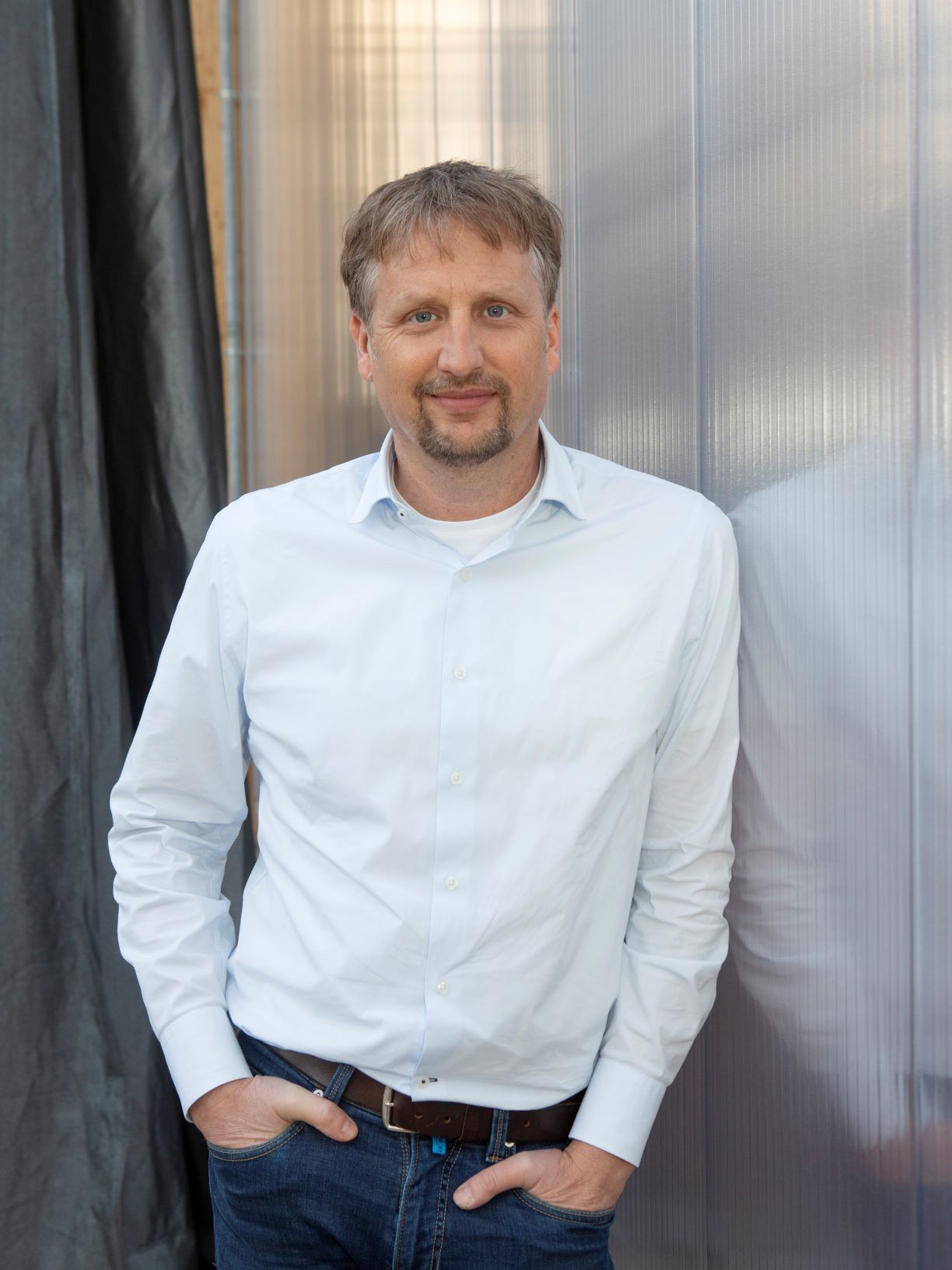
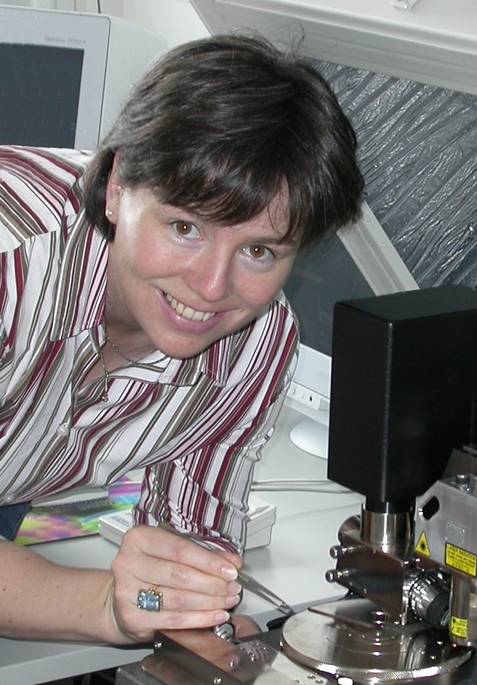
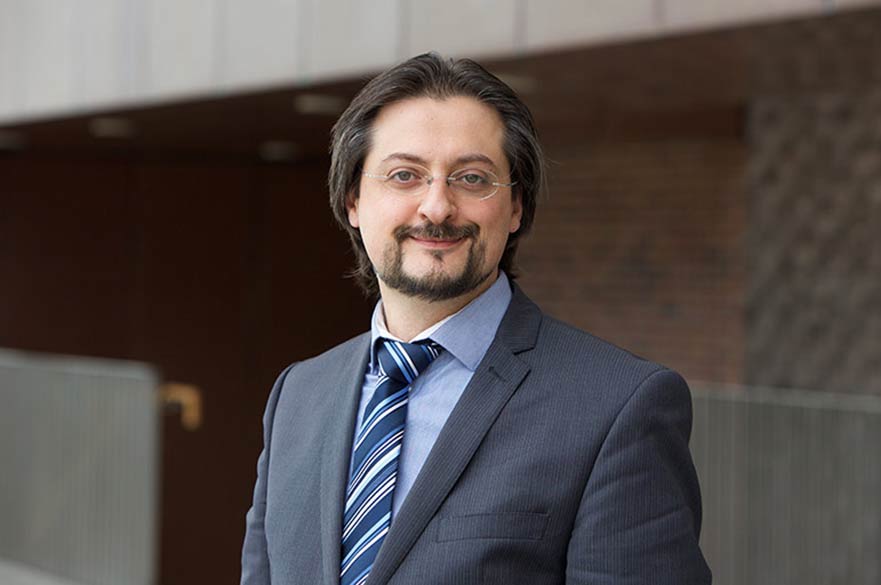
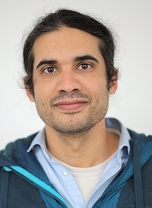
Prof. Alexander Holleitner leads the Chair of Nanotechnology and Nanomaterials at the Department of Physics, Technical University of Munich , under the Walter Schottky Institute. His research focuses on ultrafast optoelectronics, quantum optoelectronics, and excitonic systems in nanoscale circuits. Research Directions : Ultrafast optoelectronics, quantum optoelectronics, excitonic systems, THz time-domain spectroscopy, and nanofabrication of mixed organic/inorganic systems. Publications : Recent work spans hyperbolic polaritons, interlayer excitons, graphene nano-gap dynamics, and defect engineering in 2D materials. Collaborations include interdisciplinary projects with groups studying semiconductor heterostructures and quantum technologies. His lab welcomes students and researchers interested in experimental physics, quantum electronics, and nanofabrication.
Vanya Darakchieva is a Professor in Solid State Physics at Lund University's Faculty of Engineering (LTH), serving as Principal Investigator at NanoLund: Centre for Nanoscience and Director of C3NiT: Centre for III Nitride technology. She is a core member of Lund's profile areas in Nanoscience and Semiconductor Technology, Light and Materials, and The Energy Transition, reflecting her interdisciplinary impact. Her research centers on wide bandgap semiconductors, particularly gallium nitride (GaN) and gallium oxide (Ga 2 O 3 ), with emphasis on defect engineering, electron transport, and advanced characterization techniques. She pioneers terahertz spectroscopy and electron paramagnetic resonance methods to analyze material properties critical for quantum technologies and energy-efficient electronics. Her work bridges fundamental physics with industrial applications in high-frequency devices and green semiconductor technology. Recent publications reveal a sharp focus on structural optimization of GaN crystals, doping mechanisms, and contact engineering—key bottlenecks in next-generation power electronics. Trends show increasing collaboration with international teams on epitaxial growth techniques and defect-driven property control. No scientific awards were documented in the provided text. She actively supervises PhD candidates including Logotheti, A. and Rindert, V., guiding dissertation projects within major grants. Darakchieva leads nine research projects with 150+ million SEK in funding, including two flagship Knut and Alice Wallenberg Foundation initiatives (2025–2030) on quantum-ready semiconductors and ceramic-to-semiconductor transformation, plus Swedish Research Council and Vinnova grants targeting terahertz characterization and III-nitride technology. Her work is anchored in NanoLund and C3NiT infrastructure, fostering cross-departmental teams for nanofabrication and device prototyping. Current efforts integrate magnetron sputtering, MOCVD growth, and in-situ characterization to solve industry challenges in thermal management and electron mobility for 6G communications and renewable energy systems.
Mathieu Odijk is a Full Professor at the University of Twente's Faculty of Science and Technology, leading the Integrated Devices and Systems department. His research focuses on microfluidic systems, catalysis, and organ-on-chip platforms, with contributions to UN Sustainable Development Goals through advanced material characterization and biomedical engineering. He has authored over 120 publications and holds an h-index of 27 with 1,820 citations. Expertise: Microfluidics, catalyst particle diagnostics, SERS substrates, organ-on-chip systems, and spectroscopic techniques. Collaborations include Weckhuysen (catalysis), van den Berg (microfluidics), and Meirer (materials science). Key projects: Modular organ-on-chip platforms (STARTER), droplet-based catalyst screening, and real-time reaction monitoring via ATR-IR systems. His research combines nanotechnology and chemical engineering to develop tools for sustainable energy, environmental remediation, and biomedical applications. Recent work includes microreactors for catalyst particle analysis, light-driven urea oxidation for wearable kidney devices, and standardized platforms for organ-on-chip research.
Bridget R Rogers is an Associate Professor in the Department of Chemical and Biomolecular Engineering at Vanderbilt University's School of Engineering. Her research focuses on surfaces, interfaces, and films of advanced materials, linking processing parameters to material properties and performance in applications like CMOS transistors, hypersonic flight composites, and harsh-environment coatings. Education: Ph.D., Chemical Engineering, Arizona State University M.S., Chemical Engineering, Arizona State University B.S., Chemical Engineering, University of Colorado Research Interests: Her work employs techniques such as UHV-CVD, spectroscopic ellipsometry, and ion beam backscattering to study thin films of alumina/zirconia for dielectrics and ultra-high-temperature ceramics (e.g., Hf(Zr)B₂/SiC) for hypersonic systems. Applications target aerospace and electronics sectors. Labs/Equipment: Utilizes specialized facilities including a UHV-CVD reactor, TEM for cross-sectional analysis, and x-ray diffraction systems.
Karin Jacobs is a Professor in the Department of Physics at Saarland University, where she leads the research group for soft matter physics within the Faculty of Natural Sciences and Technology. Her work bridges experimental physics and applied materials science, focusing on interfacial phenomena, thin films, and functional materials. Research Interests: Her group investigates the stability of coatings, properties of simple and complex fluids, and the adhesion of biomolecules on surfaces. Using advanced experimental techniques such as atomic force microscopy (AFM), ellipsometry, surface plasmon resonance spectroscopy, optical microscopy, and ultra-high vacuum (UHV) methods like photoelectron spectroscopy, her team probes nanoscale and microscale interactions at solid-liquid and solid-gas interfaces. The research spans fundamental and applied domains, including the synthesis and characterization of graphene and boronitrene, production of water-in-water vesicles using hydrophobins, and bacterial adhesion studies. These investigations are often linked to industrial applications in the paint, semiconductor, and biomedical sectors. Publication Trends: Over the past 15 years, her publications reflect a consistent focus on surface physics and soft matter. Key themes include graphene synthesis via liquid precursor deposition (including unconventional sources like fingerprints), interfacial rheology, biopolymer adsorption, and quantitative imaging analysis. The interdisciplinary nature of her work is evident in the combination of physics, chemistry, and biological interfaces. Scientific Awards: No specific awards are mentioned in the provided text. Advising and Grants: As head of an active research group, Prof. Jacobs supervises graduate students and postdoctoral researchers, though specific names are not listed. Her collaborations with theoretical groups and external institutions (e.g., University of Augsburg) suggest participation in joint grants and funded projects, particularly in nanomaterials and surface science. The applied orientation of her research indicates engagement with industry partners in coatings and semiconductor technologies. Labs and Teams: The Jacobs Group operates a well-equipped experimental laboratory at Campus E2 9, Saarland University, specializing in surface analysis and soft matter characterization. The team includes researchers working on biofilms, microfluidics, and functional materials, supported by technical and administrative staff.
Dr. Triratna Muneshwar is an Assistant Professor in the Department of Metallurgical Engineering and Materials Science at the Indian Institute of Technology Bombay (IIT Bombay), where he has been serving since November 2021. His research focuses on advanced thin film deposition techniques, particularly atomic layer deposition (ALD) and atomic layer etching (ALE), for next-generation semiconductor devices. Ph.D. in Materials Engineering, University of Alberta, Canada (2014) Dual Degree (B.Tech & M.Tech) in Metallurgical Engineering and Materials Science, IIT Bombay (2009) His research interests lie at the intersection of materials science and semiconductor technology, with a strong emphasis on modeling and experimental analysis of vacuum thin film processes. He investigates atomic layer deposition of oxides, nitrides, and metals, surface reaction kinetics , dopant distribution in thin films , and parasitic reactions in high-aspect-ratio structures . His work bridges lab-scale innovation to industrial fabrication (Lab-to-Fab). Dr. Muneshwar's publications reveal a consistent focus on improving the precision, efficiency, and scalability of ALD processes. His work spans plasma-enhanced ALD , precursor chemistry , in-situ characterization , and numerical modeling of growth mechanisms. Key themes include precursor utilization optimization, nucleation control, and material characterization for logic and memory applications. Scientific recognitions include: Featured Article, Journal of Applied Physics (2016) Editors Pick, Journal of Applied Physics (2018) U.S. Patent on precursor utilization in pulsed ALD processes Dr. Muneshwar has mentored research at the postdoctoral and associate levels and continues to build a research program involving graduate students and collaborative projects. His prior experience includes a Postdoctoral Research Fellowship and Research Associate role at the University of Alberta. He is actively involved in advancing ALD/ALE technologies with industrial relevance. His research is conducted within the MEMS department at IIT Bombay, leveraging advanced fabrication and characterization facilities. He collaborates with teams working on semiconductor materials, nanofabrication, and process modeling, contributing to India's growing expertise in microelectronics and advanced materials.
Dr. Samet Sahin is a Lecturer in Chemical Engineering at Lancaster University's School of Engineering. He holds a PhD and professional designations including FHAE (Fellow of Advance HE), AMIChemE (Associate Member of the Institution of Chemical Engineers), and MRSC (Member of the Royal Society of Chemistry). His academic journey includes positions at Bilecik Şeyh Edebali University and postdoctoral work with distinguished advisors including Prof. John A. Rogers. Dr. Sahin's research focuses on developing healthcare solutions through biochemical systems and material science, particularly in bioelectrode development, device design, and alternative materials. His work aims to translate basic research into practical healthcare products and devices, especially wearable and implantable biosensors. His publications show a strong emphasis on electrochemical biosensors for glucose detection, biofuel cells, and aptamer-based detection systems for various analytes including mycotoxins, bisphenol-A, and medical biomarkers. His research group has received funding from multiple international sources including TÜBİTAK (Scientific and Technological Research Council of Türkiye), TÜSEB (Health Institutes of Türkiye), and non-profits like Breakthrough T1D (USA) and the Fulbright Commission. The group maintains an interconnected structure that allows researchers from different backgrounds to collaborate on various topics. Dr. Sahin has received several professional awards including Research Excellence Awards from Bilecik SE University (2022, 2023) and a Fulbright Post Doctoral Fellowship (2020). His work has been recognized with the Engineering YES Elevator Pitch Prize (2013). As an educator, he serves as Module Convenor for ENGR265 Chemical Engineering Laboratory Projects and teaches multiple engineering modules including Fundamentals of Engineering Science and Chemical Process Design Project. He has supervised PhD student Jack Morley and numerous undergraduate students. Notably, Dr. Sahin has an impressive background in Taekwondo, having been a member of the Turkish National Team, winning a silver medal at the European Taekwondo Championship, and co-founding the NeoDo Taekwondo Academy in 2025.
Petros Rakitzis is a Professor in the Department of Physics at the University of Crete and affiliated with the Foundation for Research and Technology - Hellas (FORTH) at the Institute of Electronic Structure and Laser (IESL). He received his B.A. in Physics and Chemistry from Cornell University (1992) and his Ph.D. in Physics from Stanford University (1997), focusing on atomic and molecular angular momentum in chemical reactions. Since 2001, he has progressed from Lecturer to Professor, securing the prestigious ERC Starting Grant in 2008. His research spans quantum angular momentum, spin polarization, photodissociation dynamics, and cavity-enhanced spectroscopy. Education: B.A. in Physics and Chemistry, Cornell University (1992); Ph.D. in Physics, Stanford University (1997) Rakitzis's work explores spin manipulation in particle beams, polarization phenomena in spectroscopy, and chirality sensing using parity-time-symmetric systems. His research has applications in nuclear fusion, laser-plasma acceleration, and quantum metrology. He leads the PREFER collaboration, focusing on polarization research for fusion experiments and reactors, and has developed techniques like signal-reversing cavity ring-down polarimetry for precision measurements. His recent publications highlight trends in spin-polarized hydrogen production, cavity-based chiral sensing, and parity nonconservation studies. These works intersect atomic physics, quantum optics, and nuclear fusion, with methodologies involving laser excitation, relativistic plasmas, and advanced spectroscopic techniques. Scientific Awards: ERC Starting Grant (2008) Rakitzis has contributed to experimental techniques and theoretical frameworks in spin polarization and photodissociation, securing grants and advancing polarized beam applications. His research impacts fusion energy, quantum sensing, and fundamental symmetry studies.
Dr. Demosthenes Koutsogeorgis is an Associate Professor of Photonic Technologies in the Department of Physics & Mathematics at Nottingham Trent University's School of Science & Technology. He serves as a Module Leader, Placement Tutor, Project Supervisor, Director of Studies for PhD programmes, IMEC Research Centre PGR coordinator, and NTU Laser Safety Adviser. He leads the iSMaRT Research Group (Innovations in Surfaces Materials And Related Technologies) based at MTIF Clifton, and was one of the founding members of industry-facing initiatives "Thin Film Services" and "Scientific Services To Industry" at NTU. Dr. Koutsogeorgis received his education at: BSc in Physics from the University of Ioannina, Greece (1997) PhD in "Investigation of laser annealing of phosphor thin films for potential luminescent devices" from Nottingham Trent University (2003) His research focuses on Material Science, with specific expertise in thin film technology, laser processing, luminescent devices, plasmonics, electronic devices, and smart coatings. His work spans numerous applications in nanotechnology across industries including photovoltaics, data storage, security and authentication, optoelectronics, flexible electronics, displays, optical coatings, and biomedical technologies. He has developed unique technologies for subsurface modification of nanoparticles and laser processing of phosphor thin films for enhanced light output and longevity. His recent publications demonstrate strong focus on laser processing techniques for transparent conductive oxides, plasmonic nanostructures, and thin film materials. The research spans from fundamental materials characterization to practical applications in electronics, photonics, and biomedical devices. Key trends include reactive laser annealing, plasmonic nanoparticle engineering, thin film transistor development, and applications of these technologies in both industrial and medical contexts. Dr. Koutsogeorgis has collaborated with numerous institutions including: University of Ioannina (Greece) Aristotle University of Thessaloniki (Greece) OpSec Group (UK) University of Southampton (UK) The University of Nottingham (UK) Sheffield Hallam University (UK) University of Milano (Italy) KAUST (Saudi Arabia) He has supervised multiple PhD students including WEST, J.M. (2023) on "Laser induced nitrogen doping of zinc oxide" and KOUTSIAKI, C. (2023) on "Photonic conversion of sol-gel organometallic precursors into inorganic thin films." His research has been supported by various sponsors including Innovate UK, EU FP7 programme, Engineering and Physical Sciences Research Council EPSRC, and numerous industrial partners. Dr. Koutsogeorgis leads the iSMaRT Research Group, which benefits from long-standing expertise in thin film technology and laser processing. The group works extensively with the MTIF (Manufacturing Technology Innovation Facility) at NTU and maintains strong industry connections through the SS2i initiative. The research environment includes advanced capabilities in deposition, processing, and characterization of thin film materials for various applications.
Dr. Aurelian Catalin GALCA is a Senior Researcher I at the National Institute of Materials Physics (NIMP) in Magurele, Romania, where he works in the Laboratory of Complex Heterostructures and Multifunctional Materials (HeCoMat). He serves as NIMP's responsible for international collaborations with the Agence universitaire de la Francophonie (AUF) since 2016, managing administrative procedures and educational, training, and research activities for foreign PhD students and postdocs. Dr. GALCA's educational background includes: PhD in Physics from the University of Twente, Netherlands (2006) Master's degree in Solid State Physics from the University of Bucharest, Romania (2002) Bachelor's degree in Physics from the University of Bucharest, Romania (2002) Dr. GALCA's research focuses on the non-destructive characterization of nanoscaled materials using advanced techniques including spectroscopic ellipsometry, X-ray diffraction, UV-Vis and infrared spectroscopy, and Raman spectroscopy. His work also encompasses the preparation of dielectric/semiconductor/metallic thin films by physical vapor deposition methods and the development and testing of optoelectronic devices . His expertise spans materials science, nanotechnology, photovoltaics, and magnetooptics, with particular emphasis on thin film characterization and engineering for solar cell applications, memory devices, and other electronic applications. Analysis of Dr. GALCA's recent publications reveals a strong focus on advanced materials for energy applications , particularly photovoltaics and energy storage. His work spans thin film solar cells (CZTS, CBTS), perovskite solar cells, supercapacitors, and magnetocaloric materials. A common thread is the precise engineering of material properties through composition control, phase transitions, and surface morphology optimization. His research increasingly incorporates computational methods to complement experimental findings, demonstrating an interdisciplinary approach to materials science. Dr. GALCA has received notable recognition for his work, including: RADU GRIGOROVICI prize awarded by the Romanian Academy in 2011 for contributions to the optical characterization of oxide systems As a research leader, Dr. GALCA has coordinated three national projects, two of which as Principal Investigator, including the "Science and engineering of kesterites for the next generation of solar cells" project. He has also contributed to economic projects with CyberSwarm Inc. and Honeywell Romania. His expertise is sought after as a scientific reviewer for top journals including Scientific Reports, ACS Applied Materials & Interfaces, and Applied Surface Science, and as an Expert Evaluator for the European Commission (H2020), ANR (France), CNR (Italy), and Romanian funding agencies. Dr. GALCA leads research activities at the Laboratory of Complex Heterostructures and Multifunctional Materials (HeCoMat) at NIMP, where his team focuses on the characterization and development of advanced materials for optoelectronic applications. The laboratory is equipped with state-of-the-art instrumentation for thin film deposition and characterization, supporting research in photovoltaics, memory devices, and other electronic applications. Dr. GALCA's team collaborates extensively with international partners, reflecting his role as NIMP's responsible for AUF collaborations.
Dr. Sven Burger is a leading Researcher at the Zuse Institute Berlin (ZIB) within the Modeling and Simulation of Complex Processes department. His work focuses on Nanophotonics , Quantum Technologies , and Optical Resonance Computation , particularly in photonic crystals, plasmonic systems, and quantum light sources. Key projects: NanoLab GRIPS 2024 , MATH+ TES QT , MATH+ PaA-1 (perovskite solar cells), Colour Impression of Solar Cells Collaborations: MATH+ , BIFOLD , Research Campus MODAL His research spans Bayesian optimization for quantum systems, quasinormal mode expansions , chiral plasmonics , and terawatt-scale photovoltaics . Recent work emphasizes RPExpand software for resonance analysis and AAA algorithm applications in photonic design. He contributes to quantum key distribution via plug&play single-photon sources, hot carrier dynamics in plasmonic nanocrystals, and high-efficiency light extraction for deep-UV LEDs. His computational methods address non-Hermitian systems , exceptional points , and self-interference nanoparticle tracking .
Titel Jurca is an Associate Professor in the Department of Chemistry at the University of Central Florida, College of Sciences. His research focuses on synthetic inorganic chemistry for catalytic organic transformations and thin film materials chemistry, with emphasis on developing novel main-group metal catalysts and chemical precursors for atomic layer deposition (ALD). Research areas include: Design of inorganic precursors for ALD growth of metal oxides and transition metal dichalcogenides Development of sustainable nanocatalysts for fine chemical transformations Convergence of molecular synthesis, thin film deposition, and heterogeneous catalysis Application of green chemistry principles in materials synthesis His recent publications demonstrate strong focus on vapor deposition techniques (ALD, CVD), catalytic nanomaterials, surface analysis, and structure-property relationships in inorganic systems. Research frequently employs spectroscopic characterization, computational modeling, and nanofabrication approaches. Dr. Jurca currently advises graduate students in inorganic synthesis and materials characterization techniques, while maintaining active collaborations in energy and nanotechnology research.
Alexandre Baron serves as an Assistant Professor at the University of Bordeaux and holds a concurrent position as Adjunct Assistant Professor at Duke University. Based at the Paul Pascal Research Center (CNRS) in Pessac, France, his work bridges fundamental optical physics with materials science applications in nanophotonics and metamaterials. His academic training includes: PhD in Nonlinear Optics from Institute of Optics Graduate School/University Paris-Sud 11 (2007-2011) Master Degree in Physics - Optics and Photonics from Paris-Sud 11 University (2006-2007) Engineering Degree in Optics from Institute of Optics Graduate School (2004-2007) Baron's research program focuses on cutting-edge optical phenomena, particularly in metamaterials including self-assembled structures, optical magnetism, hyperbolic metamaterials, and metasurfaces. His nanophotonics work investigates plasmonic, dielectric and composite nanoparticles, while his nonlinear optics research examines field enhancement effects and nonlinear plasmonics. His photonic crystals studies address slow light phenomena, nonlinear effects, and disorder impacts. Analysis of his publication record reveals consistent contributions to fundamental understanding of light-matter interactions at the nanoscale, with increasing emphasis on engineered nanostructures and their optical properties. His recent work demonstrates sophisticated control over multipolar responses and tailored scattering in metamaterial systems. As a member of the Paul Pascal Research Center - a joint CNRS and University of Bordeaux unit focused on functional materials and soft matter - Baron contributes to an interdisciplinary research environment that brings together chemists, biochemists, physical chemists and physicists across six research teams.
Professor Xunming Deng is affiliated with the College of Natural Sciences and Mathematics at the University of Toledo , where he serves in the Physics and Astronomy department. His research focuses on advanced materials and devices for renewable energy applications. Education: Ph.D. in Physics from the University of Chicago (1990) Deng's research interests span photovoltaic technology, amorphous silicon materials, thin film deposition, and photoelectrochemical hydrogen production. He has pioneered methods for high-efficiency solar cells and water-splitting systems using silicon alloys. His publication trends highlight innovations in multijunction solar cell design, phase diagram optimization, and light-trapping mechanisms, alongside contributions to nuclear physics through studies of parity-violating asymmetry in electron-deuteron scattering. Contact details: Email: xunming.deng@utoledo.edu
Professor Jane Jiang is a distinguished academic at the University of Huddersfield , affiliated with the School of Computing and Engineering and the Department of Engineering . She specializes in surface metrology, precision engineering, and advanced manufacturing technologies. Her work focuses on optimizing measurement techniques for additive manufacturing, X-ray computed tomography, and optical systems. Research Interests Her research spans surface texture analysis , 3D vision systems , and metrology for smart manufacturing . She develops novel methods for characterizing complex surfaces using techniques like phase measuring deflectometry and chromatic confocal sensors. Her contributions bridge engineering and materials science, emphasizing practical applications in aerospace, biomedical, and industrial sectors. Recent Contributions Her 2025 work includes advancements in freeform optics design, vibration-resistant microscopy, and neural network-based surface characterization. Her studies on XCT measurement for additive manufacturing parts address critical challenges in precision and data analysis. Affiliations & Projects She leads the Centre for Precision Technologies and actively collaborates on EU-funded projects. She organized the 1st International Conference on Metrology and Standard (2024) and contributes to interdisciplinary initiatives in bio-engineering and advanced materials. Grants & Teams Her team includes researchers like Shan Lou and Paul Scott , focusing on metrology for medical implants and aerospace components. She supervises PhD students exploring AI-driven surface specification and manufacturing process optimization.