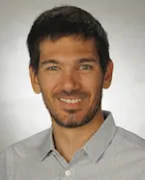
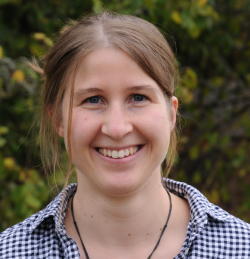
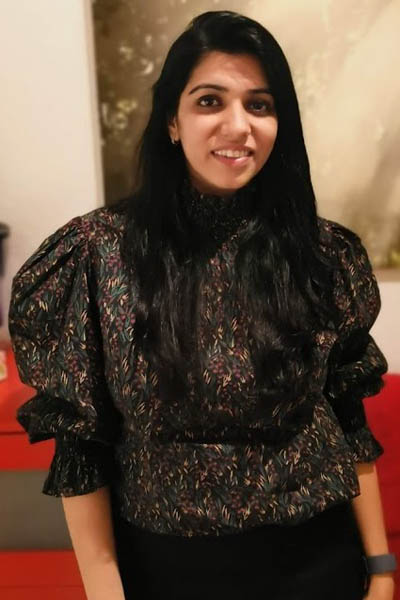
Iason Papaioannou is an Adjunct Professor in the area of Uncertainty Quantification at the Technical University of Munich (TUM), affiliated with the Engineering Risk Analysis Group. He holds a habilitation from the TUM School of Engineering and Design and has been tenured since 2021 as an Akademischer Rat. His academic journey includes a Ph.D. in Civil Engineering from TUM (2012), an M.Sc. in Computational Mechanics (2007), and a Diploma in Civil Engineering from the National Technical University of Athens (2005). His research focuses on uncertainty quantification , reliability assessment , and Bayesian updating of engineering systems. Key areas include probabilistic modeling, machine learning applications, spatial variability analysis, and geotechnical reliability. He has pioneered methods for system reliability analysis, adaptive subset simulation, and cross-entropy-based importance sampling. Teaching responsibilities include courses such as Stochastic Finite Element Methods, Structural Reliability Methods, and Elements of Machine Learning. His work integrates advanced computational techniques with practical engineering challenges, emphasizing high-dimensional uncertainty analysis and data-driven model updating.
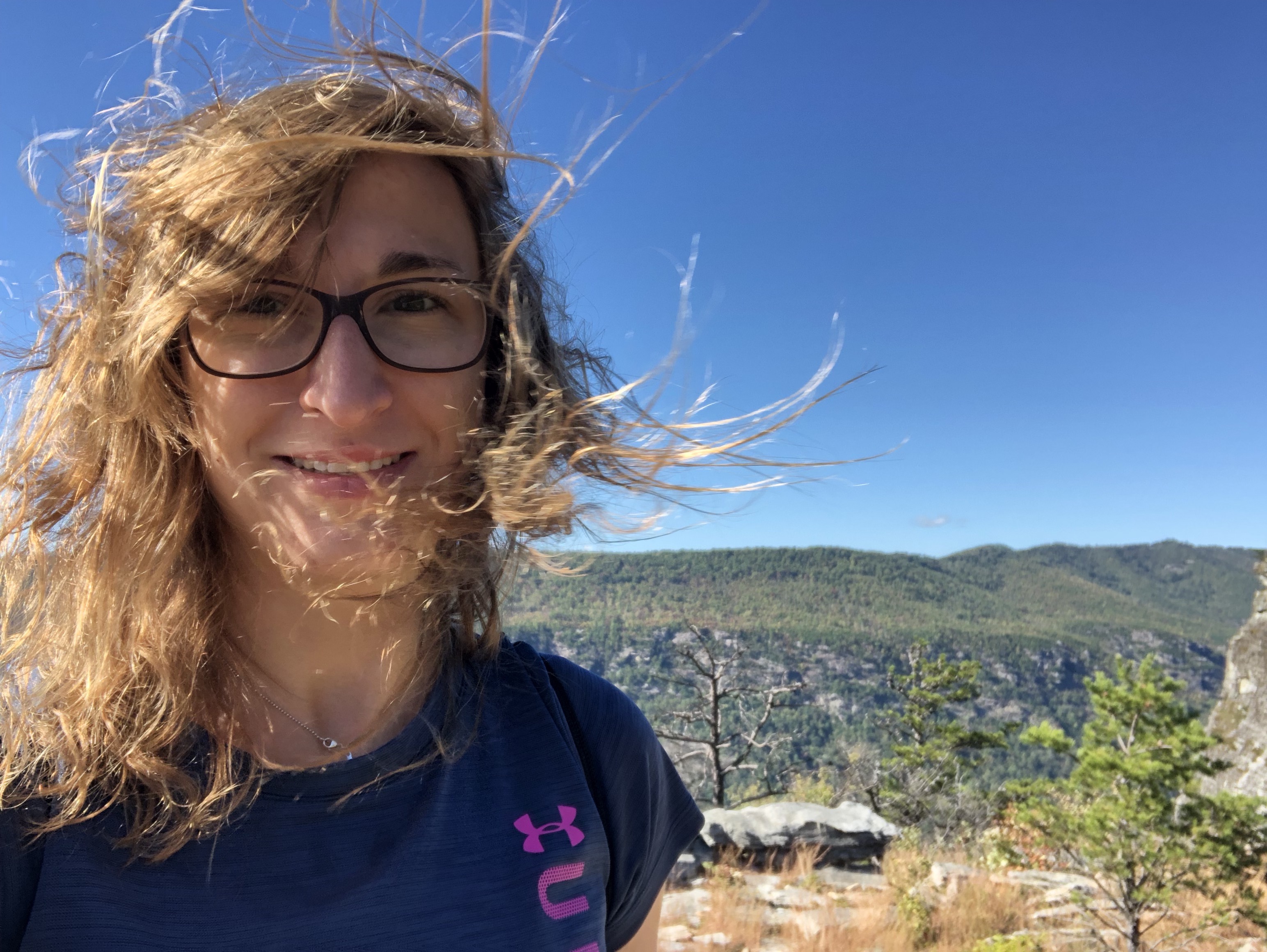
Professor Melanie Wilke is a leading figure in cognitive neurology at the University Medical Center Göttingen, where she serves as Director of the Department of Cognitive Neurology and Head of the MR Research Unit. She is also a Co-Investigator in the 'Decision and Awareness' group at the German Primate Center. Her work bridges human and non-human primate neuroscience to investigate the neural basis of perception, awareness, and movement planning. Her research focuses on understanding how distributed neural activity supports spatial awareness and decision-making. Key areas include thalamocortical interactions, neural mechanisms of spatial neglect, and translational models of cognitive disorders. She employs multimodal methods such as fMRI, electrophysiology, brain stimulation (tACS, tDCS, TMS), and inactivation techniques in both human and monkey models. Analysis of her recent publications reveals a strong emphasis on visual consciousness, neural connectivity, and sensorimotor integration. Her work frequently explores the role of the pulvinar and parietal cortex in attention and awareness, using innovative paradigms including no-report tasks and microstimulation. There is a clear translational trajectory from basic mechanisms to clinical applications in stroke and Parkinson’s disease. Fellows Award for Excellence in Biomedical Research, National Institutes of Health, USA (2008) Prof. Wilke leads a dynamic research group and mentors students within several graduate programs, including Systems Neuroscience and the International Max Planck Research School (IMPRS). Her team conducts cutting-edge research using advanced imaging and stimulation techniques. She has secured long-term support through the Herman and Lilly Schilling Foundation Professorship (2011–2022) and continues to lead major projects in cognitive neurology and brain network dynamics. Her laboratory, embedded in the Heart & Brain Center Göttingen, fosters interdisciplinary collaboration and focuses on developing novel therapeutic interventions for cognitive deficits following brain injury. The MR Research Unit under her leadership is central to advancing non-invasive brain imaging and stimulation in both research and clinical contexts.
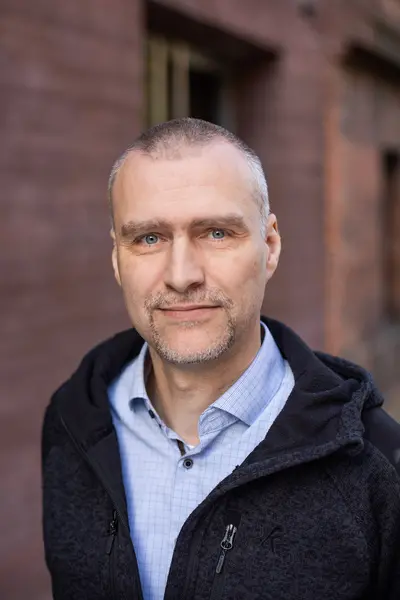
Dr. Christoph Müller is a leading scientist at the Potsdam Institute for Climate Impact Research (PIK), Germany, where he has served as working-group leader of the Land Biosphere Dynamics group since 2012. He also co-leads the Global Biosphere and Water Modeling team and acts as the scientist-in-charge for the internationally renowned LPJmL global vegetation and crop model. Additionally, he is Co-lead of the Ag-GRID initiative within the Agricultural Model Intercomparison and Improvement Project (AgMIP) and serves as Topical Editor for Geoscientific Model Development . Education Diploma in Geoecology, University of Potsdam (2002) PhD in Geoecology, University of Potsdam & International Max Planck Research School (IMPRS) (2007) Research Interests Dr. Müller’s research centres on understanding and modelling the interactions between climate, land use, and the biosphere to support sustainable food-system transformations. His work integrates global-scale vegetation and crop models with climate projections, socio-economic scenarios, and observational data to assess: Impacts of climate change and extreme events on crop yields and food security Carbon, nitrogen, and water cycles in managed and natural ecosystems Land-based climate-mitigation strategies and their co-benefits or trade-offs Adaptation options for agriculture under global change He promotes open science and reproducible modelling workflows, exemplified by the LPJmL open-source ecosystem model and associated toolkits. Publication Profile & Trends Since 2014 he has authored or co-authored more than 200 peer-reviewed articles. Recent work (2024-2025) highlights three dominant themes: (1) quantifying underestimated negative impacts of climate extremes on crop yields, (2) assessing the sustainability of large-scale land-based mitigation measures, and (3) advancing model intercomparison frameworks (e.g., AgMIP, ISIMIP) to reduce uncertainty in global yield projections. His studies increasingly integrate economic and health perspectives, examining how dietary shifts and food-system transformations can achieve climate, environmental, and social co-benefits. Scientific Awards & Recognition While no formal awards are explicitly listed, several publications have received notable recognition: “Soil quality both increases crop production and improves resilience to climate change” (Nature Climate Change, 2022) – listed among China’s top ten major advances in agricultural science in 2023. “Large potential for crop production adaptation depends on available future varieties” (Global Change Biology, 2021) – top-downloaded article. “Climate change impacts on global agriculture emerge earlier in new generation of climate and crop models” (Nature Food, 2021) – widely cited in IPCC AR6. Leadership, Grants & Collaboration Dr. Müller leads or co-leads multiple international projects and working groups: Working Group Leader – Land Biosphere Dynamics, PIK Research Department 2 Co-Lead – Ag-GRID, Agricultural Model Intercomparison and Improvement Project (AgMIP) Scientist-in-Charge – LPJmL model development and application Topical Editor – Geoscientific Model Development journal These roles involve coordinating multi-institutional consortia, securing competitive grants, and mentoring early-career researchers. Laboratory & Data Resources Dr. Müller’s “team” is essentially the LPJmL modelling group at PIK, comprising post-docs, doctoral researchers, and software engineers who maintain and extend the LPJmL code-base, develop satellite-data fusion products, and provide model-driven policy support to governments and international organisations such as the IPCC, FAO, and World Bank.
Marie-Christine Düker is an Assistant Professor in the Department of Statistics and Data Science at Friedrich-Alexander University (Germany). Her research focuses on high-dimensional statistics, time series analysis, functional data analysis, and extreme value theory with applications in economics, psychology, chemistry, and ecology. Previously, she was a postdoctoral associate at Cornell University's Department of Statistics and Data Science under David Matteson. She earned her PhD in Mathematics from Ruhr-University Bochum under Herold Dehling and spent part of her doctoral studies at the University of North Carolina at Chapel Hill with Vladas Pipiras. Current Position: Assistant Professor, Department of Statistics and Data Science, Friedrich-Alexander University Previous Academic Affiliation: Postdoctoral Associate, Cornell University Education: PhD in Mathematics, Ruhr-University Bochum; Part-time research at University of North Carolina Research Interests: Her work spans high-dimensional time series under long-range dependence and nonstationarity, discrete data modeling, nonlinear dynamics, dimension reduction, and change-point analysis. Applications include econometrics, neuroscience, chemical data analysis, and ecological forecasting. Recent Publications: Her 2025-2024 work covers Hilbert space-valued linear processes, kernel estimation for nonlinear dynamics, confidence interval approximations, and latent Gaussian count time series. Earlier papers address simultaneous diagonalization, long-run variance matrices, and transition rate estimation challenges. Contact: marie.dueker@fau.de
Stefan Julich is a Professor of Landscape Studies at Eberswalde University for Sustainable Development, where he has held a professorship since 2022. He is affiliated with the Faculty of Landscape Management and Nature Conservation, contributing to both teaching and research activities. His academic career spans multiple prestigious institutions across Europe, including TU Dresden, Justus-Liebig University Giessen, and the Potsdam Institute for Climate Impact Research. Dr. Julich earned his Diploma in Geography with minors in Geology and Soil Science from Martin-Luther University Halle-Wittenberg (1998-2004), followed by a Dr. rer. nat. (magna cum laude) from Justus-Liebig University Giessen in 2010. His dissertation focused on uncertainties in modeling water and nitrogen cycles in micro- and mesoscale river catchments. His research primarily investigates soil physics and hydrology, with particular emphasis on the influence of land use on soil hydraulic properties, dynamics of water and material cycles in landscapes, and ecosystem services of soils. He employs advanced modeling techniques to simulate water and material flows from soil to landscape scales and develops innovative monitoring concepts and laboratory methods for environmental assessment. Analysis of his recent publications reveals a strong focus on tropical and temperate hydrology, with particular attention to land use change impacts, soil erosion processes, and water resource management in data-scarce regions. His work often bridges theoretical modeling with practical applications in environmental management, particularly in African and European contexts. Professor Julich actively contributes to long-term environmental observation systems, notably the Ecosystemic Environmental Observation (ÖUB) in Brandenburg's biosphere reserves, which monitors 136 sites across various ecosystem types. His research integrates abiotic (soil and water) and biotic (vegetation and fauna) components in comprehensive ecosystem assessments. He teaches courses in soil science, hydrology, and soil-water science within the Bachelor's programs in Landscape Use and Nature Conservation and Organic Agriculture and Marketing. His research projects focus on long-term ecosystem monitoring in biosphere reserves, examining how regional ecosystems evolve under changing environmental conditions.
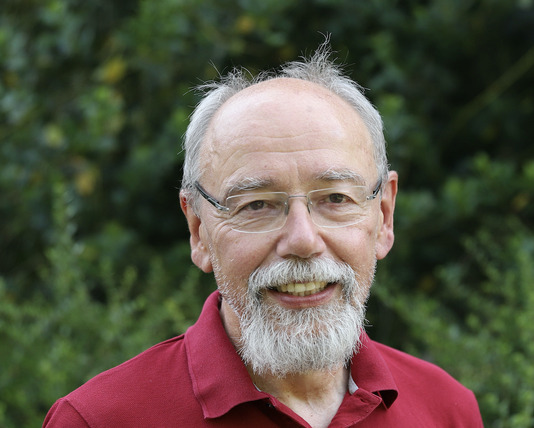
Prof. Dr. Dieter Trautz is a retired professor at the Faculty of Agricultural Sciences and Landscape Architecture at Osnabrück University of Applied Sciences. His career includes academic roles at Christian-Albrechts University Kiel (1982-1988), TU Berlin (1988-1989), and the Kirgizian Agrarian Academy (1998-2000). He focuses on sustainable agriculture, organic farming systems, and precision farming technologies. Education: Studied Agricultural Sciences at Christian-Albrechts University Kiel (1976-1982), PhD in 1987. Research spans crop quality, organic-mineral fertilizers, intercropping, and climate change impacts. He has collaborated internationally in over 20 countries, including projects in Russia, China, and Uganda. Key research areas include: Sustainable intensification of farming systems Organic cultivation of cereals, soybeans, and potatoes Precision farming technologies for organic agriculture Climate-resilient urban agriculture Technology transfer between conventional and organic practices Projects include the MuP project (reducing fertilization in water protection areas) and HerbfreiErbAB (sensor-based mechanical weed control). Active in international research networks and capacity building in developing regions.
Karl Schmid is a W3 Professor of Crop Plant Biodiversity and Breeding Informatics at the University of Hohenheim's Institute of Plant Breeding, Seed Science and Population Genetics within the College of Agricultural Sciences. His research integrates evolutionary genetics, population genomics, and machine learning to address agricultural challenges. Ph.D. in Biology, University of Munich (1996) Postdoctoral Research, Cornell University (1997-1999) Emmy-Noether Research Group, Max Planck Institute of Chemical Ecology (2000-2006) Group Leader, Leibniz Institute of Plant Genetics (2006-2008) Professor of Genetics, Swedish Agricultural University (2008) His research focuses on crop biodiversity conservation, evolutionary genetics of plant pathogens, and breeding informatics applications. Current work leverages deep learning for phenotyping (quinoa panicles, barley genomics) and analyzes pathogen evolution (Exserohilum turcicum in maize). His team actively develops computational tools like GGoutlieR for geo-genetic pattern detection. Recent publications demonstrate strong trends in applying AI to agricultural genomics, particularly in quinoa improvement and pathogen surveillance. His group leads the EU H2020 INVITE project on molecular markers in plant variety protection and organizes international symposia like the 2024 Quinoa Symposium at Hohenheim. Head of Crop Biodiversity and Breeding Informatics Group Principal Investigator, EU H2020 INVITE project Organizer, International Quinoa Symposium 2024
Dr. Rosanne Rademaker is a Research Professor and Group Leader at the Rademaker Lab, part of the Ernst Strüngmann Institute (ESI) in Frankfurt, Germany, affiliated with Goethe University’s Department of Psychology. Her research focuses on understanding how sensation and cognition interact to shape human perception, particularly in visual working memory, attention, and physiological arousal states. Her lab employs behavioral, computational, and neuroimaging techniques (fMRI, M/EEG) to explore how the brain balances perceptual input with stored memories. In addition to foundational work on memory and attention, the lab investigates context effects on perception, motor-output impacts on visual processing, and computational neural principles. Rosanne emphasizes collaborative, fun science, fostering an inclusive environment through outreach and international collaborations. Key recent work includes studies on categorical representations in the visual hierarchy and neural dynamics during memory recall. Lab Members: Giuliana Giorjiani (PhD), Noa Noelle Krause (MSc), Amit Rawal (PhD), Maria Servetnik (PhD), Nursima Ünver Aydingül (PhD). Grants & Collaborations: Mishal Qubad’s “Junior Clinician Scientist” grant on schizophrenia visual maps, international collaborations with Toronto and the Max Planck School of Cognition. Teaching: Lectures on “Introduction to Cognitive Psychology” at Goethe University. Publications highlight her work in Nature Neuroscience , eLife , and Journal of Cognitive Neuroscience , with over 30 peer-reviewed articles. The lab actively engages in conferences (VSS, ECVP) and hosts annual retreats to promote scientific exchange.
Dr. Yun Qian is a distinguished Earth Scientist and Lab Fellow at Pacific Northwest National Laboratory (PNNL), where he leads the Earth System Modeling Group with over 80 scientists and staff within the Atmospheric, Climate, and Earth Sciences (ACES) Division. He joined PNNL in 2000 and has established himself as a renowned expert in climate modeling, particularly in regional climate systems, aerosol-climate interactions, and urban climate effects. Dr. Qian is also an AMS Fellow with significant contributions to understanding human influences on the Earth system. Dr. Qian received his academic training in China: Ph.D. in Atmospheric Science from Nanjing University, Nanjing, China B.S. in Atmospheric Science from Nanjing University, Nanjing, China Dr. Qian's research focuses on advancing our understanding of climate systems through sophisticated modeling approaches. His work spans regional and global climate modeling, aerosol-climate interactions, snow and glacier impurities and their climatic impacts, land-atmosphere-water interactions, urban and coastal environment modeling, and uncertainty quantification in climate modeling. His pioneering work on Asian aerosols revealed their dominant role in shaping climatic trends in East Asia, while his research on snow and ice impurities provided new insights into changes in snowpacks in the western United States and the Himalayas. Dr. Qian has also made significant contributions to understanding how atmosphere-land-water interactions modulate the influence of human activities on the environment. Analysis of Dr. Qian's recent publications shows a strong focus on urban climate effects, regional climate modeling, and the impacts of human activities on climate systems. His work increasingly incorporates advanced computational methods including machine learning for weather pattern identification. There's a clear trend toward studying the interactions between urban environments and climate systems, with particular attention to heat stress, precipitation patterns, and regional warming effects. His research also shows growing interest in extreme weather events and their changing patterns under climate change scenarios. Dr. Qian has received numerous prestigious awards and recognitions: Fellow of American Meteorological Society Chair of AMS Coastal Environment Committee Program Chair for Annual AMS Coastal Environment Symposium Editor of JGR-Atmospheres, Atmospheric Chemistry and Physics, and Advances in Atmospheric Sciences Director of international workshop on Uncertainty Quantification in Climate Modeling and Projection Member of Scientific Steering Committee for IPCC CMIP6 Global Monsoons Modeling Inter-comparison Project NSR 2020 Best Paper AAS Esteemed Review Paper Award PNNL Exceptional Contribution Program Award PNNL EBSD Mentor of the Year Editors' Citation for Excellence in Refereeing at AGU (2015, 2019) Contributing Author of IPCC Assessment Report Fellowship Award of International Council for Science (ICSU), 1997 Xue-Du-Feng-Zheng Award in Chinese Academy of Sciences, 1998 With over 200 peer-reviewed articles and 20,000 citations (h-index of 74), Dr. Qian has made substantial contributions to climate science. His work has garnered significant media attention, with features in top-tier scientific publications like Nature and Science, as well as major news outlets including the Associated Press, New York Times, Washington Post, BBC, NBC, and NPR. He has served as chair of the AMS Coastal Environment Committee, Program Chair for the Annual AMS Coastal Environment Symposium, and as a member of the Scientific Steering Committee for the IPCC CMIP6 Global Monsoons Modeling Inter-comparison Project. Dr. Qian has also directed international workshops on uncertainty quantification in climate modeling and served as an editor for three prestigious journals. Dr. Qian leads the Earth System Modeling Group at PNNL, which comprises over 80 scientists and staff. His team focuses on developing and applying atmospheric and land surface models to advance understanding of human influence on the Earth system. The group's work spans regional climate modeling, aerosol-climate interactions, snow and glacier impurities, land-atmosphere-water interactions, urban and coastal environment modeling, and uncertainty quantification. Their research has significant implications for understanding climate change impacts and developing adaptation strategies.
Sarah Goodwin is an academic affiliated with Monash University in Australia, specializing in data visualization, immersive analytics, and human-computer interaction. She holds a PhD in Visualisation for Household Energy Analysis from City University London (2015). Her research focuses on developing innovative visualization techniques for complex data, particularly in energy systems, healthcare, and geographic information. Key contributions include the Australian Cancer Atlas project (2024), which addressed geostatistical uncertainty visualization, and work on mixed-reality technologies embedding human values (2025). She collaborates extensively with researchers like Tim Dwyer and leads the Data Visualisation and Immersive Analytics Research Lab at Monash. Her publications span journals like IEEE Transactions on Visualization and Computer Graphics and conferences such as CHI and IEEE VAST. Research highlights include gaze analytics tools (VETA), tangible immersive systems (Uplift), and energy consumption visualization frameworks.
Dr. Thomas Gruber is an Academic Director at the Institute for Astronomical and Physical Geodesy, Technische Universität München (TUM), where he leads research in high-resolution Earth gravity field modeling and satellite gravimetry. He is actively involved in major international projects including ESA’s GOCE, MAGIC, and QSG4EMT, as well as DFG-funded initiatives like NEROGRAV and UPLIFT. His work bridges theoretical geodesy with practical Earth observation applications. His primary research interests include: High-resolution gravity field modeling Satellite and quantum gravimetry Time-variable gravity and geophysical mass transport Sea level studies and altimetry Geodetic SAR for height system unification Future gravity mission concepts His recent publications focus on next-generation satellite missions, quantum sensors, and the integration of satellite and terrestrial gravity data. Trends indicate a strong emphasis on improving temporal and spatial resolution of gravity field models, with applications in climate monitoring, hydrology, and oceanography. He plays a key role in defining Essential Geodetic Variables (EGVs) and advancing global geodetic infrastructure through GGOS. Scientific contributions include leadership in: Development of global gravity models (e.g., XGM, GOCO) GOCE mission data processing and validation ESA and DFG project coordination International collaboration through IAG and GGOS He advises doctoral and master’s students and participates in national and international grant-funded research. He leads or contributes to teams working on: Gravity field combination and error modeling Quantum sensor simulation (CARIOQA-PMP) Geodetic SAR applications Sea level and mass transport analysis
Ulrich Parlitz is an Adjunct Professor of Physics at Georg-August-University Göttingen and a Scientist leading the Biomedical Physics Group at the Max Planck Institute for Dynamics and Self-Organization. His research focuses on nonlinear dynamics, chaos theory, and biomedical applications, particularly in cardiac dynamics and excitable media. He has held visiting positions at institutions like UC San Diego and the Santa Fe Institute. Education: 1987 PhD in Physics, Georg-August-University Göttingen 1984 Diploma in Physics, Georg-August-University Göttingen Research Interests: Analysis of nonlinear systems (neurons, lasers, oscillators) Bifurcation and chaos phenomena Data-based modeling and synchronization control Wave dynamics in excitable media (e.g., cardiac arrhythmias) Fractal dimension estimation and reservoir computing Labs/Teams: Leads the Biomedical Physics Group at MPI-DS and contributes to the IMPRS Program in Physics of Biological and Complex Systems.
Prof. Dr. Hanna Meyer is a Professor of Remote Sensing and Spatial Modeling at the Institute of Landscape Ecology, University of Münster (WWU). She leads the Remote Sensing and Spatial Modeling Group and is actively involved in teaching and research in geospatial data science, machine learning, and environmental monitoring. Her work is supported by multiple national and international funding bodies including the DFG, EU Horizon Europe, and internal university grants. B.Sc. Geography, Philipps University Marburg (2007–2010) M.Sc. Environmental Geography, Philipps University Marburg (2010–2013) Ph.D., Philipps University Marburg (2014–2018) Her research focuses on machine learning methods for spatial data, optical remote sensing, environmental monitoring, and spatio-temporal modeling. She develops and applies advanced statistical and machine learning techniques to satellite and drone-based data for mapping ecological variables, land cover, and environmental change. Her work emphasizes methodological rigor, model transferability, and uncertainty quantification in spatial predictions. The recent publications reflect a strong trend in developing and validating machine learning models for environmental mapping, with applications in soil science, peatland hydrology, forest ecology, and polar climatology. She contributes both to theoretical advancements in spatial model validation and to practical software tools in R for geospatial analysis. She has secured competitive research funding for projects such as PRISM, Carbon4D, Uebersat, and BEyond, focusing on spatial pattern recognition, carbon modeling, AI model transferability, and biodiversity prediction. She teaches courses on remote sensing, spatial data analysis with R, and environmental modeling, and supervises students and early-career researchers. She collaborates widely with researchers across institutions and leads a dynamic research group including postdoctoral researchers and students. Her open-source contributions, particularly R packages like CAST and uavRst, support reproducible research in geospatial machine learning.
Dr. Alexander Goettker is a postdoctoral researcher at Justus Liebig University Giessen's Department of Psychology and Sports Science, specializing in oculomotor behavior and sensorimotor integration. He contributes to the Collaborative Research Center "Cardinal Mechanisms of Perception" and the International Research Training Group "The Brain in Action". Ph.D. in Psychology (2020) with thesis on saccadic-pursuit eye movement interactions M.Sc. in Psychology (2016), including predoc program in visual neuroscience B.Sc. in Psychology (2014) Key research areas: Saccadic and pursuit eye movement coordination Integration of retinal and extra-retinal signals Eye-hand movement interactions Naturalistic visual processing in sports contexts Publication trends show focus on sensorimotor integration, visual processing during eye movements, and the interplay between perceptual judgments and motor control. His work spans journals like Current Biology , PNAS , and Scientific Reports .
Mansi Nagpal is a doctoral researcher at the Department of Economics within the Research Unit Environment and Society at Helmholtz Centre for Environmental Research - UFZ in Leipzig, Germany. She is part of the Graduate School AGRI-TRANSFORM since 2020 and contributes to projects focused on climate change adaptation in agriculture. Education : M.Sc. in Sustainability Management (2017-2020), University of Leipzig M.A. in Agribusiness Economics (2013-2015), Gokhale Institute of Politics and Economics, India B.A. in Economics (2009-2012), University of Delhi Research interests include climate change adaptation and mitigation , agricultural economics , sustainable development , and agent-based modeling . She specializes in analyzing drought impacts on agriculture, irrigation demand under climate change, and economic responses to extreme weather events. Recent publications focus on hydro-economic modeling of drought resilience, crop adaptation to climate variability, and stakeholder perceptions of sustainable agriculture in Germany. Her work employs computational models to project future water demand and assess biophysical-economic impacts of droughts. Projects include her doctoral research on Future drought impacts on German agriculture , participation in the FUSE: Food-Water-Energy for Sustainable Urban Environments project, and contributions to stakeholder-driven sustainability assessments in the Thirsty Cities PhD college.