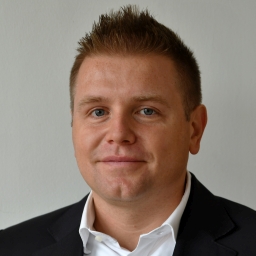
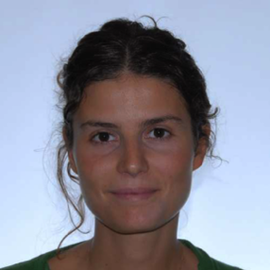
Chris Danforth is a Professor in the Department of Mathematics & Statistics at the University of Vermont and serves as Director of the Vermont Advanced Computing Center. Co-founder of the Computational Story Lab with Peter Dodds, he applies mathematical principles to analyze complex systems across social media, behavioral health, and cultural dynamics. Education: Not explicitly stated in text Affiliation: University of Vermont His research spans Computational Social Science , Machine Learning , and Behavioral Health Analytics , focusing on quantifying human behavior through social media analysis, wearable device data, and literary structures. Key projects include the Hedonometer (Twitter happiness measurement), Storywrangler (cultural timeline analysis), and LEMURS (longitudinal study on student well-being). Recent publications demonstrate expertise in Nonlinear Dynamics , Data Privacy , and Urban Demographics . Articles explore topics ranging from pandemic attention dynamics to computational paremiology (proverb analysis), with applications in mental health prediction, market efficiency, and social justice metrics. 2022 Kroepsch-Maurice Excellence in Teaching Award NSF, AMD, and MassMutual funding Co-developer of Storywrangler and Hedonometer tools As director of the Vermont Advanced Computing Center, Danforth leads high-performance computing initiatives while maintaining an active research agenda with interdisciplinary collaborations across medicine, computer science, and social sciences.
Christoph Raible is a Professor at the Climate and Environmental Physics department within the Physics Institute at the University of Bern, Switzerland, a position he has held since 2011. He also maintains a strong affiliation with the Oeschger Centre for Climate Change Research (OCCR) at the University of Bern, where he has been a Senior Lecturer since 2011. His research focuses on atmospheric dynamics, climate modeling, and understanding past and future climate change patterns. Professor Raible's research interests encompass Processes of the Climate System, Atmosphere-Ocean-Sea Ice Interaction, Climate Modelling, Atmospheric Dynamics, Past and Future Climate Change, Predictability, Tropical and Extra Tropical Cyclones, and Climate Impacts. His work bridges theoretical climate science with practical applications, particularly in understanding extreme weather events and their implications for society. He has developed expertise in analyzing historical climate patterns to inform future projections, with particular attention to European climate systems and their global connections. Analysis of his recent publications reveals a strong focus on paleoclimatology, climate modeling, and the societal impacts of climate change. His research spans from reconstructing historical climate patterns using proxy data to projecting future climate scenarios under various forcing conditions. Key themes include Mediterranean droughts, Atlantic Meridional Overturning Circulation variability, glacial climate dynamics, and the health impacts of climate change. His methodological approach combines advanced climate modeling techniques with statistical analysis of observational data. Professor Raible has been actively involved in numerous significant research projects including the NCCR Climate program (serving as Work Package leader), the SNF Sinergia project on solar influence on terrestrial climate, and collaborative projects with SwissRe on climate change impacts. He has also contributed to major international climate initiatives including the CH2018 Climate Scenarios for Switzerland. His teaching responsibilities include graduate-level courses on atmospheric circulation and climate modeling at the University of Bern.
Michael Hyland is an Associate Professor in the Department of Civil and Environmental Engineering at the Samueli School of Engineering, University of California, Irvine. His research focuses on the modeling, analysis, and optimization of smart urban transportation systems, with particular emphasis on shared autonomous vehicles, microtransit integration with fixed-route transit, and sustainable mobility solutions. He employs methodologies from operations research (optimization, Markov decision processes), statistical modeling (discrete choice, regression), and economic analysis to address challenges in urban mobility. Education: Ph.D., Civil and Environmental Engineering (Transportation), Northwestern University, 2018 M.Eng., Civil and Environmental Engineering (Transportation), Cornell University, 2013 B.S. Civil and Environmental Engineering, Cornell University, Magna Cum Laude, 2013 His recent research explores emerging mobility paradigms through topics such as dynamic fleet management, vehicle miles traveled (VMT) impacts, equity in job accessibility, electricity demand implications of e-bikes, and human-machine collaborative planning frameworks. The work often combines large-scale simulation with interpretable modeling techniques. Hyland leads the Hyland Lab , which develops computational tools for evaluating integrated transportation systems. The lab's work spans theoretical modeling (e.g., state-space representations, decomposition heuristics) and applied policy analysis (e.g., assessing Senate Bill 1 infrastructure projects, AV-era parking reforms, and micromobility deployment strategies).
Dr. Saidi Siuhi serves as an Associate Professor of Civil Engineering at South Carolina State University, where he teaches undergraduate and graduate courses while conducting research and providing institutional service across departmental and university levels. His academic credentials include: Ph.D. in Civil Engineering from the University of Nevada, Las Vegas (2009) M.Sc. in Civil Engineering from Florida State University (2006) B.Sc. in Civil Engineering from the University of Dar-es-Salaam (2003) Specializing in transportation engineering, Dr. Siuhi's research focuses on traffic safety, transportation planning, and microscopic traffic simulation. His work addresses critical transportation challenges including distracted driving/walking behaviors, traffic management during special events (notably the 2017 solar eclipse), and the application of advanced computational methods to transportation networks. He integrates emerging technologies like virtual reality, machine learning, and deep learning to develop innovative safety solutions for complex transportation systems. Analysis of his recent publications (2021-2025) reveals a strong trajectory toward computational transportation safety, with increasing emphasis on AI-driven solutions for pedestrian safety, driver behavior analysis, and infrastructure monitoring. His work consistently bridges theoretical transportation models with practical safety applications, particularly in distracted behavior analysis and event-based traffic management. Dr. Siuhi actively mentors students through senior design projects (CE 459/460) and graduate coursework, though specific advisee names aren't documented. His service contributions span departmental, college, and university committees, supporting academic operations and strategic initiatives within the engineering program.
Mariaelena Pierobon is an Associate Professor at George Mason University's School of Systems Biology, affiliated with the Institute for Advanced Biomedical Research and the Center for Applied Proteomics and Molecular Medicine (CAPMM). Her research focuses on precision medicine for cancer patients, integrating translational studies and clinical trials with emphasis on metastatic disease and tumor microenvironment analysis. MD, University of Padova (Italy), School of Medicine MPH, George Mason University Her work leverages in vitro models and patient-derived specimens with state-of-the-art technologies to explore cancer dynamics and develop tailored therapies. Recent projects include proteogenomic profiling of breast and ovarian tumors, KRAS mutation targeting, and spatial heterogeneity mapping in gynecologic cancers. Scientific trends in her publications include precision oncology, signaling pathway inhibition in KRAS-mutant cancers, tumor microenvironment analysis, and multi-omic diagnostics for therapeutic response prediction. Fulbright Scholar (2019) Pierobon collaborates with clinical teams using reverse phase protein arrays (RPPA) and laser capture microdissection to dissect molecular mechanisms in pancreatic, breast, and ovarian cancers. Her lab contributes to databases like the Side-Out Foundation Metastatic Breast Cancer portal for open-access multi-omic research.
Prof. Dr.-Ing. Jochen Steffens is a faculty member at the University of Applied Sciences Düsseldorf , affiliated with the Faculty of Media . His research spans interdisciplinary domains at the intersection of music, soundscapes, and cognitive-affective processes. Research Focus : Music listening behavior, soundscapes, noise perception, music recommendation systems, film music, and the psychological effects of sounds. Teaching : Supervises final theses and offers modules aligned with examination regulations of 2018, including topics in media informatics and mixed reality applications. Technical Contributions : Develops tools for soundscape exploration (e.g., Advanced Soundscape Search) and music information retrieval (MIR) systems for live performance visualization. Methodological Expertise : Utilizes computational music analysis, experience sampling, statistical learning, and multilevel modeling to investigate situational and demographic influences on auditory perception. Applied Research : Explores the impact of room acoustics on customer satisfaction in restaurants, motivational music in sports, and semantic expression in audio branding.
Dr. Ian Renner is a Senior Lecturer in the School of Information and Physical Sciences at the University of Newcastle, specializing in Data Science and Statistics. He holds a PhD in Statistics from the University of New South Wales, complemented by a Master of Statistics from the University of Utah and a Bachelor of Science in Mathematics from Valparaiso University. His research focuses on species distribution models (SDMs), particularly leveraging presence-only data and point process models. He developed the PPM-LASSO approach and maintains the R package 'ppmlasso' for model implementation. Education: PhD (Statistics), University of New South Wales Master of Statistics, University of Utah Bachelor of Science (Mathematics), Valparaiso University Research Interests: Dr. Renner's work bridges statistics and ecology, emphasizing the development of robust SDMs. Key areas include: Unifying MAXENT and Poisson point process models Observer bias correction in ecological data Integration of regularization techniques (e.g., LASSO) for predictive accuracy Application of citizen science data in conservation His methodologies address challenges like taxonomy changes and sampling biases in species distribution studies. Publications: His recent work highlights advancements in SDM stability, citizen science applications, and regularization methods. Key themes include improving model reliability through penalized likelihoods and addressing ecological data complexities. Awards: JB Douglas Award (2011) Runner-up for Best Student Talk (2011) EJG Pitman Prize (2010) Grants & Supervision: He has secured $12,838 in internal grants, including a visiting fellowship at CNRS (France) and conference funding. He currently co-supervises a PhD on deep learning for speech depression recognition and has guided two other students in statistical ecology and methodology. Labs/Teams: Leads the development of the 'ppmlasso' R package, collaborating with researchers like Olivier Gimenez and Eric Beh to advance ecological statistics.
Chris Funk is the Director of the Climate Hazards Center (CHC) at the University of California, Santa Barbara (UCSB), within the Department of Geography. His work focuses on developing climate data systems and monitoring tools to support disaster response, particularly in drought and famine-prone regions. He leads an international team of Earth scientists to improve early warning systems for weather and climate extremes. Research Interests: Chris’ research revolves around climate change impacts, drought prediction, and the development of high-resolution climate datasets. His work integrates satellite and station data to create tools like the CHIRPS precipitation dataset and CHIRTS temperature records. He emphasizes bridging scientific research with actionable insights for humanitarian and agricultural decision-making. Labs/Teams: Chris directs the Climate Hazards Center, collaborating with institutions like NASA, NOAA, and the Famine Early Warning Systems Network (FEWS NET). His contributions include advancing methodologies for tracking climate extremes and their societal consequences, such as the 2020 book Drought Early Warning and Forecasting and the upcoming Drought, Flood, Fire (Cambridge Press, 2021).
George Shaker is an Adjunct Associate Professor in the Department of Electrical and Computer Engineering at the University of Waterloo, Canada, and Lab Director of the Wireless Sensors and Devices Laboratory at the Schlegel-UW Research Institute for Aging. He is also Chief Scientist at Spark Technology Labs. His research focuses on wireless sensor technologies for healthcare, autonomous systems, and IoT. He earned his bachelor's from Cairo University and master's/PhD from the University of Waterloo. Education: Bachelor’s degree, Cairo University, Egypt Master’s degree, University of Waterloo, Canada PhD, University of Waterloo, Canada Research Interests: Dr. Shaker’s work spans advanced wireless sensor systems for healthcare monitoring, UAVs, and automotive applications. His lab developed the MIRADA initiative for aging populations and pioneered radar-based non-invasive glucose monitoring. Key areas include mm-wave radar, antenna design, bioelectromagnetics, and machine learning integration. He has co-authored over 200 publications and holds 35+ patents, collaborating with companies like Google, Apple, and Toyota. Recent Article Trends: His 2025 work emphasizes AI-driven radar systems for activity recognition, bio-sensing metasurfaces, and UAV classification using digital twins. Projects include 4D radar imaging, low-cost milk quality monitoring, and smart furniture for cardiac health. Awards: IEEE AP-S Best Paper Award IEEE MTT-S Graduate Fellowship arXiv Top Downloaded Medical Article URSI Young Scientist Award Multiple student awards (see full list above) Advising & Grants: He advises graduate students in ECE and has led projects funded by NSERC and industry partners. His students have won Velocity Fund, NASA Tech Briefs, and Canadian Space Agency awards. Collaborates with over 40 companies including Amazon, Microsoft, and Medella Health. Labs & Initiatives: Leads the Wireless Sensors & Devices Lab and co-founded MIRADA, a smart apartment for aging healthcare. Active in Spark Labs for wireless innovation.
Taylor Adams is a Researcher at the Yale School of Medicine's Internal Medicine Department, affiliated with the Kaminski Lab. Their work focuses on pulmonary fibrosis mechanisms, lung aging, and single-cell profiling, with a particular emphasis on epigenetic and immunological pathways. Adams collaborates closely with senior investigators like Naftali Kaminski, contributing to studies on fibrogenesis, drug development, and cellular dynamics in lung diseases. Research interests include understanding how epigenetic changes, microRNA regulation, and immune-cell interactions drive fibrotic processes. Recent work explores novel biomarkers for disease progression and non-invasive diagnostic methods. Adams' publications highlight advancements in spatial transcriptomics, somatic mutation analysis in aging lungs, and the role of GPR87 and CD103+ dendritic cells in fibrosis. Key contributions include identifying aberrant basaloid cells in IPF and developing computational tools like SDePER for deconvolving spatial transcriptomic data. Their lab's interdisciplinary approach integrates genomics, bioinformatics, and experimental models to translate findings into therapeutic strategies.
Dr. Jean E. Bogner is a Research Professor Emerita in the Department of Earth and Environmental Sciences at the University of Illinois at Chicago (UIC). Her research focuses on landfill methane (CH4) emissions, biodegradation processes in soils, and waste management systems. She has led international collaborations to develop and validate the CALMIM model, a process-based tool for predicting methane emissions from engineered landfills globally. Her work integrates field measurements, laboratory studies, and climate modeling to address climate change mitigation strategies in waste management. Education: B.A. Geology (Augustana College, 1969), M.S. Geology (University of Illinois at Chicago, 1973), Ph.D. Geology (Northern Illinois University, 1996). Research interests include landfill gas dynamics, soil microbiology, climate modeling, and sustainable waste management practices. She has contributed to landmark studies on methane oxidation in landfill cover soils, the impact of operational practices on emissions, and global GHG mitigation strategies. Her collaborative projects span academia, government agencies, and industry across the U.S., Europe, Africa, Australia, and Asia. Key achievements include co-authoring the IPCC’s 2007 Nobel Peace Prize-winning 4th Assessment Report, leading the CALMIM model development, and advancing methodologies for quantifying methane emissions. Her work has informed policy and practice in reducing anthropogenic GHG contributions from waste systems. Awards include the Nobel Peace Prize (2007), the IWWG Lifetime Award (2013), and multiple recognitions for contributions to landfill gas science and engineering.
Dr Yuting Zhang serves as a Research Fellow within the Department of Civil, Maritime, and Environmental Engineering at the University of Southampton's Faculty of Engineering and Physical Sciences. He is an integral member of the Royal Academy of Engineering Chair Centre of Excellence for Intelligent & Resilient Ocean Engineering (IROE), focusing on machine learning applications for geotechnical site characterization. His educational background includes a Bachelor's degree and MPhil in Geotechnical Engineering from Wuhan University, China, followed by a 2024 PhD from the University of Newcastle, Australia, specializing in probabilistic calibration of resistance factors for piling designs. Zhang's research centers on probabilistic geotechnics and reliability-based design methodologies, with particular emphasis on data-driven site characterization techniques. His work bridges machine learning algorithms with geotechnical and geophysical data analysis to enhance foundation engineering practices, especially in offshore and marine environments. Current projects investigate spatial soil variability effects on pile group reliability, optimization of resistance factors, and innovative data augmentation approaches for rock fracture prediction. His publication record demonstrates consistent output in high-impact journals since 2022, with recent 2025 publications indicating active research momentum. The articles reveal strong thematic focus on probabilistic methods for pile design, integration of diverse geotechnical data sources, and machine learning applications in subsurface characterization. As part of the Infrastructure Group and Southampton Marine and Maritime Institute, Zhang contributes to ocean energy research initiatives while maintaining active collaborations with international researchers including Jinsong Huang, Jiawei Xie, and Anna Giacomini. His work supports the development of more resilient offshore infrastructure through advanced geotechnical reliability frameworks.
Dr. Junlin Yuan is an Associate Professor in the Department of Mechanical Engineering at Michigan State University, within the College of Engineering. Her research focuses on large-scale numerical simulations of complex turbulent shear flows, particularly addressing non-equilibrium turbulence, wall roughness, and fluid-structure interaction. Applications span engineering, environmental, and bio-locomotive systems. She has secured funding from NSF, ONR, and industry partners. Education: Ph.D. Mechanical Engineering, Queen's University, Canada (2015) M.S. Mechanical Engineering, Queen's University, Canada (2011) B.Eng. Aerospace Engineering, Northwestern Polytechnical University, China (2009) Research Interests: Dr. Yuan's work emphasizes understanding turbulence in complex geometries through direct numerical simulations (DNS) and developing physics-based models. Key areas include roughness sublayer dynamics, adverse pressure gradient effects, hyporheic exchange modeling, and turbulence-induced noise prediction. Her lab, the Turbulence Simulation & Modeling (TSM) Lab, bridges fundamental turbulence physics with practical engineering challenges. Grants & Advising: She secured a $400k NSF grant (CC* Compute) for high-memory computing infrastructure and a $490k NSF award on biomimetic fluid-structure interaction. Advised PhD students include Guangchen Shen, Saurabh Pargal, and Sai Mangavelli. Students have received fellowships such as the Richard H. Brown Endowed Fellowship and CFD Society of Canada scholarships. Labs & Teams: Directs the TSM Lab, which employs DNS and CFD tools to explore turbulence in environmental and engineered systems. Collaborates on projects involving sediment-water interface dynamics and rough wall aerodynamics.
Konrad Kowalczyk is an Associate Professor at AGH University of Science and Technology in Krakow, Poland, where he heads the Signal Processing Group within the Faculty of Computer Science, Electronics and Telecommunications. With extensive international experience from institutions including Queen's University Belfast, Stanford University, and Fraunhofer Institute, he has established himself as a leading researcher in audio and speech signal processing. His academic journey includes B.Eng. and M.Sc. degrees from AGH University (2005), a Ph.D. from Queen's University Belfast (2009), and a Habilitation in ICT from AGH University (2020). B.Eng. and M.Sc. in Electronics and Telecommunications, AGH University of Krakow (2005) Ph.D. in Electronics, Queen's University Belfast, UK (2009) Habilitation (D.Sc.) in Information and Communication Technology, AGH University of Krakow (2020) Kowalczyk's research spans multiple cutting-edge areas in audio processing, with particular focus on speech and audio signal processing enhanced by machine learning techniques. His work integrates deep neural networks with traditional signal processing methods to address challenges in array signal processing , speech enhancement , and speaker recognition . The research group he leads explores innovative applications in distributed signal processing for IoT , acoustic event detection , and spatial audio rendering , bridging theoretical advances with practical implementations. His recent publications demonstrate a clear trend toward integrating deep learning with traditional signal processing techniques, particularly in speaker diarization, source separation, and robust speech recognition. The research increasingly focuses on real-world applications requiring reverberation-robust processing , distributed microphone array systems , and end-to-end neural architectures that can operate in challenging acoustic environments. There's a noticeable shift toward more complex, integrated systems that combine multiple signal processing tasks. Stanislaw Staszic Medal for best graduate of AGH (2005) IEEE Best Student Paper Contest finalist (2007) AES Student Technical Paper Award winner (2008) Best Student Paper Award at IWAENC conference (2014) Best Paper Awards at IEEE SPA conferences (2016, 2019) Polish Ministry of Science Scholarship for Distinguished Young Scientists (2016-2019) Prime Minister Award for outstanding scientific achievements (2020) As Principal Investigator, Kowalczyk leads multiple significant research projects including "Acoustic Intelligence" (2024-2028) funded by National Science Center, and "Deep extraction for robust speech recognition" (2023-2028). He has successfully secured funding from prestigious programs including First TEAM from the Foundation for Polish Science, and EU FP7 projects. His research group actively supervises Ph.D., M.Sc., and B.Eng. students, with strong connections to international institutions including Aalto University and IEEE Signal Processing Society. The research output includes numerous journal publications, conference papers, patents, and software implementations that have advanced the field of audio signal processing. Kowalczyk leads the Signal Processing Group at AGH University, which focuses on developing innovative solutions for speech and audio processing challenges. The group maintains strong collaborations with international institutions including Aalto University (Finland), and participates in European research initiatives. Their work spans theoretical development through practical implementation, with applications ranging from medical voice assistants to distributed acoustic sensor networks.
Laura Toni is an Associate Professor in the Department of Electronic & Electrical Engineering at University College London (UCL). She serves as Director of the MSc in Telecommunications and Internet Engineering and the MRes in Telecommunications. Additionally, she is a Turing Fellow at the Alan Turing Institute and a member of ELLIS (European Lab for Learning and Intelligent Systems). Her research focuses on coding, streaming technologies, machine learning for immersive communications, decision-making under uncertainty, and large-scale signal processing. She leads the LASP (Learning And Signal Processing) group at UCL. Education: MSc (2005) and PhD (2009) from the University of Bologna, followed by postdoctoral research at UC San Diego and EPFL under Professors L. Milstein, P. Cosman, and P. Frossard. Key roles include Technical Program Chair at ACM MM 2022, Keynote Co-Chair at ACM MMSys 2022, and leadership in organizing workshops on graph-based machine learning and emerging technologies in performing arts. She is a Senior IEEE Member and holds editorial roles in IEEE Multimedia Magazine and EURASIP Journal on Signal Processing. Her work bridges communication systems and machine learning, with contributions to adaptive streaming, network optimization, and graph signal processing. She actively promotes diversity and inclusion in technical conferences, including roles as Diversity Chair at MMSys 2021 and PIMRC 2020.