University of California, Los AngelesUnited States
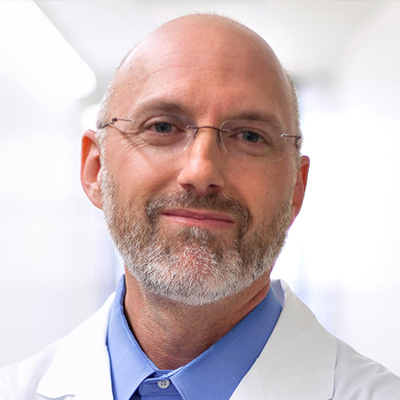
Dr. Brent Fogel is a Professor in the Departments of Neurology and Human Genetics at the David Geffen School of Medicine, UCLA. He directs the Neurogenetics Clinic and the UCLA Clinical Neurogenomics Research Center , focusing on diagnosing and managing genetic neurological disorders such as cerebellar ataxia , ataxia with oculomotor apraxia , spastic paraplegia , and leukodystrophies . His research integrates genomics , bioinformatics , and neuroimaging to improve precision medicine in prenatal counseling and rare disease diagnosis. Education: MD, PhD from Medical College of Wisconsin (2003) PhD in Genetics (2001) Internship in Internal Medicine (Northwestern University, 2004) Residency in Neurology (UCLA, 2007) Fellowship in Neurogenetics (UCLA, 2009) Board Certified in Neurology (2009) Research Focus: Dr. Fogel’s work spans neurogenetics , spinocerebellar ataxia , leukodystrophy , and genomic technologies . He has pioneered gene discovery in hereditary ataxias, developed transcriptional biomarkers , and contributed to diagnostic guidelines for rare disorders. His studies on lysosomal genes in Parkinson’s disease and exome sequencing disparities address critical gaps in neurogenetic research. Key Collaborations: He leads multicenter studies with the Ataxia Global Initiative , Undiagnosed Diseases Network , and Genomics England Research Consortium . His lab ( FogelLab ) develops tools like multiWGCNA for gene network analysis.
Saud Alhusaini MD PhD is an Assistant Professor of Neurology at the Warren Alpert Medical School of Brown University and serves as a Neurologist/Movement Disorders Specialist at Rhode Island Hospital. His research integrates imaging genomics and multimodal brain imaging approaches to investigate neurological disorders including Parkinson's disease, essential tremor, and epilepsy. He is affiliated with the Carney Institute for Brain Science and collaborates extensively with clinicians, geneticists, electrophysiologists, MRI specialists, neuropsychologists, and data scientists. Education: PhD from the Royal College of Surgeons in Ireland (RCSI) MSc in Neuroscience from Trinity College Dublin MD from University of Dublin, School of Medicine Adult neurology residency at McGill University/Montreal Neurological Institute Clinical research fellowship at Yale School of Medicine Clinical fellowship at Stanford University Medical Center Dr. Alhusaini's research focuses on identifying key endophenotypes and subclinical biomarkers to elucidate the underlying mechanisms of complex neurological conditions. His work spans multiple areas including movement disorders, epilepsy, and brain structure genetics. He has made significant contributions to understanding the genetic architecture of brain structures through his involvement with the ENIGMA consortium, which conducts large-scale collaborative analyses of neuroimaging and genetic data across institutions worldwide. An analysis of his publication record reveals a consistent pattern of high-impact research at the intersection of neurology, genetics, and advanced imaging techniques. His recent work demonstrates particular expertise in Parkinson's disease genetics, epilepsy network analysis, and movement disorder diagnostics. The breadth of his research, spanning from basic genetic mechanisms to clinical applications, highlights his comprehensive approach to understanding neurological disorders. Dr. Alhusaini has received funding from the Rhode Island Research Foundation, Brown Physicians, Inc., and Advance RI-CTR to support his research initiatives. His collaborative approach is evident through his numerous multi-institutional projects and extensive co-author network across Brown University departments including Neurology, Neurosurgery, and Pathology and Laboratory Medicine.
Bernard Brais serves as Director of the Rare Neurological Diseases Group at the Montreal Neurological Institute-Hospital (The Neuro), which operates as a McGill University research and teaching institute and is part of the Neuroscience Mission of the McGill University Health Centre. His academic appointment at McGill University positions him within one of Canada's premier neuroscience research environments. Dr. Brais completed his MDCM, neurology residency, and PhD at McGill University, establishing his deep institutional connections. He additionally possesses specialized training as a historian of neurosciences and genetics, which informs his comprehensive approach to neurological disorders. His research program centers on the genetic basis of neurogenetic disorders with founder effects in Quebec populations, with particular emphasis on disorders exhibiting ataxic manifestations such as Autosomal Recessive Spastic Ataxia of Charlevoix-Saguenay (ARSACS). Since 2007, he has led a dedicated research team investigating ARSACS, building on his earlier work identifying causal genes for Oculopharyngeal muscular dystrophy (OPMD), Hereditary Sensory and Autonomic Neuropathy type II (HSANII), Limb Girdle Muscular Dystrophy with Quadriceps atrophy (LGMD2L), Pol III-related leukodystrophies, and ZAK congenital myopathy. Analysis of Dr. Brais's publication record reveals a cohesive research trajectory spanning clinical studies of disease progression, molecular genetics investigations of causal mutations, and preclinical work with animal models. His work consistently focuses on rare neurological conditions with strong genetic components, particularly those showing founder effects in Quebec populations, with substantial contributions to understanding neuromuscular disorders, ataxias, leukodystrophies, and neuropathies. As Director of the Rare Neurological Diseases research group, Dr. Brais oversees multiple research initiatives investigating various rare neurological conditions. His laboratory work integrates clinical research with basic science approaches, utilizing patient populations for clinical studies while employing cellular and animal models to elucidate disease mechanisms. His clinical work is associated with the Neuromuscular Programme at The Neuro, where he applies his research findings to patient care.
Benjamin Shore, MD, MPH, FRCSC, is Associate Professor of Orthopedic Surgery at Harvard Medical School and a practicing pediatric orthopedic surgeon at Boston Children’s Hospital. He serves as Co-Director of the Cerebral Palsy and Spasticity Center and Director of the Pediatric Orthopaedic Surgery Fellowship. Education and Training Undergraduate: Biology, University of Victoria, 1999 MPH: Harvard School of Public Health, 2013 MD: University of Western Ontario, 2003 Residency: Orthopedic Surgery, University of Western Ontario, 2008 Fellowship 1: Pediatric Orthopedics, Royal Children's Hospital, Melbourne, 2009 Fellowship 2: Pediatric Orthopedics, Boston Children’s Hospital, 2010 Research Focus Dr. Shore’s research centers on improving outcomes for children with cerebral palsy and other complex musculoskeletal conditions. His work spans hip surveillance and reconstruction, gait abnormalities, trauma care, and the implementation of evidence-based surgical pathways. He has pioneered investigations into anesthesia protocols, infection prevention, and patient-reported outcome measures for pediatric orthopedic populations. Scientific Awards St. Giles Young Investigator Award (POSNA) Clinician Scientist Development Program Award (CSDP) Charles H. Hood Foundation Child Health Research Award Leadership & Multi-Disciplinary Teams At Boston Children’s Hospital, Dr. Shore leads a high-performance team within the Cerebral Palsy and Spasticity Center that integrates orthopedic surgery, neurology, physical therapy, and social work to deliver patient- and family-centered care. He mentors fellows and residents and actively contributes to national consensus projects using Delphi methodology to standardize surgical indications in cerebral palsy.
Dr. Eric Meyers is an Assistant Professor in the Department of Bioengineering at the Erik Jonsson School of Engineering and Computer Science, University of Texas at Dallas. He holds a Ph.D. in Biomedical Engineering and dual Bachelor's/Master's degrees in Electrical Engineering from the same institution. His research focuses on closed-loop neurotechnology, neuromodulation, and bioelectronic medicine to enhance recovery from nervous system injuries. Key projects include developing wearable EMG sleeves for stroke rehabilitation and closed-loop neuromodulation systems to restore motor function. Education: B.S. (2012), M.S. (2018), Electrical Engineering; Ph.D. (2017), Biomedical Engineering – all from UTD His research interests span machine learning applications in neurorehabilitation, biomarker discovery for neurological conditions, and clinical translation of bioelectronic therapies. Recent work emphasizes wearable devices for real-time motor function assessment and neuromodulation-driven recovery strategies. Publications highlight advancements in EMG-based neural interfaces, closed-loop algorithms for stroke therapy, and innovative FES systems. His lab actively collaborates on projects funded by NIH and industry partnerships, with a focus on translating technologies to clinical settings.
Dr. Irma D. Fleming serves as an Assistant Professor of Surgery at the University of Utah School of Medicine, where she maintains clinical practice at the University of Utah Hospital Burn Center in Salt Lake City. Board certified by the American Board of Surgery and its Surgical Critical Care subspecialty, she specializes in acute burn care, burn reconstruction, critical care trauma management, and necrotizing soft tissue infections. Her academic training includes: B.S. in Biology from Spelman College M.D. from Meharry Medical College General Surgery Residency at the University of Chicago Burn Surgery Fellowship at Vanderbilt University Medical Center Anesthesia Critical Care Fellowship at the University of Chicago Dr. Fleming's research integrates clinical burn care with microbiome science, focusing on how microbial communities influence wound healing, sepsis, and surgical outcomes. Her work examines nutritional interventions in burn recovery, electrical injury complications, frostbite management, and antibiotic-resistant pathogens in burn units. She investigates the intersection of trauma, critical illness, and host-microbe interactions using multi-omic approaches and clinical database analysis. Analysis of her 15 most recent publications (2016-2024) reveals consistent emphasis on burn care optimization through microbiome modulation, infection control in burn units, and metabolic/nutritional support. Key trends include translational studies on fecal microbiota transplants for sepsis, outbreak management of multidrug-resistant Acinetobacter baumannii, and innovative techniques like botulinum toxin application in acute burn care. Her work spans clinical trials, multi-omic tissue analysis, and hospital environmental microbiome studies. No scientific awards were documented in the provided materials. While no student mentorship or grant details were specified, Dr. Fleming's collaborative publications suggest active participation in multi-institutional research teams focused on surgical infections and critical care outcomes. Her clinical role involves telemedicine applications and comprehensive burn center care coordination.
Rob Willemsen is an Associate Professor in the Department of Clinical Genetics at Erasmus MC, a leading academic medical center in the Netherlands. His research is centered on the molecular and genetic basis of neurodevelopmental and inherited disorders, with a focus on fragile X syndrome and related conditions. He employs advanced models such as zebrafish and in vivo systems to investigate gene regulation, methylation dynamics, and disease mechanisms. His research interests span clinical genetics , molecular genetics , neurodevelopmental disorders , epigenetic regulation , and rare genetic diseases . Using zebrafish models, he explores gene function and pathogenic variants associated with conditions like pediatric cardiomyopathy, hereditary spastic paraplegia, and refractive errors. His work often bridges basic science with translational applications, including drug testing in preclinical models. The trends in his recent publications indicate a strong focus on gene discovery , functional genomics , and therapeutic intervention for monogenic disorders. His studies frequently involve international collaborations and multidisciplinary teams, leveraging high-throughput sequencing, transcriptomics, and animal modeling to validate candidate genes from GWAS and clinical findings. Rob Willemsen has supervised 14 research projects, indicating an active role in mentoring students and junior researchers. He has received significant attention for his work, with mentions in news outlets and citations in major journals, though specific grants or funding sources are not detailed in the text. His collaborations span multiple institutions and countries, reflecting a broad scientific network. His research is conducted within the Clinical Genetics department at Erasmus MC, where he contributes to both fundamental research and potential clinical applications. While no specific lab name is mentioned, his work involves molecular and cellular analysis, animal models, and collaboration with clinical teams to translate findings into patient care.
Nathalia Peixoto is an Associate Professor in the Department of Electrical and Computer Engineering and Affiliate Faculty in Bioengineering at George Mason University. Her work bridges neural engineering, biomedical applications, and assistive technology development with international collaborations across Israel, Ireland, Peru, and Korea. Educational background: PhD in Electrical Engineering, Universidade de Sao Paulo MS, University of Campinas Research Interests: Dr. Peixoto specializes in neural engineering with focus on brain-computer interfaces using wearable devices. Her lab develops: Neural prosthetics and implantable systems Bioimpedance-based medical sensors Low-cost electrophysiological recording platforms Community-centered engineering design solutions Publication Trends: Her 2022-2025 publications demonstrate strong interdisciplinary convergence between neuroscience, biomedical engineering, and AI. Key trends include machine learning for seizure detection in zebrafish models, electrochemical optimization of neural interfaces, and community-engaged design projects addressing societal challenges through transdisciplinary graduate training. Grants and Projects: Principal investigator for multiple NSF-funded initiatives: NRT-HDR: Transdisciplinary Graduate Training (2019-2024) Smart and Connected Communities: Networked Devices (2017-2019) Bioimpedance for retinal implants (2015-2017) C2MW: Classroom to Makers Week (2015-2016) Additional funding from VA STEM CoNNECT and Longwood University. Laboratory: The Neural Engineering Lab integrates chemistry, physics, and engineering disciplines through team-based projects involving high school to graduate students. Current work includes sustainable food-waste solutions, tremor-capturing robots for low-resource areas, and neural implants with international academic partnerships.
Friedl De Groote is a Senior Lecturer at KU Leuven's Faculty of Human Movement and Rehabilitation Sciences, Department of Human Movement Sciences, specializing in the biomechanics of human movement. She leads the Biomechanics of Human Movement Research Group and is a member of the iSi Health - KU Leuven Institute for Physics-based Modeling for In Silico Health. Her research focuses on understanding neuromusculoskeletal control of human movement, particularly through computational modeling approaches. She investigates gait disorders in children with cerebral palsy and Duchenne muscular dystrophy, examining how muscle impairments, contractures, and neural control mechanisms contribute to altered movement patterns. Her work combines experimental biomechanics with predictive computer simulations to uncover the underlying mechanisms of movement disorders and develop new rehabilitation approaches. She also studies fundamental aspects of human locomotion, balance control, and energy expenditure during walking. Her recent publications demonstrate a strong emphasis on predictive simulations to understand the relationship between neuromusculoskeletal impairments and movement pathology. Her research spans multiple domains including cerebral palsy, Duchenne muscular dystrophy, gait analysis, balance control, and musculoskeletal modeling. She frequently collaborates with clinical researchers to bridge the gap between computational models and clinical applications. Dr. De Groote is actively involved in various academic councils including the Faculty Council FaBeR, POC Rehabilitation Sciences and Physiotherapy, POC Physical Education and Movement Sciences, and multiple departmental councils within Human Movement Sciences. Her ORCID identifier is 0000-0002-4255-8673 . She currently leads or co-leads numerous research projects funded through KU Leuven and external grants, with a focus on understanding walking control mechanisms, energy expenditure during locomotion, and developing computational models to inform rehabilitation strategies for children with movement disorders. Her research portfolio demonstrates a commitment to translating biomechanical insights into clinically relevant applications.
Jaynie Yang, PhD, is a full Professor in the Department of Physical Therapy, Faculty of Rehabilitation Medicine at the University of Alberta, where she has served since January 1990. She additionally holds adjunct appointments in the Department of Biomedical Engineering and is an active member of the Neuroscience & Mental Health Institute and the Women and Children’s Health Research Institute. She has previously acted as Graduate Coordinator for the thesis-based MSc and PhD programs and as Acting Chair of the Department of Physical Therapy. Education Post-doctoral Fellowship, Neuroscience, University of Alberta (1987–1989) PhD, Kinesiology, University of Waterloo (1987) BSc, Physical Therapy, Queen’s University (1978) Research Interests Dr. Yang’s research centres on how the nervous system controls human walking and how this control is altered following injury to the central nervous system. She investigates three inter-related themes: (1) neural mechanisms underlying gait control in healthy humans and how these are disrupted by spinal cord injury or perinatal brain injury; (2) optimization of task-specific training paradigms—such as intensive early therapy in infants with perinatal stroke or powered exoskeleton training in adults with spinal cord injury—to drive neuroplasticity and improve walking; and (3) developmental aspects of motor learning, comparing how children and adults acquire and retain novel walking patterns on split-belt treadmills. Recent Publication Trends Over the past decade her team has produced a high-impact portfolio that blends mechanistic studies of neural plasticity with pragmatic clinical trials. Common keywords across recent papers include “perinatal stroke,” “cerebral palsy,” “spinal cord injury,” “powered exoskeleton,” “functional electrical stimulation,” and “neuroplasticity.” The work spans bench-to-bedside translation, from rodent studies of critical periods through multi-centre randomized controlled trials evaluating early intensive rehabilitation protocols in infants and gait-retraining paradigms in adults. Current Studies & Funding Multi-centre RCT (Edmonton & Calgary) examining early, intensive leg training in children Cohort studies investigating cortical and spinal neuroplasticity induced by powered exoskeleton (ReWalk, Ekso) training in adults with chronic SCI. Split-belt treadmill studies comparing motor learning retention across children, young adults, and older adults. Laboratory & Team Dr. Yang leads an interdisciplinary group that integrates neurophysiology, biomechanics, and clinical rehabilitation. The lab is embedded within the University of Alberta’s Neuroscience & Mental Health Institute and has active collaborations with the Glenrose Hospital, Alberta Children’s Hospital, and Children’s Hospital of Eastern Ontario. At present she mentors one graduate student and is not accepting additional trainees for the upcoming cycle. Teaching She is the instructor for PTHER 500 – Movement Analysis, a core course in the MScPT curriculum covering mechanical and analytical concepts essential for physical therapy practice (scheduled for Fall Term 2025).
Timothy Cootes is a Research Professor at the University of Manchester's Division of Informatics, Imaging & Data Sciences. He holds an MSc teaching role in Mathematical Methods and has led projects like BoneFinder and ASPIRE™. His research focuses on statistical models for medical image analysis, facial interpretation, and musculoskeletal disease diagnosis. Education: Bachelor's in Maths and Physics from Exeter University PhD in Civil Engineering (storm sewer overflow) from Sheffield City Polytechnic Research Interests: Statistical shape/appearance models for medical imaging Machine learning applications in osteoporosis/osteoarthritis analysis Facial feature tracking and recognition systems Groupwise image registration techniques Awards: 2015 ISBI Grand Challenges Prize 2010 IAPR Fellowship 2023 Highly Commended Oral Presentation Collaborations: Dr. Paul Bromiley (medical imaging) Dr. Claudia Linder (musculoskeletal projects) Dr. Adrian Davison (facial recognition) Key Impacts: Developed Active Appearance Models (AAMs) for facial recognition Co-created BoneFinder automated bone analysis software Contributed to global osteoarthritis risk assessment frameworks
Professor Maria Crotty is a clinical academic and rehabilitation physician at Flinders University's College of Medicine and Public Health. She leads a multidisciplinary research group focused on implementing best care models and practices within health and aged care settings, using implementation science approaches to bridge research and clinical care. Her educational background includes: Bachelor of Medicine (BMed) BA (Bachelor of Arts) Master of Public Health (MPH) PhD Graduate Diploma in Tertiary Education Fellow of the Australasian Faculty of Rehabilitation Medicine (FAFRM, RACP) Fellow of the Royal Australian College of General Practitioners (FRACGP) Fellow of the Australasian Faculty of Public Health Medicine (FAFPHM) Professor Crotty has extensive experience running pragmatic randomized controlled trials in hospital, community, and aged care settings. Her research focuses on issues important to clinicians and policymakers working with older people and those living with disabilities. She has developed and evaluated innovative models of care including home rehabilitation, transition care, day rehabilitation, and telerehabilitation, which was implemented in South Australian rehabilitation units in 2017. Her work addresses critical issues such as frailty interventions in hospitals, cognitive impairment in long-term care settings, economic evaluations of rehabilitation programs, and monitoring of pathogen transmission risks in healthcare environments. Her notable scientific awards include: Public Service Medal 2018 (for services to Rehabilitation) Professor Crotty has served as principal supervisor for 8 rehabilitation students. Her research is supported by significant projects including the e-DIVA (empowering Dementia Carers with an iSupport Virtual Assistant) project (2021-2024). She has been actively involved in policy-relevant activities such as 'Primary Care Utilisation Before and After Entry into Permanent Residential Aged Care' and 'The Registry of Senior Australians: Informing Aged Care Policy Reforms.' Her research group operates at the intersection of clinical care and research, embedded within healthcare settings to ensure practical applicability of findings. Through her leadership of the Australasian Rehabilitation Outcomes Centre and previous roles such as unit head of the Rehabilitation Service at Flinders Medical Centre (until March 2022), she has established a robust network for translating research into practice across multiple healthcare settings.
Professor Barbara Singer is a Professor of Neurological Rehabilitation at Edith Cowan University’s School of Medical and Health Sciences. With over 30 years of clinical and academic experience, she previously led a postgraduate program in neurological rehabilitation at the University of Western Australia (2004–2016). She currently teaches in the NRB5112 Translational Science course. Her education includes a Doctor of Philosophy from the University of Western Australia (2003) and a Postgraduate Diploma in Health Sciences from Curtin University (1988). As a Neurological Physiotherapist, she is an Honoured member of the Australian Physiotherapy Association and a Fellow of the Australian College of Physiotherapists. Barbara’s research focuses on spasticity management, stroke rehabilitation, functional neurological disorders, and self-management strategies for neurological conditions. Notable contributions include clinical practice guidelines for lateropulsion management and studies on constraint-induced movement therapy implementation. Her awards include the 2010 WA Branch President’s Award (Australian Physiotherapy Association) and the 2023 Honoured Membership (Australian Physiotherapy Association). She has supervised numerous PhD and master’s students, focusing on topics like lateropulsion in stroke recovery and functional neurological disorders.
Professor Cahir O'Kane is a faculty member at the Department of Genetics , University of Cambridge. He studied Genetics as an undergraduate in Cambridge, earned a PhD in bacterial genetics at Trinity College Dublin, and conducted postdoctoral work at the University of Basel, where he developed enhancer trapping in Drosophila . His research focuses on subcellular neuronal function and dysfunction using Drosophila as a model organism, particularly the role of axonal endoplasmic reticulum (ER) in hereditary spastic paraplegia (HSP). He actively contributes to undergraduate teaching in cell biology and genetics and serves as a Director of Studies at Churchill College. His work leverages Drosophila to explore ER-shaping proteins implicated in HSP, such as those causing axonal ER continuity gaps. Current projects involve screening tools for ER formation genes, light/electron microscopy analyses, and physiological impacts of ER disruption. He collaborates with the Virtual Fly Brain consortium for integrating Drosophila brain data. He advocates for sustainable funding of scientific resources like FlyBase and has supported efforts to relocate FlyBase operations to Cambridge amid NIH funding cuts. His team has received Marie-Sklodowska-Curie Horizon 2020 awards for research on ER dynamics (Dr. Lu Zhao, Dr. JJ Perez Moreno).
Mayo Clinic College of Medicine and ScienceUnited States
Dr. Devin Oglesbee is a Professor and current Chair of the Department of Laboratory Medicine and Pathology at Mayo Clinic College of Medicine in Rochester, Minnesota. He serves as Clinical Competency Committee Chair for the Division of Laboratory Genetics and Genomics and maintains active roles in multiple professional organizations including the American College of Medical Genetics and Genomics. PhD in Molecular Biology from University of Oregon (2004) BS with Distinction from University of Oregon (1997) Post-Baccalaureate Program at Universite Lumiere, Lyon (1999) Residency and Fellowship training at Mayo Clinic in Clinical Molecular Genetics and Clinical Biochemical Genetics (2006-2007) Dr. Oglesbee's research focuses on molecular and biochemical genetics with particular emphasis on mitochondrial diseases, inborn errors of metabolism, and newborn screening methodologies. His work bridges laboratory medicine and clinical practice, developing innovative diagnostic approaches for rare genetic disorders. He has pioneered techniques in metabolomics, mass spectrometry-based diagnostics, and biomarker discovery for mitochondrial disorders. His publication record demonstrates consistent contributions to understanding genetic mechanisms of neurodevelopmental disorders, lysosomal storage diseases, and metabolic conditions. Recent work shows increasing focus on multi-omics integration, telehealth applications in rare disease diagnosis, and development of novel diagnostic methodologies for challenging genetic conditions. His research often involves collaboration through the Undiagnosed Diseases Network, highlighting his role in solving complex diagnostic cases. Excellence Through Teamwork Award from Mayo Clinic (2022) Multiple Travel Awards from Society of Inherited Metabolic Disease (2005-2006) William Sistrom Family Bioenergetics Scholarship from University of Oregon (2003) Molecular Biology Training Grant from National Institutes of Health (2000) As Department Chair, Dr. Oglesbee oversees laboratory operations while continuing active research in genetic diagnostics. His work has significantly influenced newborn screening protocols and diagnostic algorithms for metabolic disorders. He serves on numerous committees including the Clinical Laboratory Standards Institute Document Development Committee and as an Ad Hoc Reviewer for the College of American Pathologists, demonstrating leadership in establishing standards for laboratory medicine. Dr. Oglesbee is actively involved with the Mayo Clinic's Undiagnosed Diseases Network site, contributing to the diagnosis of rare genetic conditions through advanced genomic and metabolomic approaches. His laboratory focuses on developing and implementing novel diagnostic methodologies for mitochondrial disorders and inborn errors of metabolism, with particular expertise in mass spectrometry-based techniques.