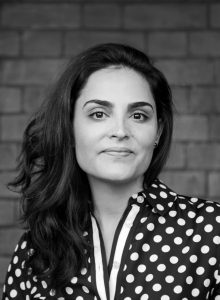
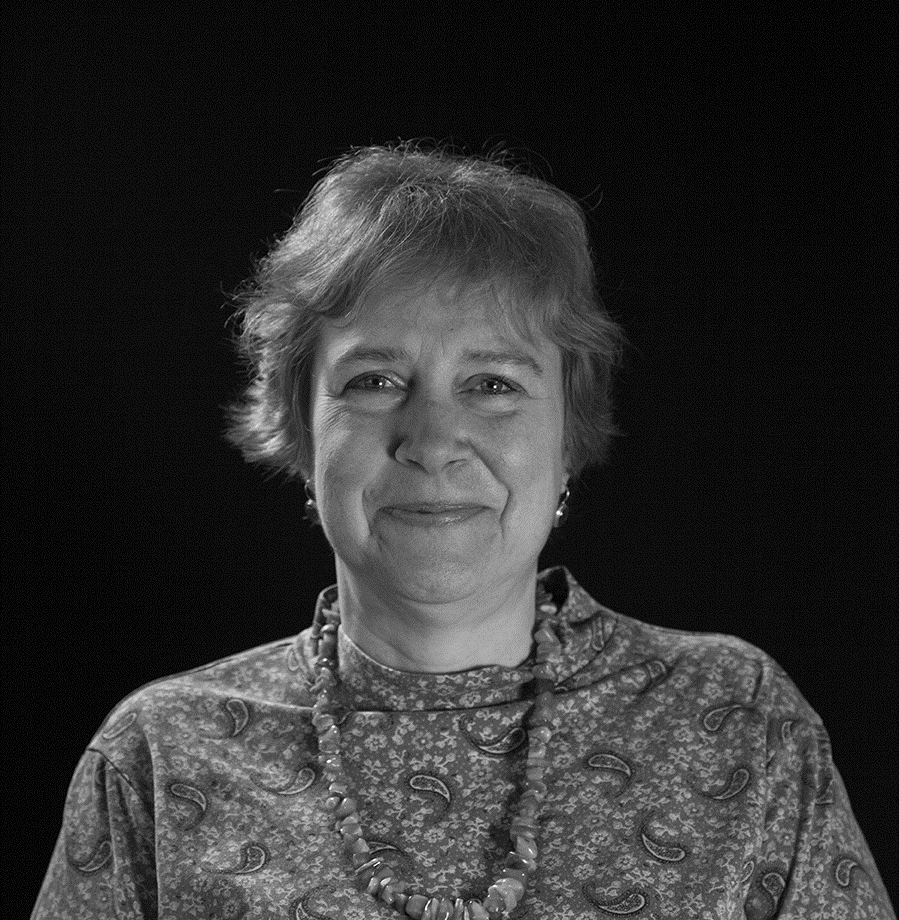
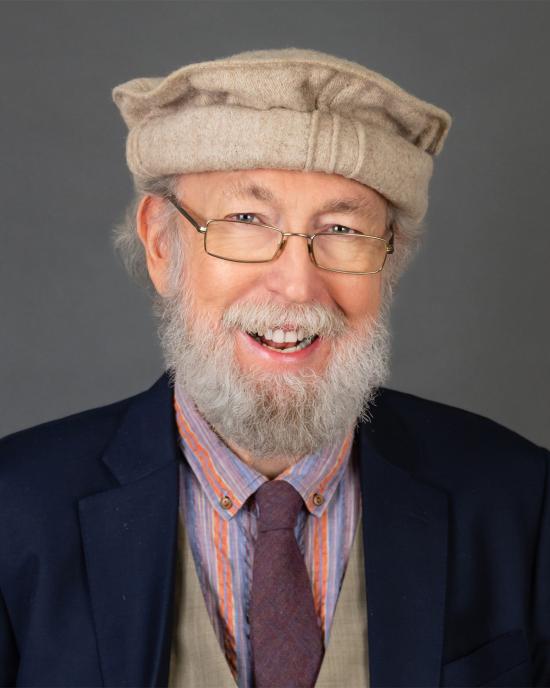
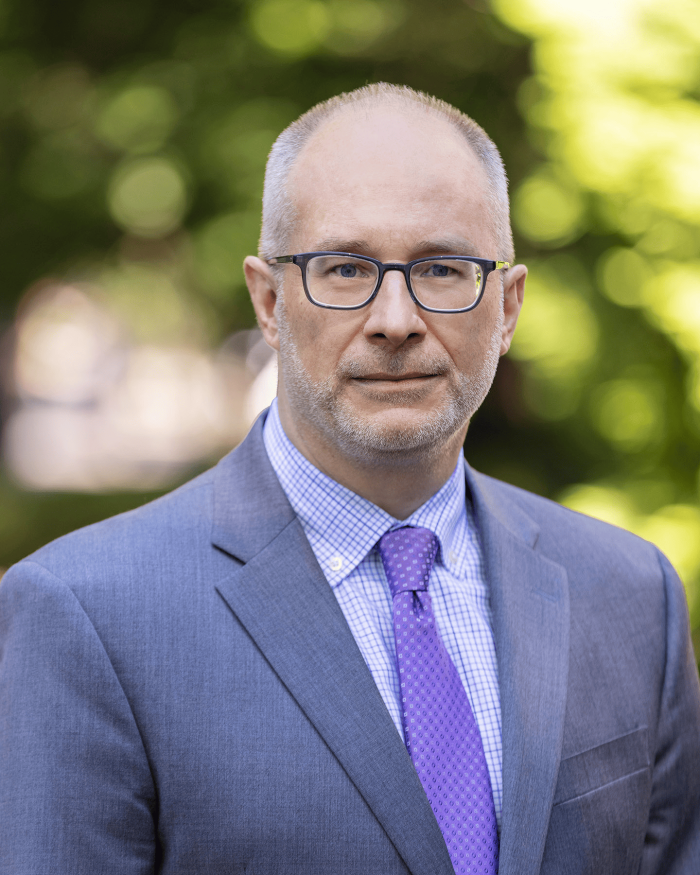
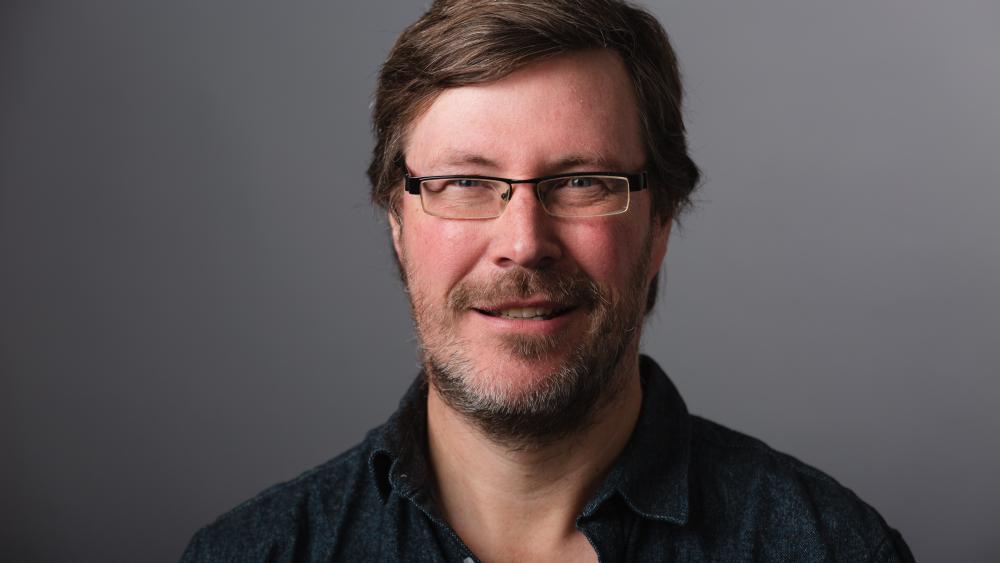
Beth Piatote is an Associate Professor of English and Comparative Literature at the University of California, Berkeley. She holds a PhD in Modern Thought and Literature from Stanford University and is an enrolled member of the Confederated Tribes of the Colville Reservation (Nez Perce). Her work bridges scholarly and creative realms, focusing on Indigenous literature, law, language revitalization, and cultural studies. Education: PhD in Modern Thought and Literature (Stanford University). Research interests include Native American legal systems, Nez Perce language preservation, global Indigenous literatures, and creative writing. She co-founded and chairs Berkeley’s Designated Emphasis in Indigenous Language Revitalization and directs the Arts Research Center, where she leads the Indigenous Poetics Lab. Her publications include Domestic Subjects: Gender, Citizenship, and Law in Native American Literature (2013) and the short story collection The Beadworkers (2019), which received multiple literary recognitions. Her plays Antíkoni and Tricksters, Unite! explore Indigenous narratives through performance. Awards include MLA honorable mentions, PEN/Bingham Prize longlistings, and a 2020 Playwrights Retreat win. Current projects involve a scholarly monograph on sensory representations of Indigenous law and creative works in poetry and essays.
Gilah Kletenik is a Research Fellow in Jewish Studies at the Stroum Center for Jewish Studies, University of Washington, holding the Hazel D. Cole Fellowship (2024-2026). She specializes in Jewish philosophy from medieval through modern periods with concentrated expertise in Spinoza's thought and its intellectual lineage. Her educational background includes: Ph.D. in Hebrew and Judaic Studies, New York University (2020) M.A. in Hebrew and Judaic Studies M.A. in Bible and Talmud Kletenik's research interrogates how power structures shape Western conceptions of reality, reason, and humanity, excavating alternatives in Jewish naturalism and immanence. She critically engages Spinoza's philosophy through medieval precursors (Maimonides, Gersonides), early modern contemporaries (Descartes, Anne Conway), and modern heirs (Marx, Deleuze), while situating this work within critical theory, new materialism, object-oriented ontology, affect theory, and queer theory frameworks. Her scholarship consistently bridges historical philosophical analysis with contemporary sociopolitical critique. Her public scholarship demonstrates thematic continuity across publications, examining institutional power dynamics in Jewish Studies through lenses of gender, antisemitism, and decolonization. These works reveal persistent patterns connecting medieval philosophical concepts to modern systemic issues in academia and society. Her distinguished fellowships include: Hazel D. Cole Fellow in Jewish Studies, University of Washington (2024-2026) Postdoctoral Associate, Elie Wiesel Center for Jewish Studies, Boston University Alan M. Stroock Fellow, Center for Jewish Studies, Harvard University Currently completing her monograph "Sovereignty Disrupted: Spinoza and the Disparity of Reality," Kletenik maintains active public engagement through lectures and critical commentary, advancing interdisciplinary dialogue between Jewish philosophy and contemporary theoretical movements while challenging institutional norms in academic Jewish Studies.
Professor Amy Maguire is a leading academic in human rights and public international law at the University of Newcastle, Australia. She holds roles as Deputy Head of the School of Law and Justice (2021-2024) and co-founder Director of the Centre for Law and Social Justice. Her research focuses on human rights accountability, Indigenous rights, climate change displacement, and refugee rights. She has secured over $2.7 million in grants, including an ARC Mid-Career Industry Fellowship (2024-2028) for national human rights reform initiatives. Maguire advises the Queensland Parliament on human rights compliance and collaborates with global institutions like the Australian Human Rights Commission. Her work has influenced policy, including Australia’s death penalty abolition strategy and Indigenous rights frameworks. She has been awarded multiple accolades for research and teaching excellence, including the 2020 Leadership Excellence Award and 2016 Early Career Researcher of the Year. Maguire’s education includes a BA, LLB (Hons), and PhD from the University of Newcastle. Her interdisciplinary approach bridges law and social justice, addressing issues like climate migration and legal responses to global crises. She leads projects such as the Hunter Region climate displacement study and the Human Rights Measurement System. Maguire’s public engagement includes over 70 articles for The Conversation, reaching 920,000+ readers, and expert media commentary globally. She advocates for inclusive education through initiatives like early entry programs for Indigenous and refugee students, earning a 2021 Senior Fellowship from Advance HE. Her research outputs span 60+ publications, with key works on MH17 litigation, climate justice, and Indigenous legal frameworks. Grants include a 2021 stimulus grant to establish the Centre for Law and Social Justice, supporting postdoctoral research and international collaborations. Maguire’s leadership extends to global networks, including the UN Human Rights Council evaluation project and the Human Rights for NSW Alliance. She remains committed to translating research into policy, education, and community impact through clinics, youth forums, and law reform advocacy.
Professor Andrew Murray is a leading academic in Law with expertise in New Media and Technology Law. He holds the position of Professor of Law at the LSE Law School and directs the LSE Law, Society and Technology Group. His research focuses on digital rights, AI ethics, and regulatory frameworks for emerging technologies. Murray has held roles including Fellow of the Royal Society for the Arts and advisor to the Saudi Arabian government on e-commerce law. He has advised parliamentary committees, including the House of Lords Communications Committee on digital regulation, and delivered the prestigious TMC Asser Lecture on AI and human agency. Education: LL.B. Hons from Edinburgh University (1994), followed by academic roles at Stirling University and LSE since 2000. Professional memberships include the Society of Computers and Law (SCL) and the Higher Education Academy (HEA). He has been a visiting professor at Amsterdam Law and Technology Institute and Sciences Po Paris. Research interests span cyberspace regulation, AI governance, and the intersection of technology with human rights. Key publications include Human Rights in the Digital Age (2004) and The Regulation of Cyberspace (2007). Awards include recognition as an Independent Expert in Nominet UK dispute resolution (2001–2008) and a 2024 Leibniz Prize reviewer. Advocacy includes contributions to EU e-commerce directives and UK surveillance law debates. His work emphasizes balancing innovation with legal accountability in digital spaces.
Dr. Jeni Mitchell is a Lecturer in the Department of War Studies at King’s College London, affiliated with the School of Security Studies under the Faculty of Social Science & Public Policy. She specializes in future war studies, space security, and the evolution of rebellion, serving as co-director of the Future Threats Lab within the Centre for Science & Security Studies. Her work emphasizes human-centric approaches to analyzing existential threats and their societal impacts. Her education includes a PhD from King’s College London, where her doctoral research focused on civilian victimization by non-state armed groups. She has held positions at Chatham House, the Brookings Institution, and the Middle East Institute. Teaching responsibilities include MA modules on future warfare, spacepower, and insurgency, while she also directs the MA International Relations and War program. Mitchell’s research explores future threat perceptions (particularly in space), futures research methodologies, and the intersection of war, genocide, and utopian ideologies. Her methodological innovations, termed ‘future-crafting,’ employ creative formats like films and games to model conflict scenarios. Notable collaborations include work with the Freeman Air and Space Institute and King’s Wargaming Network. Recent publications address Ukraine’s apocalyptic imaginary, space-based threat analysis, and refugee-warrior dynamics. Her research group activities include the Environmental Security research group and contributions to widening participation initiatives like the 2024 Summer School in international security.
Dr. Mark B. Smith is an Associate Professor in Modern European History at the University of Cambridge’s Department of History. His research focuses on Soviet and European history, particularly the Soviet Union’s social structures, welfare policies, urban development, and cultural dynamics from Stalinism through late socialism. He teaches courses on welfare states, Soviet life, and 20th-century European violence. Key research areas include Soviet urban housing programs, welfare state evolution, and Cold War-era cultural exchanges. His publications analyze topics like Khrushchev’s housing reforms, post-Stalin urban welfare systems, and Soviet pension policies. Smith has co-edited special issues on European urban societies and authored books such as *The Russia Anxiety* (2019) and the forthcoming *Exit Stalin* (2026). He advises doctoral students on Soviet history, welfare states, and Cold War topics. His work bridges legal history, social policy analysis, and cultural studies, emphasizing how everyday life reflected broader ideological and structural changes in Soviet society.
Marcela Echeverri Muñoz is an Associate Professor in the Department of History at Yale University, affiliated with the Faculty of Arts and Sciences. Her scholarship bridges history, anthropology, and political theory, with a focus on Latin America, the Atlantic World, and the Spanish Empire. She is recognized for her interdisciplinary approach to understanding political subjectivities, state formation, and social transformation during the Age of Revolutions. PhD in Latin American and Caribbean History, New York University, 2008 MA in History of the Hispanic World, Fundación MAPFRE-Tavera and CSIC, Madrid, 2006 MA in Social and Political Theory, The New School for Social Research, 2001 BA in Anthropology, Universidad de los Andes, Bogotá, 1997 Her research centers on the interplay of race, gender, law, and political theory in colonial and 19th-century Latin America. She investigates how enslaved and Indigenous peoples navigated imperial and republican transitions, particularly through royalist affiliations. Her work challenges peripheral narratives of Spanish America in Atlantic slavery studies, positioning the region as a central site of abolitionist and constitutional experimentation. The trends in her recent publications reveal a sustained focus on slavery, abolition, and political transformation in the Spanish American mainland. She analyzes how anti-slavery movements were intertwined with republicanism, citizenship, and state formation, especially in Gran Colombia. Her scholarship spans legal history, Atlantic processes, and transimperial dynamics, often highlighting marginalized voices in revolutionary contexts. She frequently contributes to major reference works and edited volumes on Atlantic revolutions and Latin American independence. Her scientific awards and fellowships reflect her standing in the field: James Alexander Robertson Prize Michael Jiménez Prize Bolton-Johnson Prize Honorable Mention Yale Heyman Prize for Outstanding Scholarly Publication Alexander von Humboldt Research Fellowship MacMillan Research Fellow, Yale Mellon Residential Fellow, CUNY NEH Summer Institute Participant, Johns Hopkins Fellowships from John Carter Brown Library, CSIC, Fundación Mapfre, and Instituto Colombiano de Antropología e Historia Echeverri has secured significant research grants from Harvard’s Atlantic History Seminar, CUNY Research Foundation, and Yale. She has co-edited special issues on Gran Colombian history and Spanish American abolition, and led key academic initiatives including the Race and Slavery in the Atlantic World Working Group and the Early Modern Empires Workshop at Yale. Though student advising is not explicitly detailed, her role as a senior scholar implies mentorship of graduate students. She is affiliated with several research networks and has been a visiting scholar at institutions such as Freie Universität Berlin. Her ongoing book project on Gran Colombian slavery underscores her commitment to redefining the hemispheric significance of Latin American abolition. She remains an active contributor to both scholarly and pedagogical conversations in Atlantic and Latin American history.
Professor Beatrice Heuser is a distinguished academic in the Department of Politics within the School of Social & Political Sciences at the University of Glasgow. Her career spans multiple prestigious institutions across Europe, including King's College London, University of Reading, and visiting professorships at Sciences Po Paris, Bundeswehr University Munich, and MGIMO. She maintains significant affiliations with major strategic research institutes including Chatham House, RUSI, IFRI, and IRSEM. Education: BA from Bedford College London, MA from LSE, DPhil from Oxford (St Antony's/St John's), Habilitation from University of Marburg Professional Experience: Former Director of Studies at German Bundeswehr's military history research office, NATO Headquarters consultant, and extensive teaching across European institutions Her research centers on strategic studies with particular focus on the cultural dimensions of warfare, nuclear strategy, and the historical evolution of strategic thought. Key research areas include strategic culture, military exercises as political instruments, laws of war development, and European defense policy. Her work bridges historical analysis with contemporary security challenges, examining how cultural narratives shape strategic decision-making from antiquity to the nuclear age. Professor Heuser's recent publications demonstrate consistent scholarly output across strategic theory, military history, and contemporary security issues. Her work shows particular emphasis on the conceptual foundations of strategic culture, historical analysis of warfare evolution, and practical applications to modern security challenges including nuclear deterrence and asymmetric warfare. The interdisciplinary nature of her research connects political theory, historical analysis, and security studies. She actively supervises graduate students in strategic theory, nuclear strategy, insurgency studies, and defense policy-making within NATO/EU contexts. Her teaching portfolio includes War and International Relations, Defense Policy, and Strategic Theory courses.
Harald Fuess is a Professor of Cultural Economic History at the Heidelberg Centre for Transcultural Studies since 2009. He holds a Ph.D. from Harvard University and B.A. from Princeton University , with prior teaching roles at the University of Sheffield, Sophia University, and visiting appointments at Oxford, Duisburg-Essen, Columbia, and Tokyo University. He serves as the Erasmus Coordinator for Asian Studies and as University Scientific Coordinator of the Hexagon Alliance . Education: Princeton University – B.A. Harvard University – M.A., Ph.D. His research spans modern Japanese history , gender dynamics , transcultural economic relations , and Eurasian cultural flows . Publications focus on Japan's legal sovereignty, consumption patterns, and the Meiji Restoration's global impact. Key academic contributions include leadership roles such as President of the European Association for Japanese Studies (2008-2011) and ongoing membership in its Executive Council (since 2000) . He has held administrative positions including Director of the Cluster Graduate School Transcultural Studies (2012-2017) and Speaker for Research Area C "Health and Environment" (2009-2012) . Recent publications analyze topics ranging from historiography of the senses to colonial legal frameworks in East Asia. His work bridges historical analysis with contemporary issues like tourism's economic impact and intellectual property evolution in transnational contexts.
Mauro Barelli is Professor of International Law at The City Law School, City, University of London. He holds a PhD from Cardiff University and an LLM from the University of Bristol, and has been a faculty member at City since 2009, progressing from Lecturer to Professor in 2024. He teaches Advanced Issues of International Law, International Human Rights Law, and a course on Minority and Indigenous Peoples' Rights. He has held visiting positions at the University of Cambridge (Lauterpacht Centre), Nanjing University, the University of Iceland, and the University of Trento. His research focuses on: Rights of ethno-cultural and indigenous peoples Law on the use of force Chinese perspectives on international law Soft law and normative development Minority rights and litigation His publications include four books and numerous articles in leading journals such as Journal of Conflict and Security Law , Human Rights Quarterly , and Asian Journal of International Law . His recent work analyzes China’s engagement with international law, the UK’s relationship with the ICJ, and the synchronization of biodiversity protection with indigenous rights. Key scientific recognitions include: Higher Education Academy Fellow (since 2012) He is an experienced PhD supervisor, having chaired and served on numerous doctoral committees, including as PhD Programme Director. His advisee Engin Firat is currently a research student at City. He has also served in administrative roles such as Assistant Dean (Research). His expertise has been sought by national governments, parliaments, and international NGOs. He is an active participant in international academic events, particularly through the European China Law Studies Association.
Timothy Webster serves as Professor of Law and Associate Dean for Faculty Research and Development at Western New England University's School of Law, with prior academic appointments at Yale Law School, Case Western Reserve University, and international institutions including University of Paris—Dauphine and National Taiwan University. His educational qualifications include: B.A., Yale University M.A., Yale University J.D., Cornell Law School LL.M., Cornell Law School Webster's research focuses on intersections between international law and East Asian domestic legal systems (China, Japan, Korea, Taiwan), examining human rights frameworks, international trade mechanisms, foreign investment regulations, and transnational litigation strategies. His scholarship demonstrates deep engagement with historical justice issues and contemporary legal challenges in the region, delivered through presentations at over 175 international conferences conducted in English, French, Japanese, and Mandarin. Analysis of his recent publications reveals consistent thematic concentration on war reparations, state immunity doctrines, corporate liability frameworks, and civil society's role in transnational redress movements, with empirical studies of litigation patterns across East Asia forming a distinctive methodological thread. His professional recognition includes: Catherine Jones Professor of the Year award (2023 and 2024) Asia Scholars Network fellowship (Luce Foundation) U.S.-Japan Network for the Future membership (Mansfield Foundation) Public Intellectuals Program selection (National Committee on U.S.-China Relations) As Associate Dean, Webster mentors law students in international legal studies while directing faculty development initiatives. His research is substantially supported by elite fellowships from the Luce Foundation, Mansfield Foundation, and National Committee on U.S.-China Relations, enabling extensive international collaboration. Webster has testified before Congress regarding China's WTO compliance and contributes legal analysis to major media outlets including The Conversation, South China Morning Post, and Los Angeles Times.
Michael R. Dove is the Margaret K. Musser Professor of Social Ecology and Professor of Anthropology at Yale University, where he also serves as Curator of Anthropology at the Peabody Museum and Co-Coordinator of the Combined YSE/Anthropology Doctoral Program. With over forty years of research experience, his work focuses on environmental anthropology, particularly the environmental relations of local communities in South and Southeast Asia. Dove earned his B.A. from Northwestern University and his M.A. and Ph.D. from Stanford University. His academic journey has spanned decades of field research in Asia, including more than a dozen years conducting long-term studies on human ecology in Borneo and Java, developing government research capacity in Indonesia, and advising the Pakistan Forest Service on social forestry policies. Professor Dove's research interests encompass the anthropology of climate change, cultural and political aspects of natural hazards and disasters, indigenous environmental knowledge and practice, environmental institutions and movements, history of environment-related sciences, and multispecies ethnography. His work often examines how local environmental systems interact with national and global markets, politics, and ideologies, with a focus on problematizing orthodox approaches to conservation and development. He has made significant contributions to understanding human-environment relations through both theoretical frameworks and practical applications. Dove's recent scholarly output demonstrates a progression toward more integrated approaches to environmental challenges, blending historical perspectives with contemporary issues. His publications increasingly focus on the intersections of climate change, social justice, and indigenous knowledge systems, while maintaining his longstanding interest in Southeast Asian environmental relations. The work shows a growing emphasis on post-humanist approaches and multispecies ethnography, reflecting broader trends in environmental anthropology while maintaining his distinctive focus on political ecology and institutional analysis. As an educator, Professor Dove has supervised numerous doctoral and master's students, many of whom have gone on to win research awards and secure prestigious positions. He organizes separate research labs for doctoral students from Yale School of the Environment and other departments, as well as for joint YSE/Anthropology doctoral students. His advisees typically conduct international research and have excellent records of obtaining research support both within and beyond Yale. The Dove Lab at Yale School of the Environment serves as a hub for environmental anthropology research, focusing on topics including natural resource management, property rights, power struggles, household energy transitions, and human-wildlife interactions. The lab fosters a collaborative environment with 30-50 students working on related issues each year, characterized by supportive peer dynamics rather than competition. It also contributes to policy and social change through its research and the work of its alumni.
Alexander B. Downes is a Professor of Political Science and International Affairs at The George Washington University, serving as Director of the Institute for Security and Conflict Studies within the Elliott School of International Affairs. He holds a Ph.D. in Political Science from the University of Chicago. His research focuses on international security with expertise in civilian victimization during war, foreign-imposed regime change, military effectiveness, coercion, nuclear weapons, and civil war. He has authored two influential books: Targeting Civilians in War (2008) and Catastrophic Success: Why Foreign-Imposed Regime Change Goes Wrong (2021). Downes has received major recognition including the Joseph Lepgold Prize (2008), Emerging Scholar Award (2016), Michael E. Brown Research Prize (2022), and Harry Harding Teaching Prize (2020). His work has been funded by the Department of Defense Minerva Initiative, Carnegie Corporation, and others. He has held fellowships at Harvard's Belfer Center and Stanford's CISAC. Teaching responsibilities include courses on international security, modern warfare theory, and coercion strategies. His research emphasizes policy-relevant analysis of global security challenges, combining historical case studies with contemporary strategic dilemmas.
Annie BLANDIN is an Enseignant Chercheur (Professor) at IMT Atlantique, a leading French technological university, where she is affiliated with the Department of Network Systems, Cyber Security and Digital Law at the Rennes campus. Her academic work bridges legal studies and digital technology, focusing on the evolving relationship between law, governance, and the digital world. Professor BLANDIN's research interests center on digital law and governance, with particular emphasis on European digital sovereignty, data protection frameworks, internet regulation, telecommunications law, and the intersection of market forces with digital rights. Her work critically examines how legal frameworks can address the power dynamics between large digital platforms and nation-states, exploring whether law can serve as a tool for digital sovereignty rather than merely accommodating existing technological and economic power structures. Her recent publications (2020-2024) reveal a consistent focus on European regulatory approaches to digital challenges, with particular attention to data sovereignty, digital market regulation, and the geopolitical dimensions of internet governance. Her work demonstrates a sophisticated understanding of how digital sovereignty operates both as a factual reality shaped by platform dominance and as a legal construct that can be shaped through regulation and ethical frameworks. The research shows increasing attention to practical implementation challenges of digital rights, such as data portability, and the international dimensions of digital governance, particularly regarding EU-Asia and EU-Canada relations. Professor BLANDIN has maintained a productive academic career spanning nearly three decades, with publications dating back to 1996. Her early work focused on telecommunications regulation within the European context, evolving to address broader digital governance issues as technology advanced. She has authored significant books including Droits et souveraineté numérique en Europe (2016) and L'Union européenne et internet : entre logique de marché et préoccupations citoyennes (2001), demonstrating her longstanding engagement with the legal and policy challenges posed by digital technologies. Her scholarly contributions appear across various formats including peer-reviewed journal articles, conference papers, book chapters, and research reports. She frequently collaborates with other scholars from diverse disciplines, reflecting the interdisciplinary nature of digital governance issues. Her work has been cited in academic and policy contexts, particularly regarding European approaches to digital sovereignty and data protection.
Professor Phil Clark is a Professor of International Politics at SOAS University of London, specializing in conflict and post-conflict issues with a focus on transitional justice, peacebuilding, and reconciliation after mass atrocity in Rwanda, Uganda, the Democratic Republic of Congo, and Burundi. He holds a DPhil in Politics from the University of Oxford, where he studied as a Rhodes Scholar, and a Bachelor of International Studies from Flinders University. His research focuses on international, national, and community-based responses to mass violence in Central Africa, particularly examining the gacaca community courts in post-genocide Rwanda and the International Criminal Court (ICC). Professor Clark has advised multiple governments (Danish, Sudanese, Swedish, Ugandan, and UK), international organizations (ICC, International Criminal Tribunal for Rwanda), and NGOs (Human Rights Watch, Crisis Group) on conflict issues in Africa. Professor Clark's work spans several key areas including the History, Politics and Law of the African Great Lakes; Transitional Justice Theory and Practice; the Politics of Violence; Community-Based and Customary Law; Conflict Resolution and Reconciliation; the Politics of International Criminal Justice; Peacebuilding, Security and Post-Conflict Reconstruction; and Moral and Political Philosophy. His approach often combines theoretical analysis with practical fieldwork in post-conflict societies. His publications reveal a consistent focus on the tension between international legal frameworks and local justice mechanisms, particularly examining how post-genocide societies navigate complex reconciliation processes. Over time, his work has evolved from documenting specific cases (like the gacaca courts) to analyzing broader patterns of transitional justice and international criminal law across the African continent. Shortlisted for the Raphael Lemkin Award for best book on genocide and mass violence (for "Distant Justice: The Impact of the International Criminal Court on African Politics") Regular contributor to major media outlets including The New York Times, Foreign Affairs, Washington Post, The Guardian, and BBC Frequent media commentator on international news networks including BBC, France 24, Al Jazeera, CNN, and Deutsche Welle Professor Clark has supervised multiple PhD students working on topics related to conflict analysis, women's access to transitional justice, China-Africa relations, and conflict transformation. His current research includes "Intergenerational Justice in Eastern Africa" and "Reframing Justice after Atrocity," which examines justice interactions beyond the linear international-to-national transmission of norms and practices. He has led significant research projects, including serving as technical advisor and co-author of a 2007 UN Office of the High Commissioner for Human Rights project surveying popular perceptions of transitional justice and peacebuilding in northern Uganda. His ongoing work continues to shape academic and policy discussions about justice mechanisms in post-conflict societies.