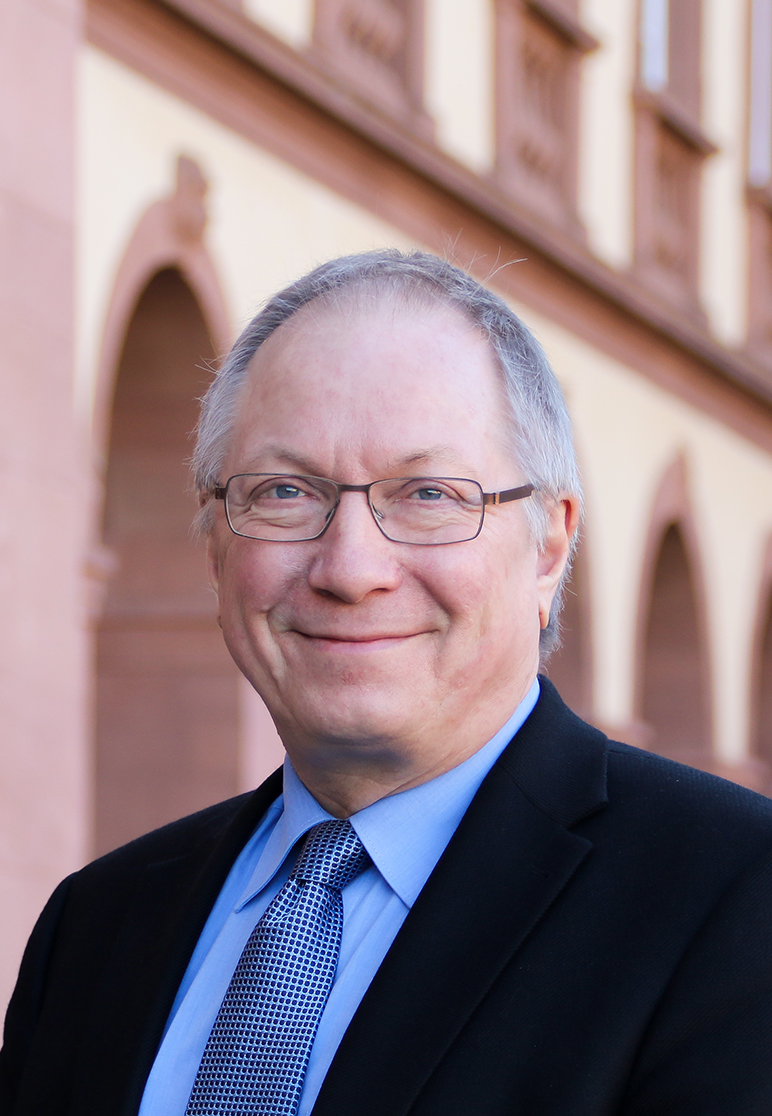
Garrett Sullivan is Edwin Erle Sparks Professor of English at Pennsylvania State University's College of Liberal Arts and Sciences. He specializes in Renaissance literature with particular focus on Shakespeare, Marlowe, and early modern drama. His interdisciplinary research examines embodiment, cognition, and cartography in literary works. Education includes Ph.D. from Brown University (1995) and B.A. from Davidson College (1983). Primary research explores connections between literary production and historical concepts of space, geography, and the body. Publications include monographs on landscape representation, memory in Renaissance drama, sleep in romance literature, and Shakespeare in wartime cinema. Recent work analyzes cinematic adaptations of Shakespeare during World War II. Co-edits the Oxford University Press series Early Modern Literary Geographies and has curated exhibitions at Folger Shakespeare Library. Research supported by NEH and Folger Library fellowships.
Prof. Sophie Schwartz is a leading neuroscientist at the University of Geneva , where she heads the Sleep & Cognition Lab within the Faculty of Medicine . Her research integrates neuroimaging (fMRI, hd-EEG, MEG) , behavioral testing , and computational modeling to unravel the neural mechanisms underlying memory consolidation , emotion processing , and dreaming during sleep, while also developing clinical interventions to enhance sleep in neurological and psychiatric disorders.
Margaret G.K. Parker, MD, MPH is a Professor at UMass Chan Medical School in the Department of Pediatrics and also holds a position in the Department of Population and Quantitative Health Sciences at the T.H. Chan School of Medicine. She practices at UMass Memorial Medical Center in Worcester, Massachusetts, where she focuses on neonatal care, breastfeeding support, and addressing health disparities among vulnerable populations. Dr. Parker received her BS in Biochemistry & Cell Biology from the University of San Diego, her MPH from Harvard University School of Public Health, and her MD from Albert Einstein College of Medicine. Her educational background has prepared her for a career focused on the intersection of clinical care, public health, and health equity. Dr. Parker's research primarily focuses on neonatal care, breastfeeding practices, health disparities, and social determinants of health. She has conducted extensive research on racial and ethnic disparities in mother's milk provision among mothers of preterm infants, communication practices for non-English speaking families in neonatal care units, and interventions to support vulnerable populations including low-income mothers and those with opioid use disorder. Her work often examines how social factors impact infant health outcomes and how healthcare systems can better address these challenges through quality improvement initiatives and policy changes. Her publication trends reveal a consistent focus on health equity in neonatal care, with growing emphasis on social determinants of health screening and intervention in the NICU setting. Recent work shows increased attention to financial support programs for low-income families, communication barriers for non-English speakers, and specialized care approaches for infants exposed to substances prenatally. Dr. Parker has been involved in numerous interdisciplinary research collaborations across pediatrics, public health, and social services to address complex challenges in infant care. Her work has been cited extensively, demonstrating significant impact in her field, particularly in the areas of breastfeeding disparities and safe sleep practices. She leads research teams focused on quality improvement in neonatal care, with particular attention to equity and addressing disparities. Her recent projects include evaluating the CuddleCard protocol for financial support to low-income mothers of preterm infants and developing communication strategies for non-English speaking families in the NICU.
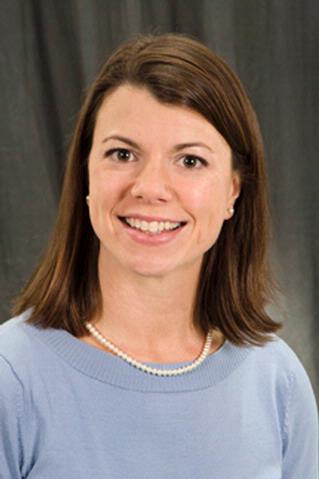
Dr. Alyson K. Zalta is an Associate Professor in the Department of Psychological Science at the University of California, Irvine, where she directs the Trauma & Resilience Lab. As a clinical psychologist, her research focuses on alleviating trauma-related mental health burdens through innovative interventions and understanding resilience mechanisms. Education B.A. in Psychology, Harvard University Ph.D. in Clinical Psychology, University of Pennsylvania Clinical Internship, VA Palo Alto Healthcare System Postdoctoral Fellowship, Rush University Medical Center Her research spans trauma, PTSD, resilience, transdiagnostic approaches, and moral injury, with emphasis on high-risk populations including veterans, homeless youth, and urban violence survivors. She integrates neurobiology with behavioral science to identify core trauma pathology mechanisms, exploring novel interventions like light therapy, intensive treatment protocols, and mobile health solutions for vulnerable groups. Her transdiagnostic framework targets universal trauma processes across diagnostic boundaries. Recent publications (2024-2018) reveal consistent focus on moral injury (in nurses, incarcerated individuals, and veterans), circadian-based PTSD treatments, and social determinants of trauma recovery. She employs mixed-methods designs across diverse settings, from pandemic frontline healthcare to homeless youth shelters, prioritizing scalable interventions for real-world impact. Scientific Affiliations Faculty, Interdisciplinary Institute for Salivary Bioscience Research Fellow, Center for the Neurobiology of Learning and Memory Dr. Zalta advises doctoral students in UCI's Psychological Science program (though not accepting new students for Fall 2026 admission) and disseminates findings through podcasts like Psychology Anthology and In the Open. Her Trauma & Resilience Lab actively develops translational research to inform trauma interventions, particularly for underserved populations requiring accessible mental health solutions.
Amany Farag is a tenured Associate Professor at the University of Iowa College of Nursing and Co-Director of the VA Quality Scholars Program (Iowa City site). Her work bridges nursing science, human factors engineering, and data science to address critical patient safety challenges, with a specific focus on medication administration practices across healthcare settings. Education: Postdoctoral Scholar, Case Western Reserve University, Frances Payne Bolton School of Nursing PhD, Case Western Reserve University, Frances Payne Bolton School of Nursing MSN, University of Alexandria, Alexandria Egypt BSN, University of Alexandria, Alexandria Egypt Dr. Farag's research centers on reactive and proactive approaches to patient safety , with dual emphasis on medication error reporting systems and nurse fatigue prevention. Her work integrates human factors engineering and machine learning to develop novel interventions. Key themes include understanding how social and system factors influence nurses' error reporting behaviors, examining fatigue as a precursor to errors, and developing self-management strategies for nurse wellness. Recent projects explore intershift recovery, sleep hygiene using consumer technology, and the impact of shift work on cognitive performance. Publication trends reveal a strong focus on interdisciplinary safety science , with consistent output in nursing, human factors, and healthcare quality journals. Her work increasingly incorporates AI methodologies while maintaining clinical relevance to frontline nursing practice. Scientific Recognition: Mary Hanna Memorial Journalism Award (Journal of Peri-Anesthesia Nursing, 2016) Author of the Year (Journal of Emergency Medicine, 2018) Junior Investigator Award (Midwest Nursing Research Society, 2018) Rogers Endowed Lectureship Award (Mississippi Medical Center, 2018) Dr. Farag secures significant funding from national agencies including the National Council of State Boards of Nursing (NCSBN), NIOSH-funded Healthier Workforce Center of the Midwest, CDC-funded Injury Prevention Research Center, and University of Iowa Institute for Clinical and Translational Science. Her collaborative approach spans nursing, data science, ergonomics, and public health teams. As Co-Director of the VA Quality Scholars Program, she mentors future healthcare quality leaders while advancing her research on medication safety systems and nurse fatigue mitigation strategies through interdisciplinary partnerships.
Joseph Kulas serves as an Associate Professor of Psychiatry at Yale School of Medicine, with a primary appointment in the Department of Psychiatry. His academic career at Yale reflects his specialization in clinical neuropsychology with a particular focus on veterans' mental health issues. Dr. Kulas's primary research interests center on clinical neuropsychology, particularly in the assessment and treatment of veterans with PTSD, traumatic brain injuries, and other service-related conditions. His work spans neuropsychological assessment methodologies, pain management in dementia patients, cognitive-behavioral therapy applications for insomnia among veterans, and performance validity testing. He has made significant contributions to psychometrist training standards and professional guidelines within neuropsychology. His publication record demonstrates consistent engagement with professional organizations, particularly through his annual reports for the AACN (American Academy of Clinical Neuropsychology), ABCN (American Board of Clinical Neuropsychology), and AACNF (American Academy of Clinical Neuropsychology Foundation). These publications reflect his leadership role in shaping professional standards and practices in clinical neuropsychology. Dr. Kulas has collaborated extensively with researchers including Robin Masheb and others on veterans' health issues, particularly focusing on pain management, sleep disorders, and quality of life assessments. His research demonstrates a strong commitment to evidence-based practice in neuropsychological assessment and treatment.
Edgar Erdfelder is a Full Professor of Psychology at the University of Mannheim, Germany, holding the Chair of Cognitive Psychology and Individual Differences since 2008. He is affiliated with the School of Social Sciences and has made significant contributions to cognitive psychology, statistical modeling, and decision-making research. Previously, he served as Full Professor at the University of Mannheim (2002–2008), Associate Professor at the University of Giessen (2001–2002), and Senior Lecturer at the University of Bonn (1987–2001). Ph.D. in Psychology, University of Trier (1986) Habilitation in Psychology, University of Bonn (2000) Diploma (M.Sc.) in Psychology, University of Göttingen (1980) Erdfelder's research focuses on statistical power analysis, multinomial processing tree (MPT) modeling, sequential statistical inference, and cognitive modeling. His work explores judgment and decision-making through mathematical and computational frameworks, integrating signal-detection theory with threshold models. He developed the widely used GPOWER software for statistical power analysis and advanced MPT models to measure cognitive process speeds. His recent publications with students highlight applications of Bayesian sequential methods, meta-analyses of sleep effects on memory, and theoretical extensions of the recognition heuristic. These studies span subfields like cognitive architecture, decision theory, and experimental design. Martin Irle Award (2020) Fellow of the Association for Psychological Science (2016) Heinz Heckhausen Award (1988) Erdfelder has held leadership roles, including Vice President of Research at the University of Mannheim and Academic Director of the Center of Doctoral Studies in Social and Behavioral Sciences funded by the DFG. He mentored numerous Ph.D. students and led the DFG-funded Research Training Group SMiP, focusing on statistical modeling in psychology.
Dr Bastien Lechat is a Research Fellow at Flinders Health and Medical Research Institute (FHMRI): Sleep Health, within the College of Medicine and Public Health at Flinders University. He is also a Full Member of the College of Science and Engineering and the Medical Device Research Institute. As an NHMRC Emerging Leadership Fellow, he leads innovative research at the intersection of sleep medicine, artificial intelligence, and wearable technology. Education: PhD in Sleep Health, Adelaide Institute for Sleep Health, Flinders University (2018–2021) Bachelor of Engineering in Engineering Science/Acoustics, Université du Maine, France (2014–2017) Dr Lechat’s research focuses on understanding the physiological mechanisms and consequences of obstructive sleep apnea (OSA), particularly night-to-night variability and patient subtypes. He develops AI-driven tools for efficient and accurate diagnosis using wearables and signal processing. His work aims to create a scalable, low-cost model of care for sleep-disordered breathing, addressing global diagnostic gaps. His recent publications reveal a strong trend in digital health innovation, with a focus on machine learning for OSA detection, circadian rhythm modeling, cardiovascular risk prediction, and climate impacts on sleep. His research has been published in top journals including Nature Communications , Journal of Sleep Research , and Sleep Medicine , demonstrating interdisciplinary reach. Scientific Awards and Recognition: NHMRC Emerging Leadership Fellow (2023) Helen Bearpark Memorial Scholarship (2022) Emerging Research Leader Award, Flinders University (2021) Multiple early-career awards from Sleep Down Under, Australasian Sleep Association, and Adelaide Sleep Retreat Ranked in the top 5% of international authors in sleep apnea by Expertscape Dr Lechat has secured over $2.5 million in competitive research funding and actively supervises and mentors junior researchers. He serves on the program committee of the American Thoracic Society meetings and contributes to clinical guidelines. He collaborates globally with industry and academic partners to translate research into clinical practice. Laboratories and Research Teams: He co-leads the 'Novel use of digital innovations & technology development' theme at FHMRI: Sleep Health, working closely with Professor Danny Eckert. His team integrates expertise in biomedical engineering, data science, and clinical sleep physiology to advance digital sleep medicine.
Jessica A. Mong, PhD , is a Professor in the Department of Pharmacology & Physiology at the University of Maryland School of Medicine , where she also serves as Assistant Dean for Graduate & Post-Doctoral Studies and Director of Graduate Education for the Program in Neuroscience. Her research focuses on the neuroendocrine mechanisms underlying sex differences in sleep circuitry and the estrogenic modulation of sleep-wake cycles. Primary Appointment: Pharmacology & Physiology Administrative Title: Assistant Dean for Graduate & Post-Doctoral Studies Laboratory Director: Program in Neuroscience Research Interests: Dr. Mong's work investigates how ovarian steroids influence sleep-wake behavior through sexually differentiated neuroanatomical substrates. Key areas include: Mechanisms of estrogenic modulation in the median preoptic nucleus (MnPN) Developmental programming of sex differences in sleep sensitivity Translational studies using rodent and nonhuman primate models of menopause Functional significance of hormonal influences on sleep quality and recovery Scientific Trends: Her recent publications (2023-2025) emphasize: Role of KCNMA1 channelopathy in sleep regulation Adenosinergic signaling in MnPN Translational menopause models Estrogen's protective effects against noise-induced hearing loss Sex-dependent responses to kynurenine pathway challenges Awards & Appointments: NIH BIRCWH Scholar (Building Interdisciplinary Research Careers in Women's Health) Co-Chair, Society for Women’s Health Research Interdisciplinary Research Network on Sex-Differences in Sleep Health NIH/NHLBI R01 HL129138 grant recipient Education & Training: B.S., Biology, Gettysburg College (1987-1991) Ph.D., Neuropharmacology, University of Maryland Baltimore (1994-2000) NIH Postdoctoral Fellowship in Endocrinology, Rockefeller University (2000-2003)
Jenna Ann McHenry is an Assistant Professor of Psychology and Neuroscience and Neurobiology at Duke University, holding a primary appointment in the School of Medicine's Department of Neurobiology. As a Faculty Network Member of the Duke Institute for Brain Sciences, she leads the McHenry Lab focused on neural circuit mechanisms underlying social and motivated behaviors. Her educational background includes: Ph.D., Florida State University (2013) B.S., Florida State University (2007) Dr. McHenry's research defines fixed and flexible features of molecularly defined neural circuits controlling social and nonsocial motivated behaviors, with emphasis on hypothalamic subnuclei and connections to midbrain dopaminergic reward systems. Her lab employs optogenetics, in vivo deep-brain calcium imaging, viral/genetic targeting, and advanced behavioral analysis to investigate circuit processing in disorders including Autism Spectrum Disorders, Reproductive Mood Disorders, Eating Disorders, and Major Depression. Specializing in chronic deep-brain microscopy, her team tracks neural networks during awake behavioral states over time. Her publication record demonstrates consistent innovation in neural circuit analysis, with recurring themes of hormonal modulation of social reward circuits, state-dependent sensorimotor processing, and neural mechanisms of social homeostasis. Key contributions include identifying prepronociceptin neurons in arousal responses and elucidating how adolescent sleep shapes adult social preferences. Major recognitions include: NARSAD Young Investigator Award (2017) K99 Pathway to Independence Award (NIMH, 2017) Notable Nole Alumni Award (Florida State University, 2018) NRSA Postdoctoral Fellowship (NIMH, 2013) Dr. McHenry actively mentors graduate students and postdocs, with current lab openings advertised. Her research is supported by substantial grants including the Neurobiology Training Program (2024-2029), Establishing Neural Circuits for Social Homeostasis (2022-2027), and Illuminating Socially-Modulated Homeostatic Control Circuits (2022-2025). She teaches Behavioral Neuroendocrinology and research practicums across psychology and neuroscience programs. The McHenry Lab operates at the forefront of systems neuroscience, utilizing GSRB II facilities for deep-brain imaging and circuit manipulation. As part of the Duke Institute for Brain Sciences, the lab collaborates extensively on translational research bridging basic neural mechanisms with clinical applications in mental health disorders.
Kristine Beate Walhovd is a Professor at the Department of Psychology , University of Oslo, and co-leader of the Center for Lifespan Changes in Brain and Cognition (LCBC) . She is affiliated with the UiO:Life Science initiative and has led major projects like Lifebrain (€2.5M) and Neurocognitive Plasticity (ERC Starting Grant, €1.5M). Current roles: Professor (since 2016), Co-leader of LCBC Key affiliations: University of Oslo, Lifebrain Consortium, UiO:Life Science Her research focuses on lifespan brain and cognitive changes , examining both positive/negative developmental trajectories from age 4 to 90. She studies interactions between biomedical risks (e.g., Alzheimer's, fetal drug exposure) and cognitive outcomes, employing MRI , DTI , and ERP methodologies. Recent publications highlight work on Alzheimer's biomarkers , sleep-brain interactions , memory consolidation , and fetal brain influences . Her 2025 papers in Scientific Reports and Neurobiology of Aging examine hippocampal stability and brain network segregation. Awards include: 2015 University of Oslo Research Prize (shared with Anders Fjell) 2011 Member, Norwegian Academy of Sciences and Letters 2006 His Majesty the King's Gold Medal for best doctoral thesis She supervises doctoral candidates and teaches cognitive neuroscience , experimental methods , and thesis writing .
Dong Wang, PhD, is an Assistant Professor in the Department of Neurobiology & Anatomy at Drexel University College of Medicine. His research focuses on neural circuit mechanisms underlying learning, memory consolidation, and emotional processing. Using multidisciplinary approaches including in vivo electrophysiology, optogenetics, and calcium imaging, Dr. Wang investigates hippocampal-prefrontal interactions and amygdala circuitry related to fear/anxiety. His work aims to develop therapies for memory disorders and pathological anxiety. Education includes a PhD from East China Normal University with research at Boston University and Augusta University (2007-2011), and a Bachelor's degree from East China Normal University (2000-2004). Research interests center on neural ensemble dynamics during memory consolidation, fear/anxiety circuitry in the amygdala, hippocampal-prefrontal communication, sleep neurobiology, and dopamine-mediated motivational processes. Current projects examine retrosplenial-hippocampal coordination during sleep and basolateral amygdala encoding of emotional states. Publication analysis reveals strong focus on hippocampal ripple dynamics (37%), amygdala function (24%), dopaminergic regulation (19%), and prefrontal-thalamic interactions (20%). Recent work demonstrates increasing use of calcium imaging and circuit manipulation techniques to study memory consolidation mechanisms. Awards include multiple NIH Fellows Awards for Research Excellence (2013-2014), travel grants, and mentoring recognition. Current funding includes NIH R01 MH119102 (2019-2023) and Pennsylvania CURE grants. Dr. Wang leads a neurophysiology laboratory employing electrophysiology, optogenetics, and viral tracing techniques. The team includes one postdoctoral fellow and three PhD students investigating neural circuit dynamics. Current projects focus on memory consolidation circuits and fear/anxiety neurobiology.
Dr. Steven Friedenberg is an Associate Professor in the Department of Veterinary Clinical Sciences at the University of Minnesota's College of Veterinary Medicine. He holds dual appointments in the Center for Immunology and Comparative and Molecular Biosciences program. His clinical specialty is Emergency and Critical Care, with board certification as a Diplomate of the American College of Veterinary Emergency and Critical Care (ACVECC). Dr. Friedenberg's educational background includes a PhD from North Carolina State University, DVM from Cornell University, MS from The Ohio State University, BS from Yale University, and an MBA from Massachusetts Institute of Technology. His diverse educational path reflects his interdisciplinary approach to veterinary medicine and research. His research focuses on canine genetics and immunology, particularly breed-specific diseases. Key areas include whole genome sequencing, genetic basis of autoimmune disorders, and comparative models of human diseases. Current projects examine autoimmune hemolytic anemia in multiple dog breeds, reference genome development for Portuguese Water Dogs, and Addison's disease in Standard Poodles. His work often bridges veterinary and human medicine, contributing to UN Sustainable Development Goals related to health and well-being. Analysis of his recent publications (2024-2025) reveals a strong emphasis on genetic mechanisms underlying breed-specific disorders. His research spans narcolepsy in Dogo Argentinos, Chiari-like malformation in Cavalier King Charles Spaniels, hyperfibrinolysis in English Springer Spaniels, immune responses to rabies vaccination, and cystic fibrosis-like conditions in canine gallbladders. These studies demonstrate his expertise in connecting genetic mutations to clinical phenotypes across multiple canine breeds. Dr. Friedenberg currently leads five major research projects totaling $8 million in active funding, including NIH-funded research on autoimmune hemolytic anemia. His work has attracted significant attention with publications picked up by numerous news outlets and cited across scientific platforms. He is accepting PhD students and maintains an active research laboratory focused on canine genetics. His Canine Genetics Laboratory, located at 1988 Fitch Avenue, serves as the primary research hub for his team. The lab employs genomic approaches to understand the genetic basis of breed-specific diseases, with particular emphasis on translating findings to improve both canine and human health outcomes. Dr. Friedenberg collaborates extensively with researchers across multiple institutions and breed-specific foundations to advance understanding of inherited disorders in dogs.
Lianying Zhao is an Associate Professor in the School of Computer Science at Carleton University and serves as a Director of the Carleton Computer Security Lab (CCSL). His research focuses on low-level platform security, including hardware, firmware, hypervisor, and operating systems, with an emphasis on trusted computing, authentication, privacy preservation, and security metrics. He leads the CCSL research group, collaborating with interdisciplinary teams to address critical security challenges in IoT, cloud systems, and web applications. Education: Not explicitly listed in provided texts. Roles: CCSL Director, Research Supervisor, and Graduate Program Advisor. Dr. Zhao’s work spans hardware security improvements, firmware vulnerability analysis, and user-centric security metrics. Recent research highlights include studies on router configuration habits, tracker detection in web browsers, and CVSS score discrepancies. He has supervised numerous graduate students in cybersecurity domains, contributing to over 30 peer-reviewed publications since 2013. His lab affiliations include CCSL and CISL, where he collaborates on projects such as secure deletion frameworks, TLS validation vulnerabilities, and hybrid decision-making models for cloud security. Current research also explores cross-regional login throttling mechanisms and AI-driven vulnerability detection in embedded systems.
Laura S. Cardella, MD, is an Associate Professor at the University of Rochester's School of Medicine and Dentistry, with dual appointments in the Departments of Psychiatry and Pediatrics. She serves as the Director of the Psychiatry Clerkship, Director of Medical Student Education in Psychiatry, and Medical Director of Pediatric Behavioral Health and Wellness, Child and Adolescent Outpatient Services. Board certified in Psychiatry and Child and Adolescent Psychiatry, she is affiliated with several professional societies, including the American Academy of Child and Adolescent Psychiatry, Association of Directors of Medical Student Education in Psychiatry, and American Academy of Sleep Medicine. Her work emphasizes the integration of Medical Education and Clinical Care , particularly in Child and Adolescent Psychiatry and Sleep Medicine. Dr. Cardella's recent research focuses on competency-based frameworks to enhance psychiatric residency training, with a 2024 publication addressing resident feedback skills and curriculum development. Leadership Education and Development (LEAD) Certificate Program, 2017 Child and Adolescent Psychiatry Education Consortium Award, 2009 AOA Honor Medical Society (lifetime member), 2003 Benjamin Rush Prize in Psychiatry, 2003 Janet M. Glasgow Memorial Achievement Citation, 2003 Rock Sleyster Memorial Scholarship, 2003 Magna Cum Laude, 1998 Golden Key National Honor Society, 1995 Phi Eta Sigma, 1995 Dr. Cardella leads medical education initiatives across all four years of the University of Rochester School of Medicine and Dentistry (URSMD) curriculum and Graduate Medical Education (GME) programs. She has held leadership roles in psychiatric education and clinical care, with a focus on behavioral health in pediatrics. Her work spans teaching, curriculum design, and direct patient care.