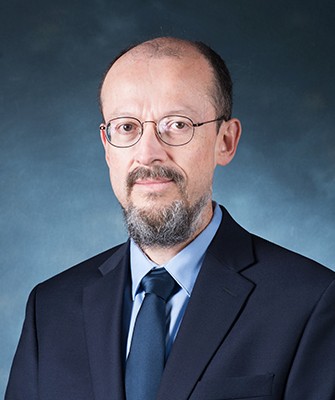
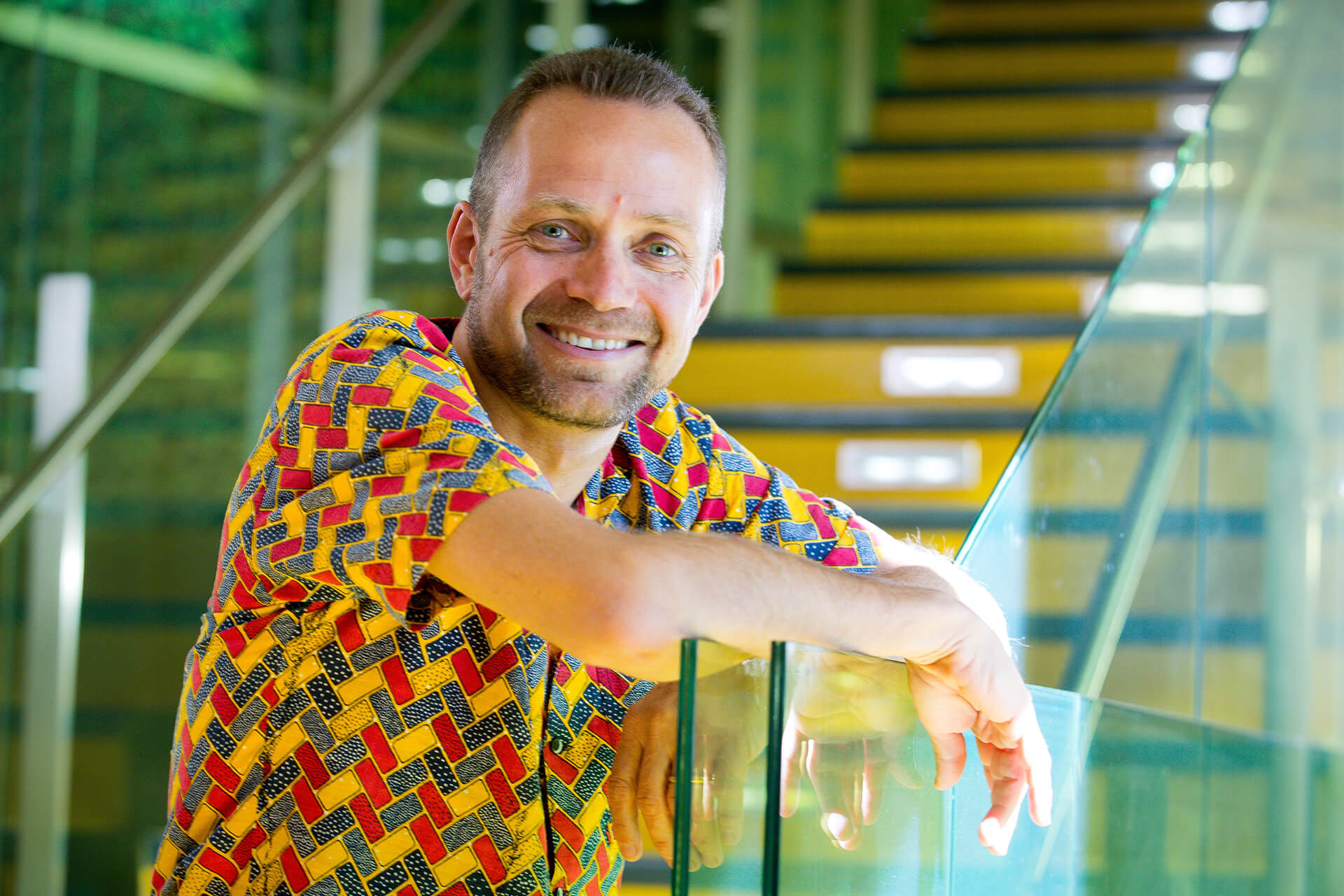
Professor John O'Brien is a leading academic in neurodegenerative diseases at Newcastle University, specializing in dementia research, particularly Alzheimer's and Lewy body dementia. His work focuses on biomarker development, neuroimaging techniques, and clinical diagnosis. He has contributed to consensus guidelines for dementia management and led studies on plasma biomarkers, polygenic risk, and diagnostic criteria for Lewy body disorders. Research interests include neuroimaging applications (MRI/SPECT), clinical symptom analysis, and the pathophysiological mechanisms underlying cognitive decline. His team explores plasma metabolites, cholinergic pathways, and white matter changes as diagnostic tools. Collaborations span global institutions, addressing clinical challenges such as disease staging and patient care optimization. Recent studies highlight advancements in distinguishing dementia subtypes via biomarkers and genetic profiling. He has authored over 150 publications, emphasizing translational research to improve diagnostic accuracy and therapeutic strategies.
Professor Margaret Lech holds a position as Discipline Leader in the Department of Electrical & Electronic Engineering at RMIT University's School of Engineering. She has been at RMIT since 1998, progressing from a Research Fellow to her current role as Professor. Her expertise spans machine learning, signal processing, speech and image processing, and biomedical applications. Education: MSc in Physics from the University of Maria Curie-Sklodowska (Poland), PhD in Electrical Engineering from the University of Melbourne. Research highlights include groundbreaking emotion detection from speech signals, clinical depression analysis, and conversational trust modeling. She has co-authored over 160 papers and holds an international patent for her work on emotion detection. Awards: Telstra Innovation Challenge 2010, Vice-Chancellor's Research Supervision Excellence Award (2013), RMIT Award for Excellence in Graduate Research (2019). Grants: VPAC, ARC Linkage, DSI, AOARD, DSTG, and current co-investigator on Office of National Intelligence and ARC Discovery grants. Her research focuses on applications of AI and machine learning in healthcare, cybersecurity (e.g., Smart Grids), robotics (multi-agent systems), and fine art analysis. She has supervised over 30 PhD students and pioneered techniques in real-time speech emotion recognition and sleep stage classification. Labs/Teams: Leads interdisciplinary teams working on neuromorphic sensing, neural network systems, and computational inference of social signals. Active in collaborative projects involving industry and international partners.
Professor Ian Hickie is a leading academic at the University of Sydney , serving as Professor of Psychiatry and Co-Director of Health and Policy at the Brain and Mind Centre . He has held prestigious NHMRC Australian Fellow (2007-2012), Senior Principal Research Fellow (2013-2017, 2018-2022), and Investigator Grant (2023-2027) positions. His work focuses on clinical psychiatry , digital health innovations , youth mental health , and mood disorders like depression and bipolar disorder. Professor Hickie’s research integrates neuroimaging , immune markers , and circadian measurements to explore novel causes of depressive disorders, emphasizing genetic and environmental factors . He has pioneered clinical staging frameworks for emerging mental disorders in youth and led international studies on anxiety , mood disorders , and substance misuse . His recent articles (2022-2025) highlight advancements in digital health for mental care, economic modeling of mental health strategies, and genetic studies of mood disorders. Key themes include system dynamics , real-time personalized care , and global mental health equity . Scientific awards include: NHMRC Australian Fellow (2007-2012) NHMRC Senior Principal Research Fellow (2013-2017, 2018-2022) NHMRC Investigator Grant (2023-2027) He supervises research students such as William Capon and Jay Marinis , and his affiliations span the Sydney Centre for Healthy Societies , Sydney Environment Institute , and Innowell as Chief Scientific Advisor.
Clinical Professor David Barnes is affiliated with the University of Sydney , specifically the Central Clinical School . His research focuses on lung cancer , respiratory diseases , infection and immunity , and sleep disorders . He also specializes in precision medicine and chronic obstructive pulmonary disease (COPD) management. His work emphasizes improving lung cancer care through multidisciplinary teams and diagnostic pathways, particularly for culturally diverse populations. He has contributed to the development of standardized reporting templates for general practitioners and the use of non-invasive ventilation in respiratory therapy. His publications span clinical trials on respiratory support, cancer staging, and diagnostic innovations. Recent articles examine the lung microbiome's role in cancer treatment and the impact of non-invasive ventilation on COPD patients. Earlier studies focus on sleep disorders and pneumonia management. Scientific Awards & Grants: 2016: LEAD Grant (Cancer Australia) for lung cancer diagnostic pathways in CALD populations 2013: CHEST Australia Trial Grant (NHMRC) to reduce lung cancer consultation delays He has collaborated extensively with researchers in respiratory medicine, oncology, and sleep disorders, contributing to clinical practice guidelines and healthcare delivery improvements.
Prof. Christina Spengler is an Adjunct Professor and Deputy Head of the Institute of Human Movement Sciences and Sport at ETH Zürich. Her research focuses on mechanisms governing respiratory, cardiovascular, neuromuscular, and metabolic systems during exercise and rest, aiming to develop training strategies for athletic performance and clinical rehabilitation. She leads the Exercise Physiology Lab, established in 2013, using advanced technologies to assess respiratory mechanics, cardiovascular function, and muscle performance. Her work targets patients with cardiorespiratory, neuromuscular, and metabolic disorders. Education: MSc in Biochemistry (ETH Zurich), PhD in Physiology (ETH Zurich), medical degree (University of Zurich). Postdoctoral research at Harvard T.H. Chan School of Public Health investigated respiratory control and circadian rhythms. Awards include the 2001 Scientific Award of the Swiss Society of Sports Medicine. Research interests span exercise-induced physiological adaptations, respiratory muscle training, and wearable sensor technologies for health monitoring. She teaches courses in Exercise Physiology and supervises advanced research projects. Key contributions include studies on footwear biomechanics, arrhythmia management in athletes, and sleep-cardiac interactions. Her lab develops innovative training regimens and technologies, such as magnetic phrenic nerve stimulation protocols and accelerometer-integrated devices for activity tracking. Ongoing projects explore exercise impacts on chronic diseases and the reliability of physiological testing methods.
Dr. Timothy B. Meier is a Professor at the Medical College of Wisconsin , holding dual appointments in the Departments of Neurosurgery and Biomedical Engineering . He is a core member of the Neuroscience Research Center , Brain Injury Research Program , and Wisconsin Institute of NeuroScience (WINS) . With a PhD in Neuroscience from the University of Wisconsin-Madison, he specializes in neuroimaging, biomarker discovery, and neurochemical pathways related to traumatic brain injury (TBI) and concussion. Education B.S. Psychology, University of Illinois at Urbana-Champaign Ph.D. Neuroscience Training Program, University of Wisconsin-Madison Dr. Meier's research focuses on: Neuroimaging (fMRI, DTI, susceptibility mapping) to characterize structural and functional brain changes post-concussion Biomarker development for TBI diagnosis and recovery tracking, including blood-based and kynurenine pathway markers Long-term effects of repetitive head impacts in athletes across developmental stages Neuroinflammatory mechanisms in TBI and their psychiatric comorbidities Machine learning applications for concussion assessment and outcome prediction His recent publications demonstrate expertise in: Multimodal neuroimaging of pediatric and sports-related TBI Linking cerebrovascular dysfunction to chronic TBI outcomes Advancing standardized diagnostic protocols for concussion Exploring sex-based hormonal influences on recovery Developing objective gait and balance assessments for return-to-play decisions Investigating kynurenine pathway metabolites in TBI and depression Scientific Awards : Graduation with Distinction in Psychology (University of Illinois) National Research Service Award T32-GM007507 UW Vilas Conference Presentation Funding Dr. Meier serves as a Co-Investigator in major grants including the NCAA-DoD CARE Consortium ($4.99M) and GE Healthcare/NFL concussion imaging studies. His work bridges clinical neurosurgery, basic neuroscience, and data science to advance TBI diagnostics and recovery protocols.
Elisabetta Peri is an Assistant Professor in the Signal Processing Systems group at the Eindhoven University of Technology (TU/e), affiliated with the Biomedical Diagnostics Lab and EAISI Health. Her research focuses on biomedical signal processing for non-obtrusive patient monitoring through electrophysiological signals and sweat sensing. M.Sc. in Biomedical Engineering (2013), Ph.D. in Bioengineering (2017) from Politecnico di Milano Her work spans biomedical signal processing , sweat sensing , sleep staging , and cardiovascular monitoring . She develops algorithms for non-invasive diagnostics in hemodialysis, diabetes, and sleep disorders. Key article trends include: Wearable device integration (2025) Sweat-based biomarker estimation (2024-2025) Transfer learning for sleep disorder detection (2025) Projects include: PISANO (Perioperative Innovations, Sleep Apnea, Newborn Monitoring) SEDAS (Sweat Sensing for Sepsis) PICASSO (Perinatal/Cardiovascular/Sleep Medtech)
Ganesh R. Naik is an Adjunct Professor at the College of Medicine and Public Health, Flinders University, and a Full Member of the Flinders Health and Medical Research Institute. He is ranked in the top 2% of researchers worldwide in Biomedical Engineering (Stanford University). His expertise lies in biomedical signal processing, algorithm design, and health technologies, with significant contributions to sleep research and global disease burden studies. PhD in Electronics Engineering (Biomedical Engineering, Data Science, Signal Processing), RMIT University, 2009 Dr. Naik's research focuses on advanced signal processing techniques such as independent component analysis, blind source separation, and machine learning applications in biomedical data. His work spans areas including electromyography, sleep disorders, and large-scale epidemiological modeling through the Global Burden of Disease (GBD) Study. The recent publications highlight a strong interdisciplinary trend, combining biomedical engineering with public health and artificial intelligence. Key themes include sleep apnea and diabetes, neurological disorders like epilepsy and Parkinson’s, wearable sensors, and AI-driven cybersecurity. His editorial leadership in journals like IEEE Access and Frontiers in Neurorobotics underscores his influence in the academic community. Scientific Awards and Honors: Bridge and BridgeTech Industry Fellowship (2023) Chancellor’s Postdoctoral Research Fellowship, UTS (2013–2016) ISSI Overseas Fellowship, Skills Victoria (2010) IEEE Victoria Travel Scholarship (2008) Baden-Württemberg PhD Scholarship, Germany (2006–2007) Dr. Naik has supervised numerous research students and led major projects, including a multimillion-dollar CRC project on sleep at Western Sydney University. He has edited 12 books and authored over 150 peer-reviewed publications, cited over 5,000 times. His current research involves wearable technologies, digital twins for health, and AI-based predictive models for chronic diseases. He is actively involved in editorial roles and international collaborations, contributing to advancements in biomedical engineering and public health policy. His lab work emphasizes real-world applications of signal processing in clinical and community settings.
Stefania Sette is an Associate Professor in Developmental Psychology at the Department of Developmental and Social Psychology, Sapienza University of Rome, within the Faculty of Medicine and Psychology. Her office is located in room 313 of the faculty building. Her research focuses on socio-emotional functioning in children and adolescents, with specialized interests in social withdrawal motivations, loneliness, peer relationships, and classroom dynamics. Current investigations examine antecedents and consequences of social withdrawal across developmental stages, cross-cultural patterns of solitude, and pandemic-related impacts on youth mental health. Her publications demonstrate consistent focus on developmental psychopathology themes, with recent works (2023-2025) examining: longitudinal patterns of social withdrawal; cultural variations in solitude; COVID-19 impacts on adolescent functioning; mediators between social behaviors and internalizing problems; and person-centered analyses of motivation patterns. Methodologically, she employs latent profile analysis, cross-cultural validation, and longitudinal designs.
John Linehan is a Clinical Professor of Biomedical Engineering at the McCormick School of Engineering, Northwestern University. His research focuses on medical device innovation processes, health technology assessment, and FDA regulation of medical devices. He has authored numerous influential publications on regulatory frameworks, medical device development methodologies, and interdisciplinary collaboration between academia and industry. His work emphasizes improving the efficiency and safety of medical device approval processes, particularly through analyses of the FDA’s 510(k) pathway. He has also contributed to global initiatives like BioInnovate Ireland, which trains innovators in healthcare technology commercialization. Key contributions include stage-gate process optimization for medical devices and economic analyses of obstructive sleep apnea therapies. His research bridges engineering, policy, and clinical practice to address challenges in translating medical innovations into clinical solutions. While no formal awards are listed, his extensive publications and academic roles highlight his leadership in biomedical engineering and regulatory science.
Sergio Alvarez is Associate Professor in the Computer Science Department at Boston College. His research focuses on data mining and machine learning applications for clinical medical data analysis, with particular expertise in performance analysis of learning systems. Alvarez investigates foundational aspects of machine learning metrics and develops deep learning techniques for physiological data interpretation. His recent work includes sleep stage classification models and autism diagnostic tools using behavioral data analysis. Publications demonstrate consistent methodological innovation in neural network applications for healthcare, including convolutional networks for sleep pattern recognition and kernel alignment techniques for model evaluation. His research advances diagnostic tools for neurological conditions through computational approaches.
Professor Fuwen Yang is a leading academic at Griffith University's School of Engineering and Built Environment, specializing in Electrical and Electronic Engineering. With expertise in microgrid control, networked control systems, and renewable energy integration, he leads the Smart Energy Systems Group at the Institute for Intelligent and Integrated Systems. His research focuses on optimizing distributed energy resources and enhancing grid resilience through advanced control strategies. Current research aligns with Australian net-zero emissions goals Secured significant grants including ARC Discovery and Linkage projects Supervises 23 PhD and 35 Master's students Recent publications highlight innovations in virtual inertia control, digital twin frameworks, and data-driven predictive control. His work has earned global recognition, including the Stanford Top 2% Researchers list and Fellowships from Engineers Australia. Professor Yang's editorial roles include Associate Editor for IEEE Transactions on Industrial Informatics and other prominent journals. Acted as Chief Investigator on 8 major funded projects Contributed to Sustainable Development Goals 7 (Affordable Energy) and 9 (Infrastructure Innovation)
Asst. Prof. Dr. Seha Akduman is a member of the academic staff at Yeditepe University Faculty of Medicine , Department of Chest Diseases. Her work bridges clinical practice with research in respiratory diseases, particularly COPD and lung cancer. Education: MD from Gazi University Faculty of Medicine, Pulmonary Diseases specialization at Hacettepe University Her research focuses on COPD pathophysiology , lung cancer staging , and AI applications in respiratory medicine . She has published extensively on COPD diagnostics, biomarkers, and interventional therapies like the Karakoca resector balloon. Recent publications highlight her interest in health economics (AI applications), metabolic impacts of infections (COVID-19 exergy analysis), and multidisciplinary approaches to respiratory disease management. Scientific Awards: Prof. Dr. M. Şeref Zileli Successful Assistant Award, Hacettepe University She teaches courses in chest diseases , including Asthma , Lung Cancer , and Pulmonary Function Tests . She is a member of the European Respiratory Society , Turk Solunum Araştirma Derneği , and Türk Toraks Derneği .
Dr. Hüseyin Küçükali is a Researcher at the Institute for Risk Assessment Sciences (IRAS) within the Department of Population Health Sciences, Faculty of Veterinary Medicine, Utrecht University. His work integrates epidemiology, artificial intelligence, and systems thinking to innovate non-communicable disease prevention in urban environments, with emphasis on exposome research and healthy aging initiatives. Education PhD in Public Health, Istanbul University - Cerrahpasa MD (Medicine), Istanbul University - Cerrahpasa Research Focus Dr. Küçükali's expertise spans causal inference , exposome analysis , and AI-driven health behavior modeling , particularly examining urban environmental impacts on cognitive decline and tobacco use patterns. His methodology combines accelerometry , GPS tracking , and molecular data to map mechanistic pathways in aging populations, while leveraging large language models for public health surveillance in digital spaces. Publication Trends His 15 most recent publications reveal three dominant threads: (1) urban exposome effects on cognitive health using multi-sensor data integration, (2) AI applications for tobacco control through social media content analysis, and (3) Bayesian modeling of socioeconomic disease patterns. These works consistently bridge environmental epidemiology, data science, and policy-relevant public health interventions across international contexts including Türkiye, UK, and Ireland. Professional Engagement He actively contributes to the International Human Exposome Network (IHEN) and STAGE (Stay Healthy Through Ageing) projects while leading the Utrecht Exposome Hub. Previous roles include postdoctoral research at Queen's University Belfast on urban green spaces (GroundsWell project) and health promotion leadership in Istanbul's municipal health administration. He also created educational resources like the Turkish-language Video Glossary of Public Health Concepts.
Professor Bruno van Swinderen is a Professorial Research Fellow and Group Leader at the Queensland Brain Institute, University of Queensland, within the Faculty of Health, Medicine and Behavioural Sciences. With over two decades of neuroscience research experience, he leads a laboratory focused on understanding the neural mechanisms of consciousness using Drosophila (fruit fly) as a model organism. His work bridges molecular, electrophysiological, and behavioral approaches to uncover fundamental principles of brain function related to awareness and consciousness. Professor van Swinderen received his PhD in Evolutionary and Population Biology in 1998 from Washington University in St. Louis, Missouri. His graduate work focused on general anesthesia using Caenorhabditis elegans models, applying both quantitative genetics and molecular genetic approaches. He completed his postdoctoral training at The Neurosciences Institute (NSI) in San Diego, California (1999-2003), where he switched to Drosophila melanogaster to develop methods for studying perception. He established his independent laboratory at the Queensland Brain Institute in February 2008. His research centers on understanding consciousness through three brain states where awareness is lost: selective attention, sleep, and general anesthesia. His laboratory uses Drosophila as a genetic model system to investigate visual perception across different arousal states, with particular focus on how sleep regulates selective attention and predictive processing. The lab employs novel visual paradigms within a Drosophila molecular genetics context, examining how neural circuits process information when consciousness is altered or diminished. A key insight from his work is that fundamental mechanisms of consciousness are conserved across species, challenging assumptions about the uniqueness of human consciousness. Professor van Swinderen has proposed that we dream to first become conscious as babies and then to stay conscious as adults, an adaptive hypothesis linked to predictive processing theory. His recent publications reveal increasingly sophisticated methodologies including whole-brain electrophysiology, calcium imaging, and molecular analyses that have identified specific neural mechanisms underlying sleep homeostasis, anesthesia effects, and attention processes. A notable trend is the integration of computational approaches with traditional neuroscience techniques, allowing for nuanced analysis of complex brain activity patterns. His work demonstrates that flies exhibit surprisingly complex brain functions previously thought to be exclusive to higher organisms, with implications for understanding human consciousness and developing new approaches to anesthesia and sleep disorders. Professor van Swinderen maintains an active research program with numerous collaborations, as evidenced by his extensive publication record. His laboratory continues to push methodological boundaries while maintaining focus on core questions about what makes a brain conscious, contributing significantly to our understanding of brain states where awareness is lost.