Kelly Arnold is an Associate Professor in the Department of Biomedical Engineering at the University of Michigan. Her research integrates systems engineering principles with immunology to investigate variability in immune responses across infection, vaccination, and injury, with a focus on computational modeling and clinical translation. Research Focus Systems-level immune response modeling Vaccination and antibody functionality Vaginal microbiome-host interactions Chronic lung disease progression Computational serology and proteomics Recent Work Her 2025 studies examine SARS-CoV-2 vaccination responses in cancer patients and computational frameworks for vaginal probiotics. Earlier works (2024-2007) span COPD progression, lupus fibrosis, HIV susceptibility, and tissue engineering for fertility preservation. Methodologies include proteomic profiling, network modeling, and microfluidic systems.
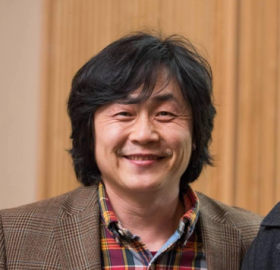
Sungkwon Park is a Professor in the Department of Food Science and Biotechnology at Sejong University, specializing in advanced food science and biotechnology research with a focus on meat science, cultured meat production, and sustainable food systems. His research integrates molecular biology, food biotechnology, and systems biology to develop innovative food solutions. His educational background includes a Ph.D. from Purdue University (2008), M.S. from Yeungnam University (2001), and B.S. from Yeungnam University (1999). Prior to his current position, he worked as a Postdoctoral Fellow at Virginia Tech (2008-2012) and as a Research Officer at the National Institute of Animal Science, RDA (2012-2015). Professor Park's research interests focus on livestock production optimization, meat processing for health functionality, environmentally friendly animal production systems, and in vitro meat production. His work has led to significant achievements including the identification of calcium and glucose interaction mechanisms in muscle metabolism, development of oleogel-based meat processing techniques, optimization of feed ingredients for sustainable livestock, and establishment of in vitro meat production systems. His recent publications (2023-2025) demonstrate a strong focus on cultured meat technology, meat science, and sustainable food production. The research spans cellular mechanisms for cultured meat production, safety and regulatory aspects of alternative proteins, comparative analysis of muscle satellite cells, and optimization of meat processing techniques. His work shows a clear trend toward developing practical applications for next-generation meat products with emphasis on health functionality and environmental sustainability. Professor Park actively serves as a reviewer for Frontiers in Veterinary Science and is an Editorial Board Member of the Korean Society of Animal Science. His laboratory, the M&M'a lab (Functional Food Lab), conducts research on high-value-added, health-functional BioFood and future foods using bio-convergence technologies.
Suradip Das is a Research Assistant Professor in the Department of Neurosurgery at the Perelman School of Medicine, University of Pennsylvania, where he serves as a Senior Research Investigator. His work bridges neural engineering and regenerative medicine to address critical challenges in nerve and muscle repair. His academic training includes: B.Tech in Biotechnology from Heritage Institute of Technology (2010) PhD in Biosciences and Bioengineering from Indian Institute of Technology Guwahati (2016) Dr. Das specializes in biomaterials development , peripheral nerve injury models , neuromuscular interface engineering , and stem cell-based regeneration . His research pioneers innervated tissue-engineered muscle constructs, demonstrating how motor neurons and endothelial cells synergistically enhance skeletal myocyte maturation. He innovates custom mechanobioreactors that apply tensile forces to guide nanofiber alignment for optimal myofiber formation, significantly advancing volumetric muscle loss treatments. Analysis of his 15 most recent publications reveals a dominant focus on neuromuscular regeneration (75% of articles), with emerging exploration of psychedelic compounds in neural repair. His work consistently integrates human iPSC-derived models , multi-cellular co-cultures , and large-animal validation to address translational gaps. Key trends include optogenetic control of motor units (2023), porcine nerve injury models (2020), and the critical role of pre-innervation in creating pro-regenerative microenvironments (2020-2022). As a core member of the Cullen Lab, Dr. Das collaborates on developing biofabricated neural microtissues for delayed nerve fusion and rapid functional recovery. His research directly informs clinical strategies for peripheral nerve repair and muscle regeneration through rigorous mechanistic studies and innovative engineering solutions.
Gustavo Nader, Ph.D., is a Professor of Kinesiology at The Pennsylvania State University's College of Health and Human Development, where he holds the Dorothy Foehr Huck and J. Loyd Huck Endowed Chair in Molecular, Cellular and Integrative Physiology. His research laboratory at 101 Noll Lab focuses on molecular mechanisms of skeletal muscle adaptation, employing human, animal, and cellular models to investigate ribosome biogenesis, transcriptional regulation, and muscle growth control in contexts ranging from exercise hypertrophy to cancer cachexia. Dr. Nader's research examines fundamental processes including: Ribosome biogenesis and its role in muscle growth regulation Epigenetic control of RNA Polymerase I activity Molecular pathways in mechanical overload-induced hypertrophy Tumor-induced muscle wasting mechanisms Biomimicry approaches inspired by hibernator physiology His work spans exercise physiology, cancer biology, and environmental stress responses. Analysis of his 15 most recent publications (2015-2025) reveals predominant themes in muscle hypertrophy mechanisms, cancer cachexia pathophysiology, ribosomal function analysis, and environmental stress impacts on muscle. His work consistently integrates molecular techniques with physiological models across species. Notable scientific recognitions include: Dorothy Foehr Huck and J. Loyd Huck Chair appointment (2024) Huck Institutes Leadership Fellowship (2025-2026) Dr. Nader leads an active research team investigating muscle plasticity, with current projects funded through the Huck Institutes of the Life Sciences. He collaborates extensively through Penn State's Integrative and Biomedical Physiology graduate program and Center for Cellular Dynamics.
Patrick J. Cahill, MD, is a pediatric spine specialist and the Robert M. Campbell Jr. Endowed Chair in Thoracic Insufficiency Syndrome at Children's Hospital of Philadelphia (CHOP). His clinical expertise spans disorders of the pediatric spine, scoliosis, cervical spine conditions, and minimally invasive surgical techniques. He leads the Center for Thoracic Insufficiency Syndrome, collaborating with pulmonology, anesthesia, and physical therapy teams. Academic Role: Physician Scientist Leadership: Director of the Center for Thoracic Insufficiency Syndrome Research Focus: Spinal growth modulation, 3D surgical planning, and reducing anesthesia exposure in young patients His work emphasizes fusionless treatments like magnetically expandable growing rods and Mehta casting, alongside innovations in dynamic MRI for preoperative assessment. Recent publications highlight comparative studies on spinal fusion techniques, surgical complication classifications, and multidisciplinary approaches to complex cases. Awards: Philadelphia Magazine's Top Doctors (2022), SRS Travelling Fellowship (2015) Professional Memberships: Scoliosis Research Society, North American Spine Society, Pediatric Orthopaedic Society of North America
Dr. Bradley Schoenfeld is a Professor of Exercise Science at Lehman College, serving as Graduate Director of the Human Performance and Fitness program. He previously acted as Sports Nutritionist for the New Jersey Devils hockey team. His research focuses on the effects of exercise on body composition, particularly muscle hypertrophy and fat loss, along with related nutrition interventions. Schoenfeld has authored over 300 peer-reviewed papers and the influential textbook Science and Development of Muscle Hypertrophy . He has received notable awards including the 2016 Dwight D. Eisenhower Fitness Award and 2018 NSCA Young Investigator of the Year. His work examines muscular adaptations from exercise variables manipulation, body composition changes, and supplementation effects. Key research themes include resistance training protocols, load progression strategies, and the physiological mechanisms underlying muscle growth. Education: Doctoral degree in Exercise Science Key Affiliations: National Strength and Conditioning Association (NSCA Fellow) Publications consistently address practical applications of resistance training science, emphasizing evidence-based approaches to optimize muscle development. His studies frequently explore training variables like volume, frequency, intensity, and rest periods. Grants and collaborations have supported investigations into deload strategies, isometric training effects, and nutritional strategies for hypertrophy. Labs/Teams: Conducts research through Lehman College's Human Performance Lab Future Work: Continuing exploration of training variables optimization and nutritional ergogenic aids
Salk Institute for Biological StudiesUnited States
Kuo-Fen Lee, PhD is a Professor at the Salk Institute for Biological Studies, holding the prestigious Helen McLoraine Chair of Molecular Neurobiology. He leads the Clayton Foundation Laboratories for Peptide Biology, where his research focuses on nerve regeneration, spinal cord injury, and molecular mechanisms underlying neural development and neurodegenerative diseases. His work bridges basic neuroscience with potential therapeutic applications for conditions like ALS, paralysis, and Alzheimer's disease. Dr. Lee received his educational training from multiple prestigious institutions: a degree in Plant Pathology from National Taiwan University; an MS in Cancer Enzymology and Cell Differentiation from National Yang-Ming Medical College, Taiwan; a PhD in Endocrinology from Baylor College of Medicine, Houston; and completed his postdoctoral training at the Whitehead Institute for Biomedical Research. His primary research interests center on understanding why humans cannot regenerate damaged nerves while many other animals can. Dr. Lee has made significant discoveries regarding the p45 protein, which promotes nerve regrowth in mice but is absent in humans (who instead have p75, which inhibits nerve growth). His laboratory also studies neuregulin signaling, neuromuscular synapse formation, and the role of various proteins like nestin in neural development and maintenance. His work often employs mouse models to investigate spinal cord injury, pain pathways, and neurodegenerative conditions. Analysis of Dr. Lee's recent publications reveals a consistent focus on molecular neurobiology with particular emphasis on neural signaling pathways, synaptic maintenance, and nerve regeneration mechanisms. His research spans from basic molecular mechanisms to potential therapeutic applications, with increasing attention to pain pathways, Alzheimer's disease models, and the intersection of neuroscience with immunology and metabolism in recent years. As holder of the Helen McLoraine Chair of Molecular Neurobiology, Dr. Lee has received significant institutional recognition for his contributions to neuroscience. While specific awards aren't detailed in the provided text, his sustained funding and leadership position indicate substantial peer recognition in his field. Dr. Lee's research program involves extensive collaboration with other neuroscience laboratories, as evidenced by his numerous co-authored publications across various neuroscience subdisciplines. His work has been consistently funded, allowing for the maintenance of an active research laboratory focused on nerve regeneration and molecular neurobiology. The Clayton Foundation Laboratories for Peptide Biology serves as the primary research environment for Dr. Lee's team, where they investigate molecular mechanisms of nerve development, regeneration, and degeneration using advanced genetic, molecular, and cellular approaches. The laboratory maintains active research programs in multiple areas of neural signaling and development.
Megan Laura McCain is a Professor of Biomedical Engineering at the University of Southern California (USC), with a secondary appointment in the Department of Stem Cell Biology and Regenerative Medicine at the Keck School of Medicine. She leads the McCain Lab, focused on developing microphysiological systems, particularly heart- and muscle-on-a-chip models, to study disease mechanisms and therapeutic responses. McCain holds affiliations with the Biomedical Engineering Society, American Society for Cell Biology, and American Heart Association. Her education includes a B.S. in Biomedical Engineering from Washington University in St. Louis (2006), a Ph.D. in Engineering and Applied Sciences from Harvard University (2012), and postdoctoral research at Harvard’s Wyss Institute. Notable awards include the American Heart Association Pre-doctoral Fellowship and Harvard’s Derek Bok Certificate of Distinction in Teaching. McCain’s research integrates tissue engineering, stem cell biology, and microfluidics to model complex biological systems. Her work emphasizes understanding how microenvironments influence cellular behavior in diseases like cardiovascular disorders and muscular dystrophy. Recent studies explore paracrine interactions in engineered tissues, sex-based proteomic differences in vascular cells, and hypoxia-induced signaling in cardiac fibroblasts. Her scientific contributions include advancements in 3D bioprinting, microfluidic platforms for disease modeling, and synthetic biology tools for cellular control. McCain’s lab collaborates widely to translate findings into clinical applications, such as personalized medicine and regenerative therapies.
State University of New York at BuffaloUnited States
Stelios Andreadis is the SUNY Distinguished Professor of Chemical and Biological Engineering at the University at Buffalo, affiliated with the School of Engineering and Applied Sciences. He directs the Cell, Gene and Tissue Engineering Center and previously led the Stem Cells in Regenerative Medicine (SCiRM) Training Program. His research focuses on stem cell bioengineering, vascular and gland tissue engineering, and biomaterials design. He holds a PhD in Chemical Engineering from the University of Michigan and has been funded by NIH, NSF, and NYSTEM, totaling over $20M. His awards include the NSF CAREER Award, SUNY Chancellor’s Excellence in Scholarship, and AIMBE and BMES Fellowships. Research interests span stem cell rejuvenation, cell-free vascular grafts, and metabolic reprogramming. He has published 140+ papers and advised 28 PhD students, many now in academia or industry. His lab co-founded Angiograft, LLC to commercialize vascular grafts. Key achievements include developing self-healing vascular grafts and demonstrating monocyte recruitment for vascular regeneration. His work bridges basic science and clinical applications in regenerative medicine.
Amjad Javed is a Professor and Associate Dean at the University of Alabama at Birmingham , with primary appointments in the School of Dentistry - Oral & Maxillofacial Surgery and joint affiliations in Cell, Developmental and Integrative Biology , Otolaryngology , and Biomedical Engineering . His research spans bone biology, cartilage development, and myeloma bone disease. PhD in Physiology (University of the Punjab, 2003) MS in Zoology/Animal Biology (University of the Punjab, 1992) Research Interests focus on transcriptional regulation via RUNX2 and Sp7 in skeletogenesis, vascular calcification mechanisms, epigenetic control of bone formation, and tumor-bone microenvironment interactions in multiple myeloma. Key subfields include endochondral ossification, osteoclast differentiation, and nanomatrix-based tissue engineering. Scientific Contributions include discoveries about RUNX2's role in postnatal bone resorption, λ5 protein's impact on skeletal aging, and heparanase's promotion of myeloma metastasis. His work demonstrates RUNX2's dual function in chondrocyte apoptosis and cartilage degradation. Teaching & Mentorship involves graduate committee service for over 15 students and instruction in courses like Connective Tissue and Bone , Oral & Skeletal Biology , and Journal Clubs . Collaborations span Comprehensive Arthritis, Musculoskeletal, Bone and Autoimmunity Center , Integrative Center for Aging Research , and Biomatrix Eng Regen Med Center .
Icahn School of Medicine at Mount SinaiUnited States
Woojin Han is an Assistant Professor in the Departments of Orthopedics and Cell, Developmental & Regenerative Biology at the Icahn School of Medicine at Mount Sinai. His research program focuses on the mechanobiology of skeletal muscle stem and progenitor cells, with applications in disease modeling and the development of advanced therapeutics for muscle injuries and degenerative diseases. Dr. Han earned his BS in Biomedical Engineering from the University of Rochester and his MS and PhD in Bioengineering from the University of Pennsylvania. He completed his postdoctoral training at the Georgia Institute of Technology, where he received awards from the American Federation for Aging Research (AFAR) and the NIH. Dr. Han's research integrates biomaterials, bioengineering, and in vivo genetic approaches to investigate cell-matrix interactions and mechanobiological signaling, aiming to uncover the mechanisms driving muscle regeneration and pathology. His work is supported by the National Institutes of Health (NIH) and the Department of Defense (DoD). Analysis of Dr. Han's recent publications reveals a strong focus on muscle regeneration mechanisms, particularly examining the role of extracellular matrix proteins, mechanical confinement, and signaling pathways in muscle stem cell behavior. His research spans from fundamental mechanobiology to translational applications using biomaterials for tissue regeneration. 2025 NEBEC Emerging Investigator Award 2024 Mount Sinai Faculty Council Award for Junior Faculty 2023 Popular Science's The Brilliant 10 2022 Stephen I. Katz Early Stage Investigator Grant Awardee American Federation for Aging Research (AFAR) award NIH award Dr. Han's research is supported by significant funding from the National Institutes of Health (NIH) and the Department of Defense (DoD). His work bridges basic science and clinical applications, with particular emphasis on developing advanced therapeutics for muscle injuries and degenerative diseases. Through his lab, he mentors junior researchers in the fields of biomechanics, bioengineering, and regenerative medicine. Dr. Han leads the Han Lab, which focuses on skeletal muscle regeneration research. The lab employs a multidisciplinary approach combining biomaterials engineering, molecular biology, and advanced imaging techniques to develop novel strategies for enhancing muscle repair and preventing pathological changes following injury.
Gustavo Alberto Nader is a Professor of Kinesiology at The Pennsylvania State University , holding the Dorothy Foher and J. Lloyd Huck Chair in Molecular, Cellular and Integrative Physiology. His research focuses on skeletal muscle growth control , ribosome biogenesis , and transcriptional/epigenetic regulation in health and disease contexts. Affiliated with the Huck Institutes of the Life Sciences and College of Health and Human Development Principal Investigator on NIH-funded projects examining ribosomal control of muscle mass Research Interests span molecular mechanisms of muscle adaptation to exercise, cancer cachexia, chronic disease impacts on muscle, and cross-species Wnt signaling regulation by CO₂ levels. Key methodologies include human/animal/cell models, ribosomal analysis, and epigenetic profiling. Publication Trends show sustained focus on: Ribosome biogenesis in muscle hypertrophy (2012–2025) Cancer-induced muscle wasting mechanisms (2015–2024) CO₂/Wnt pathway interactions (2015–2019) Exercise-induced transcriptional responses (2001–2016) Scientific Awards include the Huck Chair, while his Grants & Collaborations involve NIH-funded studies on transcriptional/epigenetic mechanisms (2019–2026) with cross-disciplinary teams in physiology, oncology, and respiratory medicine.
Daryl Nydam is a Professor in the Department of Population Medicine and Diagnostic Sciences at Cornell University's College of Veterinary Medicine. He serves as Director of Quality Milk Production Services and is a Faculty Fellow at the Atkinson Center for Sustainability. His research bridges production animal agriculture and public health, focusing on dairy cattle transition cow health, calf infectious diseases (especially zoonoses), and milk quality epidemiology. Education: B.S. Biochemistry (Cum Laude), SUNY Geneseo (1993) DVM, Cornell University (1997) Ph.D. Epidemiology, Cornell University (2002) Research Focus: Dr. Nydam investigates population-level interventions for dairy cattle health, emphasizing metabolic disorders in transition cows, cryptosporidiosis in calves, and mastitis control. His work integrates field epidemiology with practical herd management solutions to optimize productivity and public health outcomes. Publications: His recent articles (2015-2017) predominantly address metabolic health in transition dairy cows, neonatal calf management, mastitis therapeutics, and diagnostic innovations. Key themes include ketosis prediction, antibiotic efficacy trials, and nutritional impacts on immunity. Awards & Honors: Excellence in Preventive Medicine (AABP, 2015) Academic Service Award (Cornell CVM, 2014) Most Cited Manuscript 2010-2013 (Journal of Dairy Science) Faculty Fellow, Atkinson Center for Sustainability (2009-present) Editorial Board, Journal of Dairy Science (2016) Leadership: As Director of Quality Milk Production Services, Dr. Nydam oversees a diagnostic laboratory network supporting mastitis control across New York dairy farms. He actively mentors in graduate fields including Animal Science, Epidemiology, and Infectious Disease.
Elizabeth Brainerd is the Robert P. Brown Professor of Biology and Professor of Medical Science in the Department of Ecology and Evolutionary Biology at Brown University. She has been a leading figure in vertebrate biomechanics and evolutionary morphology since joining Brown in 2005, where she directs the Keck XROMM Core Facility. Previously, she served as Assistant Professor (1994-1999) and Associate Professor (2000-2005) at the University of Massachusetts Amherst. Her research focuses on biomechanics and evolutionary morphology, combining anatomical studies with engineering principles to understand animal movement. Brainerd is a pioneer of X-ray Reconstruction of Moving Morphology (XROMM) technology, which enables 3D visualization of skeletal movement in living animals. Her work spans diverse vertebrate groups including fish, amphibians, reptiles, birds, and mammals, with applications to feeding, breathing, and locomotion mechanics. Brainerd's research has been consistently supported by major NSF grants, including the development of microXROMM for high-resolution imaging of small animals. Her publications reveal a trajectory from foundational work on breathing mechanics to innovative applications of XROMM technology across multiple vertebrate systems, particularly in suction feeding mechanics and skeletal kinematics. Her scientific recognition includes: Fellow of the American Association for the Advancement of Science (2004) Distinguished Research Achievement Award from Brown University (2019) Fellow of the American Association for Anatomy (2020) Joseph S. Nelson Lifetime Achievement Award in Ichthyology (2021) Bidder Prize Lecture from the Society for Experimental Biology (2023) Brainerd has mentored 7 doctoral students and 5 MS students to completion, plus over 50 undergraduate researchers. She has served as President of both the International Society of Vertebrate Morphology (2016-2019) and the Society for Integrative and Comparative Biology (2019-2021). Her teaching includes undergraduate courses in Comparative Anatomy, Comparative Physiology, and Human Physiology, graduate courses in Muscle Architecture and Biomechanics, and medical education in Human Anatomy.
Dr. Young Sub Kwon is a Full Professor in the Department of Kinesiology at Cal Poly Humboldt, affiliated with the School of Applied Health. His research focuses on temperature regulation in high-intensity exercise physiology, virtual exercise laboratories, and fitness assessments for first responders. He holds a Ph.D. in Sports & Exercise Science from the University of New Mexico and has pioneered studies on cooling technologies for military and athletic applications, widely covered by major media outlets like NBC and the Wall Street Journal. Dr. Kwon teaches graduate courses including Exercise Testing and Physiology of Exercise. He has developed innovative virtual labs to enhance accessibility in exercise science education and co-authored a textbook on Exercise Physiology. His work includes collaborations with local fire departments and law enforcement to create fitness programs, involving over 20 students in research projects. Over 30 peer-reviewed publications and presentations at international conferences highlight his contributions to firefighter fitness, HIIT optimization, and thermal physiology. He has secured grants including the CSU Faculty-Student Collaborative Research Grant and led projects funded by the College of Professional Studies. His teaching philosophy emphasizes critical thinking, hands-on lab experiences, and student support through certification exam preparation. Dr. Kwon actively mentors students, fostering their academic and professional growth in kinesiology.