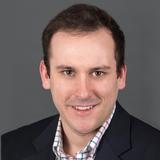
Richard S SmithView profile
Assistant Professor
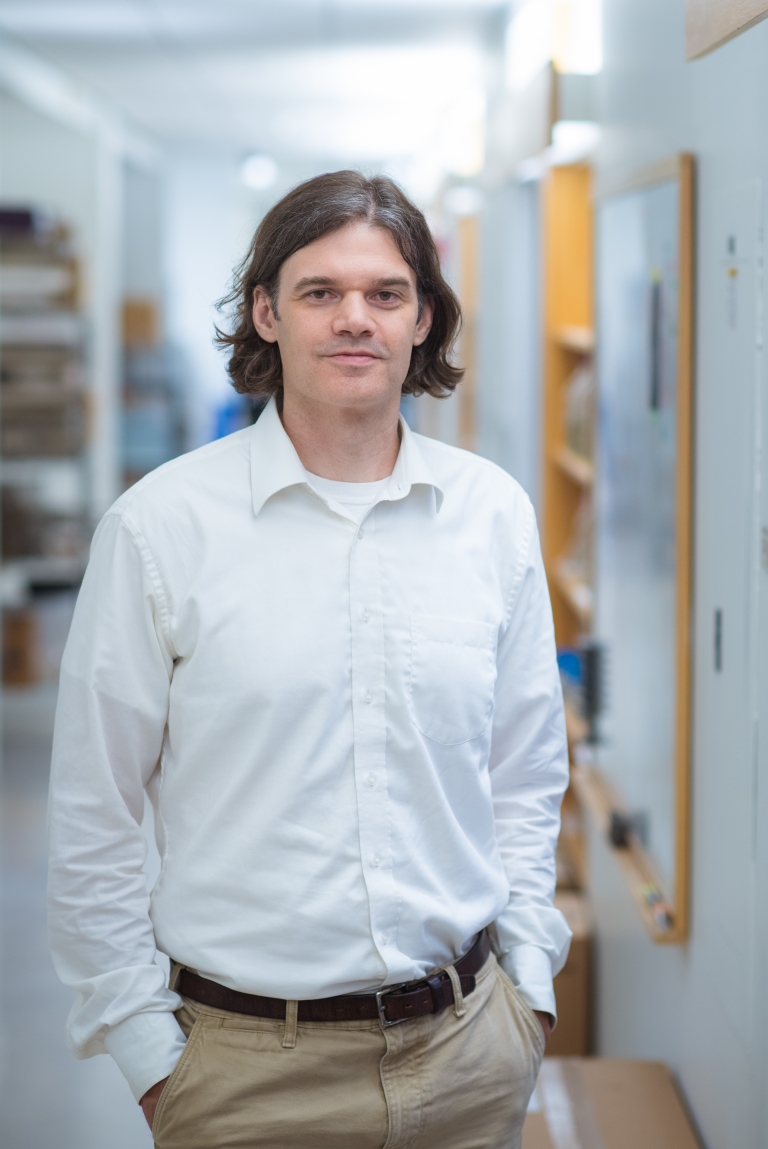
Richard S Smith is an Assistant Professor in the Department of Pharmacology at Northwestern University's Feinberg School of Medicine, with secondary appointments in Pediatrics. His research integrates neurobiology, genetics, and translational medicine to investigate prenatal brain development and ion channel diseases. Education: PhD: Cotutelle Sorbonne University & University of Maryland (2015) Postdoctoral Fellow: Harvard Medical School / Boston Children's Hospital / Howard Hughes Medical Institute (2021) Faculty Instructor: Harvard Medical School-Dept of Pediatrics (2022) Dr. Smith's research focuses on prenatal channelopathies —developmental ion channel diseases originating during gestation. His lab investigates bioelectricity in brain development using innovative models including gyrencephalic ferrets (to study cortical folding unattainable in lissencephalic mice) and human iPSC-derived neuronal systems. Key projects examine ion channel diseases affecting brain development, bioelectricity in human cortical evolution, and high-throughput screening platforms for neuronal disease modeling. His work demonstrates how ion channels like ATP1A3, SCN3A, and GRIN variants regulate cortical formation and contribute to malformations. Analysis of his publication record reveals strong emphasis on translational neurogenetics , with recent work connecting rare genetic variants to brain malformations (JAMA Neurology 2023) and developing gene therapy approaches for potassium channel disorders (BioRxiv 2024). His research bridges molecular mechanisms with clinical neurology, particularly in pediatric channelopathies and neurodevelopmental disorders. Research Leadership: Director of Smith Lab (www.rsmithlab.com) Member of Center for Autism and Neurodevelopment Member of Center for Genetic Medicine Member of Northwestern University Clinical and Translational Sciences Institute (NUCATS) Member of Stephen M. Stahl Center for Psychiatric Neuroscience Dr. Smith employs cutting-edge approaches including single-cell technologies, ferret models of gyrification, and iPSC-based drug screening. His lab trains scientists in both advanced research techniques and addressing systemic challenges in scientific communities. While no formal awards are listed in available materials, his work has been published in high-impact journals including Nature, Neuron, and JAMA Neurology.