Professor Rob Newton is a leading academic at Edith Cowan University (ECU) as the Professor of Exercise Medicine and founder of the Exercise Medicine Research Institute . He holds concurrent appointments as Vice-Chancellor Professorial Research Fellow in 2020 and has dedicated his career to integrating exercise as neoadjuvant, adjuvant, and rehabilitative therapy for cancer patients. His research spans exercise oncology, tumor biology, body composition, and quality of life in cancer care. He earned a Doctor of Science (DSc, 2021) PhD in Human Movement Studies (1998) Master of Human Movement Studies (1986) Bachelor of Human Movement Studies (Hons, 1986) from the University of Queensland and Southern Cross University. His recent work focuses on exercise-induced myokines , resistance training modalities , and exercise’s impact on cancer progression , with trends observed in breast, prostate, and ovarian cancers . Many studies employ systematic reviews, meta-analyses, and randomized controlled trials to evaluate exercise prescriptions. Scientific Awards : Career Achievement Award (2018) - Cancer Council WA Western Australia Premier’s Scientist of the Year (2019) With a Scopus h-index of 90 and over $45M in research funding , Newton leads interdisciplinary collaborations across oncology, sports science, and clinical exercise physiology . His lab has pioneered exercise medicine protocols for cancer patients, including the ERADICATE trial for prostate cancer and EXPAN trial for pancreatic cancer.
Marcelo B. Sztein, MD is a tenured Professor of Pediatrics at the University of Maryland School of Medicine (UMSOM). Since 1989 he has been a key leader within the Center for Vaccine Development (CVD) , serving as Chief of the Cellular Immunology and Flow Cytometry Section, founder of the CVD Immunology Group, and—since 2010— Associate Director for Immunologic Research . He holds secondary appointments in the Departments of Medicine and Microbiology & Immunology and directs the CVD Flow & Mass Cytometry Core that supports campus-wide cutting-edge single-cell analysis. Education & Training High School #4, Nicolás Avellaneda, Argentina — B.S., Biology, 1970 University of Buenos Aires School of Medicine — M.D., 1976 National Research Council, Argentina — Fellow, Immunology, 1976–1979 National Institutes of Health — Visiting Fellow, 1979–1982 George Washington University Medical Center — Research Fellow, Cancer Research Laboratories, 1982–1983 Research Focus Dr. Sztein is an internationally recognized authority on the immunology of infectious diseases , with emphasis on mucosal and systemic immunity elicited by vaccines. His work deciphers human host responses to Salmonella Typhi/Paratyphi, Shigella , ETEC, Plasmodium falciparum , dengue virus, Ebola virus, H. pylori , and influenza. Using controlled human infection models, non-human primates, and novel organotypic intestinal models, his laboratory identifies correlates of protection, dissects multifunctional T-cell subsets (CD4⁺, CD8⁺, MAIT, regulatory T cells), and explores how the gut microbiome modulates vaccine-induced immunity. Current projects under the NIH-funded Cooperative Center for Human Immunology (CCHI) integrate multi-omics , single-cell mass cytometry (CyTOF) , and high-dimensional flow cytometry to accelerate rational vaccine design. Recent Publication Trends Between 2014 and 2016 Dr. Sztein’s group published >25 high-impact papers that collectively advance three major themes: (1) elucidating multifunctional T- and B-cell signatures associated with protection following typhoid and Shigella vaccination; (2) applying controlled human infection models to rigorously benchmark new vaccines; and (3) pioneering 3-D organotypic intestinal cultures and mass cytometry panels to study mucosal responses at single-cell resolution. These studies are shaping the next generation of enteric vaccines for global health. Grants & Funding Leadership Principal Investigator, NIH U19-AI082655 “Mucosal and Systemic Immunity, Vaccines and Microbiota Interplay in Humans” (2014–2019) Principal Investigator, NIH R01-AI036525 “Immune Mechanisms of Protection in S. Typhi Vaccines” (2013–2018) PI Research Project 1, NIH U19-AI109776 “Immunoprophylactic Strategies to Control Emerging Enteric Infections” (2014–2019) PI of Immunology Core, NIH U19-AI110820 “Host, Pathogen, and the Microbiome” (2014–2019) Senior Immunologist, VTEU Contract HHSN2722013000221 (2013–2023) Laboratory PI, HHSN27200012 & HHSN27200010 cytokine/immune-phenotyping service contracts Co-Director of Immunology, T32-AI07524 Training Grant (2013–2018) Laboratory & Core Facilities Dr. Sztein directs the CVD Flow and Mass Cytometry Core , housing state-of-the-art BD LSR-II, Beckman-Coulter Astrios EQ cell sorter, Fluidigm CyTOF 1, and CyTOF Helios instruments. The core supports up to 19-parameter cell sorting and 35-plus-parameter mass cytometry, enabling investigators across UMSOM and collaborating institutions to perform advanced single-cell multi-omics studies under BSL-2/3 containment.
Prof. Dr. Andreas Reiner is a faculty member in the Department of Cellular Neurobiology at the Faculty of Biology and Biotechnology, Ruhr University Bochum. His research focuses on glutamate receptor signaling, synaptic plasticity, and the development of optical techniques for studying receptor dynamics in the central nervous system. University: Ruhr University Bochum School: Faculty of Biology and Biotechnology Department: Cellular Neurobiology Email: andreas.reiner@ruhr-uni-bochum.de His work emphasizes the use of chemical photoswitches (photoswitchable ligands) for light-based activation/inhibition of ionotropic (iGluRs) and metabotropic (mGluRs) glutamate receptors, enabling precise optogenetic and pharmacological studies. Research also explores receptor desensitization, subunit occupancy, and structural diversity. Recent publications highlight advancements in photoswitchable tools (2023), structural analysis of kainate receptors (2021), and subunit-selective antagonists for NMDA receptors (2020). Earlier work (2013-2016) established foundational techniques for optogenetic control of glutamate receptors.
Dr. Li Yang is an Associate Professor in the Department of Plant Pathology at the University of Georgia's College of Agricultural & Environmental Sciences. Their research focuses on molecular mechanisms of plant immunity, plant growth-defense crosstalk, and plant disease management tools. Education : PhD in Genetics (University of Pennsylvania, 2011), MPhil in Plant Biology (Shanghai Jiao Tong University, 2005), BA in Biotechnology (Shanghai Jiao Tong University, 2002) Research interests span plant immunity regulation, stress-induced developmental changes, and microbial interactions. Key projects include salicylic acid signaling in regeneration suppression, calcite-dissolving bacteria for soil calcium mobilization, and age-dependent resistance mechanisms. Current work explores proteomic aspects of pattern-triggered immunity and spatial regulation of defense responses. The Yang Lab recently published 7 articles in 2024-2025 covering topics from evaporative cooling signals to wound healing and proteomic landscapes of immunity. Their 2023 publications focused on developmental-immunity tradeoffs, while 2022 work included novel cultivation systems for peanut pod studies. Scientific Awards Graduate School Summer Research Grant (awarded to Carter) 2nd place in Cleantech Symposium poster competition (Alan Peper) 2nd/3rd places at Plant Center Spring Symposium (Joseph Balem, Mariah Lee Arnold) Dr. Yang supervises an active research group with notable advisees including Alan Peper (published on bacterial communities), Sorrel Tran (root regeneration research), Lanxi Hu (age-related resistance), and postdoc Feng Kong (plant development-defense interplay).
Dr. Michael R. Hayden is a University Killam Professor in the Department of Medical Genetics at the University of British Columbia's Faculty of Medicine. He serves as a Senior Scientist at the Centre for Molecular Medicine and Therapeutics/BC Children's Hospital Research Institute and directs the Centre for Huntington Disease. His research spans multiple prestigious institutions including BC Children's Hospital Research Institute, BC Diabetes Research Network, and Centre for Brain Health. Dr. Hayden's research focuses on genetic medicine, particularly Huntington disease, neurodegenerative disorders, and gene therapy. His laboratory investigates silencing the mutant huntingtin gene, modulating huntingtin post-translational modifications, discovering novel neuroprotective targets, and studying population genetics of Huntington disease mutations. Additionally, his work extends to lipoprotein lipase deficiency gene therapy development. His research philosophy emphasizes that 'sick people depend on us and others for new therapies,' driving his team's commitment to developing treatments that can slow or reverse disease progression. Analysis of Dr. Hayden's recent publications reveals a strong focus on Huntington disease therapeutics, particularly gene silencing approaches and biomarker development. His work spans basic molecular mechanisms to clinical applications, with increasing emphasis on translational research that bridges laboratory findings to patient treatments. The publications demonstrate a multidisciplinary approach combining genetics, neuroscience, and molecular pharmacology to address neurodegenerative conditions. Doctor of Science in Medicine (DSc(Med)) (honoris causa), University of Cape Town, South Africa (2024) Best Scientist in the World, Ranked #860 & Best Scientist in Canada, Ranked #19 Award by Research.com (2023) Lifetime Achievement Award, Huntington Study Group, USA (2023) Induction to the Canadian Medical Hall of Fame (2017) Order of Canada (2010) Killam Prize, Canada Council of the Arts (2011) Dr. Hayden has trained over 86 postdoctoral fellows and 45 graduate students, with nearly all holding competitive funding and winning prestigious awards. His lab provides exceptional resources through over 100 collaborations with world-class investigators and industrial partners. Trainees benefit from sophisticated laboratory facilities, administrative support, and access to seminars and workshops hosted by multiple research institutions. His mentorship philosophy emphasizes communication skills, critical thinking, and preparing trainees for future research leadership. The Hayden Lab operates within the Centre for Molecular Medicine and Therapeutics at BC Children's Hospital Research Institute, providing access to advanced facilities including the Bioinformatics Assistance Centre, Huntington Disease BioBank, Imaging Core Facility, and specialized mouse research resources. The lab maintains strong connections with the Centre for Brain Health and other UBC research networks, creating a collaborative environment focused on translating genetic discoveries into therapeutic interventions for neurodegenerative and metabolic diseases.
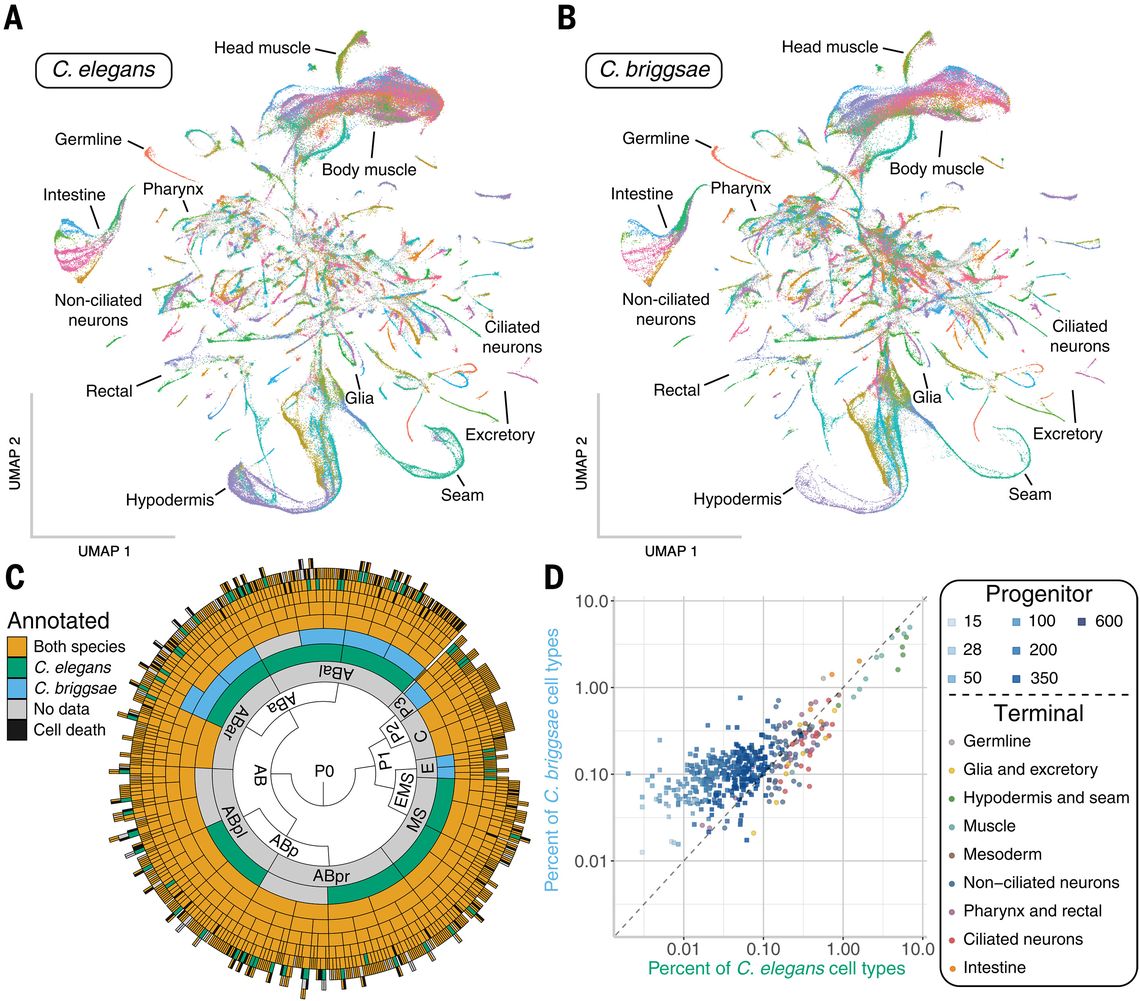
John Isaac Murray is a Professor of Genetics at the Perelman School of Medicine, University of Pennsylvania. His laboratory focuses on understanding how genomes orchestrate animal development at single cell resolution using the nematode worm Caenorhabditis elegans as a model organism. Dr. Murray's research integrates powerful imaging-based experiments with genomics and computational tools to determine gene expression patterns across entire embryos at single cell resolution. Dr. Murray received his B.S. in Civil Engineering with a minor in Biology from Carnegie Mellon University in 1999, followed by a Ph.D. in Genetics from Stanford University in 2004. He completed his post-graduate training as a Senior Fellow in Genome Sciences at the University of Washington from 2003 to 2009, working in the laboratory of Robert Waterston. Dr. Murray's research interests span developmental biology, genomics, and gene regulation. His laboratory has developed innovative lineage tracing methods that allow quantitative determination of gene expression at single cell and approximately 1-minute temporal resolution for essentially all embryonic cells. Current research focuses on three main areas: (1) improved technology for lineage tracing and expression mapping in developing embryos, (2) mechanisms ensuring robust development across environmental conditions, and (3) defining mechanisms of context specificity in developmental gene regulation. His work has revealed how transcription factors and signaling pathways regulate developmental gene expression, with implications for understanding cancer and other human diseases. Dr. Murray's laboratory has produced significant publications in high-impact journals including Science, Genome Research, and Genetics. His recent work has focused on single-cell resolution analysis of embryonic gene expression evolution, mRNA decay dynamics in developing embryos, and comprehensive mechanisms of lineage specification in C. elegans . His research employs cutting-edge techniques including live-cell imaging, single-cell RNA sequencing, and computational analysis to build comprehensive molecular atlases of embryonic development across multiple species. Large CRL, et al. (2025). Lineage-resolved analysis of embryonic gene expression evolution in C. elegans and C. briggsae. Science. Peng F & Murray JI (2024). A spatiotemporally resolved atlas of mRNA decay in the C. elegans embryo. Genome Research. Liu J & Murray JI (2023). Mechanisms of lineage specification in Caenorhabditis elegans. Genetics. Dr. Murray has mentored numerous students and postdoctoral fellows who have gone on to successful careers, including Dr. Felicia Peng who recently completed her PhD in his laboratory, Dr. Priya Sivaramakrishnan who now leads her own laboratory at the Children's Hospital of Philadelphia, and Dr. Amanda Zacharias who is an Assistant Professor at Cincinnati Children's Hospital Medical Center. His laboratory is affiliated with several graduate programs at Penn including Biomedical Graduate Studies, Cell and Molecular Biology, Genomics and Computational Biology, Biochemistry and Molecular Biophysics, and Bioengineering. The Murray laboratory maintains active collaborations with other research groups and has contributed to studies on chromatin regulation, neuronal development, and cuticle formation in C. elegans . Dr. Murray's work continues to advance our understanding of how genomes control the complex process of animal development at unprecedented resolution.
Benjamin Wolozin is a Professor at the Boston University Chobanian & Avedisian School of Medicine in the Department of Pharmacology , with an adjunct position in Neurology. He specializes in neurodegenerative diseases, particularly Alzheimer's , Parkinson's , and ALS . MD/PhD, Albert Einstein College of Medicine Past Associate Professor at Loyola University Medical Center (1996-2004) Current affiliations: Alzheimer's Disease Center, Boston University Graduate Program for Neuroscience His research investigates RNA binding proteins (RBPs) , stress granules , and liquid-liquid phase separation in neurodegenerative disease. Key projects include the role of TIA1 and HNRNPA2B1 in tauopathy, m6A RNA methylation in Alzheimer's pathology, and development of 3D iPS-neuron/astrocyte assembloids to model dementia. His lab has identified disease-linked circRNA changes and explores nanobodies targeting stress granule components. Recent awards include the Donald B. Lindsley Prize (Society for Neuroscience) and A. E. Bennett Award . He serves on NIH CDIN study sections and editorial boards for Journal of Biological Chemistry and Neurodegenerative Diseases . Grants include multiple NIH R01 and U01 awards for AD/tauopathy research.
Lin Lin is an Associate Professor of Biostatistics & Bioinformatics at Duke University's Division of Integrative Genomics and an Associate Research Professor of Statistical Science in Trinity College of Arts & Sciences. With appointments dating from 2022 to present, Dr. Lin has established herself as a prominent researcher at the intersection of statistics, bioinformatics, and biomedical applications. Her work spans multiple departments and research centers at Duke, reflecting her interdisciplinary approach to solving complex biological problems. Ph.D. from Duke University (2012) Dr. Lin's research focuses on developing advanced statistical and machine learning methods for analyzing complex biological data, particularly in immunology and transplantation research. Her expertise in single-cell data analysis, cytometry data interpretation, and biomarker discovery has led to significant contributions in vaccine studies, HIV/AIDS research, and organ transplantation. She has pioneered methods for handling small cohort studies, longitudinal data, and multi-modal datasets, addressing critical challenges in modern biomedical research where traditional statistical approaches fall short. Analysis of Dr. Lin's publication record reveals a strong emphasis on developing interpretable computational methods that bridge the gap between complex data and biological insights. Her recent work shows increasing sophistication in handling high-dimensional single-cell data, with a particular focus on creating models that maintain interpretability while achieving high predictive accuracy. The trajectory of her research demonstrates a consistent pattern of addressing methodological challenges in biomedical data analysis, with applications spanning immunology, transplantation medicine, and infectious disease research. Dr. Lin has secured substantial research funding from multiple prestigious sources including the National Institutes of Health, National Institute of Allergy and Infectious Diseases, National Heart, Lung, and Blood Institute, and National Institute of Environmental Health Sciences. Her grants portfolio demonstrates expertise across diverse biomedical domains, from HIV/AIDS research to transplantation immunology and environmental health effects. These projects typically involve developing novel statistical methodologies while addressing pressing clinical questions, showcasing her ability to bridge theoretical statistics with practical biomedical applications. As an educator, Dr. Lin teaches advanced courses in Bayesian statistical modeling and analysis, contributing to the training of the next generation of biostatisticians and data scientists. Her research group likely focuses on developing computational tools that address real-world challenges in biomedical data analysis, with particular emphasis on making complex models interpretable and applicable to clinical settings.
Cynthia J. Burrows is a Professor in the Department of Chemistry at the University of Utah, where she maintains her laboratory in the Thatcher Building. She serves as Editor-in-Chief of Accounts of Chemical Research and leads a research program internationally recognized for pioneering work in nucleic acid chemistry, with continuous NIH and NSF funding spanning over three decades. Her research focuses on the dual nature of oxidative DNA damage—exploring how lesions like 8-oxoguanine can act as both mutagenic threats and epigenetic regulators through G-quadruplex structures. She has developed groundbreaking sequencing technologies including nanopore-based OG-Seq and chemical pull-down methods to map base modifications genome-wide, revealing how oxidative stress targets specific genomic regions like telomeres and gene promoters. Analysis of her 15 most recent publications shows a decisive shift toward RNA modifications and direct sequencing applications, with 60% of 2023-2025 papers focusing on RNA epitranscriptomics. Her work increasingly integrates biophysical methods like nanopore analysis to correlate modification chemistry with functional outcomes in cancer and viral systems. Dr. Burrows has received unparalleled recognition including membership in the National Academy of Sciences (2014) and American Academy of Arts and Sciences (2009), along with top honors like the James Flack Norris Award (2018) and Willard Gibbs Medal (2018). Her sustained excellence is reflected in sustained leadership roles including Cope Scholar Award (2008) and the Rosenblatt Prize (2019). Her research is continuously funded through major NIH R01 grants including CA090689 (Oxidative DNA Damage & Repair), GM129267 (Sequencing for Base Modifications), and GM093099 (RNA Modifications), alongside NSF support (CHE1808745). These projects sustain a vibrant research group that has pioneered methods now widely adopted for studying nucleic acid modifications, with significant collaborations including the Cairns laboratory for stress-response studies. Her laboratory in the Thatcher Building maintains specialized facilities for nanopore analysis, single-molecule biochemistry, and oxidative stress modeling, supporting interdisciplinary work that bridges chemical biology, biophysics, and genomics to unravel the molecular consequences of nucleic acid modifications.
Sean Palecek is the Milton J. and A. Maude Shoemaker Professor in the Department of Chemical and Biological Engineering at the University of Wisconsin–Madison. His research focuses on engineering platforms to regulate human pluripotent stem cell (hPSC) differentiation for cardiovascular and neurovascular applications. He is based in 3637 Engineering Hall and leads the Palecek Lab, which develops innovative methods for stem cell fate specification and tissue engineering. BChE, Chemical Engineering, University of Delaware MS, Chemical Engineering, University of Illinois at Urbana-Champaign PhD, Chemical Engineering, Massachusetts Institute of Technology Postdoc., Molecular Genetics and Cell Biology, University of Chicago His research integrates stem cell biology with biomaterials and engineering principles to generate functional cardiomyocytes, brain endothelial cells, and mural cells. His lab leverages Notch3 signaling, proteomics, and organoid systems to model diseases and develop regenerative therapies. Current projects emphasize hypoimmunogenic cardiac organoids, vascular grafts, and blood-brain barrier models for neurotherapeutic screening. The 15 most recent articles highlight his work in human pluripotent stem cell (hPSC) differentiation to cardiomyocytes, endothelial cells, and brain mural cells. Key trends include organoid manufacturing , neurovascular unit modeling , metabolic profiling , and biomaterials for cell transport . His team explores Notch3 activation, SNRK signaling, and transcriptional analysis to optimize cell therapy and disease models. Scientific contributions include the Milton J. and A. Maude Shoemaker Professorship, a named chair recognizing his leadership in chemical and biological engineering. For more details, visit his lab’s website: Palecek Lab .
Edward Bonder serves as Professor of Cell Biology and Chair in the Department of Biological Sciences within the College of Arts and Sciences at Rutgers University-Newark. His laboratory investigates the structural and functional dynamics of the actin cytoskeleton across multiple biological contexts including morphogenesis, cell-cell contact formation, and organelle motility. Utilizing marine gamete models and cultured epithelial systems, his research bridges fundamental cell biology with developmental processes. Education: B.A. in Biology, University of Pennsylvania (1976) Ph.D. in Cell Biology, University of Pennsylvania (1983) Dr. Bonder's research focuses on actin-myosin interactions governing cellular dynamics, with particular emphasis on myosin motor proteins in fertilization models, adherens junction formation, and mitochondrial motility along cytoskeletal tracks. His work demonstrates how Rho GTPase signaling, microtubule-actin crosstalk, and unconventional myosins regulate cell polarization, wound healing, and embryonic development. The laboratory employs sea urchin coelomocytes and epithelial cell cultures to dissect stimulus-response mechanisms in organelle transport and cell adhesion. Publication analysis reveals sustained contributions to cytoskeletal dynamics over 25+ years, with recent work expanding into cancer biology, stem cell regulation, and host-microbe interactions. Key themes include Rab11-dependent trafficking, CDC42-mediated tumor suppression, and TLR sorting mechanisms - all rooted in fundamental cytoskeletal principles established through earlier sea urchin and epithelial models. No scientific awards are documented in the provided materials. Dr. Bonder maintains active research programs examining cytoskeletal regulation in development and disease, with consistent funding evidenced by continuous publication in high-impact journals including PNAS, Journal of Cell Biology, and EMBO Journal. His laboratory trains researchers in advanced cell imaging, molecular perturbation techniques, and model system applications. The research group operates from 309 Boyden Hall, utilizing sea urchin fertilization models, epithelial cell culture systems, and molecular approaches to investigate cytoskeletal dynamics across scales from single molecules to tissue organization. Current projects integrate traditional cell biology with emerging work in intestinal stem cells and microbial homeostasis.
Professor Friedrich Simmel (*1970) holds the Chair of Physics of Synthetic Biosystems at the Technical University of Munich (TUM) within the TUM School of Natural Sciences, Department of Bioscience. His research laboratory is located at Am Coulombwall 4a in Garching near Munich, where he leads a vibrant research group focused on the physics of synthetic biological systems. Professor Simmel's research interests center on bionanotechnology, particularly artificial molecular machines and nanostructures made from DNA molecules, as well as the design of artificial biochemical control circuits. His work bridges physics, chemistry, and biology to create novel synthetic biosystems with programmable functions. Key research areas include DNA origami, DNA nanotechnology, synthetic gene circuits, and biomimetic systems. His recent publications demonstrate a strong trend toward increasingly complex DNA-based nanodevices with applications in biosensing, nanomedicine, and synthetic biology. The research shows progression from fundamental DNA nanostructure design to functional systems with practical applications in diagnostics and biocomputation. His group has pioneered approaches for creating DNA-based nanorobots, synthetic membrane channels, and programmable biochemical oscillators. ERC Advanced Grant (2015) Human frontier science program (HFSP) young investigator award (2006) Emmy Noether Young Researcher of the German Research Foundation (2002) acatech - the German Academy of Science and Engineering (2013) Professor Simmel actively mentors numerous students and junior researchers, as evidenced by the many co-instructors listed on his practical courses. His research has been supported by prestigious grants including the ERC Advanced Grant. His laboratory maintains strong collaborations across disciplines, working with researchers in microfluidics, synthetic biology, and biomedical engineering. The group operates within TUM's advanced infrastructure for biophysics and nanotechnology, including facilities for electron microscopy, NMR spectroscopy, and X-ray crystallography.
Pablo G Cámara is an Associate Professor of Genetics at the University of Pennsylvania's Perelman School of Medicine. He serves as Senior Fellow at the Institute for Biomedical Informatics and is affiliated with the Center for AI and Data Science in Integrated Diagnostics, the Statistical Center for Single-Cell and Spatial Genomics, and the Department of Genetics. His research focuses on computational approaches to cellular heterogeneity in diseases, particularly brain tumors, integrating topology, geometry, statistics, physics, and computer science. BS, Theoretical Physics, Universidad Autonoma de Madrid (2002) PhD, Theoretical Physics, Universidad Autonoma de Madrid (2006) His work combines single-cell technologies with mathematical frameworks to decode tumor ecosystems and signaling networks. Key themes include metric geometry applications, tumor-genome interactions, and interdisciplinary collaborations in neurodevelopment and cancer research. Recent publications highlight his methodological innovations in single-cell data analysis, tumor biology, CAR T-cell therapy, and quantum computing. Collaborations span immunology, neuro-oncology, and developmental biology domains. The Camara Lab at Penn Medicine develops computational tools for integrating morphometric, transcriptomic, and physiological data, aiming to advance precision oncology and developmental neuroscience through geometric and topological approaches.
Matthias Meier is a Full Professor at the Institute of Biochemistry, University of Leipzig, and Principal Investigator at Helmholtz Pioneer Campus, Helmholtz Zentrum München. His research focuses on advancing microfluidic organ-on-chip technology for single-cell and whole-organ disease modeling. Education: PhD in Biophysics (University of Basel, 2006) Research Interests: Dr. Meier's work bridges bioengineering and metabolic disorders, using organ-on-chip platforms to study stem cell differentiation, pancreatic/adipose tissue interactions, and dynamic microenvironmental signals. His lab integrates microfluidics with hiPSC-derived organoids for obesity and diabetes research. Publication Trends: Recent studies emphasize organ-on-chip systems, single-cell analysis , and stem cell engineering , with applications in cardiovascular disease modeling, spatial transcriptomics, and bioelectronic monitoring. Scientific Awards: Feodor-Lynen Postdoctoral Fellowship (2008) Emmy-Noether Fellowship (2012-2018) ERC Consolidator Grant (2017) Advising & Grants: He has led independent research groups with major grants, focusing on energy imbalance mechanisms and patient-specific organoid models for metabolic disease therapies. Labs & Teams: The Matthias Meier Lab develops microfluidic platforms to control chemical, architectural, and mechanical cues for hiPSC differentiation, emphasizing spatial protein profiling and organoid assembly.
David M. Markovitz is a tenured Professor in the Department of Internal Medicine at the University of Michigan Medical School. He has maintained continuous faculty appointments at the University since 1988, progressing from Assistant Professor (1988-1994) to Associate Professor with tenure (1994-2002) and ultimately to his current Professor position (2002-present). Dr. Markovitz leads a multidisciplinary research team comprising four additional faculty members, postdoctoral fellows, PhD students, MD/PhD students, medical students, physicians, public health students, and undergraduates. Dr. Markovitz's research program spans several interconnected domains in molecular medicine. His laboratory employs diverse methodologies including NMR, crystallography, molecular dynamics modeling, glycoclusters, next-generation sequencing, bioinformatics, and animal models to investigate viral pathogenesis and develop novel therapeutic approaches. His work has produced 92 publications and resulted in significant discoveries across multiple fields. The publication record reveals several major research trajectories: investigations into HIV transcription mechanisms; characterization of the DEK protein's role in cancer and juvenile arthritis; discovery of vimentin as a secreted inflammatory factor; exploration of human endogenous retroviruses (HERVs) in disease pathogenesis; and development of engineered lectins as broad-spectrum antiviral agents. His most notable contribution involves engineering banana lectin (BanLec) through a single amino acid mutation (H84T) that eliminates mitogenicity while preserving antiviral activity against HIV, hepatitis C, influenza, and coronaviruses including SARS and MERS. Dr. Markovitz has received numerous prestigious awards including the Burroughs Wellcome Clinical Scientist Award (2003), Association of American Physicians membership (2004), and a Transformative R01 from the NIH Office of the Director (2009). National Cancer Institute – Clinical Investigator Award (1990) Life and Health Insurance Medical Research Fund Scholar (1991) American Society for Clinical Investigation (1997) Burroughs Wellcome Clinical Scientist Award (2003) Association of American Physicians (2004) Transformative R01, NIH (2009) American Clinical and Climatological Association (2012) His current research portfolio demonstrates strong funding support across multiple domains. As Principal Investigator, he leads projects including DEK-targeted therapy for juvenile arthritis (Rheumatology Research Foundation), development of H84T BanLec for Ebola/Marburg treatment (DTRA), and lectin-based lung cancer therapy (UM Mi-Kickstart). As Co-PI, he contributes to NIH-funded research on DEK in hematopoiesis and international collaborations studying HERVs in human disease. His mentorship extends to numerous doctoral students, postdocs, and medical trainees who have gone on to independent research careers. Dr. Markovitz directs a vibrant research ecosystem that includes faculty collaborators Rafael Contreras, Scott Gitlin, and Mark Kaplan. His laboratory maintains extensive collaborations across the University of Michigan and with international partners. The research program bridges basic science discoveries with translational applications, particularly in developing novel therapeutics for viral diseases, autoimmune conditions, and cancer. His work on DEK aptamers and engineered lectins represents promising pathways toward clinical applications in inflammation and infectious disease.