About
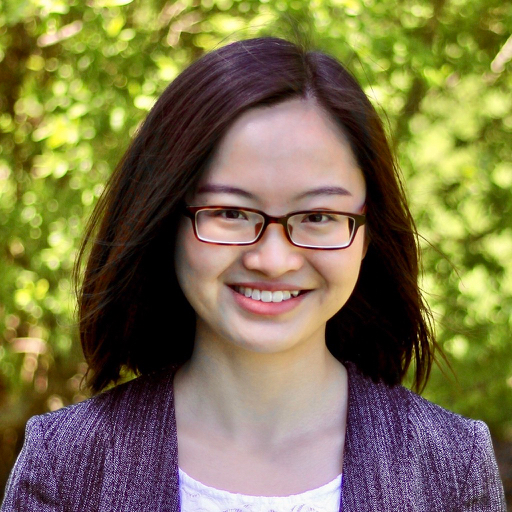
Lin Lin is an Associate Professor of Biostatistics & Bioinformatics at Duke University's Division of Integrative Genomics and an Associate Research Professor of Statistical Science in Trinity College of Arts & Sciences. With appointments dating from 2022 to present, Dr. Lin has established herself as a prominent researcher at the intersection of statistics, bioinformatics, and biomedical applications. Her work spans multiple departments and research centers at Duke, reflecting her interdisciplinary approach to solving complex biological problems.
- Ph.D. from Duke University (2012)
Dr. Lin's research focuses on developing advanced statistical and machine learning methods for analyzing complex biological data, particularly in immunology and transplantation research. Her expertise in single-cell data analysis, cytometry data interpretation, and biomarker discovery has led to significant contributions in vaccine studies, HIV/AIDS research, and organ transplantation. She has pioneered methods for handling small cohort studies, longitudinal data, and multi-modal datasets, addressing critical challenges in modern biomedical research where traditional statistical approaches fall short.
Analysis of Dr. Lin's publication record reveals a strong emphasis on developing interpretable computational methods that bridge the gap between complex data and biological insights. Her recent work shows increasing sophistication in handling high-dimensional single-cell data, with a particular focus on creating models that maintain interpretability while achieving high predictive accuracy. The trajectory of her research demonstrates a consistent pattern of addressing methodological challenges in biomedical data analysis, with applications spanning immunology, transplantation medicine, and infectious disease research.
Dr. Lin has secured substantial research funding from multiple prestigious sources including the National Institutes of Health, National Institute of Allergy and Infectious Diseases, National Heart, Lung, and Blood Institute, and National Institute of Environmental Health Sciences. Her grants portfolio demonstrates expertise across diverse biomedical domains, from HIV/AIDS research to transplantation immunology and environmental health effects. These projects typically involve developing novel statistical methodologies while addressing pressing clinical questions, showcasing her ability to bridge theoretical statistics with practical biomedical applications.
As an educator, Dr. Lin teaches advanced courses in Bayesian statistical modeling and analysis, contributing to the training of the next generation of biostatisticians and data scientists. Her research group likely focuses on developing computational tools that address real-world challenges in biomedical data analysis, with particular emphasis on making complex models interpretable and applicable to clinical settings.