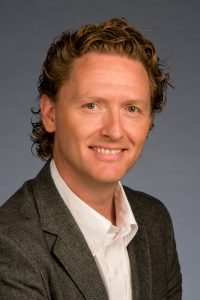
Auezhan Amanov is an Associate Professor at the Faculty of Engineering and Natural Sciences, Tampere University, specializing in the Engineering Materials Science (EMS) department. His research focuses on tribology, surface engineering, and advanced materials processing. He leads the 'Tribology and Surface Modification' research group, aiming to enhance machine element performance through surface treatments and manufacturing innovations. Dr. Amanov is an active member of international tribology societies (STLE, JAST, KTS), chairing the 'Surface Engineering' committee at STLE. His work emphasizes improving wear resistance, fatigue life, and tribological performance of materials like titanium alloys, high-entropy alloys, and thermal spray coatings. His research integrates additive manufacturing, laser-based processes, and severe plastic deformation techniques to optimize material properties. Key contributions include studies on ultrasonic nanocrystal surface modification (UNSM) for enhancing mechanical and tribological characteristics. Collaborations with industries and academic institutions globally drive his mission to translate research into practical solutions for manufacturing efficiency and sustainable development. Dr. Amanov holds an h-index of 34 (Google Scholar) and has authored numerous peer-reviewed articles on materials science and tribology advancements. Teaching responsibilities include tribology and fatigue-related courses, reflecting his expertise in both academic and applied engineering domains. His vision includes advancing circular economy practices through bearing restoration technologies and improving 'Made in Finland' manufacturing competitiveness through material science innovations.
Ikjot Saini is a Professor at the University of Windsor’s Faculty of Engineering, co-leading the SHIELD Automotive Cybersecurity Centre of Excellence, Canada’s first organization addressing threats in connected transportation. Her research focuses on automotive cybersecurity, vehicular networks, and privacy-preserving technologies. She has supervised doctoral students Shiva Nejati and Kunj Dhonde, and contributed to courses in the University’s Continuing Education program, specializing in cybersecurity education for professionals. Her work includes pioneering studies on blockchain-based security for connected autonomous vehicles (CAVs), machine learning-driven intrusion detection systems, and privacy-enhancing mechanisms like pseudonym-changing strategies. She has been recognized with the K.W. Michael Siu Award from the APMA Institute for Automotive Cybersecurity (2020). Saini’s research bridges theoretical advancements with real-world applications, ensuring vehicles and infrastructure remain secure against evolving cyber threats. Her contributions span academic publications, industry partnerships, and policy recommendations, positioning her as a leader in vehicular cybersecurity. Ongoing projects emphasize eco-efficiency in cybersecurity solutions and adversarial modeling for privacy evaluation.
Dr. Tamás Koltai is a Professor and Dean at the Faculty of Economics and Social Sciences of Budapest University of Technology and Economics (BME). He leads the doctoral school's Specialization Group in Production Management. His roles include overseeing academic programs and research in production management, operations research, and efficiency analysis. Education: Doctor of the Hungarian Academy of Sciences (2016) Dr. habil. (2000), Budapest University of Technology and Economics Candidate of Technical Sciences (1987), Hungarian Academy of Sciences M.Sc. in Mechanical Engineering (1983), BME Faculty of Mechanical Engineering Research Interests: Dr. Koltai focuses on production management optimization, including the application of Data Envelopment Analysis (DEA), sensitivity analysis in mathematical models, and the integration of robotics in assembly lines. His work bridges theoretical models (e.g., MILP/CP optimization) with practical industrial challenges, particularly in healthcare efficiency and educational management. Notable Awards: IEOM Society Teaching Excellence Award (2021) BME GTK Faculty Memorial Medal (2016) János Susánszki Award (2013) Széchenyi Professorship Scholarship (1999–) Teaching & Leadership: He has held visiting roles at the University of Seville (1990–1992) and the University of Michigan (1988/89). His teaching excellence is recognized through awards and his contributions to business simulation education. His research often collaborates with industry partners to address real-world operational challenges. Labs/Teams: Leads the Production Management Specialization Group and contributes to interdisciplinary teams focusing on manufacturing efficiency and healthcare operations within BME.
Dr. Wei David Dai is an Assistant Professor of Computer Science at Purdue University Northwest and Director of the Advanced Intelligence Software (AIS) Lab. His research focuses on robust deep learning, data quality, and public safety technologies like gunshot detection systems. He previously worked at IBM China as a senior engineer and served in Arkansas state government as a data scientist. Education: Ph.D. in Computer and Information Sciences (University of Arkansas at Little Rock, USA, 2020) M.S. in Information Science (University of Arkansas at Little Rock, USA, 2016) M.S. in Software Engineering (South China University of Technology, China, 2013) B.S. in Computer Science (Central South University, China, 2007) Research Interests: His work spans robust deep learning models, distributed computing systems, and privacy-preserving technologies. Notable projects include public safety innovations such as acoustic gunshot detection and AI-driven campus security systems. Articles Trends: Recent publications emphasize public safety applications (e.g., mass school shooting simulations) and deep learning robustness evaluation (e.g., the Accuracy-Stability Index metric). Earlier works address cloud computing optimization and data quality frameworks. Awards: Recipient of the 2024 Excellence in Research Award and multiple IBM honors for technical excellence and instruction. Grants & Advising: Leads the Indiana Space Grant Consortium-funded satellite imaging project and Purdue Provost Grant for gunshot detection. Advises doctoral and master’s students on AI ethics, distributed systems, and public safety. Labs: The AIS Lab develops AI tools for public safety, equipped with GPU resources for audio and image analysis.
Gaetano Miraglia is a Fixed-term Assistant Professor in the Department of Structural, Building and Geotechnical Engineering (DISEG) at Politecnico di Torino, where he conducts research in structural health monitoring, seismic analysis, and computational modeling. He is a member of the Interdepartmental Center R3C – Responsible Risk Resilience Centre, contributing to interdisciplinary efforts in risk mitigation and infrastructure resilience. His work spans both theoretical and applied domains, with strong emphasis on heritage preservation and sustainable urban development. His research interests include Bayesian calibration of nonlinear models, hybrid simulation, peridynamics, masonry structures, and the integration of satellite interferometric (InSAR) data with in-situ measurements for structural monitoring. He applies advanced computational and machine learning techniques to improve the accuracy and reliability of structural assessments, particularly in historical and monumental buildings. His work supports UN Sustainable Development Goals 9, 11, and 13. His recent publications demonstrate a consistent focus on data fusion, digital twinning, domain adaptation, and real-time damage detection. He frequently collaborates with researchers such as Rosario Ceravolo and Erica Lenticchia, publishing in high-impact journals like Computer-Aided Civil and Infrastructure Engineering , Structures , and Scientific Reports , as well as at major conferences including EWSHM, SAHC, and EVACES. His research is applied in projects such as the monitoring of the Vicoforte Sanctuary and the development of the CAMELOT and HY-LEARN toolboxes. Research Projects: MONITORAGGIO VICOFORTE (2024–2026) – Member of Research Group CAMELOT – PoC Transition (2023–2024) – Member of Research Group HY-LEARN – Model Calibration via Hybrid Simulation and ML (2022–2024) – Scientific Manager (PNRR Mission 4) He teaches in various programs, including as a course collaborator in PhD, Master’s, and Bachelor’s level courses such as Earthquake Engineering , Structural Consolidation , and Seismic Risk of Cultural Heritage . He is also an inventor on national and international patents and software related to the CAMELOT toolbox, highlighting the translational impact of his research. He has no listed scientific awards or formal advisees in the provided text.
Dr. Ali Ahrari is a Lecturer at the School of Systems and Computing, University of New South Wales, Canberra. He holds a Ph.D. in Mechanical Engineering from Michigan State University (2016) and has extensive experience in research and academia, including roles as a Research Fellow and Associate at UNSW-Canberra and the University of Sydney. His research focuses on evolutionary algorithms, multimodal and multi-objective optimization, and surrogate-assisted optimization. Ahrari is a recipient of prestigious awards, including the ARC-DECRA 2023 and multiple international competition wins in optimization (e.g., CEC/GECCO competitions). He leads research groups like the Canberra Evolutionary Optimization (EvOpt) and serves on editorial boards, including Applied Soft Computing. Education: Ph.D. (2016, Michigan State University), M.Sc. and B.Sc. (University of Tehran). Awards: ARC-DECRA, ISCSO, and GECCO/CEC competition wins. Grants: ARC DECRA (2023), NCI Adapter Schemes, UNSW HPC allocations. Supervision: Currently advising 1 PhD student at SEIT, UNSW-Canberra. Engagements: Chair of IEEE Task Force on Multi-modal Optimization, organizer of optimization competitions (GECCO'2024, CEC'2022). His research emphasizes computational optimization, evolutionary computation, and swarm intelligence, with applications in engineering design and dynamic environments. He actively contributes to academic communities through editorial roles and conference organization.
Dr. Terje Haukaas is a Professor of Structural & Earthquake Engineering at the University of British Columbia (UBC), Department of Civil Engineering, Faculty of Applied Science. He holds a PhD and Master's from UC Berkeley (2003, 1999) and a bachelor's from the Norwegian University of Science and Technology (1996). His research focuses on probabilistic modeling, structural reliability, and earthquake engineering, with contributions to software development (e.g., FERUM, OpenSees). He teaches courses like Structural Analysis, Nonlinear Analysis, and Reliability & Safety. Education: PhD in Civil Engineering, UC Berkeley, 2003 Master's in Civil Engineering, UC Berkeley, 1999 Bachelor's in Civil Engineering, NTNU, Trondheim, 1996 Engineering Degree (Stavanger University College, 1994) and Technician Degree (Stavanger Technical College, 1992) Research Interests: Probabilistic mechanics and reliability analysis Seismic vulnerability and risk assessment Software tools for finite element analysis (FERUM, OpenSees) Timber engineering and structural optimization Awards & Recognition: UBC Killam Teaching Prize (2016) President of CERRA (2015–2019) Keynote/Semi-plenary speaker at major conferences (ICASP12, COMPDYN 2017) Student Appreciation Awards (Top Professor rankings) Grants & Labs: Recipient of grants supporting seismic risk research Developed computational frameworks for structural analysis
Glaucio H. Paulino holds the Margareta Engman Augustine Professorship in Civil and Environmental Engineering at Princeton University, where he also serves as a Professor at the Princeton Institute for the Science and Technology of Materials (PRISM). His work bridges computational mechanics, topology optimization, and materials science. Paulino leads a research group focused on advancing structural design methodologies, fracture mechanics, and functionally graded materials. His team has pioneered polygonal finite elements and multiresolution topology optimization techniques, addressing challenges in mesh bias and computational efficiency. He has published over 240 peer-reviewed articles and mentored 19 PhD and 11 MS students. Notable contributions include the PPR cohesive model for fracture analysis and adaptive mesh refinement for dynamic simulations. Paulino's research extends to practical applications such as high-rise building design and sustainable construction materials. Awards include election to the European Academy of Sciences and Arts and ASME’s Melville Medal. Current projects involve functionally graded cement-based materials, extrusion processing, and digital image correlation for material characterization. His lab collaborates with industry partners like Skidmore, Owings & Merrill LLP to translate topology optimization into real-world engineering solutions. Paulino’s interdisciplinary approach integrates computational modeling with experimental validation, fostering innovations in civil infrastructure resilience.
Julie Dorsey is the Frederick W. Beinecke Professor of Computer Science at Yale University, where she teaches computer graphics. She joined Yale in 2002 after holding tenured positions at MIT in both the Department of Electrical Engineering and Computer Science and the School of Architecture. She earned undergraduate degrees in architecture and graduate degrees in computer science from Cornell University. Research Areas: Photorealistic image synthesis Material and texture modeling Interactive visualization of complex scenes Sketch-based design interfaces Acoustical and lighting design algorithms Recent Article Trends focus on AI-driven graphics techniques, 3D hair modeling, depth sensing, and cultural heritage preservation. These works reflect her interdisciplinary approach bridging computer science, art, and physics. Scientific Awards: MIT Edgerton Faculty Achievement Award NSF Career Award Alfred P. Sloan Research Fellowship Radcliffe Institute Fellowship (2010-11) Whitney Humanities Center Fellowship (2010-12) Editorial Contributions: She serves as Editor-in-Chief of ACM Transactions on Graphics and has held editorial roles at Computers and Graphics, Foundations and Trends in Computer Graphics and Vision, and SIGGRAPH 2006 Papers Chair. Labs & Collaborations: Leads Yale's Computer Graphics Group, contributes to interdisciplinary projects at the intersection of computing and the arts, and collaborates with researchers in biomedical and industrial AI applications.
Dr. Gary Glover is a Professor of Radiology (Radiological Sciences Lab) at Stanford University , with courtesy appointments in Psychology and Electrical Engineering. His work focuses on the physics and mathematics of MRI, particularly rapid scanning methods using spiral k-space trajectories for functional brain imaging and multimodal neuroimaging (fMRI/EEG/fPET/fNIRS) combined with neuromodulation techniques like TMS and transcranial ultrasound. Academic Appointments: Radiology, Psychology, Electrical Engineering Professional Affiliations: Bio-X, Stanford Cancer Institute, Wu Tsai Neurosciences Institute Research Interests include: Development of blood oxygen level-dependent (BOLD) and viscoelastic contrast in MRI Functional MR Elastography for brain activation mapping Optimization of MR-ARFI for transcranial ultrasound guidance Automated spinal cord segmentation (EPISeg) using machine learning Scientific Awards : National Academy of Engineering (2013) Gold Medal, ISMRM (2000) Steinmetz Award, General Electric (1985) Lauterbur Lecture, ISMRM (2018) Recent Publications analyze: Fast fMRI sampling and spurious signal correction Dissociated patterns in default mode network anti-correlations Neural correlates of collaborative behavior in triadic fMRI Salience network contributions to depression pathophysiology
Christof Lutteroth is a Professor in the Department of Computer Science at the University of Bath and Director of the REal and Virtual Environments Augmentation Labs (REVEAL). His work focuses on Human-Computer Interaction (HCI) with emphasis on eye-gaze interaction and virtual reality (VR), particularly for health, exercise, and learning applications. He leads multiple research projects funded by organizations like EPSRC, The British Academy, and The Royal Society. Research Interests include developing gaze-controlled interfaces, immersive VR systems, and adaptive UI/UX for fitness and cognitive training. He explores affective design tools, emotion recognition in VR exergaming, and biometric data analysis for health applications. Recent Publications highlight advancements in gaze-based text entry, emotion measurement in VR, AI-driven UI development, and cross-European XR innovation networks. His work spans from foundational HCI methodologies to applied projects in rehabilitation and immersive learning. Grants include EPSRC IAA, British Academy, and Royal Society funding for projects like TapGazer, Hyper-immersive XR, and Affective Design Tools for VR. He collaborates with institutions across Europe through the EMIL project. Laboratory : REVEAL Lab at the University of Bath drives research in immersive technologies, motion analysis, and augmentation of human interaction with digital environments.
Dr Fabio Pierazzi is an Associate Professor in Information Security at the Department of Computer Science, University College London. His research focuses on enhancing systems security through AI, particularly in environments where attackers rapidly adapt to defenses. He investigates adversarial attacks, concept drift mitigation, and explainability of ML-based security systems. Research emphasizes adversarial machine learning in security contexts Works on practical applications in malware analysis and network intrusion detection Explores concept drift robustness and problem-space constraints Collaborates with industry to improve real-world security solutions His publications span top-tier venues like IEEE Security & Privacy, ACM CCS, and USENIX Security. Key themes include adversarial robustness, security evaluation methodologies, and AI's limitations in practice. He supervises research degrees and provides consultancy for security projects.
Dr. Ken Ferens is an Assistant Professor in the Department of Electrical and Computer Engineering at the Price Faculty of Engineering, University of Manitoba. He serves as the Computer Engineering Champion in the Centre for Engineering Professional Practice and Engineering Education and directs the Applied Cognitive Intelligence (ACI) Research Group. Dr. Ferens is a senior member of the Institute of Electrical & Electronics Engineers (IEEE), Chair of the EduManCom Chapter of the IEEE, Vice-Chair of the Computer and Computational Intelligence Chapter of the IEEE, and Chair of the Industry, Teaching Assistants, and Student Forums for Engineering Curriculum Review and Improvement. Ph.D. (Computer Engineering), University of Manitoba, 1996 M.Sc. (Computer Engineering), University of Manitoba, 1991 B.Sc. (Electrical Engineering), University of Manitoba, 1989 Dr. Ferens has over 33 years of research experience in computational intelligence, focusing on cognitive machine learning, artificial intelligence, cognitive computational intelligence, chaos theory applications, agent-based models, and various optimization algorithms including simulated annealing, genetic algorithms, artificial neural networks, and particle swarm optimization. His research applies these techniques to develop software and hardware intrusion detection systems for cybersecurity applications. He teaches graduate-level courses on Computer Network Security and Applied Computational Intelligence, providing students with theoretical background and hands-on experience in state-of-the-art security methods. Analysis of Dr. Ferens' recent publications reveals a strong focus on applying cognitive and chaotic computational techniques to cybersecurity challenges, particularly malware detection and network intrusion detection. His work increasingly integrates complexity theory, fractal analysis, and hybrid optimization approaches to enhance security systems' effectiveness. There's a clear progression toward more sophisticated machine learning architectures applied to increasingly complex security scenarios, with growing emphasis on real-world IoT and network security applications. Best Paper Award at IEEE International Conference on Cognitive Informatics and Cognitive Computing (ICCI*CC 2022) Best Paper Award at IEEE International Conference on Cognitive Informatics and Cognitive Computing (ICCI*CC 2015) Best Journal Paper Award for 2013 (Journal of ICT Research and Applications) Best Poster Award at 12th International Conference on e-Health Networking, Application & Services (2010) Best Paper Award at IASTED International Conference on Computer, Electronics, Control, and Communication (1991) Dr. Ferens collaborates with national and international industry partners including the Department of Advanced Information Management, Content Technology Canadian Tire Corporation (CTC), and Magellan Aerospace. His research group has received funding supporting the Cyber-security Research Program, developing practical applications of computational intelligence for security systems. He has supervised numerous graduate students in the Electrical and Computer Engineering department, focusing on research at the intersection of machine learning and cybersecurity. Dr. Ferens leads the Applied Cognitive Intelligence (ACI) Research Group within the Department of Electrical and Computer Engineering, which focuses on applying cognitive, chaotic, and computationally intelligent algorithms to build intrusion detection systems. The group collaborates with industry partners to develop practical security solutions while providing students with hands-on research experience in cutting-edge security technologies. Their work spans both theoretical algorithm development and practical hardware implementation for real-world security applications.
Emanuele Naboni is an Associate Professor in the Department of Engineering and Architecture at the University of Parma, Italy. He teaches in the Second Cycle Degree program in Architecture and City Sustainability, offering courses such as Architectural Technologies for the Built Environment , Environmental and Outdoor Comfort Assessment , and Innovative Technologies for Sustainable Design from academic year 2019/2020 through 2025/2026. His research focuses on sustainable and climate-responsive architecture, with particular emphasis on urban microclimates, passive design strategies, and building performance optimization in Mediterranean environments. Key areas include facade engineering, thermal comfort, and computational simulation of localized climate impacts. The recent publications (2024–2025) highlight a strong trend in climate change adaptation through architectural and urban interventions. Topics span from simulating hyperlocal temperature variations to optimizing courtyard microclimates using evaporative cooling and adaptive shading, as well as retrofitting modernist urban forms for improved climate resilience. These works reflect interdisciplinary engagement with urban climatology, building physics, and environmental design. Scientific Awards: No awards mentioned in the provided text. Prof. Naboni is actively engaged in teaching and research. There is no mention of formal advising roles, grants, or leadership in labs or research teams within the available information. His scholarly output demonstrates consistent collaboration with researchers such as Marcello Turrini, Barbara Gherri, Carlos Alberto Rivera Gómez, and Carmen Galán-Marín. He contributes to advancing sustainable design practices through empirical and simulation-based studies, particularly focused on urban and architectural responses to climate change in Southern Europe.
Dr. Yongchao Huang is a Lecturer (Assistant Professor) in the School of Natural and Computing Sciences at the University of Aberdeen, where he has been employed since August 2023. He also holds affiliations with the University of Oxford and the University of Cambridge through past postdoctoral and collaborative roles. He is actively involved in research, teaching, and academic service, and is currently accepting PhD students. His educational background includes: DPhil in Engineering Science, University of Oxford (2013–2017) Additional training in Machine Learning at Oxford (2015–2019) Dr. Huang's research focuses on fundamental and physics-informed machine learning, with core interests in Bayesian inference, variational methods, generative modeling (especially score-based), reinforcement learning, and interdisciplinary AI applications in mechanics, biology, energy, climate, and finance. A central theme of his work is the inference and sampling of probability densities, particularly through innovative particle-based and physics-inspired computational frameworks. He founded the Computational and Physical Learning (CPL) lab at Aberdeen in 2023. His recent publications (2020–2025) reflect a strong trend in probabilistic machine learning, with increasing focus on physics-based inference methods such as electrostatics, fluid dynamics, and material point methods. These works bridge machine learning with applied mathematics and physical simulation, demonstrating a unique interdisciplinary approach. Topics span Bayesian neural networks, acoustic wave propagation, mortality modeling, and adversarial cybersecurity. Dr. Huang has received academic recognition through invitations to serve on program committees and editorial roles: Program Committee Member, ECAI 2024 Organizing Committee, Bioinference 2024 Guest Editor, Journal of Theoretical Biology Senior Scientific Advisor to a UK firm He has supervised 57 MSc theses independently and currently supervises one PhD student. He has secured research engagement through collaborations with institutions including Oxford, Cambridge, and industry partners. His teaching includes courses such as Introduction to Software Engineering , Software Process and Management , and Computational Intelligence at Aberdeen, as well as practicals in inference at Cambridge. Dr. Huang leads the Computational and Physical Learning (CPL) lab at the University of Aberdeen, a curiosity-driven research group focused on foundational advances in machine intelligence. Though currently a solo researcher due to limited resources, the lab emphasizes end-to-end research and open collaboration. He encourages student mobility and interdisciplinary exploration.