Andrew FieldingView profile
Associate Professor
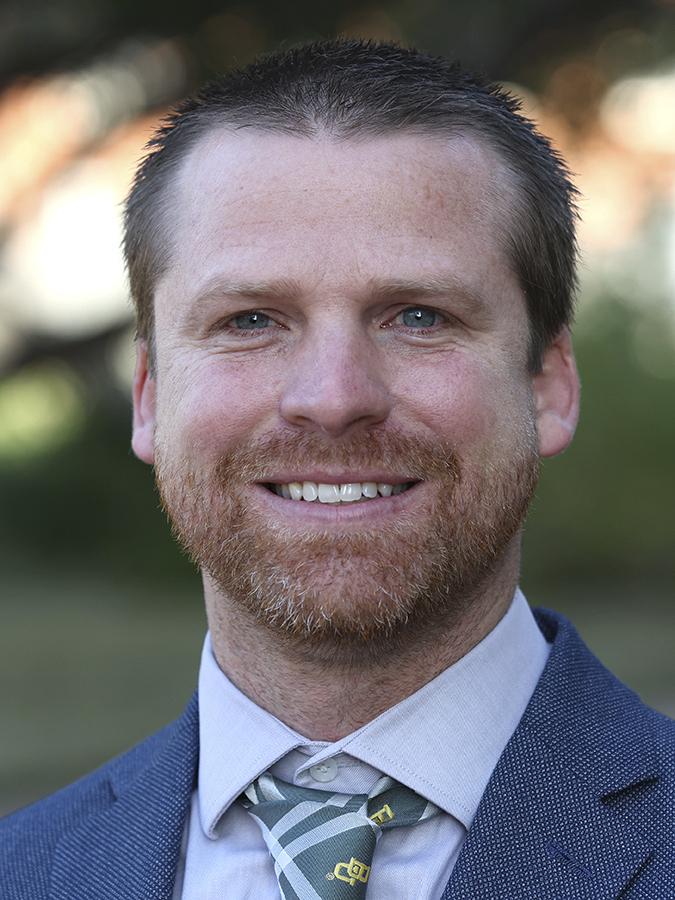
Andrew Fielding is an Associate Professor in the School of Chemistry & Physics at Queensland University of Technology (QUT), Faculty of Science. His research and teaching focus on medical physics, particularly in radiation therapy, medical imaging, and Monte Carlo dosimetry techniques. He is the Course Coordinator for the Graduate Diploma and Master of Applied Science in Medical Physics programs at QUT. He holds a PhD in Physics from the University of Portsmouth and a B.Sc. (Hons) from the University of Surrey. He completed postdoctoral research at the Institute of Cancer Research / Royal Marsden Hospital and the University of Liverpool before joining QUT in 2004. His academic progression includes Lecturer (2004–2008), Senior Lecturer (2008–2022), and Associate Professor (2023–present). His research interests lie in medical imaging, radiation therapy, image-guided radiotherapy, Monte Carlo techniques for dosimetry, and radiation oncology physics. He emphasizes translating research into clinical practice to improve cancer care. His recent publications reflect a strong focus on Monte Carlo simulations, small-field dosimetry, preclinical irradiation, and the integration of AI and simulation in radiotherapy education and treatment verification. His scientific achievements are recognized through professional memberships including Fellow of the Institute of Physics (FInstP), Chartered Physicist (CPhys), and Member of the Australasian College of Physical Scientists and Engineers in Medicine (MACPSEM). Fellow of the Institute of Physics (FInstP) Chartered Physicist (CPhys) Member of the Australasian College of Physical Scientists and Engineers in Medicine (MACPSEM) Andrew Fielding actively supervises PhD and research master’s students in areas such as Monte Carlo dosimetry, tumor motion tracking, and radiotherapy optimization. He has secured competitive research grants, including Australian Competitive Grants for projects on tumor motion monitoring and in-vivo dosimetry verification. His teaching philosophy emphasizes authentic, clinically aligned learning using simulation, virtual reality, and real-world applications. He leads or teaches several core medical physics units, including Radiation Physics, Radiotherapy, Medical Imaging Science, and Research Methodology. He is involved in developing and evaluating innovative tools such as 3D volumetric outlining systems and immersive simulation environments for radiotherapy training. His work bridges physics, clinical application, and education, contributing significantly to the advancement of medical physics both in research and pedagogy.