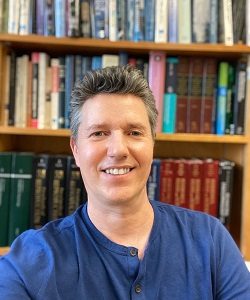
Paul D. HastingsView profile
Professor
Paul D. Hastings is a Professor of Psychology at the University of California, Davis, and former Chair of Psychology and Interim Dean of the School of Education. He directs the Healthy Emotions, Relationships and Development Laboratory (HERD Lab) at the Center for Mind and Brain (CMB) and holds affiliations with the Center for Poverty Research and Institute for Global Nutrition. His educational background includes: Ph.D. in Applied Developmental Psychology, University of Toronto M.A. in Experimental Psychology, University of Toronto B.S. in Faculty of Science, McGill University Post-doctoral training, University of Waterloo Professor Hastings' research examines developmental trajectories of physiological, social, and emotional functioning from childhood to adulthood. He investigates how cultural/socioeconomic conditions (context), family/peer relationships (nurture), and biological systems (nature) interact to shape adaptive outcomes like empathy and social competence, as well as maladaptive outcomes including depression, anxiety, and aggression. His international work spans Bangladesh, Canada, Chile, Ghana, India, Jordan, and multiple U.S. states. Recent publications reveal strong trends in adolescent mental health, physiological regulation (particularly parasympathetic activity), and pandemic impacts. Key themes include suicidal behavior prediction through inflammatory markers, prosocial development linked to physiological regulation, cross-cultural parenting effects, and socioeconomic influences on developmental psychopathology. His scientific recognition includes: Fellow of the Association for Psychological Science UC Davis Distinguished Graduate and Postdoctoral Mentorship Award (2022) Professor Hastings has secured major grants from the National Science Foundation, National Institute of Mental Health, MacArthur Foundation, and Lego Foundation. He actively mentors graduate students and leads collaborative international research projects. His lab conducts fieldwork across diverse cultural contexts to examine how structural inequities impact neurobiological development and mental health outcomes. The HERD Lab, directed by Professor Hastings, integrates psychophysiological methods with developmental science to explore how biological and social systems interact in shaping emotional and relational development across the lifespan.