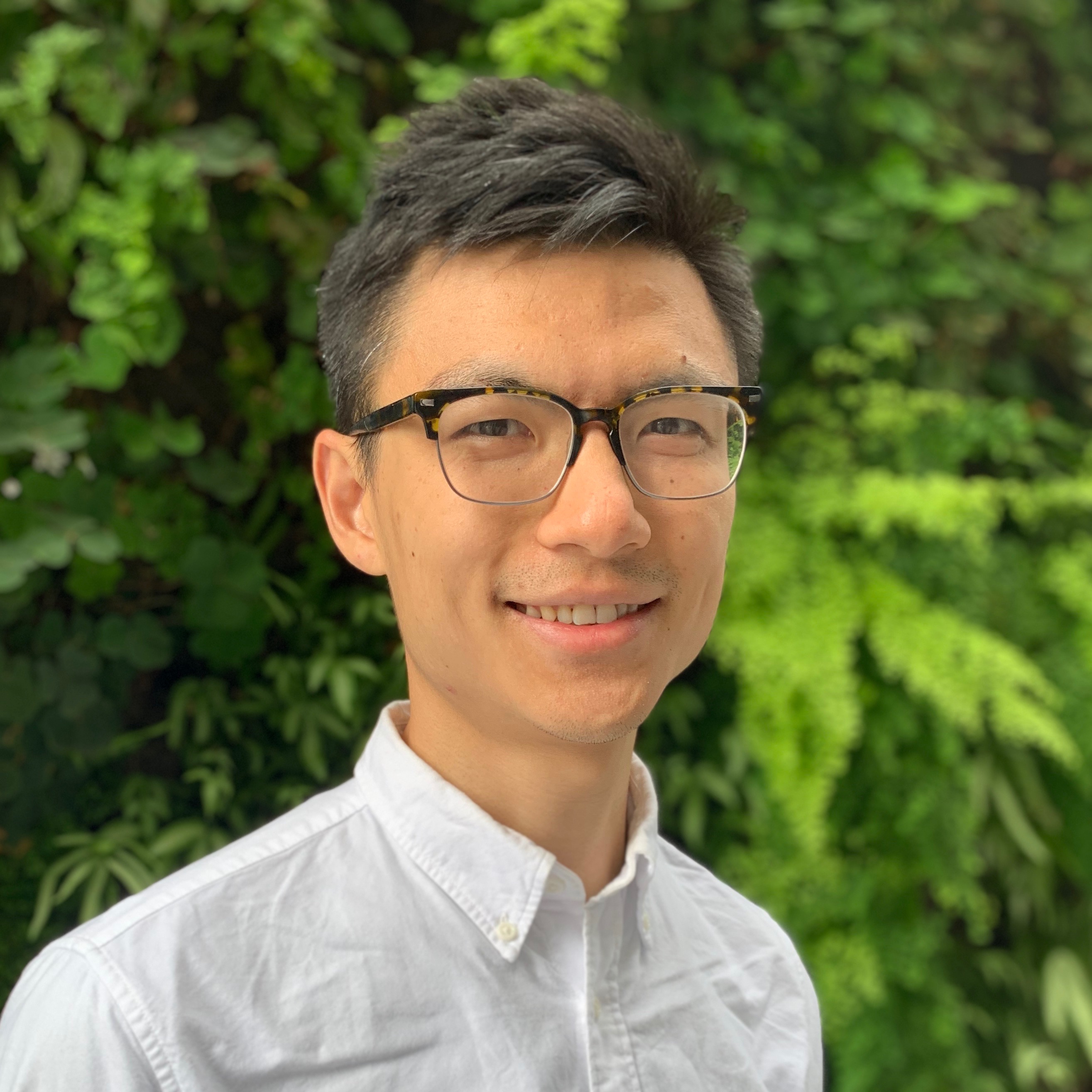
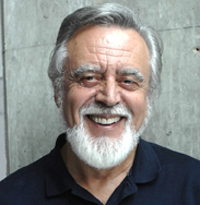
Shujian Yu is an Assistant Professor at the Department of Artificial Intelligence , part of the Faculty of Science at Vrije Universiteit Amsterdam. He is also affiliated with the Network Institute . His research focuses on Information Theory , Machine Learning , and Deep Neural Networks , with applications in causal discovery, brain network analysis, and generalization bounds. Key research interests include: Information-Theoretic Methods for ML interpretability and robustness Transfer entropy and causal inference in complex systems Feature selection and dimensionality reduction techniques Brain network-based psychiatric diagnosis (e.g., schizophrenia analysis) He teaches courses on Data Mining Techniques , Deep Learning , and Introduction to Reinforcement Learning . Recent work explores hierarchical state space models, Cauchy-Schwarz divergence applications, and Granger causality in chemical processes. His collaborations span interdisciplinary fields including neuroscience and industrial engineering. Publications emphasize theoretical foundations while addressing practical challenges in ML generalization, adversarial robustness, and sequential decision-making.
Ibrahim Ekren is an Associate Professor of Mathematics at the University of Michigan, specializing in stochastic control, PDEs, and mathematical finance. He holds a Diplôme d'Ingénieur from École Polytechnique (2009), an M.Sc. from Université Paris VI (2010), and a Ph.D. from the University of Southern California (2014). His research integrates stochastic analysis with applications in finance and machine learning, including market microstructure modeling, online learning algorithms, and high-dimensional optimization. Recent publications demonstrate a focus on quantitative finance (Kyle-Back models, liquidity effects) and machine learning (regret minimization, adversarial prediction). He actively advises doctoral students (including Lu Vy and Liwei Huang) and postdoctoral researchers. His NSF grants include DMS-2406240 (2024-2027) and DMS-2007826 (2020-2024). He serves as associate editor for Finance and Stochastics, Applied Mathematics and Optimization, and Advances in Continuous and Discrete Models.
Asim Ansari is the William T. Dillard Professor of Marketing at Columbia University’s Columbia Business School. His research focuses on Internet Recommendation Systems, Digital Customization, Social Network Modeling, and Bayesian Methods for Customer Data. He holds affiliations with the Data, Media and Society; Financial and Business Analytics; and Foundations of Data Science centers. Professor Ansari has been recognized with the Paul Green Award (1994) and the Dean’s Award for Teaching Excellence (2009). His work has been nominated for prestigious awards including the O’Dell Award and Long Term Impact Award. He serves as an Associate Editor for Management Science and Quantitative Marketing and Economics , and is on the editorial boards of Marketing Science and the Journal of Marketing Research . His research explores cutting-edge topics such as generative models for consumer behavior, probabilistic machine learning applications in marketing, and the dynamics of consumer choices. His work bridges statistical methods with real-world marketing challenges, emphasizing data-driven strategies for businesses and consumer insights.
Emmanuel Candès is the Barnum-Simons Chair in Mathematics and Statistics at Stanford University, where he is also a Professor of Statistics and, by courtesy, of Electrical Engineering. He is a member of the Institute of Computational and Mathematical Engineering at Stanford. Previously, he was the Ronald and Maxine Linde Professor of Applied and Computational Mathematics at the California Institute of Technology. His educational background includes: PhD in Statistics from Stanford University (1998) Diplome Ingenieur from Ecole Polytechnique (1993) Candès' research spans computational harmonic analysis, statistics, information theory, signal processing, and mathematical optimization with applications to imaging sciences, scientific computing, and inverse problems. His recent work focuses on conformal prediction, uncertainty quantification, and causal inference, with applications across diverse fields including genetics, machine learning, and artificial intelligence. He has made significant contributions to compressive sensing and mathematical signal processing. His recent publications demonstrate a strong focus on developing statistically rigorous methods for uncertainty quantification, particularly through conformal prediction frameworks. These works address challenges in high-dimensional statistics, machine learning validation, and causal inference across various application domains including genomics, natural language processing, and imaging sciences. His notable scientific achievements include: Alan T. Waterman Award from NSF IEEE Jack S. Kilby Signal Processing Medal (2021) Princess of Asturias Award for Technical and Scientific Research (2020) MacArthur Fellow (2017) Election to the National Academy of Sciences (2014) Election to the American Academy of Arts and Sciences (2014) Candès has served as Chair of the Statistics Department at Stanford (2016-2019) and is currently serving as Director of the Data Science Institute. His research has been supported by numerous grants from the National Science Foundation and other funding agencies. He has given over 60 plenary lectures at major international conferences across mathematics, statistics, biomedical imaging, and physics. As a leading researcher in mathematical statistics and computational mathematics, Candès maintains an active research group focusing on theoretical and applied aspects of statistical learning, signal processing, and optimization. His work bridges theoretical foundations with practical applications across scientific disciplines.
Salar Ghamat is an Associate Professor in Operations and Decision Sciences at Wilfrid Laurier University's Lazaridis School of Business and Economics, where he holds the Canada Research Chair in Business Analytics in Supply Chain. His research focuses on developing analytical frameworks for supply chain optimization, healthcare operations, and incentive design. Research interests include network coordination in multi-agent systems, game-theoretic approaches to capacity allocation, and behavioral interventions in clinical decision-making. His work frequently examines how information asymmetry affects operational efficiency across manufacturing and service industries. Publications demonstrate strong methodological diversity, combining econometric analysis with optimization models to address sustainability challenges in green supply chains and healthcare policy. Recent work explores blockchain applications for enhancing supply chain transparency while preserving consumer privacy.
Satoru Takahashi is a Professor and Provost’s Chair in the Department of Economics at the National University of Singapore (NUS), affiliated with the Institute of Operations Research and Analytics (IORA), part of NUS’s Smart Nation Research Cluster. His research focuses on Microeconomic Theory and Game Theory, particularly exploring equilibrium analysis, strategic interactions, and robustness in complex game environments. Education: PhD in Economics, Harvard University Research Interests: His work delves into advanced topics such as supermodular games, repeated games, and incomplete information scenarios. He examines how strategic complementarities, payoff uncertainties, and information structures influence equilibrium outcomes, contributing foundational insights to game theory and its applications in economics. Publications: Recent works include studies on Blackwell equilibria, robustness in supermodular games, and Nash equilibria under fat-tailed distributions, reflecting his expertise in theoretical and applied game theory. Labs/Teams: As part of IORA, he collaborates on interdisciplinary projects addressing complex decision-making challenges in the context of smart cities and national innovation strategies.
Zhang Junyu is an Assistant Professor in the Department of Industrial Systems Engineering and Management at the National University of Singapore (NUS). He is affiliated with the Institute of Operations Research and Analytics (IORA), part of NUS’s Smart Nation Research Cluster. His research focuses on optimization algorithms, reinforcement learning, and machine learning, with particular expertise in stochastic optimization, decentralized systems, and convex/non-convex analysis. Key research areas include first-order methods for saddle point problems, variance reduction techniques in stochastic optimization, and policy search in continuous control. His work bridges theoretical foundations (e.g., complexity bounds, convergence guarantees) with practical applications in reinforcement learning and distributed systems. Zhang has contributed extensively to publications on primal-dual algorithms, temporal difference learning with deep neural networks, and multi-agent reinforcement learning frameworks. His research emphasizes algorithmic efficiency and robustness, with applications in areas like decentralized actor-critic methods and off-policy learning in constrained Markov decision processes. No scientific awards or grants are explicitly mentioned in the provided text. His academic contributions are centered around advancing optimization theory and its intersections with machine learning, particularly in high-dimensional and non-convex problem domains.
Steven Wu is an Assistant Professor in the School of Computer Science at Carnegie Mellon University, with a primary appointment in the Software and Societal Systems Department and affiliations in the Machine Learning Department, Human-Computer Interaction Institute (HCII), CyLab, and the Theory Group. His research focuses on algorithms and machine learning, particularly in responsible AI, privacy, bias, and uncertainty. He has received funding from NSF CAREER, Okawa Foundation, Amazon, Google, and others. Research Interests: Foundations of responsible AI (privacy, bias, uncertainty) Interactive learning (imitation, reinforcement learning) Causal inference, game theory, econometrics, and language modeling Grants and Awards: NSF CAREER Award Okawa Foundation Award Amazon Research Award Google Faculty Research Award J.P. Morgan Faculty Awards Advising: Supervises PhD, master's, and undergraduate students across multiple programs, with notable alumni now at Amazon, Stanford, Tsinghua, and others. Leads the Tartan Federer team, which won all four tracks of The Vector Institute's MIDST challenge in 2025. Labs and Collaborations: Active in CyLab (CMU's cybersecurity institute) and the Theory Group, focusing on privacy-preserving machine learning and algorithmic fairness.
Dimitri Bertsekas is the Jerry Mcafee (1940) Professor in Engineering at the Massachusetts Institute of Technology. His research focuses on optimization, game theory, systems, networking, control, and autonomy. He works within the Laboratory for Information and Systems Decisions. His recent publications demonstrate a strong emphasis on reinforcement learning, dynamic programming, and algorithmic solutions for complex systems. Work spans applications in robotics, transportation optimization, computer vision, game AI, and knowledge systems. Common themes include multi-agent coordination, real-time decision-making under uncertainty, and scalable computational methods. Bertsekas contributes to both theoretical frameworks and practical implementations, with innovations in auction algorithms, rollout methods, and model predictive control integration.
Ali Aouad is an Associate Professor at MIT Sloan School of Management, joining in 2024 as part of its new faculty. Previously, he held an Associate Professor position at London Business School (LBS). His research bridges operations, computer science, and economics, focusing on algorithms and decision processes applied to supply chain management, market design, digital platforms, and public sector operations. Education: PhD in Operations Research from MIT, MS and BS in Applied Mathematics from École Polytechnique (Paris). Professional experience includes roles as an applied scientist at Uber’s Marketplace (2017–2018) and strategic consulting at Boston Consulting Group (Paris and Casablanca). Research interests emphasize algorithms for dynamic matching, choice modeling, and public policy applications. Notable awards include the 2023 Poets & Quants Best 40-Under-40 Professors recognition, a 2023 ERC Starting Grant (£1.1M), and multiple INFORMS awards. He currently serves as an associate editor for Operations Research and Management Science . Recent work includes studies on food subsidy impacts, cultural institution layout optimization, and stochastic matching frameworks. His research often integrates machine learning techniques with operational decision-making challenges in both private and public sectors. Grants and collaborations highlight interdisciplinary efforts, such as the ERC-funded project on pathway operations in museums. Teaching accolades include multiple best teacher awards at LBS.
Haizhou Yang is a Postdoctoral Research Fellow in the Department of Biomedical Engineering at the University of Michigan. His work focuses on multi-fidelity computational modeling, optimization techniques, and their applications in biomedical engineering and robotics. Key research areas include microfluidic device design, machine learning integration with physical models, and surrogate-based optimization methodologies. His research combines advanced computational techniques such as neural networks, Bayesian optimization, and reduced-order modeling to address challenges in medical imaging, cardiovascular diagnostics, and industrial design. Notable projects include developing GPU-accelerated microfluidic gradient generators and low-cost robotics positioning systems. Yang's publications span topics from coronary angiography analysis to washing machine design optimization, demonstrating a strong interdisciplinary approach. His work emphasizes efficiency through adaptive sampling and surrogate modeling strategies. While no awards or advisory roles are explicitly listed, his contributions highlight innovative solutions in computational engineering and biomedical applications.
Feng Gu is a Professor of Computer Science at The College of Staten Island, CUNY, and a doctoral faculty member at The Graduate Center, CUNY. He holds a BS in Mechanical Engineering from China University of Mining and Technology, MS in Information Systems from Beijing Institute of Machinery, and MS/PhD in Computer Science from Georgia State University. His research focuses on Modeling and Simulation , Complex Systems , High Performance Computing , and Bioinformatics . Notable contributions include work on wildfire spread simulation, particle filters, and machine learning applications in healthcare and genomics. Recent grants include a $563,411 NSF grant for crime analysis and a $40,000 CUNY-IRG grant for obesity modeling. He has received awards such as the TMS/DEVS 2018 Best Paper Award and the 2018 Emerald Literati Award. His work bridges computational methods with real-world challenges in environmental science, cybersecurity, and social policy. Professional activities include serving as a reviewer for journals like IEEE Transactions and conferences like Winter Simulation Conference . He has organized sessions at events such as the International Conference on Cloud Computing and Big Data Analysis (ICCCBDA).
Ronald MacLaren is Professor of Biology at Merrimack College, conducting interdisciplinary research at the intersection of animal behavior, evolutionary biology, and conservation. His dual affiliation with the Blue Ocean Society for Marine Conservation drives fieldwork on marine mammal behavior in the Gulf of Maine while mentoring undergraduate researchers through whale-watch vessel studies. His educational foundation includes: Ph.D. in Ecology and Evolutionary Biology from Indiana University B.A. in Biology from University of Maine, Farmington MacLaren's research program integrates ethological, evolutionary, and ecological approaches to investigate behavioral mechanisms in fishes and marine mammals. Primary focus areas include sexual selection dynamics in Poeciliid fishes (examining female mate choice, aggression, and visual signaling), marine mammal conservation in the Gulf of Maine ecosystem, and emerging ecotoxicology studies on pharmaceutical impacts. His work bridges laboratory experiments with field observations to address fundamental questions about behavioral evolution and anthropogenic environmental change. Analysis of his 15 most recent publications reveals consistent investigation of sexual selection mechanisms in fish, with increasing emphasis on environmental contaminants since 2016. The research demonstrates methodological rigor across controlled lab experiments (Poeciliid mate choice) and field ecology (whale behavior), showing particular expertise in dissecting visual signal function and female preference evolution. Recent work critically examines how human-introduced pollutants disrupt natural behavioral patterns. His research impact is recognized through sustained institutional support: Faculty Development Grants (2009, 2011-2015, 2017-2019) Center for Excellence in Teaching and Learning/Davis Grant (2015-2016) Paul E. Murray Fellowships (2011, 2016) Provost Innovation Fund Grants (2012-2015, 2018) MacLaren actively develops undergraduate research capacity through direct mentorship at Merrimack College and competitive Blue Ocean Society internships. His whale-watch naturalist role transforms commercial vessels into floating classrooms, generating original datasets while training students in marine mammal observation protocols. This model exemplifies community-engaged science that advances conservation through public education. As associate scientist with the Blue Ocean Society, he leads summer field operations collecting behavioral metrics on cetaceans in Stellwagen Bank National Marine Sanctuary. The program maintains long-term monitoring of population dynamics while developing innovative techniques for non-invasive behavioral assessment in open-ocean environments.
Susan M. Sanchez is a Distinguished Professor at the Naval Postgraduate School (NPS) in Monterey, California, and Co-Director of the SEED Center for Data Farming. She holds a Ph.D. in Operations Research from Cornell University (1986). Her academic career includes roles at the University of Arizona and the University of Missouri-St. Louis, as well as a visiting scholar position at INSEAD in France. Her research focuses on design of experiments, data-intensive statistics, and robust selection, with applications in military operations, healthcare, and manufacturing. She has authored over 80 publications and secured grants from the National Science Foundation and U.S. Department of Defense agencies. Key achievements include the 2013 INFORMS Military Application Society’s Koopman Prize, INFORMS Fellow designation (2017), and Titan of Simulation (2016). She co-founded the SEED Center, advancing simulation experiments and data farming for decision-making. She has advised over 50 students and served on thesis committees, with notable contributions to funded projects like 'Resources to Readiness' (U.S. Marine Corps) and 'Enhancing STORM Analytic Utility' (U.S. Navy). Her work spans logistics, energy systems, and unmanned vehicle analysis, with a focus on operational efficiency and resilience. Professional affiliations include INFORMS Simulation Society, Military Operations Research Society, and NATO Science & Technology Organization. The SEED Center and MOVES Institute collaborations underscore her commitment to interdisciplinary research.
EL KHALFI Zeineb is a Researcher-Lecturer at the CESI Bordeaux Campus, part of the Engineering and Numerical Tools research team. She holds a PhD from the University of Paul Sabatier (Toulouse) and the Higher Institute of Management of Tunis (2017), focusing on lexicographic refinements in possibilistic decision-making models. Her academic background includes a Master's in Data Mining and Knowledge Management (Polytech Nantes, 2014) and another in IT and Knowledge Management (Higher Institute of Management of Tunis, 2014). Education: PhD: University of Paul Sabatier and Higher Institute of Management of Tunis (2017) Master's: Polytech Nantes (Data Mining, 2014) Master's: Higher Institute of Management of Tunis (IT and Knowledge Management, 2014) Research Interests: Artificial Intelligence and Decision Support Systems Smart Mobility Solutions: Free-Floating and Shared Micro-Mobility Data Mining in Uncertain Environments Urban Transportation Optimization Her work bridges theoretical advancements in possibilistic decision models and practical applications in smart city technologies. Research Trends: Recent publications emphasize optimizing micro-mobility systems (e.g., dock-based rebalancing, spatio-temporal demand forecasting) and advancing sequential decision-making frameworks under uncertainty. Earlier work pioneered lexicographic refinements in possibilistic MDPs and decision trees, addressing complex decision scenarios in uncertain domains. Advising & Grants: No formal advisees listed, but collaborative projects focus on mobility innovation. Active participation in interdisciplinary research teams at CESI. Labs/Teams: Member of the Engineering and Numerical Tools research group at CESI, specializing in computational tools for urban and industrial challenges.