California Institute of Technology (Caltech)United States
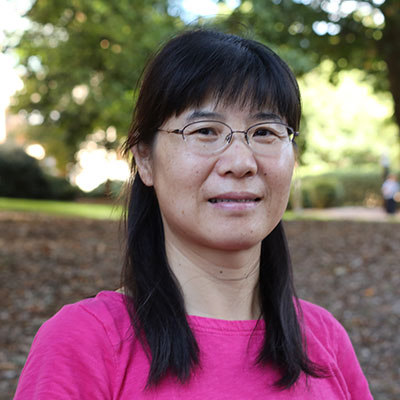
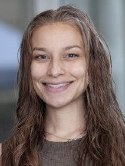
Shasha Chong is an Assistant Professor of Chemistry at the California Institute of Technology and a Ronald and JoAnne Willens Scholar. She earned her B.S. from the University of Science & Technology of China (2008) and Ph.D. from Harvard University (2014). Her research bridges chemistry, physics, and biology to investigate the molecular mechanisms of cellular processes, focusing on intrinsically disordered regions (IDRs) in transcription proteins. Research Focus: IDRs in transcriptional regulation, cancer biology, liquid-liquid phase separation, and single-molecule imaging techniques. Grants & Awards: CCE Innovation Award (2024), ALSF Innovation Grant, Mallinckrodt Research Grant, Margaret E. Early Medical Research Trust Grant. Collaborations: Caltech-City of Hope Biomedical Research Initiative Grant (2025). Teaching: Co-instructor for courses like Biochemistry Laboratory (Ch 11) and Advanced Topics in Biochemistry (BMB/Bi/Ch 174). Labs & Teams: Leads the Chong Laboratory at Caltech, focusing on interdisciplinary approaches combining single-molecule imaging, genome editing, and bioinformatics.
Pedro A Hermida de Viveiros, MD serves as an Assistant Professor in the Department of Medicine, Division of Hematology and Oncology at Northwestern University's Feinberg School of Medicine. His clinical practice focuses on solid tumor oncology with specialized expertise in sarcomas and precision medicine approaches. His research interests center on clinical development of novel therapeutic strategies for sarcomas and gastrointestinal stromal tumors (GIST), emphasizing biomarker-driven treatments and molecularly targeted therapies. Key areas include IDH1-mutant chondrosarcoma management, neoadjuvant response assessment in sarcomas, and immunotherapy-radiotherapy combinations for metastatic disease. Analysis of his recent publications reveals a consistent focus on translating molecular targets into clinical applications, particularly through phase 1-3 trials of targeted agents like ivosidenib and IDRX-42. His work bridges radiological assessment, pathological response, and precision oncology frameworks for rare solid tumors. Professional engagements include active membership in major oncology societies: American Society of Clinical Oncology (ASCO) Connective Tissue Oncology Society (CTOS) Sociedade Brasileira de Oncologia Clínica (SBOC) European Society for Medical Oncology (ESMO) He currently leads four active clinical trials through the Robert H. Lurie Comprehensive Cancer Center, including the CHONQUER phase 3 study of ivosidenib for IDH1-mutant chondrosarcoma and first-in-human trials of novel agents for advanced solid tumors and GIST. His work integrates translational research with clinical trial design to advance personalized treatment paradigms.
University of North Carolina at Chapel HillUnited States
Xiaodong Wang is a Professor at the Center for Integrative Chemical Biology and Drug Discovery within the Eshelman School of Pharmacy at the University of North Carolina at Chapel Hill. His research program focuses on developing innovative drug leads and candidates targeting novel protein kinases and other molecular targets identified by UNC faculty and external investigators. Dr. Wang's research interests center on structure- and ligand-based drug design approaches for developing therapeutic compounds, particularly kinase inhibitors targeting the TAM family (TYRO3, AXL, MERTK). His laboratory has successfully applied these methodologies to deliver compounds to clinical trials, including MerTK inhibitors and IDH1 inhibitors developed in collaboration with NCATS. Current research continues to focus on structure-based drug design for novel targets, with particular emphasis on cancer therapeutics and molecular imaging agents. Analysis of Dr. Wang's recent publications (2023-2025) reveals a strong focus on developing selective kinase inhibitors, particularly targeting the TAM receptor family (TYRO3, AXL, MERTK) for various cancer types including leukemia, Ewing sarcoma, and melanoma. His work spans multiple disciplines including medicinal chemistry, cancer biology, immunology, and molecular imaging, with recent publications appearing in high-impact journals such as Journal of Medicinal Chemistry, Nature Communications, and Leukemia. Dr. Wang maintains active collaborations across UNC-Chapel Hill and with external institutions, working with researchers in pharmacology, oncology, immunology, and structural biology. His laboratory develops both small molecule inhibitors and imaging agents, with several compounds progressing toward clinical applications. Contact information: xiaodonw@email.unc.edu | Wang Lab website
Andrew T Arndt, MD is a Clinical Assistant Professor in the Department of Surgery specializing in Thoracic Surgery at Northwestern University's Feinberg School of Medicine. Board certified by the American Board of Thoracic Surgery, he maintains clinical practice at Northwestern Medicine Central DuPage Hospital and holds active memberships in the Society of Thoracic Surgeons (2023-present) and American Board of Thoracic Surgery (2022-present). His research concentrates on advancing thoracic surgical oncology through investigations into lung cancer resection outcomes, chest wall tumor management, minimally invasive techniques, and pneumothorax recurrence factors. Current work emphasizes evidence-based risk stratification and surgical innovation to improve patient outcomes in complex thoracic pathologies. Recent publications demonstrate consistent focus on surgical registry analysis (2021), consensus development for thoracoscopic training (2021), systematic reviews of rare chest wall malignancies (2023), and identification of lifestyle-related recurrence risks (2021). This trajectory highlights growing contributions to thoracic surgical guidelines and evidence-based practice standards. Dr. Arndt serves as a consultant for Intuitive Surgical, Inc. (2024 disclosures) while maintaining active clinical and academic roles. No formal advisees or research grants are listed in current profile materials. Within Northwestern's Department of Surgery, he contributes to the Thoracic Surgery division's clinical and research missions, particularly in advancing minimally invasive approaches and multidisciplinary management of complex thoracic conditions through collaborative registry studies and consensus initiatives.
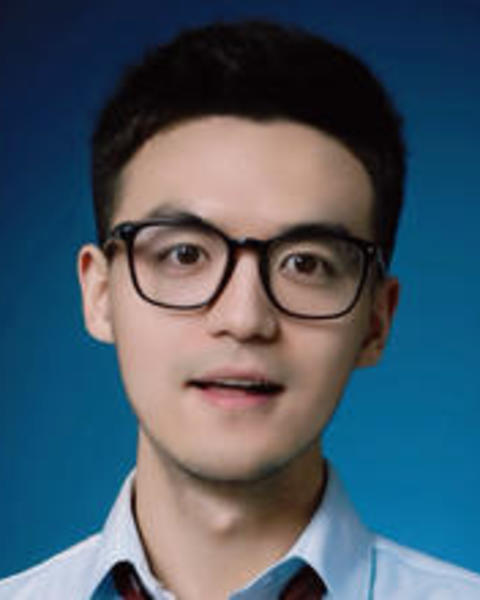
Xiaofeng Liu is an Assistant Professor at Yale University School of Medicine in the Departments of Radiology & Biomedical Imaging and Biomedical Informatics & Data Science. He is also an Associate Member at the Broad Institute of MIT and Harvard. Previously, he held faculty positions at Harvard Medical School and research roles at Massachusetts General Hospital and Beth Israel Deaconess Medical Center. PhD in Mechatronics from University of Chinese Academy of Sciences Dual Bachelor's degrees in Automation (Wang-Daheng Elite Class) and Communication from University of Science and Technology of China His research integrates trustworthy AI, medical imaging, and data science to improve diagnosis, prognosis, and treatment monitoring for neurological disorders, cancer, and cardiovascular diseases. Key focus areas include domain adaptation techniques, diffusion models, and interpretable AI systems. Led special issues in IEEE Transactions on Pattern Analysis and Medical Image Analysis Developed novel frameworks like Ordinal UDA and Memory-Consistent Adaptation Scientific accolades include the Trailblazer R21 Award (NIBIB), OpenAI Research Award, and National Artificial Intelligence Research Resource Pilot Award. He serves as Associate Editor for IEEE Transactions on Neural Networks and Learning Systems and actively contributes to MICCAI and NIH review panels. His lab at Yale (XLiu Lab) investigates neural basis of intelligence to inspire AI development, with applications in brain tumor segmentation, cardiac imaging, and cross-modal medical diagnostics.
Alexander Nikitin is a Professor of Pathology at Cornell University's College of Veterinary Medicine, Department of Biomedical Sciences. His research focuses on molecular mechanisms linking tissue homeostasis to cancer development using autochthonous mouse models. Key Affiliation: Cornell University, Ithaca, NY Research Niche: Cancer-prone stem cell niches in female reproductive tract and prostate Research Interests Dr. Nikitin investigates how aberrations in p53/miR-34/MET and Rb networks drive malignant transformation of adult stem cells. His work includes: Identification of ovarian surface epithelium stem cell niche Technology-oriented cross-disciplinary collaborations Characterization of cancer initiation mechanisms in reproductive tissues Article Trends His publications span 2003–2025, emphasizing: Mouse models for epithelial cancers Role of tumor suppressor genes (p53, Rb) in cancer miR-34 family's tumor suppression functions Stem cell niche mapping in reproductive tract cancers Genetic drivers of high-grade serous carcinomas Translational research applications Lab Members Current lab personnel include: Andrea Flesken-Nikitin (Assistant Research Professor) Christopher Ashe (Research Support Specialist) Technicians and student researchers
Prof. Ajay Puri serves as Chief of Orthopaedic Oncology and Professor & Head of Surgical Oncology at Tata Memorial Centre. He holds leadership positions including President of the Indian Musculoskeletal Oncology Society, President Elect of the Asia Pacific Musculoskeletal Tumor Society, and past Chairman of the Indian Orthopaedic Association (Oncology). His research integrates clinical, biomedical, and basic science approaches to musculoskeletal tumors. Key contributions include developing low-cost indigenous megaprostheses widely adopted across Asia and Africa, pioneering biological reconstruction techniques after oncologic resection, and leading the International Sarcoma Kindred Study (ISKS) to investigate sarcoma genetics. His work bridges innovative surgical solutions with resource-limited healthcare settings. With over 100 publications and numerous book chapters, he shapes discourse in orthopaedic oncology through editorial roles at Bone & Joint-360, Sarcoma, and Frontiers in Orthopedic Surgery. As principal investigator for multiple studies, he drives translational research while mentoring through institutional frameworks at Tata Memorial Centre.
Memorial Sloan Kettering Cancer CenterUnited States
Cristina R. Antonescu, MD is the Director of Soft Tissue and Bone Pathology at Memorial Sloan Kettering Cancer Center , affiliated with the Gerstner Sloan Kettering Graduate School of Biomedical Sciences. Her research focuses on the genomic investigation of pediatric and young adult mesenchymal tumors , particularly Novel gene fusion discovery Translocation-associated sarcoma pathogenesis CRISPR-Cas9 engineered models Molecular characterization of kinase fusions Her publications from 2018-2020 highlight breakthroughs in undifferentiated sarcomas , epithelioid hemangioendothelioma , and lipofibromatosis-like neural tumors , revealing key relationships between genetic drivers and clinical outcomes. Research grants include SPORE in Soft Tissue Sarcoma (2018-2023) and Cycle for Survival funding (2018-2021). Contact: antonesc@mskcc.org | Office: 212-639-5721
Dr. Richard H. Wiggins serves as Professor of Radiology and Imaging Sciences at the University of Utah School of Medicine, where he also holds the position of Associate Dean of Continuing Medical Education. He maintains adjunct professorships in Otolaryngology, Head and Neck Surgery, and Biomedical Informatics. His educational background includes a BA in Biochemistry from the University of Texas at Austin and an MD from the University of Texas at Houston Health Sciences Center, followed by specialized training at the University of Florida and University of Utah. Dr. Wiggins's research spans neuroradiology, biomedical informatics, and medical education innovation. His work explores advanced imaging techniques for head and neck pathologies, PET-CT applications in oncology, and the development of novel educational platforms like the RadDiscord community. He maintains particular expertise in temporal bone imaging, paragangliomas, and thyroid nodule classification systems. Analysis of his recent publications shows strong emphasis on: (1) optimizing oncologic imaging protocols, especially PET-CT applications across cancer types; (2) advancing head and neck radiology through volumetric analysis and radiomics; and (3) transforming radiology education via gamification and digital communities. His scientific honors include: Distinguished Teaching Award (Otolaryngology, University of Utah) Honored Educator Award (Radiological Society of North America) Inaugural Fellow, Academy of Health Science Educators 25th Fellow of the Society of Imaging Informatics in Medicine Fellow of the American College of Radiology He leads the Utah Head and Neck Imaging Center of Excellence, which includes an educational YouTube channel (@UHNICE). While specific grants aren't detailed, his extensive lecture record (600+ presentations) and leadership roles in professional societies like SIIM (Program Chair 2014-2020), ASHNR (Past President), and WNRS (Past President) demonstrate significant academic influence.
Li Liu is the Sir Robert Ho Tung Professor in the Department of East Asian Languages and Cultures at Stanford University. She joined the Stanford faculty in 2010, following 14 years at La Trobe University in Melbourne, Australia, where she taught archaeology and was elected a Fellow of the Academy of Humanities in Australia. Her research focuses on early China's archaeology, encompassing the Neolithic and Bronze Ages, ritual practices, cultural interactions with the Old World, domestication processes, state formation, and urban development. She holds a B.A. in Archaeology from Northwestern University (Xi'an), an M.A. in Anthropology from Temple University (Philadelphia), and a Ph.D. in Anthropology from Harvard University (1994). Dr. Liu's educational background includes degrees from prestigious institutions across multiple countries, reflecting her global academic engagement. Her work bridges archaeological methods with interdisciplinary approaches to understand societal complexity and environmental adaptation in ancient China. Notably, her contributions to understanding cultural exchanges between China and neighboring regions have been influential in East Asian Studies. Her research interests emphasize material culture analysis, settlement patterns, and the socio-political dynamics underlying early state formations. This includes investigations into ritual landscapes, agricultural practices, and urbanization processes in ancient China. Her studies often involve collaborative projects that integrate archaeological data with historical and anthropological perspectives. Dr. Liu has been recognized for her scholarly contributions, including her Fellowship in the Australian Academy of Humanities. Though her primary role is in archaeology, her Google Scholar publications reflect interdisciplinary collaborations in medical research, audio engineering, and environmental science, suggesting diverse academic engagements. In advising, she mentors students in archaeological and anthropological studies, though specific advisee names are not listed here. Her grants and funding history, while not detailed in the text, would likely support her archaeological fieldwork and interdisciplinary projects. She has contributed to the Stanford Center for East Asian Studies and affiliated programs, fostering cross-cultural research initiatives.
Dr. Megan Anderson is Associate Professor of Orthopedic Surgery at Harvard Medical School and Director of the Orthopedic Oncology Program at Boston Children's Hospital. She completed her MD at University of Florida College of Medicine (1998), residency at Cleveland Clinic Foundation, and fellowship at Harvard-affiliated hospitals (2004). Her clinical practice focuses on bone tumors and sarcomas in pediatric and young adult populations. Research examines surgical outcomes in bone cancer treatment, particularly limb-salvage techniques and reconstruction complications. Recent publications analyze cost-effectiveness of preventive interventions in metastatic bone disease. Leads multidisciplinary collaborations through the Bone and Soft Tissue Tumors Program. Active in Musculoskeletal Tumor Society and Children's Oncology Group.
Andrew Godwin is a Professor at the University of Kansas Medical Center , where he serves as the Chancellor’s Distinguished Chair in Biomedical Sciences and Director of Molecular Oncology in the Department of Pathology and Laboratory Medicine. He is also the Deputy Director of the NCI-designated University of Kansas Cancer Center and the Founding Director of the Kansas Institute for Precision Medicine and Biospecimen Shared Resource . Dr. Godwin is a leader in translational research and precision medicine , with a focus on molecular oncology , biomarker discovery , and genomic diagnostics . His work bridges basic and clinical science to improve cancer patient care, particularly in ovarian cancer , Ewing sarcoma , and breast cancer . He has contributed over 230 ovarian cancer-related publications and pioneered studies linking the PI3K/AKT pathway to cancer treatment targets. His research program encompasses liquid biopsies using extracellular vesicles , molecular therapeutics , companion diagnostics , and clinical trial validation . He leads the Biomarker Discovery Laboratory and has secured over $250M in extramural funding , including a $11.4M NIH grant for precision medicine initiatives. His team has developed CELLSEARCH® , the first FDA-cleared test for circulating tumor cells. Notable awards include the Dolph C. Simons, Sr. Higuchi Award (2020), Outstanding Mentorship in Pathology Award (2024), and multiple mentoring accolades from KU. He has mentored over 150 trainees across career stages and leads a multidisciplinary lab with expertise in genomics , proteomics , and bioengineering . Academic Roles: Chancellor’s Distinguished Chair in Biomedical Sciences Director, Molecular Oncology, Pathology and Laboratory Medicine Deputy Director, KU Cancer Center Founding Director, Kansas Institute for Precision Medicine Adjunct Professor, Bioengineering Program, University of Kansas Scientific Awards: KUMC Achievement Award for mentoring postdocs (2014) Chancellor’s Club Award for Research (2018) Dolph C. Simons, Sr. Higuchi Award (2020) KU Excellence in Mentoring Award (2021) Outstanding Mentorship in Pathology (2024) Key Research Themes: Extracellular vesicles as liquid biopsy tools Molecular mechanisms of sarcoma and breast cancer Genomic diagnostics and precision oncology Clinical trial biomarker validation Biospecimen repository leadership
Mayo Clinic College of Medicine and ScienceUnited States
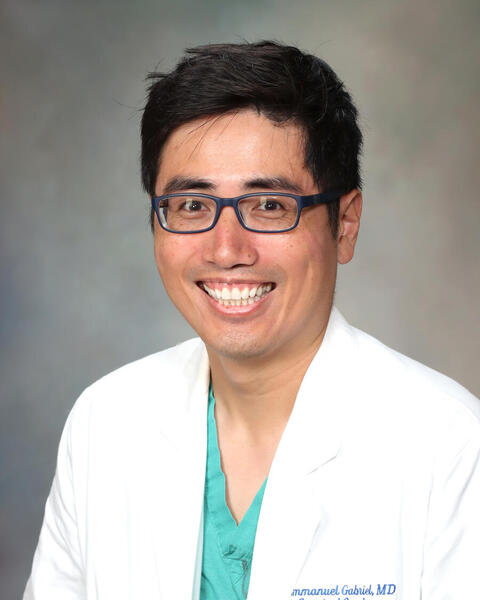
Emmanuel M. Gabriel, M.D., Ph.D., serves as Associate Professor of Surgery and Consultant in the Department of Surgery at Mayo Clinic in Jacksonville, Florida. He directs clinical and research activities within the Mayo Clinic Comprehensive Cancer Center, specializing in surgical oncology for breast cancer, melanoma, sarcoma, and gastrointestinal malignancies requiring advanced regional therapies like HIPEC. His dual MD/PhD training uniquely positions him at the intersection of immunology research and complex cancer surgery. Dr. Gabriel's educational trajectory includes: MD/PhD in Immunology, Robert Wood Johnson Medical School (2009), thesis on regulatory T cells and cancer vaccines BA in Biology/Economics with Chemistry/Mathematics minors, Drew University (2002), Summa Cum Laude Residency and Administrative Chief Residency, UT Health San Antonio Department of Surgery Fellowship in Complex General Surgical Oncology, Roswell Park Cancer Institute His research program integrates two critical cancer domains: pioneering tumor imaging techniques to visualize immune-tumor interactions during surgery, and identifying systemic barriers in cancer care delivery through health disparities research. These efforts aim to personalize immunotherapy selection and develop equitable care pathways for underserved populations. Dr. Gabriel's scientific contributions are recognized through: Faculty Teacher of the Year awards from Mayo Clinic Department of Surgery (2022) Multiple Young Surgeon Research Awards from American College of Surgeons (2016) E. Douglas Holyoke Award as Outstanding Surgical Oncology Fellow (2016) Ongoing service as grant reviewer for national cancer organizations As an educator, he mentors surgical trainees through Mayo's integrated residency programs while leading translational research in the David F. and Margaret T. Grohne Cancer Immunology Program. His clinical practice directly informs research priorities, maintaining a continuous bench-to-bedside-to-community feedback loop. Dr. Gabriel's laboratory operates within Mayo Clinic's NCI-designated cancer center infrastructure, utilizing advanced imaging core facilities and population health resources to advance both immunotherapy development and health equity initiatives.
Elliot A. Asare, MD, MS, CMQ, FACS serves as Assistant Professor in the Section of Surgical Oncology within the Division of General Surgery at the University of Utah. He specializes in cutaneous malignancies and sarcomas of the retroperitoneum and soft tissues, practicing clinically at both Huntsman Cancer Institute and Intermountain Healthcare Center in Murray. His educational trajectory includes: Phi Beta Kappa graduate with B.S. in Biology and Chemistry (double major) from Randolph-Macon College M.D. from Howard University College of Medicine (Alpha Omega Alpha inductee) General Surgery residency at Medical College of Wisconsin Affiliated Hospitals M.S. in Health Services and Outcomes Research from Northwestern University Complex General Surgical Oncology fellowship at University of Texas MD Anderson Cancer Center Dr. Asare's research program centers on cancer staging methodology, data quality enhancement, prognostication frameworks, and outcomes research with emphasis on health disparities. His work integrates large-scale database analyses (SEER, National Cancer Data Base) to refine AJCC staging systems while addressing inequities in melanoma and sarcoma care across elderly, minority, and rural populations. Recent investigations explore sentinel lymph node biopsy efficacy in aging patients and viral infection impacts on melanoma mortality. His 2023-2025 publications reveal three dominant themes: (1) AJCC Version 9 implementation across multiple cancer types (anal, appendiceal, neuroendocrine), (2) persistent disparities in skin cancer outcomes linked to demographic and geographic factors, and (3) telehealth applications for expanding surgical oncology access. These studies consistently leverage national datasets to validate staging systems while identifying structural barriers to equitable care. Professional recognition includes: Phi Beta Kappa honor society membership Alpha Omega Alpha Medical Honor Society induction Fellowship in the American College of Surgeons (FACS) Dr. Asare actively contributes to surgical oncology education through The SCORE Portal as item writer for soft tissue neoplasm assessments and via publications on medical education frameworks. His institutional affiliations with Huntsman Cancer Institute and Intermountain Healthcare provide platforms for multidisciplinary sarcoma and melanoma management, where he integrates evidence-based staging protocols with patient-centered surgical approaches as evidenced by consistently high patient satisfaction scores (4.9/5 from 166 reviews).
Memorial Sloan Kettering Cancer CenterUnited States
Lauren Baker Banks is a Clinical Assistant Professor in the Department of Medicine at Memorial Sloan Kettering Cancer Center (MSK). She is affiliated with the Hematology-Oncology Fellows and Graduate Medical Education (GME) programs, and her research focuses on sarcoma biology and immune checkpoint blockade (ICB) therapies. Affiliations: Hematology-Oncology Fellows, Graduate Medical Education (GME), Department of Medicine, Solid Tumor Oncology Division, Division of Hematologic Malignancies Co-authors: Sandra D'Angelo, Ciara Kelly, Evan Rosenbaum, Jason Chan, Mark Dickson, Mary Keohan Her work spans clinical trials in leiomyosarcoma, dedifferentiated liposarcoma, and other sarcomas, with a focus on combination therapies involving PARP inhibitors, PD-1 inhibitors, and STING agonists. Recent studies analyze biomarkers like T cell phenotype and tumor microenvironment subtypes to predict ICB outcomes. Lauren's publications include contributions to Journal for ImmunoTherapy of Cancer , Annals of Oncology , and Journal of Clinical Oncology , with a strong emphasis on translational research linking immunology to sarcoma treatment. She has collaborated with key researchers in oncology and immunotherapy, including Evan Rosenbaum and Ciara Kelly. Her research activities align with histology-specific clinical trials and multidisciplinary approaches for extremity soft tissue sarcomas, highlighting the integration of targeted therapy, immunotherapy, and genomic profiling in advancing sarcoma care.