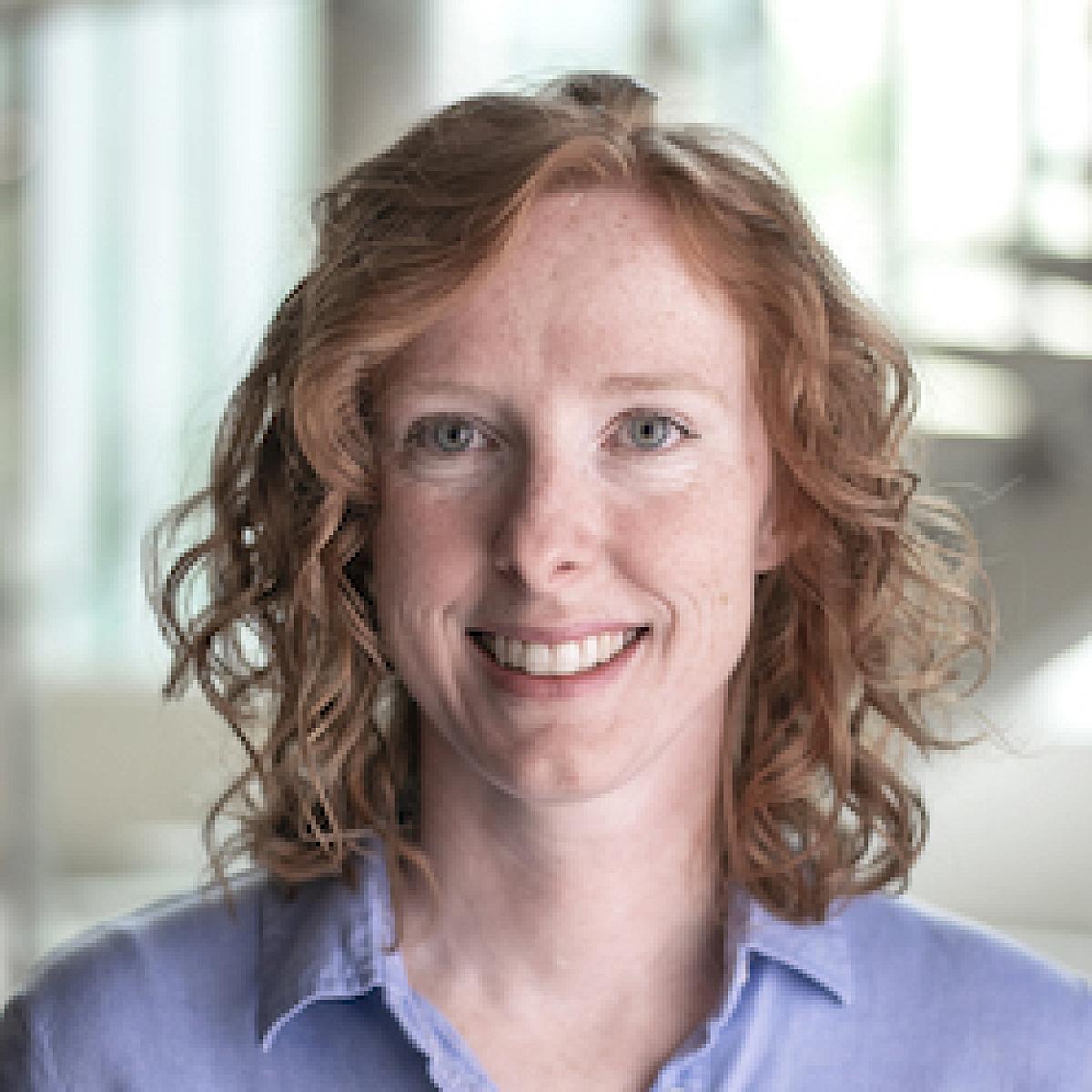
Ejung Moon is a Group Leader in Radiation Biology and the Tumour Microenvironment at the Department of Oncology, University of Oxford's Medical Sciences Division. Her research focuses on hypoxia-driven tumor progression and radiation response mechanisms. Education: PhD in Pharmacology and Cancer Biology from Duke University Training: Postdoctoral work with Amato Giaccia at Stanford University Research Interests: Elucidating how hypoxia-induced MAFF protein regulates tumor cell invasion, metastasis, and radiation resistance through antioxidant response pathways. Current work explores MAFF dimerization dynamics and metabolic reprogramming in hypoxic tumors. Scientific Contributions: Identified MAFF's role in radiation-induced antioxidant gene regulation (2021, Nature Communications ). Recent studies investigate iron metabolism's impact on FLASH radiotherapy effects. Scientific Awards: Breast Cancer Research Program (BCRP) predoctoral fellowship Laboratory & Collaborations: Moon Lab collaborates with Oxford Cancer and NHS Cancer and Haematology Centre. Key partnerships include Stanford University's radiobiology research groups.
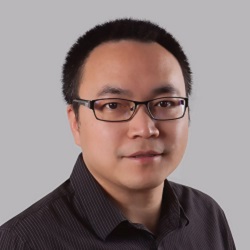
Zhe Ji is an Assistant Professor in the Department of Biomedical Engineering at McCormick School of Engineering and the Department of Pharmacology at Feinberg School of Medicine, Northwestern University. His research integrates computational and experimental genomics to study gene transcription and RNA translation in cell fate commitment and oncogenic processes, aiming to develop precision medicine strategies. **Education**: Postdoctoral Fellow in Cancer Systems Biology, Harvard Medical School Postdoctoral Fellow in Computational Biology, Broad Institute of MIT and Harvard Ph.D. in Computational Genomics, Rutgers University B.S. in Biotechnology, Nanjing University, China **Research Focus**: Keywords include Data Science, Computational Biology, Functional Genomics, RNA, Cancer, Inflammation, and Machine Learning. The lab explores regulatory mechanisms underlying disease, with a focus on translational control, cancer metastasis, and inflammatory networks. **Grants & Advising**: No specific grants or student advisees listed. The lab emphasizes collaborative projects and computational-experimental approaches. **Lab Affiliations**: Zhe Ji’s lab is part of Northwestern’s interdisciplinary environment, bridging engineering and medicine to advance genomic technologies and therapeutic strategies.
Lisa Westerberg is a Professor of Experimental Immunology at the Department of Microbiology, Tumor and Cell Biology, Karolinska Institutet. Her research focuses on understanding how compromised immune systems lead to immunodeficiency, autoimmunity, and hematological cancers, particularly studying the role of actin regulators in immune cell function. She leads the 'Immunodeficiency Diseases – Lisa Westerberg Group' and collaborates internationally with institutions like Harvard Medical School and the University College London. Education: PhD in Cell and Molecular Biology from Karolinska Institutet (2003), postdoc at Harvard Medical School (2009). Affiliations: Department of Microbiology, Tumor and Cell Biology; WASPSTINGS network (STINT-funded); Swedish Society for Immunology (Treasurer). Research Interests: Immunodeficiency diseases, actin cytoskeleton dynamics in immune cells, cancer immunology, and space immunology. Her lab investigates how genetic mutations in actin regulators affect immune cell communication, migration, and genomic stability. Recent projects include studying immune system adaptation in microgravity and developing therapies targeting actin regulators in cancer. Articles Trends: Recent work highlights immune cell adaptations in space environments, therapeutic modulation of actin pathways, and clonal evolution in lymphomas. Over 15 articles since 2020 explore mechanisms linking immune dysfunction to cancer and immunodeficiency. Awards: Ragnar Söderberg Fellowship, ERC Starting Grant (2019), Wallenberg Academy Fellow. Funding: Swedish Research Council, Knut och Alice Wallenberg Foundation, EU grants. Advising & Grants: Supervised over 40 students (PhD, Master’s, undergrad) since 2010. Active in training programs like the Amgen Scholars initiative. Collaborates with global teams on projects funded by VR, NIH, and international partnerships. Labs/Teams: Leads the core Immunodeficiency Diseases Group and collaborates with the Dosenovic Lab (focusing on B cell vaccine development). The group uses CRISPR, high-resolution microscopy, and single-cell sequencing to study immune mechanisms.
Brent Page is an Associate Professor (tenured) in the Faculty of Pharmaceutical Sciences at the University of British Columbia (UBC) and maintains a research group at the Karolinska Institute , Department of Oncology and Pathology. His dual affiliation underpins a trans-Atlantic program that integrates cutting-edge chemical biology with medicinal chemistry for anti-cancer drug discovery. Education & Training PhD in Chemistry – University of Toronto (2013) HBSc in Chemistry (Honours) – University of British Columbia (2008) CIHR Postdoctoral Fellow – Karolinska Institute, Sweden (2008–2016) Assistant Professor (non-independent) – Karolinska Institute, Department of Oncology-Pathology (2017–2021) Research Focus Dr. Page’s laboratory operates at the interface of medicinal chemistry and chemical biology , aiming to identify and optimize small-molecule inhibitors for proteins previously considered “undruggable.” Core targets include STAT3, CLIC3, NUDT5/15 and SRPK3 . The group employs cellular thermal shift assays , isothermal ligand-induced resolubilization (ILIRA) , and CeTEAM technologies to quantify target engagement and refine structure–activity relationships in physiologically relevant models of breast cancer, triple-negative breast cancer, leukemia and atopic diseases . Funding & Collaborations His program is supported by Canadian Institutes of Health Research (CIHR) and other national and international agencies. Dr. Page actively participates in UBC’s Accelerated Translational Opioid Research Cluster and welcomes interdisciplinary collaborations and undergraduate research involvement. Equity, Diversity & Inclusion Committed to fostering an inclusive environment, Dr. Page mandates EDI training for all lab members and actively encourages participation from equity-deserving groups.
Tobias Dick serves as Professor and Head of the Division of Redox Regulation at the German Cancer Research Center (DKFZ) in Heidelberg, maintaining a primary affiliation with Heidelberg University's Faculty of Biosciences. His leadership spans molecular switch research within the SFB/TRR186 consortium focusing on spatio-temporal control of cellular signal transmission. Academic Background: PhD in Biochemistry, Freie Universität Berlin (1997, summa cum laude) Habilitation in Biochemistry, Heidelberg University (2009) Diploma thesis at German Cancer Research Center (1994) Study program in Biochemistry, Freie Universität Berlin (1989-1994) Research Focus: Dick pioneers investigations into thiol-based redox switches governing cellular signal transduction. His work establishes fundamental mechanisms of peroxiredoxin-mediated hydrogen peroxide signaling, protein persulfidation dynamics, and sulfur-based radical scavenging systems. Key contributions include developing real-time imaging probes for redox species and elucidating redox relays connecting peroxiredoxins to transcription factors like STAT3. Current research explores hydropersulfide protection against ferroptosis and metabolic adaptation through redox-sensitive enzymes. Publication Trends: Over 15 years of high-impact publications reveal an evolutionary trajectory from foundational redox imaging techniques (2008-2011) to sophisticated molecular mechanism studies (2013-2020), culminating in recent breakthroughs on sulfur signaling in cell death pathways (2023). His work consistently appears in premier journals like Nature Chemical Biology , demonstrating sustained innovation in redox biology methodology and conceptual frameworks. Scientific Recognition: ERC Advanced Grant (2017) Society for Free Radical Research Europe Basic Science Award (2017) Chica- and Heinz-Schaller-Award for young scientists (2009) Marie Curie Excellence Grant (2004) DFG Postdoctoral Fellowship (1998-2000) Studienstiftung des Deutschen Volkes Scholarship (1989-1994) Leadership & Mentorship: As founding vice-coordinator of DFG priority program SPP1710 (2014-present) and GBM Redox Biology Study Group (2011-2017), Dick shapes national research agendas. His division at DKFZ mentors next-generation scientists through ERC and DFG-funded projects, with trainees contributing to landmark publications on redox switches and cellular physiology. Research Infrastructure: The Division of Redox Regulation operates within DKFZ's state-of-the-art facilities, collaborating extensively through the SFB/TRR186 consortium. This environment enables cutting-edge investigations into redox-controlled cellular processes using advanced biochemical, imaging, and computational approaches.
Prof. Dr. Soeren Lienkamp is an Assistant Professor at the Institute of Anatomy , Faculty of Medicine , University of Zurich . His work bridges digital education and genetic research , focusing on enhancing medical teaching through innovative formats. Research Interests : Genetics, developmental biology, kidney disease modeling, CRISPR applications, digital medical education, and advanced microscopy. Methodologies : Combines Xenopus tropicalis models, deep learning , and bioengineering to study genetic kidney disorders and improve diagnostic tools. Publication Trends : His recent articles highlight predictable genome editing , 3D imaging technologies , and mechanistic insights into kidney and eye development. Earlier works focus on ciliary function , Wnt signaling , and metabolic stress in renal cells.
Jonathan Little is a Professor at the University of British Columbia Okanagan , affiliated with the Faculty of Health and Social Development and School of Health and Exercise Sciences . He leads the Exercise Metabolism and Inflammation Laboratory (EMIL) , focusing on the intersection of exercise physiology, nutrition, and metabolic disorders. Hons B. Kin – McMaster University, 2005 M.Sc. – University of Saskatchewan, 2007 Ph.D. – McMaster University, 2010 Postdoctoral Fellowship – UBC, 2010-2012 His research investigates how metabolic disruptions in type 2 diabetes affect cellular inflammation and how exercise/nutritional strategies can mitigate these effects. Key areas include high-intensity interval training (HIIT) , nutritional ketosis , and immunometabolic responses . EMIL combines human clinical trials with cellular/molecular experiments, utilizing advanced tools like flow cytometry and metabolic carts. His recent publications emphasize exercise snacks (short, frequent workouts), ketone supplements , and fasting protocols for managing diabetes and obesity. He has received prestigious awards like the Killam Accelerator Fellowship and CIHR New Investigator Award . Killam Accelerator Research Fellowship (2021-2023) Canadian Society for Exercise Physiology Young Investigator Award (2020) UBC Killam Research Fellowship (2018) Michael Smith Foundation for Health Research Scholar (2018-2023) American College of Sports Medicine New Investigator Award (2016) CIHR New Investigator Salary Award (2015-2020) He supervises graduate students in HMKN 313 – Exercise Metabolism and mentors through the HMKN 499 Research Practicum . His lab (EMIL) collaborates with institutions like the BC Diabetes Research Network and serves as an Associate Editor for Applied Physiology, Nutrition and Metabolism .
Katherine E. Varley, PhD is a Huntsman Cancer Institute Investigator and Associate Professor in the Department of Oncological Sciences at the University of Utah. She leads the Varley Lab and is a member of the Nuclear Control of Cell Growth and Differentiation Program, focusing on breast cancer genomics, epigenetics, and biomarker discovery. Her work bridges computational biology with clinical applications to improve breast cancer diagnosis and treatment. Dr. Varley earned her BS in Biology with a concentration in Computational Biology from Cornell University in 2003, followed by a PhD in Computational Biology from Washington University School of Medicine in 2009 under Dr. Robi Mitra. Her postdoctoral training was conducted in Dr. Richard M. Myers' laboratory at the HudsonAlpha Institute for Biotechnology, where she participated in the ENCODE Project Consortium. Her research focuses on using next-generation sequencing and computational analysis to study gene expression, transcription factor binding, and DNA methylation patterns in breast cancer. The Varley Lab investigates epigenetic gene regulation, develops novel molecular methods and bioinformatics approaches, and translates discoveries into clinical tools. Key research areas include Clinical Trial Genomics, Epigenome Engineering, Detecting Circulating Tumor DNA, and identifying Transcription Factors Driving Metastasis, with particular emphasis on triple-negative breast cancer. Analysis of Dr. Varley's publications reveals a consistent trajectory from fundamental genomic mechanisms to clinical translation, with recent work emphasizing biomarker discovery, tumor heterogeneity, and the development of genomic tools for precision oncology. Her research spans cancer biology, genomics, and computational analysis to address critical challenges in breast cancer treatment. Dr. Varley holds multiple patents related to cancer diagnostics and genomic technologies, including targeted sequencing methods, multigene assays for recurrence risk, and biomarkers for triple-negative breast cancer. These inventions reflect her commitment to translating basic research into clinical applications. She actively collaborates with clinical investigators in breast cancer trials and works closely with the Breast and Gynecologic Cancers Disease Center at Huntsman Cancer Institute. Her lab maintains four main research thrusts that collectively address breast cancer from molecular mechanisms to clinical applications, demonstrating a comprehensive approach to improving patient outcomes through genomic technologies.
Southern University of Science and Technology (SUSTech)China
Quan Liu, M.D., Ph.D., is an Associate Professor at the School of Medicine, Southern University of Science and Technology (SUSTech), where he has been employed since August 2018. He also serves as Deputy Secretary of the Joint Party Committee of the School of Medicine, Chairman of the Joint Labor Union of the School of Medicine, and Vice Chairman of the Transplant Immunology Professional Committee of the Immunotherapy Engineering Branch of the Chinese Society of Biomedical Engineering. Additionally, he holds the position of Associate Chief Physician at the Second Affiliated Hospital of Harbin Medical University. Dr. Liu received his Medical Degree (M.D.) from Harbin Medical University in 2002, followed by surgical training at the Second Affiliated Hospital of Harbin Medical University from 2002 to 2008, specializing in cardiothoracic surgery. He pursued his Ph.D. at the University of Pittsburgh, where he spent over 8 years (2009-2017) at the Thomas E. Starzl Transplantation Institute studying transplantation immunobiology, inflammation regulation, and immunobiology of IL-33 and regulatory T cells (Treg) with Drs. Heth Turnquist and Adrian Morelli. Dr. Liu's research focuses on three primary areas: (1) Alloantigen presentation in transplantation, (2) Immunobiology of IL-33, Treg and ILC2 in settings of transplantation, inflammation regulation and tumor, and (3) Immunotherapy. His work has made significant contributions to the field of transplant immunology, particularly in elucidating the role of donor dendritic cell-derived exosomes in mediating the semi-direct pathway of alloantigen presentation, revealing the role of intra-allograft recipient-derived dendritic cells in maintaining transplant rejection, and investigating the role of IL-33 in tissue protection during acute lung injury and heart transplant rejection. His research findings have been included in the classic immunology textbook Janeway's Immunobiology (10th Ed, 2022). Dr. Liu's publications demonstrate a strong focus on immunology, particularly transplant immunology, with recurring themes of IL-33, regulatory T cells, and mechanisms of immune regulation in transplantation settings. His work spans from basic immunological mechanisms to potential clinical applications in transplantation and cancer. Provincial Science and Technology Progress Second Prize (2007) Provincial Science and Technology Progress Second Prize (2008) Young Scientist Award at the American Transplant Congress (2013) Distinguished Young Talents project of the Second Affiliated Hospital of Harbin Medical University (2017) Dr. Liu has successfully completed a National Natural Science Foundation of China Youth Fund project and is currently leading a National Natural Science Foundation of China General Project (2020-2023). He has supervised doctoral students and has been actively involved in teaching undergraduate courses in Biochemistry, Physiology, and Pathophysiology, as well as graduate courses in Immunology. His laboratory at SUSTech has developed advanced research capabilities including over 30 mouse strains (more than 10 developed independently), access to a Seahorse XFe96 cell energy metabolism analyzer, and a CyTOF Helios mass cytometer for advanced immunological studies. Dr. Liu leads a research group at SUSTech focused on tumor immunity and immunotherapy, neuro-immune-metabolic interactions, and transplant immunity. The laboratory has established significant experimental capabilities including over 30 mouse strains (more than 10 developed independently), access to a Seahorse XFe96 cell energy metabolism analyzer for immunometabolism research, and a CyTOF Helios mass cytometer for advanced immunological studies.
Andrew Godwin is a Professor at the University of Kansas Medical Center , where he serves as the Chancellor’s Distinguished Chair in Biomedical Sciences and Director of Molecular Oncology in the Department of Pathology and Laboratory Medicine. He is also the Deputy Director of the NCI-designated University of Kansas Cancer Center and the Founding Director of the Kansas Institute for Precision Medicine and Biospecimen Shared Resource . Dr. Godwin is a leader in translational research and precision medicine , with a focus on molecular oncology , biomarker discovery , and genomic diagnostics . His work bridges basic and clinical science to improve cancer patient care, particularly in ovarian cancer , Ewing sarcoma , and breast cancer . He has contributed over 230 ovarian cancer-related publications and pioneered studies linking the PI3K/AKT pathway to cancer treatment targets. His research program encompasses liquid biopsies using extracellular vesicles , molecular therapeutics , companion diagnostics , and clinical trial validation . He leads the Biomarker Discovery Laboratory and has secured over $250M in extramural funding , including a $11.4M NIH grant for precision medicine initiatives. His team has developed CELLSEARCH® , the first FDA-cleared test for circulating tumor cells. Notable awards include the Dolph C. Simons, Sr. Higuchi Award (2020), Outstanding Mentorship in Pathology Award (2024), and multiple mentoring accolades from KU. He has mentored over 150 trainees across career stages and leads a multidisciplinary lab with expertise in genomics , proteomics , and bioengineering . Academic Roles: Chancellor’s Distinguished Chair in Biomedical Sciences Director, Molecular Oncology, Pathology and Laboratory Medicine Deputy Director, KU Cancer Center Founding Director, Kansas Institute for Precision Medicine Adjunct Professor, Bioengineering Program, University of Kansas Scientific Awards: KUMC Achievement Award for mentoring postdocs (2014) Chancellor’s Club Award for Research (2018) Dolph C. Simons, Sr. Higuchi Award (2020) KU Excellence in Mentoring Award (2021) Outstanding Mentorship in Pathology (2024) Key Research Themes: Extracellular vesicles as liquid biopsy tools Molecular mechanisms of sarcoma and breast cancer Genomic diagnostics and precision oncology Clinical trial biomarker validation Biospecimen repository leadership
Icahn School of Medicine at Mount SinaiUnited States
Jose M Silva is a Professor in Pathology and Oncological Sciences at Columbia University Medical School. He holds adjunct faculty status and has prior roles including Assistant Professor at Columbia and postdoctoral training at Cold Spring Harbor Laboratory. His research focuses on cancer genomics, functional networks, and translating discoveries into clinical applications. He has pioneered integrative approaches combining genomics and systems biology to identify critical cancer cell regulators, leading to clinical trials. Education: BSc, Complutense University of Madrid PhD, Autonoma University of Madrid PostDoc & Senior Fellow, Cold Spring Harbor Laboratory Research Interests: His lab investigates breast cancer development and therapeutics, including molecular characterization of tumor networks, novel drug targets (e.g., RSF1, BIN3), and clinical translation of discoveries. Current efforts target triple-negative breast cancers and aging-cancer intersections. Grants & Trials: Initiated NCT02066532 clinical trial; ongoing work includes HDAC6/STAT3 inhibition studies and single-cell atlas projects.
Yalai Bai is a Research Scientist and Technical Director of Tissue Distribution and Analysis Service in the Pathology Department at Yale School of Medicine. She holds a PhD and MD from Peking University Health Science Center (1996 and 1990, respectively). Her research focuses on quantitative biomarker analysis, tumor immunology, and machine learning applications in pathology. Key projects include developing automated algorithms for tumor-infiltrating lymphocyte (TIL) scoring and standardizing Ki67 and HER2 expression measurements. She collaborates internationally on clinical trials, such as the EORTC 10994/BIG 1-00 breast cancer trial, and contributes to translational studies on cancer metastasis and therapeutic response prediction. Education : PhD in Pathology, Peking University Health Science Center (1996) MD, Peking University Health Science Center (1990) Labs/Teams : Rimm Lab (specializing in quantitative pathology and computational oncology) Tissue Procurement & Distribution team (supporting large-scale clinical studies) Her work bridges clinical pathology and computational methods, addressing challenges in reproducibility and standardization. Recent studies highlight spatial tumor-immune microenvironment analysis and AI-driven biomarker validation across breast, head & neck, and gynecologic cancers. Contributions also include optimizing pre-analytic variables for antigen stability and advancing open-source tools for TIL quantification in triple-negative breast cancer.
Dr. Jae Ho Lee is a research scientist at Newcastle University specializing in stem cell biology and cancer research, with significant publications between 2006-2010 primarily in collaboration with Professor Karim Nayernia and colleagues including Dr. Ingrid Ehrmann and Professor David Elliott. His work bridges molecular oncology, reproductive biology, and regenerative medicine through investigation of stem cell mechanisms in germ cell development and tumorigenesis. His core research examines stem cell plasticity in cancer and reproduction, focusing on Piwil2 protein functions in breast cancer stem cell proliferation/antiapoptosis, derivation of germ cells from bone marrow stem cells, and spermatogonial stem cell regulation. Key contributions include demonstrating Piwil2's role in Stat3/Bcl-XL-mediated tumor survival, in vitro production of functional male gametes from embryonic stem cells, and transdifferentiation pathways between somatic and germ cells. Analysis of his 2006-2010 publications reveals consistent exploration of molecular intersections between stem cell self-renewal and oncogenesis, with emphasis on Piwil2 as a regulatory hub. His work demonstrates translational potential for infertility treatments through germ cell derivation techniques and identifies apoptosis pathways as therapeutic targets in breast cancer. No scientific awards were documented in the source materials. While specific student mentorship isn't listed, his collaborative publications with senior researchers indicate active laboratory leadership in stem cell projects. The consistent co-authorship with Professor Nayernia suggests participation in grant-funded research programs focused on germ cell biology and cancer stem cells, though exact funding sources remain unspecified.
Carl Richards is a Professor of Medicine at McMaster University and serves as Director of the McMaster Immunology Research Centre (MIRC) since 2014. He is one of 14 faculty members within MIRC, housed in state-of-the-art research facilities at the Michael DeGroote Centre for Learning and Discovery (MDCL). Dr. Richards earned his MSc (1984) and PhD (1987) in Medical Sciences from McMaster University, followed by postdoctoral training at Cambridge University as a Canadian Arthritis Society Scholar (1988-1990). He served two terms (2001-2009) as Associate Dean of Graduate Studies (Health Sciences), developing the MD/PhD program and BioMedical Engineering graduate programs. He was a member of McMaster Senate (2010-2016) and chaired the Senate Committee on Appointments (2013-15). His research focuses on immunology with special emphasis on cytokine biology, particularly Oncostatin M. His work spans inflammation, bone remodeling, pulmonary immunology, and macrophage biology. Analysis of his recent publications reveals consistent focus on Oncostatin M's role in inflammatory pathways, lung fibrosis, macrophage polarization, and cytokine networks, with increasing emphasis on molecular mechanisms and therapeutic targeting. Dr. Richards has served on national peer-reviewed granting agencies including CIHR operating grant panels as Scientific Officer, and as a grant panel member for the Heart and Stroke Foundation and the Arthritic Society, where he chairs the Strategic Operating Grant Panel. He is an active member of the Canadian Society of Immunology, International Cytokine Society, and Canadian Connective Tissue Society (where he served as President and is currently Past-President). He continues to instruct undergraduate and graduate courses in immunology, including Advanced Immunobiology, Discover Immunology Today, and Inquiry II: Cell Biology, demonstrating his ongoing commitment to education alongside his research activities.
Ari J. Fried, MD is an Attending Physician in the Division of Immunology at Boston Children's Hospital and Assistant Professor at Harvard Medical School. He specializes in treating patients with allergic conditions, immunodeficiencies, and related disorders across multiple clinical sites including Boston, Lexington, and Peabody, Massachusetts. Medical School: Christian-Albrechts-Universitaet Kiel (2001, Kiel, Germany) Internship: Pediatrics at University of Iowa Hospital (2005, Iowa City, IA) Residency: Pediatrics at University of Iowa Hospital (2007, Iowa City, IA) Fellowship: Allergy-Immunology at Boston Children's Hospital (2010, Boston, MA) Dr. Fried specializes in pediatric immunology and allergy with clinical expertise in allergic rhinitis, allergy immunotherapy, anaphylaxis, asthma, eosinophilic esophagitis, food allergy, and primary immunodeficiency. His research focuses on understanding immune disorders in children, particularly primary immunodeficiencies, viral susceptibility in immunocompromised patients, and novel treatment approaches for eosinophilic disorders. His work bridges clinical practice with basic science investigations to improve diagnostic and therapeutic approaches for complex immune conditions. Dr. Fried's publication record reveals a strong focus on translational immunology research with emphasis on primary immunodeficiency disorders, viral susceptibility in immunocompromised patients, and innovative treatment approaches for eosinophilic disorders. His work spans from basic molecular mechanisms of immune dysfunction to clinical guidelines for managing complex allergic conditions. Recent publications demonstrate particular interest in understanding SARS-CoV-2 susceptibility in immunodeficient patients and refining diagnostic approaches for immune disorders through biomarker analysis. Dr. Fried is board certified by the American Board of Allergy & Immunology. He is actively involved in the clinical care of children with complex immune disorders through the various programs within the Division of Immunology at Boston Children's Hospital, including the Allergy and Asthma Program, Primary Immunodeficiencies Program, and related specialty clinics. As an Assistant Professor at Harvard Medical School, Dr. Fried contributes to the education and training of medical students, residents, and fellows. He participates in the clinical fellowship training programs for young physicians specializing in allergy and immunology at Boston Children's Hospital, which is recognized as a major site for NIH-funded research and a leading center for clinical and basic investigation in pediatric immunology. Dr. Fried works within the Division of Immunology at Boston Children's Hospital, which provides evaluation and treatment for patients with asthma, allergies, immune system disorders, skin diseases, and rheumatologic conditions. The division operates across seven sites in the greater Boston area and is recognized as a founding site of the International Consortium for Immunodeficiency, a Food Allergy Research & Education (FARE) Center of Excellence, and a Federation of Clinical Immunology Societies (FOCIS) Center of Excellence for immunodeficiency.