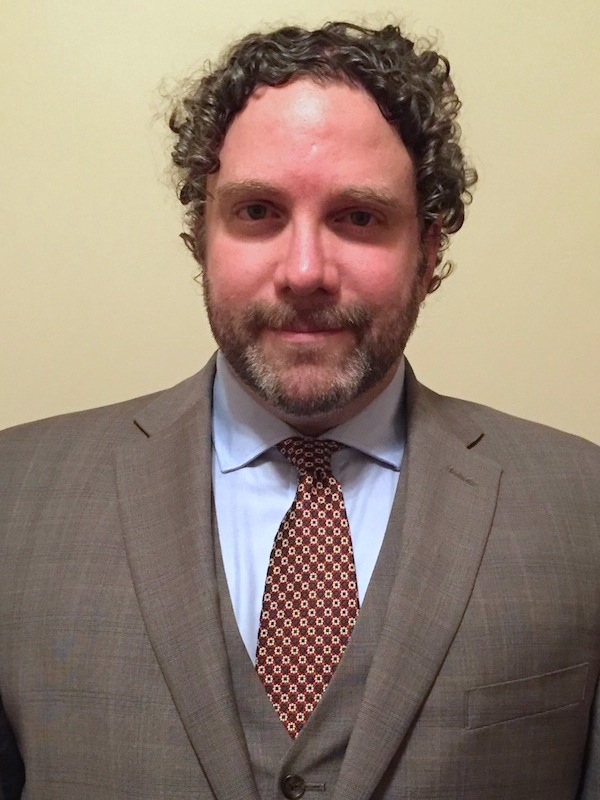
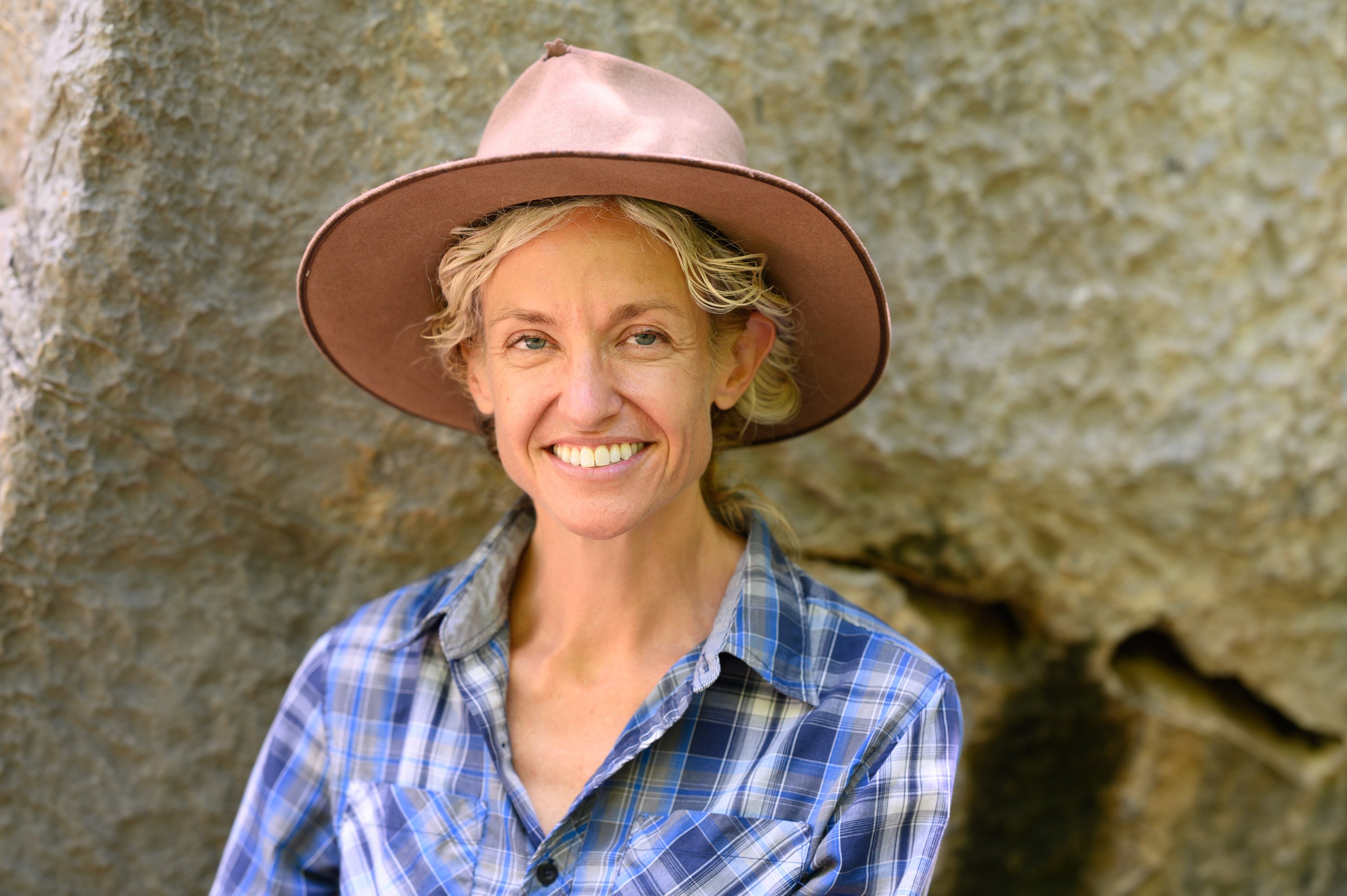
Dr. Anthony Filippi is an Associate Professor and Director of Graduate Programs at Texas A&M University. His research focuses on remote sensing, geographic information systems (GIS), and machine learning applied to aquatic and terrestrial environments. He leads the Fluvial-GEOS Lab, studying riverine/floodplain systems using remote sensing and GIS technologies. Educational Background: Ph.D. in Geography, University of South Carolina (2003) M.S. in Geography, University of South Carolina B.A. in Geography, Kansas State University Research Interests: Imaging spectroscopy, hyperspectral remote sensing of rivers and coastal oceans, GIS-based modeling, data fusion, aquatic optics, and machine learning. His work addresses coastal ocean bathymetry estimation, floodplain dynamics, and applications in environmental monitoring, including hazardous waste site tracking and agricultural studies. Recent Research Trends: Recent publications highlight advancements in UAS-based image analysis, LSTM networks for floodplain classification, and environmental policy impacts on forest resources. His work integrates machine learning with remote sensing to improve ecological and geomorphological understanding. Labs/Teams: Director of the Fluvial-GEOS Lab, focusing on remote sensing and GIS applications in riverine environments.
Chris Darimont is a Professor and Raincoast Research Chair in Applied Conservation Science within the Department of Geography at the University of Victoria's Faculty of Social Sciences. His work bridges natural and social sciences to address urgent conservation challenges, with a geographic focus on British Columbia's Central Coast (Great Bear Rainforest) but designed for global relevance. His research spans three primary domains: landscape ecology at the marine-terrestrial interface, conservation biology of harvest management, and conservation ethics. Darimont maintains deep collaborations with First Nations communities and conservation organizations like the Raincoast Conservation Foundation (where he previously served as Science Director) and Hakai Institute. His work frequently integrates Indigenous Knowledge with scientific methods, exemplified by projects like the Nuxalk Sputc (Eulachon) initiative and Heiltsuk bear monitoring. Darimont's publication record shows consistent focus on human-wildlife interactions, particularly bear-salmon ecosystems, trophy hunting ethics, and Indigenous-led conservation. His highly cited 2009 PNAS paper "Human predators outpace other agents of trait change in the wild" and 2015 Science paper "The unique ecology of human predators" established foundational frameworks in conservation science. Recent work increasingly emphasizes decolonial approaches and Two-Eyed Seeing methodologies. As an educator, he teaches GEOG 391 (Contemporary Topics in Coastal Conservation) and GEOG 353 (Coastal and Marine Resources), prioritizing student mentorship as his "favourite form of outreach." His research is regularly featured in high-profile media including National Geographic and The New York Times, reflecting his commitment to science communication and public engagement.
Dr. Albert Ruhi is Associate Professor in Environmental Science, Policy and Management at UC Berkeley. His research examines freshwater ecosystem responses to global change, with focus on hydrologic alteration and drought impacts across river networks. The Ruhi Lab integrates field experiments, time-series analysis, and hydrologic modeling to understand metacommunity dynamics and ecosystem resilience. Educational background: PhD in Ecology, University of Girona BS in Biology, University of Girona Research explores: Drought impacts on aquatic communities Climate change effects on stream metabolism Wetland restoration outcomes Metacommunity recovery pathways Ecohydrological feedbacks Recent publications address: Phenological shifts in estuarine food webs Flow alteration cascades in river networks Beaver-mediated drought resilience Groundwater-riparian interactions Awards and honors: NSF CAREER Award (2021) California Sea Grant Award (2021) Hellman Fellowship (2020) Winkler Scholar (2023) Research group includes 7 graduate students and postdocs studying: Urban river restoration Tidal marsh food webs Alpine stream thermal regimes Vernal pool seedbanks Field sites span Sierra Nevada streams, San Francisco Bay wetlands, and Mediterranean rivers.
Dr. Chenming Zhang is an Advanced Queensland Industry Research Fellow at the School of Civil Engineering, The University of Queensland. His research focuses on hydrological processes in coastal and terrestrial groundwater systems, with particular emphasis on evaporation-driven mass and heat transport in soils and tailings, and hydrogeochemical dynamics in aquifers and mine waste systems. Specializes in IoT-based environmental monitoring Develops numerical models for coastal aquifer dynamics Conducts field and laboratory experiments on tailings behavior Research interests span coastal hydrology, groundwater modeling, mine waste management, and environmental monitoring. He works on contamination transport, aquifer protection, and climate impacts on water systems. Recent publications analyze: Iron curtain formation in subterranean estuaries Sea water intrusion mechanisms Salinity dynamics in tidal wetlands Smart sewer monitoring systems Scientific awards include the prestigious Advanced Queensland Industry Research Fellowship. He supervises multiple PhD projects on mine waste hydrology and coastal aquifer management, with notable collaboration on: Evolution Mining's gold tailings projects ARC Discovery Projects on coastal processes Grange Resources' PAF cell instrumentation His work combines field measurements, laboratory testing, and computational modeling to address critical environmental challenges in mining and coastal zones.
Juha Järvelä is a Staff Scientist at the Department of Built Environment , Aalto University, and a member of the Aalto Environmental Hydraulics Lab . His research focuses on environmental hydraulics, particularly on Hydraulics of environmental channels Modeling of vegetated flows Environmentally sound hydraulic engineering Järvelä's research spans fluid dynamics in river systems, with an emphasis on vegetation-flow-sediment interactions. Key areas include flow resistance in flexible and rigid vegetation, hydrodynamic modeling of floodplains, and nature-based solutions for water management. His recent publications investigate Blockage effects of woody vegetation Longitudinal dispersion in patchy vegetation Two-stage channel performance in agricultural settings Hydrodynamic characterization of natural-like plants Järvelä has received notable scientific recognition, including 2014 : Outstanding Reviewer Award from the American Geophysical Union for Water Resources Research 2005 : Doctoral Dissertation Award from the Oskari Vilamo Foundation Contact: juha.jarvela@aalto.fi | Phone: +358505626727 | Postal: Tietotie 1 E, 02150 Espoo, Finland
Dr. David Burton is a Professor in the Department of Plant, Food, and Environmental Sciences at Dalhousie University's Faculty of Agriculture. He serves as Director of the Centre for Sustainable Soil Management and leads initiatives in soil health, greenhouse gas emissions, and sustainable agricultural practices. His teaching spans undergraduate and graduate courses in soil science, nutrient management, and climate change. Research focuses on microbial metabolism in soil, nitrogen cycling, and the environmental impacts of agricultural practices. He co-founded the Atlantic Soil Health Lab and manages the Greenhouse Gas Analysis Lab. Key affiliations include the Canadian Society of Soil Science (Fellow), Soil Conservation Council of Canada, and Fertilizer Canada's 4R Research Network. Recent work emphasizes soil's role in climate resilience, including presentations on regenerative farming and soil carbon sequestration. He collaborates with government and industry to develop climate-smart soil management policies and tools for nitrogen management optimization. Awards: Fellow of the Canadian Society of Soil Science Labs: Centre for Sustainable Soil Management, Greenhouse Gas Analysis Lab, Atlantic Soil Health Lab Grants: NSERC CREATE Climate Smart Soils
Dr. Erica Garcia is a Senior Lecturer in Environmental Science at Charles Darwin University’s Faculty of Science and Technology, specializing in aquatic ecology. She leads research on river, wetland, and groundwater ecosystems, focusing on food web dynamics and biodiversity in changing environments. Her current projects include citizen science initiatives for groundwater security and wetland condition assessments. Dr. Garcia holds a PhD from Michigan State University (2006) and a B.A. from the University of California, Berkeley (1999). She teaches courses in ecology and resource management and collaborates on interdisciplinary projects addressing water sustainability in Northern Australia. Her research spans observational, experimental, and molecular methods to understand ecosystem processes. Education: PhD in Zoology/Ecology, Evolutionary Biology and Behavior, Michigan State University (2000–2006) Bachelor of Science in Integrative Biology, University of California, Berkeley (1995–1999) Research Interests: Dr. Garcia’s work emphasizes freshwater ecosystems, including food web interactions, groundwater ecology, and the impacts of human activities on riverine systems. She employs eDNA, isotopic analysis, and remote sensing to assess ecosystem health and biodiversity. Current projects investigate groundwater resources and citizen science approaches to environmental monitoring. Grants & Projects: Co-lead on the Northern Australian Community Groundwater Security Project (citizen science) Principal Investigator for the Adelaide River Aquatic Ecosystem Mapping project (2023–2024) Collaborator on the Water Security for Northern Australia Program (2023–2026) Labs/Teams: She is affiliated with the Research Institute for the Environment and Livelihoods at CDU and collaborates with international networks on global river ecology and climate change impacts.
Jennifer A. Rudgers serves as a Distinguished Professor and Director of the Sevilleta Long Term Ecological Research program at the Department of Biology, The University of New Mexico. Her work bridges theoretical and applied ecology with a focus on environmental change resilience. Education: NSF Postdoc Fellowship in Microbial Biology, Indiana University (2005) Ph.D. in Population Biology, University of California-Davis (2002) B.S. in Environmental Science, Denison University, Summa Cum Laude (1996) Research Focus: Dr. Rudgers pioneers research on mutualistic interactions in ecosystems, challenging traditional ecological theories that prioritize abiotic factors and antagonistic relationships. Her lab investigates how plant-microbe symbiosis influences population dynamics, community structure, and evolutionary processes under climate change. By integrating microbial diversity into ecological models, her work enhances predictive accuracy and develops management solutions for ecosystem resilience. Current projects span aridland ecosystems through the Sevilleta LTER and ARID Network initiatives. Awards: NSF Postdoctoral Fellowship in Microbial Biology Leadership & Infrastructure: As Director of the Sevilleta Long Term Ecological Research program, she oversees multi-decadal studies at the Sevilleta National Wildlife Refuge. Her lab operates from Castetter Hall (Rooms 252, 265, 282) and maintains field sites across New Mexico's arid ecosystems. She actively promotes inclusion through UNM's IDEA Committee and manages the arid.unm.edu research network.
David Newburn is an Associate Professor in the Department of Agricultural and Resource Economics at the University of Maryland, College of Agriculture and Natural Resources. His research focuses on environmental and resource economics, particularly land-use regulations for farmland and forest preservation, and water quality in the Chesapeake Bay. He develops spatial models to manage urban sprawl and evaluates incentive-based programs for conservation practices. Research Areas: Land-Use Change and Urban Sprawl Water Quality Trading and Conservation Spatial Economic Modeling Payment for Ecosystem Services (PES) Collaborations: NSF-funded Baltimore Ecosystem Study (BES) National Center for Smart Growth Chesapeake Bay Program Scientific and Technical Advisory Committee Recent Publications: Highlight trends in household behavior, land-use policy effectiveness, and coastal adaptation to climate impacts. Articles span environmental economics, urban ecology, and interdisciplinary sustainability research. Education: B.S., University of Maryland, College Park (1991) Ph.D., University of California, Berkeley (2002)
University of California , Santa Barbara (UCSB)United States
Dar Roberts is a Professor in the Department of Geography at the University of California, Santa Barbara, where he directs the Visualization & Image Processing for Environmental Research (VIPER) Lab. His research focuses on advanced remote sensing applications including: Imaging spectrometry for ecosystem analysis Wildfire fuel mapping and fire emissions modeling Drought impact assessment on vegetation Land use/land cover change detection Integration of remote sensing with climate modeling Roberts leads the Southern California Wildfire Hazard Center and has pioneered techniques for mapping wildfire fuels using remote sensing technologies. His work combines field measurements with satellite, airborne, and drone-based sensors to monitor environmental changes.
Jill F. Banfield serves as a Professor at the University of California, Berkeley with dual appointments in the Department of Earth and Planetary Science and Department of Environmental Science, Policy, and Management , plus an affiliation with the geochemistry group at Lawrence Berkeley National Laboratory. Her research program centers on geomicrobiology and environmental microbiology, investigating microbial community dynamics through field-intensive studies at: Iron Mountain, northern California Angelo Coast Range Reserve, northern California Rifle and East River sites, Colorado Crystal Geyser, Utah Employing cultivation-independent genomic and proteomic methodologies, her group examines: Microbial mineral dissolution and precipitation processes Biogenic nanoparticle formation and reactivity Microbial community ecology and evolutionary mechanisms Shale weathering and clay mineral transformations Riparian zone sediment, soil, and deep subsurface microbial processes The team develops specialized bioinformatics pipelines for genome-resolved analysis of environmental 'omics' data to decode microbial functional capacities and environmental impacts. While the available documentation confirms active laboratory operations and field collaborations with Lawrence Berkeley National Laboratory, it omits specifics regarding student advisement, grant portfolios, and training programs.
Robert France is an Associate Professor at Dalhousie University's Department of Plant, Food, and Environmental Sciences, part of the Faculty of Agriculture. He focuses on watershed management, environmental restoration, and the intersection of ecology with urban planning. His research spans aquatic ecosystems, land-use impacts, and climate change adaptation. He has authored numerous books and articles on topics like wetland design, restoration ecology, and the socio-cultural dimensions of environmental ethics. France has held positions at Harvard University and consulted globally on projects such as the Abu Dhabi Urban Planning Council’s master plans and Taiwan’s Aogu Ecotourism Park. His work emphasizes integrating ecological principles with human-centric design to address environmental challenges. Education: PhD in Ecotoxicology (University of Toronto), MSc in Zoology (University of Manitoba), BSc (First Class Honours, University of Manitoba) Research interests include riparian forestry impacts, urbanization effects on aquatic systems, and the ethical dimensions of environmental stewardship. He has pioneered studies on crayfish ecology, lake acidification, and stable isotope analysis to trace ecological interactions. Key contributions include books like Environmental Restoration and Design for Recreation and Ecotourism and edited volumes on regenerative landscape design. His recent work explores cryptozoological interpretations as historical indicators of environmental issues, linking folklore to ecological change. France has organized international conferences on watershed technology and urban agriculture, and his consultancy work spans North America, the Middle East, and Asia. He is a Series Editor for CRC Press' environmental series and a retained advisor for Cambridge, Massachusetts' stormwater management.
Dr. Sebastian Birk is an environmental scientist and researcher at the Aquatic Ecology department within the Faculty of Biology at the University of Duisburg-Essen. His work focuses on the science-policy interface for aquatic ecosystems in Europe, emphasizing large-scale bioassessment and management under multiple stressors. He served as coordinator for the EU project MARS (2014-2018) and currently manages freshwater science initiatives at the European Topic Centre for Inland, Coastal and Marine Waters (ETC-ICM) supporting the European Environment Agency (EEA). Research Interests : Multiple stressors, ecosystem services, restoration ecology, environmental policy assessment, bioassessment methods, and climate change impacts. Teaching : Scientific writing, surface water ecology, taxonomic identification, and fieldwork in river/lake systems. Recent publications highlight integrated frameworks for freshwater restoration, stressor interactions, and policy-driven water management. Key themes include agricultural land use effects on rivers, diversification of restoration funding, and challenges in harmonizing ecological assessment across Europe. His work bridges ecological theory with practical implementation for sustainable water resource management. Projects like MARS and MERLIN reflect his leadership in addressing complex environmental issues through collaborative science and stakeholder engagement. Dr. Birk's role in the Water Framework Directive intercalibration exercises underscores his technical expertise in standardizing ecological assessment across national borders.
Paul D. Brooks is a Professor in the Department of Geology/Geophysics at the University of Utah, where he has been a faculty member since July 2014. His research focuses on understanding water, energy, and biogeochemical cycling in seasonally snow-covered catchments, with increasing emphasis on predicting how climate and land use changes impact snow accumulation, ablation, and snowmelt-derived surface and ground water resources. His educational background includes a BS in Biology and Chemistry from Florida State University, followed by an MS in Ecohydrology (1991) and PhD in Biogeochemistry (1995), both from the University of Colorado, Boulder. Prior to his position at the University of Utah, Dr. Brooks was a Professor in the Department of Hydrology and Water Resources at the University of Arizona from December 2000 to June 2014. Dr. Brooks' research spans multiple disciplines within earth sciences, focusing primarily on hydrology, ecohydrology, and biogeochemical cycling in mountainous, snow-dominated environments. His work examines how climate change affects snowmelt processes, groundwater-surface water interactions, and water resource availability in the western United States. He employs a combination of field measurements, isotope hydrology, and modeling approaches to understand complex hydrological processes across multiple spatial and temporal scales. His research increasingly involves collaboration with stakeholders to translate scientific findings into practical water resource management applications. Analysis of Dr. Brooks' recent publications reveals a strong focus on groundwater-surface water interactions in snowmelt-dominated systems, with particular attention to how climate change affects streamflow generation processes. His work bridges fundamental hydrological science with practical water resource concerns, examining topics such as runoff efficiency, groundwater storage dynamics, and the impacts of land cover changes on hydrological processes. A significant portion of his recent research investigates the Western United States water resources under changing climate conditions. AGU Fellow (American Geophysical Union) Dr. Brooks actively mentors graduate students through thesis research (both PhD and Master's level) as evidenced by his teaching activities. His lab conducts research supported by various grants focused on understanding water resources in mountainous regions, particularly examining how climate change affects snowmelt hydrology and water availability. He collaborates extensively with researchers across multiple institutions, as demonstrated by his numerous co-authored publications with scientists from various universities and research organizations. Dr. Brooks leads research efforts through his lab at the University of Utah and is involved with the Wasatch Environmental Observatory, a mountain-to-urban research network in the semi-arid Western US. His work integrates field measurements across complex terrain to understand how topography, vegetation, and climate interact to control water, energy, and biogeochemical cycling in seasonally snow-covered environments.
Stephan Glatzel is a Professor at the Faculty of Earth Sciences, Geography and Astronomy , University of Vienna , affiliated with the Department of Geography and Regional Research . He leads multiple active research projects including Austrian Moor Restoration (2024-2033), MOIST (2024-2025), and Biodiversity Conservation in Austrian Peatlands (2022-2026). Key research areas: Peatland Ecology, Methane Cycling, Ecohydrology, Land Use Impacts SDG contributions: Climate Action (SDG13), Life on Land (SDG15) His recent publications focus on: Land use effects on peat degradation (Soil Use and Management, 2025) Asgard archaea in saline sediments (Frontiers in Microbiology, 2025) Ecohydrology of peatlands in Eswatini (Wetlands Ecology and Management, 2025) Research collaborations span Austria and international partners in Eswatini, with a strong emphasis on applied climate science . He actively engages in public outreach through lectures and media appearances, including topics like 'Die unterschätzte Rolle der Moore im Klimawandel' (2022) and 'Langfristige Studien im Schilf' (2019).