Dale Sebastian, MBBS, MD, is an Associate Professor of Psychiatry at Yale School of Medicine. He specializes in the management of chronic mental illnesses in long-term inpatient settings, focusing on psychotic and mood disorders complicated by institutionalization, stigma, and socioeconomic disparities. He holds roles as Associate Program Director of Yale Public Psychiatry Fellowship and Pre-clerkship Director in Psychiatry. His work emphasizes strength-based, person-centered care and bridges systemic challenges in mental health delivery. Education: MBBS from St. John’s National Academy of Health Sciences (2008), Psychiatry residency and public psychiatry fellowship at Yale (2014–2015). Research interests include innovative prescribing practices, trauma-informed care, and public psychiatry workforce development. He has published on antipsychotic adherence, inpatient trauma management, and fellowship impacts. Awards: APA's Nancy C.A. Roeske Award (2021), PRA Teaching Award (2022–2023). He leads educational initiatives like the Deprescribing Elective and contributes to DEI efforts through YSM's Faculty Advisory Council.
Dr. Isaac Y. Kim is a Professor and Chair of Urology at Yale School of Medicine, specializing in prostate cancer treatment with expertise in robotic surgery. He leads clinical and laboratory research on metastatic prostate cancer, focusing on surgical interventions and treatment resistance mechanisms. His clinical work includes over 2,400 robotic prostatectomies, emphasizing minimally invasive approaches. He is Principal Investigator of the SIMCAP trial evaluating cytoreductive prostatectomy in metastatic cases. Research interests include androgen receptor degradation via PROTAC technology. He holds an MD, PhD in Tumor Cell Biology, and an MBA in Finance. Active in education, he mentors trainees and improves urology residency programs. Clinical affiliations include Yale Medicine with locations in New Haven and beyond. Educations: MD (Northwestern 1997), PhD (Northwestern 1996), MBA (Wharton 2017) Research Labs: Cancer Signaling Networks at Yale Cancer Center Labs/Teams: Urologic Oncology Group, Prostate & Urologic Cancers Program Grants: Leading multi-institutional clinical trials Key collaborations include work with Michael Leapman, Preston Sprenkle, and Joshua Sterling. His work bridges surgery and molecular mechanisms to improve outcomes for advanced prostate cancer patients.
Robert Becher, MD, is an Associate Professor of Surgery at Yale School of Medicine specializing in general surgery, trauma, and surgical critical care. He holds appointments in the Department of Surgery's General Surgery, Trauma & Surgical Critical Care division. His clinical expertise includes minimally invasive surgery and colorectal procedures for complex conditions requiring urgent intervention. Education & Training: MD: Brown-Dartmouth Medical Program (2006) BA: Colby College, Economics (1997) General Surgery Residency: Wake Forest University Medical Center (2013) Fellowships: Acute Care Surgery & Surgical Critical Care at UPMC (2014-2015) Research Focus: Dr. Becher investigates disparities in surgical outcomes for older adults, particularly those from disadvantaged backgrounds. His work examines how social determinants like neighborhood disadvantage and housing insecurity affect postoperative recovery, hospital readmissions, and long-term health trajectories. He collaborates on studies linking geographic factors to mortality and disability rates, emphasizing the importance of maintaining functional independence in aging populations. Key Contributions: Developed novel indices measuring state/county-level social disadvantage impacts on health outcomes Published extensively on readmission rates, disability incidence, and cognitive decline in elderly patients Affiliations: Yale New Haven Hospital surgical services Yale Medicine Trauma & Surgical Critical Care team
Darin Latimore, MD, is the Deputy Dean for Collaborative Excellence at Yale School of Medicine and an Associate Professor on Term in the Department of Internal Medicine. He is dedicated to fostering a diverse, equitable, and inclusive academic environment, promoting collaborative excellence, mentorship, and leadership development across the YSM community. MD, UC Davis School of Medicine (1994) BA, UC Berkeley Dr. Latimore's research and professional focus lies at the intersection of medical education, leadership, and health equity. His work explores gendered language in academic medicine, LGBTQ+ leadership training, and strategies to improve medical school admissions for Black students and other underrepresented groups. He is deeply committed to institutional climate improvement and faculty development. His recent publications reflect a strong trend in advancing equity in academic medicine, with studies on women's leadership development, LGBTQ+ leadership gaps, and structural barriers in medical education. These works span journals in health services, medical education, and general medical science. Notable recognition includes the Shine a Light Award for expanding DEI initiatives. He is co-chair of the YSM Program for Art in Public Spaces, which promotes community engagement through art. Dr. Latimore provides strategic mentorship and sponsorship across YSM, contributing to pathway programs and community-building initiatives. He has played key roles in leadership development and diversity programming, though no formal students or advisees are listed. He leads the Office of Collaborative Excellence, focusing on interdisciplinary engagement, faculty support, and inclusive institutional culture.
Janet Henrich is Professor of Medicine (General Medicine) and of Obstetrics, Gynecology, and Reproductive Sciences at Yale School of Medicine. She is affiliated with the Department of Internal Medicine, Yale Medicine, Yale-New Haven Hospital Primary Care Center, and the Yan House. She serves as Assistant Chair for Women and Gender Equity in the Office of Diversity, Equity and Inclusion in Medicine, and as Director and Co-Founder of the Women’s and Gender Health Education Program. Henrich is also Co-Founder and Faculty Advisor of the Yale College Living History Project. Education: MD, University of Michigan (1968) BS, University of Michigan (1964) Residency, St. Elizabeth Hospital (1971) Chief Resident, St. Elizabeth Hospital (1972) Her research and educational interests focus on women’s health, internal medicine education, menopause, and gender-affirming care. She has led initiatives to integrate sex- and gender-based health topics into medical curricula, emphasizing equity and interdisciplinary collaboration. Her recent publications highlight innovative approaches to teaching politically sensitive topics and building core competencies in women’s health. Henrich’s scholarly work spans curriculum development, health disparities, and clinical education. Her most recent articles (2022–2024) examine rapid-response teaching strategies, entrustable professional activities, and interdisciplinary training models that prepare residents to care for patients at the intersection of women’s health, gender-affirming care, and health disparities. She has authored multiple peer-reviewed educational modules in the Yale Office-Based Medicine Curriculum, covering breast cancer screening, menopause, and medication abortion. Scientific Awards and Honors: Teacher of the Year Award, Yale School of Medicine (2019) Society of General Internal Medicine National Award for Scholarship in Medical Education (2004) Founding Member, Yale School of Medicine Society of Distinguished Teachers (2002) Leah Lowenstein Award (1997) Phi Beta Kappa, University of Michigan (1964) Henrich has been actively involved in mentoring, curriculum leadership, and national advocacy. She serves on the Editorial Board of the Journal of Women’s Health and the National Advisory Committee for The Women’s Health Report Card. She has received funding from the NIH and the Macy Foundation for projects on women’s health education and training in U.S. medical schools. She is also a member of the Society of General Internal Medicine and the Women's Faculty Forum at Yale. She leads and collaborates with interdisciplinary teams focused on improving women’s health education and advancing gender equity in medicine. Her leadership in the Women’s and Gender Health Education Program and her role in developing national competencies reflect her commitment to systemic change in medical training.
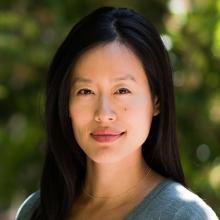
Dr. Nghiem B. Ha is an Assistant Professor in the Department of Medicine at the University of California, San Francisco School of Medicine. As a gastroenterologist and transplant hepatologist, he specializes in managing liver diseases and liver transplantation candidates. His clinical practice focuses on comprehensive care for patients with chronic liver conditions, while his research examines body composition abnormalities in liver disease using quantitative morphometrics to improve patient outcomes. Education and Training: Fellowship in Advanced/Transplant Hepatology, UCSF (2024) Fellowship in Gastroenterology, UCSF (2023) Residency in Internal Medicine, UCSF (2019) MD, University of California, Davis School of Medicine (2017) MAS in Clinical Research, UC Davis Health (2016) Research Focus: Dr. Ha's work centers on chronic liver disease management, with particular emphasis on sarcopenia, visceral obesity, and body composition analysis in cirrhosis patients. He investigates transplant candidacy optimization, outcomes disparities, and anticoagulation management in liver disease. His research employs advanced imaging techniques and biomarker analysis to develop precision medicine approaches for hepatology. Publication Trends: Dr. Ha's recent articles demonstrate strong focus on liver transplantation outcomes, body composition analysis in cirrhosis, and anticoagulation management. His work frequently addresses health disparities, geriatric hepatology, and metabolic dysfunction. Methodologically, he employs multicenter studies, randomized trials, and real-world evidence approaches across clinical and translational research. Honors and Awards: Patricia Cornett Subspecialty Faculty Teaching Award (2025) Anna S. Lok Advanced/Transplant Hepatology Award (2023) Early Career Investigator Award from AASLD (2021, 2020) Outstanding Research Award from ACG (2021, 2020) NIH T32 Predoctoral Research Fellowship (2015) Alpha Omega Alpha Honor Society induction (2015)
Dr. Katy K. Tsai is a clinical faculty member at the University of California, San Francisco (UCSF), affiliated with the School of Medicine and the Department of Medicine. She serves in the Melanoma & Skin Cancer Program as a medical oncologist and Site Committee Chair, where she plays a key role in developing clinical trials and curating the program's research portfolio. BA in Comparative Literature, Brown University (2006) MD, Brown University (2010) Residency in Internal Medicine, University of North Carolina at Chapel Hill (2013) Fellowship in Medical Oncology, UCSF (2016), where she served as chief fellow Dr. Tsai's research is centered on improving outcomes for melanoma patients, with a focus on melanoma survivorship and the understanding and management of immune-related adverse events (irAEs) , including cardiovascular, gastrointestinal, and fatigue syndromes. Her work bridges clinical oncology and translational science, aiming to enhance both efficacy and safety of immunotherapies. The 15 most recent articles reflect a strong emphasis on immunotherapy , checkpoint inhibitors , melanoma brain metastases , and toxicity management . Her publications include pivotal clinical trials (e.g., POLARIS), molecular profiling studies, and contributions to major clinical guidelines (NCCN, ASCO). The research spans from single-cell immunology to population-level symptom burden during the pandemic, demonstrating a broad and integrative approach. Her scientific awards include: Research Honors in Urogynecology, Brown University (2010) Chairman's Award in Department of Medicine, UNC Chapel Hill (2013) ASCO/AACR Workshop on Clinical Cancer Research Methods (2014) ASCO Travel Award for Meritorious Abstract (2015) SITC Young Investigator Travel Award (2016) Dr. Tsai is actively involved in mentoring and collaborative research, frequently working with multidisciplinary teams across oncology, dermatology, surgery, and cardio-oncology. While no formal advising roles are listed, her leadership in clinical trials and guideline development indicates a significant role in training and shaping future research. She is not associated with a named lab but contributes to the broader research ecosystem at UCSF, particularly within the Helen Diller Family Comprehensive Cancer Center (HDFCCC).
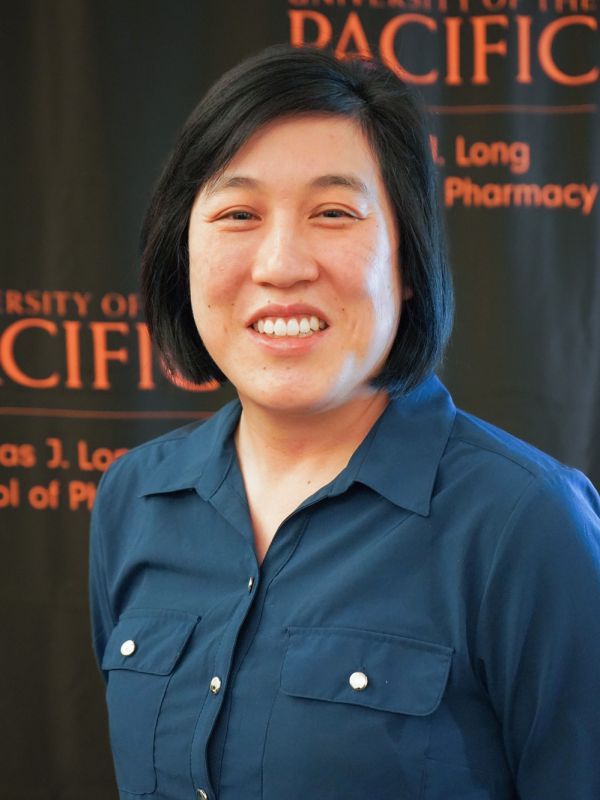
Elaine Law is an Associate Clinical Professor and Regional Coordinator at the University of the Pacific, School of Pharmacy, with campuses in San Jose and Stockton. She has been a member of the Pacific faculty since 2015 and is actively involved in experiential education, precepting students in internal medicine and ambulatory care pharmacy settings, including anticoagulation and primary care clinics. Her educational background includes a BS from the University of California, Los Angeles (2004) and a PharmD from the University of California, San Francisco (2008), where she also completed a postgraduate year one residency. Dr. Law's research and scholarly interests focus on gastroenterology , counterfeit medications , and strength-based assessment tools in pharmacy education . She advocates for innovative teaching models such as layered learning and the Socratic Method to promote critical thinking and professional development among students. Her recent publications reflect a strong trend in pharmacy education , particularly in precepting strategies, residency training, and experiential learning models, alongside clinical contributions in gastroenterology and anticoagulation therapy . Scientific awards and honors include: Board Certified Pharmacotherapy Specialist (BCPS) Fellow of the California Society of Health-System Pharmacists (FCSHP) Dr. Law is actively engaged in professional service, serving on national and state committees including the American Society of Health-System Pharmacists (ASHP) National Advisory Committee on precepting and teaching. She previously served a three-year elected term on the Board of Directors for the California Society of Health-System Pharmacists and as a state Delegate to ASHP. She also contributes as a consultant for Lexi-comp(R) and as section editor for gastroenterology in PharmacotherapyFirst(R) online modules. Her work emphasizes mentoring students and new practitioners and advancing the role of pharmacists in evolving healthcare systems. She teaches several key courses in the pharmacy curriculum: PHAR 553 — Ambulatory Care Introductory Pharmacy Practice Experience PHRM 171 — Advanced Pharmacy Practice Experience, Internal Medicine PHRM 173 — Advanced Pharmacy Practice Experience, Hospital Practice PHRM 175 — Advanced Pharmacy Practice Experience Capstone I PHRM 176 — Advanced Pharmacy Practice Experience Capstone II
Julie Ann Sosa, MD, MA, FACS, MAMSE, FSSO, is the Leon Goldman MD Distinguished Professor of Surgery and Chair of the Department of Surgery at the University of California, San Francisco (UCSF). She also holds a professorship in the Department of Medicine and is affiliated with the Philip R. Lee Institute for Health Policy Studies. Dr. Sosa joined UCSF in 2018 from Duke University. Her education includes an A.B. in Public and International Affairs from Princeton University, a B.A./M.A. in Human Sciences from Worcester College, University of Oxford, and an M.D. from Johns Hopkins School of Medicine. She completed her surgical residency and fellowship at Johns Hopkins Hospital, where she was the Halstead Chief Resident. Dr. Sosa’s research interests center on endocrine surgery, particularly thyroid cancer and hyperparathyroidism. She specializes in outcomes research, health care delivery, and clinical trials. Her work also addresses surgical disparities, diversity in the surgical workforce, and health policy. She has authored over 400 peer-reviewed publications and eight books in these domains. Her recent publications reflect a strong focus on surgical education, workforce diversity, gender equity, and thyroid cancer management. Trends include intersectionality in surgical training, attrition among trainees, leadership structures, and the use of nerve monitoring. Her work bridges clinical endocrinology with health services research and policy. American Thyroid Association (ATA) President Lewis E. Braverman Distinguished Lectureship Award ATA Woman of the Year in Thyroidology ATA Distinguished Service Award ACS Academy of Master Surgeon Educators UCSF Chancellor Award for Diversity - Advancement of Women Johns Hopkins University Distinguished Alumna Award Dr. Sosa is a dedicated mentor, having trained over 90 students, residents, and fellows. She is Principal Investigator or Co-PI on multiple NIH-funded grants addressing surgical disparities, medullary thyroid carcinoma, and parathyroid neoplasia. She is Editor-in-Chief of the World Journal of Surgery and contributes to Greenfield’s Surgery . Her leadership extends to national guideline development, including chairing the committee for the next iteration of differentiated thyroid cancer guidelines. She leads a research program focused on surgical outcomes, health equity, and molecular mechanisms in endocrine tumors. Her lab collaborates on single-cell analysis, patient-centered decision aids, and real-world data registries. She is actively involved in initiatives to improve diversity, equity, and inclusion in academic surgery.
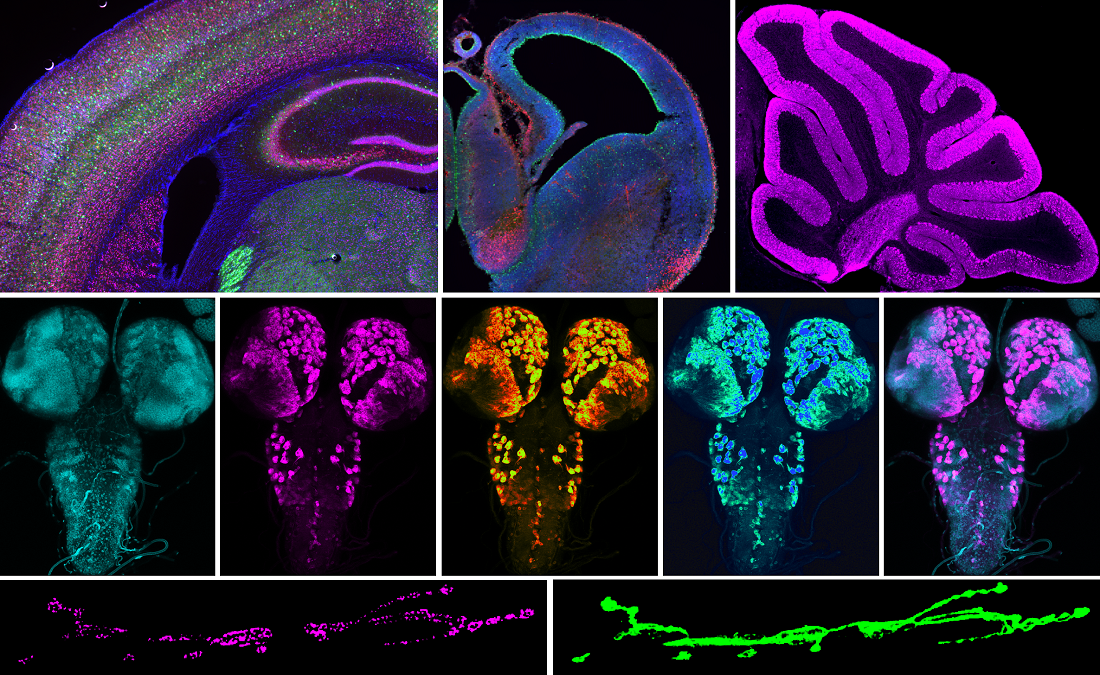
Dr. Hsiao-Tuan Chao is an Assistant Professor at Baylor College of Medicine with primary appointments in the Department of Pediatrics (Division of Neurology and Developmental Neuroscience), Department of Molecular and Human Genetics, and Department of Neuroscience. She serves as an Investigator at the Jan and Dan Duncan Neurological Research Institute and Texas Children's Hospital, and is a McNair Scholar at the McNair Medical Institute. Dr. Chao also holds leadership roles as Associate Program Director for the Basic Neuroscience Pathway in the Child Neurology Residency Training Program and as a Faculty Senator at Baylor College of Medicine. Dr. Chao's educational background includes: MD from Baylor College of Medicine (2012) PhD in Neuroscience from Baylor College of Medicine (2010) BS in Neuroscience and BA in Biochemistry (summa cum laude) from University of Texas at Austin (2002) Plan II Honors in Liberal Arts (summa cum laude) from University of Texas at Austin (2002) Her research focuses on understanding the genetic and neurophysiologic underpinnings of neurodevelopmental disorders including intellectual disability, epilepsy, autism, and schizophrenia. A central theme in her work is examining how disrupted inhibitory neuronal development and function contribute to these conditions. The Chao Lab integrates cross-species approaches using human genomics to uncover genetic etiologies, fruit flies to elucidate molecular pathways, and mice to explore consequences in the mammalian brain. Key research areas include EBF3-related disorders (HADDS syndrome), STXBP1 encephalopathy, EIF2AK variants (LEUDEN and LEMPSAD syndromes), and PPFIA3-related neurodevelopmental disorders. Analysis of Dr. Chao's recent publications reveals a strong focus on identifying novel disease genes and characterizing genotype-phenotype relationships in neurodevelopmental disorders. Her work spans multiple technical approaches including whole-genome sequencing, RNA sequencing, DNA methylation analysis, and functional validation using model organisms. A significant portion of her research examines how specific genetic variants impact protein function and neuronal development, with particular attention to transcriptional regulation, protein translation, and synaptic function. Dr. Chao has received numerous prestigious awards recognizing her contributions to neuroscience and neurology: 2022 "40 Under 40" List of Autism Researchers (Global Rising Stars in Autism Research) 2022 Young Investigator Award from Baylor College of Medicine Department of Pediatrics 2022 Induction to the Society for Pediatric Research 2020 Philip R. Dodge Young Investigator Award from the Child Neurology Society 2019 Health Care Heroes - Rising Star Award from Houston Business Journal 2017 STAT Wunderkind Award Dr. Chao actively mentors a large team of researchers including postdoctoral fellows, graduate students, medical students, and genetic counseling students. Her lab has secured significant funding including an NIH R01 grant (Molecular and Cellular Mechanisms of Cerebellar Dysfunction in Neurodevelopmental disorders), a DP5 Early Independence Award from NIH, and funding from the Burroughs Wellcome Fund. Current research initiatives include the Undiagnosed Epilepsy Genetics Initiative, EBF3-related disorders research study, and a Phase 1/2a clinical trial of CAP-002 Gene Therapy for STXBP1 Encephalopathy. The Chao Lab operates within the Jan and Dan Duncan Neurological Research Institute, leveraging multiple core facilities including the Microscopy Core, Rodent Neurobehavior Core, High Throughput Behavioral Screening Core, and Optogenetics and Viral Vectors Core. Her team collaborates extensively with the Undiagnosed Diseases Network and maintains active partnerships with clinicians at Texas Children's Hospital to translate research findings into clinical applications.
Tziporah E. Rosenberg is an Associate Professor at the University of Rochester Medical Center, holding joint appointments in the Departments of Psychiatry and Family Medicine. She serves as Director for Training and Education in the Division of Collaborative Care and leads the Institute for the Family's Family Therapy Services. Her work focuses on integrating behavioral health into primary care systems and improving population health outcomes through interdisciplinary collaboration. Ph.D. in Marriage and Family Therapy, Syracuse University (2006) M.A. in Marriage and Family Therapy, Syracuse University (2002) B.A. in Family Studies, University of Maryland (2000) Dr. Rosenberg specializes in medical family therapy, chronic illness management, and integrated behavioral health systems. Her research explores the intersection of family dynamics and health outcomes, particularly in diabetes management and end-of-life care. She has contributed extensively to training frameworks for collaborative care through publications and educational programs. Her publications from 2006-2018 reveal consistent focus on: integrated care models, chronic illness management, therapist training, and ethical challenges in healthcare. Articles span clinical guidelines, empirical studies, and book reviews addressing family therapy applications in medical settings. Susan H. McDaniel Teaching Award (2018, 2012-2013, 2011-2012) Residency Director's Award , Department of Family Medicine As Director of Family Therapy Services, she oversees outpatient mental health care for individuals, couples, and families. Her leadership roles in the Behavioral Health Integration Team and Accountable Health Partners network demonstrate commitment to systemic healthcare improvements.
Dr. Wendi F. Cross is a part-time Professor in the Department of Psychiatry and Pediatrics at the University of Rochester Medical Center, with dual roles as a clinical psychologist, educator, and researcher. She also serves as an Education Specialist/Researcher at the VA's VISN 2 Center of Excellence for Suicide Prevention and as Director of the Education Core in the UR Health Lab. Education: PhD in Psychology, Ohio University (1993) MA in Psychology, Carleton University (1986) BA in Psychology, Carleton University (1984) MRC in Mental Retardation Counseling, Algonquin College (1979) Her research focuses on implementation science, suicide prevention, and technology-driven healthcare innovations including virtual reality applications. She specializes in training methods for evidence-based practices, fidelity measurement in clinical interventions, and behavioral health integration in community settings. Dr. Cross’s recent publications emphasize suicide prevention training for pharmacy staff, virtual reality interventions for anxiety reduction, and fidelity assessment in cognitive behavior therapy. These works span interdisciplinary collaborations in psychiatry, pediatrics, and dental medicine. Scientific Awards: Eric D. Caine, MD Award for Outstanding Mentoring (2019) Robert Wood Johnson Clinical Scholars Award (2018-2021) Rita Underberg Award for Excellence in Teaching (2017) NIMH Implementation Research Institute Fellowship (2011-2013) Marjorie Harle Foundation Award for Child/Adolescent Psychiatry Education (1998) She has received over 21 awards across her career, including multiple teaching and mentorship accolades. Dr. Cross directed the Clinical Psychology Training program for over a decade and maintains active research collaborations nationally and internationally. As Director of the UR Health Lab Education Core, she leads development of technology-driven healthcare interventions including VR applications and mobile health tools. Her work integrates user-centered design principles with rigorous implementation science frameworks.
Melissa Cushing, M.D., is a Clinical Professor in the Department of Pathology and Laboratory Medicine at Weill Cornell Medical College. She serves as Executive Vice Chair for Clinical Affairs, Medical Director of Clinical Laboratories, and Division Director of Transfusion Medicine and Cellular Therapy at Weill Cornell Medical College and NewYork-Presbyterian Hospital. M.D. from Georgetown University School of Medicine (2001) Clinical Pathology Residency at Emory University School of Medicine (2005) Fellowship in Transfusion Medicine and Cellular Therapy at Johns Hopkins School of Medicine (2006) Her research focuses on transfusion medicine, coagulation management, and laboratory medicine with particular emphasis on COVID-19 diagnostics , pathogen-reduced blood products , and perioperative hemostasis . Recent publications examine SARS-CoV-2 testing strategies, fibrinogen replacement therapies, and blood product inventory systems. Her work bridges clinical pathology with anesthesiology through cross-departmental collaborations. Dr. Cushing holds dual board certifications in Clinical Pathology and Blood Banking/Transfusion Medicine from the American Board of Pathology. She actively collaborates with industry partners including: Ceruus Corporation (Scientific Advisory Board) CSL Behring & Octapharma (Consultancy roles) Grifols & Werfen (Research Partnerships) Her 15 most recent articles (2023-2025) demonstrate expertise in transfusion safety , coagulopathy management , and innovative blood product applications across specialties including anesthesiology, critical care, and infectious diseases.
Alexandra Warren is an Assistant Professor in the Department of Performing Arts at Elon University, affiliated with the Music Theatre Program and the BFA Dance Program. She is also the Founding Artistic Director of JOYEMOVEMENT, an interdisciplinary performance collective. Elon University – Assistant Professor of Performing Arts Music Theatre Program – Core Faculty BFA Dance Program – Choreographer and Director JOYEMOVEMENT – Founding Artistic Director She holds a BA from Spelman College and an MFA from the University of North Carolina at Greensboro, with postgraduate training from Yale University's Summer Directing Intensive, L’Ecole De Sables (Senegal), Urban Bush Women, and Dance Exchange. Her research and artistic practice explore the intersections of dance, musical theatre, and African Diaspora performance traditions. Her choreographic and directorial work spans university productions, festivals, and national venues including the American Dance Festival, NY Live Arts, and Duke University. Recent scholarly output includes a contribution to the book Dance in Musical Theatre: A History of the Body in Movement and presentations at the International Federation of Theatre Research and the Collegium of African Diaspora Dance Conference. Her artistic projects emphasize embodied storytelling, community engagement, and reclamation of cultural narratives. Alexandra has held recent residencies at Elsewhere Museum, the Inaugural Greensboro Downtown Parks Artist-in-Residence, and Trillium Arts. She has been a guest artist at Bucknell University, Guilford County Schools, and MTCA-New York. Her work is deeply rooted in interdisciplinary collaboration and pedagogy. She is an active member of the Association for Theatre in Higher Education’s Embodied Histories Working Group, advocating for inclusive and historically grounded performance practices. Alexandra mentors students through performance, choreography, and academic scholarship, guiding the development of emerging artists in both theatre and dance. She has directed and choreographed numerous mainstage productions at Elon, including Myths and Hymns , Deep Water Ballad , Head Over Heels , and upcoming works such as Legally Blonde (Fall 2024) and Natasha, Pierre, and the Great Comet of 1812 (Winter 2025). Her leadership extends to curriculum development and artistic programming within the department. She leads and collaborates with performance ensembles and labs such as JOYEMOVEMENT and participates in interdisciplinary artist residencies. Her work at Elsewhere Museum and other experimental spaces reflects a commitment to innovative, site-responsive performance and community-based creation.
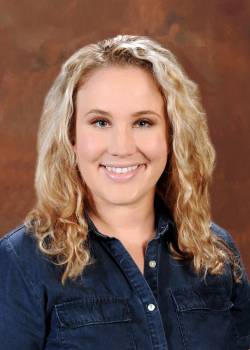
Christina Bancroft serves as Assistant Professor at Augusta University's Medical College of Georgia with dual appointments in the Department of Pediatrics (General Pediatrics and Adolescent Medicine) and Department of Psychiatry and Health Behavior. Her work bridges pediatric medicine and mental health services within integrated primary care settings. Her educational background includes: Ph.D. in Counseling Psychology, University of North Dakota (2020) MED in Counseling Psychology, William and Mary (2014) BA in Psychology, University of South Florida (2012) She maintains active licensure as a Psychologist in Georgia and North Carolina, and holds National Registered Health Service Psychologist status. Bancroft's research concentrates on improving child mental health access in pediatric primary care. Her scholarship examines treatment retention disparities between integrated primary care and traditional outpatient services, with specific clinical focus on ADHD and anxiety disorders. She develops practical training materials for clinicians addressing behavioral health in pediatric contexts, emphasizing evidence-based interventions for common childhood conditions. Her recent publications demonstrate consistent focus on integrated care models and clinical training tools, with increasing emphasis on curriculum development for pediatric enhanced primary care settings since 2022. Notable awards include: Supervisor of the Year (2025) Health Service Psychologist Award ($50,000 HRSA grant, 2024) Outstanding Research Paper Award (2020) Behavioral Health Workforce Education Training Program (2018) Gale and Virginia Satrom Scholarship (2017) As Core Faculty for the Pediatric Residency Program and Associate Director of the Child and Adolescent Clinical Psychology Postdoctoral Fellowship, Bancroft mentors psychology interns and postdocs. Her service includes university consultation groups for psychology training, leadership in the Augusta Area Psychological Association (2022-2024), and public health initiatives through Curbside Consults. She teaches RPED 5002 Pediatrics General and PEDS 5026 PEDS Enhanced Primary Care courses. Bancroft leads the Pediatric Residency Program's behavioral health integration efforts and directs the Child and Adolescent Clinical Psychology Postdoctoral Fellowship, fostering collaboration between pediatrics and psychiatry to advance child mental health service delivery.