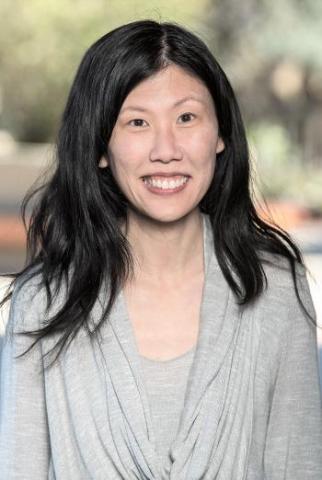
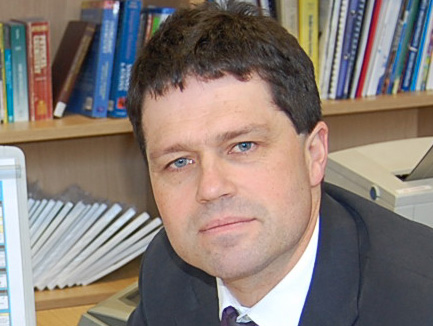
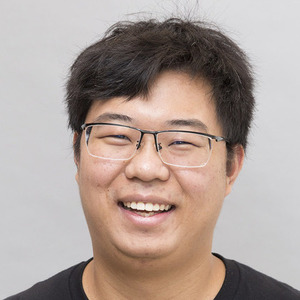
Jennifer Golden is an Associate Professor in the Department of Pharmaceutical Sciences at the School of Pharmacy , University of Wisconsin-Madison . Her research focuses on synthetic medicinal chemistry to develop novel antiviral and anti-parasitic agents for diseases like alphavirus infections and kinetoplastid parasites. The Golden Lab emphasizes chemical methodology development and structure-activity relationship analysis through collaborations assessing compound efficacy in cell and animal models . Research Projects Quinazolinone Rearrangement: Developing synthetic transformations for amidine formation and ring-fused scaffolds. Anti-Alphaviral Agents: Creating FDA-approved therapeutic candidates for mosquito-borne RNA viruses. Broad-Spectrum Antiparasitics: Optimizing compounds for malaria, African sleeping sickness, and leishmaniasis. Publications highlight her work on ML336 (anti-VEEV), quinazolinone derivatives , and collaborations with experts in high-throughput screening and structural biology . Her lab trains students in hit-to-lead optimization , regioselective synthesis , and medicinal chemistry tactics . Education: B.S. (1996) – Eastern Illinois University Ph.D. (2002) – University of Kansas Postdoctoral Research (2004) – Stanford University
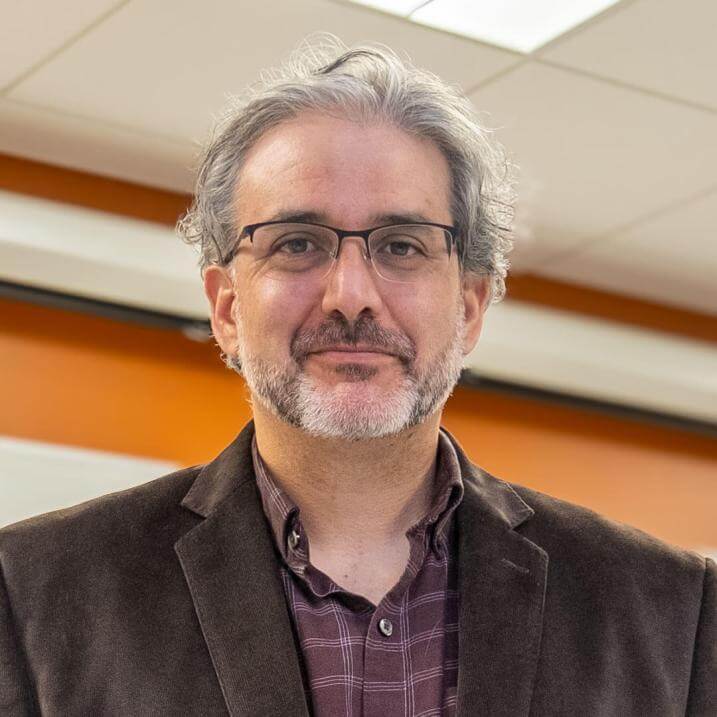
Summary Luis A. Duffaut Espinosa is an Assistant Professor in the Department of Electrical and Biomedical Engineering at the University of Vermont (UVM), affiliated with the College of Engineering and Mathematical Sciences. His research focuses on control theory, estimation, robotics, and nonlinear systems with applications in autonomy, quantum control, and environmental monitoring. He holds a Ph.D. in Electrical and Computer Engineering from Old Dominion University (2009) and has held academic positions at George Mason University and postdoctoral roles at Johns Hopkins University and the University of New South Wales. Education: Ph.D. in Electrical and Computer Engineering (2009), Old Dominion University M.S. in Mathematics (2005), Pontificia Universidad Católica del Perú B.S. in Physics (2003), Universidad Nacional de Ingeniería, Peru Research Interests: His work emphasizes data-driven control and estimation methodologies, including model-free approaches for power systems, environmental monitoring, and quantum control. Current projects include real-time data assimilation in harsh environments, resilient robotics in GPS-denied conditions, and SAR with small satellites. He co-directs the Autonomous and Intelligent Systems Research Laboratory (AIRLab) and is part of the CREATE center. Recognition: 2024 NSF CAREER Award for work on safety-aware data-driven control frameworks Teaching & Advising: He teaches courses in estimation theory, control systems, and signal processing. Advises a team of graduate and undergraduate students focusing on autonomy, robotics, and control systems. Notable students include Danial Waleed (Ph.D. 2024), Jacob Friz-Trillo (M.S. 2025), and Farnaz Boudaghi (Ph.D. candidate). Labs & Collaborations: AIRLab: Focuses on data-driven control for autonomy in robotics and engineered systems CREATE: Research on resilient energy and autonomous technologies
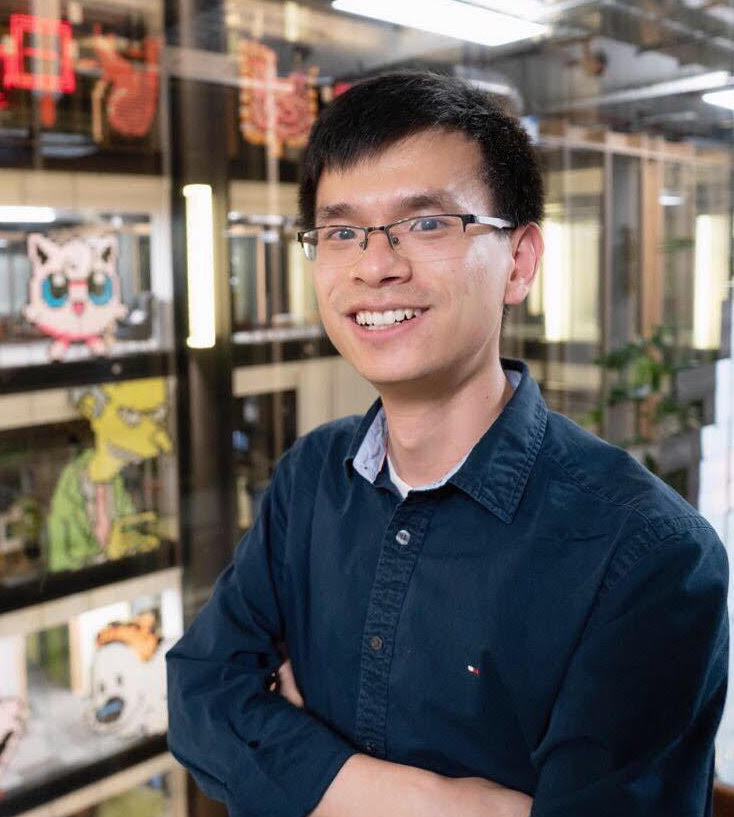
Xujie Si is an Assistant Professor in the Department of Computer Science at the University of Toronto. He is also a faculty affiliate at the Vector Institute and an affiliate member at Mila - Quebec AI Institute, holding a Canada CIFAR AI Chair. Previously, he served as an Assistant Professor at McGill University's School of Computer Science. Education: Ph.D., Computer and Information Science, University of Pennsylvania (advised by Mayur Naik) M.S., Computer Science, Vanderbilt University B.E. (with Honors), Nankai University Research Focus: His work bridges AI and program reasoning, emphasizing the integration of statistical and logical methods. Key areas include: Static analysis and verification using deep learning/reinforcement learning Neuro-symbolic systems for urban simulation (e.g., LogiCity) Automated theorem proving via LLMs and symbolic reasoning Program repair and compiler fuzzing Recent Article Trends: Recent work focuses on synergizing LLMs with symbolic reasoning (e.g., Olympiad inequality proving), advancing SAT solving with graph neural networks, and applying neuro-symbolic methods to Euclidean geometry formalization. Awards: Canada CIFAR AI Chair (2023) Lab/Teams: Leads research teams exploring program analysis, neuro-symbolic AI, and formal verification at the University of Toronto and Vector Institute.
Ken Wong is an Associate Professor in the Department of Computing Science at the University of Alberta's Faculty of Science. He also serves as Associate Chair within the same department. Holding a PhD in Computer Science from the University of Victoria (1999), his research focuses on software engineering challenges such as reverse engineering, program understanding, and software visualization. He emphasizes improving software evolution through tools like architecture recovery and root cause analysis, with applications in web/mobile platforms and diverse system understanding. Teaching highlights include developing Massive Open Online Courses (MOOCs) via Coursera, including the 'Software Product Management Specialization' and courses on Agile practices, client needs analysis, and software metrics. His recent publications (2023–2025) span AI-driven healthcare innovations (e.g., medical imaging, photoacoustic tomography) and advanced computer vision techniques (e.g., diffusion models, video inpainting). Notable collaborations include EVAREST studies on heart failure management and lung transplantation outcomes. His work bridges software engineering theory and practical applications in healthcare technology, with contributions to federated learning frameworks (e.g., FedLPPA) and AI-augmented clinical decision support systems. Research also extends to autonomous driving (DriveGPT4-V2) and 3D human avatar generation (DreamAvatar), showcasing interdisciplinary impact.
Sunday Oyadiji is an Associate Professor in the Department of Mechanical and Aerospace Engineering at The University of Manchester. He holds a BSc (First Class) and PhD in Mechanical Engineering from the same institution (1979 and 1983). Before joining the University of Manchester in 1991, he served as a Lecturer at Obafemi Awolowo University, Nigeria, and conducted postdoctoral research at Heriot-Watt University and the University of Manchester. His research focuses on viscoelasticity, smart materials for vibration isolation, structural fault identification, and composite materials. Key areas include fracture mechanics, multibody dynamics, and biomechanics. He contributes to the Aerospace Research Institute and Digital Futures platforms, advancing aerospace engineering and structural fire safety. Recent work involves stress-intensity factor analysis using 3D-DIC and finite element methods, constitutive modeling of elastomeric foams, and graphene-based energy storage systems. His publications span high-impact journals like Engineering Fracture Mechanics and Polymer .
Lindsey Gallo is the Coopers and Lybrand, Norman E. Auerbach Assistant Professor of Accounting at the Ross School of Business, University of Michigan. Her research focuses on the intersection of firm-level information with macroeconomic trends, corporate governance, and financial reporting practices. She holds a Ph.D. from the University of Maryland's Smith School of Business and dual degrees (BBA and MAcc) from the University of Michigan’s Ross School of Business. A former NCAA champion in track and field, her academic excellence is complemented by teaching awards. Education: Ph.D. in Accounting, University of Maryland (2014) MAcc, University of Michigan (2005) BBA, University of Michigan (2004) Her research explores how corporate disclosures and governance structures influence macroeconomic uncertainty, with publications in top journals like Journal of Accounting Research and Review of Accounting Studies . She serves on the editorial board of The Accounting Review and is recognized for teaching excellence, receiving the Neary Teaching Excellence Award in 2021 and 2023. Her recent work addresses topics such as government-appointed corporate monitors, inflation news processing, and supply chain transparency, reflecting her expertise in bridging accounting practices with broader economic and governance frameworks. She actively contributes to academic discourse through editorial roles and peer reviews. Awards: Neary Teaching Excellence Award (2021, 2023) Gallo advises on curriculum development for the MBA and Master of Accounting programs at Ross, emphasizing practical applications of accounting principles. Her research frequently intersects with real-world policy implications, particularly in regulatory oversight and investor behavior analysis.
Wendy Mao is a Professor of Earth and Planetary Sciences, Photon Science, and (by courtesy) Geophysics at Stanford University, affiliated with SLAC National Accelerator Laboratory. Her research focuses on materials under extreme conditions, particularly high pressure, to understand planetary interiors, energy materials, and novel phases. Key interests include phase transitions in minerals, silicate melts, and light-element alloys, with applications in planetary core modeling and hydrogen storage. Education: Ph.D. in Geophysical Sciences from the University of Chicago (2005). Teaching includes Earth's interior dynamics, mineralogy, and a freshman seminar on diamonds. Research emphasizes high-pressure experimentation using diamond anvil cells and synchrotron X-ray techniques. Recent work explores metallic hydrogen, iron spin states in super-Earths, and amorphization in halide perovskites. Collaborations leverage machine learning and advanced imaging for material characterization. Her lab develops methods to stabilize metastable phases and study ultrafast structural responses under shock compression. The group also investigates defects in quantum sensors and novel synthesis pathways for energy materials.
Barzan Mozafari is an Associate Professor of Computer Science and Engineering at the University of Michigan, Ann Arbor, and leads a research group focused on scalable database systems and approximate computing. He holds a PhD from UCLA (2011) and was a Postdoctoral Associate at MIT. His research emphasizes data-intensive systems, combining statistical models, optimization, and machine learning to enhance database performance and predictability. Notable projects include BlinkDB (approximate query processing), DBSeer (database diagnosis), and VerdictDB (platform-independent AQP). He co-founded Keebo, advancing data learning technologies, and contributed to SnappyData (acquired by TIBCO). His work spans technical innovations like CATS/VATS scheduling algorithms (adopted in MySQL/MariaDB) and grants such as ConFlux (NSF-funded supercomputing-big data integration) and a smart black-box for autonomous vehicles. Awards include the NSF CAREER Award and Best Paper recognitions at SIGMOD and EuroSys. Teaching includes EECS 484/584 (Database Management Systems) and advanced topics courses. He advises students like Yongjoo Park (SIGMOD Dissertation Runner-Up), Jiamin Huang, and Boyu Tian.
Dr. Kathryn Kaiser is an Assistant Professor in the Department of Health Behavior at the University of Alabama at Birmingham (UAB) School of Public Health. She holds concurrent appointments in multiple research centers including the Center for Clinical and Translational Science and the Nutrition Obesity Research Center (NORC). Her research focuses on meta-research methodologies, race/sex disparities in obesity, systematic reviews of nutrition interventions, and advancing FAIR data principles for scientific communication. Education: B.S. Microbiology (Texas A&M), B.S. Medical Technology (University of Texas Health Science Center), Ph.D. in Health Psychology (University of North Texas Health Science Center). Postdoctoral training in Vascular Biology/Hypertension at UAB. Extensive background in medical diagnostics instrumentation and laboratory science prior to academia. Research Interests: Systematic review methodologies, FAIR data standards, obesity disparities with a focus on neuroendocrine mechanisms, and translational research in bariatric surgery outcomes. Specializes in methodological rigor for clinical trials and evidence synthesis. Grants: NIH-funded projects on FAIR principles implementation, dairy intake research, obesity energetics, and lifespan studies. Recent grants include $2.1M for metadata education programs and $1.8M for knowledge mapping initiatives. Awards: Recognized as 2015 Top Reviewer for American Journal of Preventive Medicine. Serves as Associate Editor for Frontiers in Nutrition. Active member of Cochrane Collaboration and multiple professional societies. Teaching: Graduate courses in Health Program Evaluation, Psychophysiology, and Systematic Review Design. Supervises doctoral students in health behavior research through 30+ dissertation committees since 2011. Labs/Teams: Key contributor to UAB's Nutrition Obesity Research Center (NORC) and Center for Outcomes and Effectiveness Research (COERE). Collaborates with international metadata initiatives like Metadata 2020 and science dialogue mapping projects.
Professor Matthew Jonathan Rosseinsky holds the Chair of Inorganic Chemistry at the University of Liverpool, a position he has occupied since October 1999. His career includes significant appointments at the University of Oxford (1992-1999) and Bell Laboratories in New Jersey (1990-1992), following his DPhil at Merton College, Oxford. As a Fellow of the Royal Society and recipient of numerous prestigious awards, Professor Rosseinsky maintains an active research program and leadership roles in the international chemistry community. Professor Rosseinsky's educational background includes a First Class Honours degree in Chemistry with Quantum Chemistry from the University of Oxford (1987) and a DPhil in "Physical Properties of Superconducting Oxides and Radical Cation Salts" completed in 1990 under Professor P. Day FRS. His research focuses on the synthesis of new materials with applications in energy storage and generation, communications, separation, and catalysis. The Rosseinsky Group employs a broad range of synthesis and characterization techniques, including neutron and synchrotron X-ray diffraction, combined with computational methods in collaboration with Dr. George Darling. Current research areas include Dynapore, CO2 fuels, SOLBAT, and CATMAT projects that target specific material challenges. Professor Rosseinsky's publication record is exceptional, with 304 papers including 11 in Nature, 6 in Science, and 3 in Nature Materials, accumulating over 15,000 citations and an h-index of 56 as of 2012. His work demonstrates consistent excellence across materials chemistry, with particular emphasis on porous frameworks, electronic materials, and solid-state chemistry. Among his numerous accolades are the Harrison Memorial Prize (1991), Corday-Morgan Medal (2000), Royal Society Wolfson Research Merit Award (2002), De Gennes Prize (2009), and the prestigious Hughes Medal from the Royal Society (2011). He also holds an ERC Advanced Investigator Grant and has delivered distinguished lectures worldwide. Professor Rosseinsky has served in numerous editorial and advisory capacities, including as Associate Editor for Chemical Sciences, membership on the Royal Society Conference and Travel Grant Committee since 2007, and as a member of the International Advisory Board for the Max Planck Institut for Solid State Research since 2011. His professional activities extend to international review committees for research institutions in France, South Korea, and Saudi Arabia. The Rosseinsky Group operates within the Department of Chemistry at the University of Liverpool, collaborating extensively with researchers including Dr. John Claridge, Professor Andrew Cooper, and Professor Paul Chalker. The group maintains strong international partnerships and utilizes advanced facilities for materials synthesis and characterization to drive innovation in functional materials development.
Zhen Liu is an Assistant Professor at the School of Data Science, CUHK-Shenzhen. His research focuses on generative models, 3D representations, and the synergy of spatial and semantic understanding in AI systems. With a PhD from Mila and Université de Montréal, he develops foundational methods for physics simulation, 3D assembly, and semantic reasoning in neural networks. His work bridges machine learning with applications in computer vision and graphics, emphasizing: Generative architectures for 3D content creation Diffusion model alignment techniques Efficient parameter finetuning strategies Dr. Liu mentors students in AI research and contributes to advancing 3D generative modeling paradigms.
Jie Xu is a Scientist at Argonne National Laboratory and a CASE Affiliated Scientist at the University of Chicago, Pritzker School of Molecular Engineering . Her research focuses on engineering durable, scalable, and sustainable polymer semiconductors for skin-like electronics and autonomous material discovery. Education : PhD in Chemistry (Nanjing University), Postdoctoral Fellow (Stanford University) Her research bridges polymer physics , self-driving laboratories , and AI-guided material synthesis to address challenges in stretchable electronics, recyclable polymers, and energy-efficient manufacturing. She pioneered polymer circuits that remain conductive under extreme deformation and developed the first roll-to-roll mass-production method for stretchable semiconductors. Her 15 most recent articles highlight advancements in AI-driven polymer discovery , biodegradable electronics , and multi-modal energy dissipation . Key themes include autonomous experimentation , hydrogen-bonded polymer systems , and machine learning for conjugated polymers , with applications in wearable medical sensors , soft robotics , and human-computer interfaces . Scientific accolades include the Materials Research Society Postdoctoral Award , MIT Technology Review’s Innovators Under 35 , and recognition as a Scialog Fellow . She serves on editorial boards for APL Machine Learning and Flexible Electronics , and her team at Argonne includes postdocs and students working on self-driving labs and degradable polymers .
Patrick J. Walsh is the Rhodes-Thompson Professor of Chemistry at the University of Pennsylvania’s College of Arts & Sciences. He leads the Walsh Group, focusing on catalytic methodologies and synthetic chemistry with an emphasis on merging organic/inorganic synthesis and exploring unusual reactivity. His educational background includes a B.A. in Chemistry from UC San Diego (1986), a Ph.D. in Chemistry from UC Berkeley (1991), and a NSF Postdoctoral Fellowship at The Scripps Research Institute (1991–1994). His research interests span catalysis, radical chemistry, and transition metal systems, with key projects involving cation-pi interactions for C-H activation, super electron-donor (SED) 2-azaallyl anions, and photoredox-driven reactions. The group also develops pharmaceutical analogs like bioisosteric BCP compounds and explores transition metal-free syntheses for complex molecules. Recent publications highlight advancements in Ce(III) photoredox systems, Smiles rearrangement applications, and nickel-catalyzed enantioselective reactions. The work demonstrates a focus on sustainable catalytic strategies, mechanistic innovation, and novel compound construction. No scientific awards are explicitly listed in the provided texts. Professor Walsh’s advising spans doctoral, master’s, and undergraduate students, contributing to lab efforts in catalysis and organic synthesis. His team collaborates on diverse projects, including molecular glassformer design and radical relay pathways. Labs/teams: The Walsh Group at Penn actively researches in the areas of synthetic chemistry, catalysis, and radical-mediated reactions. The group emphasizes interdisciplinary approaches and includes visiting scholars alongside traditional academic trainees.
Alicia L Carriquiry is a Distinguished Professor and President's Chair at Iowa State University, serving as Director of the Center for Statistics and Applications in Forensic Evidence (CSAFE). She holds a PhD in Statistics from Iowa State University (1989), an MS from the University of Illinois at Urbana-Champaign/ISU (1985/1986), and a BS from Universidad de la Republica in Uruguay (1981). Her research focuses on applying statistical methods to forensic science, nutrition epidemiology, and plant and animal breeding, with a particular emphasis on Bayesian frameworks. Recent research emphasizes forensic evidence analysis, including footwear impression algorithms, handwriting software development, and probabilistic evidence assessment tools. She also explores dietary intake patterns in populations across Latin America and Southeast Asia, addressing nutrient deficiencies and public health interventions. Her work bridges statistical rigor with practical applications in criminal justice, improving forensic methodologies through algorithmic innovation and interdisciplinary collaboration. As CSAFE Director, she leads initiatives to enhance statistical foundations in forensic disciplines, train practitioners, and develop open-source datasets. Notable contributions include database search methodologies, error rate analyses, and software tools like handwriter for handwriting analysis. Her research underscores the importance of probabilistic reasoning in legal contexts and addresses challenges in multi-camera source identification and nonlinear image distortion correction. Carriquiry’s leadership extends to editorial roles and professional service, advancing statistical standards in forensic science. She remains active in training programs and collaborative research projects, fostering reproducibility and relevance in scientific inquiry.
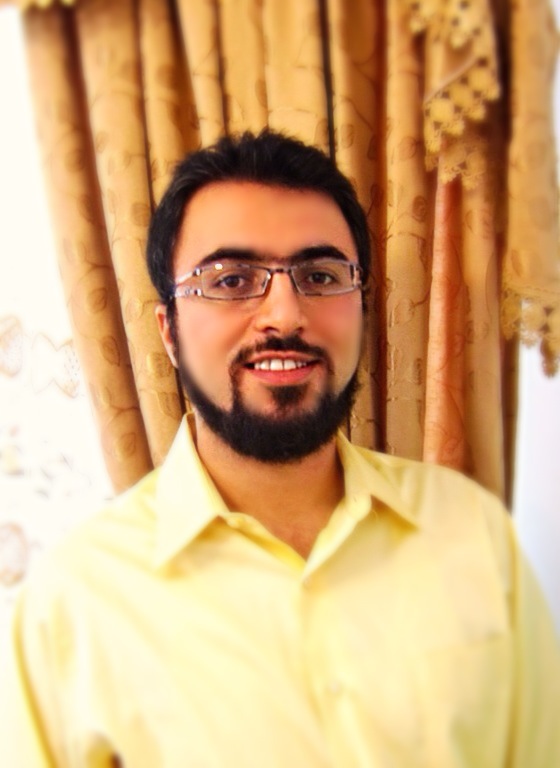
Dr. Muhammad Najib is an Assistant Professor (Lecturer in the UK system) at Heriot-Watt University's School of Mathematical and Computer Sciences in Edinburgh. He is also an Associate Member of the University of Oxford's Department of Computer Science. His research focuses on ensuring AI safety through formal verification methods, particularly in multi-agent systems. Najib holds a DPhil/PhD from the University of Oxford, supervised by Julian Gutierrez and Mike Wooldridge, and has industry experience at Samsung Electronics. Education: BSc from Sepuluh Nopember Institute of Technology, MSc from the University of Liverpool, DPhil/PhD from the University of Oxford. He previously worked as a postdoctoral researcher at TU Kaiserslautern under Anthony Lin. Research Interests: Logic and game theory in AI foundations, equilibrium verification in multi-agent systems, temporal logics, and formal verification techniques. He developed the EVE tool for rational verification. Najib actively supervises PhD students and collaborates on projects like the UKRI AI CDT-D2AIR. Key Contributions: Published 17+ research outputs since 2018. Areas include equilibrium design, probabilistic multi-agent systems, and computational complexity analysis. His work bridges formal methods with AI safety, emphasizing automated synthesis and model checking.