Adam Hollowell is an Adjunct Assistant Professor in the Program in Education at Duke University, where he also serves as Senior Research Associate at the Samuel DuBois Cook Center on Social Equity and Director of the Inequality Studies Minor. His teaching spans ethics, inequality studies, and history across Duke’s Kenan Institute for Ethics, Sanford School of Public Policy, and Department of History. Hollowell holds a Ph.D. from the University of Edinburgh (2009). His research focuses on inequality, higher education, public policy, and ethics, with notable work on pandemic impacts, telemedicine in education, and reproductive health access during crises. In Inequality Studies , Hollowell emphasizes understanding policies to drive social change, as highlighted in recent media coverage. His publications explore topics like student behavior shifts during the pandemic, telemedicine adoption in universities, and James Baldwin’s ethical challenges. He is a finalist for the Judith Deckers Prize (2024). Professionally, Hollowell leads projects such as Bass Connections on college contraception access and Story+ initiatives. His work bridges academia and public engagement, addressing systemic inequities through interdisciplinary approaches.
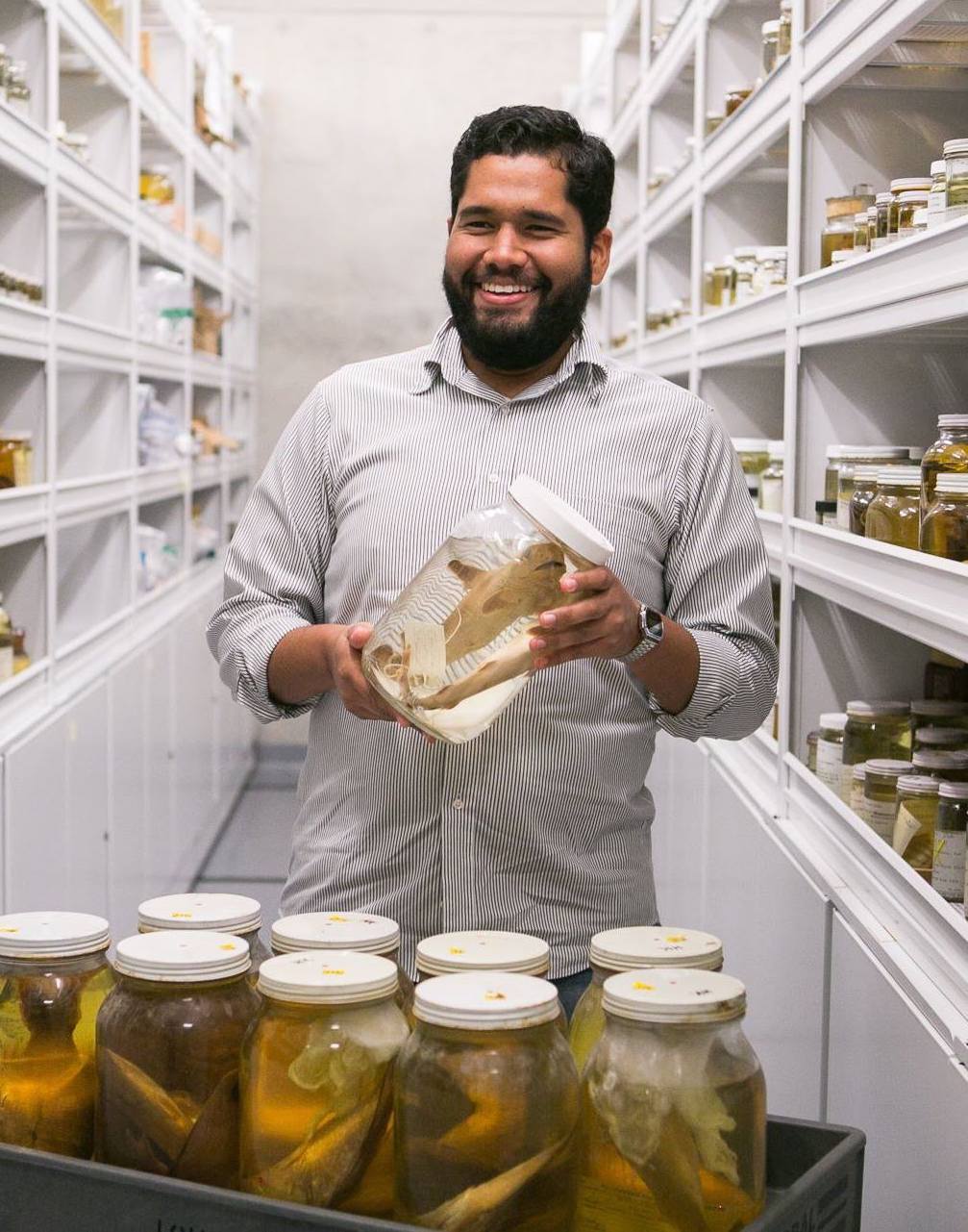
Moises A. Bernal is an Assistant Professor in the Department of Biological Sciences at Auburn University, where he leads the Fish Ecology and Evolution Lab. His research integrates ecological, evolutionary, and molecular approaches to study how marine fishes respond to environmental stressors such as climate change and ocean warming. Education: Postdoctoral Fellow – State University of New York at Buffalo (2018–2019) Postdoctoral Fellow – King Abdullah University of Science and Technology (2016–2018) Ph.D. in Marine Science – University of Texas, Austin (2009–2015) B.Sc. in Biology and Environmental Sciences – University of Panama (2003–2008) His research focuses on the metabolic, physiological, and epigenetic mechanisms underlying fish acclimation to climate change. He investigates transgenerational responses, thermal tolerance, and the role of environmental history in shaping population resilience. His work combines field studies with molecular tools such as transcriptomics and genomics. The recent publications highlight a strong trend in studying coral reef fishes under climate stress, particularly through molecular and genomic lenses. Key themes include thermal acclimation, gene expression changes during heatwaves, and evolutionary divergence in sympatric species. His work bridges organismal physiology with evolutionary genomics. He teaches courses such as BIOL 3040 (Biology of Marine Systems) and BIOL 5440/6440 (Climate Change Physiology and Evolution) at both undergraduate and graduate levels. He advises students in his lab and mentors research on fish responses to environmental change. The Fish Ecology and Evolution Lab conducts integrative research on marine fishes, focusing on stress response mechanisms and evolutionary adaptations. Lab activities include molecular analyses, experimental physiology, and fieldwork related to coral reef ecosystems.
Emily Hannum is a Professor of Sociology and Education at the University of Pennsylvania's College of Arts & Sciences, where she also serves as Associate Dean for Social Sciences. She is affiliated with the Population Studies Center, Center for the Study of Contemporary China, Graduate School of Education, and Penn Development Research Initiative. Education: PhD in Sociology from University of Michigan (1998) Research Focus: Poverty and child welfare, gender and ethnic stratification, sociology of education Projects: Gansu Survey of Children and Families, climate-environment-childhood inequalities in LMICs Workshops: Co-organizer of Penn Education and Inequality Workshop Her research explores childhood poverty in China, demographic impacts on education systems, and climate risks affecting children's welfare. She investigates environmental hazards, educational disparities, and family separation effects across China, India, and low/middle-income countries. Recent publications analyze educational expansion in East Asia, climate crisis impacts on child health, and gender disparities in Latin America. She directs longitudinal studies on rural poverty and collaborates on cross-national projects related to environmental and educational equity. Scientific awards include the Stanley I. Sheerr Term Professorship in Social Sciences.
Martin T. Wells is the Charles A. Alexander Professor of Statistical Sciences at Cornell University, with joint appointments in the Department of Statistical Science, Department of Biological Statistics and Computational Biology, Department of Social Statistics, and as Professor of Clinical Epidemiology and Health Services Research at Weill Medical School. He serves as Editor-in-Chief of the ASA-SIAM Book Series and Co-Editor of the Journal of Empirical Legal Studies. Cornell University, Ithaca, NY Weill Cornell Medical College Research Interests span applied and theoretical statistics, Bayesian methods, biostatistics, clinical epidemiology, and computational biology. His work bridges disciplines like finance, legal studies, and health services research. Article Trends highlight advancements in Bayesian modeling, quantum cognition machine learning, tensor analysis, and misclassification correction, with applications in genomics, finance, and public health. Fellow of the American Statistical Association Fellow of the Royal Statistical Society Contributions include developing statistical software (e.g., rTensor), methodological innovations in clinical trials, and empirical legal studies on civil rights and the death penalty.
Jenny Ouyang is an Associate Professor in the Department of Biology at the University of Nevada, Reno , where she also serves as Director of the Ecology, Evolution and Conservation Biology graduate program. She earned her B.S. and B.A. from the University of California, Irvine (2007), followed by M.A. and Ph.D. in Ecology and Evolutionary Biology from Princeton University (2009, 2012). Her research focuses on the ecology and evolution of physiological systems , particularly how hormonally regulated traits enable organismal adaptation to environmental changes like urbanization , light pollution , and endocrine stress responses . Education: Ph.D., Ecology and Evolutionary Biology, Princeton University (2012) M.A., Ecology and Evolutionary Biology, Princeton University (2009) B.S., Biology, University of California, Irvine (2007) B.A., French, University of California, Irvine (2007) Her work integrates neuroendocrine mechanisms with ecological contexts to understand phenotypic flexibility and epigenetic adaptation in birds. Recent projects examine how artificial light at night disrupts circadian rhythms, hormonal profiles, and parental behaviors across urban-rural gradients. She has secured major grants including the NSF CAREER award (2022) for studying urbanization and NIH COBRE funding (2017) as part of a neuroscience team. Key collaborations include Dr. Maria Echeverry at Universidad Pontificia Javeriana in Colombia through her 2023 Fulbright award . The Ouyang Lab combines natural and laboratory experiments to investigate stress physiology, with recent papers analyzing glucocorticoid responses to urbanization, gene expression patterns under light pollution, and epigenetic reorganization in response to environmental stressors. Her publications span top journals like Proceedings of the Royal Society B , Biology Letters , and Ecology Applications , where her 2022 paper on lead pollution and reproduction was highlighted by ESA and Swedish Radio. Scientific Awards & Recognition: US Fulbright Scholars Award (2023) NSF CAREER grant (2022) NIH COBRE grant (2017) as team member Advising students like Valentina Alaasam (NSF GRFP awardee) and Ivan Celso Carvalho Provinciato (Dean's Merit Fellowship)
Qiaowei Pan is a Researcher at the University of Lausanne , focusing on Evolution and Ecology . They have held a Guest Researcher role at the Institute of Molecular Biology gGmbH (IMB) in Mainz, Germany since 2023, and a Postdoctoral Researcher position at the University of Lausanne since 2018. Education: PhD in Molecular and Evolutionary Biology (2014-2018), INRAe, University of Rennes II, France Erasmus Mundus Master in Evolutionary Biology (MEME) (2012-2014), University of Groningen (Netherlands) & University of Montpellier II (France) BSc in Biology (2008-2012), University of North Carolina-Chapel Hill, USA Research Interests: Qiaowei Pan's work centers on the intersection of molecular genetics , evolutionary biology , and developmental biology , particularly in sex determination mechanisms across diverse animal models. Their studies span non-coding RNA regulation , sex chromosome evolution , and signal transduction pathways like TGF-β in reproductive systems. Publication Trends: Recent articles highlight expertise in sex determination systems (5/12 publications), genomic approaches (6/12), and fish developmental evolution . Collaborative work includes computational methods ( RADSex workflow ) and comparative studies across ant , goldfish , catfish , and cavefish models. Labs & Teams: Currently affiliated with the Keller-Valsecchi group at IMB and the Department of Evolution and Ecology at the University of Lausanne.
Kelly Arnold is an Associate Professor in the Department of Biomedical Engineering at the University of Michigan. Her research integrates systems engineering principles with immunology to investigate variability in immune responses across infection, vaccination, and injury, with a focus on computational modeling and clinical translation. Research Focus Systems-level immune response modeling Vaccination and antibody functionality Vaginal microbiome-host interactions Chronic lung disease progression Computational serology and proteomics Recent Work Her 2025 studies examine SARS-CoV-2 vaccination responses in cancer patients and computational frameworks for vaginal probiotics. Earlier works (2024-2007) span COPD progression, lupus fibrosis, HIV susceptibility, and tissue engineering for fertility preservation. Methodologies include proteomic profiling, network modeling, and microfluidic systems.
Krista Milich is an Assistant Professor of Biological Anthropology at Washington University in St. Louis, specializing in primate behavioral ecology and socioendocrinology. She holds a PhD from the University of Illinois at Urbana-Champaign and has conducted postdoctoral research at the University of Chicago and the University of Texas at Austin. Her work integrates field studies with laboratory analyses to understand primate social systems, reproductive strategies, and conservation challenges. Her research focuses on reproductive physiology, sexual selection, and zoonotic diseases in nonhuman primates. Key projects include long-term studies of red colobus monkeys in Uganda’s Kibale National Park, collaborative community conservation efforts to reduce human-wildlife conflict, and investigations into Zika virus in Amazonian primates. She also examines hormonal correlates in spider monkeys and woolly monkeys, linking social behavior to ecological and physiological factors. Her academic trajectory includes postdoctoral fellowships at the Institute for Mind and Biology (University of Chicago) and the Department of Anthropology (UT Austin), where she expanded into genetics and microbiome research. Her lab emphasizes comparative approaches to primate behavioral ecology, with fieldwork in Africa, South America, and Puerto Rico.
Professor John Pickett serves as Chair of the School of Chemistry at Cardiff University, where he holds the position of Professor of Biological Chemistry. His research program has established him as a leading figure in chemical ecology with significant contributions to understanding chemically mediated interactions between organisms. Professor Pickett's research focuses on chemical ecology involving chemically mediated interactions between various organisms, particularly pests attacking plants and animals. His work encompasses the chemical characterisation of pheromones and other semiochemicals across plants and animals, including insect pests and beneficial organisms. He investigates stress-related chemical signalling by plants and vertebrates (including humans and farm animals), elucidates biosynthetic pathways to pheromones and other semiochemicals, and explores how these compounds can be exploited in pest management through ecological approaches and genetic modification. Analysis of Professor Pickett's recent publications reveals a sustained and impactful research trajectory spanning chemical ecology, agricultural science, and sustainable development. His work demonstrates remarkable continuity in investigating semiochemicals and pheromones while expanding into interdisciplinary areas including AI applications for sustainable futures and the economic impacts of agricultural innovations. A consistent theme throughout his career is the practical application of chemical ecology principles to develop sustainable pest management solutions, particularly through the development and refinement of push-pull farming systems that have transformed agricultural practices in Africa.
Atsuo Takanishi is a distinguished Professor at Waseda University's Faculty of Science and Engineering, School of Creative Science and Engineering, with appointments in both the Department of Bioscience and Biotechnology and the Department of Modern Mechanical Engineering. With over 700 publications, 10,399 citations, and an h-index of 47, Professor Takanishi has established himself as a leading figure in robotics research. His work spans multiple institutions, including visiting positions at Showa University School of Dentistry and KDDI Research, Inc. Professor Takanishi received his Doctor of Engineering degree from Waseda University in 1985, following his undergraduate studies in the Faculty of Science and Engineering at the same institution, which he completed in 1980. His academic journey began with positions as an Assistant at Waseda University (1985-1988), Lecturer (1988-1990), and Associate Professor (1990-1997) before achieving his current Professor status. Professor Takanishi's research interests center around robotics and intelligent systems, with particular expertise in humanoid robotics, surgical dentistry applications, and biomechatronics. His work demonstrates a unique integration of mechanical engineering principles with biological systems, resulting in innovative robotic platforms that mimic human capabilities. Notably, his laboratory has developed the Waseda Anthropomorphic Saxophonist Robot series and various medical training simulators that have significantly advanced the field of human-robot interaction. His research in experimental psychology complements his robotics work, particularly in human-robot interaction studies. Analysis of Professor Takanishi's recent publications reveals a strong focus on practical applications of robotics technology, particularly in assistive devices for elderly mobility, medical training simulators, and agricultural robotics for Synecoculture environments. His work consistently bridges theoretical robotics with real-world implementation, with recent papers emphasizing reinforcement learning approaches, haptic feedback systems, and computer vision techniques for complex environments. The Waseda Anthropomorphic Saxophonist Robot series represents a culmination of decades of research in humanoid robotics and musical expression. IEEE Fellow (2020-present) Robotics Society of Japan Fellow (2012-present) Japan Society of Mechanical Engineers Fellow (2007-present) Multiple Best Paper Awards from IEEE conferences (ICRA, IROS, ROMANSY) BusinessWeek Asia's Stars Bloomberg (2001) IFToMM Award of Merit (2010) Professor Takanishi has maintained extensive collaborations with research institutions worldwide, particularly with Italian institutions through the Italy-Japan Workshop series. His laboratory has secured substantial funding from Japanese government agencies including the Japan Science and Technology Agency, with particular emphasis on projects bridging robotics with medical applications and human-centered technologies. His international recognition is evidenced by his numerous visiting professorships and collaborative projects across continents. Professor Takanishi leads the Takanishi Laboratory at Waseda University, which maintains specialized facilities for humanoid robotics development, medical robotics research, and human-robot interaction studies. The laboratory has developed several notable robotic platforms including the WABIAN series of bipedal humanoid robots, the WASEDA FLUTIST ROBOT, and various medical training simulators used in clinical education settings. His work on the WASEDA SAXOPHONIST ROBOT represents a unique fusion of musical artistry and robotics engineering.
Prof. Waldemar Kolanus leads the Molecular Immunology and Cell Biology department at the University of Bonn's Life & Medical Sciences Institute (LIMES) . His research bridges immunoregulation , stem cell dynamics , and metabolic stress responses in immune cells. Unit 2 member at LIMES Principal investigator in SFB 704 and ImmunoSensation Cluster Leads a multidisciplinary lab with postdocs, PhD students, and technical staff His work focuses on intracellular signaling pathways connecting immune activation to tissue homeostasis, particularly through: Cytohesin proteins in integrin-mediated adhesion and migration TRIM71 in stem cell regulation and congenital hydrocephalus High-salt environments affecting macrophage function Publication trends show expertise in immune cell migration , genetic models , and chemical inhibition , with frequent use of mice and zebrafish for in vivo studies. Key articles explore: TRIM71's dual role in auditory development and germ cell maintenance Cytohesin family's Golgi regulation and insulin signaling Ruxolitinib's off-target migration inhibition of dendritic cells Contact details: Address: LIMES Institute, Carl-Troll-Straße 31, Bonn Email: kolanus.sekretariat@uni-bonn.de Phone: +49 228 73-62788
Konstantinos Anastassiadis is a Professor at the Center for Molecular and Cellular Bioengineering (CMCB) of Dresden University of Technology , leading the Stem Cell Engineering group at the Biotechnology Center (BIOTEC) . His research focuses on unraveling molecular pathways regulating stem cell self-renewal and lineage commitment, with a strong emphasis on genetic engineering tool development and epigenetic mechanisms during cellular reprogramming. The lab utilizes mouse and human embryonic stem cells, neural stem cells, mesenchymal stromal cells, and induced pluripotent stem cells (iPSCs) in their investigations. Core Research Areas: Molecular regulation of stem cell fate Epigenetic mechanisms (e.g., UTX/UTY histone demethylases) Genetic engineering tool development (Flp, Dre, Vika recombinases, CRISPR protocols) Conditional immortalization systems for rare cell expansion Publications highlight his contributions to understanding: Role of histone methyltransferases (MLL1, MLL2, Setd1b) in hematopoiesis and cancer Epigenetic regulation during mouse development and spermatogenesis Genetic tools for protein tagging, transposon-mediated BAC transgenesis Interactions between stem cells and niche microenvironments Transcriptional and mechanical markers during reprogramming Collaborations span immunology , developmental biology , and bioinformatics . The lab actively participates in teaching activities at CMCB and maintains a focus on translational applications of stem cell research.
Michael Lampson is Professor of Biology at the University of Pennsylvania's School of Arts and Sciences, with secondary appointments in the Department of Cell and Developmental Biology. He serves as faculty in the Cell and Molecular Biology (CAMB) and Biochemistry and Molecular Biophysics (BMB) Graduate Groups, and is affiliated with the American Society for Cell Biology (ASCB). Ph.D., Cornell University, Weill Medical College, 2002 AB, Harvard College, 1994 Dr. Lampson's research program focuses on fundamental mechanisms of chromosome biology, with particular emphasis on cell division, centromere inheritance, and meiotic drive. His lab investigates how selfish genetic elements can violate Mendel's First Law through meiotic drive, the stability of centromere chromatin through the germline, and the role of repetitive satellite DNA in chromosome segregation. Using innovative approaches including mouse model systems, optogenetic tools, and biochemical techniques, his work bridges cell biology, genetics, and evolutionary biology to address questions with implications for reproductive biology, cancer, and genetic inheritance. Analysis of Dr. Lampson's recent publications reveals a strong focus on the intersection of centromere biology, meiotic drive, and chromosome segregation mechanisms. His work increasingly incorporates computational approaches alongside experimental systems to study evolutionary aspects of centromere function. The research demonstrates consistent innovation in methodology, particularly in developing optogenetic tools for precise manipulation of cellular processes. Key themes include the role of satellite DNA variation, mechanisms of non-Mendelian inheritance, and the stability of chromatin structures through cell division and development. Searle Scholar Award American Association for the Advancement of Science (AAAS) fellow Dr. Lampson's research is supported by multiple NIH grants including from NIGMS, NHGRI, NICHD, and NCI, as well as University of Pennsylvania funding sources including the University Research Foundation, Abramson Cancer Center, and several specialized research centers. He collaborates extensively with researchers across disciplines, including Ben Black (Biochemistry), Dennis Discher (Chemical Engineering), Dave Chenoweth (Chemistry), and Roger Greenberg (Cancer Biology), reflecting the interdisciplinary nature of his work. His lab has trained numerous graduate students and postdocs who have gone on to successful careers in academia and industry. The Lampson Lab maintains state-of-the-art facilities for cell biological, genetic, and biochemical research, with specialized equipment for live-cell imaging, optogenetic manipulation, and mouse genetics. The lab fosters a collaborative environment that bridges molecular, cellular, and evolutionary perspectives on chromosome biology.
Joel Weadge is an Associate Professor in the Biology Department at Wilfrid Laurier University , Waterloo, Ontario. His research focuses on bacterial biofilms, glycobiology, and protein structure-function relationships. Contact: jweadge@wlu.ca , Office: BA425 (Bricker Academic). Education: PhD in Microbiology (University of Guelph, 2006) BSc (Hons) in Microbiology (University of Guelph, 2000) Research Interests center on bacterial biofilms as virulence factors in pathogens like E. coli and Salmonella . Key areas include: Structural and functional characterization of biofilm proteins (cellulose, curli fimbriae) Enzymology of carbohydrate modifications (acetylation, phosphoethanolamine transfer) Developing therapeutics targeting biofilm synthesis Biopolymer applications for medical/industrial use Publications highlight studies on Pseudomonas and Salmonella biofilm mechanisms, glycosyltransferases, and carbohydrate-active enzymes, with methodologies spanning X-ray crystallography to high-throughput biofilm profiling. Labs and Teams: The Weadge Lab investigates biofilm roles in food/water security and oral health, utilizing enzymology, mass spectrometry, and structural biology. Current members include graduate students, technicians, and research assistants.
Eric J. Gangloff is an Assistant Professor in the Department of Biological Sciences at Ohio Wesleyan University (OWU). His research focuses on understanding how organisms adapt to environmental changes, particularly in reptiles and amphibians, using integrative approaches combining field studies, lab experiments, and molecular techniques. He holds a B.A. from Cornell University, an M.A. from the University of Denver, and a Ph.D. from Iowa State University. Dr. Gangloff leads a lab investigating physiological and ecological adaptations in species such as the common wall lizard, garter snakes, and red-backed salamanders. Notably, his work on Ohio’s invasive wall lizards has been funded by the NSF, exploring their evolutionary success in urban environments. Collaborations span institutions worldwide, including France, Canada, and Australia. His recent studies examine how temperature, oxygen availability, and urbanization influence lizard physiology, behavior, and survival. Key themes include thermal biology, ecological traps, and resilience to pollutants like lead. The lab actively involves undergraduate students in field and lab research, emphasizing hands-on learning. Gangloff’s lab website (https://glare-owu.wixsite.com/glare) showcases ongoing projects and publications. His work bridges basic science and applied conservation, addressing global challenges in biodiversity and climate change.