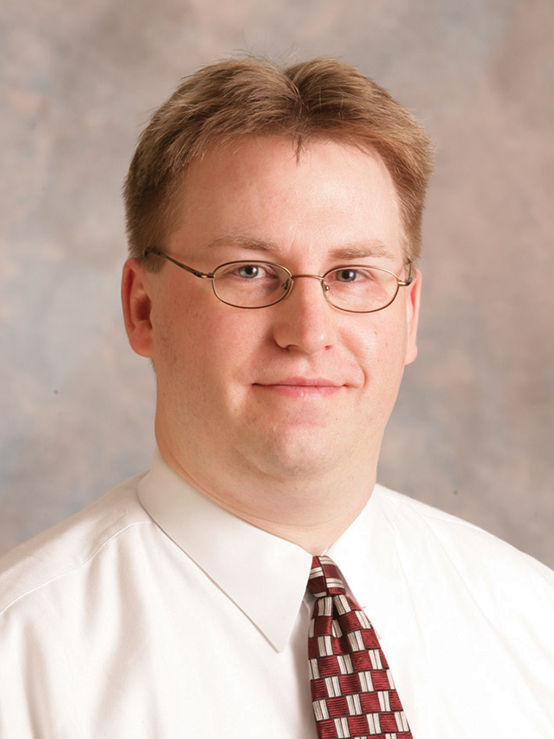
Jeffrey T. Sherer is a Clinical Professor at the University of Houston College of Pharmacy , affiliated with the Department of Pharmacy Practice and Translational Research . His expertise spans geriatrics, internal medicine, and evidence-based pharmacotherapy. Bachelor of Science in Pharmacy (cum laude), The Ohio State University, 1994 Doctor of Pharmacy, Medical University of South Carolina, 1996 Residency in Primary Care Pharmacy Practice, Ralph H. Johnson VA Medical Center, 1997 Master of Public Health, University of Texas School of Public Health, 2006 Research interests include geriatric pharmacotherapy , clinical epidemiology , and dementia-related medication management . Recent publications highlight trends in antipsychotic safety , drug-induced weight gain , and pharmaceutical outcomes in vulnerable populations. Educator Excellence Award, Texas Society of Health-System Pharmacists (2011) Rho Chi Teaching Excellence Award (2011) Faculty Teaching Excellence Award (2010) Editorial Board Member, Pharmacotherapy Self-Assessment Program As an Adjunct Associate Professor at Baylor College of Medicine and active participant in pharmacy education initiatives, his contributions bridge clinical practice, education, and public health research.
Sławomir Bielecki is a Professor at the Department of Rational Use of Energy within the Faculty of Power and Aeronautical Engineering at Warsaw University of Technology. His extensive academic career focuses on critical aspects of modern power systems, energy efficiency, and smart grid technologies. As an active researcher and educator, he contributes significantly to both theoretical advancements and practical applications in electrical power engineering. Professor Bielecki's research centers on energy efficiency in power networks , rational use of energy , reactive power management , smart grids , and the integration of renewable energy sources . His work bridges traditional power engineering with modern computational intelligence methods, addressing contemporary challenges in power quality, prosumer systems, and intelligent building technologies. His research has evolved to address emerging issues like the impact of electric vehicles on grid stability and the effects of global events like the COVID-19 pandemic on residential electricity consumption patterns. The analysis of his recent publications reveals a strong focus on practical applications of power system theory, with increasing attention to renewable energy integration, climate policy impacts, and the transformation of traditional power systems. His work spans both technical aspects of power engineering and broader policy considerations, demonstrating a comprehensive approach to energy system challenges. The Rector of Warsaw University of Technology Award for scientific achievements in 2019 (II grade) The Rector of Warsaw University of Technology Award for didactic achievements in 2019 (II grade) Three-time recipient of EU scholarship programs for young academics Multiple Rector's Awards for scientific and didactic achievements (2008-2015) Winner of national thesis competitions organized by the Association of Polish Electrical Engineers As an educator, Professor Bielecki teaches Electric Power Systems courses and mentors students on diploma theses related to energy efficiency, power systems, and reactive power management. His organizational contributions include serving as Secretary of the Scientific Council for Environmental Engineering, Mining and Energy, representing Warsaw University of Technology in the Polish Committee for Standardization, and leading the Scientific Group no. 240 of the Association of Polish Electrical Engineers. His work demonstrates a strong commitment to advancing both the theoretical foundations and practical applications of modern power engineering.
Dr. Simon Etkind serves as an Assistant Professor in Palliative Care at the University of Cambridge's School of Clinical Medicine and holds a clinical position as Consultant in Palliative Medicine at Cambridge University Hospitals NHS Foundation Trust. He co-leads the PELiCam Palliative and End of Life Care Research Group within the Department of Public Health and Primary Care, focusing on improving care for individuals with complex multimorbidities and frailty through integrated clinical-academic practice. His educational foundation includes an MB BChir and PhD from King's College London (KCL), establishing dual expertise in clinical medicine and research methodology. This training underpins his current work bridging patient care, medical education, and population health research. Etkind's research program centers on navigating uncertainty in advanced illness trajectories, particularly among older adults with frailty and multimorbidity. He investigates how prognostic uncertainties impact patient care experiences and outcomes, developing strategies to enhance communication and decision-making in ambiguous clinical scenarios. His work spans palliative care integration, symptom management, and ethical considerations in end-of-life care, with emphasis on vulnerable populations often excluded from traditional service models. Analysis of his recent publications reveals consistent focus on uncertainty management across diverse contexts—from community nursing roles to assisted dying debates—with methodological rigor combining qualitative, quantitative, and mixed-methods approaches. Key trends include reframing palliative care needs assessment beyond prognosis, addressing specialty-specific research barriers, and developing practical tools for uncertainty navigation in clinical practice. Scientific recognition includes: Marlow Prize (2023) for pioneering research on virtual reality applications reducing pain and anxiety in acute hospital palliative care settings As an educator, Etkind contributes to medical student teaching at Cambridge and mentors through the UK Palliative Trainees Research Collaborative (UK-PRC), which he co-founded to build national research capacity. His leadership has facilitated over 100 study sites across the UK, fostering a sustainable infrastructure for palliative care innovation. Current projects address prognostic communication, global palliative care needs, and equitable service access. The PELiCam research group functions as an interdisciplinary hub driving evidence-based improvements in palliative care delivery, with active projects spanning community care models, symptom management protocols, and policy-relevant analyses of population needs.
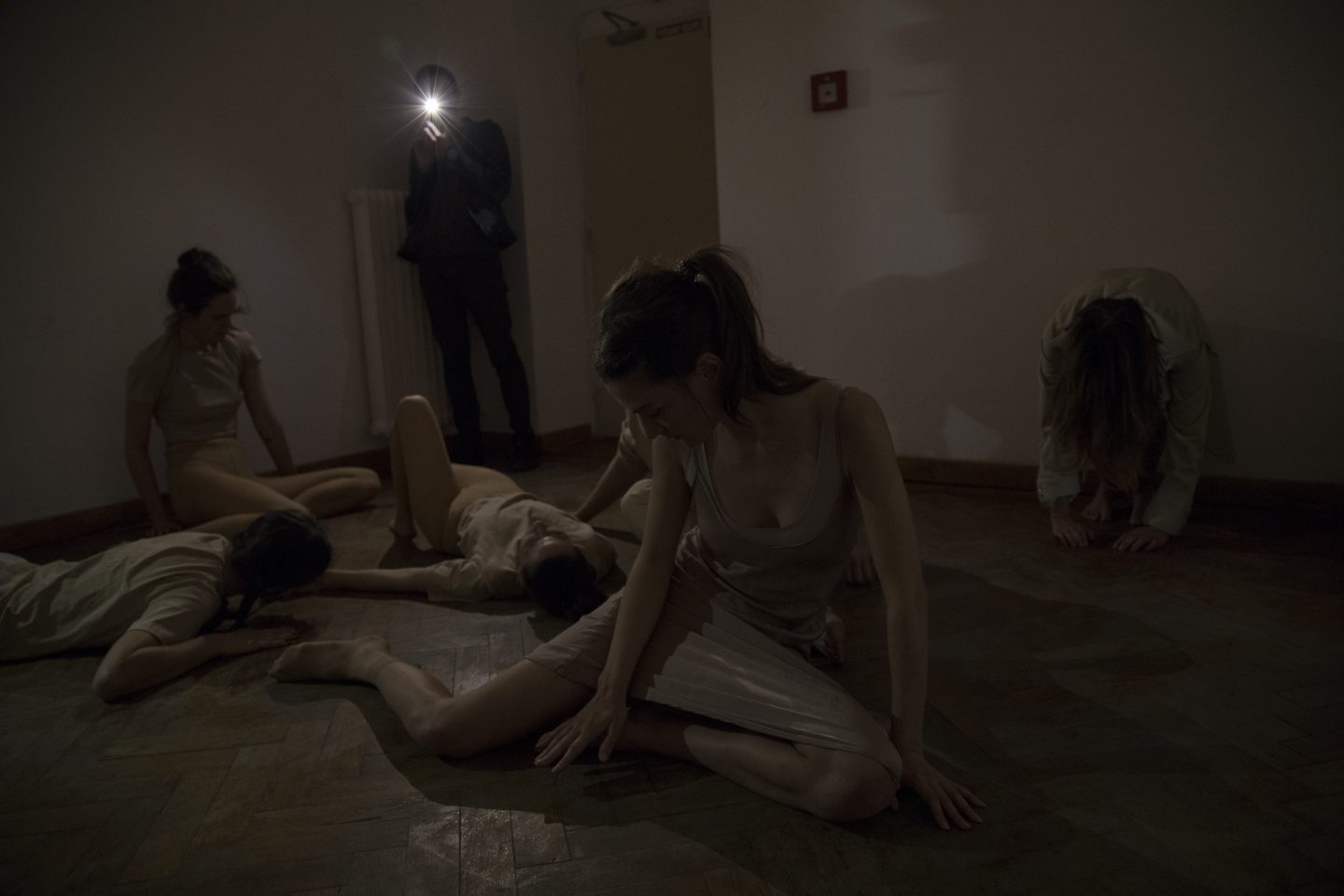
Ľuboš Kotlar is an Assistant Professor at the Department of Photography and New Media at the Academy of Fine Arts Bratislava. Operating between Bratislava and Prague, he is a visual artist, photographer, curator, and educator whose work spans commercial photography, free artistic creation, and collaborative practices. He graduated from VŠVU Bratislava and has participated in international exchanges at Aalto School of Arts in Helsinki and Bezalel Academy in Jerusalem. His research interests focus on queer theory, particularly queer temporality and spatial relations, collaborative art practices, representation of non-normative bodies, and Roma queer identity. His work challenges normative categories through performative approaches and genre-blurring techniques. His notable project 'nowlessness' (2017-present) consists of three interconnected events exploring alternative relationships to time and space. Kotlar's recent artistic output demonstrates a strong engagement with social and political issues, particularly through his 2022 installation 'mould mix melt stir break pinch SUGAR repeat *receipt against racism' at the Biennale Matter of Art in Prague, created with Robert Gabris as part of the i pack* collective. His work examines the intersection of Roma identity, queer experience, and institutional critique. His artistic practice emphasizes collaboration as a survival strategy in times of crisis, drawing on queer theory to understand interdependence rather than celebrating individual genius. He co-founded the art collective dsk. in 2012 and has been actively engaged in creating alternative narratives around marginalized bodies within art institutions.
Dr. Merve Uzuner is an Assistant Professor in the Department of Industrial Engineering at the Faculty of Engineering, Başkent University. She maintains an active research and teaching profile with significant contributions to simulation, optimization, and reliability engineering. Her research focuses on several critical areas: Simulation and modeling of complex production systems Optimization techniques including genetic and memetic algorithms Reliability engineering and system availability analysis Fuzzy logic applications in manufacturing environments Redundancy allocation problems with repairable components Dr. Uzuner's scholarly work demonstrates a consistent pattern of applying advanced analytical methods to solve real-world industrial problems. Her publications reveal a strong emphasis on combining simulation techniques with optimization algorithms to enhance system performance and reliability. She frequently addresses challenges related to uncertainty in production systems through fuzzy logic approaches. Her research has been published in reputable journals including the Journal of the Faculty of Engineering and Architecture of Gazi University, European Journal of Industrial Engineering, and Journal of Turkish Operations Management, as well as numerous conference proceedings from the Operations Research and Industrial Engineering National Congress. As an educator, Dr. Uzuner teaches core industrial engineering courses such as Introduction to Probability and Statistics, Simulation, Simulation Languages, and Statistical Analysis. Her teaching schedule shows active engagement with students across multiple courses including END 320, END 422, END 450, END 513, and END 588, demonstrating her commitment to both undergraduate and graduate education.
Preston P. Thakral is an Assistant Professor of Psychology at Smith College, where he teaches courses in memory, cognitive neuroscience, and research methods. He serves as the Principal Investigator of the Neuroscience of Memory and Flexible Cognition Laboratory, conducting cutting-edge research on the neural mechanisms underlying episodic memory and its relationship to other cognitive processes. Dr. Thakral earned his Ph.D. in psychology and neuroscience from Boston College, where he also completed his M.A. and B.A. His academic journey included postdoctoral fellowships at Harvard University (working with Dr. Daniel Schacter) and the University of Texas at Dallas (working with Dr. Michael Rugg), followed by a position as Director of the Human Neuroscience Laboratory at Boston College before joining Smith College. His research program takes an adaptive perspective on episodic memory, investigating how the constructive nature of memory that makes it prone to error also serves beneficial roles in flexible cognition. His work demonstrates that memory processes involved in remembering past events are also engaged in helpful ways during imagination, creative thinking, and problem solving. This perspective challenges traditional views of memory errors as purely maladaptive, instead framing them as byproducts of a flexible system that supports broader cognitive functions. Dr. Thakral's publications reveal a consistent research trajectory examining the links between memory distortion and creative cognition, with recent work focusing on neural mechanisms using fMRI meta-analyses and examining how memory processes contribute to everyday problem solving. His research employs a multi-method approach including functional neuroimaging, transcranial magnetic stimulation, and event-related potentials to build comprehensive models of memory function. As a mentor and educator, Dr. Thakral guides undergraduate research in his laboratory while teaching foundational courses in psychology. His research has been supported by National Institutes of Health funding, including grants from the National Institute of Mental Health and National Institute on Aging. The Neuroscience of Memory and Flexible Cognition Laboratory employs three primary cognitive neuroscience techniques: fMRI for spatial resolution, ERPs for temporal resolution, and TMS for causal manipulation. This multi-method approach allows the lab to create comprehensive models of episodic memory function that account for insights from both correlational and manipulative methods, providing convergent evidence for theories of memory function.
Diego AROSIO is an Associate Professor at the Department of Chemical and Geological Sciences, University of Modena and Reggio Emilia. His academic focus is in Applied Geophysics (GEOS-04/B), where he conducts research and teaches courses related to geophysical investigations, seismic monitoring, and environmental applications of geophysical methods. Dr. AROSIO teaches several advanced courses including: In situ Geognostic and Geophysical Investigations for the Master's Degree in Geosciences, Georisks and Georesources Seismic Sources and Microzonation for the Master's Degree in Geosciences, Georisks and Georesources Geophysics with elements of seismology for the Degree Course in Geological Sciences His teaching emphasizes practical applications of geophysical methods for environmental monitoring, landslide risk assessment, and cultural heritage preservation. His research interests span multiple areas of applied geophysics: Geophysical monitoring of landfills and waste containment systems Ground Penetrating Radar applications for structural assessment and cultural heritage conservation Seismic and microseismic monitoring of unstable rock slopes and landslides Development and validation of novel geophysical instrumentation and methodologies Application of optical fiber sensors for geohazard monitoring Dr. AROSIO's work demonstrates a strong focus on developing practical, field-deployable geophysical solutions for environmental and engineering challenges. His recent research output shows consistent trends toward developing and validating geophysical methods for environmental monitoring applications, particularly in landfill integrity assessment, landslide monitoring, and cultural heritage preservation. He frequently employs mixed-method approaches combining laboratory testing, field validation, and numerical modeling to advance geophysical techniques. Dr. AROSIO collaborates extensively with researchers across multiple institutions and disciplines, as evidenced by his publication record which includes collaborations with experts in hydrogeology, structural engineering, and environmental science. His laboratory and field research focuses on: Development of monitoring protocols for landfill integrity using geoelectrical methods Application of Ground Penetrating Radar for quality control in marble conservation Microseismic monitoring networks for rock slope stability assessment Optical fiber sensor applications for early detection of landslide precursors These research activities position Dr. AROSIO at the intersection of geophysics, environmental engineering, and geohazard mitigation.
Ann Skinner is a Research Scientist at Duke University, affiliated with the Parenting Across Cultures (PAC) and C-StARR programs. Her research examines how stressful community, familial, and interpersonal events affect parent-child relationships and youth behavioral development, including aggression and internalizing symptoms. She has extensive experience in data management for multisite projects and supervising school- and community-based interventions. Ph.D. in Developmental Psychology, University of Gothenburg, Sweden M.A. in Education, College of William and Mary B.A. in Psychology, College of William and Mary, with focus on special education Skinner’s research spans cross-cultural longitudinal studies on topics like COVID-19’s impact on adolescent development , parenting behaviors , and mental health outcomes . She currently serves as a 2022-23 fellow with the ICDSS COVID-19 Global Scholars Program and has led grants focused on adolescent adjustment and AI-related developmental factors . Her recent publications analyze primal world beliefs , executive function development , and pandemic-related behavioral disruptions across 9–12 nations. She previously worked as a special education teacher and supervisor in North Carolina and Rhode Island.
Bhavani Narayanaswamy is a Professor and Deep-sea ecologist at the Scottish Association for Marine Science (SAMS), part of the University of the Highlands and Islands (UHI). With over 109 research publications and 5370 citations, she has established herself as a leading researcher in marine ecology, particularly in deep-sea and polar ecosystems. Her educational background includes a PhD in Macrobenthic Ecology of the West Shetland Slope from the University of Southampton (2001) and a BSc in Marine Biology and Oceanography from University College of North Wales (1997). Professor Narayanaswamy's research primarily focuses on deep-sea ecology , examining the diversity, composition, and structure of deep-water fauna and how they interact with environmental variables. Her work spans multiple ocean regions including the NE Atlantic and polar seas. She has increasingly focused on microplastics pollution in marine environments, investigating their distribution, abundance, and impacts on marine organisms. Her research contributes to UN Sustainable Development Goals related to environmental protection and sustainability. Her recent publications (2024-2025) demonstrate a strong emphasis on microplastic pollution in various marine ecosystems including Ghanaian mangroves and the Rockall Trough. She also continues to publish on deep-sea biodiversity, taxonomy of marine organisms, and the impacts of climate change on polar ecosystems. Her work combines field research with meta-analyses to address pressing environmental concerns. Professor Narayanaswamy is actively engaged in scientific outreach, with multiple media appearances discussing plastics in the ocean and Arctic seabed ecosystems. She has participated in events such as IMO Maritime Week and the Glasgow Science Festival, demonstrating her commitment to public engagement with science. Her research activities include supervising graduate students and collaborating internationally on marine science projects. She has organized conferences including the UHI Postgraduate Conference in 2017 and continues to be an active member of the marine science community through peer review and advisory roles.
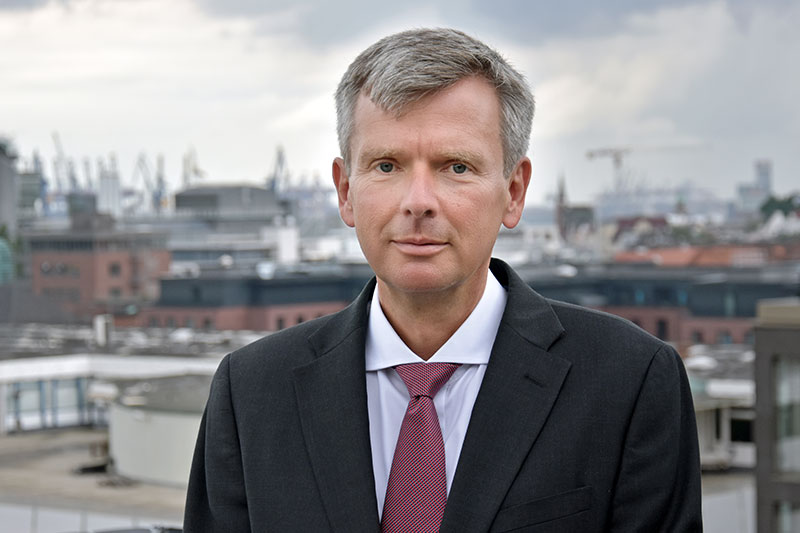
Prof. Dirk Max Johns is Vice President for Teaching and Didactik and Professor of Maritime Management at the HSBA Hamburg School of Business Administration. He leads the Hamburg Maritime Institute (HMI) and directs the MSc Business Development and MSc Innovation Management programs. Previously, he served as Vice President for Research and International Affairs (2021–2024) and was Managing Director of the German Shipowners' Association (VDR) until 2019. His academic background includes studies in Archaeology, Art History, and Business Administration at Montpellier, Leuven, Harvard, and Tübingen. His research focuses on the economic dimensions of maritime industries, with emphasis on: Ship financing models and their evolution Operational management of vessels and logistics Piracy's impact on global shipping security Digital transformation in maritime operations Microeconomic applications in shipping markets He actively investigates how disruptive events (e.g., financial crises, automation) reshape industry practices. Publication analysis reveals consistent themes: maritime economics dominates his work (65% of recent outputs), followed by digital disruption (20%) and environmental compliance (15%). His scholarship increasingly addresses autonomous shipping, GHG reduction strategies, and crisis management in global supply chains, reflecting industry evolution post-2020. He advises two doctoral students: Neele Brauner (maritime labor economics) and Sebastian Ebbing (digital transformation in shipping). As head of the Hamburg Maritime Institute, he oversees interdisciplinary research teams exploring sustainable shipping solutions and maritime policy frameworks.
Dr. A.A.A. Qahtan is an Assistant Professor in the Data Intensive Systems research group within the Department of Information and Computing Sciences at Utrecht University's Faculty of Science. His academic appointment focuses on advancing research and education in data-intensive computing with particular expertise in data stream mining, data cleaning, and explainability of machine learning techniques. Dr. Qahtan completed his PhD studies at KAUST (King Abdullah University of Science and Technology) under the supervision of Xiangliang Zhang and Soujin Wang. Prior to joining Utrecht University, he worked as a postdoc at QCRI (Qatar Computing Research Institute) where he developed pattern functional dependencies (PFDs) for data cleaning. His research spans several critical areas in data science: Data Stream Mining and Real-time Processing Data Cleaning and Quality Assessment Pattern Recognition and Functional Dependencies Outlier and Anomaly Detection Concept Drift Detection in Streaming Data Fairness in Machine Learning Systems Missing Data Imputation Techniques Dr. Qahtan's publication record demonstrates consistent contributions to top-tier venues including PVLDB, KDD, ICDE, and SIGMOD. His recent work shows a progression from foundational data cleaning techniques to advanced applications in categorical data analysis, fairness in AI, and cryptocurrency market analysis. His research bridges theoretical foundations with practical applications across multiple domains. Dr. Qahtan actively contributes to academic education at Utrecht University, teaching courses including Data Analytics, Data Science and Society, Data Wrangling and Data Analysis, and Databases across multiple academic years from 2019 to 2024.
Dr. Aneesh Subramanian is an Assistant Professor in the Department of Atmospheric and Oceanic Sciences (ATOC) at the University of Colorado Boulder. He also holds visiting positions at the Center for Western Weather and Water Extremes at Scripps Institution of Oceanography, UC San Diego, and as a visiting scholar in the Predictability of Weather and Climate group at the University of Oxford. Additionally, he serves as an international collaborator with the Geophysical Flows Lab at the Indian Institute of Technology Madras. His educational background includes: Ph.D. in Climate Research from Scripps Institution of Oceanography, UC San Diego (2012) M.Sc. (Engineering) from Indian Institute of Science (2006) B.Tech from Indian Institute of Technology (IIT) Madras (2004) Dr. Subramanian's research focuses on weather and climate predictability, with particular emphasis on subseasonal-to-seasonal forecasting. His work spans tropical climate dynamics, atmospheric river prediction, data assimilation techniques, and the application of machine learning to improve earth system models. He investigates coupled ocean-atmosphere processes, particularly related to the Madden-Julian Oscillation and its teleconnections, and develops stochastic parameterization schemes for climate models. Dr. Subramanian's recent publications demonstrate a strong focus on advancing subseasonal-to-seasonal prediction capabilities, particularly for extreme weather events like atmospheric rivers and marine heatwaves. His work increasingly integrates machine learning techniques with traditional physics-based approaches, reflecting a growing trend in the field toward hybrid modeling frameworks. Much of his recent research examines regional climate phenomena in the Indian Ocean, Pacific, and Arabian Sea regions, with applications to monsoon prediction and understanding climate change impacts. Dr. Subramanian has received several notable awards and honors throughout his career: Best Team in visualization of weather forecasts Award, ECMWF Users Meeting (2017) Best Student Presentation Award, WCRP Open Science Conference (2011) Best Teaching Assistant Award, Scripps Institution of Oceanography (2011) SUNNY Scripps-NCAR Graduate Student Fellowship (2009-2011) NCAR ASP Summer Fellowship (2008, 2012) Dr. Subramanian has secured multiple research grants totaling over $3 million from agencies including NOAA, ONR, NASA, and KAUST. Current projects focus on improving understanding of air-sea interaction processes, marine ecosystem drivers in the California Current System, monsoon intra-seasonal oscillations, and marine heatwaves. He actively mentors undergraduate research assistants, graduate students, and postdoctoral scholars through his Climate Processes and Predictability Group at CU Boulder. Dr. Subramanian leads the Climate Processes and Predictability Group at CU Boulder, which focuses on subseasonal predictability, data assimilation, Atmospheric River dynamics, and tropical-extratropical teleconnections. He is also an active participant in several collaborative research initiatives including the Geophysical Flows Lab at IIT Madras and the Center for Western Weather and Water Extremes at Scripps Institution of Oceanography. His work frequently involves international collaborations with researchers from institutions in the UK, Saudi Arabia, and India.
Bela Fejer is a Professor in the Physics Department at Utah State University, where he has made significant contributions to the field of ionospheric physics and space science. His research focuses on understanding the complex electrodynamics of the Earth's ionosphere, particularly in equatorial and low-latitude regions. Educational Background: PhD in Electrical Engineering, Cornell University, 1974 MS from Comissao Nacional de Atividades Espaciais (CNAE), São José dos Campos, Brazil, 1970 BS in Electrical Engineering, University of São Paulo, Brazil, 1968 Professor Fejer's research interests center on ionospheric electrodynamics, with particular emphasis on equatorial and low-latitude regions. His work investigates how solar wind, magnetospheric disturbances, and atmospheric phenomena like sudden stratospheric warming affect ionospheric electric fields, plasma drifts, and related space weather phenomena. He has made significant contributions to understanding the lunar tidal effects on equatorial ionospheric electrodynamics and the response of the ionosphere to geomagnetic storms. His research integrates theoretical models with observational data from various satellite missions and ground-based instruments. His most recent publications (2023-2024) continue to explore complex multi-process interactions in the equatorial ionosphere during extreme space weather events, demonstrating his ongoing active research in the field. His work consistently bridges theoretical models with observational data from satellites and ground-based instruments, contributing significantly to our understanding of space weather effects on communication and navigation systems. Scientific Awards: CEDAR Prize Lecture, 1997 (National Science Foundation) Professor Fejer has mentored numerous graduate students throughout his career, including Luis Navarro, Dibrup Hui, Brian Tracy, Michael Olsen, John Jensen, and John Emmert. His teaching portfolio includes foundational physics courses like "Great Ideas in Physics" (PHYS 1100) as well as advanced courses such as "Methods of Theoretical Physics I" (PHYS 5340), "Plasma Physics I" (PHYS 6330), and "Electromagnetism" courses. His research has been consistently funded, as evidenced by his extensive publication record spanning several decades and his receipt of the CEDAR Prize. His work often involves collaboration with international teams and utilizes data from various satellite missions including Swarm, CHAMP, and C/NOFS, as well as ground-based radar and ionosonde measurements from locations around the globe, particularly in equatorial regions. This global approach has established him as a leading researcher in understanding the interconnected nature of atmospheric and space phenomena.
Nada Amin is an Assistant Professor of Computer Science at Harvard University's John A. Paulson School of Engineering and Applied Sciences (SEAS), where she leads the metareflection lab . Her research combines programming languages (PL) and artificial intelligence (AI), focusing on neuro-symbolic systems that are correct by construction, with applications in program synthesis, verification, and precision medicine. Harvard John A. Paulson School of Engineering and Applied Sciences (2019–Present) University Lecturer in Programming Languages at University of Cambridge (2017–2019) Doctoral and postdoctoral work at EPFL (2011–2017) Her research spans three core themes: Safer : Type systems and formal verification (Coq, Dafny, Frama-C) Faster : Multi-stage programming and interpreter collapsing techniques Easier : Neuro-symbolic AI for program manipulation and biological reasoning Key publications include: 2025: Modular Imperative with LLMs (LMPL), Multi-stage Relational Programming (PLDI) 2024: Persimmon for extensible variant types (OOPSLA) 2023: LURK for recursive knowledge (ICFP), Dolorem language growth pattern (ECOOP) Scientific honors include: Teaching Assistant Team Award (EPFL, 2015) Michigan Cambridge Research Initiative Grant (2018) ArsDigita Prize (1999) She has served on program committees for GPCE (co-chair), ICFP, PLDI, and organized workshops in metaprogramming and logic programming. Her teaching portfolio includes graduate courses on neurosymbolic programming, program synthesis, and advanced PL theory.
Dr Keming Yang is an Associate Professor in the Department of Sociology at Durham University and a Fellow of the Wolfson Research Institute for Health and Wellbeing. His academic career has been dedicated to understanding loneliness as a social phenomenon, alongside broader interests in economic sociology, Chinese entrepreneurship, and social gerontology. Research Interests: Sociology of loneliness and mental health Economic sociology and entrepreneurship, particularly in China Social gerontology and ageing studies Statistical methods in social research Cross-national comparative studies His methodological approach is notably eclectic, integrating quantitative techniques like statistical modeling of large-scale survey data with qualitative methods such as case studies and Qualitative Comparative Analysis (QCA). This methodological pluralism reflects his commitment to rigorous, problem-oriented social science. Publications & Research Contributions: Dr Yang's recent publications demonstrate a clear trajectory toward deepening the sociological understanding of loneliness across the lifespan. His 2023 article "Loneliness and intersectionality" introduces a progressive conditional approach to examining how multiple social identities and structures intersect to shape loneliness experiences. Similarly, his 2022 qualitative study on stroke survivors' experiences of loneliness provides nuanced insights into how health events and social contexts interact to produce loneliness. His collaborative work has explored loneliness among adolescents, older adults, and clinical populations, consistently emphasizing the social determinants of mental health. Supervision & Mentorship: Dr Yang currently supervises two PhD students: Sijin Li and Tengpeng Zhang. His supervision interests encompass sociology of mental health and illness, economic sociology, political sociology, social gerontology, and any China-related or comparative cross-national topics. He explicitly welcomes PhD inquiries in these areas. Teaching: He teaches "Sociology of Mental Health and Illness" for senior undergraduates and "Intermediate Statistics" for postgraduate students in the MA Research Methods program, demonstrating his dual expertise in substantive sociology and methodological training.