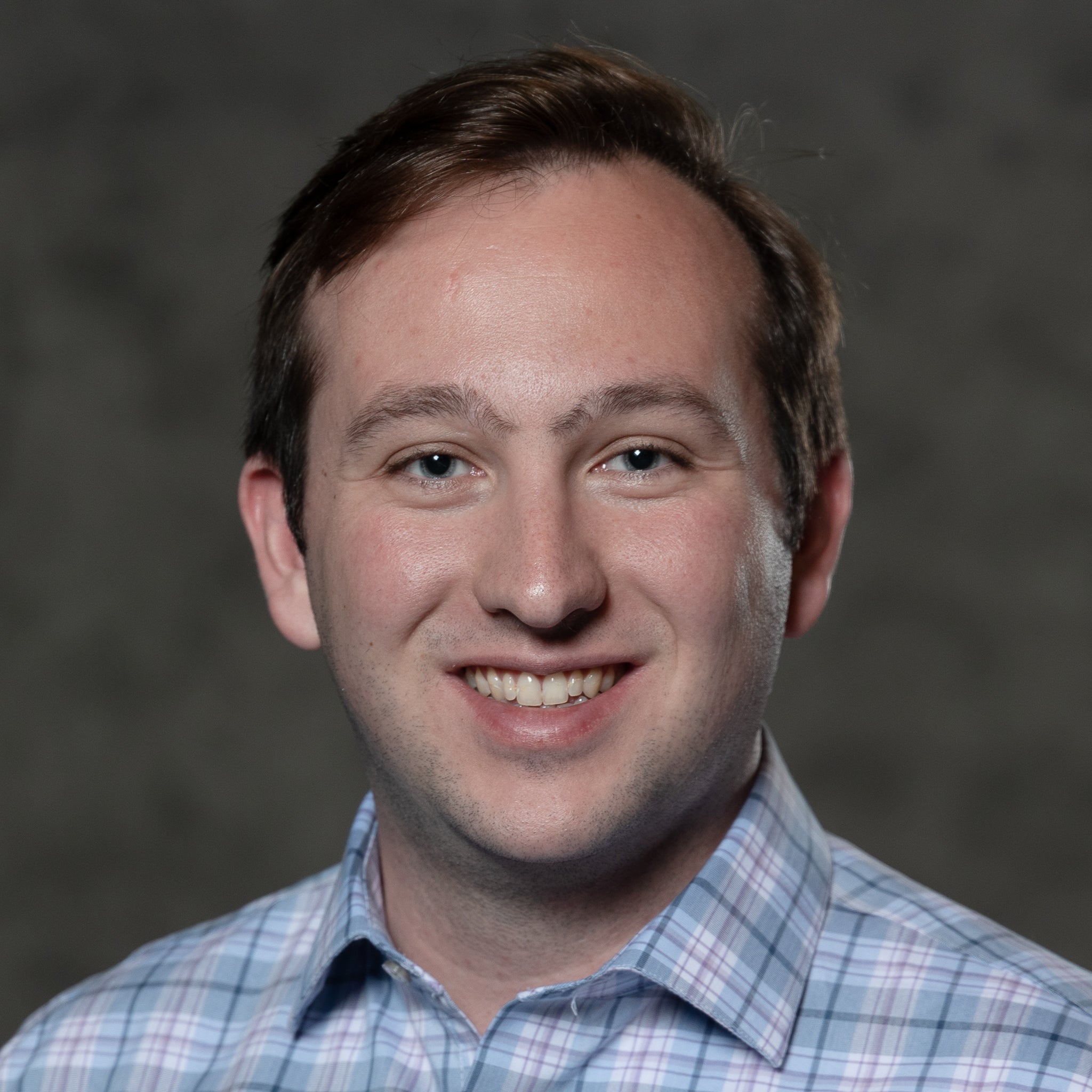
Luen-Chau Li is a Professor in the Department of Mathematics at The Pennsylvania State University, affiliated with the Eberly College of Science. He holds a Ph.D. in Mathematics from New York University (1983). His research focuses on Integrable Systems, Mathematical Physics, and Poisson Geometry, with contributions to nonlinear dynamics, Lie algebra structures, and geometric mechanics. Key research interests include the analysis of Toda lattices, integrable flows on matrix groups, and the interplay between Poisson geometry and factorization problems. His work often explores exact solvability of nonlinear equations and the application of symmetry principles in dynamical systems. Recent publications (2023–2008) highlight studies on Hessenberg elements in Lie algebras, shock clustering models, and the geometry of Floquet CMV matrices. These contributions advance theoretical frameworks in mathematical physics and algebraic structures. Li’s research integrates analytical methods with geometric insights, addressing fundamental questions in integrable systems and their applications to fluid dynamics and spectral theory. No scientific awards are explicitly mentioned in the provided texts.
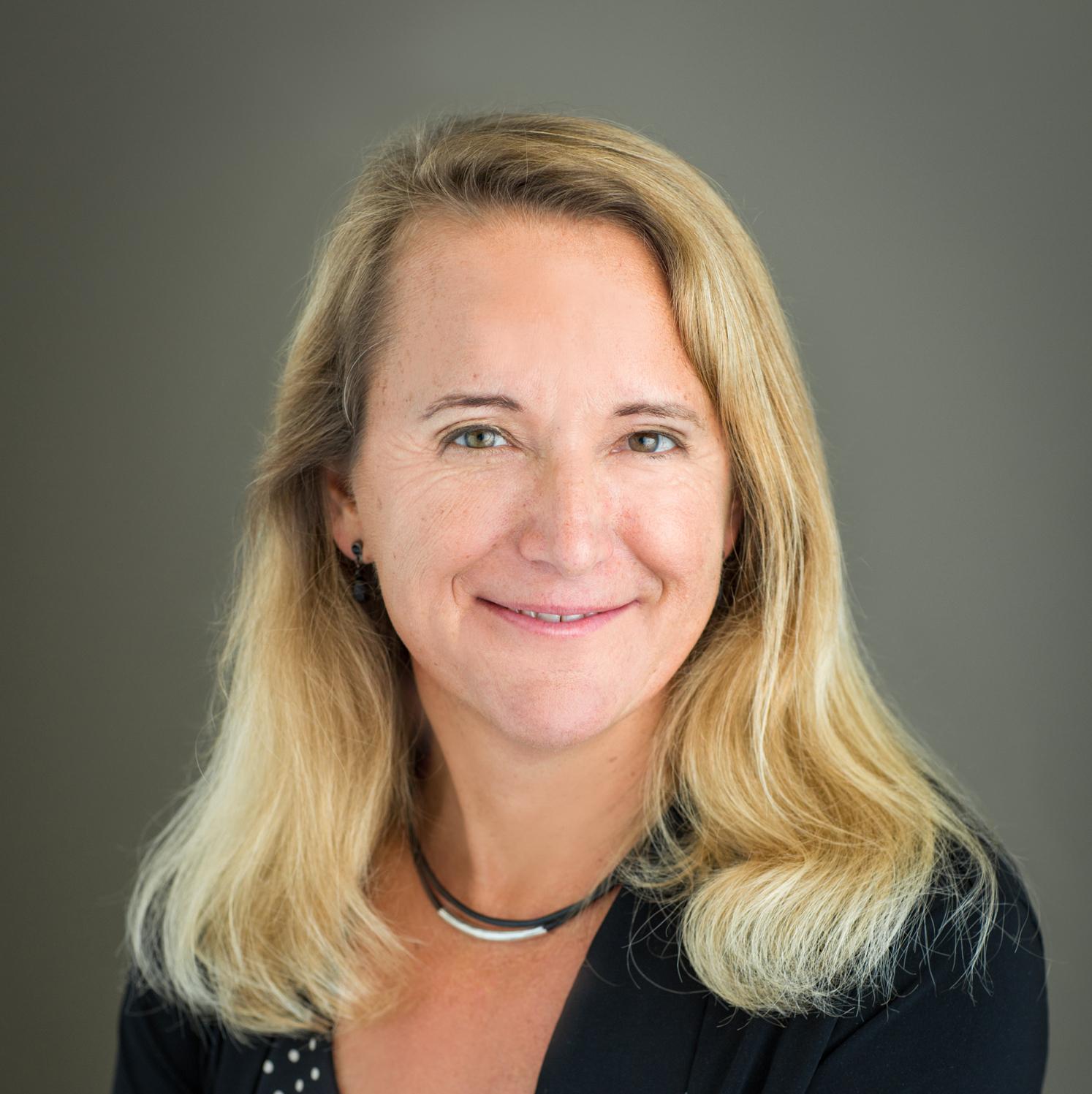
Professor Martyn Lewis is a Professor of Biostatistics at Keele University, with a career spanning over three decades in clinical trials methodology and musculoskeletal research. He holds a BSc in Mathematics and Biology, a PhD in Statistics, and an MSc in Health Economics. His academic journey includes roles at the School of Postgraduate Medicine and the Arthritis Research UK Primary Care Centre before his current position. His research focuses on clinical trials design, statistical and economic evaluations, and musculoskeletal pain management. He has led or contributed to 28 national grants totaling £28 million and published 161 peer-reviewed articles. Notable contributions include pioneering stratified care models for musculoskeletal pain (STarT MSK and STarT Back tools) and cost-effectiveness analyses of healthcare interventions. Prof. Lewis has supervised seven PhD students and one MSc student, examining four postgraduate degrees. He actively participates in research committees, including those overseeing trial oversight, grant funding, and teaching. His work emphasizes translating statistical rigor into practical healthcare solutions, particularly in primary care settings. Key achievements include the SCOPiC and STarT MSK trials, evaluating sciatica and musculoskeletal pain stratification, and the ENHANCE pilot trial integrating care for osteoarthritis and mental health. His awards include Fellowship of the Royal Statistical Society.
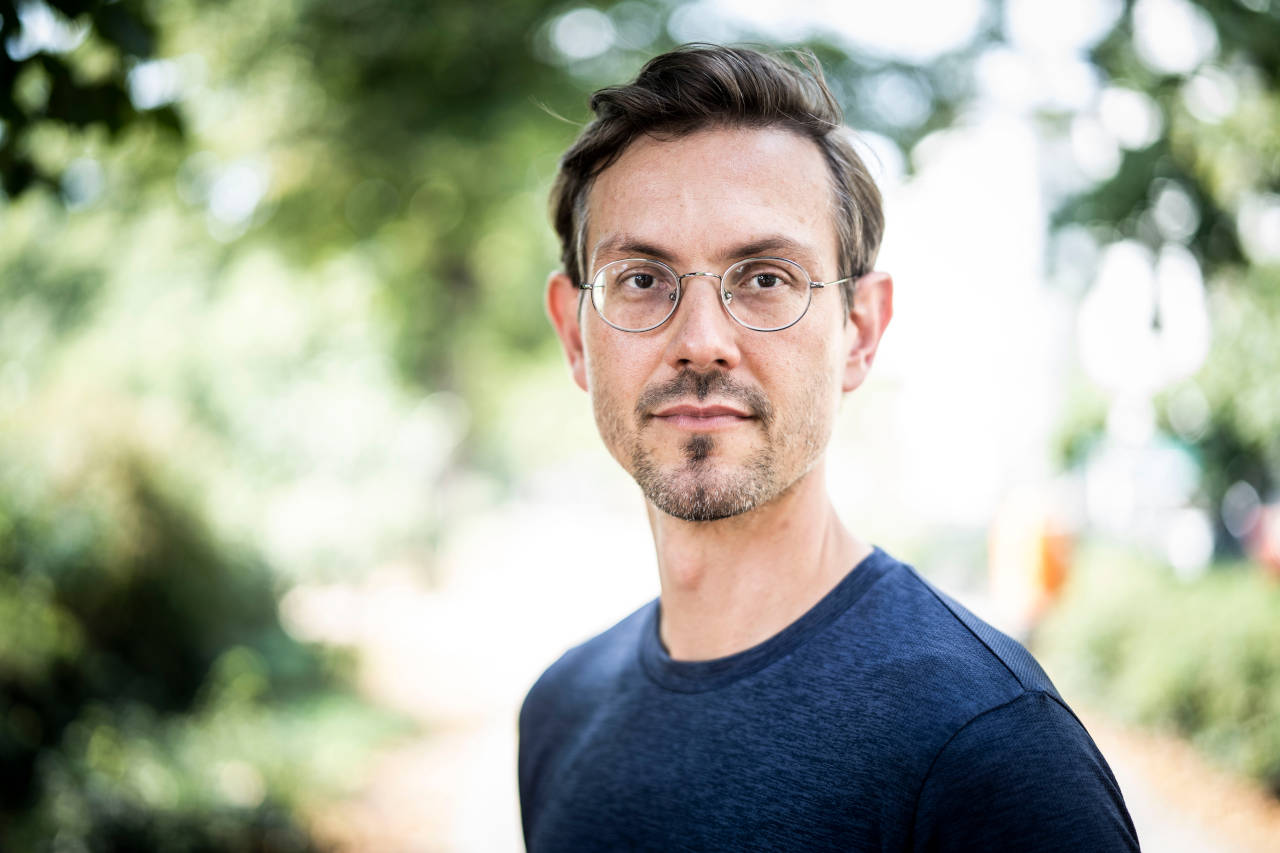
Professor Anatoly Zhigljavsky serves as Chair in Statistics and Honorary Professor at Cardiff University's School of Mathematics. He holds multiple administrative positions including membership in the Senior Management Committee, School Research Committee, School Management Board, School Learning and Teaching Committee, Board of Studies, and Subject panel. University: Cardiff University School: School of Mathematics Position: Chair in Statistics, Honorary Professor Professor Zhigljavsky earned his MSc from the University of St.Petersburg, Russia in 1976, followed by his PhD in 1981 and Habilitation in 1987, all from the same institution. His academic credentials reflect a strong foundation in mathematical statistics and theoretical probability. His research spans several interconnected domains in statistics and optimization. He is particularly renowned for his contributions to Time Series Analysis, where he has advanced Singular Spectrum Analysis (SSA) into a powerful technique for time series analysis, forecasting, and change-point detection. His work in Statistical Modelling in Market Research has resulted in numerous industry collaborations, while his research in Stochastic Global Optimization has provided theoretical insights into random search algorithms, especially in high-dimensional spaces. His investigations into Probabilistic Methods in Search and Number Theory have yielded novel approaches to discrete search problems including group testing with lies. Professor Zhigljavsky has also pioneered Dynamical system approaches for studying convergence of search algorithms, bridging continuous and discrete optimization methodologies. Analysis of Professor Zhigljavsky's recent publications (2021-2025) reveals an evolving research trajectory with increasing focus on high-dimensional statistical challenges, quantization theory, and the intersection of optimization with time series analysis. His work consistently demonstrates mathematical rigor combined with practical relevance, addressing computational challenges in large-scale data analysis. His collaborations span multiple institutions with researchers including Luc Pronzato, Jack Noonan, and Anatoly Pepelyshev. Scientific recognition includes: Constantin Caratheodory Prize in France (2019) Professor Zhigljavsky has secured substantial external funding including projects with Procter and Gamble on statistical modelling in Market Research (totaling approximately £200,000), projects with AcNielsen/BASES on consumer behaviour modeling (£40,000), and projects with GlaxoSmithKline on biopharmaceutical studies (£15,000) and environmental science (£10,000). His research has consistently demonstrated practical applications across multiple industries. As an active member of Cardiff University's Statistics research group, Centre for Optimisation and Its Applications, and Statistical Modelling Unit, Professor Zhigljavsky continues to influence both theoretical developments and practical applications in statistics and optimization.
Dr. Saibun Tjuatja is an Associate Professor in the Department of Electrical Engineering at The University of Texas at Arlington (UTA), where he also serves as the Undergraduate Program Advisor. He holds a BSEE (1987), MSEE (1988), and Ph.D. (1992) from UTA and Purdue University. His research focuses on wave propagation in random media, remote sensing, radar imaging, and subsurface sensing. He has served in leadership roles such as Associate Chairman of the Electrical Engineering Department (1999–2002) and as General Co-Chair of IEEE IGARSS 2017. Currently, he chairs the Progress in Electromagnetics Research Symposia Publications Committee and serves as an Associate Editor for IEEE Transactions on Geoscience and Remote Sensing. Education highlights include a Ph.D. in Microwave Remote Sensing from UTA, with a dissertation on snow and sea ice scattering models. His professional memberships include Fellow of the Electromagnetics Academy and Senior Member of IEEE. He has advised over 15 students in Ph.D. and Master's programs, focusing on radar imaging, microwave sensors, and subsurface detection. His work spans grants totaling millions from NSF and federal agencies, addressing structural health monitoring, soil characterization, and radar network development. Research contributions include pioneering models for microwave emission from layered media, radar target isolation using compressive sensing, and subsurface scattering analysis. He has authored/co-authored over 100 peer-reviewed articles and book chapters, with key works presented at IEEE IGARSS conferences. Awards include the Outstanding Teacher Award (1997) and multiple international fellowships.
Dr. Suyun Paul Ham is an Associate Professor of Civil Engineering at the University of Texas at Arlington (UTA), leading the Smart Infrastructure and Testing Laboratory (SITL). He holds a Professional Engineer (PE) license in Texas and has received the NAI Honorary Membership Certificate and the ASNT Fellowship Award. His research focuses on non-destructive evaluation (NDE), structural health monitoring (SHM), and AI-driven sensing technologies for infrastructure assessment. Educated at the University of Illinois at Urbana-Champaign (PhD, 2015) and Hongik University (BS, 2004), Dr. Ham has over 15 years of industry and academic experience. His expertise spans concrete durability, wireless sensing, and automated inspection systems for bridges, nuclear facilities, and transportation infrastructure. Research interests include metal hydride reactions, superadiabatic thermal waves, and AI integration for infrastructure monitoring. He has developed contactless scanning systems and advanced numerical models to assess damage in concrete structures. Awards: NAI Honorary Membership, ASNT Fellowship, multiple poster competition awards. Grants: TxDOT grant for bridge inspection (2019). Professional Roles: Committee member of ASCE Structural Identification of Constructed Systems; subcommittee member of Transportation Research Board. Dr. Ham teaches courses on nondestructive testing, infrastructure durability, and AI applications. His lab actively collaborates on projects involving robotic scanning, sensor networks, and sustainable urban infrastructure solutions.
Dr. Hunter Belanger is an Assistant Professor in the Department of Mechanical, Aerospace and Nuclear Engineering at Rensselaer Polytechnic Institute (RPI). He holds a B.S. (2018) and M.S. (2019) in Physics from RPI, followed by a Ph.D. (2022) in Nuclear Energy from Université Paris-Saclay. His research focuses on Monte Carlo particle transport methods, reactor physics, and high-performance computing, with active contributions to open-source tools like the Papillon Nuclear Data Library and codes such as ABEILLE and SCARABEE. Education: Ph.D. in Nuclear Energy, Université Paris-Saclay, France (2022) M.S. in Physics, Rensselaer Polytechnic Institute (2019) B.S. in Physics, Rensselaer Polytechnic Institute (2018) Research Interests: Dr. Belanger specializes in advancing Monte Carlo methods for nuclear reactor physics, including development of open-source computational tools for continuous-energy neutron transport, spatially continuous material properties, and high-performance computing. His work addresses challenges such as neutron clustering, transient simulations, and coupled multi-physics problems in reactor cores. Articles Trends: Recent publications emphasize variance reduction techniques, weight cancellation algorithms, and branchless collision methods to improve Monte Carlo efficiency in reactor simulations. Key areas include anisotropic scattering treatment, neutron noise induced by mechanical vibrations, and optimization of particle tracking in stochastic media. Awards: No specific awards listed in provided materials. Advising & Grants: No advisees or grants explicitly mentioned. Contributions focus on open-source software development and computational method advancements. Labs & Teams: Part of RPI's Nuclear Engineering group, collaborating on projects involving continuous-energy simulations and reactor physics. Leads development of the Papillon Nuclear Data Library and related Monte Carlo codes.
Janine M. Jurkowski is a Professor and Department Chair at the University at Albany 's College of Integrated Health Sciences Department of Health Policy, Management and Behavior. With a PhD in Community Health Sciences from the University of Illinois at Chicago, she specializes in community-based participatory research (CBPR) addressing health disparities through: Family-centered childhood obesity prevention programs Empowerment theory applications in low-income communities Latino and disability health equity initiatives CBPR methodology development Education: PhD - University of Illinois at Chicago (2003) MPH - Boston University (1998) BA - University of Rochester (1995) Her research focuses on social determinants of health, cross-cultural survey methods, and Photovoice methodology. Recent publications examine: Parental empowerment in health promotion Co-leadership models in Head Start Impact of policy on breastfeeding support Health disparities among Latinas and African Americans As former Associate Dean for Public Health Practice (7.5 years), she advanced community-university partnerships and co-developed tenure guidelines recognizing publicly engaged scholarship. She currently works on a toolkit for faculty to document community-engaged dossiers.
Michael Houle is a Senior University Lecturer in the Department of Computer Science at New Jersey Institute of Technology (NJIT). He holds a PhD from McGill University (1989) in computational geometry and has held academic and research positions at institutions including the University of Melbourne, National Institute of Informatics (Tokyo), IBM Tokyo Research Laboratory, and universities in Australia and Japan. His research focuses on dimensionality reduction, scalability in AI, machine learning, data mining, and outlier detection. He has made significant contributions to local intrinsic dimensionality estimation and its applications in clustering, classification, and adversarial vulnerability analysis. Education: PhD, McGill University, Computer Science, 1989 BSc, McGill University, Mathematics and Computer Science, 1984 Research interests include algorithmics, relational visualization, and theoretical foundations of data analysis. He has been recognized with multiple awards for best research papers at conferences such as SIAM ICDM, SISAP, and WIMS. His work bridges theoretical insights and practical applications in high-dimensional data processing and AI systems. Key areas of contribution include the development of shared-neighbor clustering methods, analysis of adversarial attack vulnerability linked to high dimensionality, and methodologies for estimating intrinsic dimensionality in local data regions. He also explores applications of these concepts in anomaly detection and machine learning model interpretability.
Srinjoy Das is an Assistant Professor in Data Science at the School of Mathematical and Data Sciences, part of the Eberly College of Arts and Sciences at West Virginia University (WVU). He holds a Ph.D. and M.S. in Electrical Engineering and Statistics from the University of California, San Diego (2018), followed by postdoctoral research at UCSD’s Department of Mathematics until 2021. His research focuses on algorithms for predictive inference on time series, generative models, and efficient implementation of deep learning on edge computing devices. Education: Ph.D. in Electrical Engineering, UCSD (2018) M.S. in Statistics, UCSD (2018) Postdoctoral Researcher, UCSD Mathematics (2018–2021) Research Interests: Algorithms for real-time inference on generative neural networks Efficient implementation of deep learning on FPGAs and edge devices Time series analysis and nonparametric prediction Data-efficient learning in additive manufacturing and healthcare Recent Research Trends: His recent work emphasizes machine learning applications in manufacturing defect detection (e.g., melt pool characterization in 3D printing), geospatial analysis, and healthcare prediction systems. He also explores hybrid optimization strategies and bandwidth-efficient video processing techniques. Mentoring & Collaboration: Advised students on projects including FPGA-based neural network design (Xinyu Zhang), generative model evaluation (Ojash Neopane), and statistical inference for random fields (Ivy Zhang). Collaborates with industry partners like Qualcomm and Microsoft Research, focusing on edge computing and hardware optimization. Labs/Teams: His research group focuses on interdisciplinary projects at the intersection of data science, signal processing, and applied mathematics, with active collaborations in both academia and industry.
Ali Farhadzadeh is an Associate Professor at the School of Marine and Atmospheric Sciences, Stony Brook University. His research focuses on nearshore hydrodynamics, sediment transport, and coastal protection systems. He holds a Ph.D. from the University of Delaware's Center for Applied Coastal Research (2011). His work addresses resilient coastal infrastructure, wave-structure interactions, and disaster resilience for vulnerable communities. Education: Ph.D., 2011 - Center for Applied Coastal Research, University of Delaware. Research interests include coastal flooding mitigation, sediment dynamics under extreme events, and marine renewable energy resource assessment. His recent studies explore scour processes, oyster reef functionality, and human-centric flood resilience strategies. Publications highlight trends in numerical modeling of wave impacts, physical experiments on bluff recession, and collaborative projects on debris dynamics. His research integrates computational tools with experimental data to improve coastal hazard prediction and infrastructure design. Grants include SCC-CIVIC-PG Track A (2022) for socioeconomically disadvantaged coastal communities and collaborative NSF projects on scour mechanisms. He leads efforts in experimental facilities and field observations for coastal processes analysis. Labs/Teams: Directs research on coastal hazards and resilience, with contributions to the School's marine and atmospheric science initiatives.
Lise Getoor is a Distinguished Professor in the Computer Science Department at the University of California, Santa Cruz (UCSC), part of the Baskin School of Engineering. She leads the LINQS group, focusing on statistical relational learning, probabilistic reasoning, and responsible data science. Her research integrates machine learning, databases, and AI to address complex structured data challenges. She directs the UCSC D3 Data Science Research Center, collaborating with industry to develop open-source tools for data-driven decision-making. Her research interests include machine learning, reasoning under uncertainty, entity resolution, data integration, and ethical AI. She has pioneered methods like Probabilistic Soft Logic (PSL) and contributed to foundational work in statistical relational learning. Getoor has been recognized with prestigious awards, including ACM Fellow (2019), IEEE Fellow (2021), and election to the American Academy of Arts and Sciences (2024). Awards: ACM Fellow, IEEE Fellow, WiSE Award (UCSC), Distinguished Alumna Award (UCSB) Advising & Grants: Advised over 15 PhD/Master’s students, including notable alumni like Varun Embar and Sriram Srinivasan. Leads NSF-funded TRIPODS projects and industry partnerships through D3. Labs/Teams: LINQS Research Group (statistical relational learning) and D3 Center (data science tools).
Bryan Smith Gibson serves as an Assistant Professor in the Department of Biomedical Informatics at the University of Utah, holding an additional adjunct appointment in Physical Therapy & Athletic Training. His academic career builds upon extensive clinical experience including management of the Salt Lake City VA Cardiac Rehabilitation Program (2002-2008) and service on the LDS Hospital Inpatient wound care team. Dr. Gibson's educational trajectory demonstrates deep institutional commitment to the University of Utah: BS in Undergraduate Studies MPT in Graduate Training DPT in Doctoral Training (2006) PhD in Doctoral Training (2012) Postdoctoral Fellowship at Veterans Affairs Medical Center His research program centers on the sociotechnical dimensions of health informatics, with particular emphasis on translating psychological science into health technology design. Core methodologies include Workflow Analysis, Cognitive Task Analysis, and Human Centered Design and Evaluation. Primary application domains encompass Type 2 Diabetes management through technology-based behavioral interventions, EHR optimization, and mHealth solutions for patient engagement. Analysis of Dr. Gibson's publication record reveals consistent thematic focus across 15 recent works: chronic disease management (particularly diabetes) through informatics solutions, EHR redesign for improved clinical workflows, and patient engagement strategies using simulation and behavioral science principles. His work bridges technical health IT development with human factors considerations, frequently employing mixed-methods approaches to evaluate sociotechnical system impacts. Professional activities include significant contributions to tobacco cessation implementation science (QuitSMART Utah) and community-engaged diabetes research with Hispanic populations. While no formal advisees are documented in the provided materials, his collaborative publication pattern indicates active mentorship within multidisciplinary research teams.
Prof. Dr. Benedikt Jahnel is a Professor at the Institute of Mathematical Stochastics, Carl Friedrich Gauss Faculty, Technical University of Braunschweig, and Head of the Leibniz Junior Research Group on Probabilistic Methods for Dynamic Communication Networks. His research focuses on the modeling and analysis of spatially embedded systems with interacting random components, with applications in physics, epidemiology, and telecommunications. Education: PhD in Organismic and Evolutionary Biology from Ruhr University Bochum (2011), Diploma from Technical University of Berlin. Research interests: Uses tools from statistical mechanics and stochastic geometry to study phase transitions, percolation theory, and spatial random processes. Current projects investigate continuum percolation, interacting particle systems, and probabilistic methods for communication networks. Recent publications demonstrate strong emphasis on spatial stochastic processes and percolation theory, with applications to network connectivity and epidemic modeling. Trends include mathematical analysis of phase transitions in random environments and dynamics of communication networks. Scientific awards include leadership of Leibniz Junior Research Group, EURANDOM Ambassador appointment, and election to the board of the Probability and Statistics Group of the German Mathematical Society. Leads a research team including 3 postdocs and 3 predoctoral researchers. Current projects funded by DFG, ERC, and Math+ Cluster of Excellence. Heads the DYCOMNET research group at Weierstrass Institute Berlin, focusing on dynamic spatial random systems.
Jing Wang, PhD, is a Professor of Biostatistics and Neurological Surgery at Washington University in St. Louis. She serves as Director of the Biostatistics Consulting Service and holds affiliations with the Institute of Clinical and Translational Sciences (ICTS) and the Center for Biostatistics and Data Science (CBDS). Her research spans biostatistical methodologies, epidemiological studies, and translational medicine with a focus on diabetes, immunology, and endocrine disorders. Dr. Wang’s work integrates statistical innovation with biomedical applications, including machine learning approaches for clustered data analysis and ciliary mechanisms in pancreatic islet function. Her research interests include advanced statistical modeling, public health disparities, and molecular mechanisms underlying chronic diseases. Notable contributions include studies on survival disparities in cancer patients, post-COVID-19 conditions, and the role of primary cilia in glucose regulation and hormone secretion. She has published over 97 peer-reviewed articles, with recent work emphasizing diabetes pathophysiology, heart failure phenotypes, and ciliary signaling pathways in endocrine cells. Dr. Wang leads interdisciplinary teams in designing robust statistical frameworks for clinical research and has pioneered methodologies for analyzing complex biomedical datasets. Her work on pancreatic islet cilia has advanced understanding of cellular signaling in metabolic disorders, while her epidemiological studies address health inequities in vulnerable populations. Collaborations span global institutions, focusing on translational research with clinical impact.
Associate Professor Tim Schlub is the Associate Dean (Education) and Associate Professor of Biostatistics at the University of Sydney's Faculty of Medicine and Health. His research focuses on applying statistical methods to understand infectious disease dynamics, vaccine efficacy, and genetic disorders such as neurofibromatosis. Key areas include HIV persistence, SARS-CoV-2 variants, and cancer genomics. He leads studies on viral dissemination mechanisms, 3D imaging for neurofibromas, and public health interventions for multidrug-resistant tuberculosis. His work bridges clinical trials and epidemiological modeling, with recent contributions to understanding antibody responses and booster strategies for emerging pathogens. Grants: 2018: Peer feedback mechanisms in education innovation 2016: Cancer genomics and psychosocial outcomes His publications analyze viral latency, vaccine effectiveness, and imaging technologies. He collaborates on global health initiatives and contributes to clinical pathway optimization for cancer patients' mental health management. Labs/Teams: Collaborates with multidisciplinary groups in virology, biostatistics, and global health, though specific lab names are not explicitly mentioned in the text.