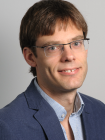
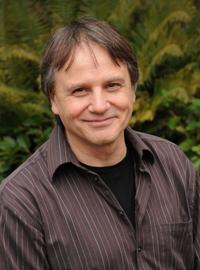
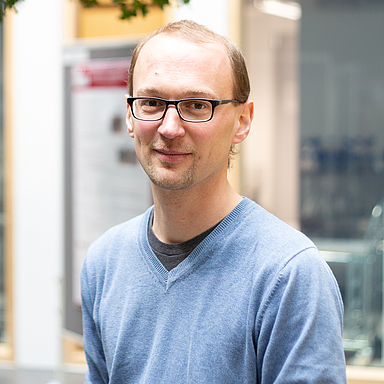
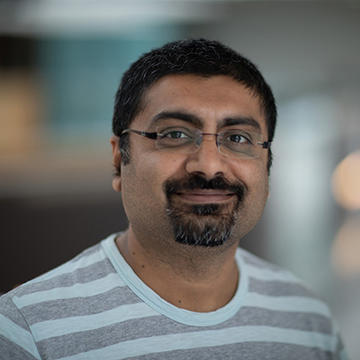
Prof. Ton Bisseling is a distinguished Professor at the Laboratory of Molecular Biology, Wageningen University & Research. His research focuses on plant-microbe symbiosis, particularly root nodule development in legumes, mycorrhizal interactions, and the genetic mechanisms underlying symbiotic relationships. He has supervised over 70 PhD candidates, including ongoing projects like 'The role of endodermis in mycorrhizal symbiotic interactions' and 'Recruiting microbial communities to combat soil salinization.' Key research interests include understanding symbiotic gene regulation, auxin biosynthesis in nodules, and the role of strigolactones in plant-microbe communication. His work bridges fundamental biology with agricultural applications, addressing sustainable crop production challenges. Bisseling has contributed to 431 research outputs spanning articles, datasets, and book chapters. Notable datasets include RNA sequencing studies on ectomycorrhizal roots and strigolactone biosynthesis. He actively engages in public discourse on topics like nitrogen fixation and Chinese PhD student recruitment in Dutch academia. Current projects involve microbial community analysis in saline agriculture and citrus pathogen mechanisms. His lab collaborates globally, with recent studies in China, the Netherlands, and Saudi Arabia.
Prof. Wouter Roos is a Professor at the University of Groningen's Faculty of Science and Engineering, affiliated with the Molecular Biophysics department at the Zernike Institute for Advanced Materials. His research focuses on viral dynamics, membrane assemblies, and protein mechanics, utilizing advanced techniques like High Speed Atomic Force Microscopy (HS-AFM) and optical tweezers. Education: Studied Physics at the Universiteit van Amsterdam, earned a PhD from the Universität Heidelberg under Joachim Spatz. Conducted postdoctoral research at Max-Planck-Institut, Institut Curie, and Vrije Universiteit before joining Groningen in 2015. Research Interests: Physical Virology (viral material properties and dynamics), membrane biophysics (synthetic cells and lipid interactions), and molecular motor systems. His work bridges physics, chemistry, and biology to understand nanoscale biological processes. Recent Article Trends: Studies on hybrid membranes for synthetic cells, leukemic cell mechanics, and antibiotic-membrane interactions highlight his interdisciplinary approach. Key techniques include HS-AFM and single-particle tracking. Awards: Received a VIDI grant and multiple national/international grants. His lab leads the oLife Co-Fund consortium and participates in the MOSBRI research infrastructure. Grants & Leadership: Coordinates the oLife Fellowship Programme and chairs the Molecular Biophysics Lab. Active in steering committees for EU-funded initiatives. Labs/Teams: Heads the Molecular Biophysics Lab, focusing on viral dynamics and membrane systems. Collaborates globally on projects like ESCRT-III polymerization and antibiotic mechanisms.
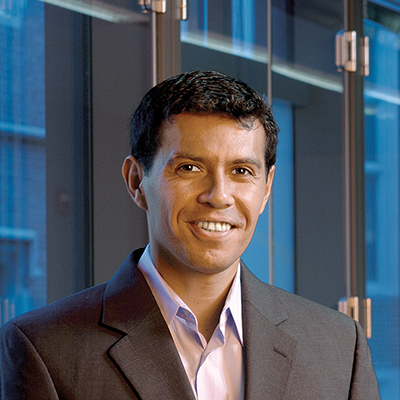
Curtis Suttle is a Professor in the Department of Botany at the University of British Columbia's Faculty of Science. He also holds affiliations with Earth and Ocean Sciences, Microbiology and Immunology, and the Institute for Oceans and Fisheries. His research focuses on marine virology and the ecological roles of viruses in aquatic ecosystems, particularly their impact on phytoplankton and microbial communities. Dr. Suttle received his B.Sc. and Ph.D. from UBC, was a Coastal Marine Scholar at SUNY StonyBrook (1987-88), and served as Assistant/Associate Professor at the University of Texas at Austin (1988-96) before returning to UBC. His research program investigates the biology and ecology of viruses that infect microalgae and cyanobacteria. Key areas include discerning viral effects on primary productivity, isolating novel marine viruses, developing molecular identification methods, and studying viral distribution patterns. His work has revealed that viruses can occur in seawater at concentrations exceeding 10 5 ml -1 , with cyanophage concentrations reaching 10 6 infectious units ml -1 in coastal waters. Dr. Suttle's team has developed PCR primers specific for viral DNA polymerase genes, showing these viruses belong to a single family related to herpes viruses. Recent publications show a strong focus on marine viral ecology, with particular attention to oyster microbiomes, viral taxonomy, and the role of viruses in marine ecosystems. His research spans from coastal environments to the deepest ocean trenches, examining viral diversity across environmental gradients and investigating viral impacts on carbon cycling and marine food webs. Dr. Suttle leads an active research group with several post-doctoral associates, research scientists, and graduate students. His team conducts field work at multiple locations including the Naica Mine in Mexico, Pavilion Lake in British Columbia, Saanich Inlet, and the Strait of Georgia. Current projects include collaborations with the Hakai Institute, Line P Research Cruise, and CASES (Canadian Arctic Shelf Exchange Study). His laboratory has made significant contributions to understanding viral roles in marine ecosystems, particularly through expeditions to extreme environments like the Naica crystal caves and deep ocean trenches. Ongoing research explores viral impacts on microbial community structure, carbon cycling, and ecosystem function across diverse marine habitats.
Owen Skinner is an Assistant Professor in the Department of Chemistry and Chemical Biology at Northeastern University, affiliated with the Barnett Institute of Chemical and Biological Analysis. He leads the Skinner Lab, which specializes in high-resolution mass spectrometry to study protein-metabolite interactions in health and disease. Skinner earned his Ph.D. from Northwestern University and conducted postdoctoral research at Massachusetts General Hospital. His research focuses on thiol redox regulation, vitamin cofactor metabolism, and oxidative phosphorylation dynamics. Education: Ph.D. in Chemistry (Northwestern University), Postdoctoral Fellowship in Analytical Chemistry (Massachusetts General Hospital). Research interests include proteomics, metabolomics, mitochondrial dysfunction, and metabolic signaling. The lab actively recruits graduate students, undergraduates, and postdoctoral researchers across Northeastern's scientific community. Affiliations: Barnett Institute, College of Science Lab Members: PhD students Yifan Liu, Michael Xiao, Angela Rojas-Merchan; Undergraduates Helena Rittenhouse, Ridha Shah; High School collaborator Helen Loango Techniques: Native mass spectrometry, proteomics, metabolomics, redox biology Publications span mitochondrial metabolism, metabolic biomarkers in septic shock, and enzyme engineering. The lab emphasizes interdisciplinary collaboration and supports students through Northeastern's experiential learning programs.
Ueli Grossniklaus is an Ordinary Professor at the University of Zurich within the Faculty of Mathematical and Natural Sciences , affiliated with the Department of Plant and Microbiology . His work focuses on plant developmental biology, particularly epigenetic and genetic mechanisms governing reproduction and adaptation. Key Courses: Epigenetics, Plant Biology Workshop, Group Seminars on Current Research Laboratory Techniques: Advanced methods in plant cell mechanics, transcriptomics, and genome editing Research Interests span plant epigenetics, reproductive biology, and the interplay between environmental stress and genetic regulation. He investigates: Mechanistic control of gametogenesis and fertilization Epigenetic contributions to plant adaptation Evolutionary implications of asexual reproduction Biophysical forces in plant cell growth Publication Trends (2025–2018) reveal expertise in: Arabidopsis and fern model systems Epigenetic regulation (DNA methylation, histone dynamics) Apomixis and hybrid seed failure mechanisms Biomechanics of pollen tubes and carnivorous plants Genome editing tools (CRISPR) and long-read sequencing Scientific Collaborations include interdisciplinary projects on: Microfluidic devices for plant cell analysis Gene drive ecology and ethics 3D imaging of plant reproductive structures Advising and Grants focus on mentoring through research internships in developmental biology, genetics, and systems biology. His lab engages in: Epigenetic response to environmental stress Cell wall mechanics in reproduction Computational modeling of plant growth Laboratory Teams integrate plant biologists, bioengineers, and computational scientists to study: Mechanistic gene regulation Evolutionary developmental biology Microrobotics for cellular force measurement
Kyu Y. Rhee is a Professor of Medicine and Professor of Microbiology and Immunology at Weill Cornell Medical College . His research focuses on Mycobacterium tuberculosis , with emphasis on metabolic pathways , antibiotic resistance mechanisms , and drug development . Research highlights include: Multi-omic approaches to TB drug discovery Mechanistic studies of antibiotic action Deciphering TB transmission genetics Metabolomics-driven target identification Current funding includes: Bill & Melinda Gates Foundation : AI/ML-assisted bacterial permeability platform National Institute of Allergy & Infectious Diseases : UM1 TB drug regimen design consortium National Heart, Lung, & Blood Institute : Studies on M. tuberculosis PE/PPE proteins and fructose-induced cancer He has authored over 50 publications on TB metabolomics, drug development, and pathogen persistence. His work bridges systems biology , chemical biology , and clinical research to address antimicrobial resistance.
Martin Kaltenpoth serves as Director at the Max Planck Institute for Chemical Ecology in Jena since 2020 and Professor for Evolutionary Ecology at Johannes Gutenberg University of Mainz since 2015. Previously, he led the Research Group Insect Symbiosis at the MPI for Chemical Ecology from 2009 to 2015. Education: PhD in Biology (summa cum laude), University of Würzburg, 2006 Diploma in Biology (with honors), University of Würzburg, 2003 His research centers on insect-bacterial symbioses , investigating evolutionary, ecological, and chemical dimensions of host-microbe interactions. Key foci include nutritional and defensive symbiosis in beetles, genomic adaptations of symbiotic bacteria, and chemical mediation of symbiotic relationships. His work bridges entomology, microbiology, and chemical ecology to unravel coevolutionary mechanisms. Analysis of recent publications reveals dominant trends in beetle-microbe systems, emphasizing symbiont roles in cuticle synthesis, antifungal defense, and host-plant adaptation. His studies frequently employ genomic, biochemical, and experimental approaches across diverse insect lineages. No scientific awards were documented in the source material. While specific advisees and grants remain unlisted, his leadership of research groups and dual academic appointments indicate active supervision of graduate researchers and externally funded projects in symbiosis evolution. Currently directing research at the Max Planck Institute, Kaltenpoth advances understanding of symbiotic systems with implications for evolutionary theory and sustainable pest management strategies.
Dr. Richard Y. Zhao is a tenured Professor in the Department of Pathology and Microbiology-Immunology at the University of Maryland School of Medicine. His research combines molecular biology, fission yeast genetics, mammalian biology, and virology to study virus-host interactions, particularly for HIV and Zika virus. He previously held academic positions at Northwestern University and Columbia University and has contributed to over 120 peer-reviewed articles. B.S., China Oceanography University (1981) M.S., Oregon State University (1995) Ph.D., Oregon State University (1991) Postdoctoral Training, Columbia University (1991-1992) Dr. Zhao's research focuses on: Virus-host interactions and pathogenicity High-throughput drug screening for antivirals Role of viral proteins in neuroinflammation and cancer Translational genomics in precision medicine His recent publications highlight SARS-CoV-2 ORF3a, Zika envelope proteins, and HIV protease inhibitors, emphasizing host-pathogen mechanisms across species. He has served on NIH panels and editorial boards for journals like Cell Research and Retrovirology . Scientific awards include: Fellow, American Academy of Microbiology (2019) Bernard L Mirkin Endowed Chair (2001-2004) Honorary Director, Shandong Gallo Institute (2009) Distinguished Service from SCBA (2015) Outstanding Service from CBA-USA (2016) Dr. Zhao also contributes to clinical diagnostics and personalized medicine through molecular testing and pharmacogenetics programs.
Shabaz Mohammed is an Associate Professor of Proteomics at the University of Oxford, holding joint appointments in the Departments of Chemistry and Biochemistry. Since 2020, he has served as Head of the Mechanistic Proteomics research programme at the Rosalind Franklin Institute. His research focuses on advancing proteomics technologies to study protein post-translational modifications and their roles in cellular processes, with applications in viral infections and disease mechanisms. Education: BSc in Chemistry, UMIST (now The University of Manchester), 1999 PhD in Biological Mass Spectrometry, University of Manchester, 2003 Postdoctoral Research, University of Southern Denmark (with Ole Jensen), 2005-2008 Postdoctoral Research, Utrecht University (with Albert Heck), 2008 Professor Mohammed's research centers on developing novel mass spectrometry approaches for large-scale characterization of protein post-translational modifications (PTMs). His group innovates in chromatographic techniques for single-cell proteomics, creates materials for PTM enrichment (glycosylation/phosphorylation), and applies these tools to study viral infections (SARS-CoV-2), cell cycle regulation, and signaling pathways. His work bridges chemistry, biochemistry, and cell biology to understand dynamic protein functions in health and disease. His recent publications (2023-2025) demonstrate strong emphasis on viral proteomics, particularly virus-host RNA-binding protein interactions, and innovations in mass spectrometry fragmentation techniques and chromatography. Key themes include viral remodeling of host cells, new labeling strategies for PTMs, and advancements in single-cell proteomics, with significant implications for understanding viral pathogenesis. Scientific Awards: No specific awards or fellowships were detailed in the source material. Advising and Grants: Information regarding graduate students supervised or specific research grants was not provided in the available text. As an active research group leader, Professor Mohammed likely mentors PhD students and secures competitive funding for proteomics research. Laboratories and Collaborations: Professor Mohammed leads a research group at Oxford focused on proteomics technology development. He collaborates extensively with the Ben Davis group on PTM detection materials and across the university on biochemical applications. At the Rosalind Franklin Institute, he heads the Mechanistic Proteomics programme to unravel protein functions through advanced proteomic methods.
Jennifer Broderick is a Lecturer at the RNA Therapeutics Institute within UMass Chan Medical School in Worcester, MA. Her academic journey includes a BA from the University of Wisconsin School of Medicine and Public Health, a BS in Molecular Biology from the University of Wisconsin-Madison, and a PhD in Philosophy from the University of Massachusetts Medical School. Her research focuses on RNA therapeutics, microRNA function, and molecular biology mechanisms. Key areas include: RNA interference and silencing pathways MicroRNA quantification and therapeutic applications Gene regulation through splicing mechanisms Protein-RNA interactions in mammalian systems Her publications show consistent focus on RNA biology, with recent work advancing therapeutic RNA design and microRNA quantification techniques. Earlier research explored tau protein splicing and RNA silencing mechanisms. Dr. Broderick collaborates with prominent researchers including Phillip Zamore and Guangping Gao, and is part of the RNA Therapeutics Institute research community.
Michael Boutros is a Full Professor at Heidelberg University and Head of Division at the German Cancer Research Center (DKFZ). He currently serves as Dean of the Medical Faculty at Heidelberg University (since 2023) and Director of the Marsilius Kolleg (since 2020). He has held leadership roles including Coordinator of the Functional and Structural Genomics Program at DKFZ (2014–2023) and Acting Scientific Director (2015–2016). His academic base is within the Medical Faculty, focusing on molecular oncology and functional genomics. PhD, Witten/Herdecke University (1993–1996) Postdoctoral Research, Harvard Medical School (1999–2003) MPA, John F. Kennedy School of Government, Harvard University (1999–2001) Additional training: Cold Spring Harbor Laboratory, SUNY Stony Brook His research centers on Wnt signaling, functional genomics, and cancer pathways. He leads major research initiatives such as CRC 1324 on Wnt signaling and the ERC Synergy Grant DECODE. His work integrates high-throughput screening, CRISPR, and systems biology to dissect signaling networks in cancer and development. He has pioneered genome-wide RNAi and CRISPR screens to identify novel regulators of Wnt signaling across models. The 15 most recent articles reflect a strong focus on Wnt pathway regulation using functional genomics in both Drosophila and mammalian systems. Themes include high-throughput screening, CRISPR-based validation, cross-species conservation, and therapeutic targeting. Keywords span Cancer Biology, Systems Biology, and Signal Transduction, with subfields like RNAi, ubiquitination, stem cell regulation, and machine learning in image analysis. Michael Boutros has received numerous scientific honors: Elected member, Leopoldina National Academy of Sciences (2022) Elected member, Heidelberg Academy of Sciences (2022) EMBO Member (2013) ERC Advanced Grant (2012) Johann-Georg Zimmermann Research Award (2007) EMBO Young Investigator (2005) Member, 'Die Junge Akademie' (2003) He has been a recipient of the Emmy-Noether Program, McCloy Fellowship, Boehringer Ingelheim PhD Fellowship, Studienstiftung Fellowship, and Fulbright Fellowship. As a mentor and research leader, he has supervised numerous early-career scientists and coordinated large collaborative grants including the FP7 'CancerPathways' project. He currently serves as Speaker of the Research and Strategy Commission at Heidelberg University and Managing Director of the Health and Life Science Alliance Heidelberg Mannheim. He leads the CRC 1324 on Wnt signaling and is Coordinating PI of the ERC Synergy Grant DECODE. He is also Spokesperson of DFG Research Group 1036 and Coordinator of the former FP7 Coordinated Project 'CancerPathways'. His lab employs cutting-edge functional genomics tools to decode signaling networks in cancer and development.
Professor Guillermo Montoya is a Research Director and Group Leader at the Protein Structure & Function Program of the Novo Nordisk Foundation Center for Protein Research (CPR), University of Copenhagen, Denmark. His work focuses on unraveling cellular mechanisms at the atomic level through advanced methodologies including X-ray crystallography and cryo-electron microscopy. PhD in Chemistry, University of Zaragoza (1989–1993) MSc in Biochemistry, University of the Basque Country (1984–1989) Montoya's research spans Structural Molecular Biology and Genome Integrity , with specific emphasis on: Activation mechanisms of oligomeric kinases CRISPR-Cas12a conformational dynamics Macromolecular complexes in telomere maintenance His publications reveal significant contributions to CRISPR-Cas systems , kinase activation , and DNA/RNA degradation mechanisms . Scientific Awards: EMBO Member (2018) Spanish National Prize in Biomedicine (2009) Multiple Fellowships (EMBO, Marie Curie, FEBS, Marie Curie) Montoya's group integrates structural biology with cell biology to address fundamental questions in genome stability and biomedical applications. His work has been cited over 188 times for studies on CRISPR-Cas endonucleases and has attracted attention from 41 patents.
Prof. Dr. Christian Mayer is a Professor in Physical Chemistry at the Faculty of Chemistry, University of Duisburg-Essen. He serves as Head of the working group focusing on origin of life research, nanocapsules, and NMR spectroscopy techniques. His research group is located at Universitätsstraße 5, D-45141 Essen, Germany, with contact information including phone number +49 201 183-2570. Prof. Mayer's research interests primarily focus on the origin of life in deep tectonic fault zones of the first continental fragments, where he collaborates with Prof. Dr. Ulrich Schreiber from the Faculty of Biology and Prof. Dr. Oliver Schmitz from Applied Analytical Chemistry. His work investigates how vesicle formation occurs in tectonic fault systems through cyclic phase transitions of carbon dioxide, creating ideal conditions for molecular evolution. He specializes in pulsed field gradient NMR (PFG-NMR), high-resolution NMR, and solid-state NMR techniques to characterize nanoscale systems including nanocapsules, vesicles, and microemulsions. His recent publication trends reveal a strong interdisciplinary focus spanning physical chemistry, prebiotic chemistry, and astrobiology. The articles demonstrate increasing integration of computational methods with experimental approaches, particularly in analyzing molecular structures and dynamics. His research has evolved from fundamental studies of nanocapsule systems to broader investigations of protocell formation mechanisms under early Earth conditions, with recent work extending to astrobiological contexts including potential life formation on Titan. Prof. Mayer has established significant collaborations across multiple disciplines, particularly with geologists and biologists, to investigate the physical chemical processes that could have led to the emergence of life. His work bridges fundamental physical chemistry with practical applications in nanomedicine, particularly in developing artificial oxygen carriers based on nanocapsule technology. His laboratory utilizes high-pressure facilities to simulate early Earth crust conditions, with a particular focus on supercritical CO 2 environments. The working group combines experimental approaches with theoretical modeling to understand vesicle formation processes and their implications for the origin of cellular life.
Miler T. Lee is an Associate Professor at the University of Pittsburgh , focusing on gene regulation during early embryonic development through high-throughput experimental and computational genomics. He earned his Ph.D. in Genomics and Computational Biology in 2009 from the University of Pennsylvania under Dr. Junhyong Kim, followed by postdoctoral work with Dr. Antonio Giraldez at Yale University. Joining the university in 2016, his research spans maternal-to-zygotic transition (MZT), RNA stability, pluripotency networks, and evolutionary developmental biology, utilizing model organisms like zebrafish, Xenopus, and Hydractinia symbiolongicarpus. Key Research Themes: Maternally inherited RNA dynamics during embryogenesis Mechanisms of RNA degradation and transcriptome remodeling Evolution of pluripotency networks in hybrid species Role of zinc signaling in fertilization barriers Computational tools for RNA regulation and sensing Scientific Awards: Pan-American Society for Evolutionary Developmental Biology Junior Faculty Award (2024) Outstanding New Investigator – International Xenopus Board (2023) Basil O'Connor Scholar – March of Dimes (2017-2019) Recent publications highlight his work on enhancer classification, RNA degradation mechanisms, and cross-species MZT comparisons. His lab develops innovative methods like RESA for regulatory sequence analysis and studies evolutionary divergence in RNA localization patterns. While the articles span computational and experimental approaches, they consistently address RNA's role in cellular identity, developmental timing, and evolutionary adaptation. Applications include understanding pluripotency, designing RNA biosensors, and elucidating fertilization barriers. Prospective Ph.D. students are encouraged to contact him for opportunities in gene regulation, development, evo-devo, and computational genomics.
Paulo E. Arratia is a Professor in the Department of Chemical and Biomolecular Engineering and Mechanical Engineering and Applied Mechanics. His research spans soft matter physics, complex fluids, and biomechanics, with a focus on non-Newtonian fluid dynamics, bacterial suspensions, and microfluidics. He serves as the Faculty Director of Undergraduate Research and leads a research group based in Towne M60, exploring phenomena such as viscoelastic flow instabilities and the physics of baseball mud. Departments: Chemical and Biomolecular Engineering, Mechanical Engineering and Applied Mechanics Honors: Eduardo D. Glandt Distinguished Scholar, Fellow of the Society of Rheology (2025), APS DFD Fellow (2022) His recent work highlights the interplay between biological systems and fluid mechanics, including studies on bacterial rheotaxis, sedimentation dynamics, and the rheology of human blood plasma. Collaborations with Dr. Jerolmack on mudslide physics and contributions to understanding elastic turbulence and chaotic transport further underscore his interdisciplinary approach. Scientific awards include: Fellow, Society of Rheology (2025) APS DFD Fellow (2022) for experimental discoveries in complex and biological fluid mechanics He has advised PhD students Bryan Torres Maldonado, Ranjiangshang Ran, and Larry Galloway, all of whom successfully defended their theses. His lab’s recent publications analyze soft matter mechanics, granular creep, and viscoelastic swimmers, reflecting ongoing trends in active matter and material failure.