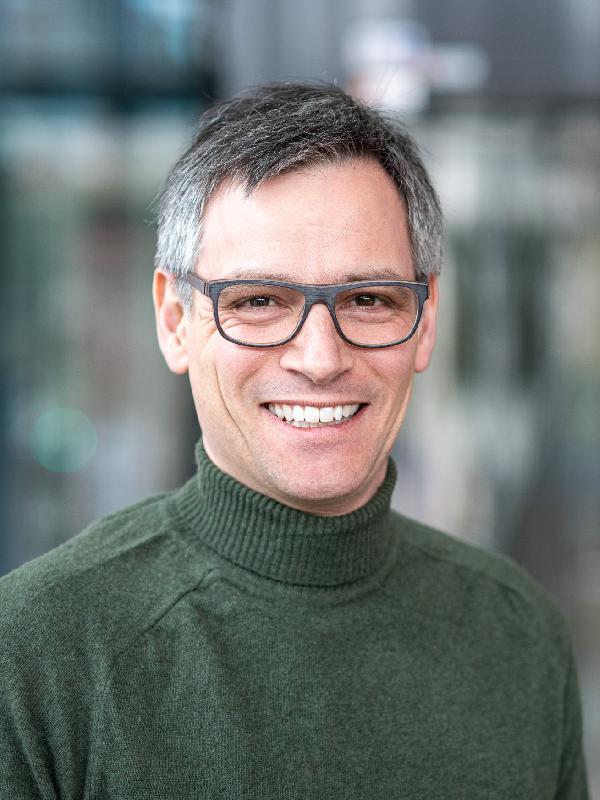
Prof. Dr. Jörg Hackermüller is a computational biologist with expertise in Omics data integration Toxicology Environmental risk assessment Non-coding RNA biology . He serves as Head of the Department of Computational Biology and Chemistry at the Helmholtz Centre for Environmental Research (UFZ) since 2024 and holds a Professorship at the Faculty of Mathematics and Computer Science at Leipzig University since 2021. His research focuses on Developing AI methods for chemical toxicity prediction Multi-omics integration for mechanistic toxicology Data standardization in environmental monitoring Non-coding RNAs as biomarkers in disease and toxicity and has produced 15+ recent publications spanning tools like multiGSEA and deepFPlearn+ . He collaborates with teams across UFZ Leipzig University Novartis Fraunhofer Institute and leads projects like InCeTo and SafePol , integrating exposome research with systems biology.
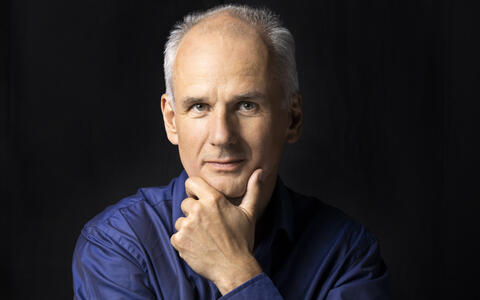
Nikolaus Rajewsky is a leading Professor at the Max Delbrück Center for Molecular Medicine (MDC) and Charité – Universitätsmedizin Berlin , where he founded and directs the Berlin Institute for Medical Systems Biology (BIMSB) . His lab integrates experimental (biochemistry, molecular biology) and computational (bioinformatics, physics) approaches to study RNA regulation in gene expression , with applications to developmental biology, regeneration, neurodegenerative diseases, and cancer . Using model systems like C. elegans , planaria, and human brain organoids, his team pioneers cutting-edge methods such as MirDeep , DistMap , and FLAM-seq for RNA analysis. His research focuses on single-cell transcriptomics , spatial RNA sequencing , and circular RNA (circRNA) regulation , revealing novel roles for circRNAs like CDR1as in neuropsychiatric disorders. Recent work includes 3D tumor microenvironment mapping and computational modeling of RNA metabolism in diseases. Scientific Awards : Gottfried Wilhelm Leibniz Prize (2012) EMBO Membership (2010) Honorary PhD, Sapienza University of Rome (2014) Berlin Science Award (2009) His team's recent articles highlight breakthroughs in 3D spatial transcriptomics , circRNA degradation mechanisms , and mitochondrial disease modeling using human brain organoids. The lab actively collaborates with clinical partners across Charité and European institutions, driving the LifeTime initiative for cell-based interceptive medicine.
Jenn Brophy is an Assistant Professor of Bioengineering at Stanford University, developing technologies for genetic engineering of plants and microbes to address environmental stress resilience and agricultural sustainability. Her lab focuses on synthetic genetic circuits for plant root reprogramming and stress response optimization. B.S. in Bioengineering, UC Berkeley (2010) Ph.D. in Biological Engineering, MIT (2016) Postdoctoral Fellow, Stanford University (Biology) Research spans synthetic biology, plant genetics, and microbiome engineering, emphasizing climate adaptation and sustainable biotechnology. Current projects include: Plant-microbe interaction engineering Stress-responsive biosensors High-throughput genetic tool development Plant cell atlas integration Sustainable laboratory practices Her recent publications highlight advances in recombinase circuits, root architecture engineering, and plant cell mapping, with applications in climate resilience and microbiome design. Collaborators include José Dinneny (Stanford) in plant synthetic biology research.
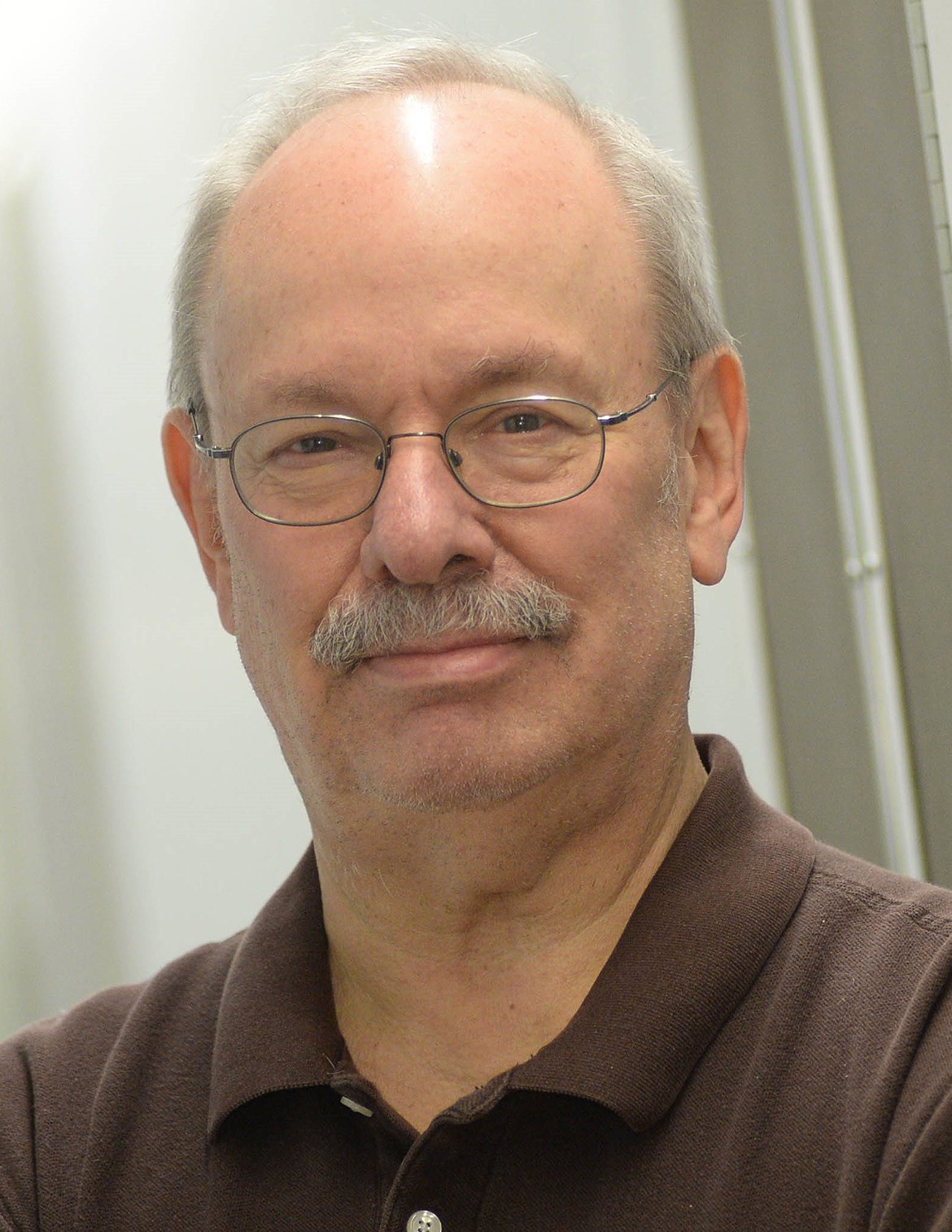
James Manley is the Julian Clarence Levi Professor of the Life Sciences at Columbia University, with extensive research in gene expression regulation. His work spans transcription, RNA splicing, and polyadenylation mechanisms in human cells, connecting these processes to neurodegenerative diseases (ALS/FTD) and cancers. Affiliation: Columbia University, Department of Biological Sciences Contact: jlm2@columbia.edu Research Interests: Dr. Manley's laboratory investigates nuclear processes including: Transcriptional control via RNA polymerase II CTD modifications Alternative splicing regulation by hnRNP and SR proteins Polyadenylation dynamics in cell cycle and differentiation Disease mechanisms in spliceosome mutations (SF3B1, SRSF2) RNA-protein interactions in stress responses Publication Trends: Recent work focuses on disease-associated mutations affecting RNA processing, non-canonical RNA functions, and immune regulation via polyadenylation. Articles span molecular oncology, neurodegeneration, and RNA surveillance mechanisms. Scientific Recognition: Member, American Academy of Arts & Sciences Member, National Academy of Sciences Key Collaborations: Studies involve interdisciplinary work with neurology, cancer biology, and immunology teams. His lab employs biochemical assays, structural analysis, and genetic models to dissect RNA processing pathways.
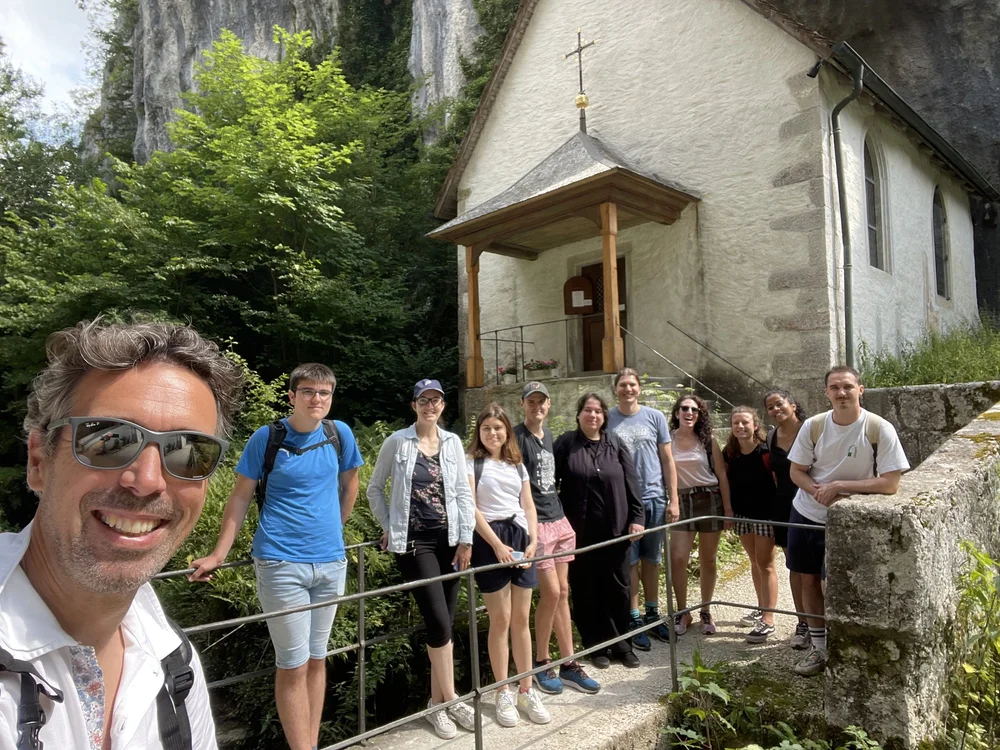
Prof. Torsten Ochsenreiter is a Group Leader at the Institute of Cell Biology, University of Bern, and part of the Multidisciplinary Center for Infectious Diseases (MCID). His research focuses on molecular parasitology, particularly on trypanosomes and malaria parasites, utilizing advanced microscopy techniques to study fundamental biological processes. His primary research interests include mitochondrial biogenesis, kinetoplast genome maintenance, RNA editing mechanisms, and cytoskeletal dynamics in Trypanosoma brucei . He investigates how mitochondrial DNA is segregated during cell division and how post-translational modifications regulate parasite transmission. His work bridges cell biology, structural biology, and infectious disease research to understand pathogenic mechanisms in neglected tropical diseases. Analysis of his recent publications reveals a consistent focus on the tripartite attachment complex (TAC), mitochondrial genome inheritance, and expansion microscopy applications. His research demonstrates how structural adaptations in parasite organelles enable survival and transmission, with significant implications for developing novel therapeutic strategies against African sleeping sickness and malaria. No scientific awards were mentioned in the provided text. Prof. Ochsenreiter advises students and leads an active research team at the University of Bern. The Ochsenreiter lab provides opportunities for undergraduate and graduate students to engage in cutting-edge parasitology research, though specific grant funding details were not provided in the text. The Ochsenreiter lab operates within the Institute of Cell Biology and specializes in molecular parasitology techniques including expansion microscopy, cryo-electron tomography, and genetic manipulation of trypanosomes. The team investigates mitochondrial biology and cytoskeletal organization to uncover vulnerabilities in parasite life cycles.
Mikhail Gelfand is a Full Professor and Director of the Center for Molecular and Cellular Biology at Skolkovo Institute of Science and Technology (Skoltech), where he also serves as Vice President for Biomedical Research. His distinguished career spans multiple prestigious institutions including Lomonosov Moscow State University and the Higher School of Economics. His educational background includes: 1985: MSc in mathematics (functional analysis) 1993: PhD in physics-mathematics (biophysics) 1998: DSc in biology (molecular biology) 2007: full professor (bioinformatics) Professor Gelfand's research focuses on molecular evolution, comparative genomics, systems biology, and metagenomics. His work examines eukaryotic processes including alternative splicing, mRNA editing, and chromatin structure, as well as bacterial genome evolution and transcription regulation. His lab combines data on three-dimensional chromatin structure, epigenetic states, and gene expression to obtain an integrated view of genome functioning across diverse organisms from humans to amoebae. One major research direction focuses on the evolution of transcript splicing and editing, while comparative analysis of bacterial genomes yields functional annotations of novel enzymes, transporters, and transcription factors. His recent publications demonstrate a strong focus on RNA editing in cephalopods, bacterial genome analysis, and computational approaches to understanding chromatin structure. The work spans molecular biology, evolutionary biology, and bioinformatics, with particular emphasis on how RNA editing contributes to adaptation and molecular evolution across metazoans. His research shows how edited adenines are more frequently substituted with guanine in evolution than their unedited counterparts, suggesting RNA editing may enhance adaptation. His notable awards include: The President of Russian Federation's Award for Young Doctors of Science (2000) The "Best Scientist of the Russian Academy of Sciences" award (2004) A. A. Baev Prize in Genomics and Genoinformatics (2007) Member of Academia Europaea (2010) As Director of the Center for Molecular and Cellular Biology, Professor Gelfand leads a research group that combines computational and experimental approaches to study genome function and evolution. His lab's work has significant implications for understanding molecular mechanisms of evolution and adaptation across diverse biological systems, from bacteria to complex eukaryotes. His research on metagenomics extends to practical applications in areas including coral disease, aphids, and oil wells.
Dr. Rosana Collepardo is a Winton Advanced Research Fellow at the Cavendish Laboratory, University of Cambridge, where she leads a research group within the Theory of Condensed Matter (TCM) Group and is also affiliated with the Biological and Soft Systems group. Her research focuses on developing multi-scale computational models to investigate chromatin nanostructure, epigenetic regulation, and biomolecular condensates, with applications in understanding genome organization and sustainable data storage. Her primary research interests include: Computational biophysics of chromatin and epigenetics Mechanisms of biomolecular condensates and phase separation Nanoscale structure of the genome and DNA accessibility Multi-scale modeling from atomistic to mesoscale Design principles for chromatin-inspired data storage Analysis of her recent publications (2023-2025) reveals a dominant focus on chromatin organization, epigenetic mechanisms, and biomolecular condensates. Key trends include the role of nucleosome spacing, linker histones, and epigenetic modifications in chromatin phase separation, alongside investigations into condensate aging, material properties, and the physical principles of phase transitions in RNA-protein systems. Her work consistently integrates computational modeling with experimental validation. Notable scientific awards include: Winton Advanced Research Fellowship ERC Starting Grant Dr. Collepardo actively mentors PhD and MPhil students, including Sivapalan Chelvaniththilan (MPhil in Physics, recipient of Gates and Winton Scholarships), Miguel Garcia Ortegon (MPhil in Scientific Computing), Stephen Farr (PhD in Computational Methods for Materials Science), Akshay Sridhar (MPhil in Scientific Computing), and Adiran Garaizar (PhD with EPSRC scholarship). Her group secures competitive funding through ERC grants and student scholarships. The Collepardo group, established in 2016 at the Maxwell Centre, Cavendish Laboratory, comprises postdoctoral researchers, PhD students, and MPhil candidates. They collaborate with experimental groups to study chromatin dynamics and biomolecular condensates using advanced computational techniques, contributing to fundamental biological understanding and potential biotechnological applications.
Jinhong Meng is a Senior Research Fellow at the Department of Genetics & Genomic Medicine, University College London (UCL), focusing on neuromuscular disorders and gene therapy. He earned his PhD and Bachelor’s degrees from the Fourth Military Medical University. Education: Doctor of Philosophy, Fourth Military Medical University (2000) Bachelor, Fourth Military Medical University (1995) Research Interests: Jinhong Meng’s work centers on Duchenne Muscular Dystrophy (DMD), Spinal Muscular Atrophy (SMA), and gene therapy techniques including CRISPR, lentiviral vectors, and antisense oligonucleotides. His studies explore immune responses to dystrophin, vascular defects in SMA, and dystrophin correction via viral and non-viral delivery systems. Publication Trends: Over the past eight years, Jinhong Meng has published extensively on DMD and SMA, with a focus on gene editing, dystrophin restoration, and cellular therapies. His collaborative work spans lentiviral vectors, foamy virus transduction, and necroptosis mechanisms in muscle degeneration. Labs & Collaborations: He works within UCL’s Genetics & Genomic Medicine Department, collaborating on projects involving dystrophic muscle engraftment, circadian signaling, and RNA editing for genetic mutations.
Professor Susan Brooks is a faculty member at Oxford Brookes University in the School of Biological and Medical Sciences . Her research focuses on glycobiology , cancer progression , and the role of extracellular vesicles in metastasis. Professor of Cell Biology Director of Researcher Development Focus on breast and ovarian cancer Specialized in glycosylation mechanisms Research Interests : Dr. Brooks' work explores how aberrant glycosylation of proteins and glycans influences cancer cell behavior, including metastasis and drug resistance . Her recent studies examine extracellular vesicles as diagnostic tools and therapeutic targets. Article Trends : Over 25 years, Dr. Brooks has published 15+ articles on glycosylation patterns in breast and ovarian cancer. Key areas include lectin binding , miRNA regulation , and radiation-induced metastatic changes . Her work bridges cell biology and clinical applications .
Anthony Brown is an Associate Professor in the Department of Cell and Developmental Biology at Weill Cornell Medical College, part of the Graduate School of Medical Sciences. He has been a faculty member since 1987 and currently serves as Director of the Office of Medical Student Research. Education: B.A. in Natural Sciences (Genetics), University of Cambridge, 1977 M.A., University of Cambridge, 1980 Ph.D. in Molecular Biology, University of Edinburgh, 1982 Postdoctoral Fellow, University of California, San Francisco (with Harold Varmus) Postdoctoral Fellow, University of Strasbourg (with Pierre Chambon) Dr. Brown's research focuses on the Wnt family of signaling proteins and their roles in tissue development, homeostasis, and cancer. His work has significantly advanced the understanding of both canonical and non-canonical Wnt pathways, particularly in breast and colorectal cancers. He has shown that Wnt signaling contributes to oncogenesis through mechanisms involving stem-like cells, epithelial-to-mesenchymal transition, and crosstalk with other signaling cascades such as TGFβ. His research employs diverse models including cell culture, organoids, mouse models, and patient-derived tissues. His recent publications reveal a strong emphasis on Wnt signaling in cancer stem cells, metastasis, and signal transduction mechanisms. Trends include the role of Wnt in tumor microenvironments, regulation of ribosomal DNA, and therapeutic targeting of multiple pathways simultaneously. His work frequently appears in high-impact journals such as PNAS, Cancer Research, and Development. Scientific Awards: Royal Society European Science Exchange Fellowship Medical Research Council (U.K.) Travelling Fellowship Cornell Scholars Award Andrew W. Mellon Teacher-Scientist Award Pew Scholar in the Biomedical Sciences Irma T. Hirschl Career Scientist Award WCM Awards for Teaching Excellence WCM Awards for Excellence in Medical Education Dr. Brown has been actively involved in grant-funded research, including as a Co-Investigator on the Clinical and Translational Science Center (UL1) grant awarded by the National Center for Advancing Translational Sciences (2022–2027). He collaborates with a broad network of co-investigators across disciplines. He also mentors students and contributes to medical education, reflecting his dual commitment to research and teaching. His laboratory investigates Wnt signaling mechanisms and their implications for cancer therapeutics.
Dr. Emre Sefer is an Associate Professor at the Faculty of Engineering, Özyeğin University, specializing in machine learning and bioinformatics. He holds a Ph.D. in Computational Biology from Carnegie Mellon University (2015), an M.S. in Computer Science from University of Maryland College Park (2011), and a B.S. in Computer Engineering from Boğaziçi University (2008). His research bridges graph machine learning with financial networks, bioinformatics, and data engineering. Ph.D.: Computational Biology, Carnegie Mellon University M.S.: Computer Science, University of Maryland College Park B.S.: Computer Engineering, Boğaziçi University Research focuses on applying machine learning to financial and biological networks: Bioinformatics : 3D genome modeling, protein modifications, transcriptomic analysis Graph Machine Learning : GNNs for fraud detection, drug response prediction, and network evolution Financial Networks : Cryptocurrency investment strategies, asset price prediction His lab (OzU Machine Learning in Finance and Bioinformatics Lab) develops graph-based deep learning methods for cross-domain applications, including NFT market analysis and chromatin structure prediction. He received the Best research paper award at Recomb 2016 for work on 3D genome architecture. Former postdoc at CMU Machine Learning Department Industry experience as Quantitative Strategist at Goldman Sachs and JPMorgan
PD Dr. Michael Veit is an Associate Professor (Privatdozent) at the Institute of Virology, School of Veterinary Medicine, Freie Universität Berlin , where he heads the independent Research Group Veit – Cell Biology of Viral Infections . He is a faculty member of the Center for Infection Medicine and participates in the Berlin Equine Virus Lab (BEVL). Education & Training Doctorate (Dr. rer. nat.) in Virology/Biochemistry – exact institution not stated in text. Post-doctoral qualification (Privatdozent) awarded by Freie Universität Berlin. Research Focus Veit’s laboratory investigates the molecular and cellular biology of enveloped RNA viruses , with emphasis on virus–host membrane interactions and post-translational lipid modifications (S-acylation/palmitoylation). His group combines reverse genetics, live-cell imaging, mass spectrometry and structural approaches to dissect how viral glycoproteins are modified, trafficked and assembled into infectious particles. Model pathogens include influenza A, B, C and D viruses, coronaviruses (SARS-CoV-2, MERS-like CoVs, PHEV, PDCoV), arteriviruses (PRRSV, EAV), alphaviruses (Getah, CHIKV-like), and other emerging zoonotic agents. Publication Trends From 2020 to 2025 Veit has published >30 high-impact articles that cluster around four major themes: (i) coronavirus surveillance and zoonotic risk assessment , (ii) mechanistic dissection of protein acylation in influenza and arteriviruses , (iii) structure-function analysis of viral entry receptors (ACE2, LDLR), and (iv) development of reverse-genetic tools and reporter viruses for antiviral screening. Grants & Collaborative Networks Ongoing third-party funded projects coordinated by Veit are not explicitly listed in the text, but the continuous publication output and mention of “Current Collaborations” imply active grant support. He collaborates closely with other FU Berlin groups (Osterrieder, Kaufer, Azab) and international partners on coronavirus and influenza consortia. Laboratory & Teams The Research Group Veit comprises post-docs, PhD students and technicians working in BSL-2 and BSL-3 facilities at the Institute of Virology. Core platforms include confocal & FLIM microscopy, quantitative proteomics, and reverse-genetics suites for segmented RNA viruses.
Jennifer Golden is an Associate Professor in the Department of Pharmaceutical Sciences at the School of Pharmacy , University of Wisconsin-Madison . Her research focuses on synthetic medicinal chemistry to develop novel antiviral and anti-parasitic agents for diseases like alphavirus infections and kinetoplastid parasites. The Golden Lab emphasizes chemical methodology development and structure-activity relationship analysis through collaborations assessing compound efficacy in cell and animal models . Research Projects Quinazolinone Rearrangement: Developing synthetic transformations for amidine formation and ring-fused scaffolds. Anti-Alphaviral Agents: Creating FDA-approved therapeutic candidates for mosquito-borne RNA viruses. Broad-Spectrum Antiparasitics: Optimizing compounds for malaria, African sleeping sickness, and leishmaniasis. Publications highlight her work on ML336 (anti-VEEV), quinazolinone derivatives , and collaborations with experts in high-throughput screening and structural biology . Her lab trains students in hit-to-lead optimization , regioselective synthesis , and medicinal chemistry tactics . Education: B.S. (1996) – Eastern Illinois University Ph.D. (2002) – University of Kansas Postdoctoral Research (2004) – Stanford University
Guillaume Chanfreau is a Professor in the Department of Chemistry and Biochemistry within the College of Letters and Science at the University of California Los Angeles (UCLA). His research focuses on fundamental mechanisms of RNA metabolism, with particular emphasis on RNA splicing, decay pathways, and ribonuclease functions. His work spans molecular biology, biochemistry, and genetics, utilizing yeast as a primary model organism to investigate conserved RNA processing mechanisms. Professor Chanfreau's research interests center on understanding how RNA processing pathways regulate gene expression. His work examines transcription termination, RNA splicing fidelity, RNA decay mechanisms, and the role of ribonucleases in cellular RNA homeostasis. He investigates how these processes are interconnected and how they respond to cellular stress conditions. His laboratory has made significant contributions to understanding how RNA quality control mechanisms prevent the accumulation of aberrant transcripts and maintain cellular health. Analysis of Chanfreau's recent publications (2020-2025) reveals a strong focus on RNA splicing mechanisms, RNA decay pathways, and ribonuclease functions. His work frequently employs yeast genetics combined with advanced RNA sequencing techniques. A notable trend is the increasing use of long-read sequencing technologies to analyze RNA isoforms and decay intermediates. His research consistently bridges fundamental molecular mechanisms with potential implications for understanding human diseases related to RNA processing defects. Professor Chanfreau has been continuously funded by the National Institutes of Health, with his current grant R35GM130370 (2019-2023) titled 'The Control of Gene Expression by Eukaryotic Ribonucleases' and previous long-term funding through R01GM061518 (2000-2019). His research program has supported numerous graduate students and postdoctoral researchers who have contributed to his extensive publication record spanning over two decades.
Stephen L. Mayo is the Bren Professor of Biology and Chemistry and Merkin Institute Professor at the California Institute of Technology (Caltech). He has held academic roles including HHMI Investigator (1994–2007), Vice Provost (2007–2010), and Division Chair (2010–2020). His education includes a B.S. from Pennsylvania State University (1983) and a Ph.D. from Caltech (1987). Mayo’s research focuses on computational protein design, enzyme engineering, and structural biology. His lab develops methods like ORBIT/TRIAD for protein stability, catalytic activity, and molecular recognition. Key areas include designing novel enzymes (e.g., chorismate mutase analogs), exploring protein evolution pathways, and studying calcium signaling via calmodulin mutants. His work bridges theory and experiment, supported by grants from DARPA, HHMI, and the Ralph M. Parsons Foundation. Mayo has pioneered enzyme design automation and contributed to genome editing through Argonaute-based systems. His awards include HHMI Investigator status, reflecting his impact on biotechnology and molecular biology. Education: B.S., Pennsylvania State University, 1983 Ph.D., Caltech, 1987 Research Interests: Computational protein design and automation Enzyme function and engineering Protein stability and evolution Calcium signaling pathways in neurons Protein-protein interaction design Publications: Focus on protein engineering, biosensors, and synthetic biology Notable contributions include calmodulin mutants and Argonaute-based genome editing Awards: Howard Hughes Medical Institute Investigator (1994–2007) Grants & Funding: Ralph M. Parsons Foundation Defense Advanced Research Projects Agency (DARPA) Institute for Collaborative Biotechnologies (ICB) Lab & Future Work: Mayo Group at Caltech Advancing enzyme design for medical and industrial applications Exploring neutral pathways in protein evolution