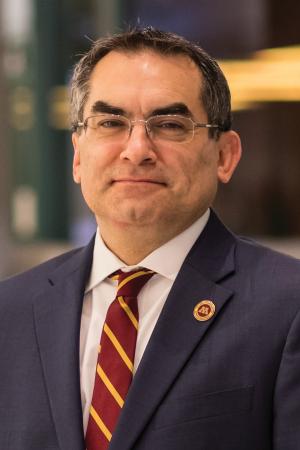
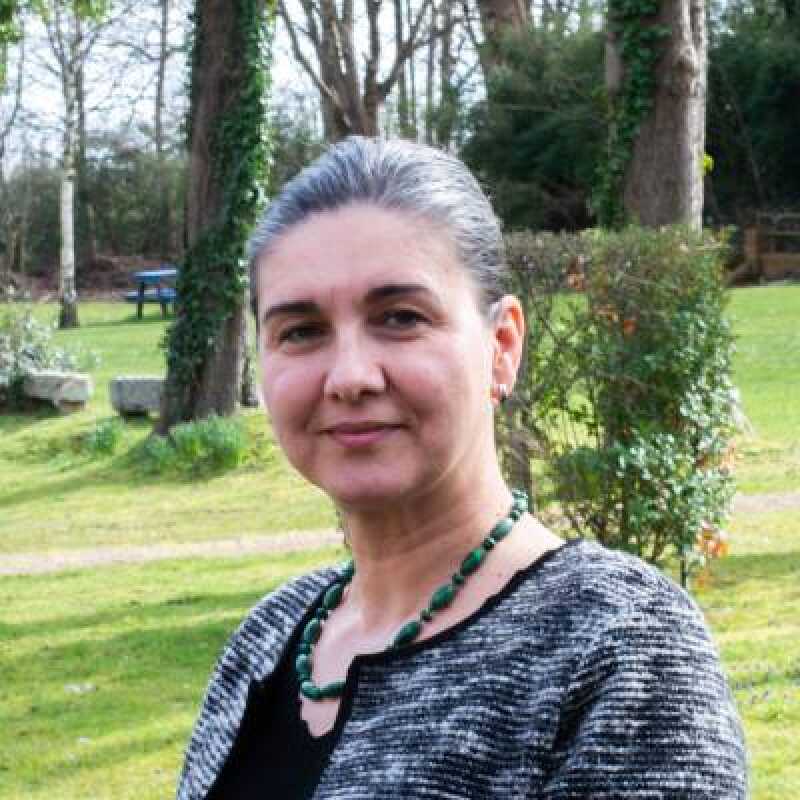
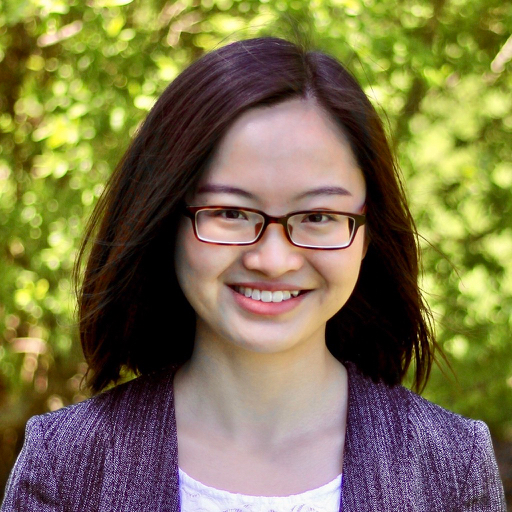
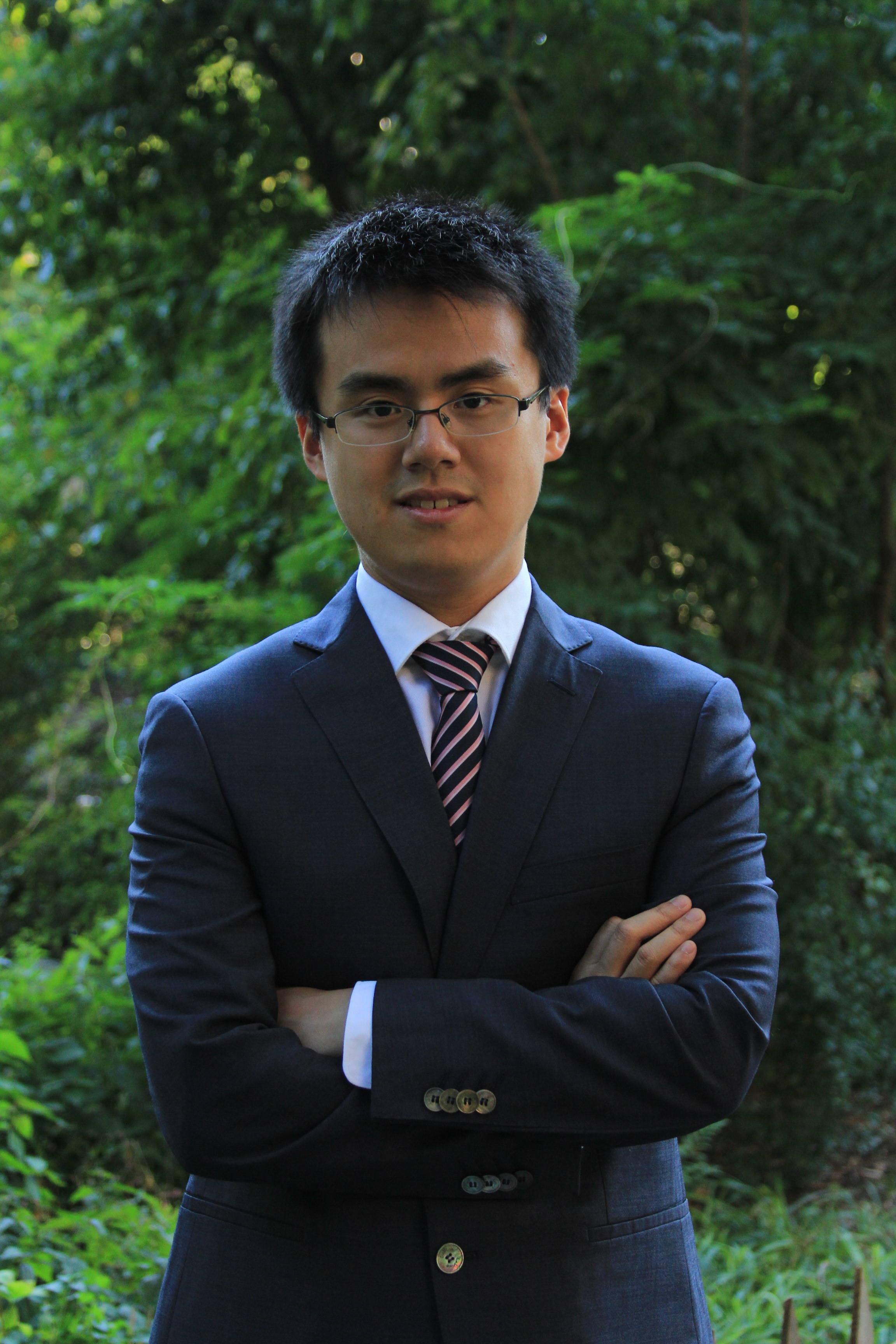
Associate Professor Ivan Guo is a faculty member at Monash University's School of Mathematics, where he leads research in mathematical finance and stochastic modeling. He obtained his PhD in Mathematics from the University of Sydney in 2014 and currently accepts PhD students. His work bridges theoretical mathematics and practical financial applications, with active projects spanning 2022-2026. Research Focus Dr. Guo's research centers on three interconnected areas: Optimal Transport Applications : Developing transport-based methods for financial model calibration and derivatives pricing Market Microstructure : Analyzing market-making strategies, liquidity, and high-frequency trading dynamics Sustainable Finance : Modeling green investment impacts and energy market transitions using game-theoretic approaches Active Projects Can green investors drive transition to a low-emission economy? (2022-2026) Integrating energy storage into electricity markets (2022-2024) Data61 CRP #46 - Risklab mathematical sciences (2020-2023) Efficient computational techniques for econophysics (2019-2021) The role of liquidity in financial markets (2017-2020) His research consistently addresses model uncertainty, volatility dynamics, and computational methods across 18+ publications since 2012.
Michael C. Rodriguez is the Dean of the College of Education and Human Development (CEHD) at the University of Minnesota and holds the Campbell Leadership Chair in Education and Human Development. He has been a professor of measurement at CEHD since 1999. Education: PhD in Measurement & Quantitative Methods (Michigan State University), MA in Public Affairs (University of Minnesota Twin Cities), BA in Psychology (University of Minnesota Morris) His research focuses on test development , measurement accessibility , social-emotional learning assessment , and psychometric meta-analysis . He pioneered the use of item response models to evaluate equity in testing for students with disabilities and English language learners. Recent publications emphasize fairness in assessment , longitudinal SEL measurement , and foundational competencies in educational measurement . His work bridges psychometrics with socio-cultural youth development contexts. Scientific Awards: All My Relations Equity in Action Award (2022), C. Eugene Allen Award (2019), Robert H. Beck Teaching Award (2008) He chairs the Technical Advisory Group of the National Board of Professional Teaching Standards and contributes to the revision of the Standards for Educational and Psychological Testing . As founding director of the Minnesota Youth Development Research Group, he explores measurement frameworks for educational equity and youth wellbeing.
Dr. Diana Tunaru is a Lecturer in Finance at Kent Business School , University of Kent, with expertise in empirical finance and quantitative methods. Her research focuses on dynamic financial modeling and forecasting, particularly in interest rate structures and volatility spillover effects. Education: Diploma in Mathematics (University of Craiova), Master in Banking and Finance (Middlesex University), PhD in Finance (University of Westminster) Research Interests include multi-factor continuous-time models, Gaussian estimation techniques, and the analysis of financial variables like interest rates, equities, and derivatives during economic distress. She applies her industry experience in investment banking to bridge theoretical and practical finance. In publications , Diana has explored topics ranging from agricultural commodity forecasting to green finance, with recent work emphasizing sustainability-driven portfolio performance and market interconnectedness. Her methodological focus on statistical accuracy tests and spillover effects reflects her commitment to advancing financial modeling. Teaching: Quantitative Methods for Finance, Introduction to Econometrics, Financial Investments, Economics of Financial Markets Diana serves as Senior Tutor at Kent Business School (Medway campus) and contributes to postgraduate education through her supervision of undergraduate dissertations on empirical finance and financial time series analysis.
Anthony Taboni is a Postdoctoral Researcher in the Department of Government at the University of Texas at Austin, transitioning to an Assistant Professor role in Fall 2026. He earned his PhD from Princeton University's Department of Politics in 2025 and holds a B.A. in Mathematics and Political Science from the University at Buffalo (2019). Focus on judicial politics and American political institutions Research combines formal theory and quantitative methods Interests extend to decision-making under uncertainty for judges and litigants
Jennifer Somers is an Assistant Professor in the Department of Psychological Sciences at Auburn University , directing the FLOWER Laboratory (Families: Leveraging Opportunities for Wellbeing and Resilience). Her research examines biobehavioral processes in parent-child interactions that influence depression and anxiety risks. Education: PhD in Clinical Psychology (Arizona State University, 2021) MA in Clinical Psychology (Arizona State University) BA in Psychology & English (Pomona College) Her work focuses on dyadic resilience , emotion regulation , and physiological synchrony in families. She has secured funding from NIMH, NSF, and private foundations. Recent publications analyze parent-child interactions , RSA synchrony , and transdiagnostic biomarkers spanning developmental psychology, clinical research, and behavioral science. Labs & Teams: FLOWER Lab investigates mechanisms to promote family resilience across the lifespan, integrating biological and environmental factors in mental health outcomes.
Margaret Karagas, PhD is the inaugural Department Chair and James W. Squires Professor of Epidemiology at the Geisel School of Medicine at Dartmouth College, with a secondary appointment as Professor of Community and Family Medicine. She also serves as Director of both the Children's Environmental Health and Disease Prevention Research Center and the Center for Molecular Epidemiology at Dartmouth. Her leadership extends to the NIH-funded Environmental Influences on Child Health Outcomes (ECHO) Program, which encompasses over 90,000 participants across the United States. Dr. Karagas earned her PhD from the University of Washington in 1990 and has established herself as a leading researcher in environmental epidemiology. She collaboratively developed an innovative cross-disciplinary postdoctoral and graduate program in Quantitative Biomedical Sciences (QBS) that integrates epidemiology, bioinformatics, and bistatistics. Her research focuses on interdisciplinary studies investigating environmental exposures, host factors, and biological mechanisms affecting health from infancy through adulthood, with particular emphasis on under-studied rural populations. Dr. Karagas employs high-dimensional analytic tools along with biomarkers and sensors to study the exposome, genetic susceptibility, and biological response. Her work has uncovered adverse cardiometabolic, neurodevelopmental, and immune-related health outcomes associated with drinking water contaminants, food-borne toxicants (including in infant first foods), and exposures from woodstoves. Analysis of her recent publications reveals a strong focus on environmental health impacts across the lifespan, with significant contributions to understanding how environmental exposures affect child development, chronic disease risk, and health disparities. Her work frequently employs advanced molecular and analytical techniques to assess environmental exposures and their biological consequences. Dr. Karagas serves on numerous prestigious international consensus panels and committees, including those for the United Nations, World Health Organization, International Agency for Research on Cancer, European Food Safety Authority, US National Institutes of Health, and National Academies of Science, Engineering and Medicine. As an academic leader, she has mentored diverse investigators at all career stages and established innovative training programs. Her research has directly contributed to practice and policy changes regarding environmental health threats. She maintains active collaborations across multiple centers at Dartmouth including the Dartmouth Toxic Metals Superfund Research Program and Dartmouth SYNERGY.
Pixu Shi is an Assistant Professor in the Department of Biostatistics and Bioinformatics at Duke University's School of Medicine. Previously, they served as a Visiting Assistant Professor in the Department of Statistics at the University of Wisconsin-Madison (2018-2020) and as a Postdoctoral Researcher in the Department of Biostatistics at the University of Wisconsin-Madison (2016-2018). Dr. Shi earned their PhD in Biostatistics from the University of Pennsylvania in 2016 under advisor Hongzhe Li. They also hold an MS in Biostatistics from the University of Pennsylvania (2015), an MS in Statistics from Rutgers University (2012), and a BS in Statistics from Peking University (2010). Dr. Shi's research focuses on developing statistical methods for Microbiome Research, Longitudinal/Temporal Omic Data analysis, Integration of Omic Data, Spatial Omics, and High-dimensional Statistical Inference. Their work bridges statistical theory with practical applications in biomedical research, particularly in microbiome studies where they've made significant contributions with the TEMPTED (TEMPoral TEnsor Decomposition) method. The article trends show a strong focus on microbiome analysis, statistical methodology development, and applications in obesity, infectious disease, and cancer research. Their most recent work (2024-2025) demonstrates expertise in tensor decomposition methods, longitudinal data analysis, and integrating microbiome data with clinical outcomes across diverse areas including adolescent obesity, viral infections, and cancer metastases. Dr. Shi has secured multiple substantial research grants from major institutions including the National Institutes of Health (NIMH, NIAID, NCI, NIDDK, NIA), totaling over a decade of continuous funding for projects related to microbiome research, HIV/AIDS, cancer biomarkers, and metabolic studies. They actively contribute to education through teaching courses such as BIOSTAT 905: Linear Models and Inference at Duke University and previously taught statistics courses at the University of Wisconsin-Madison. Dr. Shi has also organized specialized workshop series including Quantitative Methods for HIV/AIDS, Microbiome, Immunology, and Cancer Bioinformatics.
Anru Zhang is the tenured Eugene Anson Stead, Jr. M.D. Associate Professor with joint appointments in Biostatistics & Bioinformatics, Computer Science, Electrical and Computer Engineering, and Statistical Science at Duke University. He holds a Ph.D. from the University of Pennsylvania (2015, advised by T. Tony Cai) and a B.S. in Mathematics from Peking University (2010). Current roles: Associate Professor at Duke (2024–present), previously Assistant Professor at UW-Madison (2018–2021) Research focus: Tensor learning, high-dimensional statistics, EHR analysis, and healthcare applications Mentorship: Supervises active research team including postdocs (Jianbin Tan, Qiuyi Wu) and PhD students (Runshi Tang, Yinrui Sun) Research Trends : His recent publications emphasize tensor methods in biomedical data (EHR, microbiome, Alzheimer’s), Riemannian optimization for high-dimensional problems, and hybrid statistical-computational approaches. Key themes include healthcare AI, EHR analysis, and non-convex optimization. Scientific Awards : COPSS Emerging Leader Award (2024) IMS Tweedie New Researcher Award (2022) ASA Gottfried E. Noether Junior Award (2021) NSF CAREER Award (2020) AMIA Data Science Outstanding Paper Award (2023) Advising & Grants : Mentored 16+ students/postdocs, including Yuetian Luo (IMS Lawrence D. Brown Award) and Yuchen Zhou (IMS Hannan Travel Award). Current grants include NIH-funded projects on sepsis detection, mental health AI, precision genetic testing, and telehealth interventions, plus NSF CAREER funding for statistical inference in high-dimensional structures. Labs & Teams : Leads a research group at Duke focusing on tensor learning, statistical theory, and healthcare AI applications. Collaborates with Duke’s AI Health initiative and serves as Associate Editor for leading journals like Annals of Statistics and JASA.
Dr. Miguel Rico-Ramirez serves as Associate Professor of Radar Hydrology and Hydroinformatics at the University of Bristol's School of Civil, Aerospace and Design Engineering. His research integrates advanced radar technology with hydrological modeling to address critical water resource challenges including flood forecasting, drought management, and precipitation measurement across diverse global contexts from South Korea to Mexico City. Education: Bachelor of Engineering (Eng.) Master of Engineering (M.Eng.) Ph.D. in Engineering, University of Bristol His research program focuses on radar-based precipitation estimation, hydroinformatics, and flood prediction systems. He pioneers deep learning applications for rainfall nowcasting and develops innovative methods for uncertainty quantification in hydrological modeling. Current work emphasizes cosmic-ray neutron sensor validation, satellite-based flood mapping, and seasonal forecast applications for reservoir operations, with strong emphasis on translating research into operational water management solutions. Recent publications (2023-2025) reveal three dominant research thrusts: (1) deep learning frameworks for spatiotemporal rainfall prediction, (2) global validation of precipitation and soil moisture datasets using novel sensor networks, and (3) operational implementation of seasonal forecasts for drought mitigation in South Korea. His work consistently bridges radar meteorology with practical hydrological applications across urban and data-scarce environments. Scientific Awards: No specific awards documented in source materials Dr. Rico-Ramirez supervises postgraduate researchers in radar hydrology and hydroinformatics, with projects spanning flood early warning systems, precipitation nowcasting, and climate adaptation strategies. His research receives funding for international collaborations focused on water security challenges, particularly in drought-prone regions and data-scarce basins like the Nile Delta. Current grants support development of integrated forecasting systems combining global datasets with machine learning for extreme event management. He leads the Radar Hydrology research group within Bristol's Water and Environmental Engineering division, collaborating closely with Professor Dawei Han on hydroinformatics and Dr. Rafael Rosolem on water-climate interactions. The team maintains active partnerships with meteorological agencies and water authorities globally, particularly in flood forecasting system implementation across South Korea and Mexico.
Dr. Ruth F. Lucas, PhD, RNC, CLS, is an Associate Professor at the University of Connecticut School of Nursing. Her research focuses on breastfeeding equity through biopsychosocial and molecular mechanisms, infant breastfeeding biomechanics, and pain self-management. Education: PhD in Nursing from University of Illinois at Chicago (2011) Dr. Lucas leads projects translating the PROMPT study for WIC-eligible populations and testing biomedical lactation devices for real-time intraoral pressure measurement. Her work integrates genetic factors (e.g., COMT and OXTR variants) with social determinants of health, particularly in African American communities. Her recent research trends span genomics education for nurses, maternity care deserts in the U.S., breastfeeding self-efficacy metrics, and global lactation disparities. Current efforts include competency frameworks for genomics nurse educators and meta-ethnographies on diverse breastfeeding experiences. Contact: ruth.lucas@uconn.edu
Felix Schweizer is Professor of Neurobiology at the David Geffen School of Medicine, University of California, Los Angeles, and concurrently serves as Interim Director of the Brain Research Institute and Chair of the Graduate Interdepartmental Program for Neuroscience, reflecting his leadership in both research and graduate training. Education Ph.D. in Biochemistry (summa cum laude), University of Basel, 1989 Research Interests Schweizer’s laboratory focuses on the molecular mechanisms of synaptic transmission and neuronal communication. Using electrophysiology, optical imaging, and quantitative proteomics, his group investigates how protein ubiquitination dynamically regulates neurotransmitter release and neuronal excitability. Recent projects explore microbial metabolite sensing by vagal afferents, the synaptic impact of environmental toxicants linked to Parkinson’s disease, and how gravitational load alters vestibular synaptic architecture. Collaborations with Drs. James Wohlschlegel (multiplexed SILAC proteomics), David Krantz (pesticide neurotoxicology), and Larry Hoffman (vestibular biology in altered gravity) extend the lab’s reach from molecular mechanisms to systems-level neuroscience. Scientific Awards No specific awards are listed in the provided text. Advising & Grants As Chair of the Graduate Interdepartmental Program for Neuroscience, Schweizer oversees interdisciplinary Ph.D. training across UCLA. The laboratory continuously hosts post-doctoral fellows and graduate students, and recent funding supports work on ubiquitin-mediated synaptic modulation, pesticide-induced neurodegeneration, and spaceflight-induced synaptic plasticity in the vestibular system. Labs & Teams The Schweizer laboratory, located in the Center for Health Sciences at UCLA, integrates electrophysiology, advanced imaging (serial EM and EM tomography), and biochemical approaches to dissect synaptic function across rodent, Drosophila, and human tissue models.
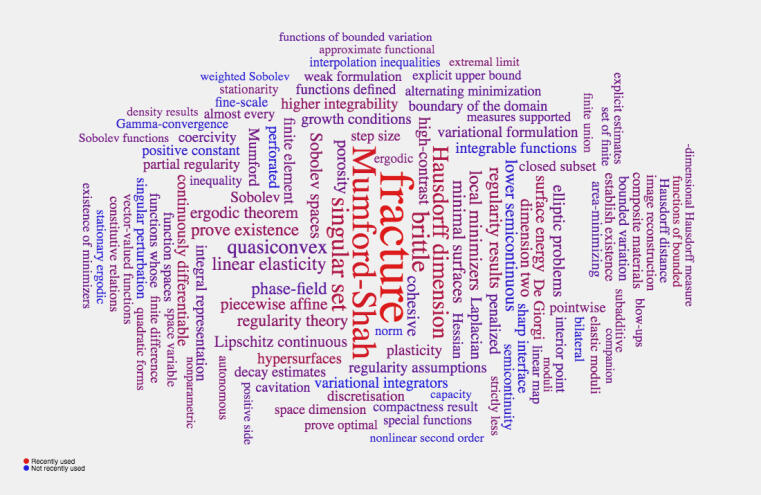
Professor Caterina Ida Zeppieri is a distinguished mathematician at the Westfälische Wilhelms-University Münster (University of Münster) in Germany, where she leads the Research Group 'Analysis and Modelling' within the Institute for Analysis and Numerics. She has maintained a continuous academic presence since at least the Winter semester 2012/13 through to upcoming semesters in 2025/26, consistently teaching advanced mathematics courses and supervising research activities. Her research focuses on fundamental aspects of mathematical analysis with significant applications to materials science. She specializes in Calculus of Variations, Elliptic PDEs, Gamma-convergence, Homogenization theory, Free-discontinuity problems, Nonlinear elasticity, and Plasticity. Her work bridges theoretical mathematics with practical applications in understanding material behavior, particularly fracture mechanics and composite materials. Professor Zeppieri's publication record demonstrates a consistent and impactful research trajectory from 2007 through forthcoming publications in 2025. Her recent work shows a strong emphasis on stochastic homogenization techniques applied to free-discontinuity problems and singularly-perturbed functionals, revealing sophisticated mathematical approaches to modeling complex material behaviors across multiple scales. She regularly collaborates with leading researchers including Filippo Cagnetti, Gianni Dal Maso, and Lucia Scardia, contributing to significant advances in the mathematical understanding of material science phenomena. Her research has been published in top-tier mathematics journals including Calculus of Variations and Partial Differential Equations, Archive for Rational Mechanics and Analysis, and SIAM Journal on Mathematical Analysis. Within the department, Professor Zeppieri plays an active role in teaching advanced courses such as Partial Differential Equations, Calculus of Variations, and Advanced Topics in the Calculus of Variation, while participating in the department's Advanced Seminar in Applied Mathematics and Colloquium on Applied Mathematics.
Mathias Benedek is an Associate Professor at the Institute of Psychology, Faculty of Natural Sciences, University of Graz, Austria. He directs the Creative Cognition Lab and is actively involved in several research networks, including the "Complexity of Life" profile area, the "Brain and Behavior" research network, and the "FUTURE EDUCATION" research network at the University of Graz. His research focuses on the cognitive and neural mechanisms underlying creative thinking, with particular emphasis on the role of memory processes, metacognition, and eye movement patterns during creative ideation. Dr. Benedek's work bridges psychological theory with empirical research methods including eye tracking, neuroimaging, and computational modeling of creative processes. His research has important implications for understanding how creative potential develops and how it can be assessed and nurtured in educational and professional contexts. Dr. Benedek's publication record demonstrates a consistent focus on creative cognition across multiple dimensions. His recent work has expanded into emerging areas such as human-AI collaboration for creative tasks, automated assessment of creativity using large language models, and the relationship between physical activity and creative performance. His research shows a strong trajectory toward more ecologically valid methods for studying creativity in real-world contexts, moving beyond traditional laboratory paradigms. Seraphine Puchleitner Anerkennungspreis (PhD Supervision Award), University of Graz, 2021 William-Stern-Preis, German Psychological Society, 2019 Research Prize, University of Graz, 2017 Research Prize (Publication Category), Initiative Gehirnforschung, 2016 Berlyne Award, Division 10, American Psychological Association, 2015 Dr. Benedek has demonstrated strong commitment to mentoring the next generation of researchers, as evidenced by his 2021 PhD Supervision Award. His research has been supported by multiple grants from national and international funding bodies, though specific grant details are not provided in the available information. His professional service includes leadership roles in the Initiative Gehirnforschung Steiermark since 2010 and active membership in several psychological societies across Europe and North America. Dr. Benedek leads the Creative Cognition Lab at the University of Graz, which employs a multidisciplinary approach to studying creative processes. The lab integrates methods from cognitive psychology, neuroscience, and computational modeling to investigate the mechanisms underlying creative thought. Current research projects examine the relationship between eye movements and internal cognitive processes, the development of automated assessment tools for creativity, and the application of creativity research to educational contexts.
Jennifer G. Cromley is a Professor in the Department of Educational Psychology at the University of Illinois at Urbana-Champaign. Her research focuses on comprehension of illustrated scientific text and the achievement and retention of undergraduate students in STEM majors. She employs both basic (eye tracking, think-aloud protocols) and applied research methods (randomized control trials, quasi-experiments) across educational settings from middle school to undergraduate programs. PhD in Human Development from University of Maryland, College Park Her work spans experimental and technology-delivered instruction, funded by the US Department of Education, National Science Foundation, and university grant programs. She has been recognized twice as one of the world's most productive Educational Psychologists. Research areas: STEM Education Learning Theories Instructional Design Student Motivation Educational Research Methodology Key Collaborations: ASEE (American Society for Engineering Education) University of Illinois Urbana-Champaign Scientific Awards & Funding National Science Foundation Grants US Department of Education Awards University Grant Programs World's Most Productive Educational Psychologist Recognition (x2) She mentors graduate students through an apprenticeship model, integrating them into active research projects for authorship opportunities in peer-reviewed publications.
Kitty Stewart serves as Professor in the Department of Social Policy and Associate Director of the Centre for Analysis of Social Exclusion (CASE) at the London School of Economics and Political Science. With a PhD in Economics from the European University Institute in Florence, she brings over two decades of research experience to her role, having joined CASE as a post-doctoral researcher in 2001 after working at UNICEF's Innocenti Research Centre. Her educational background includes a PhD in Economics from the European University Institute, Florence, establishing her interdisciplinary approach that bridges economics and social policy analysis. Stewart's research focuses primarily on child poverty, social security policies, and early childhood education and care systems. Her work examines the impact of welfare reforms on family wellbeing, with particular attention to larger families and ethnic minority groups. She employs mixed methods approaches to investigate how cash support for children affects family finances, how benefit caps influence housing choices, and how welfare conditionality shapes parental behavior. Her research demonstrates how policy design affects both immediate family wellbeing and long-term intergenerational outcomes, with recent work highlighting the intersection of poverty, ethnicity, and welfare conditionality in the UK context. Analysis of her recent publications reveals a consistent focus on welfare conditionality and its consequences, particularly examining the two-child limit and benefit cap policies. Her research demonstrates how these policies create poverty traps, disproportionately affect ethnic minority families, and fail to achieve their stated employment incentives while increasing hardship. She has developed innovative conceptual frameworks, including the 'adult-behavior-orientated' policy category, to better understand contemporary welfare reforms. Fellow of the Academy of Social Sciences Trustee of the Education Policy Institute Trustee of the Child Poverty Action Group Stewart leads multiple significant research projects including 'Family finances: What difference does cash support for children make?' funded by the abrdn Financial Fairness Trust, which examines the Scottish Child Payment, and a four-year Nuffield Foundation study on 'Benefit changes and larger families' investigating the two-child limit and Benefit Cap. Her work frequently employs mixed methods approaches combining quantitative analysis with in-depth qualitative interviews to capture both statistical trends and lived experiences of policy changes. She regularly contributes to policy debates through CASEbriefs and engagements with organizations like the Child Poverty Action Group. As Associate Director of CASE (Centre for Analysis of Social Exclusion), Stewart works within one of the UK's leading research centers focused on poverty, inequality, and social exclusion. CASE operates within LSE's Department of Social Policy and maintains strong connections with policymakers, third sector organizations, and international research networks. The center's multidisciplinary approach enables comprehensive analysis of social policy issues from economic, sociological, and political perspectives.