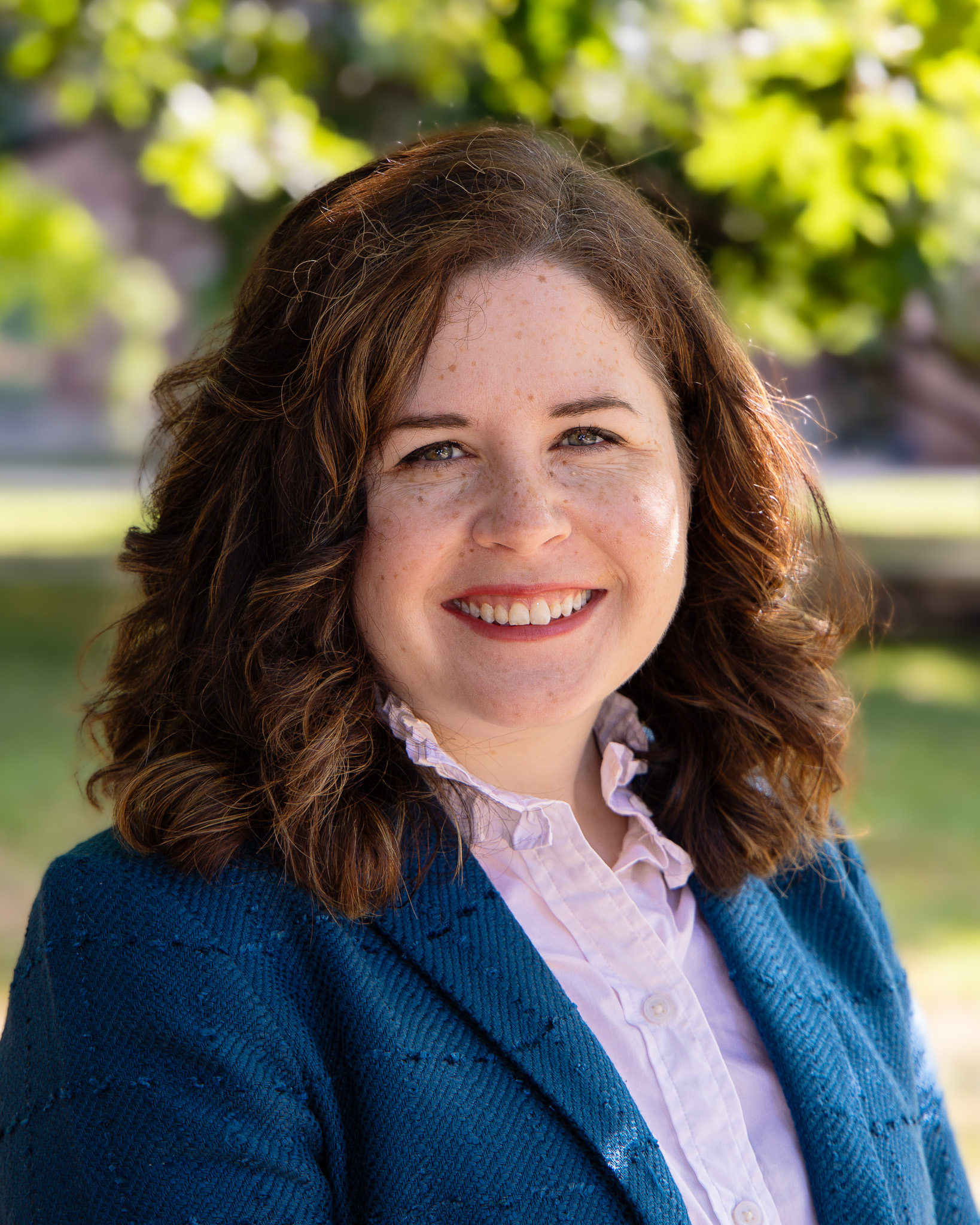
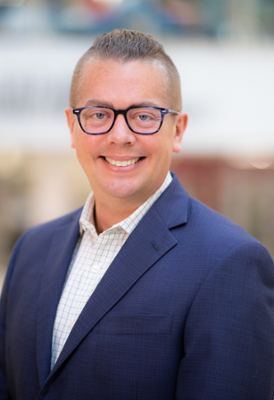
Laura Belli is a Researcher at the Department of Engineering and Architecture , University of Parma, with a focus on interdisciplinary projects bridging IoT, Machine Learning, and Smart Systems . Her work spans smart agriculture, vehicular networks, and urban mobility. Research Interests: Internet of Things (IoT) in agriculture and transportation Machine Learning for predictive modeling and data analysis Edge Computing and network optimization Blockchain applications in data integrity Driver health and stress monitoring Recent Publications highlight her contributions to privacy-preserving vehicular systems , smart farming datasets , and adaptive IoT protocols . She collaborates on projects like OPEVA and DistriMuse , emphasizing data-driven innovation.
Yair Berson is a Professor in Human Resources & Management at McMaster University's DeGroote School of Business. As Business Research Chair and Director of the DeGroote Leadership Hub and NeuroLead Lab, he explores how leader characteristics and actions influence followers through biological, psychological, and organizational lenses. PhD from SUNY Binghamton Current editorial board member of Personnel Psychology and The Leadership Quarterly His research spans neuroscience and organizational behavior, with recent work examining emotional synchrony in teams, leadership age dynamics, and physiological measurement in decision-making. Publications in PNAS , Journal of Applied Psychology , and Psychological Science demonstrate his interdisciplinary impact. Scientific contributions include: Co-authored/co-edited two leadership monographs Developed neurophysiological frameworks for team dynamics Chaired Academy of Management Neuroscience Interest Group Published in top journals across management, psychology, and neuroscience
David Sears is an Associate Professor of Interdisciplinary Arts at Texas Tech University , affiliated with the J.T. & Margaret Talkington College of Visual & Performing Arts . He co-directs the Performing Arts Research Laboratory (PeARL) and coordinates the Bachelor of Arts in Interdisciplinary Arts Studies. Prior to TTU, he earned a PhD in Music Theory from the Schulich School of Music at McGill University (2016) and completed a postdoc at Johannes Kepler University (2017). Dr. Sears' research focuses on the structural parallels between music and language , particularly in tonal harmony, using behavioral and computational methods. His work also spans popular music analysis (e.g., 80s pop synthesizers, Billboard Hot 100 trends), music and emotion , DIY communities on platforms like Pinterest, and film/video game music (e.g., jump scares, autism spectrum emotion recognition). His publications appear in venues like Music Perception , Psychology of Music , and Quarterly Journal of Experimental Psychology . PeARL, where he is a director, employs methods from psychophysics , cognitive psychology, and music informatics to study music, theatre, dance, and visual arts. Current projects include modeling musical expectation , analyzing horror film soundtracks , and exploring DIY online communities . As a pedagogue, Dr. Sears teaches graduate seminars in the Fine Arts Doctoral Program and undergraduate/graduate music theory courses. His lab's recent graduates include Hannah Percival (2024) and Sylvia Weintraub (2024), with ongoing advising of PhD candidates like Elizabeth Acosta and Devin Guerrero.
Jessica D. Payne is a Professor of Psychology at the University of Notre Dame , where she directs the Sleep, Stress, and Memory (SAM) Lab . As a Sleep and Stress Neuroscience Expert , her research explores how sleep and stress interact to influence memory consolidation , emotional processing , and leadership performance . She has received prestigious accolades including the Laird Cermak Award , the Early Career Award from the Psychonomic Society , and election as a Kavli Fellow by the National Academy of Sciences. Education: Ph.D. in Psychology/Cognitive Neuroscience, University of Arizona Postdoctoral Fellowships at Harvard Medical School and Harvard University M.A. in Experimental Psychology, Mount Holyoke College B.A. in Psychology, University of San Diego Research Focus : Payne’s work demonstrates that sleep is not passive but an active process where the brain consolidates emotional memories , enhances creativity , and regulates neurochemicals like cortisol . Her studies reveal sleep’s role in selective memory consolidation , particularly for negative emotional stimuli , with implications for understanding mental health disorders like PTSD and depression. Scientific Contributions : 2025: Eveningness and sleep quality in aging 2024: Targeted memory reactivation during NREM sleep 2023: Cognitive reappraisal’s interplay with sleep 2022: Sleep’s preferential consolidation of negative memories Organizational Impact : As an internationally recognized speaker and consultant for 20 years, Payne applies her findings to Fortune 500 companies , healthcare organizations , and athletics teams . She advocates for flexible work schedules aligned with circadian rhythms and promotes sleep-friendly leadership practices to enhance productivity and well-being. Teaching Excellence : Payne’s popular course “The Sleeping Brain” earned teaching awards from both Harvard and Notre Dame. She serves as Associate Editor for Journal of Experimental Psychology: General and Learning & Memory . Labs & Collaborations : The SAM Lab at Notre Dame conducts interdisciplinary research integrating psychophysiological measurements , fMRI studies , and behavioral experiments to uncover how sleep and stress shape cognition.
Alejandro Lleras is a Professor at the University of Illinois at Urbana-Champaign, affiliated with the College of Liberal Arts and Sciences and the Beckman Institute for Advanced Science and Technology . He serves as the Associate Dean for Inclusive Excellence and is a member of the U.S. National Committee for Psychological Science . Ph.D. from Pennsylvania State University (2002) Current co-director of the Vision Lab with Simona Buetti His research focuses on visual attention, perception, and feature-based processing , with recent work exploring emotional memory modulation, color-shape interactions in search tasks, and peripheral vision limitations. Key themes include: Temporal attention and sustained concentration failures Feature guidance in complex visual environments Role of perceptual similarity in search efficiency Impact of emotional arousal on relational memory His publications (2012–2025) demonstrate expertise in visual cognition, attentional theories, and cognitive modeling , with a strong emphasis on experimental validation of computational models. Awards include the NSF CAREER award and Psychonomic Society Mid-Career award . As co-founder of the Spark Society , he actively promotes diversity in cognitive sciences. His lab investigates topics like contextual cueing , feature boosting theories , and online eye-tracking methodology , supported by NSF grants including the Louis Stokes Alliance for Minority Participation program.
Univ.-Prof. Dr. Pierre Sachse is a Professor of General Psychology at the University of Innsbruck, Austria, where he holds the Professorship for General Psychology within the Faculty of Psychology. His office is located at Universitätsstraße 5-7 (Grauer Bär), Room 2S20, with postal address at Universitätsstraße 15, A-6020 Innsbruck. His research spans multiple domains of cognitive and experimental psychology, with particular emphasis on visual perception, memory processes, and psychophysiological measures. Professor Sachse's research interests focus on eye movement patterns, attentional mechanisms, memory consolidation processes, and sensory processing sensitivity. His work employs sophisticated methodologies including eye tracking, psychophysiological measurements, and experimental cognitive paradigms to investigate fundamental cognitive processes. He has made significant contributions to understanding how post-learning activities affect memory retention, how gaze behavior influences social interactions, and the relationship between sensory processing sensitivity and cognitive performance. His research bridges theoretical cognitive psychology with practical applications in work psychology and human-computer interaction. Analysis of his recent publications reveals a strong trend toward interdisciplinary research combining cognitive psychology with social, business, and historical perspectives. His work increasingly integrates advanced data analysis techniques with traditional experimental methods, as evidenced by the development of tools like SPBView for eye movement analysis. There's a clear progression from basic cognitive processes to their application in real-world contexts including team performance, leadership, and interpersonal communication. His research maintains a consistent focus on individual differences, particularly how sensory processing sensitivity moderates cognitive and emotional responses. Professor Sachse has supervised numerous doctoral and postdoctoral researchers, with Martini, Maran, Furtner, Hoffmann, and Büsel appearing frequently as co-authors on his publications. His collaborative network extends across multiple institutions and disciplines, reflecting the interdisciplinary nature of his research. While specific grant information isn't detailed in the provided materials, his extensive publication record suggests successful funding for multiple research projects over his career. His research group appears to focus on experimental cognitive psychology with specialized equipment for eye tracking, psychophysiological measurements, and behavioral experiments. The group conducts both laboratory and naturalistic studies, including mobile eye tracking in real-world environments. Their work spans basic cognitive mechanisms to applied contexts in business, leadership, and social interactions.
Leigha MacNeill serves as Assistant Professor in the Department of Human Development and Family Science within Purdue University’s College of Health and Human Sciences, where she integrates family systems and biological perspectives to investigate early childhood self-regulation and mental health development through translational research. Her educational foundation includes: Ph.D. in Psychology (2019, Pennsylvania State University) M.S. in Psychology (2016, Pennsylvania State University) B.A. in Psychology (2012, University of Rochester) Dr. MacNeill’s research emphasizes social-emotional development, temperament regulation, and early mental health risk prediction using autonomic physiology, eye-tracking, and family interaction analysis. She adopts a strengths-based framework to identify resilience pathways while developing tools for pediatric primary care and school settings, with particular focus on contextualized irritability assessment as a transdiagnostic marker. Her 2023-2025 publications reveal a concentrated effort in developing and validating mental health risk calculators for young children, combining neuroimaging, mobile eye-tracking, and longitudinal modeling to create culturally meaningful screening tools applicable in real-world clinical contexts. Scientific recognition includes: NIH Loan Repayment Program Award (L40MH121108) She leads the NIH-funded SHINE Lab while serving as Principal Investigator on the $100,000 Loan Repayment Program Award and Co-Investigator on a $7.45M NIMH R01 grant, actively recruiting graduate students for developmental health research. Her teaching includes HDFS 305: Biosocial Foundations of the Family. The Social-emotional Health In Nurturing Environments (SHINE) Lab employs innovative methodologies like passive ECG bio-sensing and naturalistic observation to study biobehavioral mechanisms underlying child mental health, with recent work focusing on pandemic stress impacts and just-in-time intervention development.
Hiroyuki Horino is a Professor at the Faculty of Sport Sciences, Waseda University, where he has taught since 1998 and held his current rank since 2015. He earned a Doctor of Human Sciences from Waseda and specializes in sports psychology and coaching science, with extensive research on soccer performance, athlete mental health, career-transition support, and coach education. Education & Affiliations Doctor of Human Sciences, Waseda University Professor, Faculty of Sport Sciences, Waseda University (2015–) Director, Institute of Coaching, Waseda University (2024–2026) Research Focus Horino’s work integrates psychophysiological investigations—such as EMG and fMRI studies of kicking skills—with applied coaching research, match analysis, and the development of support systems for student and professional athletes. Current projects emphasize career-transition literacy, mental-health screening, and evidence-based interventions for university athletes. Publications & Impact He has authored or co-authored more than 100 peer-reviewed articles and several influential books, including Mental Guide for Soccer Players and Coaches (2024) and The “Dream Notebook” that Strengthens the Mind (2016). His 2021–2023 output reveals a clear trend toward systematic reviews and scale-development studies that bridge psychological theory and practical coaching tools. Awards & Recognition Paper Award, Japanese Society for Physiological Psychology and Psychophysiology (2001) Key technical roles for FIFA/AFC women’s tournaments (2007–2014) Head coach, Japanese women’s national university teams (Universiade 2011, 2013) Teaching & Service Horino teaches over two dozen undergraduate and graduate courses spanning sport psychology, coaching methodology, and high-performance management. He is an active member of four domestic academic societies and has delivered more than 60 international conference presentations, including invited talks at the European College of Sport Science.
Professor Melanie Dirks is the Department Chair of Psychology at McGill University, specializing in Clinical Psychology and Developmental Science . Her research focuses on mapping social and emotional skills across childhood, adolescence, and young adulthood, with emphasis on peer/sibling relationships and their impact on psychological symptoms. Uses multimodal methodologies: observational studies, daily diaries, emotion recognition tasks Current projects: friendship quality maintenance, interpersonal victimization in youth, emotional communication dynamics Key research themes from publications include: Peer Relationships : Dissolution patterns, prosocial behavior, bullying, and dating aggression Emotional Processing : Vocal emotion recognition, neural reward responses, stress-neuroimaging links Contextual Influences : Family dynamics, socioeconomic status, post-pandemic social changes Her lab ( CASC Lab ) trains students in advanced social-emotional assessment techniques, with notable advisees including *Morningstar, *Gilbert, and *Santucci. Google Scholar articles (2014-2025) demonstrate expertise in developmental psychopathology, social neuroscience, and cross-cultural mental health determinants.
Dr. Sarah Berger is a Full Professor at the College of Staten Island, CUNY. Her research focuses on infant development, particularly the interplay between motor skills, sleep, and cognitive processes. She leads the Child Development Lab, exploring how locomotion and postural control influence problem-solving and learning in infants. Her educational background includes a PhD and MA from New York University and a BA from the University of Texas. Notable awards include National Science Foundation grants (2020-2023, 2016-2021) and a Fulbright Research Fellowship (2010-2011). Research interests include cognition-action trade-offs, sleep's role in motor learning, and the impact of motor delays on learning. Collaborations involve Dr. Anat Scher (University of Haifa) on sleep and locomotion, and Dr. Regina Harbourne (Duquesne University) on postural control and motor interventions. She also partners with Nanit for sleep-motor development studies. Key findings highlight sleep's role in enhancing problem-solving after learning, and the cognitive demands of balancing during reaching tasks. Her work bridges developmental psychology, physical therapy, and neuroscience. Scientific Awards: NSF Awards (2020-2023, 2016-2021), Fulbright Fellowship Advising: Mentor to over 20 students in experimental and observational studies Labs/Teams: Child Development Lab, collaborations with NYU and Duquesne University
Raquel Costa Ferrer is a faculty member at the Universitat de València, affiliated with the Faculty of Psychology and Speech Therapy, Department of Psychobiology. She is part of the BACNeuLab (Laboratory of Behavioral, Affective and Cognitive Neuroscience), where her research focuses on the interplay between psychological, physiological, and hormonal responses during cognitive and emotional tasks. Her research interests lie primarily in psychobiology and cognitive-affective neuroscience. She investigates how the brain responds to attentional and competitive challenges, integrating psychological assessment with electro-physiological (e.g., EEG) and hormonal (e.g., cortisol) measurements. Her work contributes to understanding the biological underpinnings of behavior, particularly under stress or performance pressure. The research trends observed in her focus areas indicate a strong emphasis on experimental psychophysiology, with applications in cognitive performance, emotion regulation, and neuroendocrine responses. Her methodological approach combines behavioral testing with biological data collection, aligning with interdisciplinary neuroscience research. Currently, no scientific awards are listed in the available information. She has supervised doctoral research, having completed her own PhD at the Universitat de València in 2005. While specific advisees are not named, her role as a thesis supervisor indicates active mentorship in her field. No grants or funding projects are mentioned in the provided text. Raquel Costa Ferrer is a member of the BACNeuLab research group, which specializes in the study of behavioral, affective, and cognitive processes using neuroscientific methods. This laboratory environment supports multidisciplinary research integrating psychology, neuroscience, and physiology.
Julie Patrick is a Professor in the Department of Psychology at West Virginia University, within the Eberly College of Arts and Sciences. She specializes in life-span developmental psychology with a focus on adult development, aging, cognitive aging, decision-making, and health disparities, particularly in rural Appalachia. She leads the Healthy Aging Lab and serves as Principal Investigator of the NIH-funded AGE-ADAR Scholars Program, a $1.8 million initiative to diversify aging research. Her work integrates family dynamics, emotional well-being, spirituality, and intervention design. Her research interests span adult development , cognitive aging , decision-making , health promotion , rural health , intergenerational caregiving , and dementia care . She emphasizes integrative approaches, combining physical, emotional, social, and spiritual dimensions of well-being. Her lab actively develops and tests interventions, including awe-induction studies and Appalachia-themed activities for persons with dementia. She also focuses on methodological rigor, utilizing SEM, HLM, GEE, and LGCM in longitudinal and experience sampling studies. The recent publications from her lab reflect a strong trend in health disparities , spirituality and aging , fear of dementia , caregiving dynamics , and innovative data collection methods . These works are published in journals such as the International Journal of Aging and Human Development , Journal of Adult Development , and Psychology of Religion and Spirituality , indicating a multidisciplinary approach to aging research. Fellow of the Gerontological Society of America Editor, International Journal of Aging and Human Development (Sage Publishing) Regular reviewer for National Science Foundation and National Institute on Aging Principal Investigator, R25 AGE-ADAR Scholars Program Co-investigator on multiple WVU Community Engagement and Innovation Summit grants Dr. Patrick advises multiple doctoral students in the Healthy Aging Lab, including Payton Radcliffe, Claire Heilman, S. Alison Bolling, and Carly E. Pullen. Her former students, such as Laura Bernstein, Michaela Clark, Abigail Nehrkorn-Bailey, and Amy Knepple Carney, have secured academic positions, reflecting her strong mentorship record. She has secured over $285,000 in external research funding and more than $30,000 for teaching support. Her lab fosters diversity, equity, and inclusion, aligning with institutional initiatives. The Healthy Aging Lab is an active research group focused on improving lives across the lifespan. It values integration across domains, pursuit of knowable truths through scientific rigor, and strategic use of time. The lab engages in projects on awe, dementia care, opioid treatment, and caregiver well-being, often in collaboration with social work, neuroscience, and community partners. It emphasizes professional development, methodological training, and dissemination to both academic and public audiences.
Associate Professor Narine Yegiyan serves in the Department of Communication at the University of California, Davis, and directs the Dynamic Interactions in Cognition & Emotion (D.I.C.E.) Lab. She teaches both graduate and undergraduate courses on media-message processing, quantitative research methods, and mass-communication effects. Education Ph.D., Mass Communication, Indiana University, 2008 M.A., Journalism, Indiana University, 2004 B.A., Journalism, 1995 (cum laude) Her scholarship explores how individuals prioritize information under cognitive and emotional overload, integrating neurobiological theories of motivated cognition with psychophysiological and behavioral methodologies. Core themes include the interplay of memory and emotion, visual-message design, and the strategic construction of health and risk communications. Across her 2003–2023 publication record, Yegiyan repeatedly investigates how emotional tone, message structure, motivational activation, and individual differences shape attention, memory, and attitudinal outcomes. Recent work has concentrated on food-cue reactivity under stress, the persuasive efficacy of health PSAs, and the cognitive demands of online news environments. Scientific Awards Distinguished Article Award, Communication and Cognition Division, National Communication Association, 2012 UC Summer Salary Research Grant, 2010 First Place, Interactive Scholar-to-Scholar Paper-Poster Competition, Mass Communication Division, International Communication Association, 2008 Indiana University College of Arts and Sciences Dissertation Year Fellowship, 2006–2007 She mentors students through the D.I.C.E. Lab, where ongoing projects examine motivated cognition in contexts ranging from food marketing to disaster news, supported by intramural UC Davis grants. Future directions include extending psychophysiological measures to immersive media and developing evidence-based guidelines for high-stakes health campaigns. The D.I.C.E. Lab, housed within the Department of Communication, provides state-of-the-art facilities for psychophysiological recording, eye-tracking, and self-report data collection, fostering collaborative research across psychology, neuroscience, and public-health disciplines.
Dr. Thomas Ferris is an Associate Professor in Industrial & Systems Engineering at Texas A&M University, with an affiliation in Environmental & Occupational Health. He holds a Ph.D. in Industrial & Operations Engineering (Cognitive Ergonomics) from the University of Michigan (2010). His research focuses on human factors in complex systems, emphasizing tactile display design, cognitive workload management, and human-automation interaction. Key areas include driver distraction mitigation, medical anesthesiology support systems, and aviation weather alerting technologies. Education: Ph.D., Industrial & Operations Engineering (Cognitive Ergonomics), University of Michigan, 2010 Bachelor's Degree (Engineering Valedictorian), University of Iowa, 2003 Research Interests: Human factors in aviation and automotive systems Design of tactile and multimodal interfaces Cognitive efficiency in multitasking environments Psychophysiological workload assessment Emergency response system human factors Recent work emphasizes developing vibrotactile warning systems for construction operators, fatigue detection in aviation, and collaborative robot productivity analysis. His lab (Human Factors & Cognitive Systems) explores VR applications in remote physical examination and cybersickness mitigation strategies. Awards include the NSF Graduate Research Fellowship (2005-2008) and World Haptics Best Paper (2009). He has advised over 30 graduate students and published widely in Human Factors, IEEE Transactions, and Aviation safety journals.
Amanda Friesen is an Associate Professor and Canada Research Chair in Political Psychology (Tier 2) at the Faculty of Social Science , Western University . She holds a PhD from the University of Nebraska-Lincoln and directs the Body Politics Lab . Her research integrates political psychology , behavior genetics , and psychophysiology to explore how social identities and individual dispositions interact with political contexts. University: Western University School: Faculty of Social Science Department: Department of Political Science Academic Rank: Associate Professor Director: Body Politics Lab Email: afries4@uwo.ca Her work spans gender and politics , religion and politics , and physiological responses in political decision-making. She examines topics like objectification of women candidates , sexism in policy attitudes , and genetic/political orientation links . Articles highlight interdisciplinary methods combining life sciences with political analysis , including studies on taste perception and risk tolerance , pandemic trust , and constitutional amendments . Recent publications focus on 2025 topics like religious tolerance , genetic policy influences , and gender mobilization , alongside 2023 pandemic-related studies. Earlier work (2022-2021) includes sexism in political attitudes , disgust responses , and genetic/political links . Her 2019-2017 research addresses generational change , erotic image arousal , and conscientious women’s civic involvement . Scientific Awards: 2021 Honorable Mention, APSA Ted Jelen Best Journal Article in Politics & Religion 2021 Templeton World Charity Foundation Grand Challenges for Human Flourishing Project Finalist 2021 SSHRC Connection Grant 2020 Special Issue Funding, Politics and the Life Sciences 2019 Diverse Europe Theme Group Visiting Scholar 2019 Erasmus Mundus EuroCulture Faculty Exchange Scholarship 2018 APSA Best Conference Paper Award, Political Networks Section She has collaborated on projects related to digital segregation , religious credibility , and caregiving tasks and disgust responses , often integrating experimental design and physiological markers into political analysis.